
Gambero Rosso 1 Forchetta
Our verdict
Trattoria Palatino puts Italian dining in Shanghai into a more ingredient-led frame: less theatre, more attention to provenance, restraint, and the everyday grammar of the trattoria. Its Gambero Rosso one-fork designation gives it a credible Italian benchmark in a city where European dining often splits between hotel formality and design-heavy destination rooms.

Pearl is the En Primeur Club membership app, where members save venues, book tables and use the concierge.
The menu
What to order
- Roman-style pizza
- Pasta dishes
- Meat and fish mains
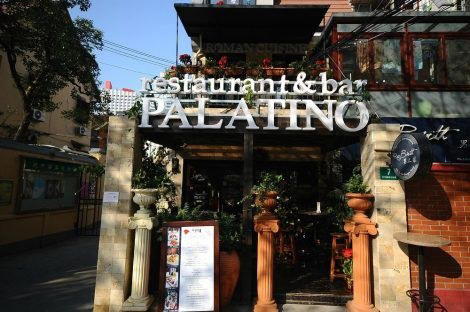
Shanghai has the right kind of friction for a neighborhood dining room: close-set streets, small storefronts, traffic close enough to hear, and the city’s habit of mixing polished dining with ordinary street life. In Shanghai, that setting matters. Imported dining formats can lose their centre when treated only as luxury; the stronger version works by keeping the room conversational and letting ingredients carry the argument.
Trattoria Palatino belongs to that quieter register. The useful signal is not a long list of trophies, but a specific one: a Gambero Rosso one-fork restaurant designation. For restaurants assessed by that guide, the recognition points to a standard closer to culinary fluency than spectacle. It rewards places that understand structure, where the meal operates as a system rather than as decorative shorthand.
Dining in Shanghai works when sourcing leads the menu
Shanghai’s dining culture is unusually fluent in imported food languages. The city has the purchasing power, logistics, and audience for international restaurants, but the gap between convincing cooking and generic global dining remains wide. The difference often comes down to sourcing discipline: which ingredients define a dish, which are chosen because freshness matters more than passport, and which are left alone because balance depends on proportion rather than embellishment.
That is why a relaxed restaurant format can be a sharper test than a formal tasting-menu room. There is less room to hide behind plating. Texture, acidity, richness, freshness, and seasoning need to read clearly. In a city where premium dining often equates luxury with visible expense, the more restrained tradition asks a different question: does the kitchen know when not to add another element?
The one-fork marker from Gambero Rosso is useful here because it places the restaurant inside a specific evaluation framework rather than a broad luxury ranking. It does not make the room a museum of orthodoxy, and it should not be read as a promise of rusticity for its own sake. It indicates that the restaurant has been noticed for coherence, a meaningful distinction in Shanghai’s crowded international dining scene.
Shanghai gives the restaurant format its natural audience
Shanghai is one of China’s more revealing dining cities because it serves multiple publics at once: office diners, long-term international residents, weekend local regulars, and visitors who want the city without defaulting to hotel restaurants. That mix suits a repeatable restaurant pleasure rather than a special-occasion costume. A good dining room has to make sense on a weekday as much as on a celebratory night, with enough polish to justify the spend and enough ease to invite return visits.
Trattoria Palatino, named sparingly because the broader point is the category, fits that pattern. Its value to the Shanghai scene is less about novelty than calibration. The room sits in a city where diners can choose banquets, steakhouses, cocktail-led evenings, and tasting menus within a short urban radius. Against that field, ingredient-led cooking offers a different rhythm: slower, less performative, anchored in sourcing and kitchen restraint.
For readers mapping Shanghai more broadly, Trattoria Palatino is only one strand of the city’s premium restaurant culture. EP Club’s wider coverage tracks other Shanghai dining rooms across Chinese, steakhouse, and international formats. The contrast is useful: Shanghai is not short on ambitious restaurants, but ingredient discipline is what separates a convincing restaurant from a room merely dressed in another place’s vocabulary.
How to read it within a Shanghai itinerary
This is the kind of address that makes the most sense when placed inside Shanghai rather than isolated from it. Build the evening around the city’s density: dinner first, then a bar nearby, or a longer itinerary that balances regional Chinese cooking with international rooms. For a wider planning frame, see Our full Shanghai restaurants guide, Our full Shanghai hotels guide, Our full Shanghai bars guide, Our full Shanghai wineries guide, and Our full Shanghai experiences guide.
China’s regional dining map also helps put Shanghai in perspective. The country’s serious restaurant culture is not a single hierarchy but a set of city-specific traditions, from inland spice and coastal seafood to refined banquet cooking and capital-city classics. EP Club’s broader China files cover other dining in major cities, while separate international coverage looks at Asian-diaspora dining outside China. The point is comparative rather than competitive: Shanghai’s restaurant culture is best read as one highly developed node in a wider regional map.
The editorial case for Trattoria Palatino is specific: it gives Shanghai diners a reference point judged by Gambero Rosso, in a city where sourcing, consistency, and restraint matter more than grand gestures. Treat it as part of a broader Shanghai evening, not as a trophy stop. That is where this kind of restaurant does its real work.
Frequently asked questions
Does Trattoria Palatino have a Michelin star or similar recognition?
Trattoria Palatino has received recognition including: Gambero Rosso one-fork restaurant designation.
Where exactly is Trattoria Palatino?
Shanghai.
Do they take walk-ins at Trattoria Palatino?
The listing does not specify a booking policy. Check directly with Trattoria Palatino for current reservation or walk-in availability.
What's the signature at Trattoria Palatino?
No named signature dish is provided. The clearest marker is the Gambero Rosso one-fork designation, which places the focus on the restaurant as a whole rather than a single headline plate.
Comparable Venues Nearby
Comparable venues nearby, for context on price, style, and recognition.
| Venue | Cuisine | Price | Awards | Notes |
|---|---|---|---|---|
| Trattoria PalatinoThis venue (the venue you are viewing) | Traditional Roman Italian Trattoria | $30–50 | Gambero Rosso 1 Forchetta | Not listed |
| Da Marco | Classic Italian Trattoria | $30–50 | Gambero Rosso 1 Forchetta | Changning District |
| LA BELLA VITA | Casual Italian Pizzeria | $30–50 | Gambero Rosso 1 Forchetta | Xujiahui |
| Si Ji Xuan | Cantonese & Shanghainese Chinese | Not listed | Not listed | Shanghai |
| èæ£å ´èé¦ | Old Zheng Market Vegetable Hall | Not listed | 1 Michelin Star | Huangpu |
| Bottega | Authentic Neapolitan Pizza & Italian Classics | $50–100 | Gambero Rosso 3 Spicchi | Lao Ximen |
Recognition history
Dated appearances from independent guides and award organizations, with the underlying list record or original source where available.
Gambero Rosso 1 Forchetta
Gambero Rosso
Continue exploring
More in Shanghai
Restaurants in Shanghai
All restaurants in Shanghai →
Bars in Shanghai
All bars in Shanghai →
Details
- Cozy
- Classic
- Romantic
- Lively
- Date Night
- Group Dining
- Family
- Casual Hangout
- Celebration
- Wine Cellar
- Standalone
- Extensive Wine List
- A La Carte
- Wine
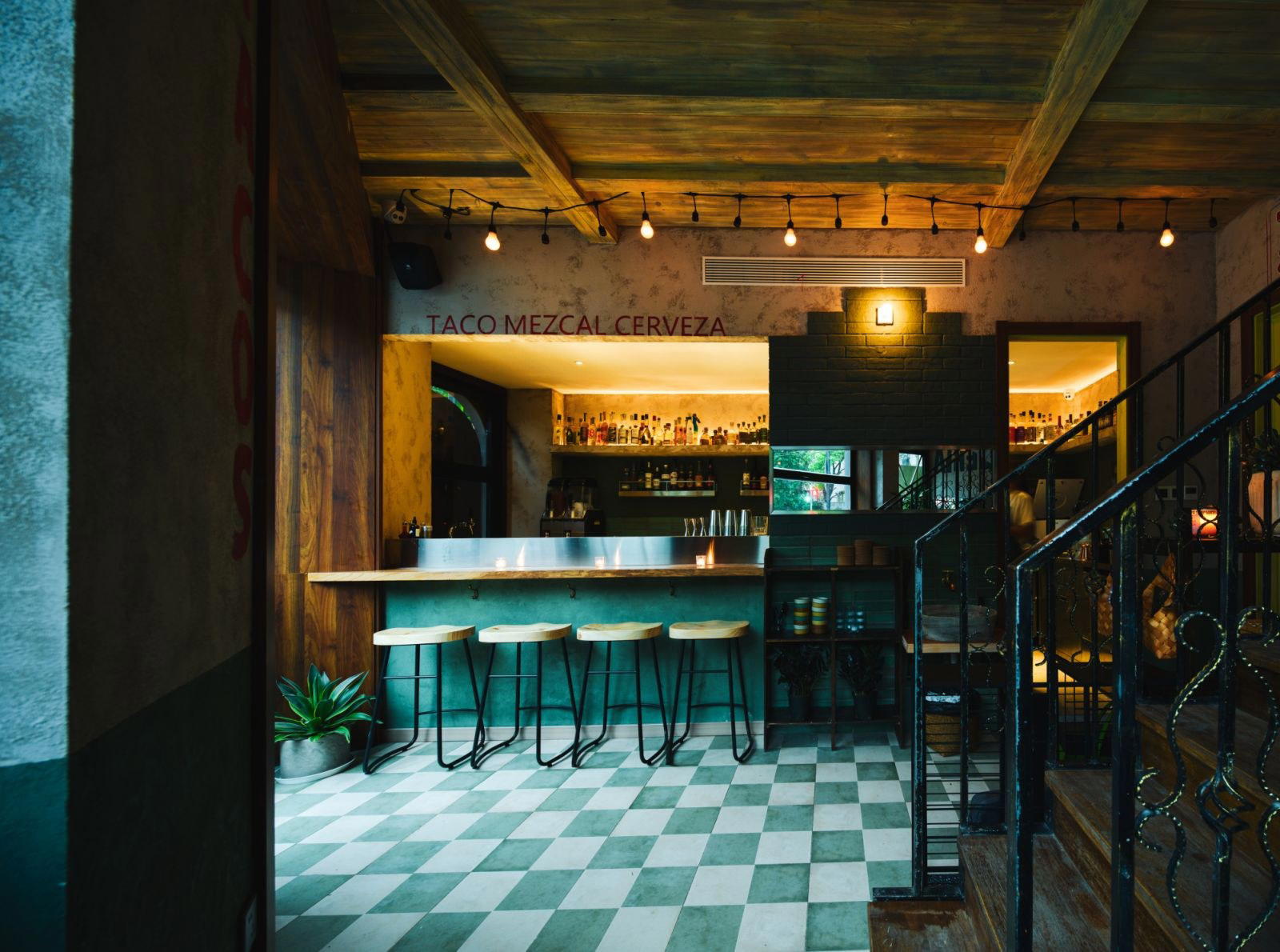
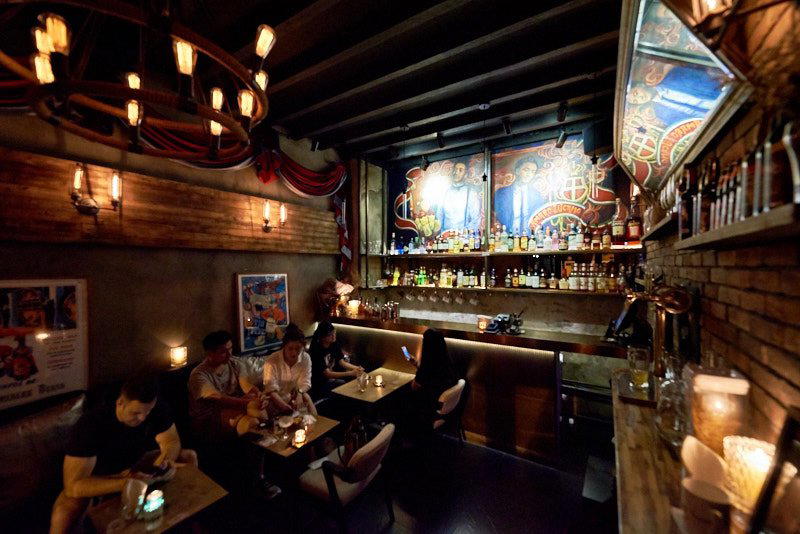
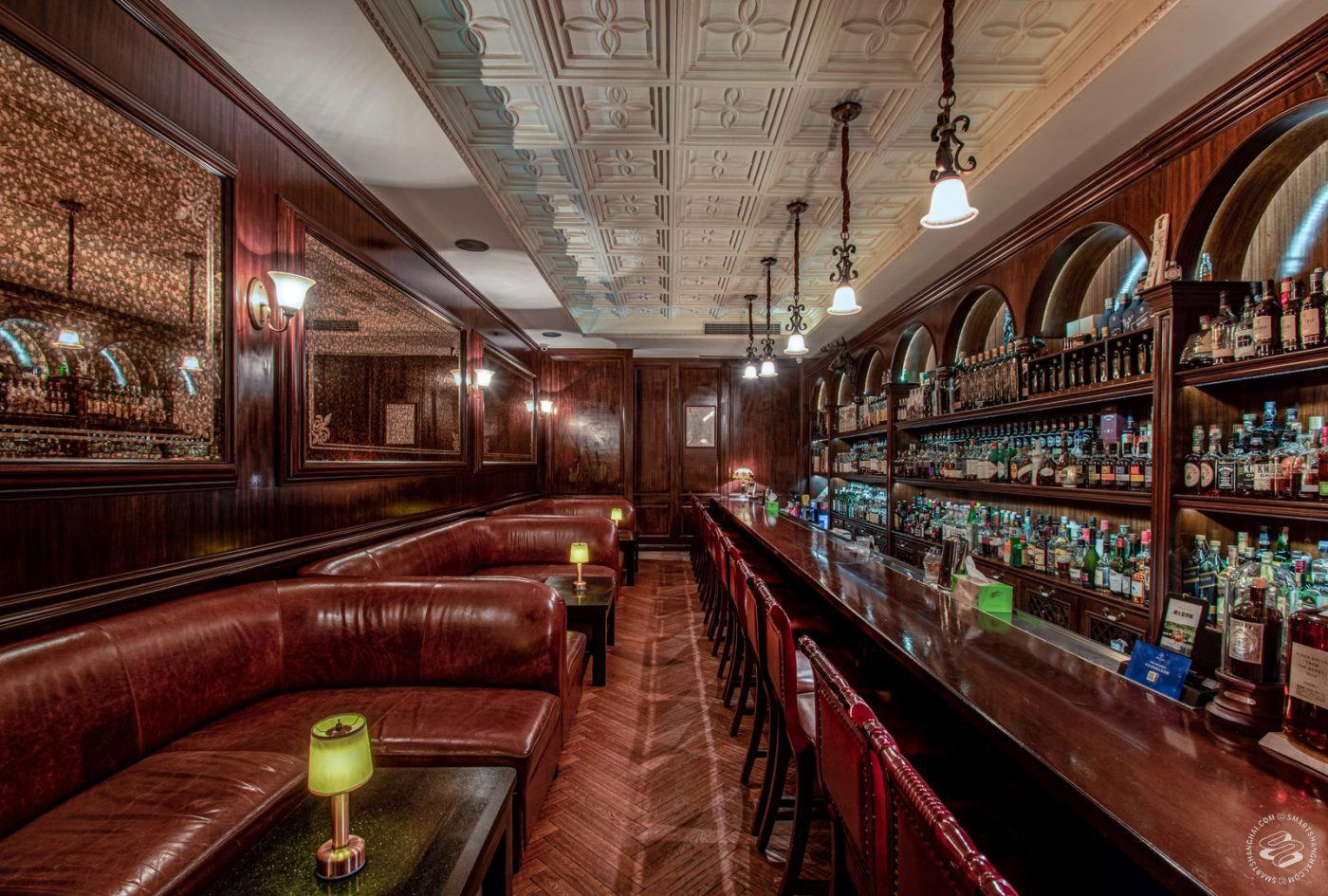
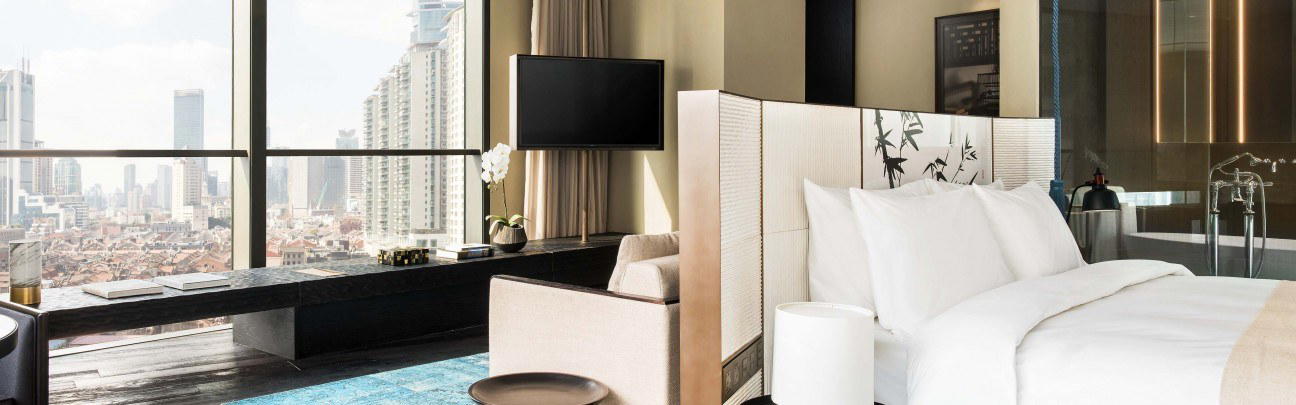
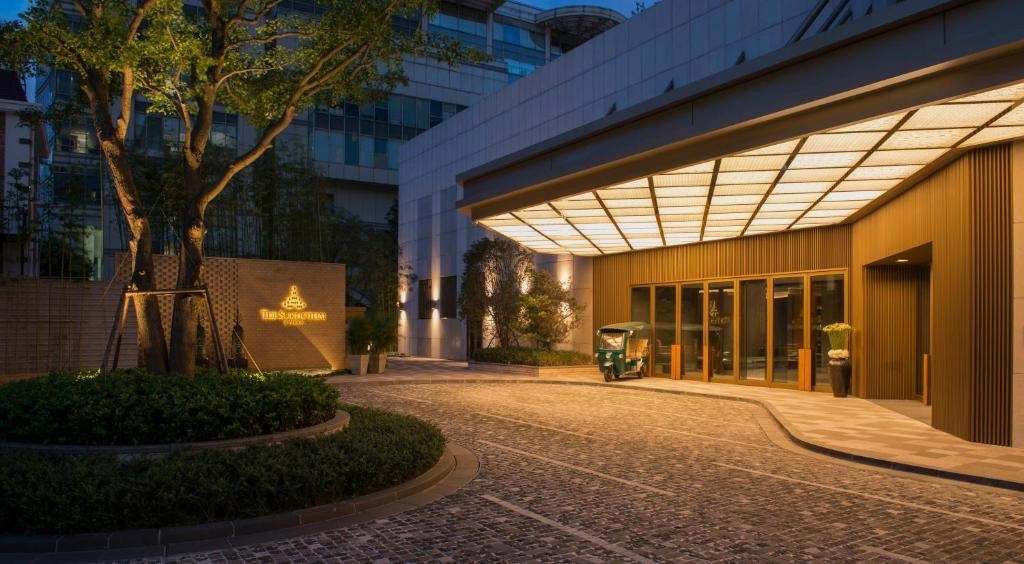
Reviews and listings describe a cozy, intimate space with pleasant, relaxed atmosphere, classic trattoria decor, and a friendly neighborhood vibe suited to couples and small groups.