Ippoh

On Aberdeen Street in Central, Ippoh occupies a ground-floor address in one of Hong Kong's most densely contested dining corridors. The venue sits at the intersection of the neighbourhood's older Cantonese character and its newer wave of international restaurants, making it a useful reference point for understanding how Central's dining identity continues to evolve across price tiers and cuisine types.
Pearl is the En Primeur Club membership app — saves, bookings, and concierge access live there. Same editors, same standards.
- Address
- G/F, 39 Aberdeen St, Central, Hong Kong
- Phone
- +85224680641
- Website
- ippoh.com
- Directions
- Get directions
 Saves & bookings on Pearl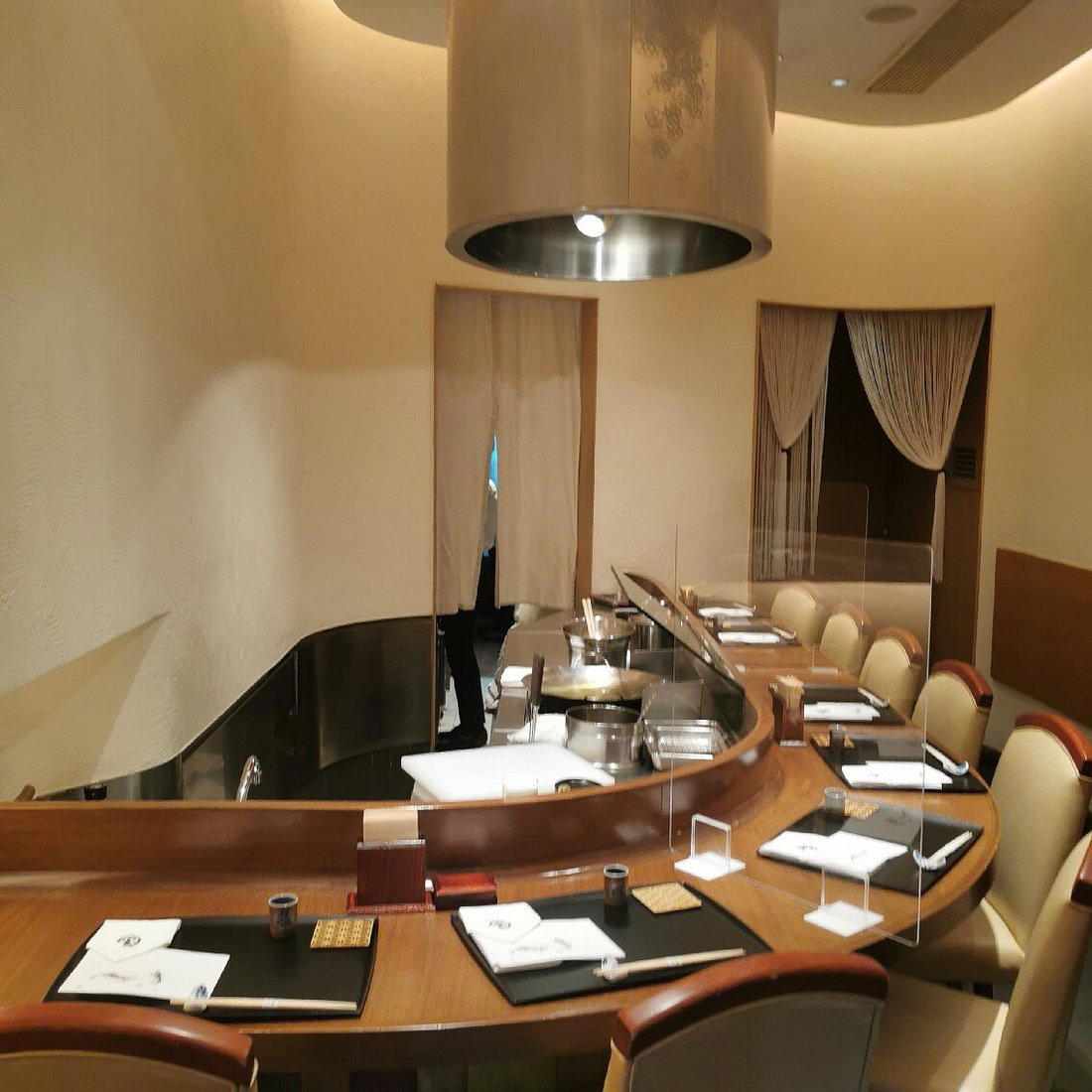
Aberdeen Street and the Ritual of Arrival
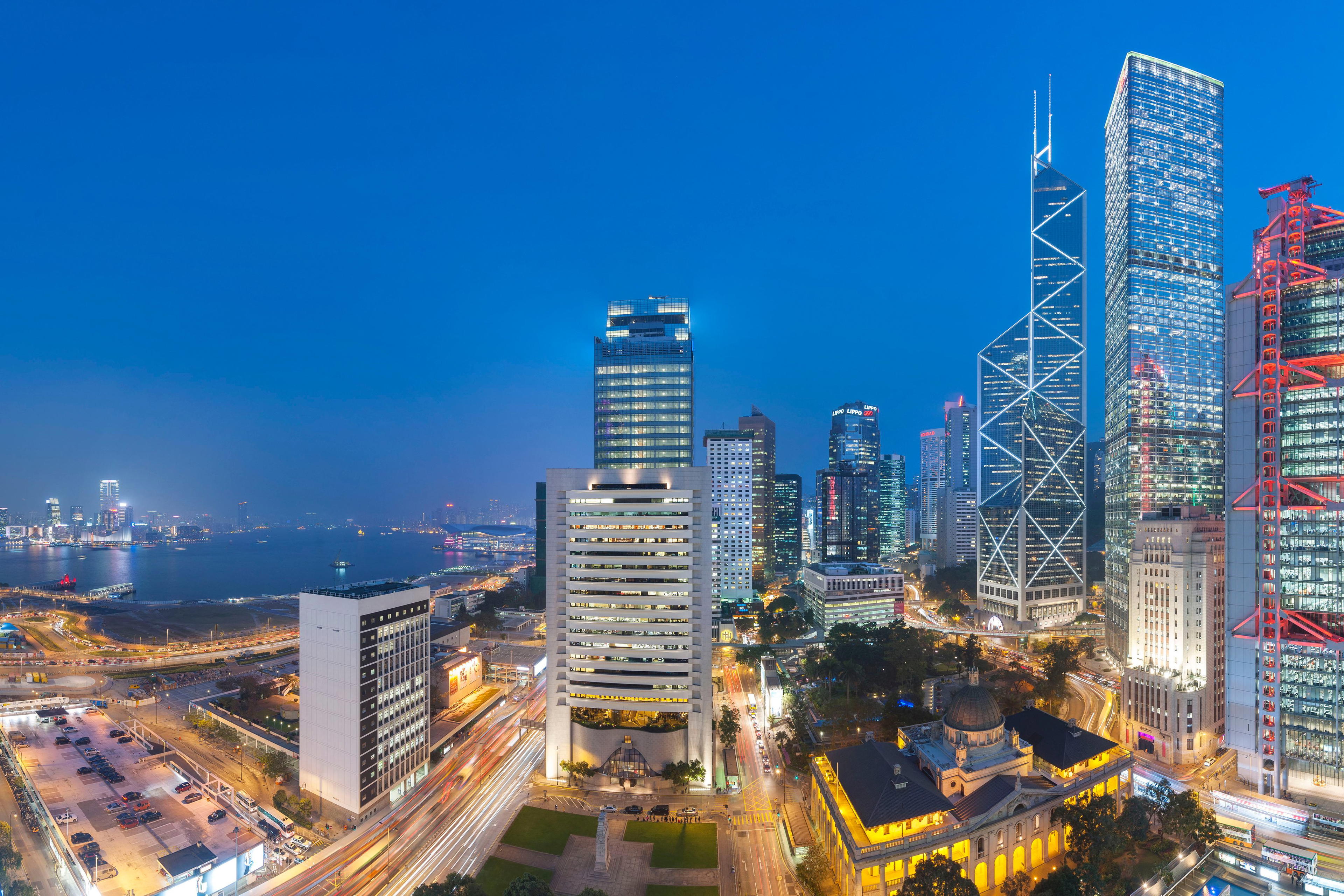
Aberdeen Street climbs from Hollywood Road toward the Mid-Levels, and the ground-floor position at number 39 places Ippoh at a particular moment in that ascent, past the antique dealers at the bottom, before the residential quiet takes over. This stretch of Central has become one of Hong Kong's more instructive dining corridors, where a single block can hold a Japanese counter, a wine-led European room, and a Cantonese roast shop within a few doorways of each other. The physical approach to any restaurant here involves that compression: narrow pavement, mid-rise buildings cutting the light, the ambient noise of a working city neighbourhood that has never fully gentrified despite the real estate pressure. Dining in Central is rarely about a pastoral calm. It is about the specific pleasure of finding a particular room inside a dense urban fabric.
The Aberdeen Street Dining Scene in Context
Central and Western has developed a competitive dining identity that operates across several distinct tiers simultaneously. At the upper end, addresses like 8½ Otto e Mezzo BOMBANA and its related iteration 8 1/2 Otto e Mezzo Bombana (Hong Kong) anchor a Michelin-weighted Italian presence that has defined part of the district's international reputation for over a decade. Thai cooking with serious culinary lineage appears at Aaharn, while AMMO and Bayi occupy different registers of the neighbourhood's broader-format dining. Even the all-day category is represented in the district, as cafe TOO demonstrates at the hotel end of the spectrum. Ippoh at 39 Aberdeen Street sits within this ecosystem.
What Aberdeen Street illustrates more broadly is that Hong Kong's dining habits are shaped as much by vertical geography as by cuisine type. The island's topography compresses different social and economic registers into a short walk, and the restaurants that succeed here tend to serve a clientele that moves fluidly between the financial district below and the residential streets above. The meal, wherever it falls on the formality scale, is a structured break in a working day or a deliberate evening ritual, rarely an accident.
The Dining Ritual in a Hong Kong Context
Understanding how Hong Kong diners approach a meal matters as much as understanding any individual restaurant. The city's food culture places a high premium on deliberate choice: where you eat, who you eat with, and at what time are all legible social signals. The lunch hour in Central operates under particular pressure, tables turn quickly, orders arrive in sequence, and the window between service industries and finance professionals taking their break simultaneously creates a specific rhythm that restaurants either accommodate or resist. Evening dining tends to decompress: longer sittings, more considered wine choices, a pacing that allows for the kind of conversation that the working lunch forecloses.
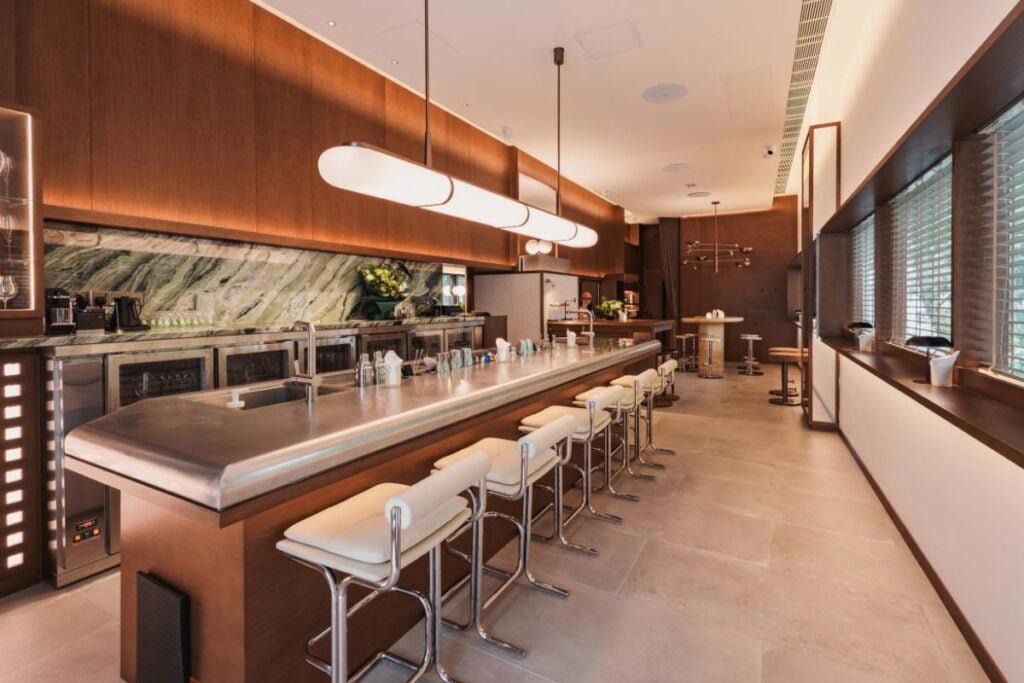
On a street like Aberdeen, the ritual of the meal is also shaped by the room itself. Ground-floor spaces in Central's older walk-up buildings carry a particular atmosphere, lower ceilings, the street audible through the door, a physical proximity to the neighbourhood that tower restaurants and hotel dining rooms cannot replicate. The intimacy of that format tends to produce a different kind of service relationship between kitchen and table, and a different expectation from the diner. You are in the neighbourhood, not insulated from it.
Placing Ippoh in a Wider Hong Kong Reference Frame
Hong Kong's restaurant geography extends well beyond the Central corridor, and understanding Ippoh's address requires some sense of how the city's dining energy distributes across districts. The harbour-facing Aberdeen area has its own culinary history, the Former Jumbo Floating Restaurant in Aberdeen remains a reference point for how dramatically Hong Kong's dining identity can shift within a few kilometres. Further afield, the city's appetite for regional specificity shows up in venues like Habib's Indian and Middle Eastern Food in Kwun Tong, Coconut Soup in Yau Tsim Mong, and King Of Soybeans in Wong Tai Sin, each representing a neighbourhood's particular relationship to a cuisine tradition. The New Territories stretch that further, with Hoi Tin Garden in Tuen Mun, One-ThirtyOne in Tai Po, and Lei Garden in Sha Tin each occupying distinct roles in their local dining ecosystems. Even the outlying Islands district has its own register, as Gangstas in Islands demonstrates. Internationally, the dining conversation Central participates in runs as far as Le Bernardin in New York City and Atomix in New York City, restaurants that represent the kind of tasting-menu precision and counter-format commitment that Hong Kong's top tier has increasingly adopted as reference points. I Love Istanbul in Tsuen Wan adds yet another dimension to the city's appetite for specific regional cooking outside the downtown core.
Planning a Visit
Ippoh is located at G/F, 39 Aberdeen Street, Central, Hong Kong, a ground-floor address accessible on foot from the Central MTR station or via the Mid-Levels escalator system, which deposits riders at various points along the hillside above Hollywood Road. The Aberdeen Street corridor is walkable from both Soho and the Lan Kwai Fong cluster, making it a practical stop within a broader evening in the neighbourhood. Ippoh accepts reservations and is open Monday, Tuesday, Thursday through Sunday from 12 to 3 PM and 6 to 11 PM, with Wednesday closed.
What It’s Closest To
Comparable venues nearby, for context on price, style, and recognition.
| Venue | Cuisine | Price | Notes |
|---|---|---|---|
| IppohThis venue — the venue you are viewing | Traditional Osaka Tempura Omakase | $$$$ | Not listed |
| Honjo | Modern Japanese | $$$ | Sheung Wan |
| HANARE | Japanese Wagyu Kaiseki | $$$$ | Central |
| Frantzen's Kitchen | Modern New Nordic with Asian Influences | $$$$ | Sheung Wan |
| GOKAN | Japanese Mixology Izakaya | $$$ | Central |
| Sabatini IFC | Authentic Italian Fine Dining | $$$$ | Central And Western |
Recognition history
Dated appearances from independent guides and award organizations, with the underlying list record or original source where available.
Michelin Plate
Michelin
Continue exploring
More in Central And Western
Restaurants in Central And Western
Browse all →
Bars in Central And Western
Browse all →
At a Glance
- Intimate
- Elegant
- Special Occasion
- Date Night
- Chefs Counter
- Sake Program
- Sustainable Seafood
Current opening hours
- Monday
- 12–3 PM, 6–11 PM
- Tuesday
- 12–3 PM, 6–11 PM
- Wednesday
- Closed
- Thursday
- 12–3 PM, 6–11 PM
- Friday
- 12–3 PM, 6–11 PM
- Saturday
- 12–3 PM, 6–11 PM
- Sunday
- 12–3 PM, 6–11 PM
Hours can change for holidays and private events. Last verified .
Intimate counter seating in a small, clean, and neat space focused on the chef's craft, creating a sophisticated and focused atmosphere.