
Ba Yi brings Xinjiang cooking to Sai Wan at a price point that makes it one of Hong Kong's most accessible Michelin Bib Gourmand holders, earning the award in both 2024 and 2025. The restaurant sits on Water Street with a focus on the bold, cumin-forward cuisine of China's northwest, lamb, hand-pulled noodles, and flatbreads that belong to a culinary tradition largely absent from the city's mainstream dining circuit.
Pearl is the En Primeur Club membership app — saves, bookings, and concierge access live there. Same editors, same standards.
- Address
- 43 Water St, Sai Wan, Hong Kong
- Phone
- +852 2484 9981
- Directions
- Get directions
 Saves & bookings on Pearl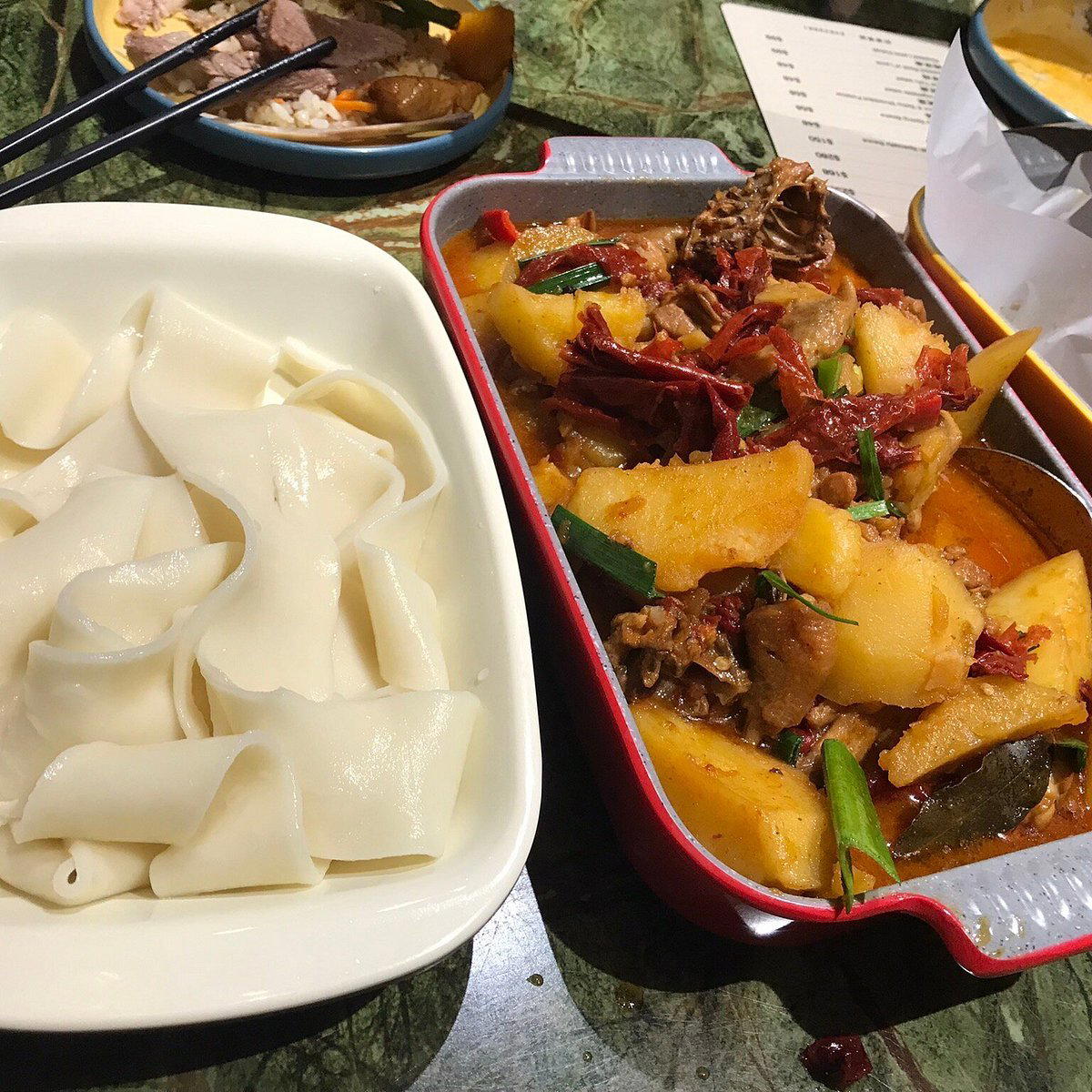
Where the Northwest Arrives in Sai Wan
Water Street in Sai Wan is not the part of Hong Kong that draws the evening crowds hunting for special-occasion tables. The neighbourhood sits west of Sheung Wan, quieter than the dining corridors of Central or Wan Chai, and the street itself is lined with the kind of low-key shopfronts that reward residents more than tourists. Ba Yi occupies that register entirely, a room that makes no argument for ceremony, in a city where ceremony is otherwise for sale at every price point. That contrast is, in its own way, the point.
Hong Kong's dining scene has long been weighted toward the southern Chinese canon and toward international fine dining. The Michelin presence in the city skews heavily toward Cantonese traditions (see Forum for a considered example of that lineage) and toward the kind of French and French-inflected European cooking represented by Caprice, Amber, and Ta Vie. Xinjiang cuisine sits well outside that mainstream. The food of China's far northwest, lamb-dominant, cumin-heavy, shaped by Uyghur and Central Asian traditions, rarely receives formal recognition in the city. Ba Yi's consecutive Bib Gourmand awards in 2024 and 2025 represent something genuinely notable in that context.
A Cuisine Built for Gathering
Xinjiang cooking is, structurally, food designed for the table rather than the individual plate. The large-format dishes, the communal flatbreads, the slow-cooked lamb that demands to be pulled apart, all of it points toward a dining culture oriented around groups, around duration, around the kind of meal that marks an occasion through accumulation rather than through a single composed dish. That quality makes Ba Yi a specific kind of choice in Hong Kong, where the city's default celebration mode tends toward the private room and the prix-fixe progression.
The cooking traditions of Xinjiang include hand-pulled noodles (laghman), lamb skewers seasoned with cumin and chilli, polo (a rice pilaf with lamb and carrots that carries echoes of the Central Asian pilau tradition), and a flatbread culture that reflects the region's Silk Road connections. These are flavours that operate on a different spectrum from the delicate Cantonese saucing that defines so much of Hong Kong's prestige dining, or the precision-plated sequences at addresses like 8 1/2 Otto e Mezzo Bombana. The boldness is the feature, not a compromise.
Chef Géraldine Laubrières leads the kitchen, a French name attached to a Xinjiang menu, which is itself a detail worth pausing on. In a city where culinary crossings are common, the combination here is less about fusion and more about the kind of curatorial commitment that earns Michelin's Bib Gourmand designation rather than its starred tier. The Bib Gourmand, awarded to restaurants offering good cooking at moderate prices, is in some ways a harder credential to hold than a star in Hong Kong's competitive mid-range, where the turnover is high and the cost pressure constant.
Occasion Framing at a Mid-Range Price Point
The question of where to celebrate in Hong Kong is usually answered by moving upward on the price ladder. Three-starred rooms like those operating in Central deliver the ritual of occasion through room design, service choreography, and the weight of the bill itself. Ba Yi answers the same question differently. The $$$ ceiling means a table here can function as the centrepiece of an evening without requiring the financial planning that a tasting menu at a three-star address demands. For birthdays, reunions, or the kind of informal milestone that calls for something better than routine without requiring full-ceremony dining, that positioning is specific and useful.
The occasion logic also connects to the cuisine's natural architecture. A table of four or six at Ba Yi, working through a spread of lamb dishes, noodles, and flatbreads, builds toward a kind of collective experience that the linear progression of a tasting menu does not replicate. The meal becomes an event through its volume and variety rather than through its formal structure. That dynamic is worth understanding before you book, because it shapes the experience from the first order.
For readers building a Hong Kong itinerary around dining occasions of different registers, from the high-ceremony to the convivial, the city's broader offer is substantial. Our full Hong Kong restaurants guide maps the range. Complementary planning across hotels, bars, and experiences is covered in our hotels guide, bars guide, wineries guide, and experiences guide.
The Bib Gourmand in Context
Consecutive Bib Gourmand recognition, 2024 and 2025, signals consistency rather than novelty. In the Michelin framework, the Bib Gourmand is explicitly a value-quality signal, and sustaining it across two cycles in Hong Kong, where kitchen turnover and rent pressure are structurally difficult, carries weight.
For comparison, the starred tier at Ba Yi's peer level in Hong Kong includes addresses where the price-to-occasion ratio operates differently. The Bib Gourmand credential places Ba Yi in a specific bracket, recognized cooking, accessible pricing, that has genuine scarcity in a city where mid-range often means undistinguished. Globally, that same scarcity dynamic applies at Bib-holding addresses from Le Bernardin in New York and Lazy Bear in San Francisco through to Alinea in Chicago and Alain Ducasse at Louis XV in Monte Carlo, contexts where the recognition framework clarifies exactly what a given address is doing relative to its peers. In Ba Yi's case, the recognition clarifies a kitchen operating with seriousness in a cuisine category that Hong Kong's formal dining establishment has largely overlooked.
Planning Your Visit
Ba Yi is at 43 Water Street in Sai Wan, which puts it at the western edge of Hong Kong Island. The $$$ price range makes it a realistic choice for a celebratory dinner without advance financial commitment. Booking ahead is advisable given the Michelin attention; walk-in availability at peak hours on weekends is not something to count on. For those building a longer Hong Kong itinerary that combines occasions at different price registers, the addresses at Atomix in New York, Emeril's in New Orleans, Alléno Paris au Pavillon Ledoyen, and Aponiente in El Puerto de Santa María each illustrate how a single booking can anchor a trip around a specific kind of occasion, a logic that applies equally to what Ba Yi offers at its own level in Hong Kong.
Accolades, Compared
Comparable venues nearby, for context on price, style, and recognition.
| Venue | Cuisine | Price | Awards | Notes |
|---|---|---|---|---|
| Ba YiThis venue — the venue you are viewing | Chinese | $$ | Bib Gourmand | Not listed |
| Ăn Chơi | Vietnamese Street Food | $$ | Bib Gourmand | Central |
| Glorious Cuisine | Cantonese Dai Pai Dong | $$ | Bib Gourmand | Sham Shui Po East |
| Din Tai Fung (Causeway Bay) | Taiwanese Dim Sum | $$ | Bib Gourmand | Wan Chai |
| Tak Kee | Authentic Teochew (Chiu Chow) | $$ | Bib Gourmand | Western |
| Yi Jia | Shanghainese | $$ | Bib Gourmand | Hong Wan |
Recognition history
Dated appearances from independent guides and award organizations, with the underlying list record or original source where available.
Michelin Bib Gourmand
Michelin
Michelin Bib Gourmand
Michelin
Michelin Bib Gourmand
Michelin
Continue exploring
More in Hong Kong
Restaurants in Hong Kong
Browse all →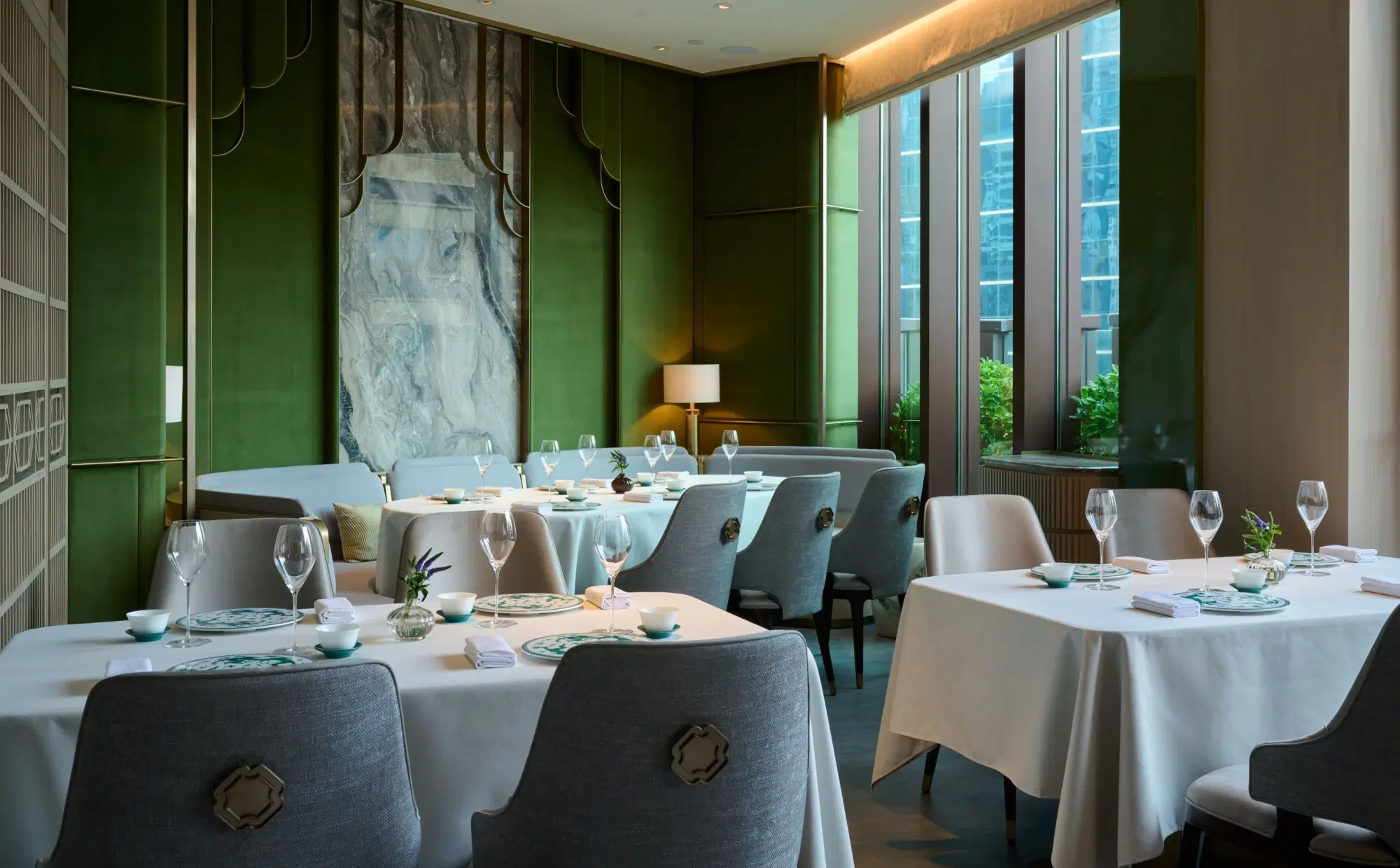
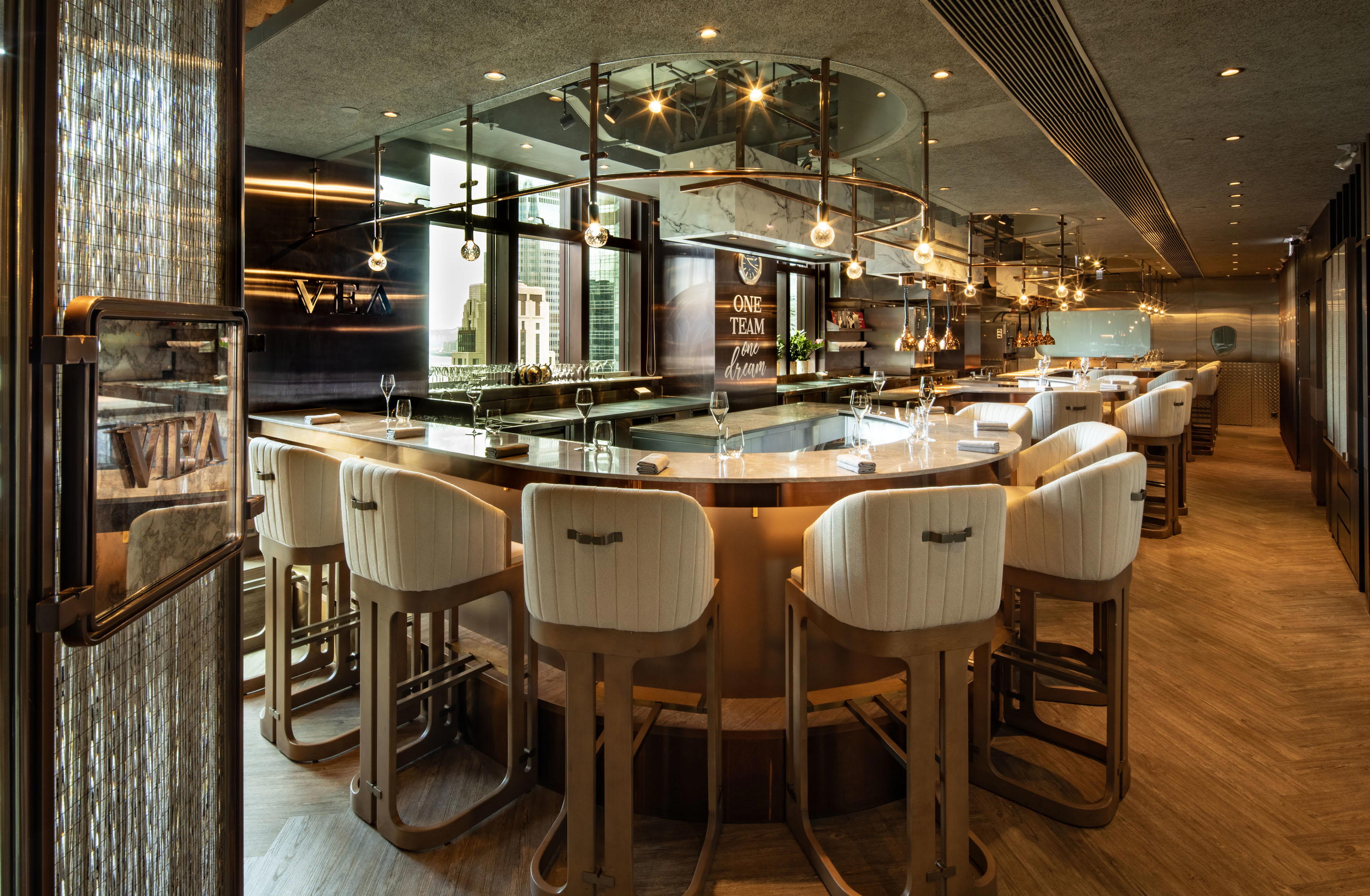
Bars in Hong Kong
Browse all →
At a Glance
- Cozy
- Lively
- Classic
- Group Dining
- Casual Hangout
- Late Night
- Standalone
Current opening hours
- Monday
- Closed
- Tuesday
- 12–2:30 PM, 6–8:30 PM
- Wednesday
- 12–2:30 PM, 6–8:30 PM
- Thursday
- 12–2:30 PM, 6–8:30 PM
- Friday
- 12–2:30 PM, 6–8:30 PM
- Saturday
- 12–2:30 PM, 6–8:30 PM
- Sunday
- 12–2:30 PM, 6–8:30 PM
Hours can change for holidays and private events. Last verified .
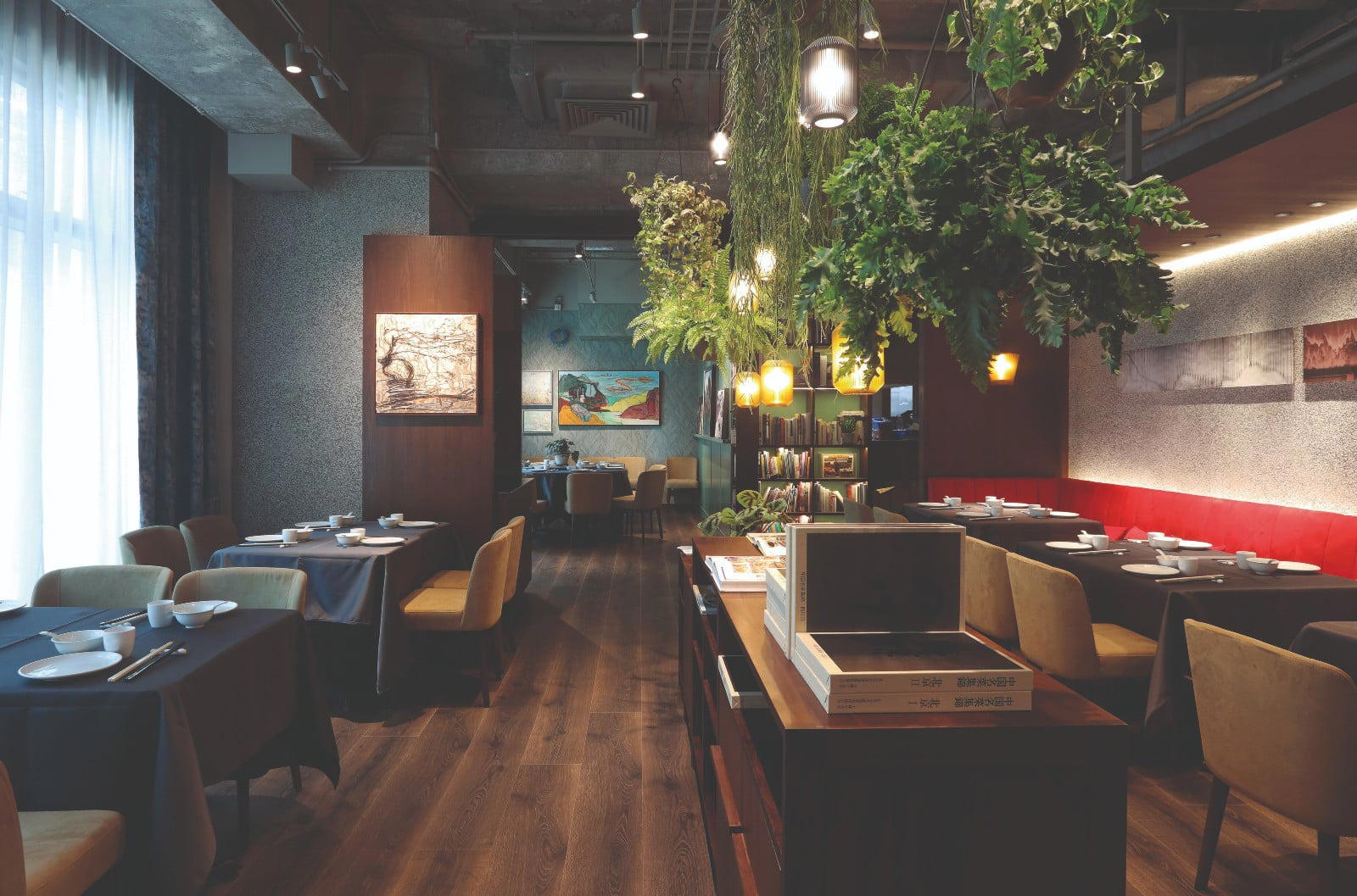
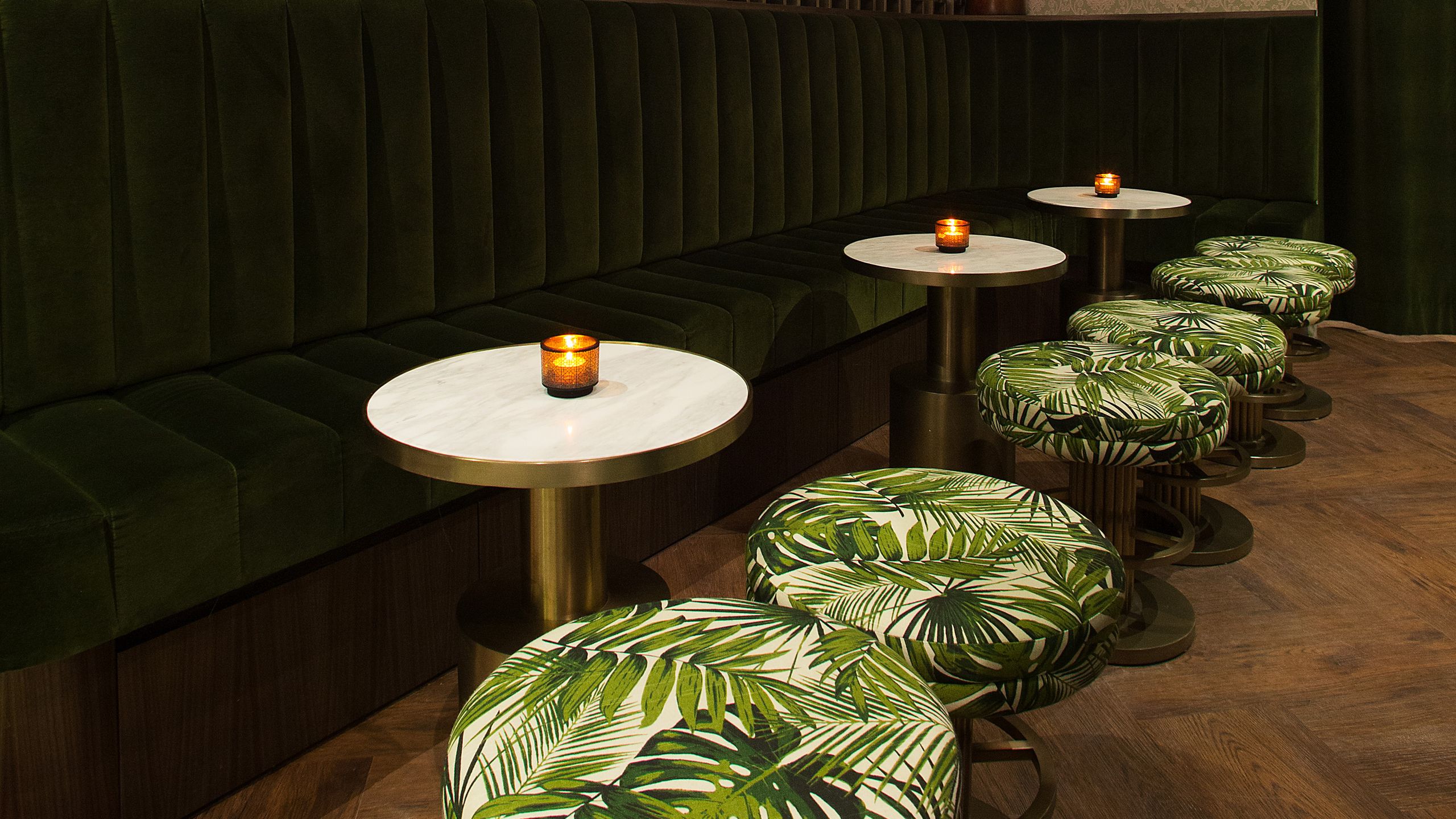
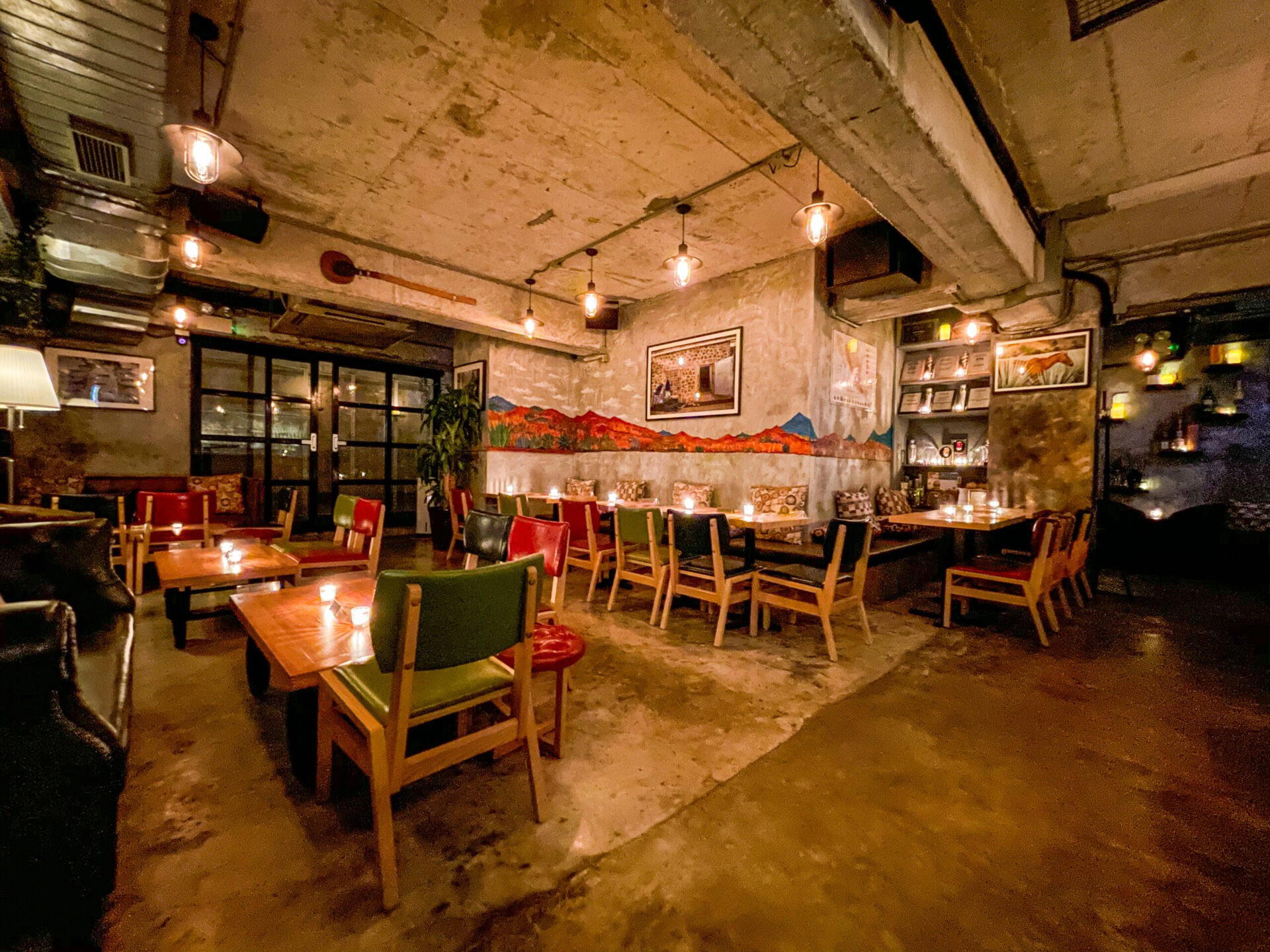
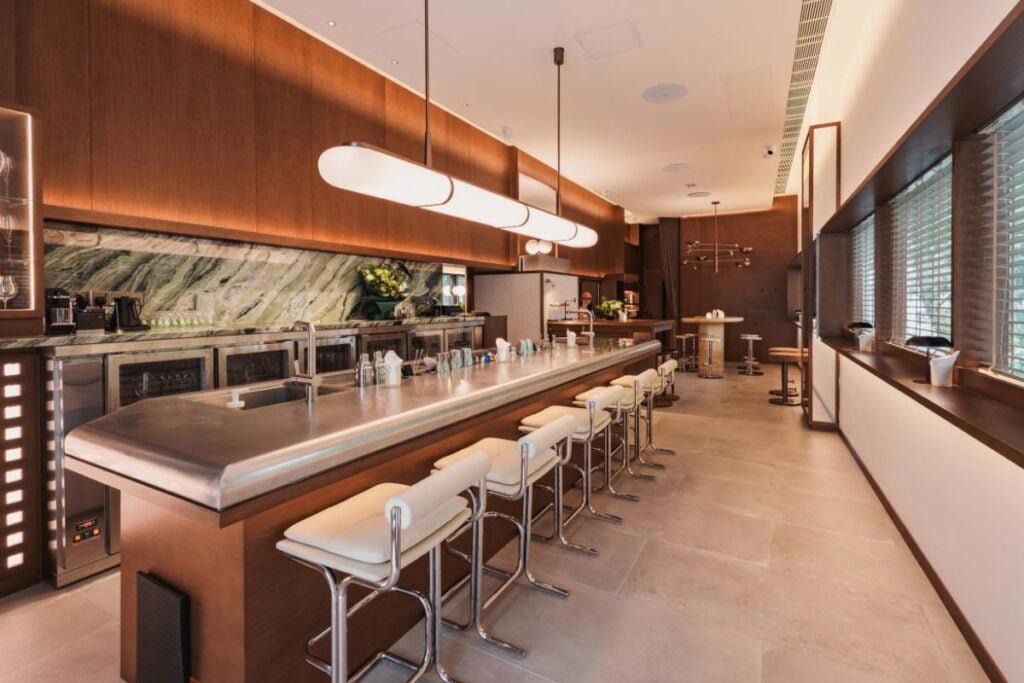
A simple, no-frills neighborhood dining room with a traditional Xinjiang touch and some modern elements; reviews describe the interior as minimal and the atmosphere as busy and popular with students and lamb lovers.