Frantzen's Kitchen
On a narrow Sheung Wan side street, Frantzen's Kitchen occupies a format that splits sharply from the Central dining corridor: tighter, less ceremonious, and rooted in a Scandinavian-Asian vocabulary that has evolved considerably since the restaurant first opened. The address at 11 Upper Station St places it in a neighbourhood increasingly defined by its distance from the IFC gloss, and that positioning is part of the point.
Pearl is the En Primeur Club membership app — saves, bookings, and concierge access live there. Same editors, same standards.
- Address
- 11 Upper Station St, Sheung Wan, Hong Kong
- Phone
- +85225598508
- Website
- frantzenskitchen.com
- Directions
- Get directions
 Saves & bookings on Pearl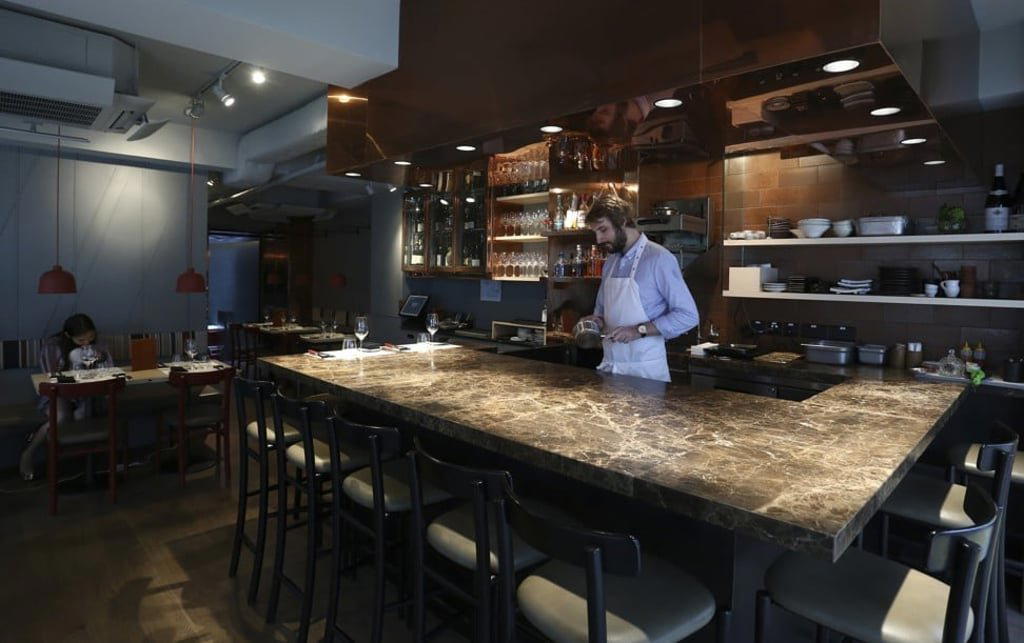
Upper Station Street and the Sheung Wan Shift
Sheung Wan has been doing something that Central cannot quite replicate: accumulating serious restaurants without the corporate polish that defines the harbour-facing corridor. The streets climbing toward Hollywood Road and beyond have, over several years, drawn a particular kind of operator, one willing to trade visibility for neighbourhood credibility. Upper Station Street is a narrow, steeply graded lane where the building stock runs old and the foot traffic is local. Frantzen's Kitchen at 11 Upper Station St sits in that context, which tells you something before you have even considered the menu.
The broader category of Scandinavian-inflected restaurants in Asia has contracted and repositioned since its early-2010s peak. What was once a novelty framing, Nordic technique applied to Asian produce, has matured into something more considered, or in some cases been quietly abandoned. Frantzen's Kitchen, as a satellite of the Stockholm original, represents the version of that evolution that chose to stay and adapt rather than retreat. That commitment to the Sheung Wan address, over time, has become a signal in itself. For context on how seriously Hong Kong's dining scene operates at the leading end, see our coverage of Amber in Hong Kong, which anchors a different but equally deliberate tradition.
How the Format Has Changed
The evolution angle matters here. Frantzen's Kitchen has not stood still as a concept. When restaurants of this type first arrived in Hong Kong, the dominant mode was formal tasting menus that leaned heavily on the European mother-house DNA. The direction that has become more interesting across this category is the informal end: shorter formats, a la carte optionality, and a menu that responds to what Hong Kong's market actually wants rather than what the Stockholm original demands. How far the restaurant has moved along that axis is part of what defines its current position in the Sheung Wan dining cluster.
Sheung Wan itself has been a neighbourhood in genuine transition. The antiques district character of Hollywood Road has been overlaid, in recent years, by a denser restaurant and bar population moving uphill from SoHo. Aaharn, working a refined Thai register nearby, and AMMO, which operates with a more casual international tone, are part of the same neighbourhood repositioning. The restaurant occupies a different price register and ambition level from both, but all three reflect the same underlying dynamic: the district is absorbing serious restaurant investment that would have defaulted to Central or Wan Chai a decade ago.
The Scandinavian-Asian Register in Hong Kong's Current Dining Scene
To understand where the restaurant sits, it helps to map the category it operates in. The Scandinavian influence on fine dining globally peaked in critical attention around 2010 to 2015, but its techniques, fermentation, preservation, precision with temperature, emphasis on texture contrast, have since migrated into mainstream fine dining practice across Asia. What distinguishes venues that maintain a genuine connection to that tradition is the sourcing discipline and the restraint applied to flavour building. Hong Kong's market has, at the upper end, become sophisticated enough to reward that restraint. Diners who can compare across the 8½ Otto e Mezzo BOMBANA tier and the more casual international registers represented by cafe TOO or Bayi have calibrated expectations. The restaurant is not operating in the neighbourhood casual tier either. It occupies the serious mid-to-upper segment where format coherence and sourcing credibility matter more than room scale or service ceremony.
For a sense of how different dining registers play out across Hong Kong's wider geography, our full Central and Western restaurants guide maps the district across price points and cuisine types, from the street-level seriousness of Block 18 Doggie's Noodle in Yau Tsim Mong to the heritage formality of Le Salon de Thé de Joël Robuchon Hong Kong (ifc mall) in Central. The range across the territory is considerable, which makes the restaurant's deliberate positioning in Sheung Wan rather than the harbour-front premium zone a more active editorial statement than it might first appear.
What the Address Signals
Upper Station Street is not where you end up by accident. The street requires a specific decision: to walk away from the MTR exits and the Sheung Wan market streets and climb. That self-selection in the clientele is something the restaurant shares with a small cluster of Sheung Wan addresses that have chosen depth over footfall. Compare this with the approach taken by the Former Jumbo Floating Restaurant in Aberdeen, where destination dining was built on spectacle and scale, or with the different logic of Enchanted Garden Restaurant in Islands, where remoteness is the product. The restaurant's version of destination is urban, low-key, and dependent on knowing where to look.
Internationally, the comparison set for what the restaurant is attempting, a satellite of a European fine-dining house, adapted for a dense Asian city, operating in a secondary neighbourhood rather than a primary luxury zone, includes a small number of analogues. Le Bernardin in New York City represents one tradition of European fine-dining export, fully transplanted. Lazy Bear in San Francisco represents a different approach to format reinvention. The restaurant is doing something between those poles: retaining the lineage while adapting the register to suit a market that already has extensive exposure to both Asian and European haute cuisine.
Planning Your Visit
Sheung Wan restaurants at this level do fill. For diners combining the visit with broader Hong Kong exploration, the neighbourhood connects naturally to Hollywood Road gallery browsing and the Man Mo Temple. Those building a wider Hong Kong itinerary should cross-reference venues across the territory's distinct districts. Lei Garden in Sha Tin offers a useful Cantonese fine-dining reference point for those calibrating across Hong Kong's full dining range.
Recognition, Side-by-Side
Comparable venues nearby, for context on price, style, and recognition.
| Venue | Cuisine | Price | Notes |
|---|---|---|---|
| Frantzen's KitchenThis venue — the venue you are viewing | Modern New Nordic with Asian Influences | $$$$ | Not listed |
| Jing Alley | Modern Sichuan with Cantonese Touch | $$$$ | Sheung Wan |
| HANARE | Japanese Wagyu Kaiseki | $$$$ | Central |
| Sushi Haré | Traditional Edomae-style Omakase | $$$$ | Sheung Wan |
| Carbone | New York-Style Italian | $$$$ | Central |
| Honjo | Modern Japanese | $$$ | Sheung Wan |
Continue exploring
More in Central And Western
Restaurants in Central And Western
Browse all →
Bars in Central And Western
Browse all →
At a Glance
- Modern
- Elegant
- Cozy
- Sophisticated
- Date Night
- Special Occasion
- Open Kitchen
- Street Scene
Current opening hours
- Monday
- Closed
- Tuesday
- 12–3 PM, 6 PM–12 AM
- Wednesday
- 12–3 PM, 6 PM–12 AM
- Thursday
- 12–3 PM, 6 PM–12 AM
- Friday
- 12–3 PM, 6 PM–12 AM
- Saturday
- 12–3 PM, 6 PM–12 AM
- Sunday
- Closed
Hours can change for holidays and private events. Last verified .
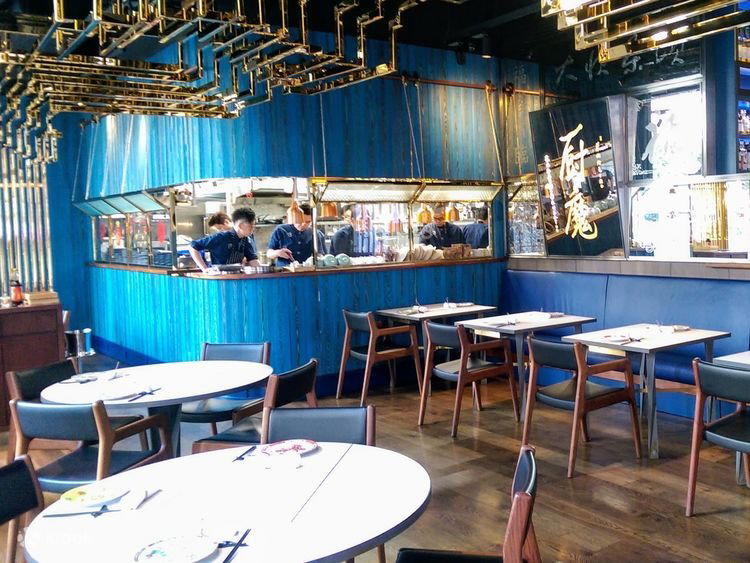
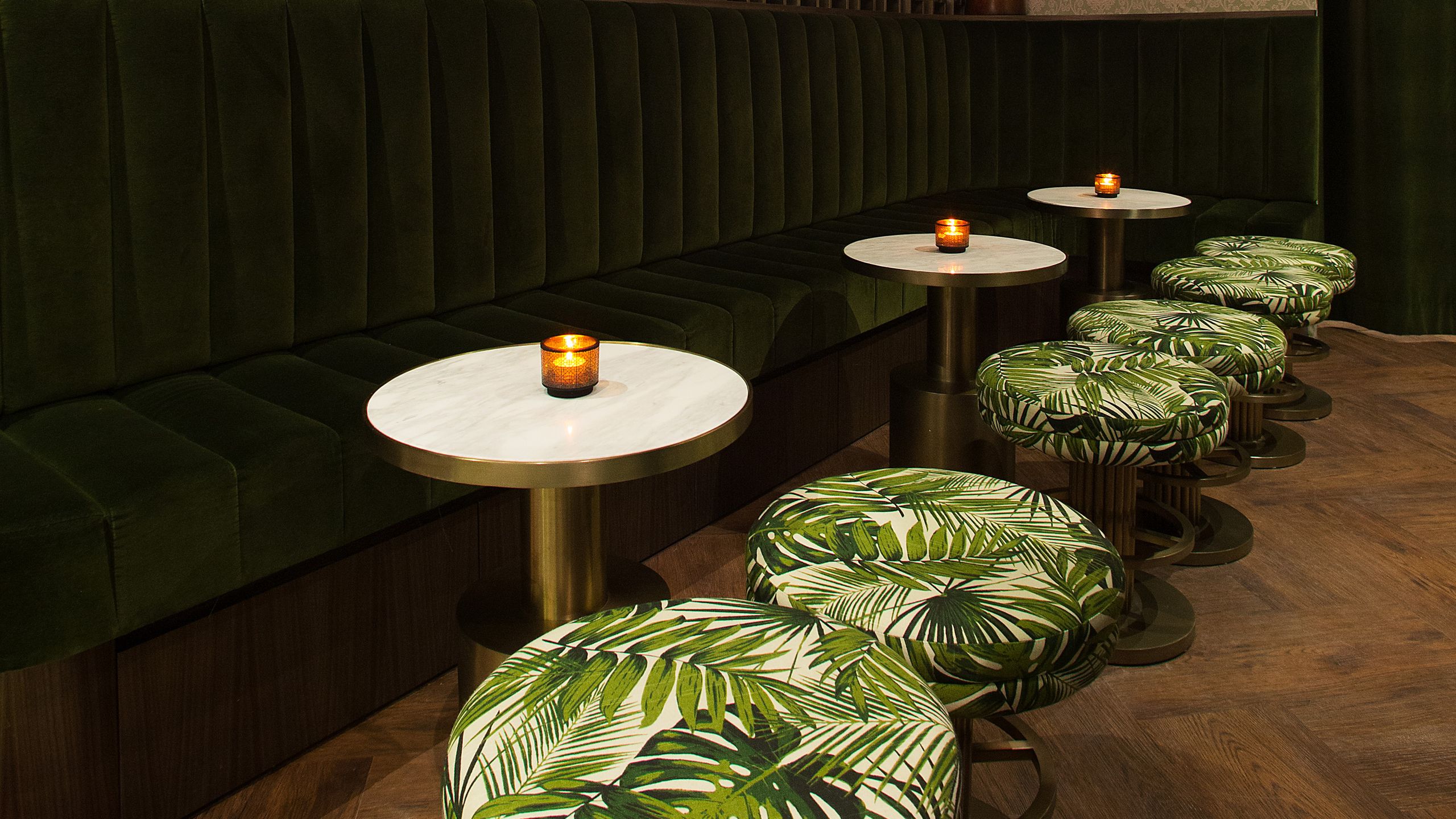
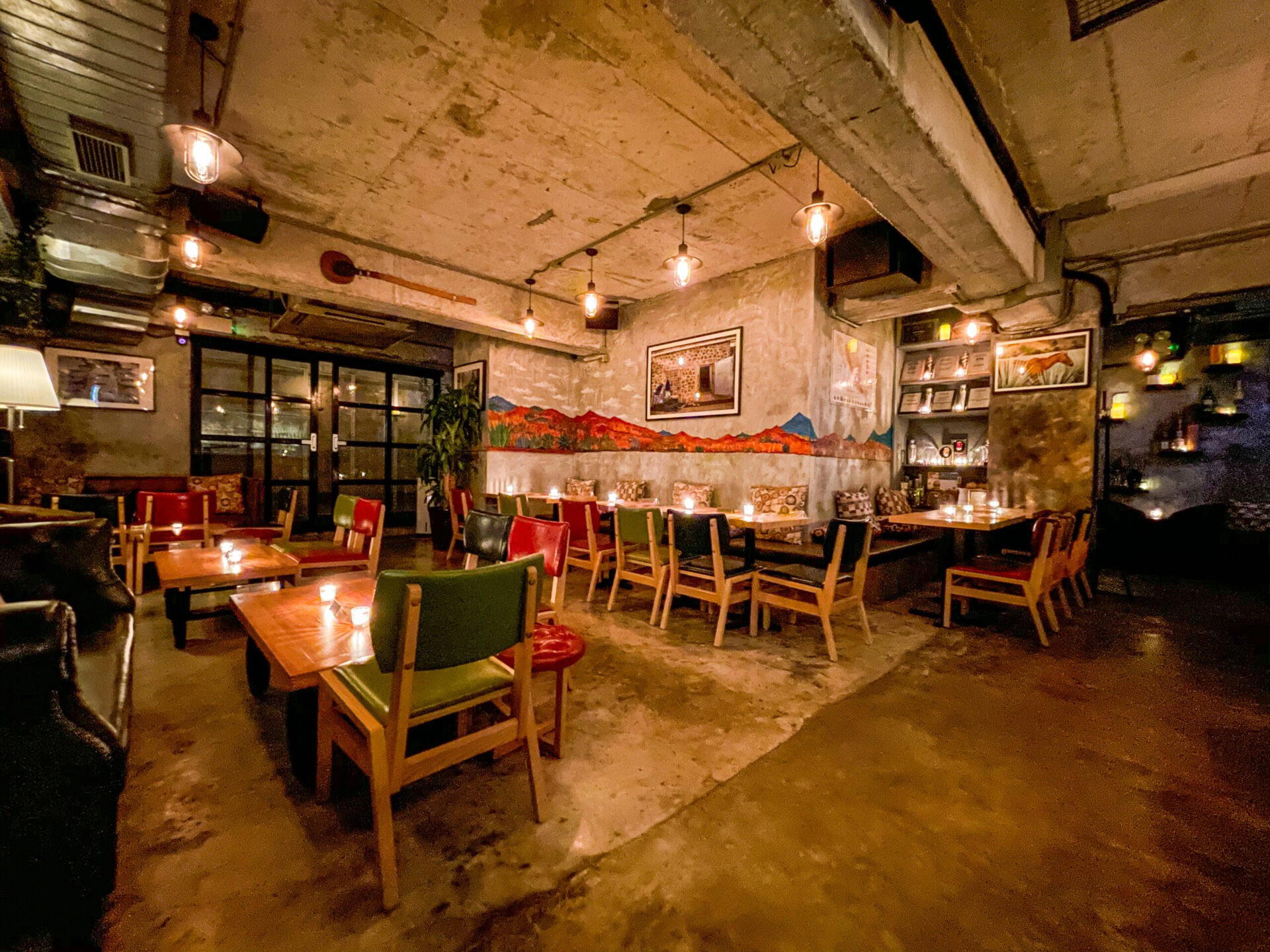
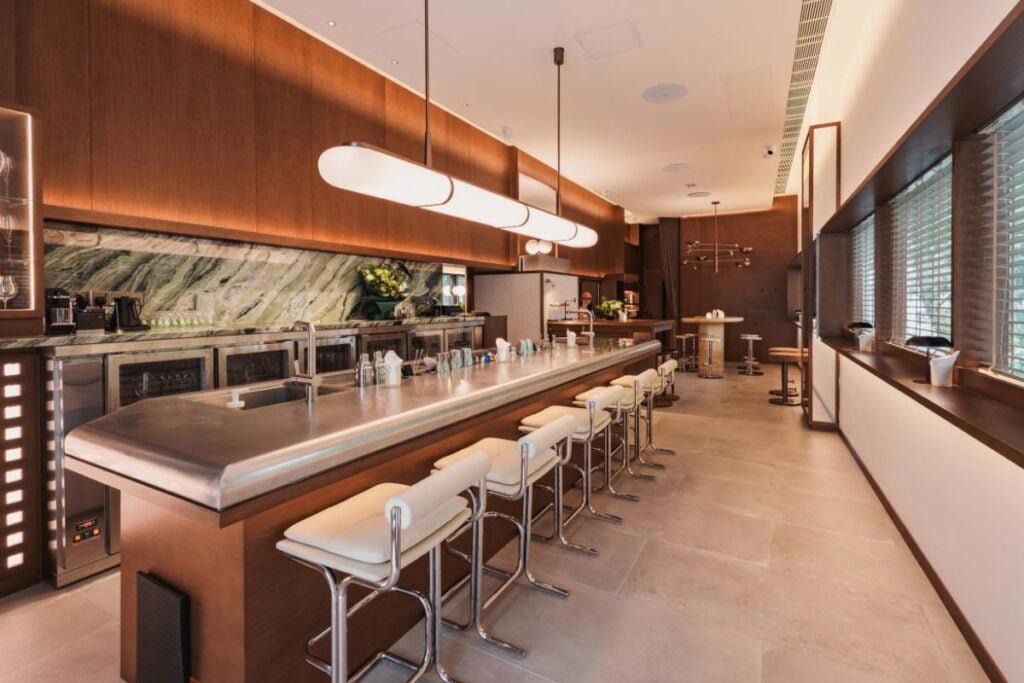
Chic Scandinavian interiors with cozy, welcoming atmosphere, punctual lighting, amber copper tones, and Dark Emperador marble countertops around the open kitchen.