HANARE
HANARE occupies a third-floor position within Man Yee Arcade on Des Voeux Road Central, placing it in one of Hong Kong's most concentrated corridors for serious dining. The name, Japanese for 'separated' or 'detached,' signals an intent to step away from the street-level pace below. With limited publicly available detail, the venue rewards visitors who arrive with curiosity rather than a checklist.
Pearl is the En Primeur Club membership app — saves, bookings, and concierge access live there. Same editors, same standards.
- Address
- SHOP 302, 3/F, MAN YEE ARCADE, MAN YEE BUILDING, CEN, 68 Des Voeux Rd Central, Central, Hong Kong
- Phone
- +85267626341
- Website
- globallink.com.hk
- Directions
- Get directions
 Saves & bookings on Pearl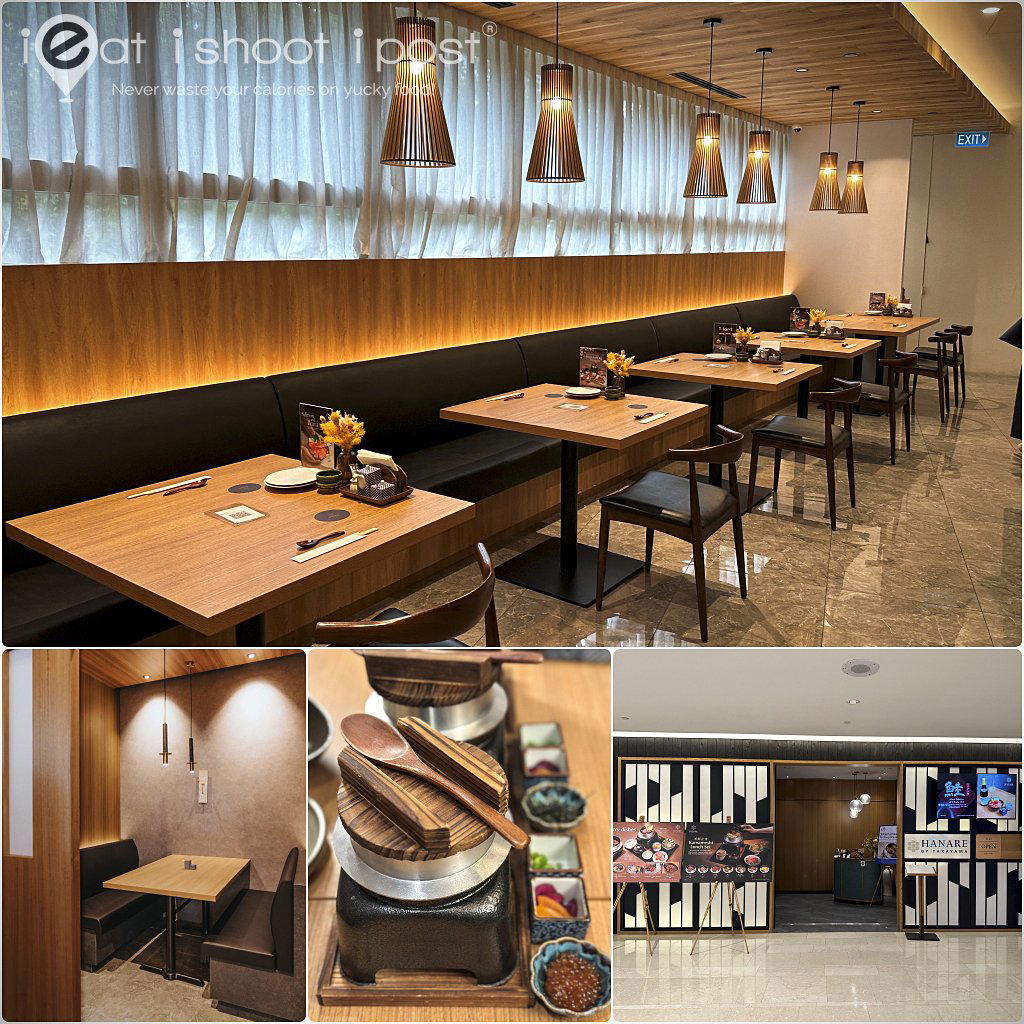
A Floor Above the Noise
Des Voeux Road Central runs at a particular pitch during the working week: trams, suits, the dense shuffle of Hongkongers moving between the financial district and the Mid-Levels escalator. By the time you reach the third floor of Man Yee Arcade, that rhythm has receded. The building itself, a mid-century commercial block on the corner of Queen's Road Central, has long served as a quiet container for restaurants that prefer elevation to footfall, physically and figuratively. HANARE occupies Shop 302 in this setting, and the address alone does some editorial work: this is not a restaurant that announces itself at street level.
The word hanare in Japanese refers to a detached room or annex, historically a private chamber set apart from the main house, a place for more considered encounters. That framing sits comfortably against the broader pattern of Japanese dining in Hong Kong, where particularly deliberate experiences tend to operate at some remove from the city's louder promotional circuits. Venues like Aaharn and AMMO in the same district take different approaches to carving out identity within Central's dense hospitality corridor, but the underlying logic, specificity over breadth, runs through all of them.
Central's Third-Floor Economy
Hong Kong's commercial real estate logic has always pushed restaurants to unusual positions: basement levels in IFC, upper floors of office towers, mall podiums that open onto nothing but an escalator bank. Man Yee Arcade fits this pattern. It is not a destination building in the way that landmark towers attract diners as much as tenants, but it has sustained a reputation for mid-tier to serious dining precisely because its footprint discourages casual passing trade. Restaurants here earn their business through word of mouth and return visits rather than street visibility.
This dynamic shapes the kind of dining that survives in buildings like Man Yee. Operators who choose these addresses tend to prioritise the dining room experience over signage. The trade-off is reduced walk-in traffic in exchange for a more self-selecting clientele, people who have looked the address up, made a note, and returned. In Central's most competitive lunch and dinner market, that self-selection matters. The district already hosts Michelin-recognised operations such as 8½ Otto e Mezzo BOMBANA and internationally framed concepts like Bayi, alongside more accessible formats like cafe TOO. HANARE's physical positioning places it within a stratum that requires the restaurant to hold attention through quality rather than location premium.
Japanese Dining in Hong Kong: Where HANARE Sits
Hong Kong's Japanese restaurant scene has fragmented considerably over the past decade. At one end, high-ticket omakase counters operate on allocations and waitlists, drawing comparisons with Tokyo's upper-tier sushi rooms. At the other, accessible izakaya and ramen formats have become embedded across every neighbourhood. The middle ground, serious Japanese cooking that is neither omakase-exclusive nor casual, is one competitive tier, because it asks particularly of operators: consistent craft, a coherent menu identity, and pricing that can be justified without a Michelin star doing the marketing work.
HANARE's name and location suggest it is positioning within that considered middle tier, though What the address confirms is intent: a restaurant in this part of Central, on this floor, is not operating on impulse. The overhead and the clientele both demand a clear point of view.
For a wider map of what Hong Kong's dining scene looks like beyond this district, the range runs from the floating history of the Former Jumbo Floating Restaurant in Aberdeen to neighbourhood-specific specialists like Lei Garden in Sha Tin and community anchors such as Hoi Tin Garden in Tuen Mun. The city's dining geography rewards those who look beyond the obvious corridors, and HANARE's own address is a small argument for that approach.
Arriving and Planning Your Visit
Man Yee Building sits at 68 Des Voeux Road Central, a short walk from Hong Kong Station (Exit D) and Central Station (Exit G). The arcade entrance is on Des Voeux Road, with lifts serving the upper floors. Because HANARE occupies a third-floor unit rather than a street-facing frontage, first-time visitors benefit from confirming the exact shop number, 302, before arriving during a busy lunch or post-work period when the building sees significant foot traffic.
Given the address type and the dining tier it implies, booking ahead is advisable rather than optional. Restaurants in Man Yee Arcade's upper floors typically operate with fixed seating capacities and do not rely on walk-in volume to fill covers. For a broader orientation to dining in this part of Hong Kong, the full Central And Western restaurants guide maps the district's range in detail.
Those building a longer Hong Kong itinerary around serious restaurants might also consider how Central fits against the city's other dining pockets. Kwun Tong's more eclectic offer, exemplified by venues like Habib's Indian and Middle Eastern Food, operates at a different register. Further afield, One-ThirtyOne in Tai Po and Coconut Soup in Yau Tsim Mong each represent neighbourhood-specific angles on what Hong Kong eating looks like away from the Central core. For reference points outside the city entirely, the precision-driven approach at Atomix in New York and the technique-first philosophy at Le Bernardin in New York City illustrate the international tier against which Hong Kong's most ambitious kitchens now regularly measure themselves.
Peers Worth Knowing
Comparable venues nearby, for context on price, style, and recognition.
| Venue | Cuisine | Price | Notes |
|---|---|---|---|
| HANAREThis venue — the venue you are viewing | Japanese Wagyu Kaiseki | $$$$ | Not listed |
| Joël Robuchon | French Contemporary Fine Dining | $$$$ | Central And Western |
| 8½ Otto e Mezzo BOMBANA | 3-Michelin Star Modern Italian | $$$$ | Central |
| Jing Alley | Modern Sichuan with Cantonese Touch | $$$$ | Sheung Wan |
| Sushi Haré | Traditional Edomae-style Omakase | $$$$ | Sheung Wan |
| Carbone | New York-Style Italian | $$$$ | Central |
Continue exploring
More in Central And Western
Restaurants in Central And Western
Browse all →
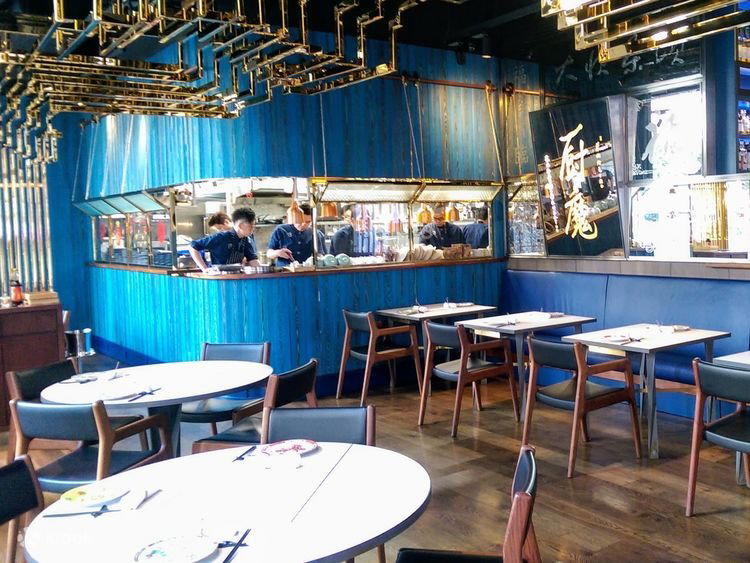
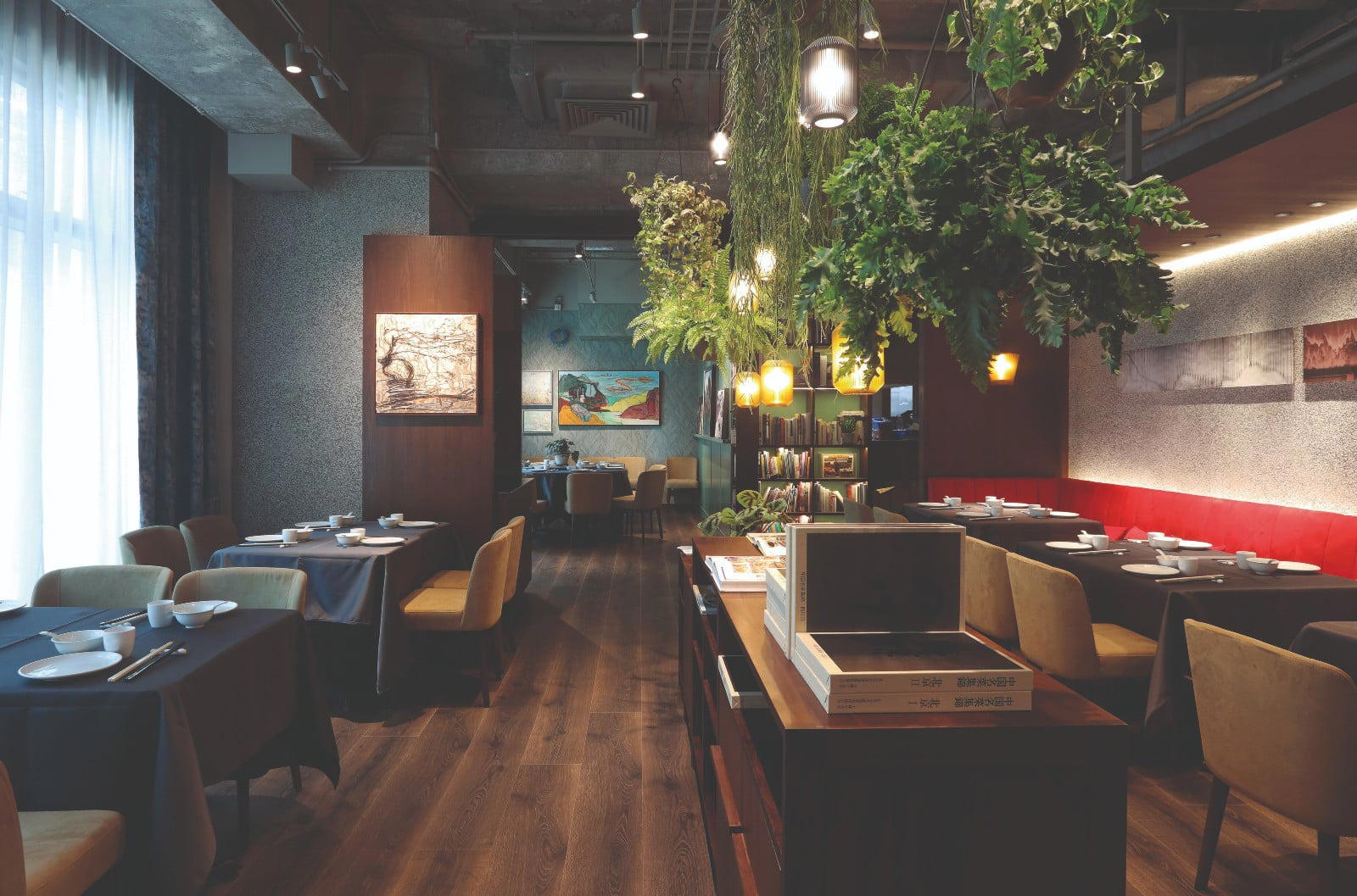
Bars in Central And Western
Browse all →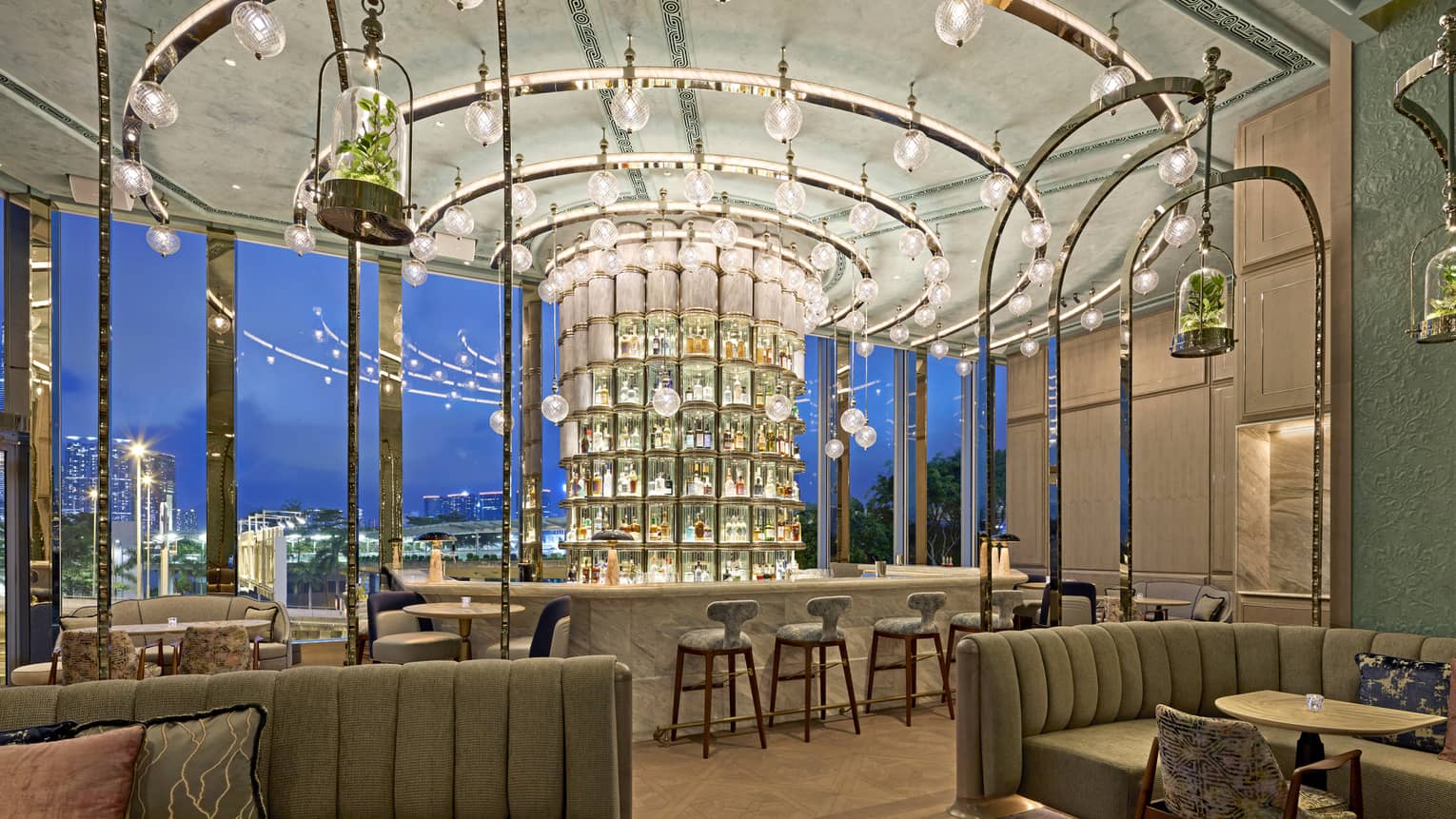
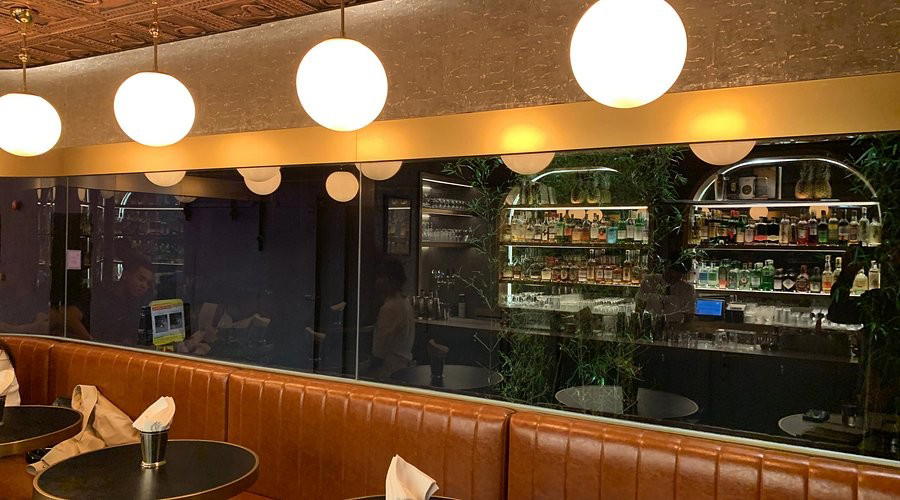
At a Glance
- Elegant
- Intimate
- Sophisticated
- Special Occasion
- Date Night
- Chefs Counter
Current opening hours
- Monday
- 12–3 PM, 6–10 PM
- Tuesday
- 12–3 PM, 6–10 PM
- Wednesday
- 12–3 PM, 6–10 PM
- Thursday
- 12–3 PM, 6–10 PM
- Friday
- 12–3 PM, 6–10 PM
- Saturday
- 12–3 PM, 6–10 PM
- Sunday
- Closed
Hours can change for holidays and private events. Last verified .
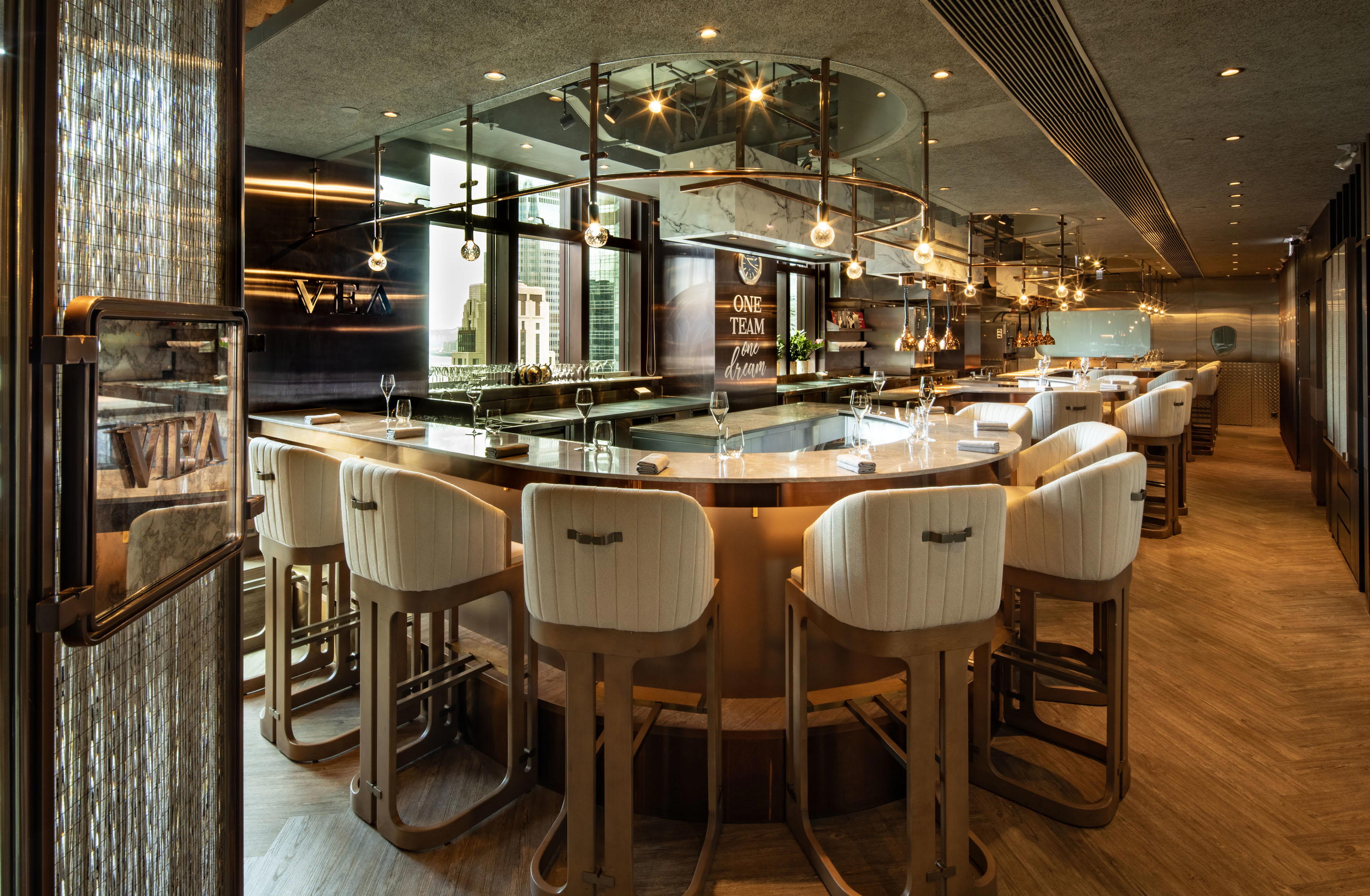
Intimate and elegant with a high-end, exclusive atmosphere centered around the chef's table.