
Star Wine List
Our verdict
Co-Chengdu sits on the second floor of the 128 Shangdu Fashion Plaza in Jinjiang District, earning a White Star recognition from Star Wine List in 2024. The address places it within walking distance of Chunxi Road, one of the city's main commercial corridors, making it an accessible option for visitors already exploring central Chengdu. Its wine program sets it apart in a dining scene where Sichuan heat and beverage pairing remain an ongoing conversation.

Pearl is the En Primeur Club membership app, where members save venues, book tables and use the concierge.
The menu
What to order
- House-made sourdough with 20-year-old starter
Where Chunxi Road's Commercial Energy Meets a Considered Wine List
Chengdu's central dining corridor along Chunxi Road has, over the past decade, shifted from a strip of fast-turnover Sichuan staples into a more layered scene where serious restaurants operate inside multi-storey retail complexes. This format, familiar in Chinese tier-one cities, places fine-dining and wine-focused rooms on upper floors, physically separating them from street-level foot traffic and filtering walk-in guests. Co-Chengdu follows that pattern: located on the second floor of the 128 Shangdu Fashion Plaza in Jinjiang District, its address puts it at the commercial heart of the city without the full visibility of a street-facing frontage.
That positioning matters because it shapes the guest profile. Diners who find a second-floor room inside a fashion plaza are, almost by definition, intentional about the visit. They have looked it up, made a choice, and come with some prior knowledge. In Chengdu, where the breadth of the dining scene can make any given restaurant difficult to locate by casual exploration, this kind of pre-meditated discovery is closer to the norm at the upper end of the market than it might first appear.
Ingredient Sourcing and the Sichuan Pantry
Sichuan cuisine's reputation internationally rests on a handful of high-recognition flavours: the numbing heat of Sichuan peppercorn (huajiao), the slow burn of doubanjiang fermented broad bean paste, dried chilies in multiple stages of processing, and the deeply savoury base notes that come from months or years of fermentation. What that shorthand obscures is the granular geography of sourcing. Doubanjiang from Pixian, a county-level district within Chengdu itself, is not interchangeable with paste produced elsewhere, and serious Sichuan kitchens distinguish between varieties of peppercorn from Hanyuan and those grown in adjacent counties. The specificity is more than culinary folklore: independent blind tastings in Chinese food media have repeatedly confirmed measurable differences in aroma compound profiles between these origins.
The practical implication for restaurants operating in Chengdu is that local sourcing here carries real provenance weight, not just marketing value. A kitchen sourcing Pixian doubanjiang from established producers is drawing on a tradition of controlled fermentation that has a documented regional identity. For comparison, consider how the sourcing conversation plays out at premium Chinese restaurants elsewhere in the country: Xin Rong Ji (Xinyuan South Road) in Beijing and Chef Tam's Seasons in Macau both operate premium Chinese formats where ingredient provenance is part of the editorial identity. In Chengdu, that same sourcing logic operates with particular intensity because so many of the canonical ingredients are grown or fermented within the surrounding basin.
For context in the local scene, Yu Zhi Lan and Xin Rong Ji (Taizhou) both operate at the ¥¥¥¥ tier with high-end Sichuan or regional Chinese formats; Co-Chengdu's wine recognition signals that its beverage curation is part of its value proposition in a way that is not universal at that price tier.
The Pairing Problem: Sichuan Heat and Wine
The conversation about pairing wine with Sichuan food is one of the more technically interesting questions in Chinese fine dining, and it is largely unresolved. High capsaicin content amplifies the perception of tannin and alcohol in red wine, making many Bordeaux-style selections actively uncomfortable alongside a mala-heavy course. The conventional response in Chinese wine circles has been to lean toward lower-alcohol whites, off-dry Riesling, or sparkling wine, though structured reds from cooler climates (lighter-bodied Pinot Noir, Gamay) have acquired advocates who argue that the pairing works when the wine has sufficient acidity to cut through fat. A White Star recognition from Star Wine List, which evaluates the depth, composition, and curation of wine lists rather than simply their length, suggests that Co-Chengdu's program is built with this problem in mind rather than assembled as a generic add-on.
Globally, this pairing challenge is navigated at different levels of seriousness. Restaurants like Le Bernardin in New York City and Ru Yuan in Hangzhou have both built wine programs around the specific demands of their food, treating the list as an extension of the kitchen's intent. In Chengdu, where the cuisine makes pairing structurally harder, a wine list that earns external recognition is doing more deliberate work than its equivalent in a lower-capsaicin culinary tradition.
Chengdu's Mid-Market and the Restaurant Above It
The breadth of Chengdu's dining scene can compress the sense of what constitutes a serious restaurant. At the accessible end, a bowl of mapo tofu at Chen Mapo Tofu on Qinghua Road costs a fraction of what a comparable dish commands at a formal Sichuan table, and the quality gap is narrower than in many other culinary traditions. This compression means that the signal value of formal recognition, whether Michelin, Star Wine List, or other credentialing bodies, carries particular weight in communicating tier to a visitor unfamiliar with the local hierarchy.
Co-Chengdu's White Star recognition, noted at the time of its Star Wine List publication in April 2024, does that work precisely. It positions the restaurant in the upper stratum of a scene that includes Fang Xiang Jing, Fu Rong Huang, and Hokkien Cuisine as further reference points across different regional and price-tier formats. For visitors assembling an itinerary, that peer context matters: Co-Chengdu is not competing with the city's street-food tradition; it is competing with the city's most considered rooms.
Across Greater China, the restaurants that have built lasting reputations in the premium segment, including 102 House in Shanghai, Imperial Treasure Fine Chinese Cuisine in Guangzhou, and Dai Yuet Heen in Nanjing, share a common pattern: they treat the beverage program as a parallel track to the kitchen, not an afterthought. Co-Chengdu's wine recognition places it in that same structural category, even if the specific format and price tier differ. For a broader view of where Co-Chengdu sits within the city, see our full Chengdu restaurants guide. Visitors exploring beyond food can also reference our full Chengdu hotels guide, our full Chengdu bars guide, our full Chengdu wineries guide, and our full Chengdu experiences guide.
Planning a Visit
Co-Chengdu is located at 128 Chunxi Road West, Jinjiang District, Chengdu, on the second floor of the 128 Shangdu Fashion Plaza (2085). The Chunxi Road area is well-served by Chengdu Metro Line 2 (Chunxi Road station), making arrival by public transport direct from most central hotels. Given the restaurant's wine program recognition and the general demand pressure on quality rooms in this part of the city, booking ahead is advisable. Comparable wine-focused rooms in Chengdu's mid-to-upper tier regularly fill several days in advance on weekends. Phone and online booking details were not available at the time of publication; arriving without a reservation, particularly on a Friday or Saturday evening, carries risk.
Frequently asked questions
Where is Co-Chengdu located?
Co-Chengdu is located at CN 四川省 成都市 锦江区 春熙路西段 128 128尚都服饰广场2楼2085, Chengdu.
Is Co-Chengdu Michelin-listed?
Co-Chengdu has received recognition including: Co-Chengdu is a restaurant in Chengdu, Greater China. It was published on Star Wine List on April 24, 2024 and is a White Star.
What dish is Co-Chengdu famous for?
The venue's Star Wine List White Star recognition points to the beverage program as its primary credential rather than a single signature dish.
What's the best way to book Co-Chengdu?
No phone number or booking platform is currently listed in Co-Chengdu's public records. The most reliable approach is to visit in person at 128 Chunxi Road West, second floor of Shangdu Fashion Plaza (unit 2085), Jinjiang District, Chengdu, or to enquire through the plaza's concierge.
What's Co-Chengdu best at?
The Star Wine List White Star awarded in April 2024 is the only externally verified credential on record, which makes the wine program the restaurant's documented strength. In a city where most dining conversations centre on heat and spice, that kind of formal wine recognition from a specialist publication is a meaningful differentiator on Chunxi Road.
Comparison Snapshot
Comparable venues nearby, for context on price, style, and recognition.
| Venue | Cuisine | Price | Awards | Notes |
|---|---|---|---|---|
| Co-ChengduThis venue (the venue you are viewing) | Modern Innovative Chinese Tasting Menu | $200–300 | Star Wine List | Not listed |
| Chaimen Residence | Modern Sichuan Fine Dining | $100–150 | Not listed | Chengdushi |
| Li Xuan | Refined Cantonese and Sichuan | $50–100 | Michelin Plate | Chengdushi |
| Zifei | Modern Sichuan Fine Dining | $300–500 | Not listed | Chengdushi |
| Xujia Cai | Modern Sichuan Fine Dining | Not listed | 1 Michelin Star · Black Pearl 1 Diamond | Chengdushi |
| Nantangguan Sichuan Cuisine Cultural Restaurant | Refined Sichuan Cuisine | $50–100 | Black Pearl 1 Diamond | Wuhou District |
Recognition history
Dated appearances from independent guides and award organizations, with the underlying list record or original source where available.
Star Wine List
Star Wine List
Continue exploring
More in Chengdu
Restaurants in Chengdu
All restaurants in Chengdu →
Bars in Chengdu
All bars in Chengdu →
Details
- Quiet
- Elegant
- Intimate
- Sophisticated
- Minimalist
- Special Occasion
- Date Night
- Chefs Counter
- Design Destination
- Open Kitchen
- Local Sourcing
- Tasting Menu
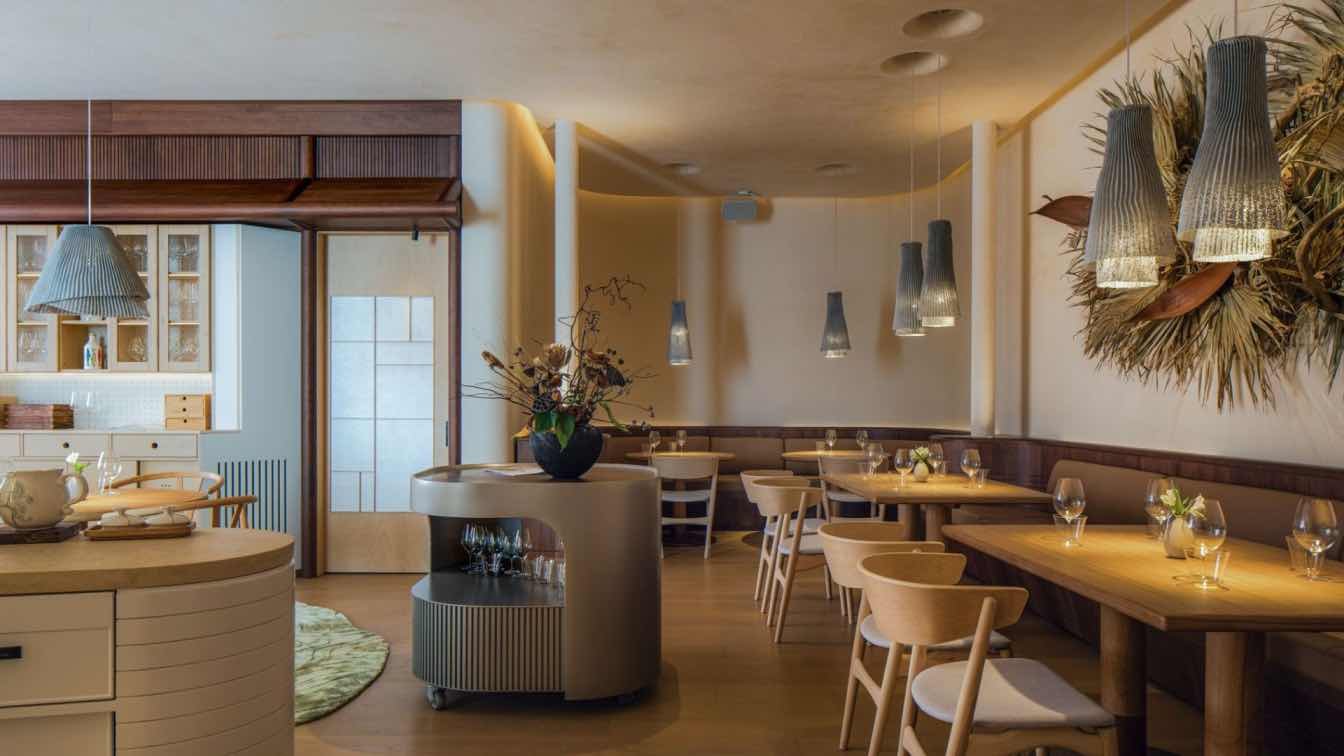
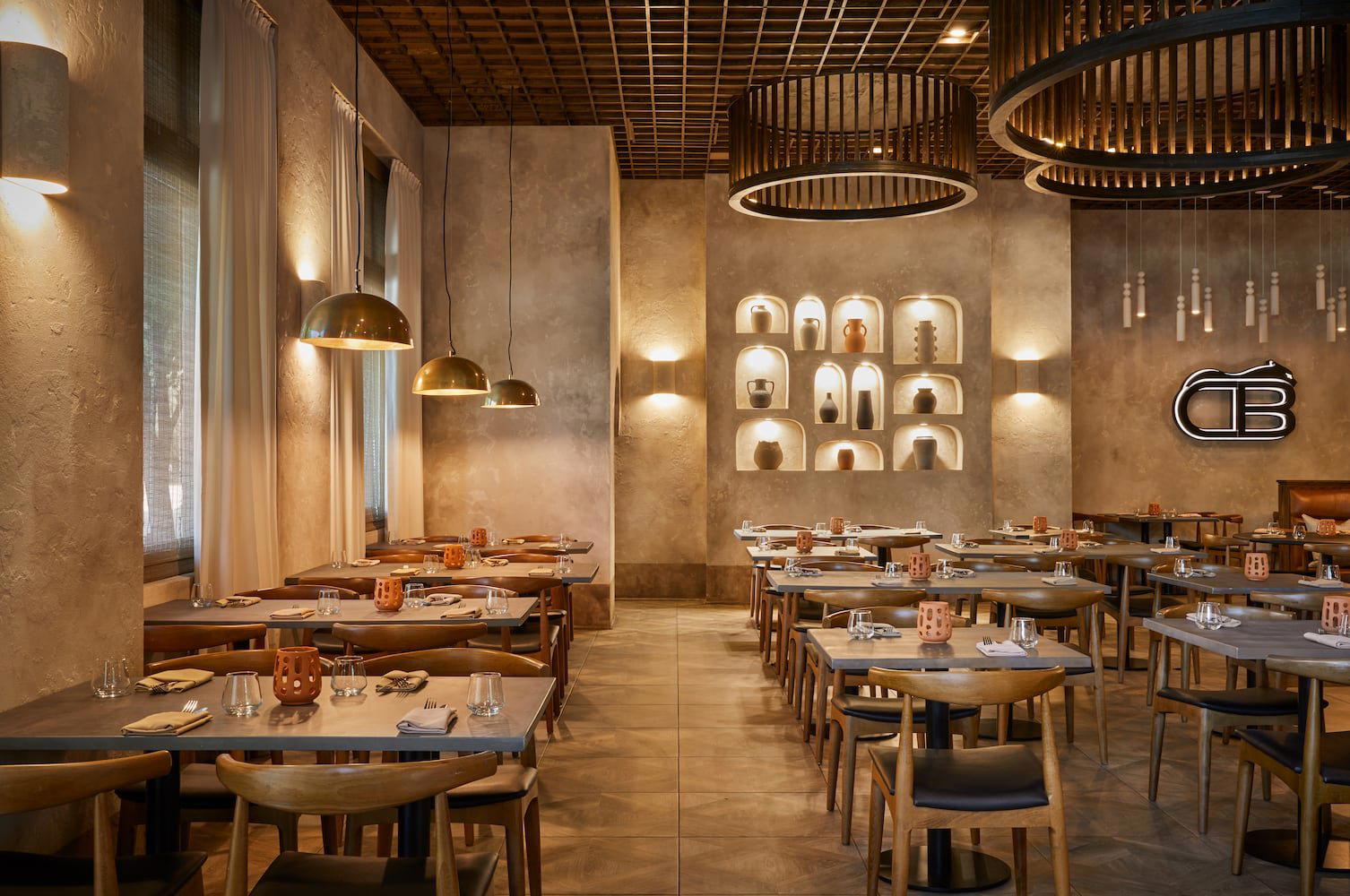
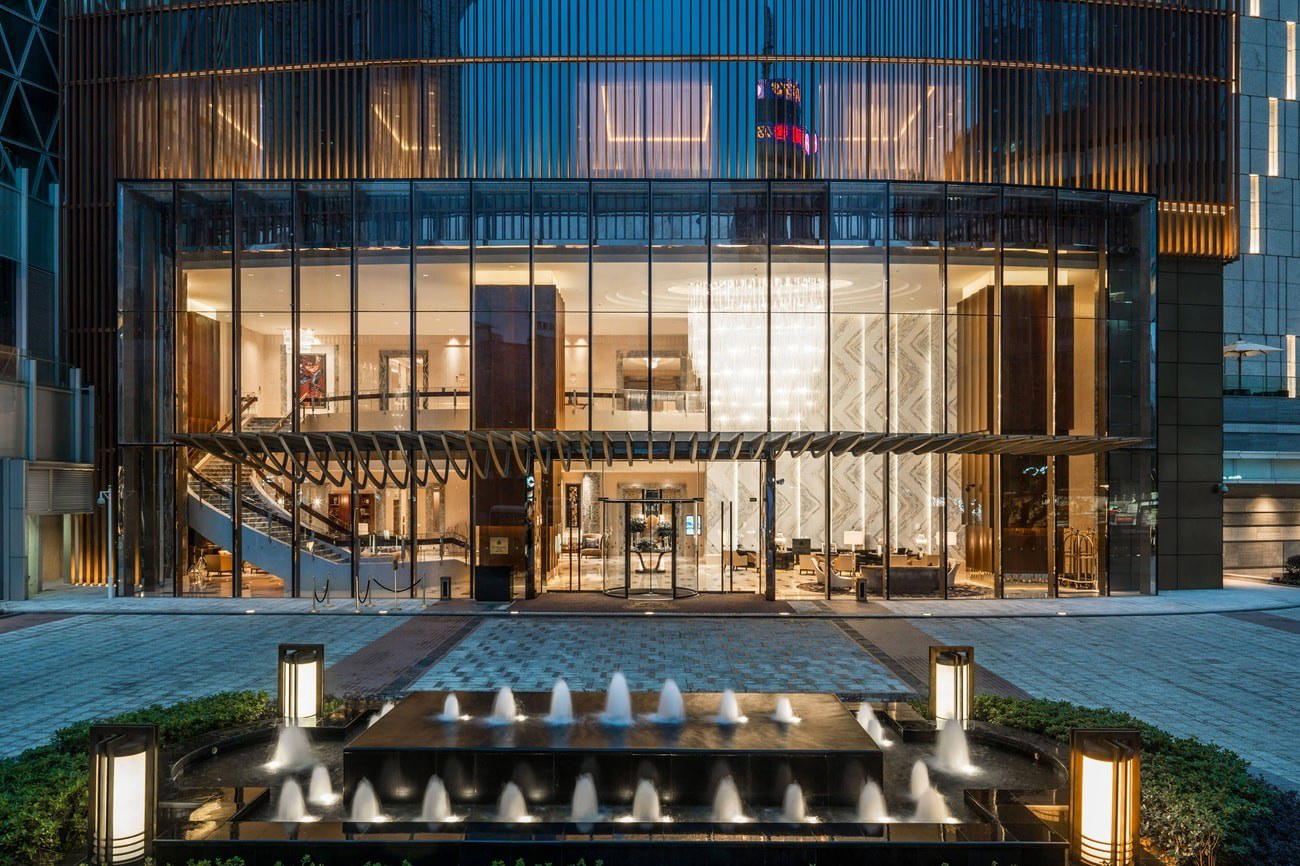
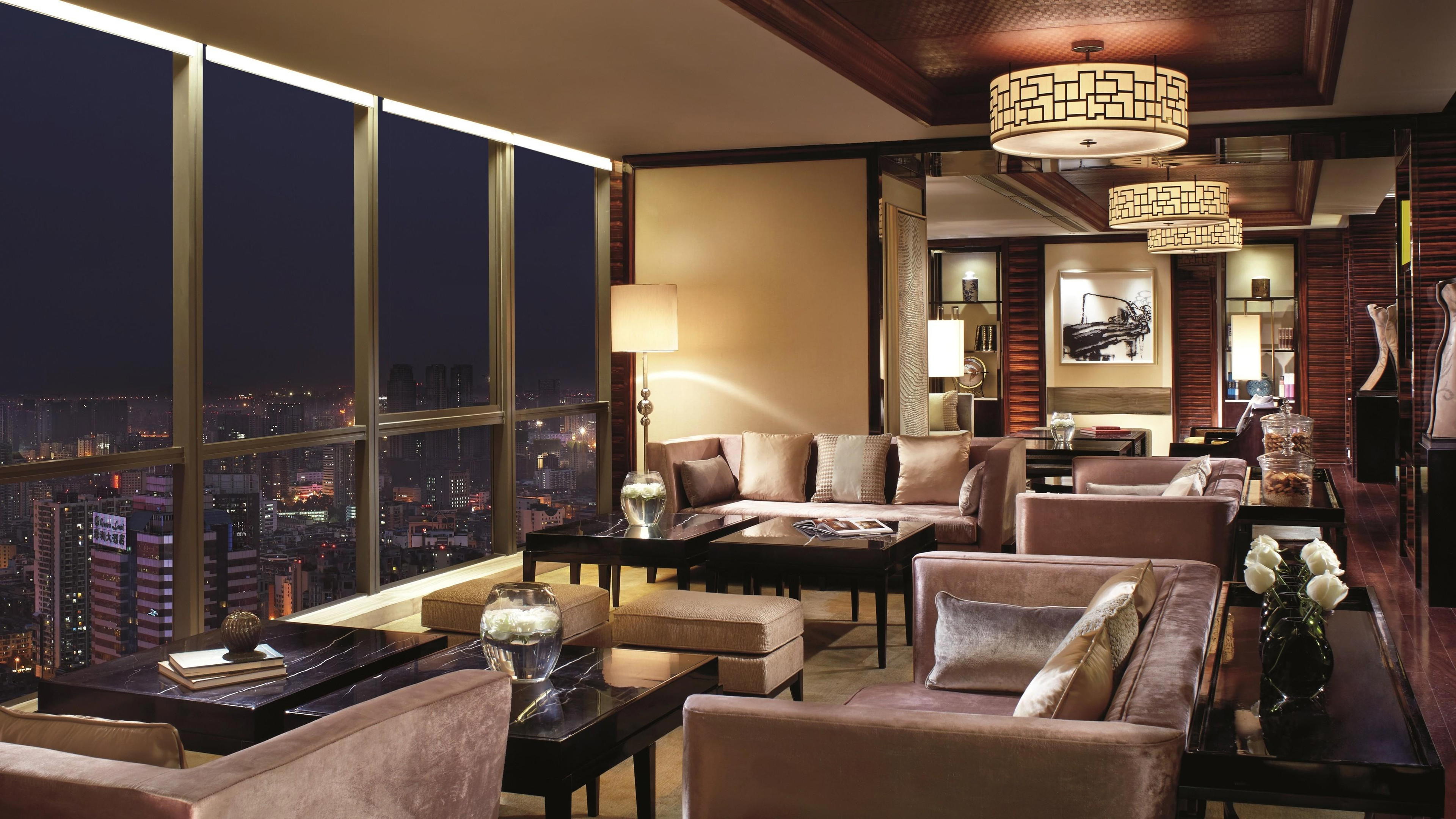
Serene and focused environment with earth-sand-colored palette, natural wood and stone materials creating a tranquil, nature-inspired setting that complements refined plating.