Ganesha at Eschenbachgasse 4 occupies a quieter register within Vienna's first district, where subcontinental cooking sits apart from the city's dominant Austrian-European fine dining axis. The address places it steps from the Kunsthistorisches Museum quarter, drawing a mix of neighbourhood regulars and visitors looking for something outside the Viennese mainstream. For a city with relatively few serious Indian restaurants, it represents a considered option in a thin category.
Pearl is the En Primeur Club membership app — saves, bookings, and concierge access live there. Same editors, same standards.
- Address
- Eschenbachgasse 4, 1010 Wien, Austria
- Phone
- +434319459553
- Website
- ganesharestaurant.at
- Directions
- Get directions
 Saves & bookings on Pearl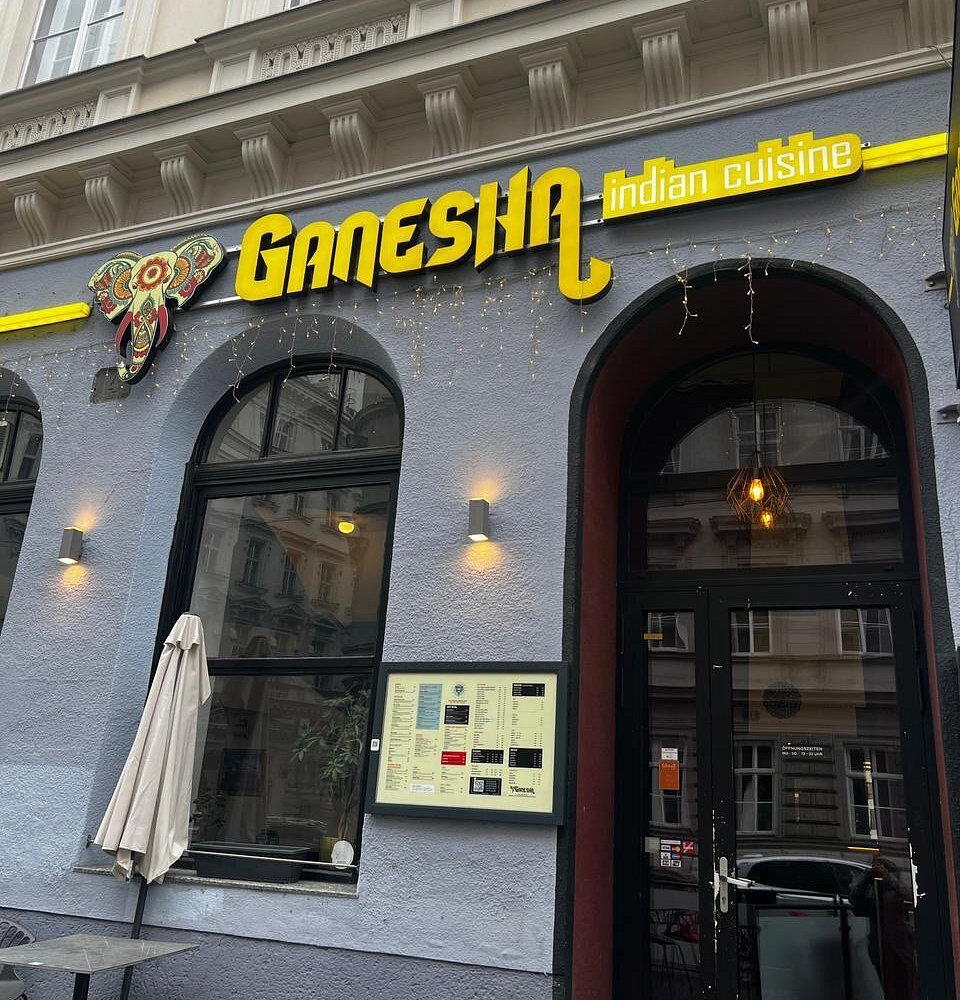
A Different Frequency in the First District
Eschenbachgasse runs between the Naschmarkt edge and the museum quarter, a corridor that functions less as a dining destination than as connective tissue between more publicised parts of the first district. That relative quietness is part of the context for understanding Ganesha. Vienna's premium dining conversation tends to cluster around Austrian-inflected creative cuisine — venues like Steirereck im Stadtpark, Amador, and Konstantin Filippou dominate critical attention and operate at the €€€€ end of the market. Indian cooking occupies a structurally different position in the city: smaller in number, less Michelin-decorated, and frequently underexamined by the publications that track Mraz & Sohn or Doubek. Ganesha sits inside that gap.
The address at Eschenbachgasse 4 is easy to walk past. There is no grand entrance or street-level theatre. What the location offers instead is proximity — to the Burgring, to the Kunsthistorisches Museum, to the slower foot traffic of a residential-commercial mix that keeps the atmosphere lower-key than the tourist corridors a few streets north. Approaching from the direction of the Ringstrasse, the neighbourhood shifts register noticeably. That shift sets the tone for what follows inside.
Where Indian Cooking Lands in Vienna
Vienna has never developed the kind of dense subcontinental dining infrastructure visible in London or Amsterdam. The city's immigrant population patterns and its historical trade routes ran in different directions, which means Indian restaurants here are comparatively rare and, when they do appear, operate without the competitive pressure that sharpens quality in larger markets.
Across Europe, the Indian restaurants that have attracted sustained critical attention, from London's Gymkhana to Trishna, have generally distinguished themselves through sourcing specificity: house-ground spice blends, direct relationships with suppliers for particular varieties of rice or lentil, attention to regional provenance within the subcontinent rather than a catch-all pan-Indian approach. The gap between those operations and a generic curry-house format is essentially an ingredient gap. Where the food comes from, and how that sourcing is handled, is where the meaningful distinctions lie. Vienna diners with exposure to the better end of the London or Copenhagen Indian dining scenes will bring that reference point with them to Eschenbachgasse.
For a broader map of Austrian culinary ambition, including venues like Döllerer in Golling an der Salzach, Landhaus Bacher in Mautern an der Donau, and Obauer in Werfen, the contrast with what Ganesha represents is instructive. Those are venues rooted in alpine and Danubian ingredient logic, where the sourcing story is almost always the editorial hook. The question worth asking at any serious Indian table in a European city is whether a comparable ingredient discipline applies.
The Ingredient Question
Subcontinental cooking is, at its most rigorous, an exercise in sourcing precision. The difference between a dish built around freshly ground whole spices and one assembled from pre-mixed powder is measurable in aroma and finish. Whole coriander and cumin behave differently from their processed equivalents; the same applies to cardamom, fenugreek, and the black mustard seeds used across South Indian traditions. Regional rice varieties, basmati from specific growing areas of Uttarakhand, say, versus commodity long-grain, carry flavour differences that extend into a finished biryani or pilaf. These are not abstract points. They are the kind of details that separate a kitchen taking sourcing seriously from one that is not.
Vienna's wholesale and specialty food import infrastructure is more developed than a decade ago, which has improved baseline access for restaurants across cuisines. The Naschmarkt, a short walk from Eschenbachgasse, has long hosted spice traders whose stock goes beyond tourist-facing exotica into the working ingredients that serious kitchens use. Whether a given restaurant draws on that proximity or relies on national distributor supply chains is rarely visible from the dining room, but it shows in the food.
Venues at the upper end of the sourcing spectrum internationally, operations like Le Bernardin in New York City or Lazy Bear in San Francisco, have made ingredient provenance a publicly communicated part of their identity. The transparency itself becomes a signal. In the Indian restaurant context in European cities, that level of communication is less common, which makes it harder to assess from outside. What a diner can do is ask, and pay attention to what the answer reveals about the kitchen's orientation.
Within Vienna specifically, the frame of reference for Ganesha is not the Michelin-starred Austrian creative houses. The more useful comparison is the category of mid-range to upper-mid-range ethnic specialist restaurants in the first and adjoining districts: places that draw on culinary traditions outside the Central European mainstream and that serve a clientele with some baseline knowledge of what they are eating. That is a more diverse and harder-to-track category than the starred fine dining circuit, but it is where most of the city's interesting daily eating happens.
Across Austria more broadly, the premium dining conversation has expanded beyond Vienna in recent years. Venues like Gourmetrestaurant Tannenhof in Sankt Anton am Arlberg, Stüva in Ischgl, Kräuterreich by Vitus Winkler in Sankt Veit im Pongau, Taubenkobel in Schützen am Gebirge, Schwarzer Adler in Hall in Tirol, Ois in Neufelden, and Restaurant 141 by Joachim Jaud in Mieming have established that serious cooking is not confined to the capital. That dispersal of quality makes Vienna's role as the country's primary ethnic dining hub more significant: it is where the demographic and economic conditions for non-Austrian cuisines to operate at a meaningful level are most consistently present. See our full Vienna restaurants guide for broader category coverage.
Planning Your Visit
Ganesha's Eschenbachgasse 4 address puts it within walking distance of the Kunsthistorisches Museum, the Burgring U-Bahn stops, and the western edge of the first district. The neighbourhood is quieter in the evenings than the inner Innere Stadt, which tends to make for easier arrival and a less pressured atmosphere. The absence of published booking information suggests walk-in access may be viable, though this cannot be confirmed.
Quick reference: Ganesha, Eschenbachgasse 4, 1010 Wien. Confirm hours and reservations directly with the venue before visiting.
Continue exploring
More in Vienna
Restaurants in Vienna
Browse all →
Bars in Vienna
Browse all →
Hotels in Vienna
Browse all →
At a Glance
- Cozy
- Casual Hangout
- Family
- Group Dining
- Terrace
- Beer Program
- Garden
Current opening hours
- Monday
- 12–10 PM
- Tuesday
- 12–10 PM
- Wednesday
- 12–10 PM
- Thursday
- 12–10 PM
- Friday
- 12–10 PM
- Saturday
- 12–10 PM
- Sunday
- 12–10 PM
Hours can change for holidays and private events. Last verified .
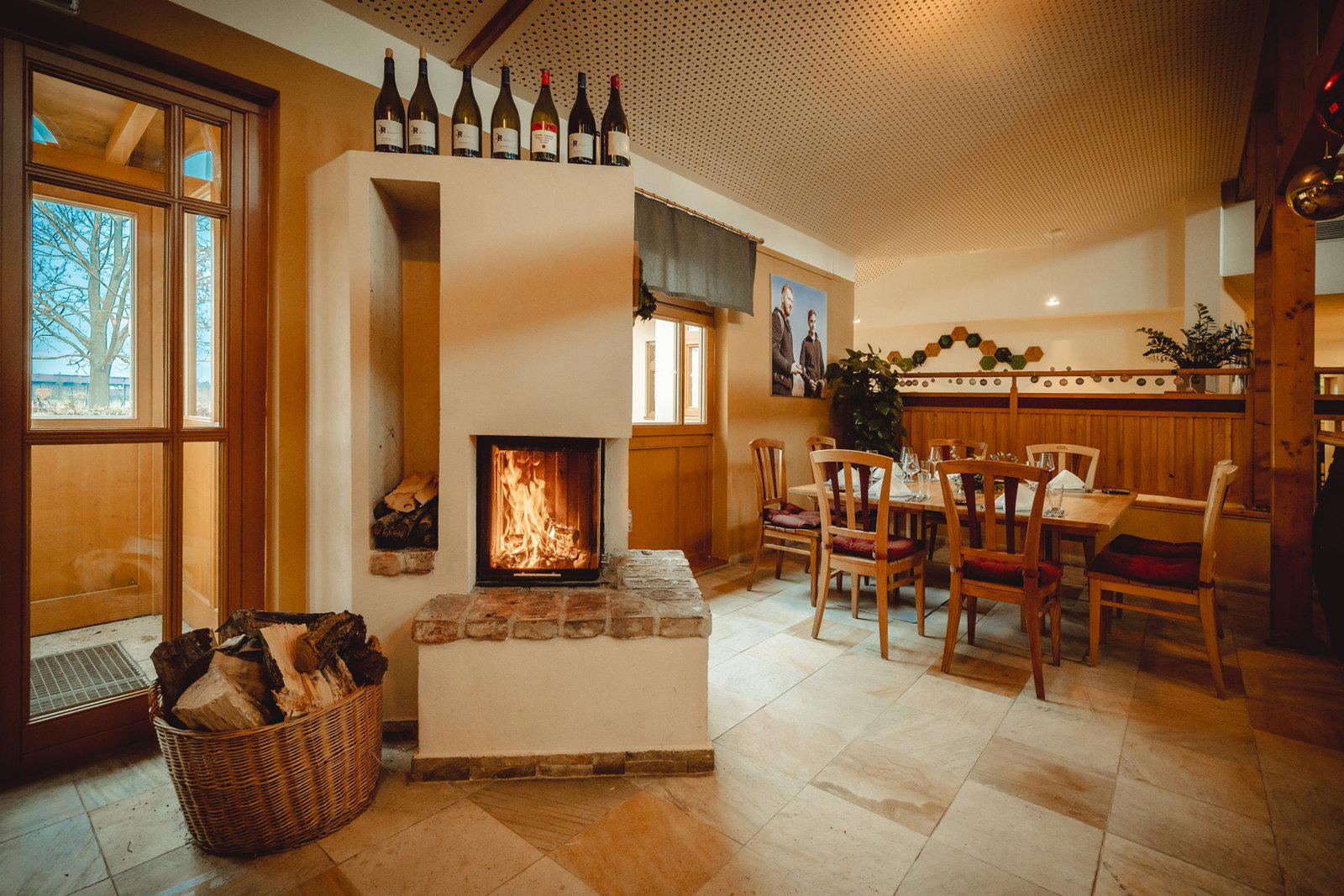
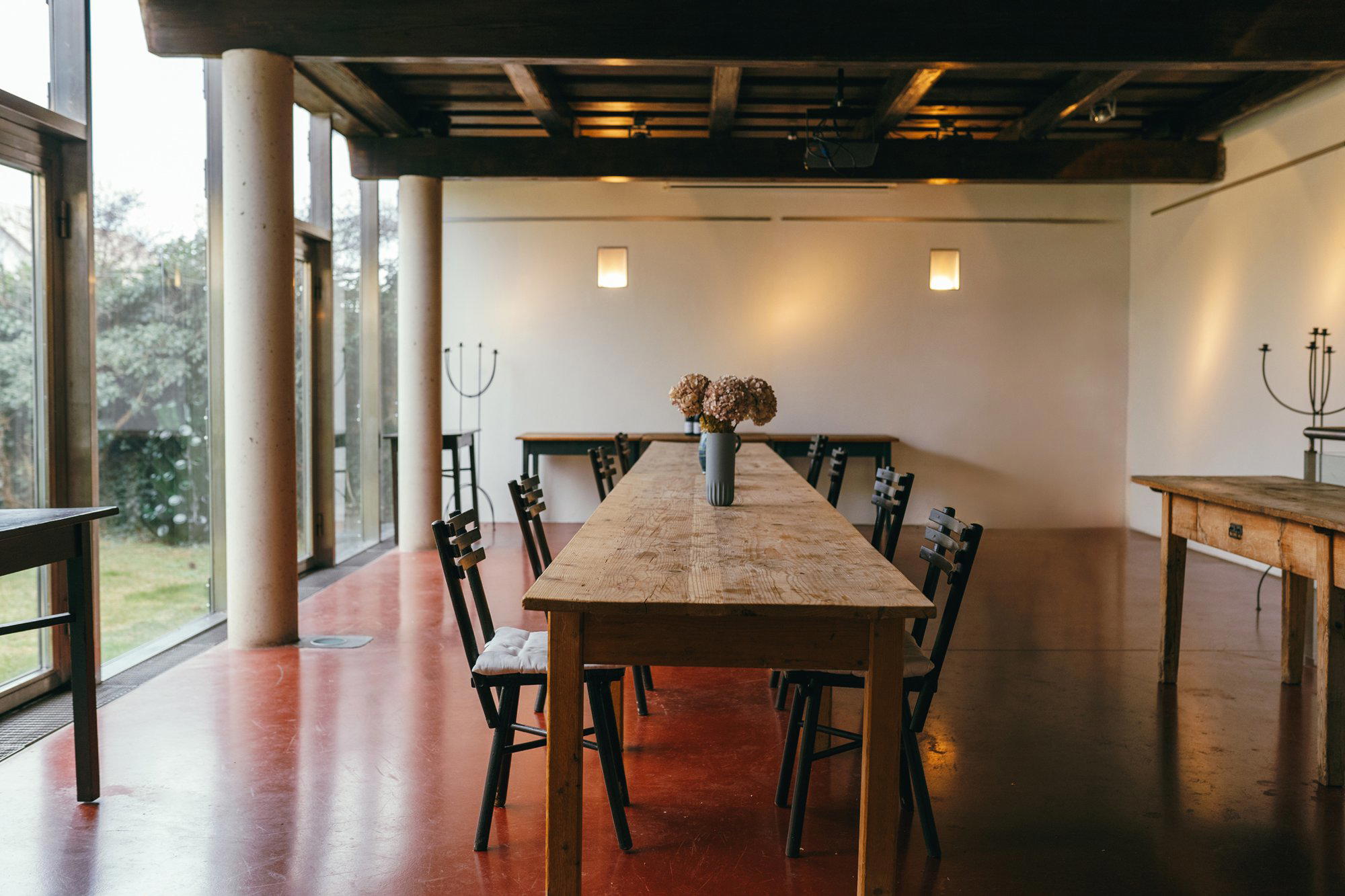
Warm, inviting, and colorful interior with a pleasant alfresco garden out back.