Our verdict
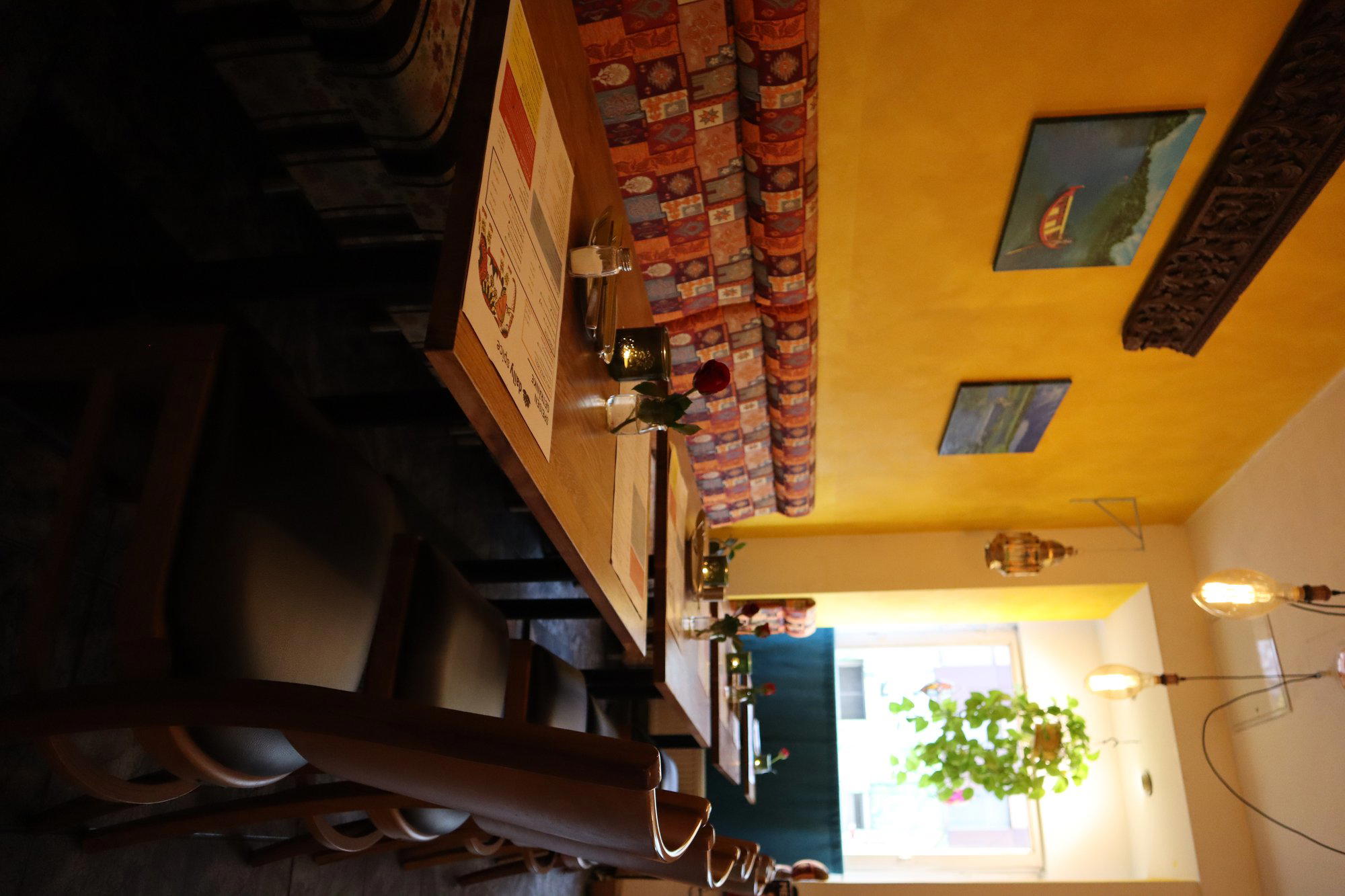
On Linzer Strasse in Vienna's 14th district, Daily Spice sits at the intersection where imported culinary technique meets the produce rhythms of the surrounding region. With limited publicly available data, the restaurant draws attention as a neighbourhood address in a city where serious cooking has increasingly pushed beyond the historic centre. Visitors planning a visit should confirm hours and booking directly.

Pearl is the En Primeur Club membership app, where members save venues, book tables and use the concierge.
The menu
What to order
- Chicken Tikka Masala
- Butter Chicken
- Malai Kofta
Cooking Where the City Loosens Up
Vienna's 14th district, Penzing, does not announce itself the way the Innere Stadt does. There are no imperial facades pressing in from both sides, no heritage-listed coffee houses on every corner. Linzer Strasse runs westward with the practical rhythm of a working neighbourhood: tram lines, market stalls, apartment blocks in various states of renovation. It is precisely in districts like this one that a city's more considered, less performative cooking tends to take root. Daily Spice, at Linzer Str. 47A, occupies that kind of address, a location that makes sense when you understand how Vienna's food scene has been redistributing its energy over the past decade.
The city's dominant restaurant conversation still centres on the historic core and its immediate surrounds. Houses like Steirereck im Stadtpark and Amador anchor the upper tier of Vienna's creative dining, while Konstantin Filippou and Mraz & Sohn represent the city's sustained engagement with modern European form. But the peripheral districts have their own logic, serving residents who want serious food without the theatre of destination dining. That is a meaningful niche in any major European city, and Vienna is no exception.
Technique Across Borders, Produce Close to Home
Austrian cooking has a long-standing tension at its centre: the country's culinary identity is deeply regional, built around Alpine dairy, freshwater fish from the Danube tributaries, game from Styrian forests, and a bread culture that varies valley by valley, while its restaurant kitchens have historically absorbed technique from France, Italy, and now from East Asia and the broader global repertoire. The most interesting cooking happening across Austria right now sits at that intersection. You see it at Döllerer in Golling an der Salzach, where Alpine ingredients meet a precision-driven kitchen sensibility. You see it at Landhaus Bacher in Mautern an der Donau along the Wachau, where Danube valley produce shapes a menu informed by decades of technical refinement. And you see it further west, at addresses like Gourmetrestaurant Tannenhof in Sankt Anton am Arlberg and Stüva in Ischgl, where mountain produce is treated with a kitchen discipline that owes as much to international training lineages as to local tradition.
Within Vienna itself, that same conversation plays out differently. The city sits at a crossroads, historically, geographically, and gastronomically. Its restaurant kitchens draw on Viennese Bürgerküche traditions while absorbing influences from the former Habsburg territories and from the contemporary global technical canon. The name Daily Spice points toward an engagement with spice and seasoning that extends beyond the Central European pantry, suggesting an approach to flavour that positions the kitchen in the broader exchange between regional produce and international methodology. That framing aligns with a wider pattern: across Austria and beyond, in kitchens from Le Bernardin in New York City to Lazy Bear in San Francisco, the most coherent cooking programs tend to have a clear answer to the question of where ingredients come from and where technique comes from, even when those two answers point in different directions.
The Neighbourhood Context
Penzing is not a district that draws international food tourists the way Naschmarkt or the 7th district do. It functions as a residential area with its own supply of neighbourhood restaurants, and within that supply, differentiation comes from consistency and specificity rather than from reputation capital. Restaurants that hold their ground in districts like this one typically do so because they earn the loyalty of a local clientele, guests who return regularly and make their preferences known. That dynamic produces a different kind of kitchen discipline than the one found in destination restaurants: less about impressing a single-visit audience, more about maintaining a standard that residents carry as a reference point.
For context on the broader Austrian restaurant field, the range is considerable. At the rural end, places like Obauer in Werfen, Ois in Neufelden, and Kräuterreich by Vitus Winkler in Sankt Veit im Pongau demonstrate how far serious cooking has spread across the country's regions. Urban neighbourhood restaurants in Vienna operate in a different register, less isolated in their identity, more responsive to the city's shifting demographics and the expectations of a multicultural resident population. Doubek and Taubenkobel in Schützen am Gebirge occupy adjacent positions in the broader discussion of where Austrian cooking is finding new energy, each in their own geographic and conceptual territory.
Daily Spice sits inside this context, a Vienna address in a non-central district, with a name that signals seasoning as a primary concern, in a city where the conversation about what Austrian cooking can absorb and express is still very much ongoing.
What to Know Before You Go
Visitors should verify current operating information directly with the restaurant before making a trip, particularly given that neighbourhood restaurants at this scale sometimes operate reduced hours or take seasonal breaks without broad public notice. For comparison, the dominant Vienna dining tier runs at €€€€ price points, applicable to Mraz & Sohn, Konstantin Filippou, and the broader creative fine dining cohort, while neighbourhood restaurants in Penzing and similar districts typically operate at considerably lower price thresholds, making them accessible for regular visits rather than occasional occasions.
Getting to Linzer Strasse is direct from central Vienna: U4 to Hütteldorf or tram lines running the length of Linzer Strasse both provide direct access, with journey times from the city centre in the range of 20 to 30 minutes depending on starting point. Parking is available in the immediate area for those arriving by car, which is more practical in this district than in the inner city. For restaurants at this price tier and neighbourhood position, reservations are advisable but the booking pressure is unlikely to match the weeks-ahead lead times required at Vienna's leading creative tables. Austria's restaurant scene also rewards visits to addresses like Schwarzer Adler in Hall in Tirol and Restaurant 141 by Joachim Jaud in Mieming for those extending beyond the capital.
| Venue | District / Location | Price Tier | Booking Pressure |
|---|---|---|---|
| Daily Spice | Penzing, 14th District | Not confirmed | Not confirmed |
| Steirereck im Stadtpark | Stadtpark, 3rd District | €€€€ | Weeks to months ahead |
| Mraz & Sohn | Brigittenau, 20th District | €€€€ | Weeks ahead |
| Konstantin Filippou | Innere Stadt, 1st District | €€€€ | Weeks ahead |
Frequently asked questions
How do I find Daily Spice?
Daily Spice is located at Linzer Str. 47A, 1140 Wien, Austria, Vienna.
Is Daily Spice in Vienna suitable for diners unfamiliar with the Penzing district?
Daily Spice sits at Linzer Str. 47A in Vienna's 14th district, a residential area without the dense tourist infrastructure of the Innere Stadt. The address is straightforward to reach by U-Bahn on the U4 line, which runs through Penzing toward the western city edge. Visitors prepared to step outside the central districts will find a cooking context shaped more by neighbourhood regulars than by international food tourism.
What do regulars order at Daily Spice?
What the body content does confirm is an approach built around Austrian-sourced produce and cross-border technique, which typically means the kitchen's strengths show in produce-led rather than protein-centred plates. Asking staff at the counter what is freshest that day is the more reliable guide than any fixed list.
How hard is it to get a table at Daily Spice?
Penzing functions as a residential neighbourhood rather than a high-footfall dining destination, which historically means tables at local spots there are more accessible than at comparably sized venues near Naschmarkt or the 7th district. Calling ahead is still advisable, particularly on weekends.
Recognition Snapshot
Comparable venues nearby, for context on price, style, and recognition.
| Venue | Cuisine | Price | Notes |
|---|---|---|---|
| Daily SpiceThis venue (the venue you are viewing) | Indian & Bangladeshi Street Food | $20–30 | Not listed |
| Indus | Authentic Indian Curry House | $20–30 | Wien-Mitte |
| Prosi | Authentic North & South Indian | $20–30 | Neubau |
| Nam Nam – Dabba | Indian Curry Takeaway | $1–10 | Landstrasse |
| Restaurant Heuberg | South Indian | $20–30 | Dornbach |
| Sunny | Pan-Asian with Chinese & Thai | $20–30 | Rudolfsheim |