
Kyoto’s wagashi culture rewards small rooms, early timing, and craft that disappears into routine. Imanishi Ken belongs to that older register: a house-style sweets shop in Shimogyo with take-out service, Tabelog 100 recognition for Japanese traditional sweets in West Japan, and a reputation built around the city’s daily rather than ceremonial side.
Pearl is the En Primeur Club membership app — saves, bookings, and concierge access live there. Same editors, same standards.
- Address
- 312 Yokosuwancho, Shimogyo Ward, Kyoto, 600-8179, Japan
- Phone
- +81 75-351-5825
- Website
- aquadina.com
 Saves & bookings on Pearl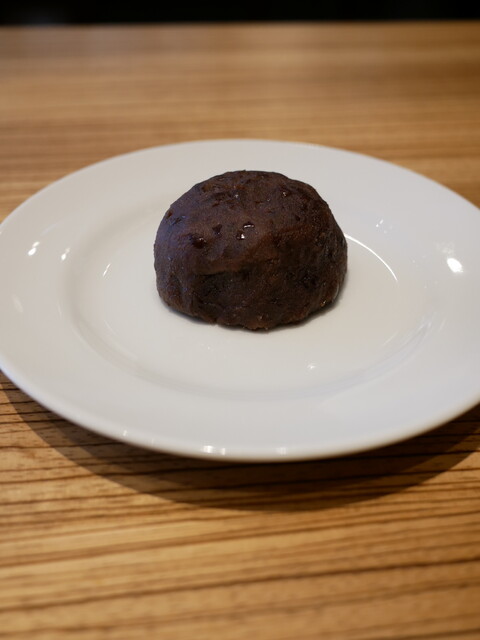
Approaching a Kyoto sweets shop of this scale changes the tempo of the city. The grand temples and hotel lobbies recede; the measure becomes frontage, threshold, counter, paper wrapping, and the quiet choreography of people buying something made for the same day. In that register, Imanishi Ken is not trying to perform Kyoto for visitors. It belongs to the city’s compact wagashi tradition, where the room is part workshop, part retail counter, and part evidence of how little theatre good sweets need.
Kyoto’s serious sweets culture sits apart from the city’s kaiseki and cocktail circuits. It is less concerned with long seatings than with timing, perishability, and trust. A shop selected for Tabelog’s 2023 Japanese traditional sweets and Japanese sweets cafe list for West Japan occupies a different kind of prestige from a tasting-menu restaurant: recognition accrues through repeat local use, consistency, and the discipline of a narrow format. Imanishi Ken also appears in Tabelog Sweets West selections from 2020 and 2022, which places it within a regional canon rather than a single-year curiosity.
A small Kyoto room built around take-out rhythm
The design story here is scale. Kyoto has plenty of restaurants where architecture announces budget before the first course; wagashi rooms often work in reverse. The physical container is modest, domestic in feeling, and functional. The point is circulation: enter, choose, collect, leave. That brevity is not a lesser experience. It is the format that lets traditional sweets remain tied to daily life rather than converted into a staged dessert course.
That distinction matters in Shimogyo, where Kyoto’s working grid absorbs visitors moving between Gojo, Karasuma, and the station area. Nearby dining can swing from casual pork buns at 551蓬莱 to contemporary restaurants such as [ki:], Abbesses, and 3TOKU6MI Shijo karasuma ten. Imanishi Ken sits in a quieter lane of that same city appetite: less dinner-plan anchor, more morning or early-day errand with cultural weight.
Kyoto sweets shops also expose a useful difference between ceremony and habit. Tea-ceremony sweets can read as rarefied objects when removed from context, but neighborhood wagashi shops keep the category grounded. The room, the counter, and the take-out format make the craft portable. That is why a small house-style setting can carry as much editorial interest as a larger dining room; its architecture tells the reader how the food is meant to be used.
Wagashi prestige without restaurant theatrics
Recognition from Tabelog’s Hyakumeiten program is a meaningful signal in this category because the field is crowded and regional. Japanese traditional sweets shops are not judged by the same public cues as fine dining rooms. There may be no long wine list, chef biography, or parade of courses to decode. Instead, attention shifts to category discipline, repeatability, and whether the shop has earned a place among specialists across West Japan.
Imanishi Ken’s positioning is especially useful for travelers who already understand Kyoto through restaurants and want a different read on the city. A French table such as Asperge Blanche or a bar such as Bar Gaudi belongs to familiar international formats; a wagashi counter demands another kind of literacy. The decision is not about dinner versus dessert. It is about seeing how Kyoto preserves craft through small retail spaces that do not need to mimic restaurant service.
There is also a practical cultural lesson in the absence of excess. Traditional sweets in Kyoto often operate on short production windows, and the format rewards early movement rather than late-night spontaneity. That rhythm sits closer to bakeries, tofu makers, and old confectioners than to reservations-led restaurants. The shopper who treats it as a timed errand will understand the place more clearly than the traveler who expects a leisurely cafe performance.
For a related Kyoto sweets tradition with a stronger shrine-side association, Aburi Mochi Honke Nemoto Kazariya shows how location, ritual, and confectionery can merge into a different experience altogether. Imanishi Ken is the counterpoint: urban, compact, and governed by the logic of the neighborhood purchase.
How to place it in a Kyoto day
The smart use is not to overbuild the itinerary around it. Let it sharpen a day in central Kyoto: a morning movement through Shimogyo, a pause before a museum or temple route, or a counterweight to a restaurant-heavy schedule. Its value lies in compression. In a city where travelers often chase grand experiences, a small sweets shop can explain more about local continuity than another long lunch.
That also makes it a useful corrective to Kyoto fatigue. The city’s premium dining scene can feel heavily mediated by reservations, hotel concierges, and tasting-menu etiquette. Wagashi brings the focus back to purchase, season, and craft at street level. The format is democratic without being casual in workmanship, and that tension is central to Kyoto’s food culture.
Readers building a broader Kyoto plan can use Our full Kyoto restaurants guide for dining context, Our full Kyoto hotels guide for where to base themselves, Our full Kyoto bars guide for evening drinking, Our full Kyoto wineries guide for regional wine references, and Our full Kyoto experiences guide for cultural scheduling. For contrast beyond Kyoto, the Japanese dining map stretches from -Grilled beef Sukiyaki- KAMAKURA TANUKIAN 鎌倉 たぬき庵 in Kamakura and. 鮪と炭火焼き うお炭 秋葉原店 in Tokyo to.cafe in Osaka,.know in Kumamoto, (Shoku) Vietnam in Kawasaki, and [Curry Senmon Ten] Maruyama Kyoju. in Sapporo. Abroad, Jōdo Saké Bar in Los Angeles and Onigiri Time in Pasadena show how Japanese food formats travel, often losing the tight spatial discipline that gives Kyoto shops their force.
The editorial verdict is simple: treat Imanishi Ken as a study in Kyoto’s small-format food culture, not as a conventional restaurant stop. Its strongest signal is not luxury, but precision of format: Japanese traditional sweets, take-out service, and repeated recognition in a regional sweets category. In a city that can overwhelm with ceremony, that restraint is the point.
Comparable Spots
Comparable venues at similar price and category levels.
| Venue | Cuisine | Price | Notes |
|---|---|---|---|
| Imanishi KenThis venue — the venue you are viewing | Traditional Japanese wagashi & ohagi shop | $ | |
| Gyoza Dokoro Takatsuji Sukemasa Honten | Kyoto-style Gyoza Specialty Shop | $ | Shimogyō |
| Kaidashi Men Kitada | Shellfish Ramen | $ | Shimogyō |
| Maruki Sei Pan Sho | Classic Kyoto bakery & sandwich shop | $ | Shimogyō |
| Saruya | Traditional Japanese sweets & tea | $ | Sakyō |
| Wajo Ryo Men Sugari | Kyoto ramen and tsukemen specializing in motsu (offal) | $ | Nakagyō |
Continue exploring
More in Kyoto
Restaurants in Kyoto
Browse all →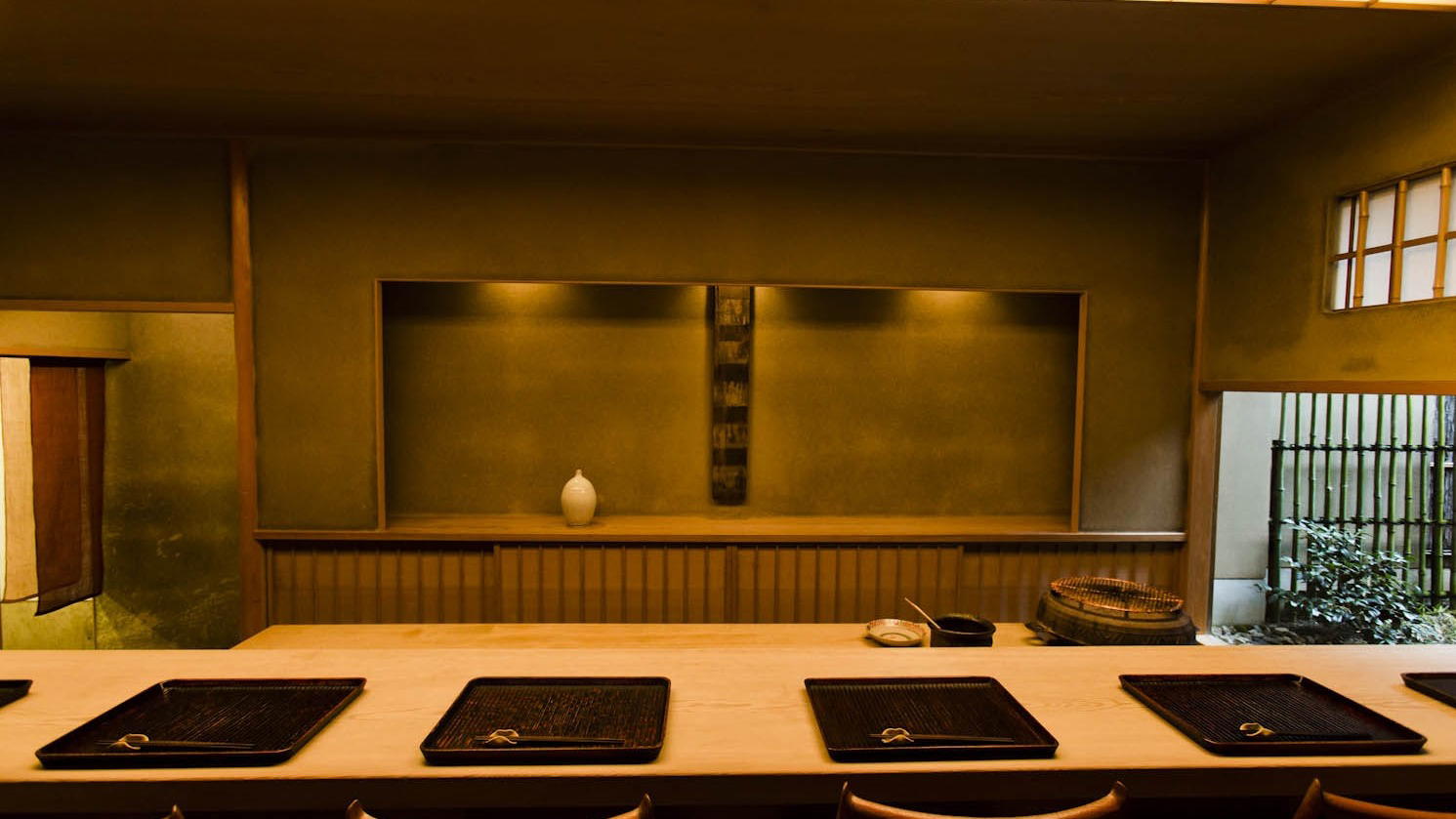
Bars in Kyoto
Browse all →

Hotels in Kyoto
Browse all →

Wineries in Kyoto
Browse all →
At a Glance
- Classic
- Iconic
- Quiet
- Hidden Gem
- Solo
- Family
- Casual Hangout
- After Work
- Standalone
- Historic Building
Traditional neighborhood wagashi shop with a modest house-like storefront and simple, no-frills interior focused on takeaway; atmosphere is calm and nostalgic, attracting locals who queue in the morning for freshly made ohagi.