
Kyoto’s ramen culture rewards small rooms with clear specialisation, and Wajo Ryo Men Sugari fits that pattern through tsukemen, motsu soba, and a counter-only format. Its Tabelog Ramen WEST 100 selections in 2023, 2024, and 2025 place it in the city’s serious noodle conversation, while its sub-¥1,000 listed price keeps the experience grounded in everyday Kyoto eating.
Pearl is the En Primeur Club membership app — saves, bookings, and concierge access live there. Same editors, same standards.
- Address
- 京都府京都市中京区観音堂町471-1
- Website
- sugari.net
 Saves & bookings on Pearl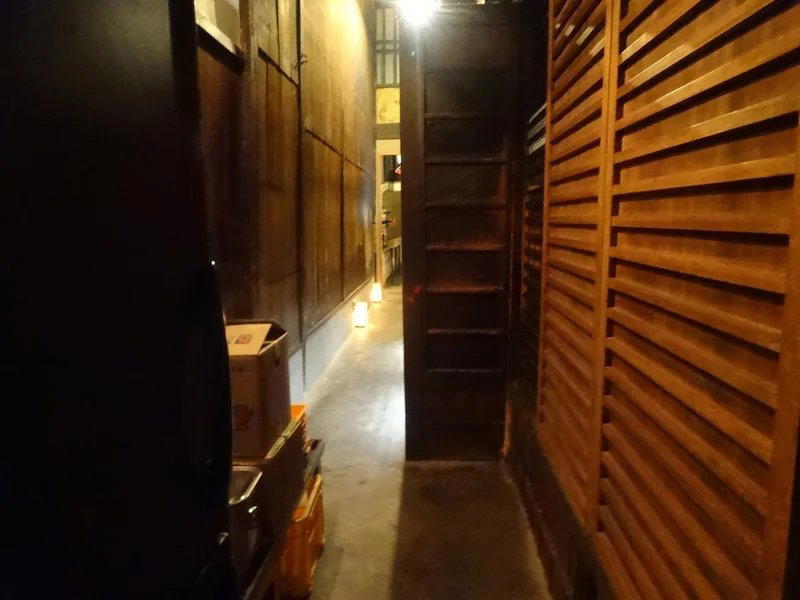
The approach is part of the point: a narrow Kyoto alley, a small Wajou Ryomen sign, and then a compact counter where the meal is built around noodles, broth, and the mechanics of dipping rather than ceremony. Kyoto’s restaurant culture often gets flattened into kaiseki shorthand, but its noodle rooms tell a different story, one of speed, concentration, and ingredient logic. Wajo Ryo Men Sugari belongs to that smaller, more exacting side of the city’s casual dining scene, where a bowl can carry the same seriousness as a tasting menu without asking for the same time or budget.
For a wider read on the city, Our full Kyoto restaurants guide gives the useful frame: Kyoto is not a single dining style but a grid of specialised formats. Around Shijo and Karasuma, that means quick counters, compact independents, and lunch-to-dinner rooms serving office workers, shoppers, and destination diners in the same turn. In that context, the counter at Wajo Ryo Men Sugari is not a novelty. It is a local format doing what Kyoto does well: narrowing the field until small differences in broth, noodle texture, and toppings become the meal.
Tsukemen built around broth, egg, and offal rather than ramen theatre
Kyoto’s ramen identity is harder to summarise than Tokyo’s shoyu lineage or Fukuoka’s tonkotsu shorthand. The city has long supported richer chicken-based bowls, lighter niboshi-driven broths, and dipping noodle specialists that treat the noodle as a separate object rather than a vehicle for soup. Here, the relevant category is tsukemen and ramen, with the house emphasis falling on dipping noodles and motsu soba.
The ingredient sourcing angle matters because the structure of the food depends on contrast. The listed motsu soba with egg uses a double broth of chicken and niboshi, a pairing that gives body from poultry and sharper marine depth from dried sardine. Grilled offal changes the register again, bringing fat, char, and chew into a format that can otherwise lean too heavily on broth concentration. The egg is not garnish in this style; it is a separate textural and flavour tool, used to alter the pace of dipping noodles as the bowl progresses.
That detail also explains why this address has remained visible in a crowded field. Wajo Ryo Men Sugari was selected for Tabelog Ramen WEST 100 in 2023, 2024, and 2025, a useful signal in a region where ramen recognition is fragmented across neighbourhood favourites, station-adjacent counters, and specialist shops with narrow menus. Its Tabelog score is listed at 3.67, which in Japan’s rating culture places it above casual discovery territory and into the category diners actively seek out.
The comparison within Kyoto is instructive. Mescita Pane e Vino and Kentan Horibe operate in different dining lanes, while Biryani Senmon Ten INDIA GATE, Baji Tofu, and YUMMY show how central Kyoto supports sharp, category-specific restaurants outside the temple-dining script. Ramen sits beside those formats rather than beneath them. The argument for a noodle counter here is not luxury; it is compression. A short meal can still show sourcing choices, technique, and local demand with unusual clarity.
A 10-seat counter changes the decision calculus
The room is small: 10 counter seats. That number matters more than décor language. In Kyoto, a compact counter compresses service into a rhythm that rewards diners who know what they want before they sit, especially when the format uses a ticket-vending machine. Reservations are unavailable, so planning is less about securing a table weeks ahead and more about choosing the right window and accepting the queue logic of a recognised noodle shop.
Counter-only setup also keeps the experience closer to everyday Japanese eating than to destination dining choreography. Payment flexibility is broader than many older ramen counters, with credit cards, transport IC cards, several electronic money options, and QR payments accepted. An English menu is listed, which makes the format easier for travellers without turning the room into an international-facing concept. School-age children are welcome, but the counter format is better suited to small groups than extended family meals.
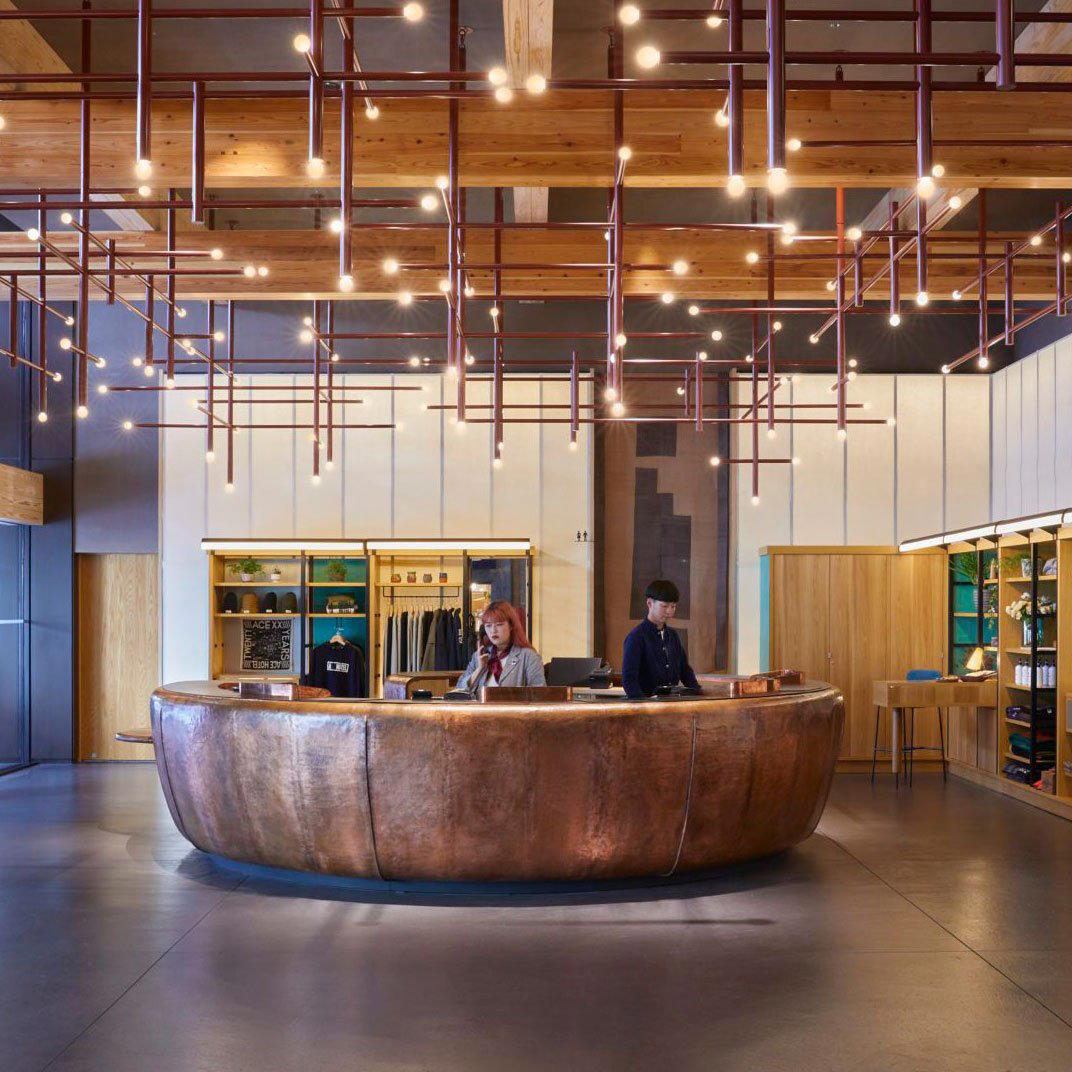
Kyoto visitors often over-plan temple-adjacent lunches and under-plan casual meals near transit hubs. Shijo and Karasuma reward the opposite approach: leave space for a precise, quick counter meal between shopping streets, galleries, and evening reservations. For hotels, drinking, wine, and cultural planning around the same city grid, the adjacent guides are more useful than trying to make one meal carry the whole itinerary: Our full Kyoto hotels guide, Our full Kyoto bars guide, Our full Kyoto wineries guide, and Our full Kyoto experiences guide.
Where it fits in a Shijo-Karasuma day
The smart way to read the restaurant is as part of a dense central Kyoto circuit rather than a stand-alone pilgrimage. Shijo-Karasuma can absorb several dining moods in a day: snacky, quick, counter-led, and formal. Nearby EP Club listings such as 3TOKU6MI Shijo karasuma ten, 551蓬莱, [ki:], Abbesses, and Aburi Mochi Honke Nemoto Kazariya show the range: dumplings, contemporary cooking, French-leaning rooms, sweets, and specialist counters all sit inside the same city conversation.
For travellers building a Japan-wide food map, this is also the kind of address that clarifies why casual categories deserve serious attention. Compare the decision to seek out regional specificity at -Grilled beef Sukiyaki- KAMAKURA TANUKIAN 鎌倉 たぬき庵 in Kamakura. 鮪と炭火焼き うお炭 秋葉原店 in Tokyo.cafe in Osaka.know in Kumamoto, (Shoku) Vietnam in Kawasaki, and [Curry Senmon Ten] Maruyama Kyoju. in Sapporo. Outside Japan, the same editorial instinct applies to focused formats such as Jōdo Saké Bar in Los Angeles and Onigiri Time in Pasadena: specificity beats breadth.
The verdict is simple without being casual. This is a Kyoto noodle counter for diners who care about how chicken, niboshi, offal, egg, and whole-grain noodles interact inside a compact format. The price tier keeps expectations grounded, but the repeated Tabelog Ramen WEST 100 selections make clear that the room is not merely convenient. It is a sharp expression of Kyoto’s everyday food intelligence.
Side-by-Side Snapshot
Comparable venues at similar price and category levels.
| Venue | Cuisine | Price | Notes |
|---|---|---|---|
| Wajo Ryo Men Sugari | Kyoto ramen and tsukemen specializing in motsu (offal) | $ | Nakagyō |
| Menya Yuko | Japanese Ramen | $ | Nakagyō |
| Yamamoto Mambo | Kyoto-style okonomiyaki & teppanyaki | $ | Shimogyō |
| 京ゆば工房 | Kyoto Yuba Workshop | $ | Higashiyama |
| Menya Takakura Nijou | Kyoto ramen and tsukemen shop | $ | Nakagyō |
| Ajari Mochi Honpo Kyogashi Tsukasa Mangetsu Honten | Traditional Japanese Wagashi & Mochi Shop | $ | Sakyō |
Recognition history
Dated appearances from independent guides and award organizations, with the underlying list record or original source where available.
Tabelog 100 #18 · No. 18
Tabelog · Tabelog 100 - Ramen - WEST - 2025
Continue exploring
More in Kyoto
Restaurants in Kyoto
Browse all →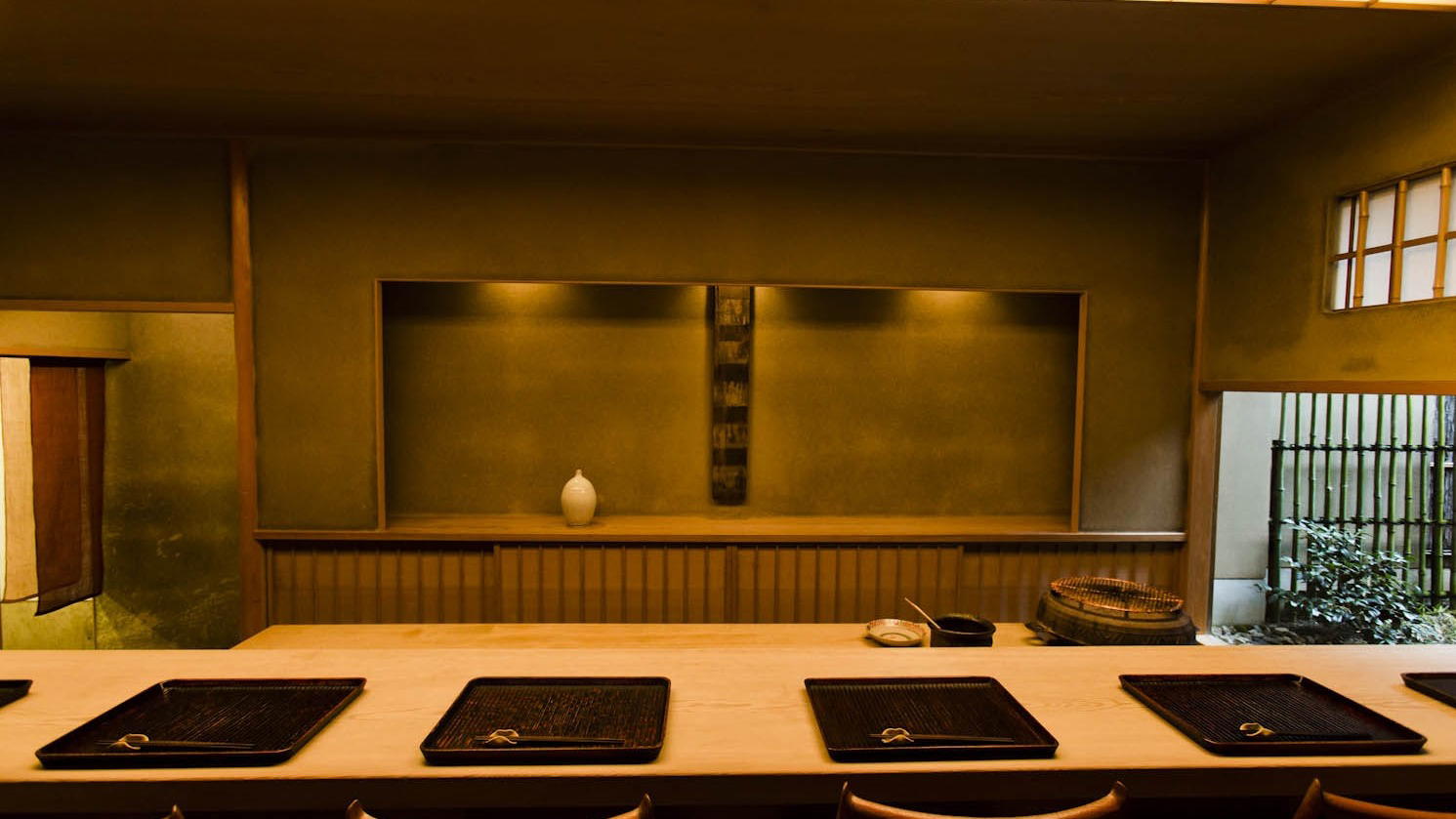
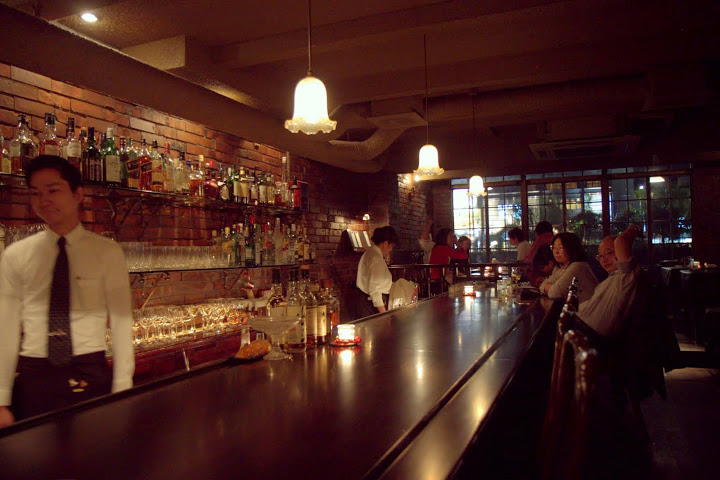
Bars in Kyoto
Browse all →
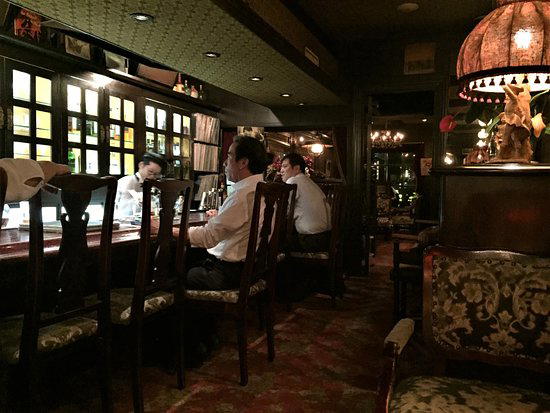
Hotels in Kyoto
Browse all →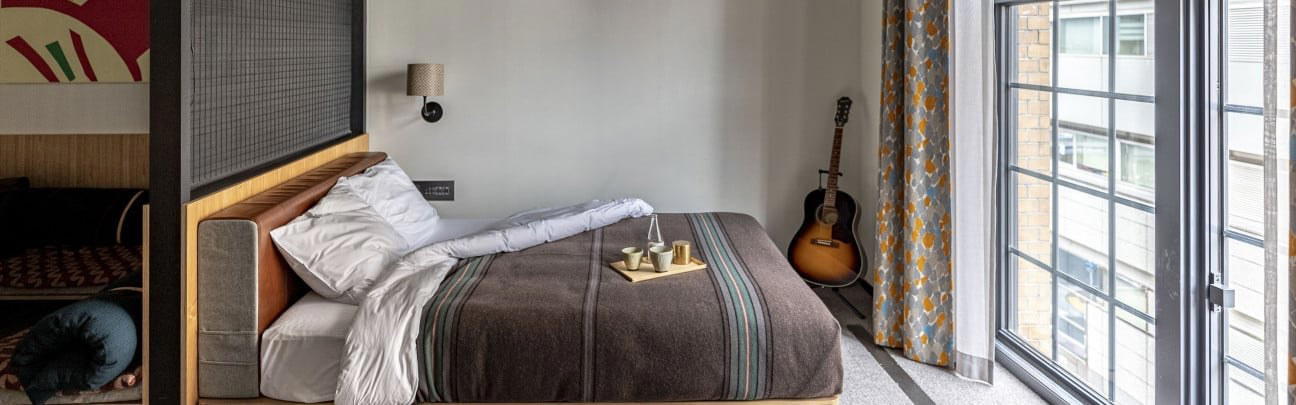
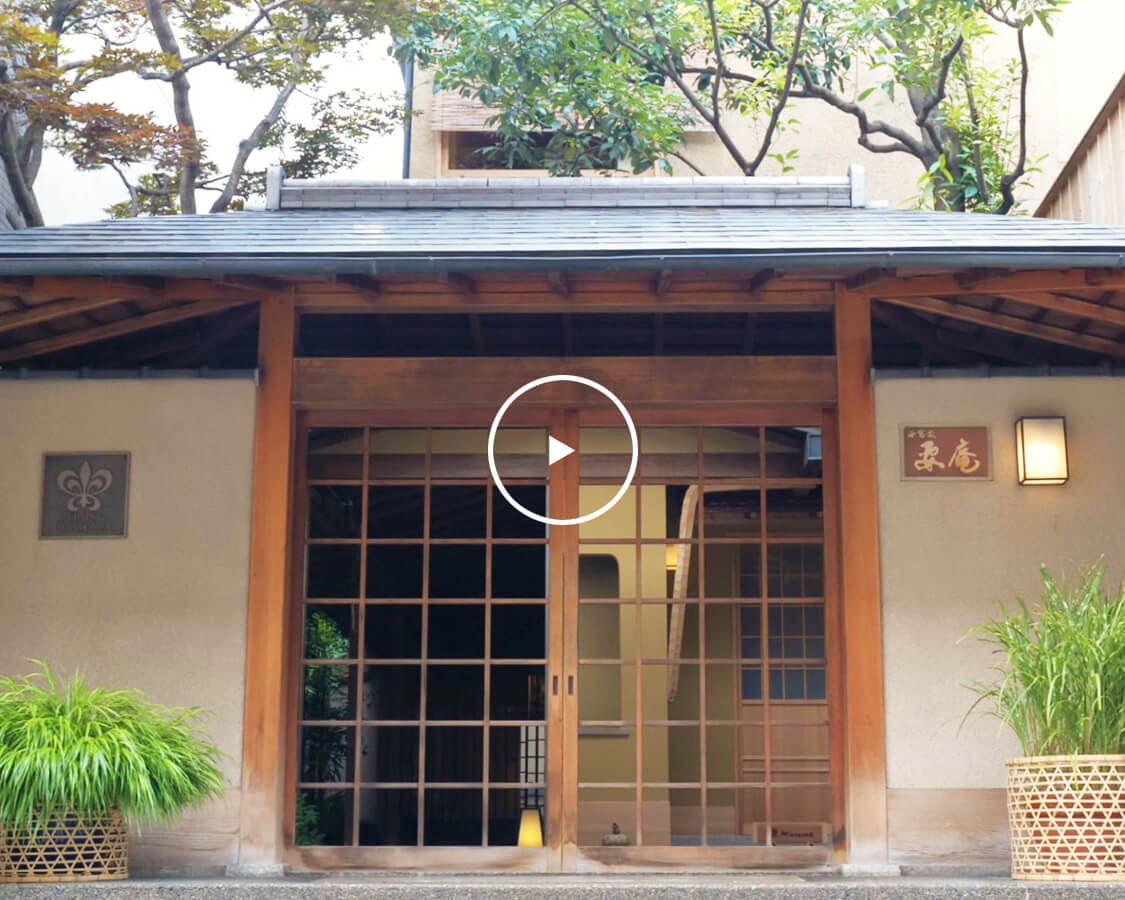
Wineries in Kyoto
Browse all →
At a Glance
- Cozy
- Classic
- Rustic
- Intimate
- Solo
- Casual Hangout
- Late Night
- After Work
- Chefs Counter
- Historic Building
- Standalone
- Design Destination
Traditional Kyoto machiya townhouse with a narrow alley entrance, counter-only seating, warm lighting, and a cozy, slightly hushed atmosphere that contrasts with the constant line outside.