
Soba ya Tesshin brings Miyazaki into Japan’s serious soba conversation, with a 2025 Tabelog 100 Soba WEST selection and a central Tachibanadorihigashi address. The appeal is cultural as much as culinary: buckwheat noodles, sake, counter seating, and a room set up for solo diners, friends, and families rather than ceremony alone.
Pearl is the En Primeur Club membership app — saves, bookings, and concierge access live there. Same editors, same standards.
- Address
- 宮崎県宮崎市橘通東3-4-9
- Phone
- +81985277724
- Website
- tabelog.com
 Saves & bookings on Pearl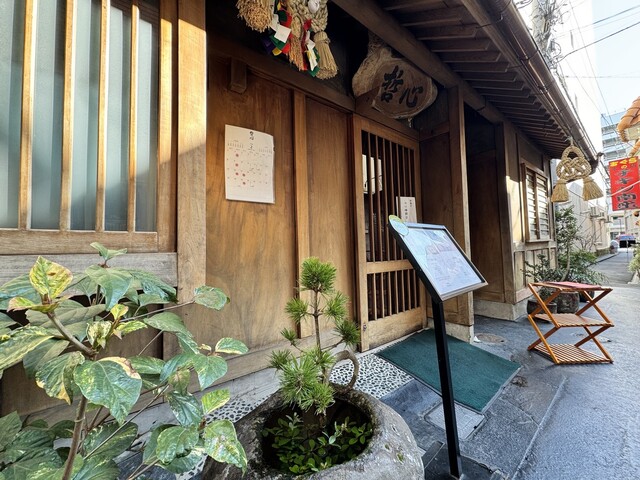
Approaching the center of Miyazaki, the dining rhythm changes from resort-coast languor to the practical tempo of a regional capital: shopping streets, bus stops, office workers, families, and lunch counters doing their daily work. Soba belongs naturally in that register. It is not courtly kaiseki or high-theatre sushi; it is a craft cuisine built around milling, water, noodle cut, dipping broth, and the discipline of serving something fragile before it loses its snap. Soba ya Tesshin sits inside that tradition with an unusually clear signal for a city better known nationally for chicken nanban, wagyu, shochu, and coastal produce: selection for the 2025 Tabelog 100 Soba WEST list.
That recognition matters because soba evaluation in Japan is often granular and conservative. The category rewards consistency over spectacle: noodle texture, broth balance, temperature control, and how confidently a shop handles the gap between everyday lunch and specialist craft. Miyazaki’s dining map is broad, from the local comfort-food pull of Aji no Ogura Honten to higher-spend Chinese dining at Chinese Sen (Chinese). A soba address earning regional notice puts a quieter cuisine into the same conversation, not by chasing luxury cues, but by defending a precise Japanese staple in a city with stronger public associations elsewhere.
Why soba carries weight in a Miyazaki dining itinerary
Soba is often misunderstood by visitors as a simple noodle stop. In Japan, it is closer to a compact test of restraint. Buckwheat has less elasticity than wheat, so the noodle’s structure exposes technique quickly. Broth has to carry salt, soy, sweetness, and dried-fish depth without flattening the grain. Sake service, when present, signals another old soba-shop pattern: the meal can function as a short lunch, a solo counter stop, or a measured session built around noodles and nihonshu rather than a long tasting menu.
In Miyazaki, that matters because the city’s better-known food identity tends to be generous, sauced, grilled, or produce-led. Chicken nanban has the national fame; beef and shochu bring the prefecture’s agricultural profile into view. Soba cuts against that volume. It asks the diner to notice proportion. That makes the address useful for travellers who want a meal that reads as local daily culture rather than another version of regional abundance.
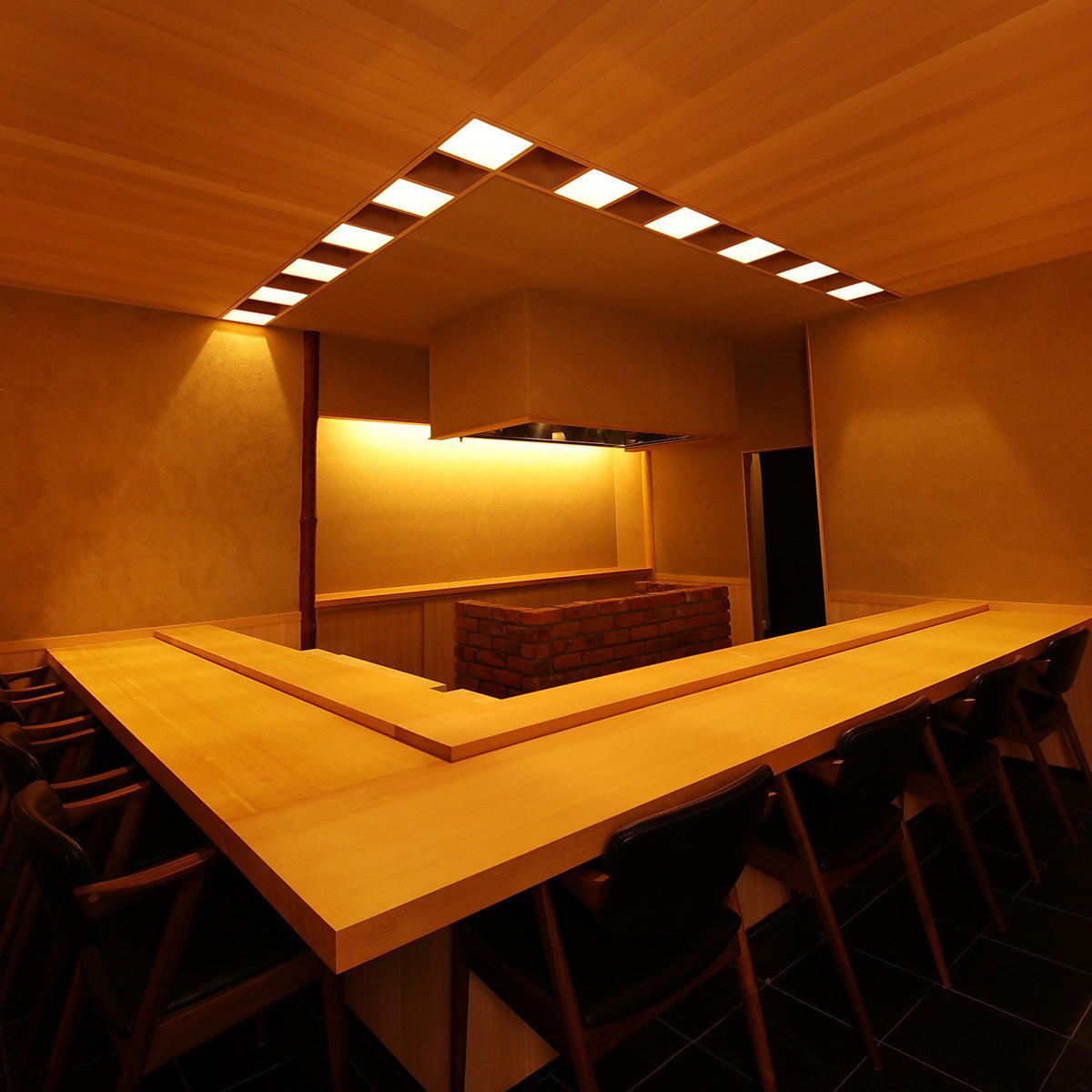
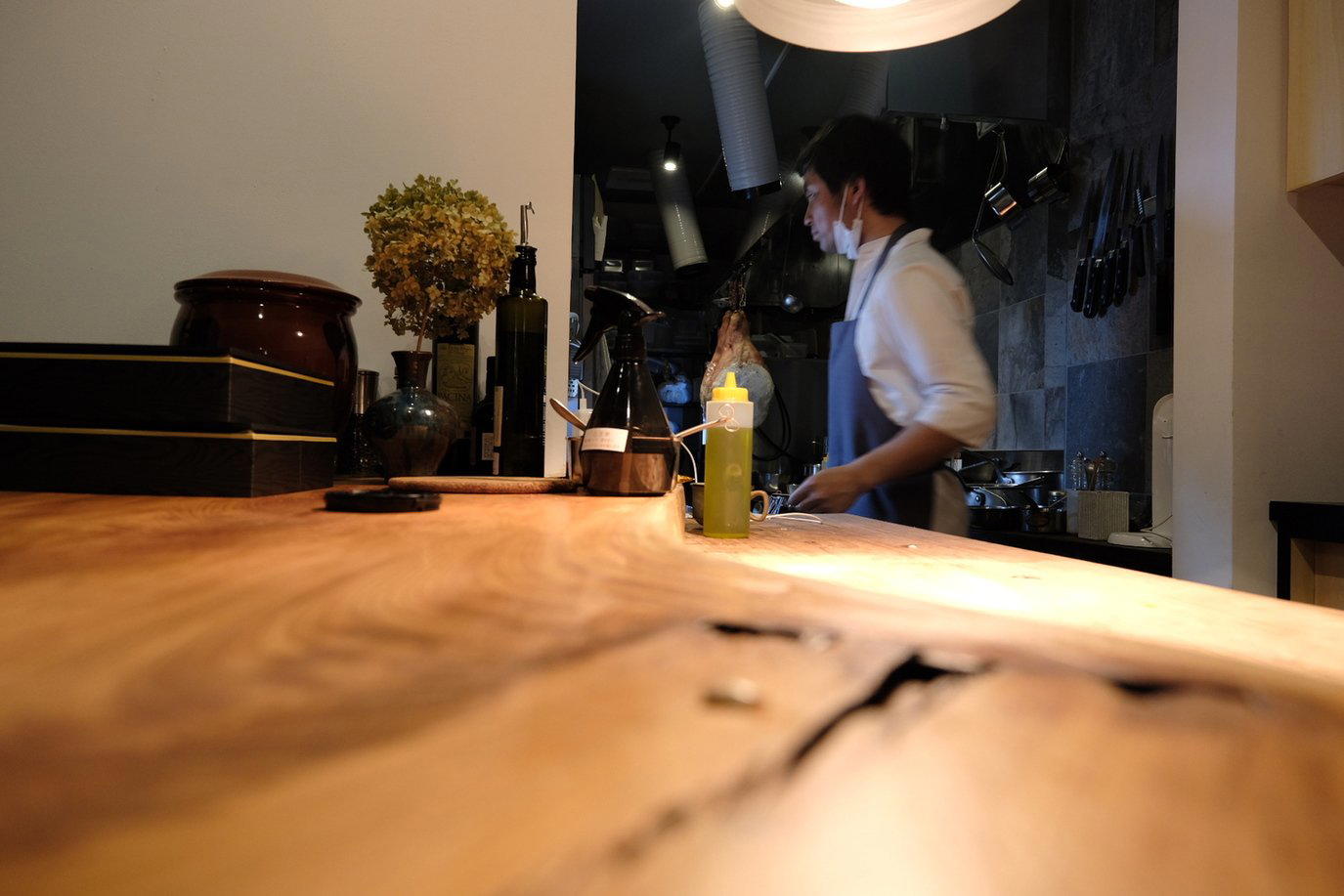
The room’s format reinforces that range. Counter seating suits the solo diner, while the broader setup also works for friends and families. Tatami seating on the second floor, children’s chairs, toys, picture books, stroller acceptance, and wheelchair accessibility turn the experience away from the hushed specialist counter model found in larger cities. This is still a serious soba stop, but the social code is more Miyazaki than Ginza: functional, hospitable, and less interested in making craft feel forbidding.
A regional soba address, not a luxury performance
The strongest way to read Soba ya Tesshin is against Miyazaki’s price and format spread. Aji Kawa and GIGLI point to the city’s wider restaurant range, while Fujiyama Pudding Miyazaki shows how casual speciality formats also shape eating itineraries here. The soba shop occupies a narrower lane: not cheap filler, not occasion dining, but an affordable craft meal with enough recognition to justify planning around it.
2025 Tabelog 100 Soba WEST selection is the key trust signal, especially in a prefectural capital outside Japan’s main restaurant-tourism corridors. It does not turn the meal into a trophy hunt. It does something more useful: it tells the informed diner that this is a soba shop with regional credibility in a category where small differences carry weight. The Tabelog score of 3.65 adds another public marker, though the award selection is the stronger editorial reason to pay attention.
There is also a generational point. The opening date is listed as 10 November 1984, which gives the shop a long operating history in a city whose dining identity has changed with domestic tourism, regional branding, and the rise of list-based restaurant discovery. Many Japanese noodle shops survive through neighbourhood habit; fewer cross into curated regional lists decades later. That combination of everyday utility and external recognition is the tension that makes the address interesting.
How to place it within a Miyazaki food day
The smart use of this meal is not to overbuild it. Treat it as the calm center of a Miyazaki food day, especially if the rest of the itinerary leans toward heavier local signatures. The address works particularly well for travellers moving through central Miyazaki rather than building a long detour. Its no-smoking policy, photo menu, card acceptance, PayPay support, and reservation availability reduce friction for visitors, while the lack of private rooms keeps the experience closer to a public soba house than a closed-door dining appointment.
For broader planning, the city rewards contrast. Pair soba with a classic local lunch or dinner at Aji no Ogura Honten, consider the higher-spend end of the local spectrum through Chinese Sen (Chinese), or scan Our full Miyazaki restaurants guide for a tighter route through the city. Travellers staying overnight should also use Our full Miyazaki hotels guide, while drink-led evenings sit better in Our full Miyazaki bars guide. For wider context beyond restaurants, Our full Miyazaki wineries guide and Our full Miyazaki experiences guide help place the meal within the prefecture’s broader travel pattern.
Readers building a Japan-wide food itinerary can compare how single-format specialists behave across cities. -Grilled beef Sukiyaki- KAMAKURA TANUKIAN 鎌倉 たぬき庵 in Kamakura,. 鮪と炭火焼き うお炭 秋葉原店 in Tokyo,.cafe in Osaka,.know in Kumamoto, (Shoku) Vietnam in Kawasaki, and [Curry Senmon Ten] Maruyama Kyoju. in Sapporo all show different versions of focused dining. Outside Japan, the same editorial question applies to compact formats such as Jōdo Saké Bar in Los Angeles and Onigiri Time in Pasadena: when a familiar staple is handled with discipline, the category itself becomes the story.
Budget Reality Check
Nearby venues at a similar price tier for orientation.
| Venue | Cuisine | Price | Awards | Notes |
|---|---|---|---|---|
| Soba ya TesshinThis venue — the venue you are viewing | Tachibanadori Higashi, Japanese Soba | $$ | , | |
| Aji no Ogura Honten | $ | , | Miyazaki Station area, Japanese-style Western Cuisine (Yoshoku) | |
| ä¸å¿é®¨ å æ´ | Kaiseki Seafood | $$$ | , | |
| かつれつ軒 | 神宮, Japanese Tonkatsu | $ | , | |
| Miyachiku | Shinbeppu-cho, Miyazaki Beef Teppanyaki | $$$$ | , | |
| 宮崎牛鉄板焼ステーキ ミヤチク | 新別府町, 宮崎牛 Teppanyaki Steakhouse | $$$ | , |
Continue exploring
More in Miyazaki
Restaurants in Miyazaki
Browse all →
At a Glance
- Quiet
- Classic
- Cozy
- Hidden Gem
- Solo
- Family
- Business Dinner
- Casual Hangout
- Standalone
- Sake Program
- Local Sourcing
Traditional and शांत?