Cormorano Sempione serves Italian seafood trattoria cooking, with Spaghetti del Cormorano, Paella alla Valenciana, an extensive wine list, and lunch or dinner service.
Pearl is the En Primeur Club membership app — saves, bookings, and concierge access live there. Same editors, same standards.
- Address
- Via Angelo Poliziano, 1, 20154 Milano MI, Italy
- Phone
- +39294383205
- Website
- trattoriailcormorano.it
- Directions
- Get directions
 Saves & bookings on Pearl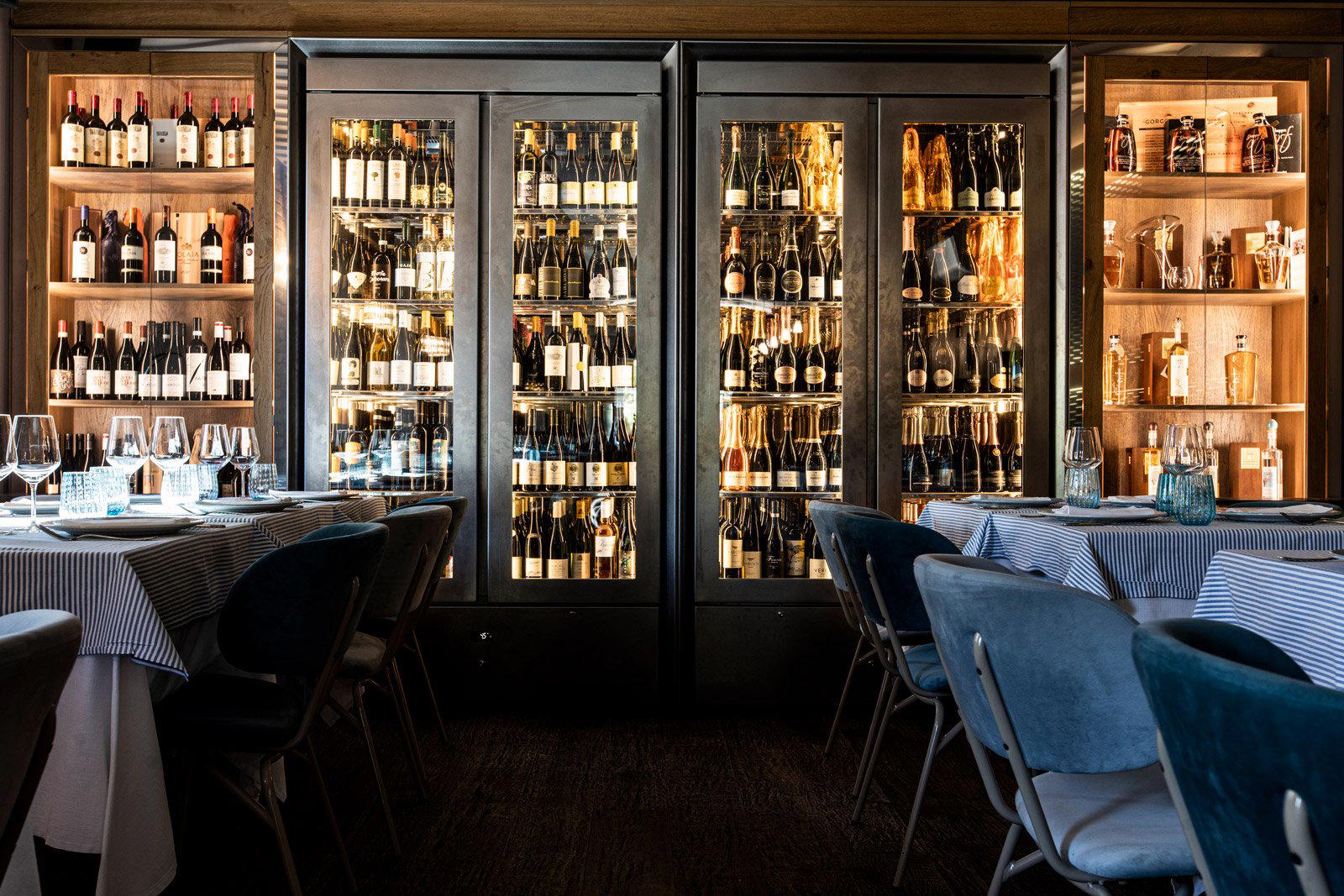
Sempione and the Neighbourhood Restaurant Question
Via Angelo Poliziano sits at the quieter edge of the Sempione district, a part of Milan that has resisted the aggressive repositioning that turned Brera into a destination neighbourhood and Porta Nuova into a corporate dining corridor. Restaurants in this tier of the city tend to succeed or fail on neighbourhood repeat business rather than tourist throughput, which creates a different kind of pressure: the cooking has to be worth returning to, not just worth photographing. Cormorano Sempione operates in that context, and the address alone tells you something about the intended audience.
Milan's mid-to-upper dining tier is unusually competitive for a city its size. At the leading, Enrico Bartolini holds multiple Michelin stars across his Milan property, while Cracco in Galleria and Andrea Aprea anchor the formal end of the modern Italian spectrum. One tier below, in the zone where serious cooking meets neighbourhood hospitality, the competition is less visible but no less demanding. That is where Cormorano Sempione positions itself, against a comparable set defined less by Michelin status and more by the density of returning locals on any given Tuesday.
The Dining Room Before the Menu
Approaching a restaurant on a residential Milan street, away from the gallery arcades and the fashion district foot traffic, you arrive differently. The pace slows. The expectations recalibrate from spectacle to substance. Whatever the interior of Cormorano Sempione offers, it functions inside that quieter register, a dining room that serves a neighbourhood rather than a moment in the city's promotional calendar.
This spatial reality shapes how a meal reads. In rooms built for destination dining, every course arrives with the weight of the address behind it. In neighbourhood rooms, the food carries the evening on its own terms, without the scaffolding of prestige location or hotel group affiliation. Across the wider Italian dining scene, from Dal Pescatore in Runate to Quattro Passi in Marina del Cantone, some of the country's most coherent meals happen in rooms insulated from city centre noise. The Sempione district creates similar conditions.
Sequencing a Meal in the Italian Tradition
Italian multi-course dining follows a logic that other European traditions have partly abandoned. The antipasto functions as calibration: it signals the kitchen's preferences, its relationship to produce, and whether the courses ahead will build or merely accumulate. A well-constructed Italian progression moves from lighter, more acidic early plates toward the weight of a primo, then resolves through secondo and contorno before the dessert course resets the palate. The architecture is old, but in kitchens that treat it seriously, it remains among the more coherent meal structures in any cuisine.
Italy's reference points for that kind of sequencing are now spread across a broad geography. Osteria Francescana in Modena rebuilt the tradition from the inside out. Piazza Duomo in Alba grounds it in Piedmontese produce. Le Calandre in Rubano applies formal technique without losing regional identity. Uliassi in Senigallia bends it toward the Adriatic. Each articulates a different version of what a considered Italian meal can be. Restaurants working at the neighbourhood level in Milan inevitably exist in relation to those conversations, even if the scale and ambition differ significantly.
For comparison beyond Italy, the multi-course format carries different weight in different hands. Le Bernardin in New York City treats sequencing as near-ceremonial, with each course calibrated to a fraction of a degree. Lazy Bear in San Francisco applies a communal, collaborative energy to a similarly structured progression. Reale in Castel di Sangro uses the format to express a specific mountain terroir. In each case, the sequence is a decision, not a default. The question worth asking at any new address is whether the kitchen has made that same decision with intention.
Milan's Creative Italian Spectrum
The category of creative or modern Italian is now broad enough to be nearly meaningless without further qualification. At one end, it describes kitchens applying contemporary technique to classical structures. At the other, it covers restaurants that have departed from tradition so completely that the Italian reference is mostly nominal. Verso Capitaneo and Seta each occupy different points on that spectrum within Milan, with the latter operating from inside the Mandarin Oriental and the attendant formal expectations that brings.
Elsewhere in northern Italy, the conversation about what modern Italian means continues at a high level. Atelier Moessmer Norbert Niederkofler in Brunico anchors it to Alpine ingredients with near-doctrinal rigour. Casa Perbellini 12 Apostoli in Verona works through a more classical Venetian lens. Enoteca Pinchiorri in Florence layers one of Italy's deepest wine archives behind the food. These are different answers to the same underlying question, and any serious restaurant in this country is implicitly responding to that ongoing debate with each menu it publishes.
Planning a Visit
The restaurant is located at Via Angelo Poliziano, 1, in the 20154 postal zone of Milan, within the Sempione district and within reasonable distance of Cadorna and Moscova metro stops, which makes it accessible from the city centre without a taxi. For visitors staying in the Brera or Magenta areas, it falls into the category of walkable with purpose rather than accidental discovery.
Just the Basics
Comparable venues nearby, for context on price, style, and recognition.
| Venue | Cuisine | Price | Notes |
|---|---|---|---|
| Cormorano SempioneThis venue — the venue you are viewing | Sarpi, Italian Seafood Trattoria | $$$ | Not listed |
| Rosso Brera | Brera, Traditional Milanese Trattoria | $$$ | Not listed |
| Ristorante Limone | Not listed | $$$ | Stazione Centrale - Ponte Seveso, Modern Italian with Seafood and Pizza |
| Røst | Not listed | $$$ | Buenos Aires - Porta Venezia - Porta Monforte, Modern Italian Bistro with Nordic Influences |
| Cortile Flora | Brera, Italian Seafood | $$$ | Not listed |
| Cantine MILANO | Not listed | $$$ | Isola, Mediterranean Italian Wine Restaurant |
Continue exploring
More in Milan
Restaurants in Milan
Browse all →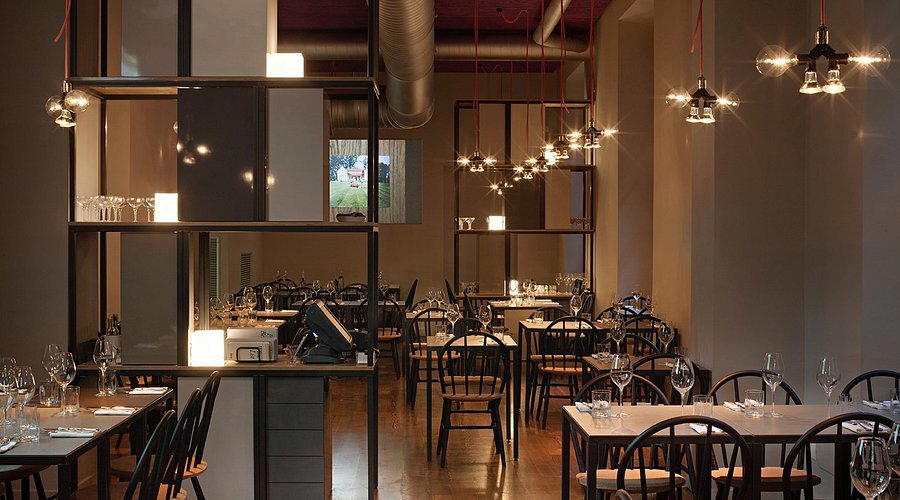
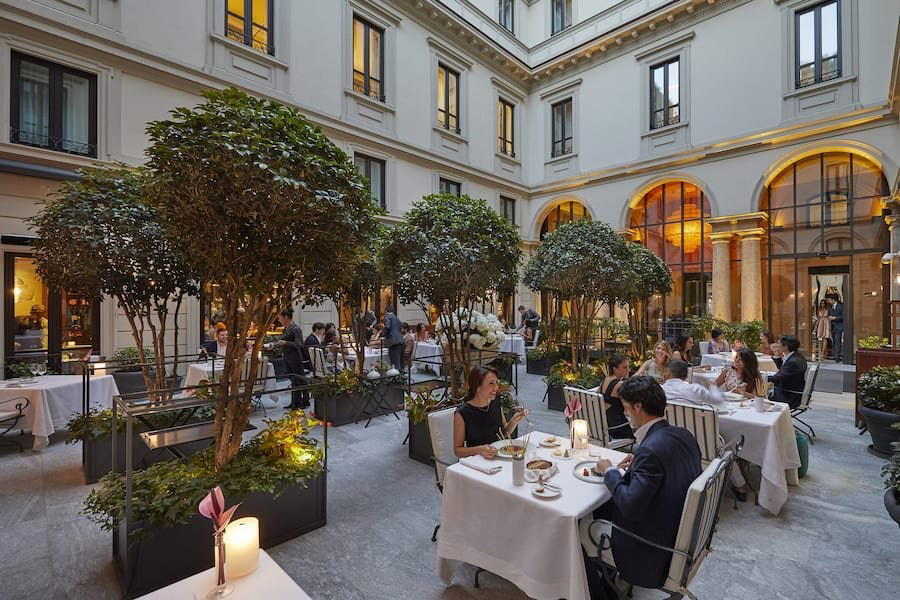
Bars in Milan
Browse all →
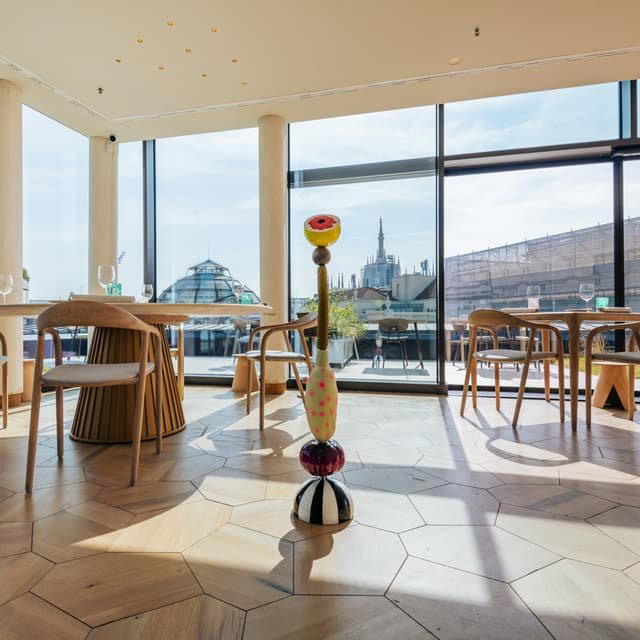
Hotels in Milan
Browse all →
At a Glance
- Classic
- Cozy
- Elegant
- Date Night
- Business Dinner
- Casual Hangout
- Open Kitchen
- Extensive Wine List
- Local Sourcing
Current opening hours
- Monday
- 12–2:30 PM, 7–11:30 PM
- Tuesday
- 12–2:30 PM, 7–11:30 PM
- Wednesday
- 12–2:30 PM, 7–11:30 PM
- Thursday
- 12–2:30 PM, 7–11:30 PM
- Friday
- 12–2:30 PM, 7–11:30 PM
- Saturday
- 12–3 PM, 7–11:30 PM
- Sunday
- 12–3 PM, 7 PM–12 AM
Hours can change for holidays and private events. Last verified .
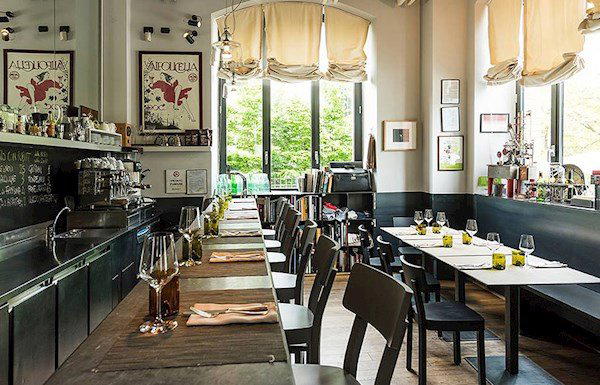
Warm, relaxed setting with modern blue tones, cozy and elegant atmosphere focused on fresh seafood.