DG Martini sits in Milan’s central dining orbit, where aperitivo culture, fashion-week polish, and ingredient-led Italian cooking often share the same room. With no public awards or chef-led tasting format to anchor the narrative, the useful read is contextual: approach it as a city restaurant shaped by Milan’s preference for controlled style, seasonal sourcing, and evening social rhythm rather than spectacle.
Pearl is the En Primeur Club membership app — saves, bookings, and concierge access live there. Same editors, same standards.
- Address
- Milan, Italy
- Website
- world.dolcegabbana.com
- Directions
- Get directions
 Saves & bookings on Pearl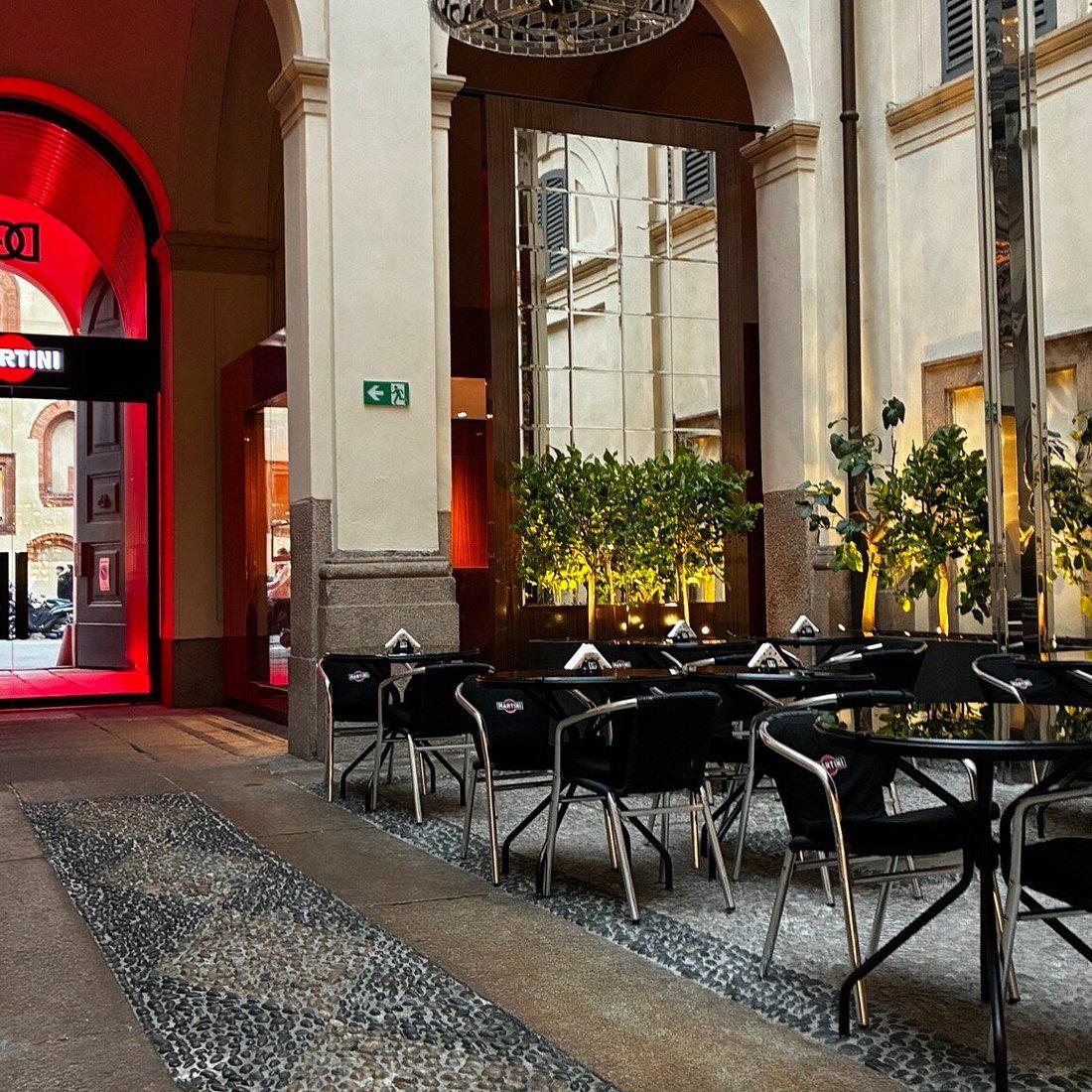
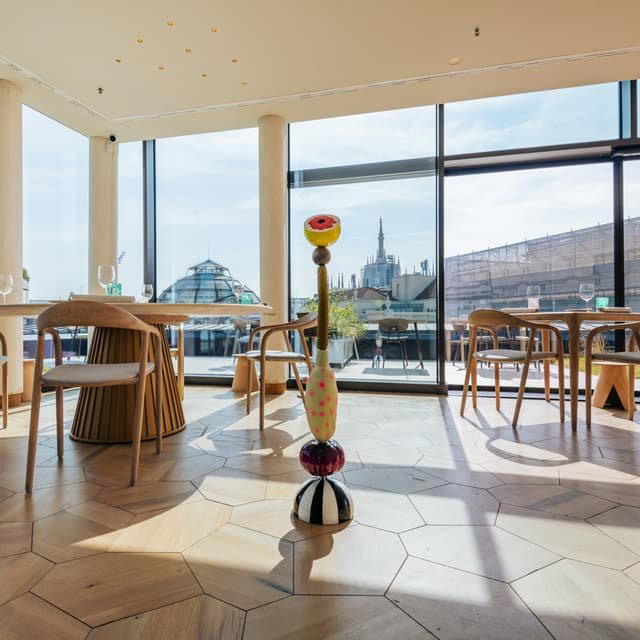
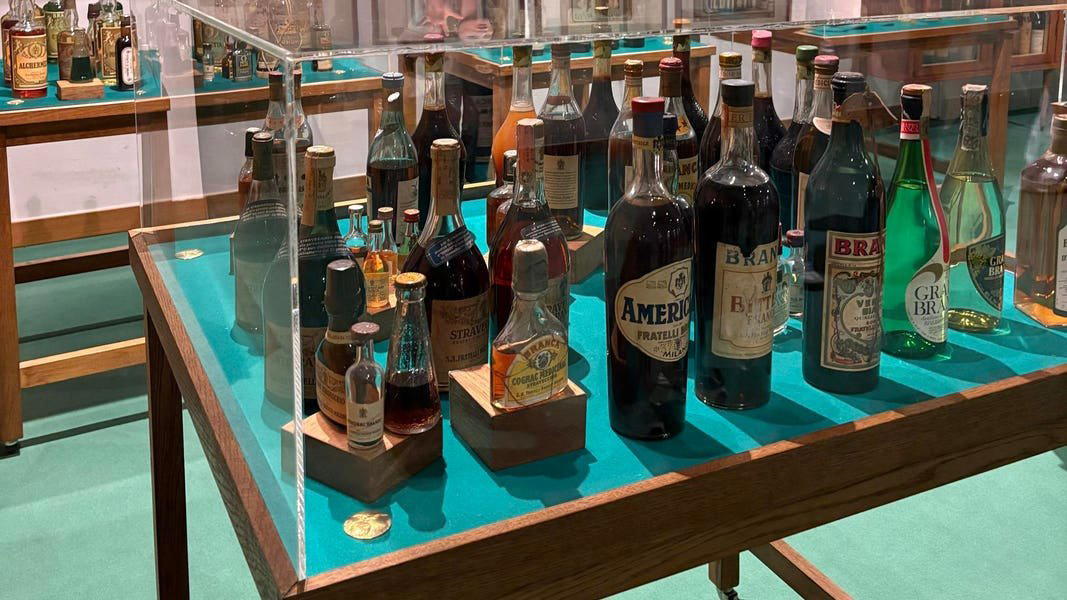
Central Milan dining has its own acoustics: clipped footsteps on stone, the low rush of aperitivo hour, and rooms designed for people who treat dinner as part of the city’s social machinery. DG Martini belongs to that Milanese category where the room matters, but the room is not the whole argument. In this part of the city, restaurants are judged by how well they hold together fashion, business, produce, and restraint without tipping into theatre.
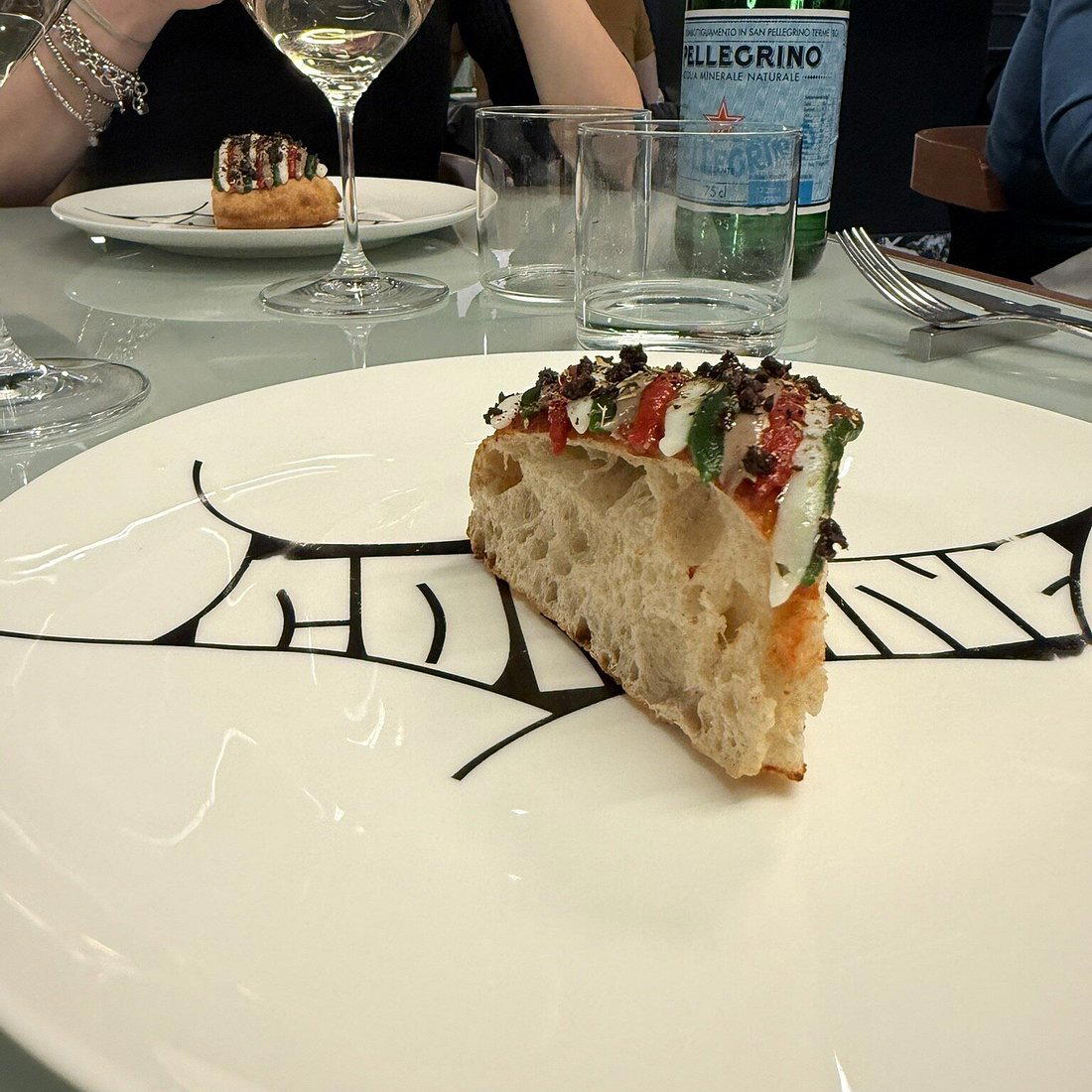
The ingredient question is the useful one here. Milan is not a coastal city and not a rustic market town, so its restaurants often reveal themselves through sourcing discipline rather than farm-romance language. Northern Italian kitchens tend to work from dairy, rice, veal, lake fish, seasonal vegetables, and the broader national pantry that arrives through Lombardy’s commercial networks. A central Milan restaurant has to make that supply chain feel coherent on the plate: clean flavors, controlled richness, and enough polish for a room that may move from an early drink to a late dinner without changing tempo.
Milanese polish depends on restraint, not volume
The city’s dining grammar is different from Rome’s trattoria confidence or Naples’ street-level immediacy. Milan prizes editing. Portions, pacing, lighting, glassware, and service rhythm all feed into the experience, especially in restaurants that sit close to the fashion and design circuits. That makes DG Martini easier to understand as part of a local pattern than as a stand-alone destination built around a named chef or award stack.
Within Milan, the competitive set splits in several directions. Creative, high-spend rooms such as Verso Capitaneo occupy the formal end of the spectrum, while Italian formats like Spazio Milano sit closer to contemporary city dining. Peck represents another Milanese language entirely: food retail, prepared dishes, and restaurant culture folded into a grand urban pantry. DG Martini reads against that wider field as a central-city restaurant where atmosphere and Italian ingredient literacy carry more weight than public accolade.
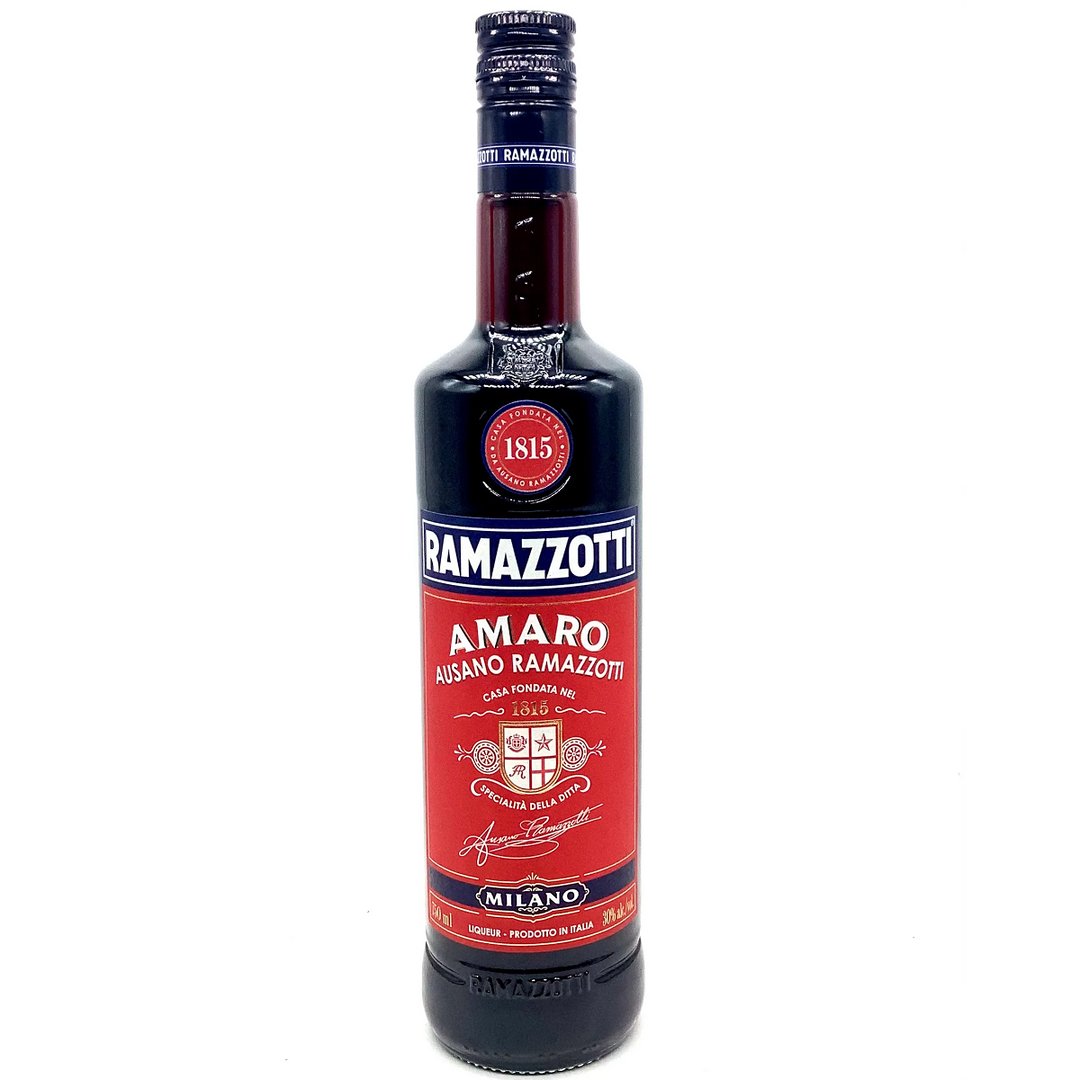
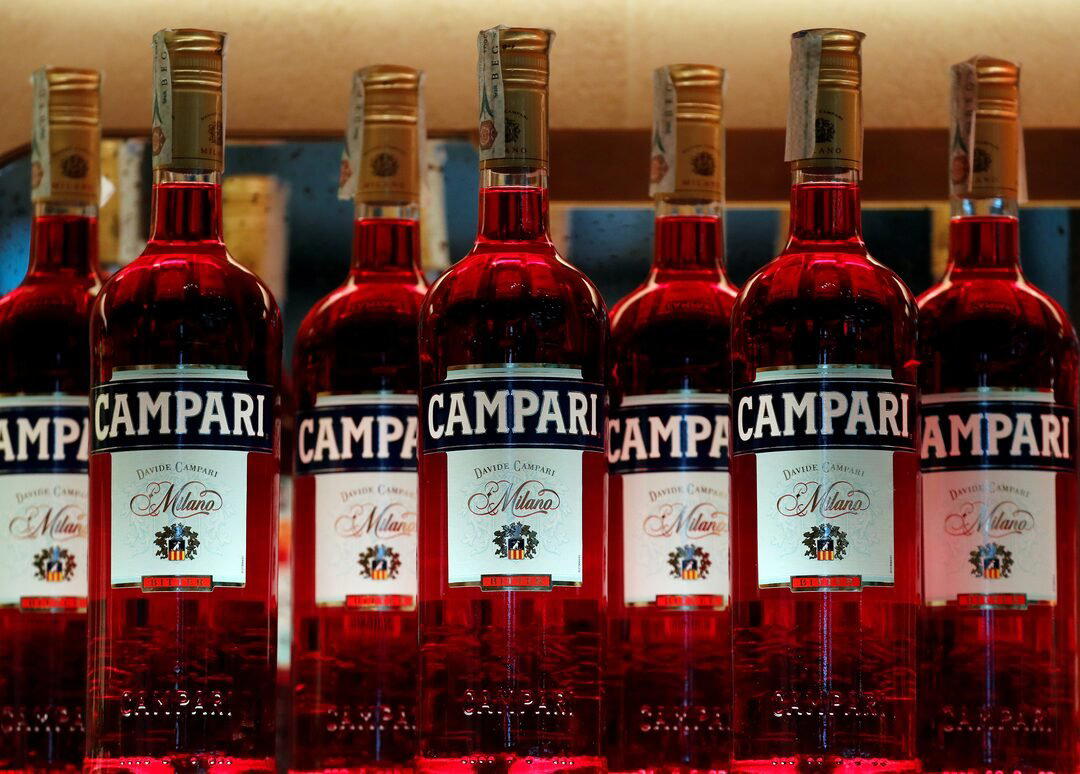
For readers mapping a Milan itinerary, this distinction matters. The city can look glossy from the outside, but its stronger meals usually come from restaurants that understand proportion: bitter aperitivo against fat, rice against stock, vegetables against dairy, seafood or meat kept inside a disciplined frame. When a kitchen in Milan overreaches, the room feels louder than the plate. When it works, the meal aligns with the city’s broader taste for tailoring.
The sourcing lens: Lombardy, seasonality, and the national pantry
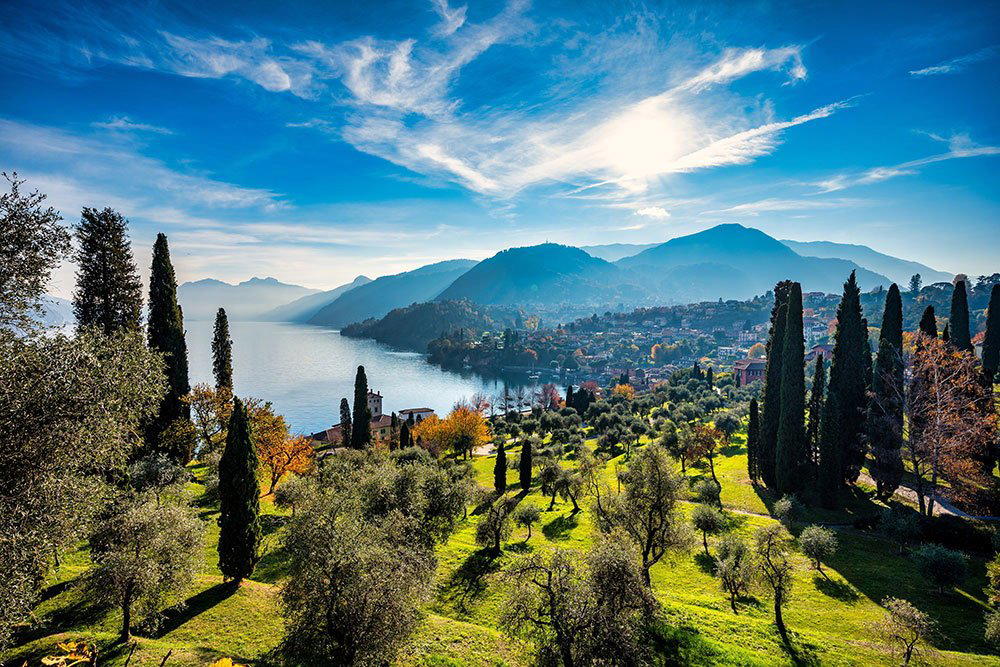
Ingredient sourcing in Milan is rarely just localism. Lombardy gives the city butter, cheeses, rice traditions, beef and veal culture, and access to Alpine and lake produce; Italy’s logistics give it seafood, southern vegetables, olive oil, citrus, and cured products from elsewhere. The point is not purity of radius. The point is selection. A Milan restaurant in this lane is judged by whether those ingredients feel chosen rather than assembled.
That is where the restaurant’s context becomes useful for a traveler. Without a public tasting-menu structure or award trail to decode, the practical reading is to assess it through the categories Milan handles well: aperitivo-adjacent snacks, seasonal Italian plates, and a dining room calibrated for guests who may care as much about timing and company as culinary novelty. This is not a weakness; it is a Milanese mode. The city has long treated restaurants as extensions of work, design, shopping, and evening ritual.
Visitors looking for a broader comparison can build a sharper picture across the city. 10 Corso Como Café frames dining through fashion and retail culture, while 10_11 points toward hotel-adjacent urban hospitality. 28 Posti (Modern Cuisine) sits in a more explicit modern-cuisine conversation, and 55 Milan offers another reference point for the city’s polished dining mood. For a creative Italian register, [bu:r] (Modern Italian, Creative) gives the contrast in clearer terms.
How to place it in a Milan trip
The restaurant makes the strongest sense when treated as part of central Milan’s evening architecture rather than as a trophy reservation. The latitude and longitude place it in the historic core, within the city’s dense restaurant, shopping, and aperitivo circuit. That geography shapes the experience: Milan rewards meals that can sit before or after design appointments, gallery time, hotel bars, and late walks through the center.
For planning beyond one meal, use Our full Milan restaurants guide to separate creative kitchens from classic rooms, and pair it with Our full Milan hotels guide when location is doing as much work as the table. The city’s drinking culture is a separate layer, mapped in Our full Milan bars guide, while wine-focused travelers can cross-check Our full Milan wineries guide. For visitors building a fuller cultural schedule, Our full Milan experiences guide helps place dinner inside the day rather than after it.
The wider Italian comparison also clarifies Milan’s personality. The directness of 'E Curti Ristorante Tipico di Angela Ceriello & Co SAS in Sant Anastasia, the offal tradition around 'l Trippaio di San Frediano in Florence, the regional pizza culture at ‘O Fiore Mio in Faenza, and the Tuscan-Neapolitan reference of ‘O Scugnizzo in Arezzo all show how local food identities can be more immediate elsewhere. Milan’s version is more edited. Even contemporary addresses such as [àbitat] in San Fermo della Battaglia and /gu.stà.re/ oltrecucina in Rome underline the point: Italian dining changes sharply by city, and Milan’s strongest signal is control.
For readers coming from outside Italy, comparisons can help reset expectations. A Japanese drinking-food hybrid such as Jōdo Saké Bar in Los Angeles or a focused casual format like Onigiri Time in Pasadena operates through specialization. Milan’s central restaurants often operate through integration: food, room, fashion, and schedule moving together. The restaurant belongs in that conversation.
Quick Comparison
Comparable venues by cuisine and price in the same metro.
| Venue | Cuisine | Price | Notes |
|---|---|---|---|
| DG MartiniThis venue — the venue you are viewing | Upscale Sicilian-inspired Italian restaurant & cocktail bar | $$$$ | Not listed |
| Il Marchese Milano | Contemporary Roman Cuisine | $$$ | Brera |
| Barzac • Tradizione Piacentina | Traditional Piacenza-Emilian | $$$ | Porta Garibaldi - Porta Nuova |
| 10 Corso Como Café | Modern Italian Café | $$$ | Porta Garibaldi - Porta Nuova |
| Carlton Garden | Seasonal Italian in a Milanese garden setting | $$$$ | Quadrilatero della Moda |
| Ristorante Vista Duomo | Modern Italian Fine Dining | $$$$ | Duomo |
Continue exploring
More in Milan
Restaurants in Milan
Browse all →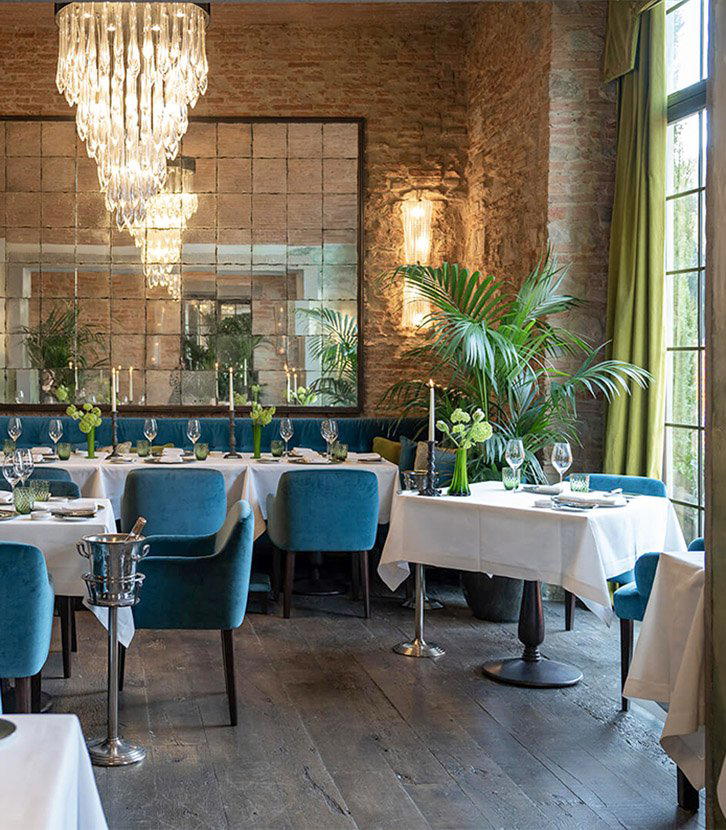
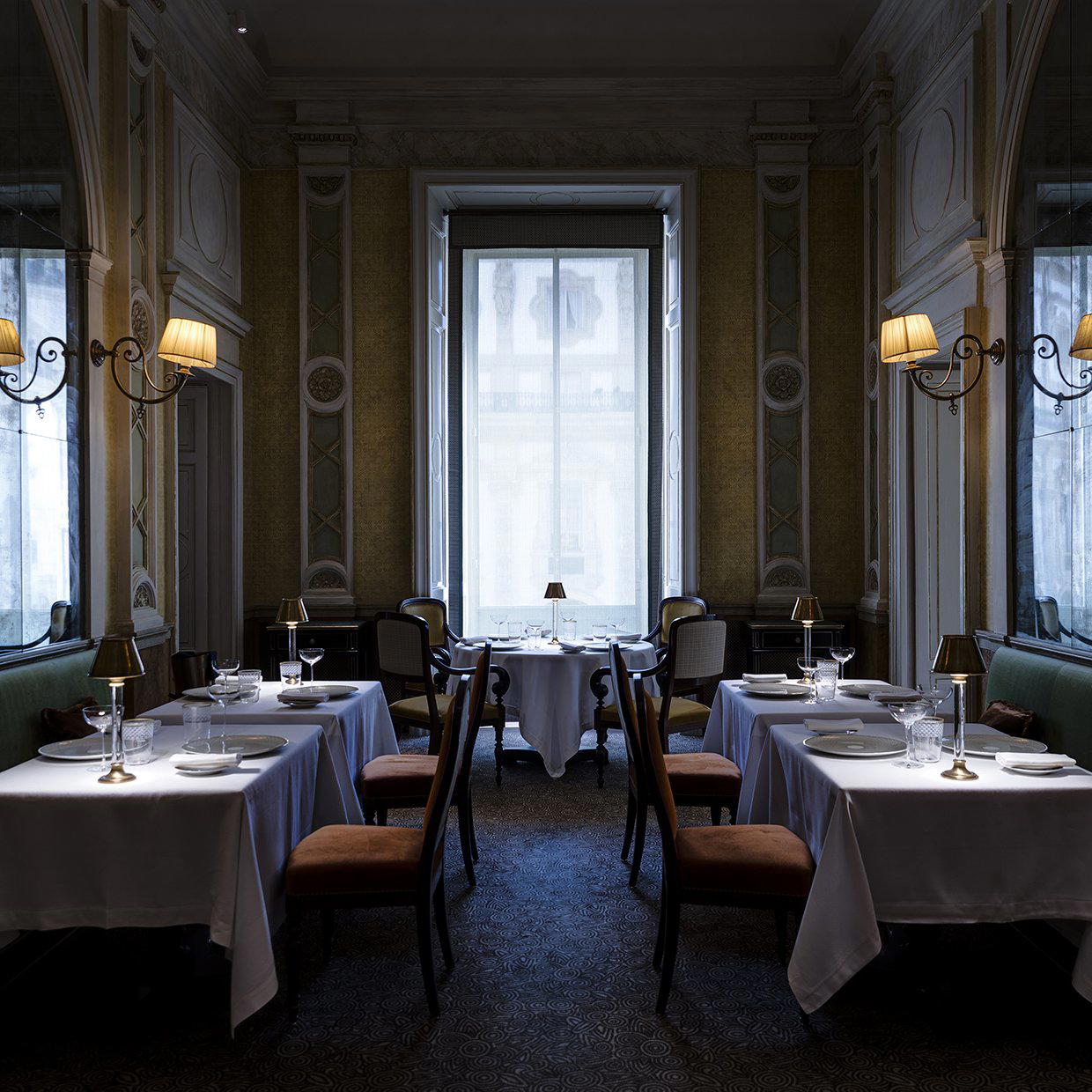
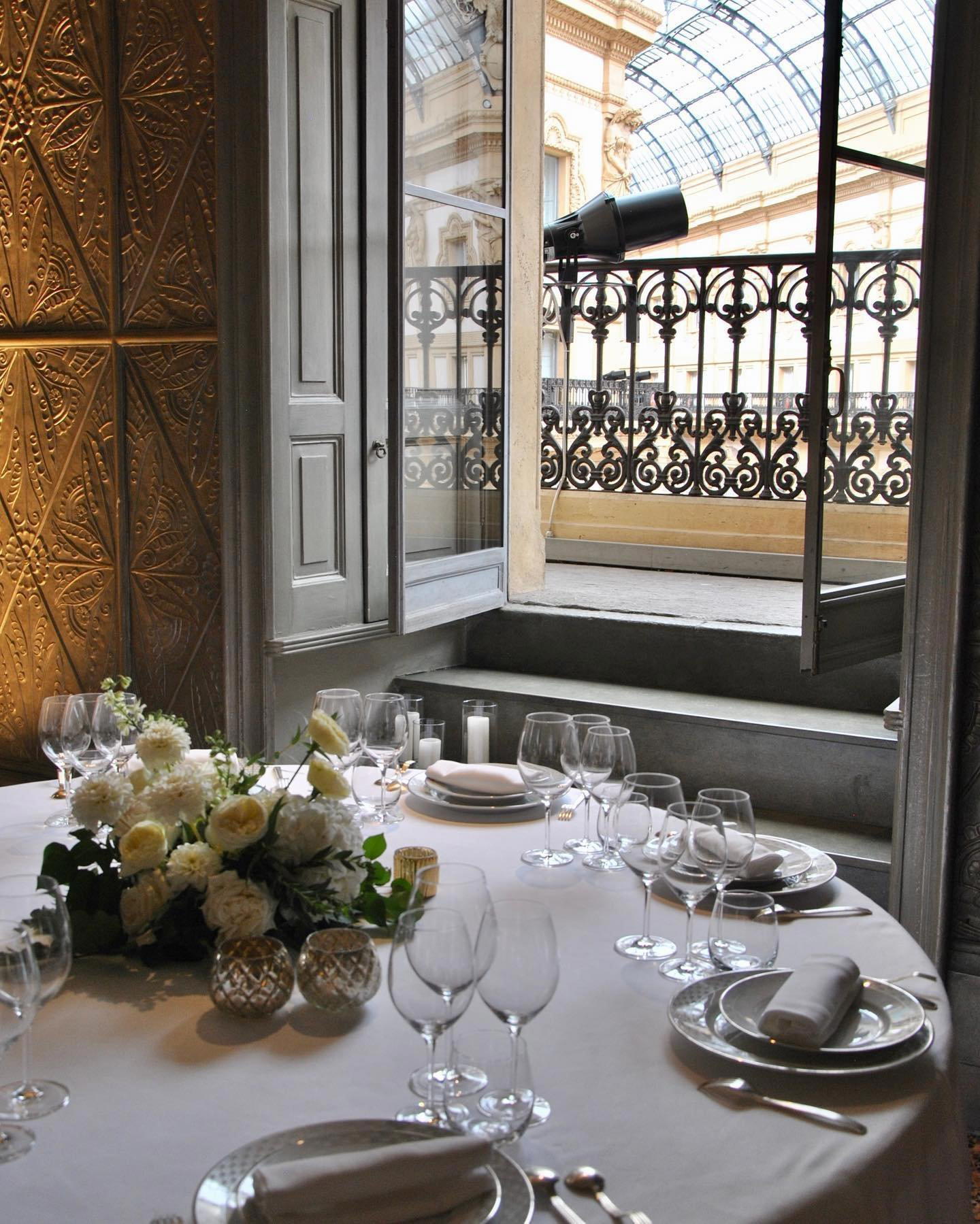
Bars in Milan
Browse all →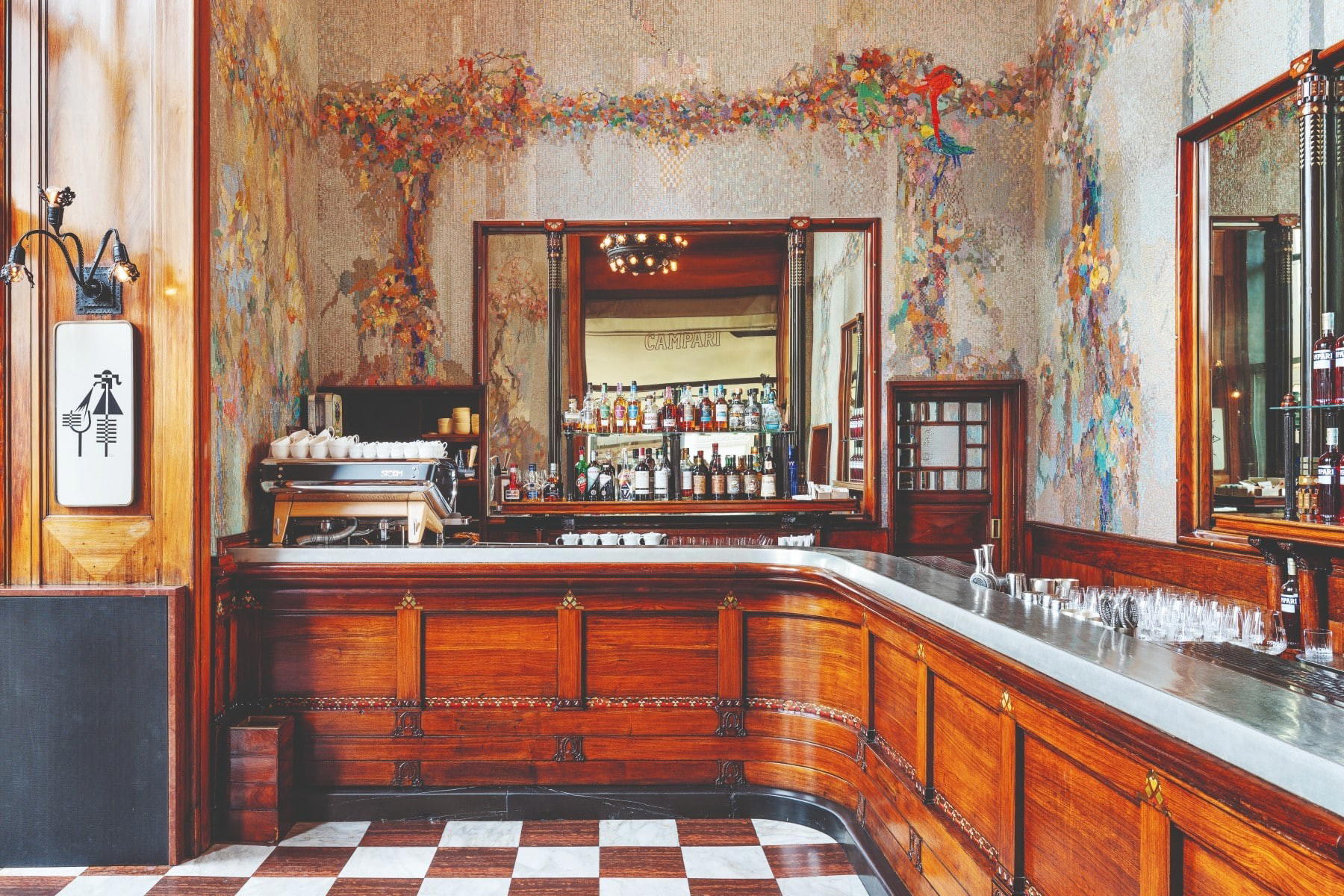
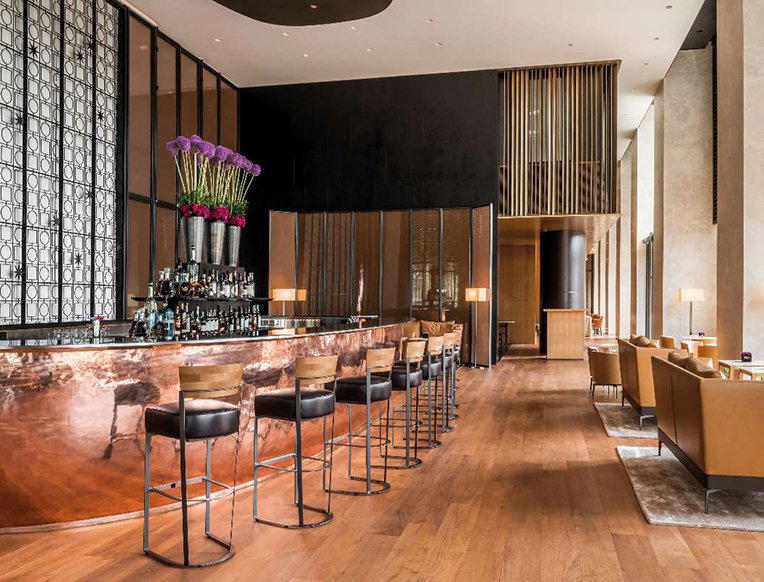
Hotels in Milan
Browse all →
At a Glance
- Elegant
- Modern
- Sophisticated
- Trendy
- Well Known
- Ornate
- Date Night
- Business Dinner
- Group Dining
- Celebration
- Special Occasion
- After Work
- Terrace
- Design Destination
- Standalone
- Craft Cocktails
- Extensive Wine List
- Street Scene
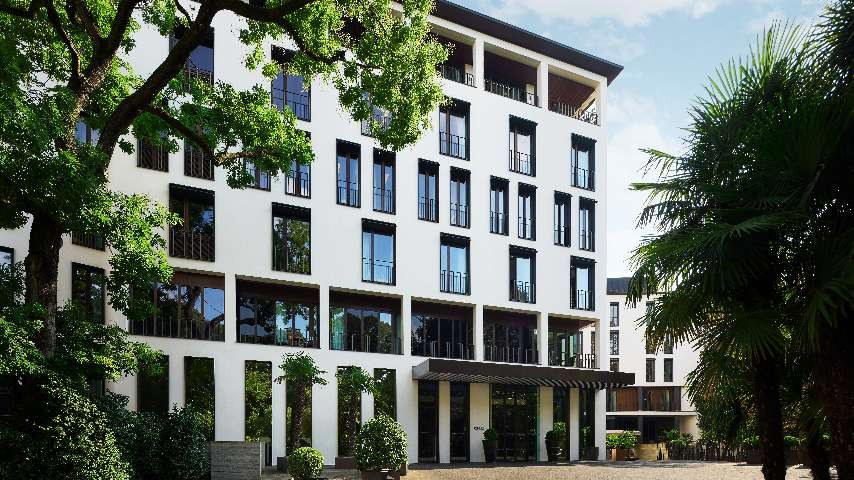
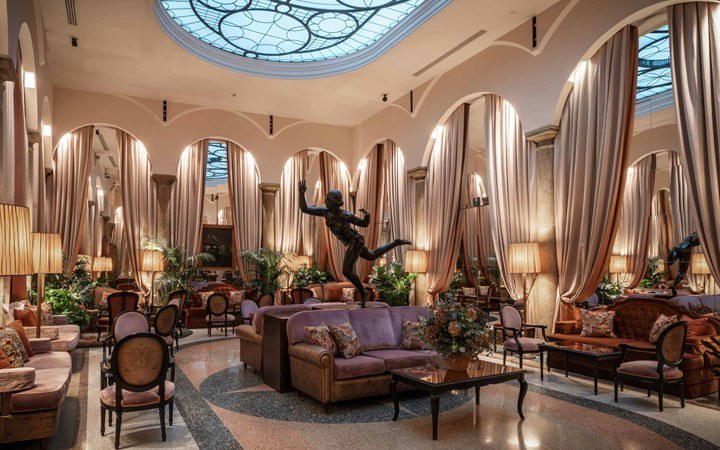
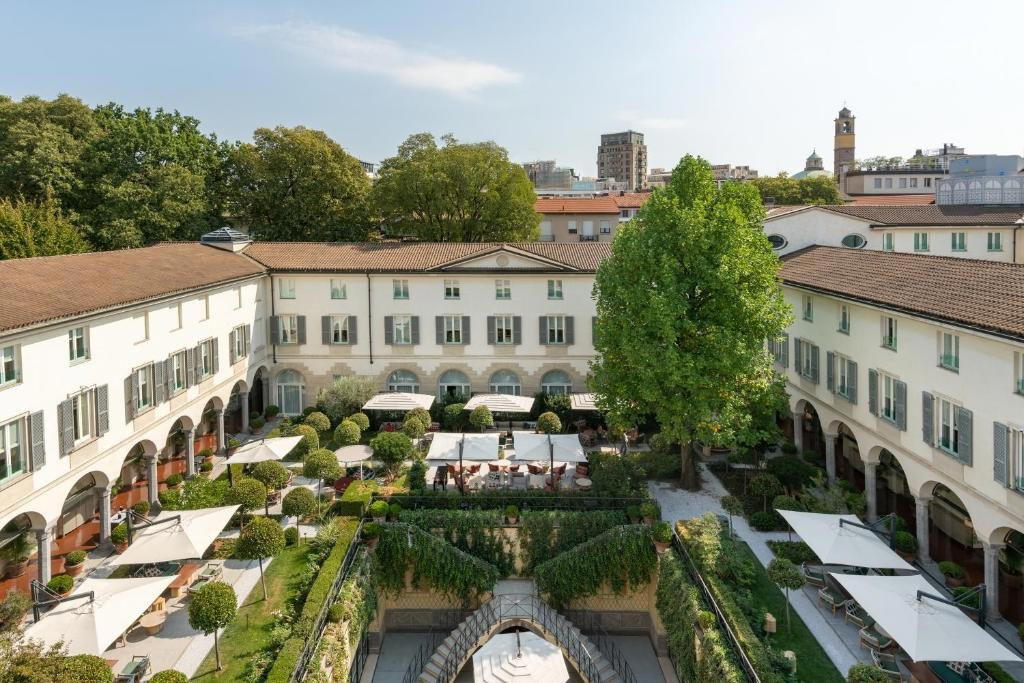
Modern and chic with an ornate Dolce&Gabbana aesthetic, red-toned lighting and elegant décor, creating a lively but polished atmosphere suited to aperitivo and stylish dinners.