IZAKAYA
On Albert Cuypstraat in the De Pijp neighbourhood, IZAKAYA brings the Japanese drinking-kitchen format to Amsterdam with a format that rewards a long, unhurried evening. The progression through small plates mirrors the Tokyo izakaya tradition of grazing across sake, skewers, and raw preparations rather than moving through formal courses. It sits in a different register to the city's Michelin-decorated fine-dining rooms, and that informality is exactly the point.
Pearl is the En Primeur Club membership app — saves, bookings, and concierge access live there. Same editors, same standards.
- Address
- Albert Cuypstraat 2-6, 1072 AP Amsterdam, Netherlands
- Phone
- +31203053090
- Website
- izakaya-restaurant.com
- Directions
- Get directions
 Saves & bookings on Pearl
De Pijp and the Drinking-Kitchen Tradition
Amsterdam's De Pijp neighbourhood has long hosted the kind of eating that resists categorisation: the Albert Cuypmarkt runs through it by day, and the streets around it fill with restaurants that sit outside the formal fine-dining circuit. IZAKAYA is a Japanese-South American Fusion Izakaya at Albert Cuypstraat 2-6 in Amsterdam's De Pijp. It operates on a different logic entirely, one closer to the Japanese izakaya model, where the meal is a social architecture built from dozens of small decisions across an evening rather than a fixed sequence handed down from the kitchen.
The izakaya format, as practised in Tokyo and Osaka, is built around the idea that drinking and eating are inseparable and roughly equal in importance. Food arrives not in a choreographed procession but in a rhythm set partly by the kitchen and partly by the table. That structure, transplanted to Amsterdam, sits in interesting tension with a city that has a strong appetite for the kind of progressive Dutch fine dining represented by rooms like Ciel Bleu, Flore, and Spectrum. Those rooms operate on tasting-menu logic, with a clear narrative arc from first bite to last. IZAKAYA proposes something more lateral.
How the Meal Unfolds
The tasting progression at an izakaya-format restaurant is not a progression in the classical European sense. There is no amuse, no pre-dessert, no petit four punctuating the end. Instead, the meal moves through temperature, texture, and intensity in a looser pattern: cold preparations and raw fish early, followed by skewered and grilled items as the evening deepens, with heavier, rice-based or noodle-based dishes arriving last as ballast. It is a model that rewards patience and discourages rushing.
In Amsterdam, that format is relatively unusual at scale. The city's Japanese dining offer has historically skewed toward either high-volume sushi chains or the other extreme: omakase-adjacent counters where the chef's sequence is the whole point. An izakaya-style approach, where the diner assembles their own progression across a broad menu of small plates, occupies a different middle register. It asks more of the guest and offers more in return: the meal becomes collaborative rather than received.
For readers who want a point of comparison in the wider Dutch fine-dining context, the contrast with venues like Vinkeles or Bistro de la Mer is instructive. Those rooms are built around a clear culinary authority at the centre; the guest submits to a sequence. The izakaya format distributes that authority differently.
Where IZAKAYA Sits in Amsterdam's Japanese Dining Scene
Amsterdam does not have the density of Japanese restaurants that London or Paris can claim, but the category has grown substantially over the past decade. The more technically ambitious end of Dutch dining more broadly, represented outside Amsterdam by rooms like De Librije in Zwolle and 't Nonnetje in Harderwijk, has shown an increasing willingness to absorb Japanese technique and product. That broader trend gives IZAKAYA's format a cultural context: it is not an anomaly in the Dutch dining scene but part of a longer absorption of Japanese culinary thinking.
Across the Netherlands, the appetite for non-European reference points in serious dining has been evident at venues including Aan de Poel in Amstelveen, De Nieuwe Winkel in Nijmegen, and De Bokkedoorns in Overveen. The izakaya format represents a different entry point into that conversation: less about applying Japanese technique to Dutch product, and more about transplanting an entire social eating structure.
For a sense of how that format plays at the highest international level, Atomix in New York City offers one benchmark, albeit through a Korean fine-dining lens rather than a Japanese izakaya one. The principle of small-plate sequencing built around a drinking culture has proven exportable well beyond its origins, as venues from Le Bernardin to neighbourhood izakayas in Amsterdam have each found their own register within it.
The Evening's Logic: Building a Table at IZAKAYA
The practical approach for a meal at IZAKAYA involves understanding that the format rewards specific ordering habits. Beginning cold, moving warm, and finishing with something substantial is the traditional logic of the izakaya evening. Sake or Japanese whisky alongside the early cold plates; beer or something higher-alcohol as the grill items arrive; a final bowl of rice or ramen as a close. That sequence, while not mandatory, produces a more coherent meal than treating the menu as an à la carte in the European sense.
De Pijp itself contributes to the atmosphere in a way that other Amsterdam neighbourhoods might not. The area has a density and a street-level energy that makes an extended evening feel natural rather than effortful. Unlike the more tourist-facing parts of the canal belt, De Pijp retains a neighbourhood character that supports the kind of casual long dinner the izakaya format demands. Other serious Dutch addresses in quieter settings, from De Lindenhof in Giethoorn to Brut172 in Reijmerstok or De Treeswijkhoeve in Waalre, require a different kind of commitment from the diner. IZAKAYA asks only that you show up to De Pijp in no particular hurry.
For those planning a broader evening in the neighbourhood or comparing notes on Dutch regional dining, De Groene Lantaarn in Staphorst, De Lindehof in Nuenen, and De Kas offer points of contrast in how Dutch dining relates to its landscape and produce. The izakaya model sits apart from all of them, not better or worse, but oriented around different values entirely: conviviality, informality, and the slow accumulation of small pleasures across a long evening.
Know Before You Go
- Address: Albert Cuypstraat 2-6, 1072 AP Amsterdam, Netherlands
- Neighbourhood: De Pijp
- Format: Izakaya-style small plates, suited to sharing across a table
- Booking: Reservations recommended
- Hours: Mon to Thu and Sun 12 PM to 1 AM; Fri and Sat 12 PM to 2 AM
- Price: About $50 per person
Pricing, Compared
Comparable venues nearby, for context on price, style, and recognition.
| Venue | Cuisine | Price | Notes |
|---|---|---|---|
| IZAKAYAThis venue — the venue you are viewing | Not listed | $$$ | Not listed |
| Hosokawa | Not listed | $$$ | Leidsebuurt Noordoost, Modern Japanese Teppanyaki |
| Copain | Not listed | $$$ | Terrasdorp, Modern French Seasonal Bistro |
| Bo Cinq | Spiegelbuurt, French-Arabic Fusion | $$$ | Not listed |
| Johannes | Not listed | $$$ | Leidsegracht Noord, Modern French Fine Dining |
| Blue Pepper | Not listed | $$$ | Helmersbuurt Oost, Indonesian Rijsttafel & Modern Indian |
Continue exploring
More in Amsterdam
Restaurants in Amsterdam
Browse all →
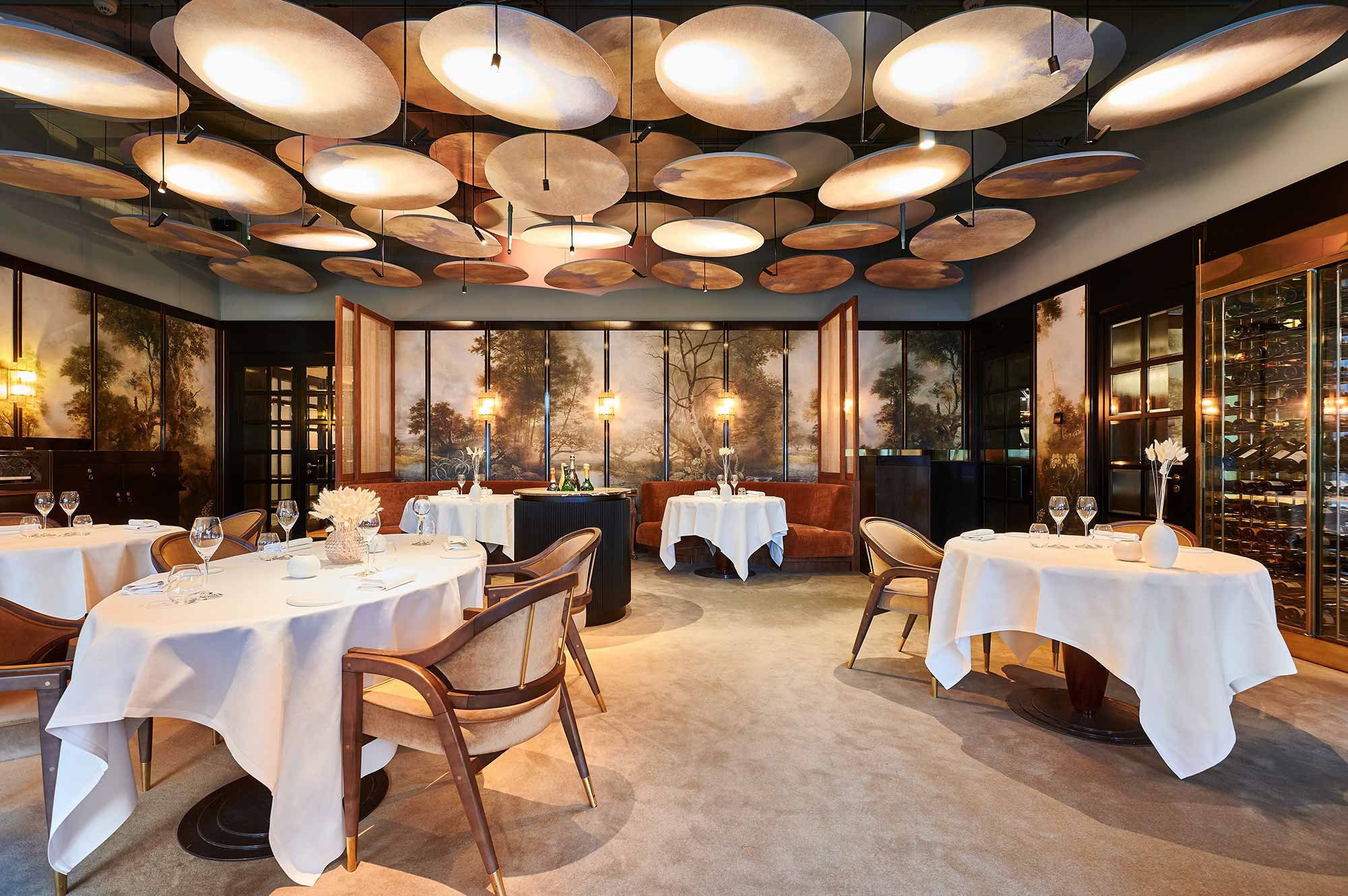
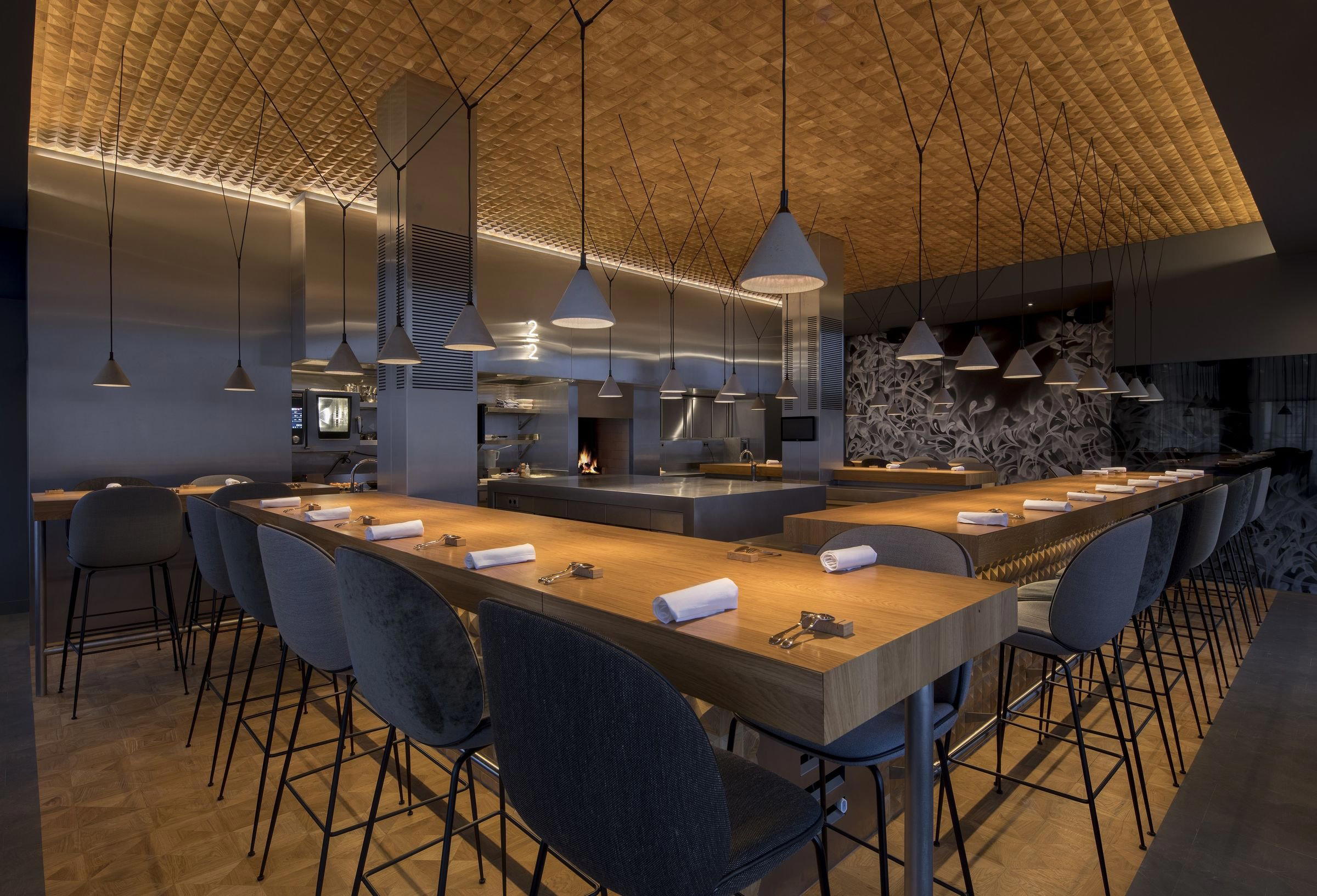
Bars in Amsterdam
Browse all →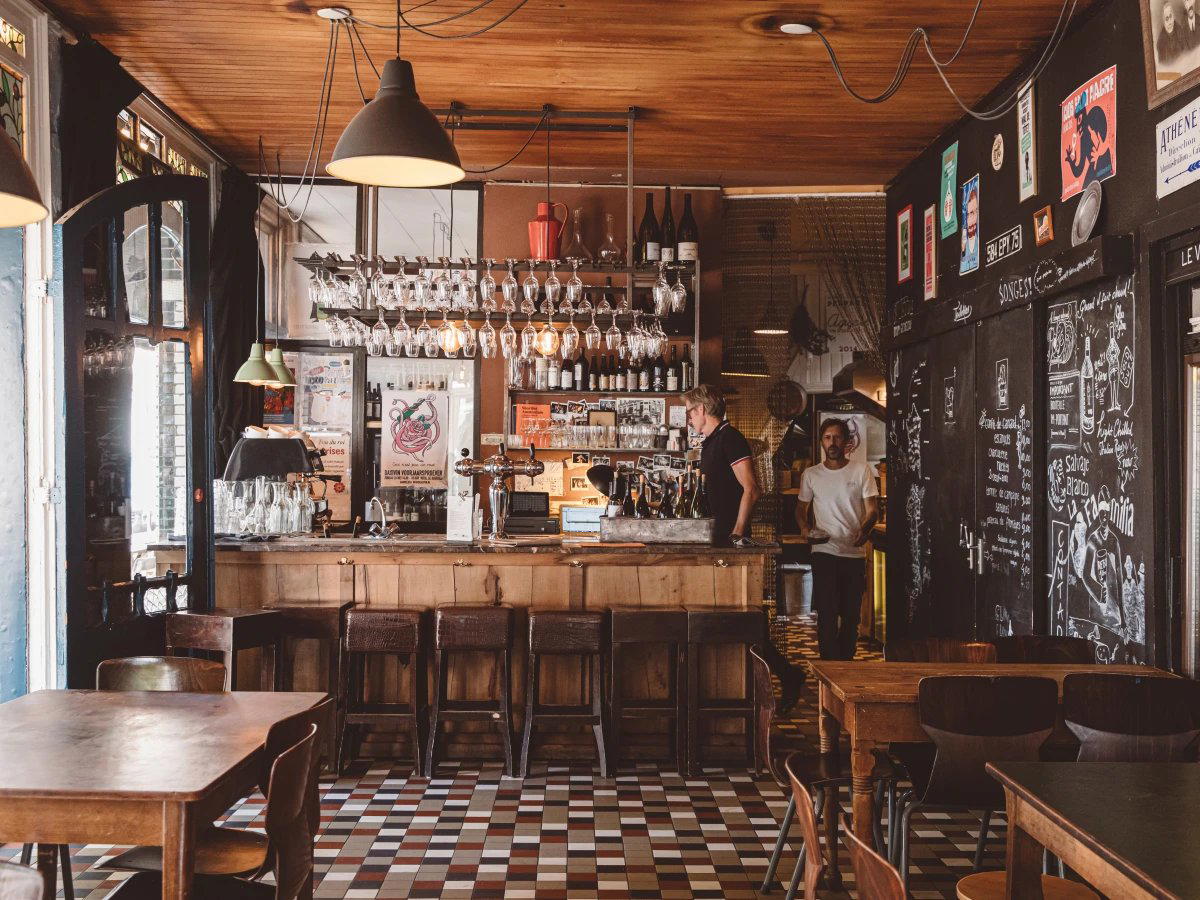
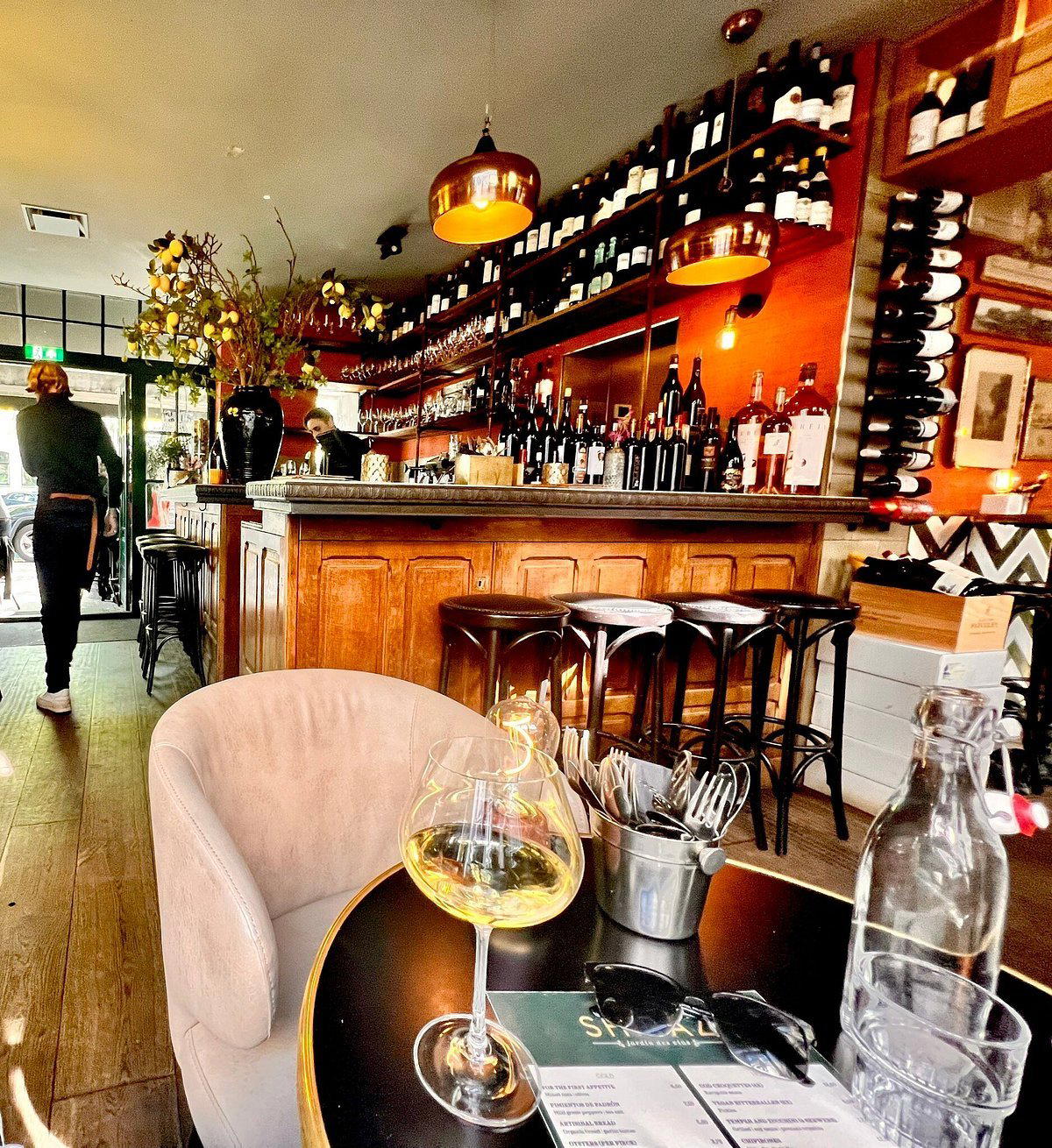
Hotels in Amsterdam
Browse all →
Wineries in Amsterdam
Browse all →
At a Glance
- Trendy
- Lively
- Modern
- Date Night
- Group Dining
- Late Night
- Casual Hangout
- Open Kitchen
- Craft Cocktails
- Sake Program
Current opening hours
- Monday
- 12 PM–1 AM
- Tuesday
- 12 PM–1 AM
- Wednesday
- 12 PM–1 AM
- Thursday
- 12 PM–1 AM
- Friday
- 12 PM–2 AM
- Saturday
- 12 PM–2 AM
- Sunday
- 12 PM–1 AM
Hours can change for holidays and private events. Last verified .
Urban chic atmosphere in the lively De Pijp area with moderate noise levels, suitable for sharing small plates alongside cocktails and occasional live DJs.