Ottolenghi Amsterdam
On a quiet stretch of Paulus Potterstraat in Amsterdam's Museum Quarter, Ottolenghi Amsterdam brings the Yotam Ottolenghi group's vegetable-forward cooking to the Netherlands, grounded in seasonal Dutch produce and techniques that range from live-fire grilling to fermentation. The address places it among the city's more considered casual-to-mid-tier dining options, a counterpoint to the tasting-menu formality that defines much of Amsterdam's decorated restaurant scene.
Pearl is the En Primeur Club membership app — saves, bookings, and concierge access live there. Same editors, same standards.
- Address
- Paulus Potterstraat 50, 1071 DB Amsterdam, Netherlands
- Phone
- +31 20 570 0000
- Website
- mandarinoriental.com
- Directions
- Get directions
 Saves & bookings on Pearl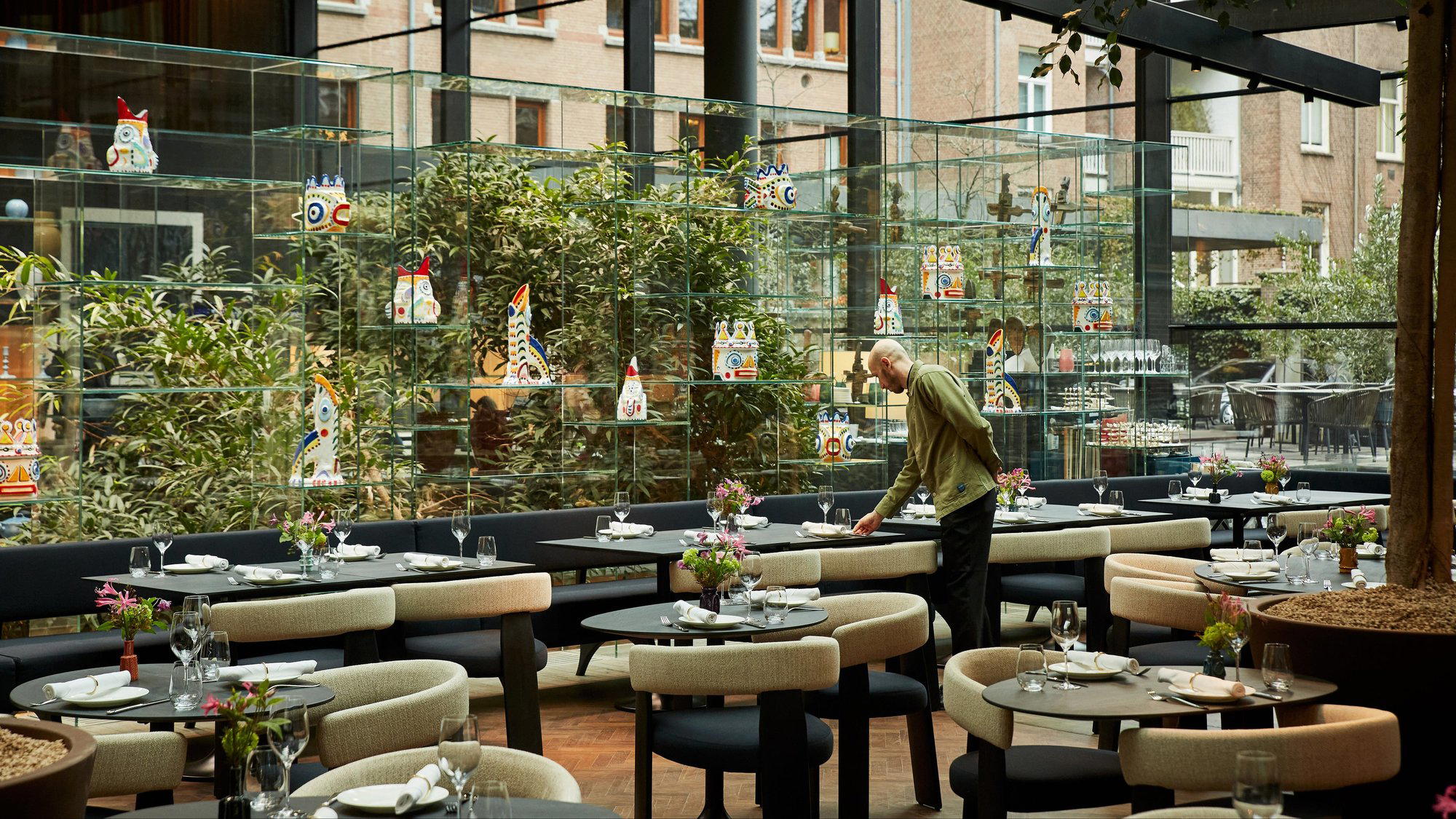
Museum Quarter Table: Where Amsterdam's Produce Culture Meets the Ottolenghi Template
Paulus Potterstraat runs along the southern flank of the Rijksmuseum, a street more associated with gallery fatigue and canal views than serious eating. That makes it a telling location for Ottolenghi Amsterdam, which sits in a neighbourhood where international visitors outnumber locals at most dining options, yet where the surrounding residential blocks carry genuine culinary density. The Museum Quarter's dining scene has always split between tourist-facing simplicity and the kind of ingredient-led cooking that surfaces when a restaurant is confident its audience will follow. Ottolenghi Amsterdam lands in the latter category, trading on a brand built in London across multiple decades of vegetable-centric, Middle Eastern-inflected cooking.
The Ottolenghi Model in a Dutch Context
The Ottolenghi group's approach, vegetables treated with the attention typically reserved for protein, grains and legumes used as structural anchors, and spice profiles drawn from the eastern Mediterranean and North Africa, has proven transferable across cities. In Amsterdam, that template encounters a Dutch produce tradition that is, in fact, well-suited to its demands. The Netherlands produces some of Europe's most reliable seasonal vegetables: endive, asparagus, beetroot, and heritage potato varieties that reward the high-heat roasting and fermentation techniques the kitchen applies. Where the London originals built their identity partly against a British food culture historically indifferent to vegetables, Amsterdam arrives with a local supply chain that needs less convincing.
The cooking here is described as vegetable-forward, grill and fermentation-led, with a seasonal Dutch produce focus. That combination sits at a specific intersection in Amsterdam's mid-to-upper casual tier, where Bolenius has spent years building a case for modern Dutch ingredients in a more formal register, and where Bistro de la Mer occupies the classic French-Dutch comfort position. Ottolenghi Amsterdam operates below the price ceiling of Amsterdam's starred establishments, venues like Ciel Bleu, Spectrum, and Vinkeles occupy the €€€€ bracket with multi-course tasting formats, while offering a more accessible entry point to ingredient-serious cooking in the city.
Fermentation, Fire, and What That Means at the Table
Grill and fermentation as twin pillars of a kitchen's identity signal a specific culinary direction that has become increasingly common across European cities in the past decade. The combination prioritises depth of flavour through process rather than through expensive raw ingredients, and it has particular traction in cities with strong foraging and preservation traditions. Amsterdam fits that pattern: the Dutch pickling and fermenting heritage, historically practical, has been reframed in recent years as a philosophical stance by a younger generation of chefs. Restaurants operating in this mode are in conversation with Nordic approaches to preservation, though the flavour profiles diverge sharply when Ottolenghi's spice vocabulary enters the equation.
Live-fire cooking in this context rarely means the direct charring associated with steakhouse grilling. Vegetable-forward, fermentation-led kitchens have pushed Amsterdam's beverage programs toward natural and low-intervention wines, orange wines, and amphora-aged bottles. The sommelier's role in a room where there is no centrepiece cut of meat shifts accordingly: the pairing logic runs toward skin-contact whites that can handle acid-heavy preparations, and to lighter reds with the versatility to work across a table of shared plates. If the drinks program at the restaurant follows the London template, expect a wine list that prioritises producers working with minimal sulphur additions and biodynamic farming, a selection that maps to the kitchen's own sourcing ethos rather than defaulting to conventional European categories.
Amsterdam's Broader Dining Map and Where This Fits
De Librije in Zwolle, 't Nonnetje in Harderwijk, Aan de Poel in Amstelveen, De Bokkedoorns in Overveen, Brut172 in Reijmerstok, and De Groene Lantaarn in Staphorst represent the depth of Dutch fine dining outside the capital. That middle register is where the restaurant competes, and where the brand's global recognition gives it an immediate visibility advantage over locally-conceived alternatives in the same price range.
The comparison to internationally recognised casual dining is clear. Venues like Le Bernardin in New York City and Emeril's in New Orleans occupy different tiers and categories entirely, but they share one characteristic with the Ottolenghi operation: the brand carries weight before a guest sits down. That expectation shapes the dining experience and raises the stakes for consistency. The Amsterdam outpost is measured against the London delis and NEXTs, against the cookbooks, and against a globalised set of expectations that a neighbourhood Dutch restaurant simply doesn't carry.
Planning Your Visit
The restaurant sits at Paulus Potterstraat 50, 1071 DB Amsterdam, a short walk from the Rijksmuseum and Van Gogh Museum in the city's Museum Quarter, making it a practical option before or after an afternoon in the galleries. The Museum Quarter is well-connected by tram, and the Museumplein stop places visitors within easy walking distance. Booking in advance is advisable for the Ottolenghi group's dining venues generally, as name recognition generates sustained demand; the venue recommends reservations, and hours run Mon to Sun, 7 to 11 AM, 12:30 to 3 PM, and 5 to 10 PM.
Where It Fits
Comparable venues nearby, for context on price, style, and recognition.
| Venue | Cuisine | Price | Notes |
|---|---|---|---|
| Ottolenghi AmsterdamThis venue — the venue you are viewing | Modern Vegetable-Centric Mediterranean | $$$ | Not listed |
| Bluespoon | European with Dutch Twist | $$$ | Canal Ring (Prinsengracht) |
| Lavinia Good Food | Healthy Mediterranean Cafe | $$ | Van Loonbuurt |
| BARBOUNIA | Mediterranean with Levantine Spices | $$$ | P.C. Hooftbuurt |
| Jottum | Mediterranean Tapas | $$ | Anjeliersbuurt Noord |
| Bo Cinq | French-Arabic Fusion | $$$ | Spiegelbuurt |
Continue exploring
More in Amsterdam
Restaurants in Amsterdam
Browse all →
Bars in Amsterdam
Browse all →
Hotels in Amsterdam
Browse all →
Wineries in Amsterdam
Browse all →
At a Glance
- Modern
- Trendy
- Elegant
- Brunch
- Group Dining
- Casual Hangout
- Open Kitchen
- Terrace
- Craft Cocktails
- Local Sourcing
Current opening hours
- Monday
- 7–11 AM, 12:30–3 PM, 5–10 PM
- Tuesday
- 7–11 AM, 12:30–3 PM, 5–10 PM
- Wednesday
- 7–11 AM, 12:30–3 PM, 5–10 PM
- Thursday
- 7–11 AM, 12:30–3 PM, 5–10 PM
- Friday
- 7–11 AM, 12:30–3 PM, 5–10 PM
- Saturday
- 7–11 AM, 12:30–3 PM, 5–10 PM
- Sunday
- 7–11 AM, 12:30–3 PM, 5–10 PM
Hours can change for holidays and private events. Last verified .
Bright, airy, and lively atmosphere in an indoor living forest design with warm wood tones, red and gold accents, and planted trees under a glass atrium.