
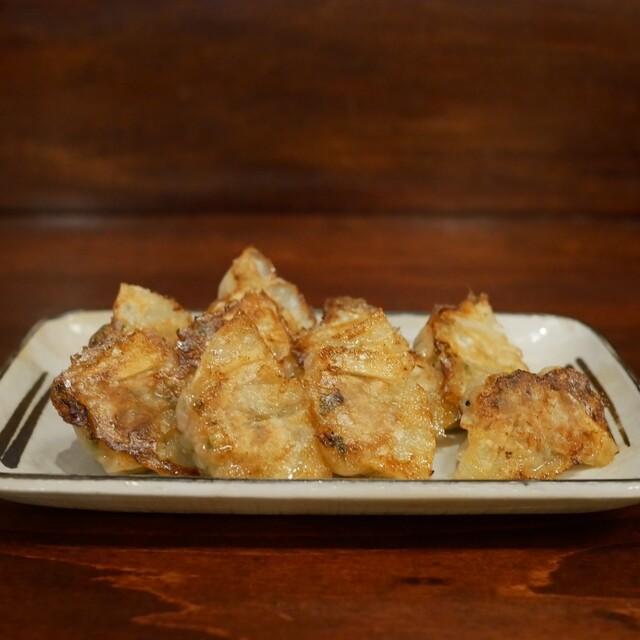
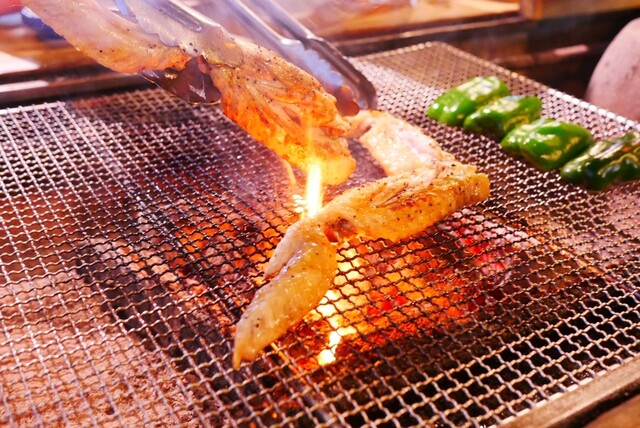
Ichiban Dori puts Hita into Japan’s chicken-cuisine conversation without the ceremony of a metropolitan tasting counter. Its Tabelog 100 Chicken Cuisine 2025 selection gives the room a national signal, while the format remains grounded in izakaya habits: chicken dishes, sake, shochu, counter seating, tatami rooms, and a house-restaurant setting built for groups rather than spectacle.
Pearl is the En Primeur Club membership app — saves, bookings, and concierge access live there. Same editors, same standards.
- Address
- 2 Chome-3-22 Central, Hita, Oita 877-0015, Japan
- Phone
- +81 973-24-2703
- Website
- tabelog.com
 Saves & bookings on Pearl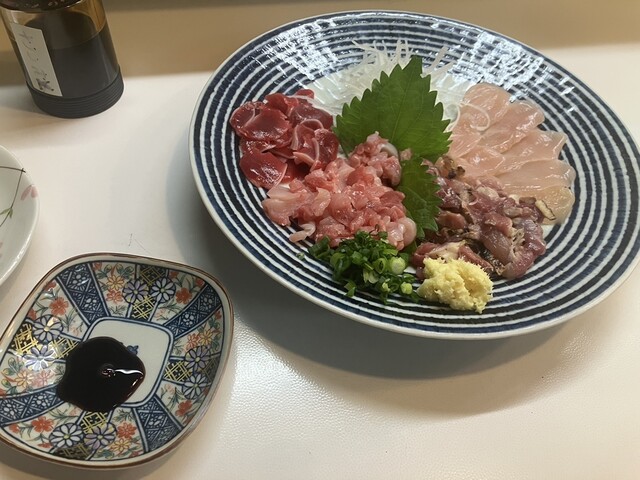
Approaching a house restaurant in central Hita slows dinner before the first order. The city lacks Tokyo or Osaka’s density theatre, so a chicken-focused izakaya here depends on something quieter: counter seats and tatami space keeping the cooking close to the drinking culture around it. Ichiban Dori fits that category, not through luxury staging but through a tighter reading of chicken cuisine in a Kyushu river town.
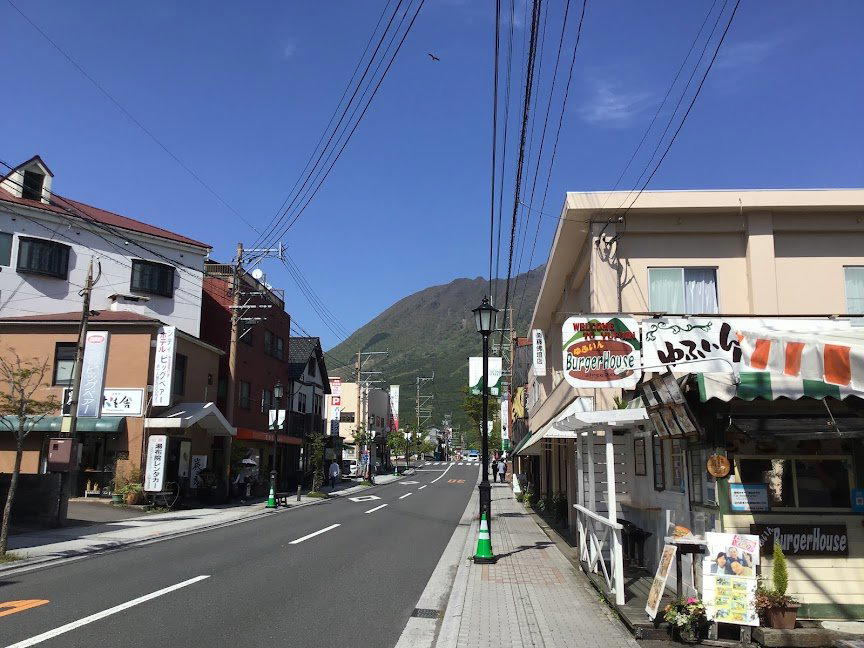
Hita’s dining identity is shaped by scale. Visitors come for old merchant streets, hot-spring country, and the slower rhythm of Oita’s inland towns, then find dinner is less about chasing a long menu than choosing a room with a clear speciality. Chicken cuisine suits that pattern. In Japan, yakitori and broader toriryori traditions reward repetition, sourcing discipline, and heat control; small differences in cut, fat, charcoal handling, and seasoning separate casual drinking food from a kitchen with a sharper point of view. The Tabelog 100 Chicken Cuisine 2025 selection places Ichiban Dori in that national conversation, not as a luxury outlier, but as a local address recognised in a category judged by detail rather than flash.
Chicken cuisine in Hita works because the format stays close to the drink
Chicken-focused izakaya dining is strongest when the room keeps the ritual simple. Sake and shochu are listed here, which matters in Kyushu: shochu is not secondary in this part of Japan, and it changes how grilled and seasoned chicken reads at the table. The meal becomes pacing, heat, salt, smoke, and conversation rather than a formal sequence. That is why the format remains resilient outside Japan’s large restaurant markets. It can absorb regulars, friends, and visitors without demanding fine-dining codes.
Ingredient sourcing is central to this cooking, even when a restaurant does not publish farm names or breed details. Chicken gives the kitchen less camouflage than beef-heavy formats or sauce-driven taverns. Texture, fat, and freshness show quickly, and the margin for error narrows when the menu revolves around one main ingredient family. National recognition in a chicken category therefore matters: it signals the cooking has been judged within a specialist field rather than folded into a general izakaya ranking.
Hita is a useful counterpoint to the larger-city restaurant hunt. The meal’s logic is closer to local tavern culture than destination dining. For broader city planning, Our full Hita restaurants guide is the natural companion, while overnight choices sit better in Our full Hita hotels guide. Visitors building a fuller evening can also cross-check Our full Hita bars guide, with Our full Hita wineries guide and Our full Hita experiences guide useful for mapping the wider trip rather than treating dinner as an isolated stop.
Recognition without metropolitan polish is the point
Japan’s food-award culture misleads if read only through expensive counters and chef-led rooms. Tabelog’s category lists often surface narrow, practical restaurants embedded in everyday dining. Ichiban Dori’s 2025 chicken-cuisine selection should be read that way. The signal is not that the room behaves like a formal restaurant; it is that the cooking belongs to a more selective tier within a familiar genre.
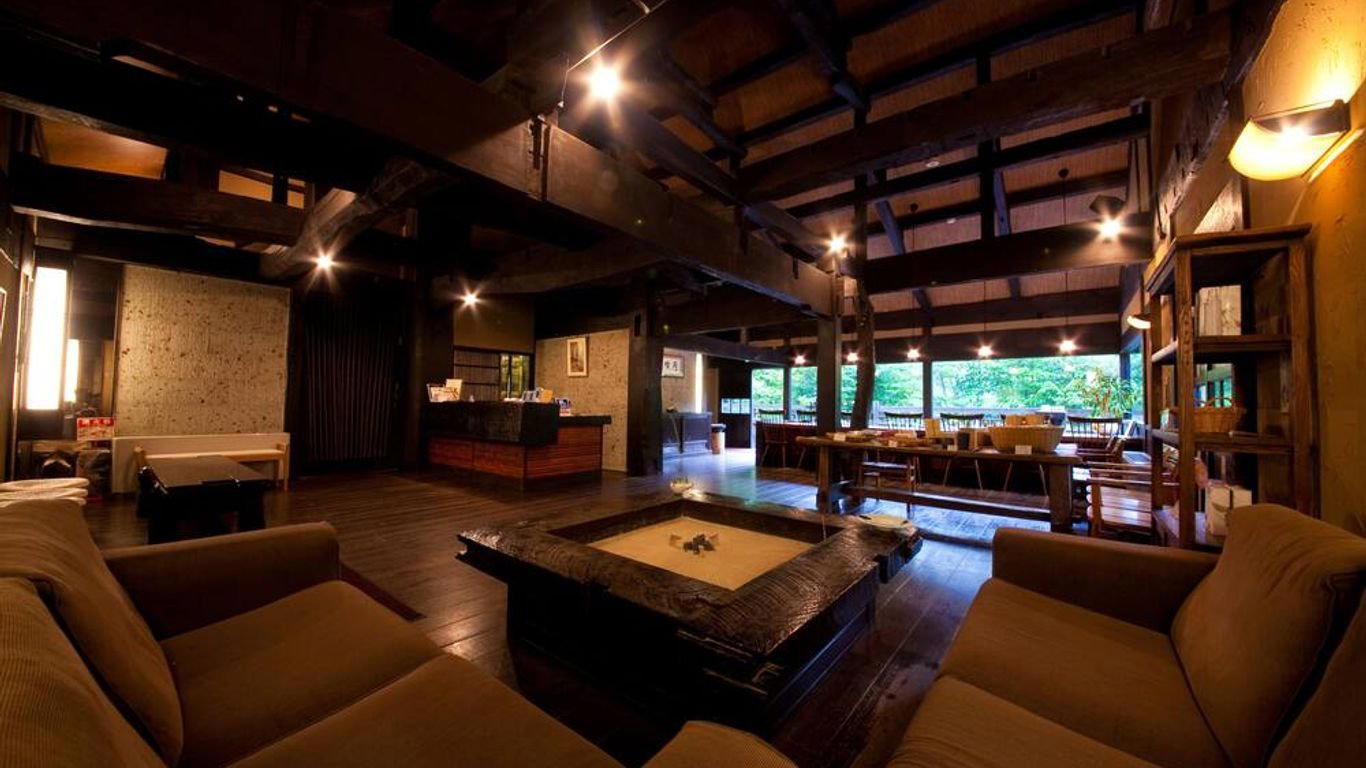
That matters for travellers who index Japan through sushi, kaiseki, ramen, or wagyu. Chicken cuisine has its own hierarchy, often less legible from outside because excellence is rarely announced through plating. A 40-seat restaurant with private rooms, counter seating, tatami space, take-out, and smoking allowed sits closer to lived-in izakaya culture than international fine-dining expectation. That mixture will suit diners precisely because it is not polished into a universal luxury format.
Comparison clarifies the scale. Out-of-metro options such as Maa Boya, Mendoriya, and Tachibana Udon occupy lower-budget casual territory, while Dharmasagara sits in a nearby mid-range band. Robatayaki Sanroku points to the broader grill-and-drink tradition. The restaurant’s relevance is more specific: chicken dishes and izakaya structure, backed by a national chicken-cuisine listing. Travellers looking across Japan can place that specificity beside unrelated but useful reference points such as -Grilled beef Sukiyaki- KAMAKURA TANUKIAN 鎌倉 たぬき庵 in Kamakura, . 鮪と炭火焼き うお炭 秋葉原店 in Tokyo, .cafe in Osaka, .know in Kumamoto, and (Shoku) Vietnam in Kawasaki, each showing how narrowly defined formats travel differently across Japanese cities.
Who should plan dinner here
This is stronger for travellers wanting a locally rooted evening than those chasing a scripted tasting menu. The stated occasion skews toward friends, matching the architecture of the experience: chicken dishes, drinks, counter seats, tatami rooms, and private-room availability. Take-out adds another clue. The restaurant is not built only for destination diners; it also serves a practical local role.
The planning call is simple. Choose the restaurant when the night calls for a category-specific izakaya with national recognition, not when the group needs a non-smoking room, card-friendly payment, or a formal dining arc. Families and mixed-age groups should weigh the smoking policy and tavern atmosphere before committing. For culinary travellers, the value is seeing how a smaller Oita city participates in a national food category without copying bigger-market manners.
For a wider Japan itinerary, keep the comparison set honest rather than forced. Curry specialists, hamburger shops, sake bars, mountain huts, and onigiri counters are not peers, but they map how format defines expectation: [Curry Senmon Ten] Maruyama Kyoju. in Sapporo, [ki:] in Kyoto, #肉といえば松田 奈良本店 in Kashihara, 1/3 HAMBURGER FACTORY in Kanazawa, 1000 in Yokohama, 1000mヒュッテ 1000m Hut in Kutchan, Jōdo Saké Bar in Los Angeles, and Onigiri Time in Pasadena. Read that way, the restaurant’s appeal is precise: a Hita izakaya where chicken is the organising principle, and the recognition supports the decision without turning the meal into a trophy hunt.
At-a-Glance Comparison
Comparable venues by cuisine and price in the same metro.
| Venue | Cuisine | Price | Notes |
|---|---|---|---|
| Ichiban DoriThis venue — the venue you are viewing | Japanese Izakaya / Chicken Dishes | $$ | Not listed |
| Nagano Meijitei | Nagano Sauce Katsudon | $$ | Nagano Station |
| やまざと | Traditional Japanese Soba | $$ | 西祖谷山村 |
| Tengoku | Retro Japanese Cafe | $$ | Asakusa |
| Maruyoshi Shokudo | Traditional Miyako Soba | $$ | Gusukube |
| だるま食堂(ホテルジャパン志賀) | Japanese Donburi | $$ | Yamanouchi |
Recognition history
Dated appearances from independent guides and award organizations, with the underlying list record or original source where available.
Tabelog 100 #97 · No. 97
Tabelog · Tabelog 100 - Chicken cuisine - 2025
Continue exploring
More in Hita
Restaurants in Hita
Browse all →
At a Glance
- Cozy
- Classic
- Casual Hangout
- Group Dining
- After Work
- Standalone
- Sake Program
- Beer Program
Current opening hours
- Monday
- 5–9:30 PM
- Tuesday
- 5–9:30 PM
- Wednesday
- 5–9:30 PM
- Thursday
- 5–9:30 PM
- Friday
- 5–9:30 PM
- Saturday
- 5–9:30 PM
- Sunday
- Closed
Hours can change for holidays and private events. Last verified .
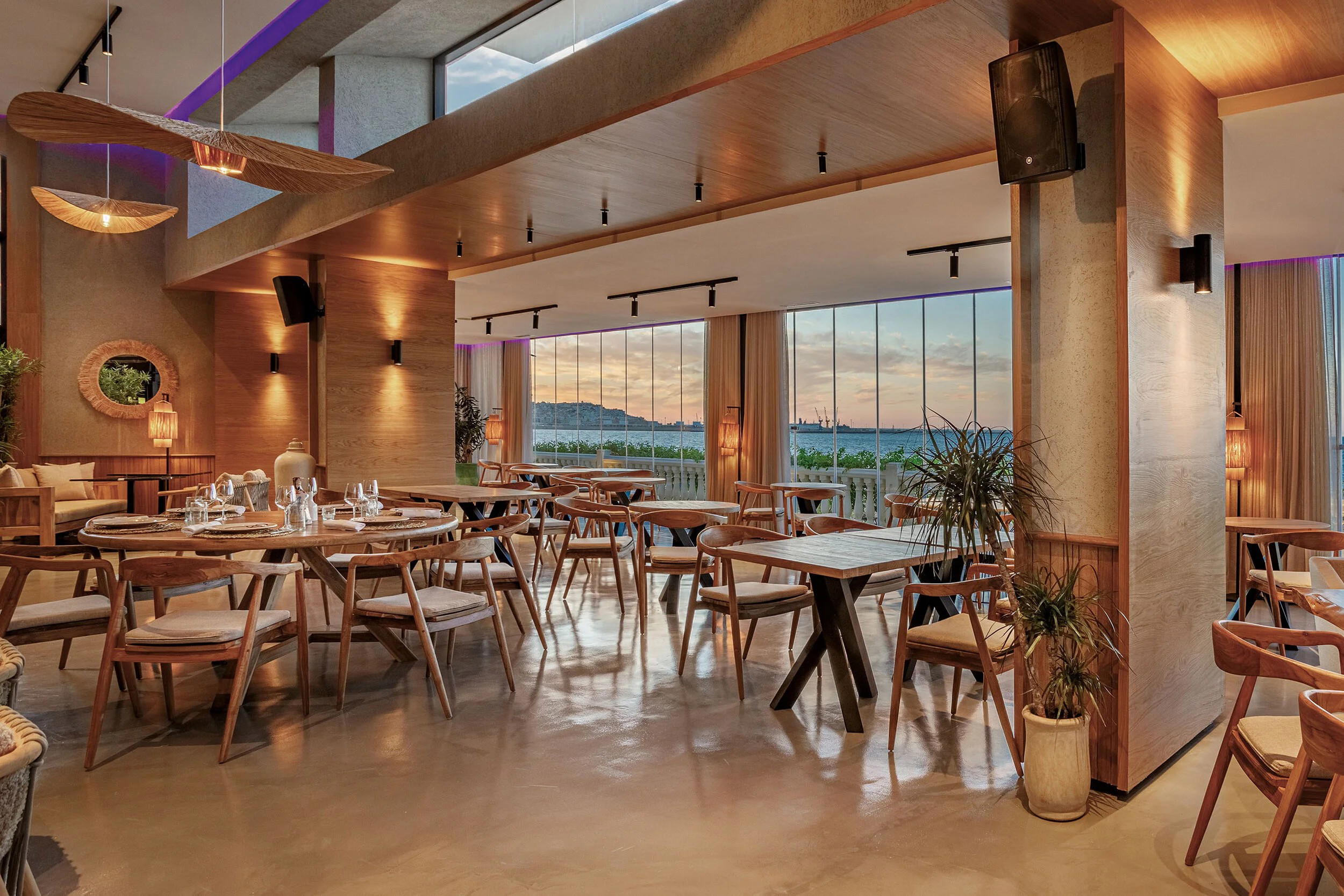
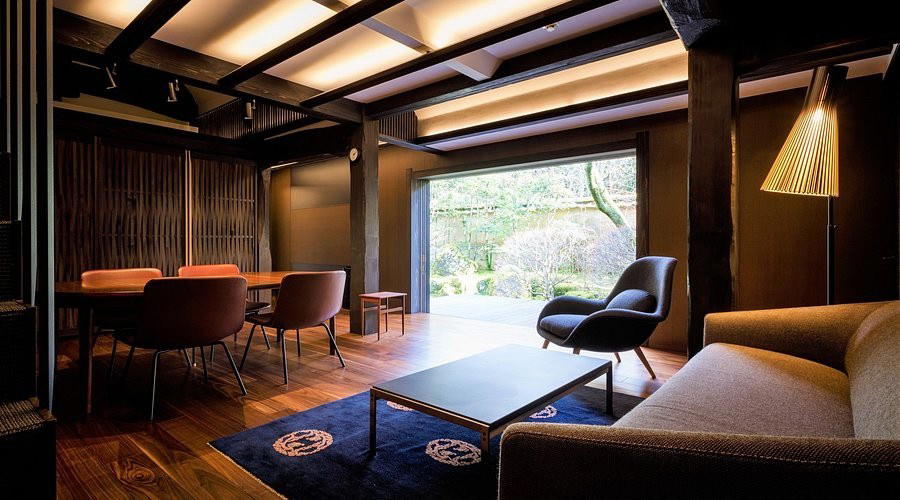
A house-style restaurant with counter seating and tatami room seating, suggesting a cozy, traditional, informal atmosphere.