
Hitokuchi Gyoza Tenya belongs to Kurume’s compact, late-evening dumpling-and-izakaya circuit rather than the formal dining track. Its Tabelog 100 Dumplings 2024 selection, 18-seat scale, counter seating, tatami room, and take-out option make it a useful read on how serious gyoza culture works outside Japan’s larger restaurant capitals.
Pearl is the En Primeur Club membership app — saves, bookings, and concierge access live there. Same editors, same standards.
- Address
- 22-36 Mutsumonmachi, Kurume, Fukuoka 830-0031, Japan
- Phone
- +81 942-32-8099
- Website
- instagram.com
- Directions
- Get directions
 Saves & bookings on Pearl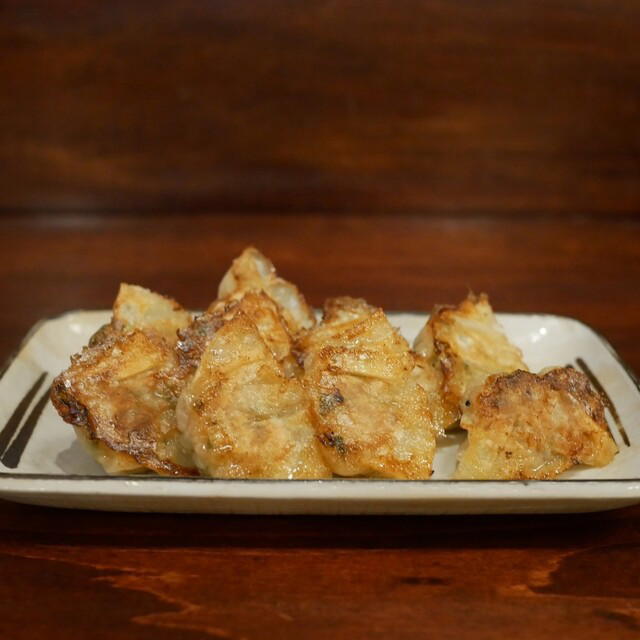
Kurume’s smaller drinking streets reward close attention: narrow rooms, counter seats within view of the cooking line, and a style of eating that favors repetition over ceremony. In that setting, gyoza is not a side order so much as a measure of a kitchen’s discipline. The wrapper, filling, heat, and pace all have to align, and the room often tells the story before the plate does: compact seating, little wasted space, and a customer base that treats dumplings as evening food rather than novelty.
Hitokuchi Gyoza Tenya sits in that Kurume idiom. Its recognition in Tabelog 100 Dumplings 2024 places it inside a national list focused on a narrow category, which matters because gyoza rarely gets the same international attention as sushi, ramen, or kaiseki. The format is more telling than any grand claim: dumpling house, izakaya, 18 seats, counter and tatami seating, take-out available. That combination points to a local restaurant culture where the line between drinking snack, casual dinner, and specialist craft stays deliberately thin.
Kurume gyoza belongs to the drinking table, not the tasting-menu circuit
Fukuoka Prefecture is often flattened into ramen shorthand, but its casual food culture is broader and more practical than that. Kurume has its own ramen gravity, and places such as Maruboshi Ramen help explain why visitors often arrive with noodles in mind. Gyoza, however, occupies a different register. It is built for pace, heat, and company, with small portions that fit beer, shochu, sake, and a second round of ordering.
The ingredient question is central to why the category travels badly and thrives locally. Japanese gyoza depends on balance rather than bulk: minced filling, allium bite, cabbage or greens for moisture, and a wrapper thin enough to cook quickly without turning limp. Kyushu’s broader food culture gives pork and shochu a strong local frame, but the serious gyoza shops are judged less by origin stories than by control. Too much filling and the dumpling eats heavy; too little and it becomes wrapper. Too much oil and the table tires before the second plate. That is the category’s quiet rigor.
Within Kurume, the comparison is useful. Gyoza Nyannyan, Goju Ban, and Mitsuya Stand sit in a lower listed spend band, which makes Hitokuchi Gyoza Tenya read as a slightly more committed evening choice rather than a quick snack stop. That does not make it formal; it means the decision belongs to diners who want gyoza as the center of the night, with drinks and izakaya pacing around it.
An 18-seat room changes the way dumplings are judged
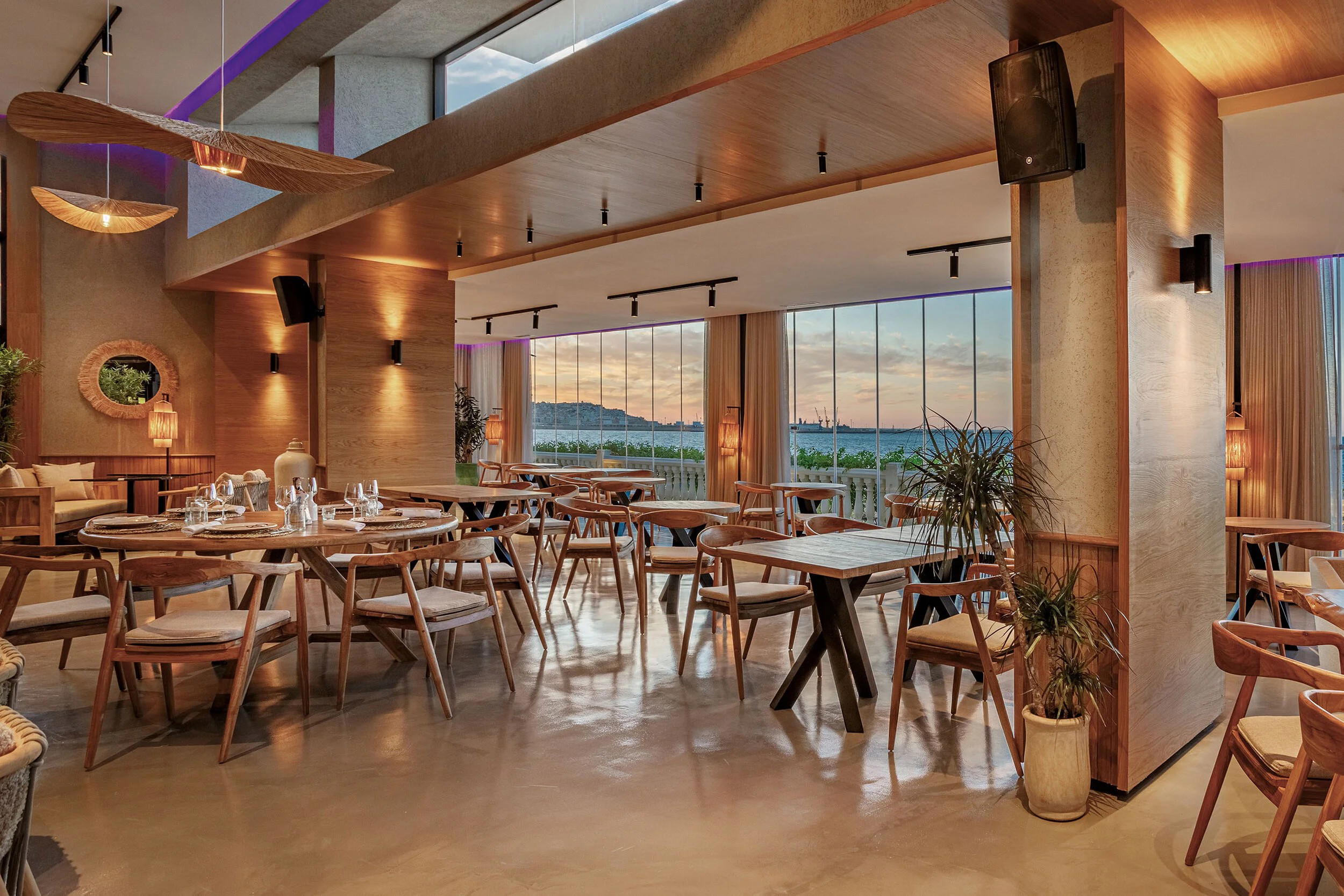
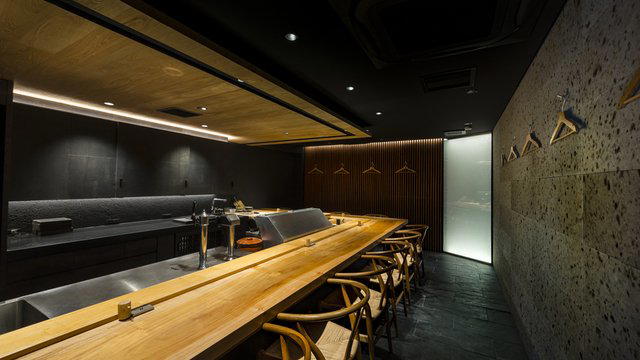
Small restaurants expose timing. In a large casual chain, gyoza can disappear into throughput; in an 18-seat room, consistency becomes easier to notice. Counter seating creates a tighter relationship between cooking rhythm and service rhythm, while tatami seating gives the meal a slower, group-oriented shape. This is the kind of room where the category’s mechanics matter: how quickly plates move, how many rounds the table orders, and whether the format encourages lingering without turning into a full izakaya sprawl.
The Tabelog 100 Dumplings 2024 selection is the page’s clearest trust signal, and it should be read in context. This is not a Michelin-style fine-dining marker; it is a category-specific recognition in a food form where regional depth matters. For travelers, that distinction is useful. A gyoza selection rewards specialization, local repeat appeal, and execution in a narrow lane. It also helps separate serious dumpling counters from restaurants where gyoza exists mainly as a supporting plate.
Kurume’s dining map benefits from that kind of specificity. A broader itinerary might put dumplings beside ramen, standing drinks, and other casual counters rather than treating the city as a single-dish destination. For wider planning, Our full Kurume restaurants guide gives the restaurant context, while Our full Kurume hotels guide, Our full Kurume bars guide, Our full Kurume wineries guide, and Our full Kurume experiences guide help place the meal inside a fuller city stay.
How to read this address against Japan's casual specialists
The useful comparison is not with luxury counters, but with Japan’s larger network of category specialists: curry rooms, sake bars, grill counters, and small-format shops that ask diners to care about one thing done repeatedly. That pattern appears across EP Club’s Japan and Japanese-adjacent coverage, from Dharmasagara to -Grilled beef Sukiyaki- KAMAKURA TANUKIAN 鎌倉 たぬき庵 in Kamakura. 鮪と炭火焼き うお炭 秋葉原店 in Tokyo.cafe in Osaka.know in Kumamoto, (Shoku) Vietnam in Kawasaki, and [Curry Senmon Ten] Maruyama Kyoju. in Sapporo. Outside Japan, the same specialist logic can be seen in focused Japanese formats such as Jōdo Saké Bar in Los Angeles and Onigiri Time in Pasadena.
That is the right lens for Hitokuchi Gyoza Tenya. The value is not spectacle, chef biography, or an expanded menu narrative. It is the confidence of a narrow format in a city where casual food has real local weight. For travelers already eating through Kurume, this is a sharper choice than another generic izakaya because the category is legible: dumplings first, drinks alongside, small-room rhythm, and enough recognition to justify making space for it in a short stay.
Side-by-Side Snapshot
Comparable venues by cuisine and price in the same metro.
| Venue | Cuisine | Price | Notes |
|---|---|---|---|
| Hitokuchi Gyoza Tenya | Kurume gyoza izakaya | $ | .null |
| Mitsuya Stand | Japanese tachinomi standing bar | $ | Higashimachi, Kurume |
| Goju Ban | Classic gyoza & dumpling house | $ | Higashimachi |
| Tachibana Udon | Traditional Kurume udon shop | $ | Higashi Aikawa / near Kurume Interchange |
| Gyoza Nyannyan | Traditional Japanese gyoza shop | $ | Mutsumonmachi |
| Dharmasagara | Authentic South Indian Restaurant | $$ | Tanushimaru-machi |
Recognition history
Dated appearances from independent guides and award organizations, with the underlying list record or original source where available.
Tabelog 100 #97 · No. 97
Tabelog · Tabelog 100 - Dumplings - 2024


At a Glance
- Lively
- Cozy
- Intimate
- Classic
- Casual Hangout
- After Work
- Late Night
- Solo
- Group Dining
- Standalone
- Chefs Counter
- Natural Wine
- Sake Program
- Beer Program
- Natural Wine
Current opening hours
- Monday
- 6–11 PM
- Tuesday
- 6–11 PM
- Wednesday
- 6–11 PM
- Thursday
- Closed
- Friday
- 6–11 PM
- Saturday
- 6–11 PM
- Sunday
- 6–11 PM
Hours can change for holidays and private events. Last verified .
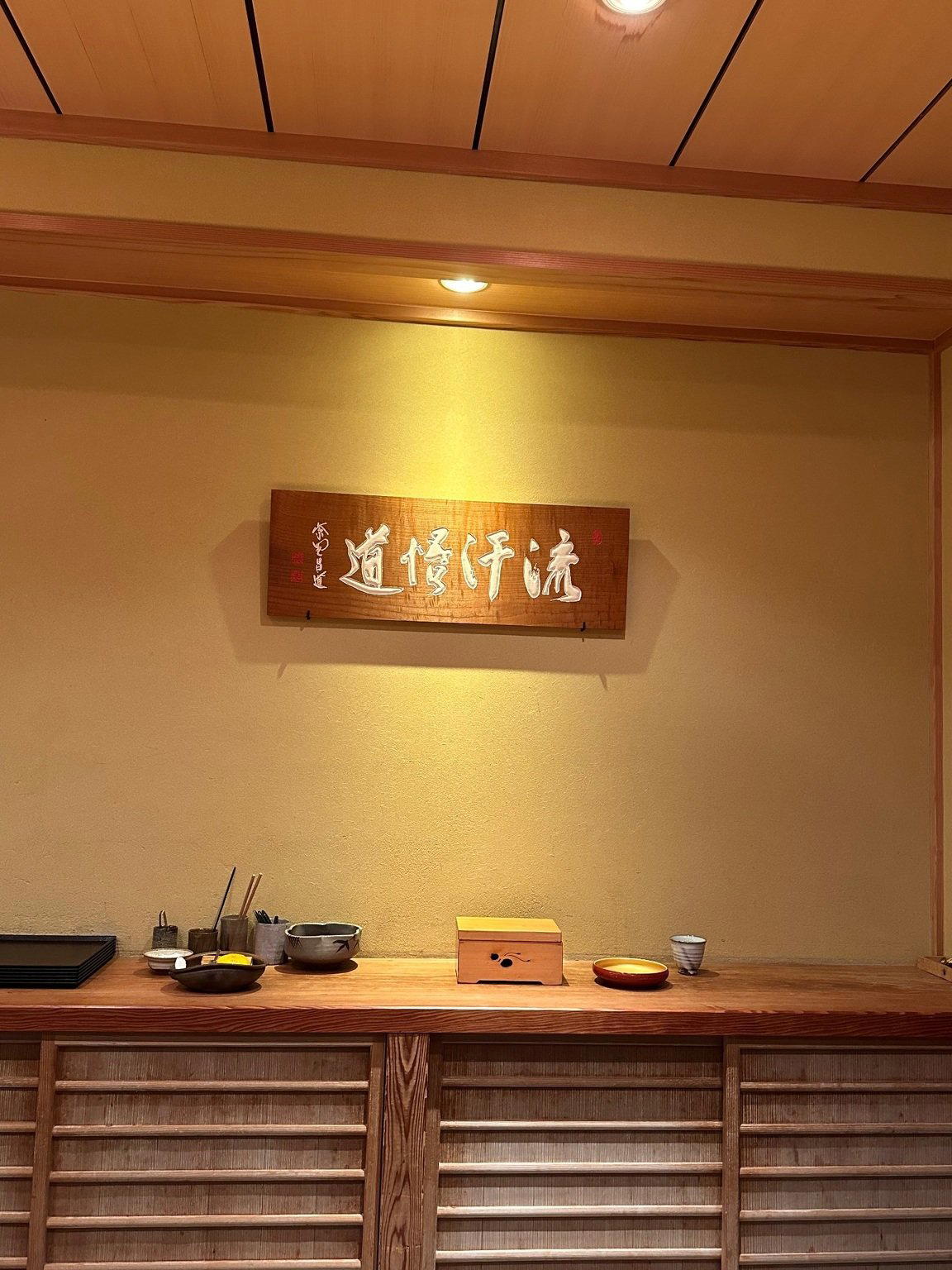
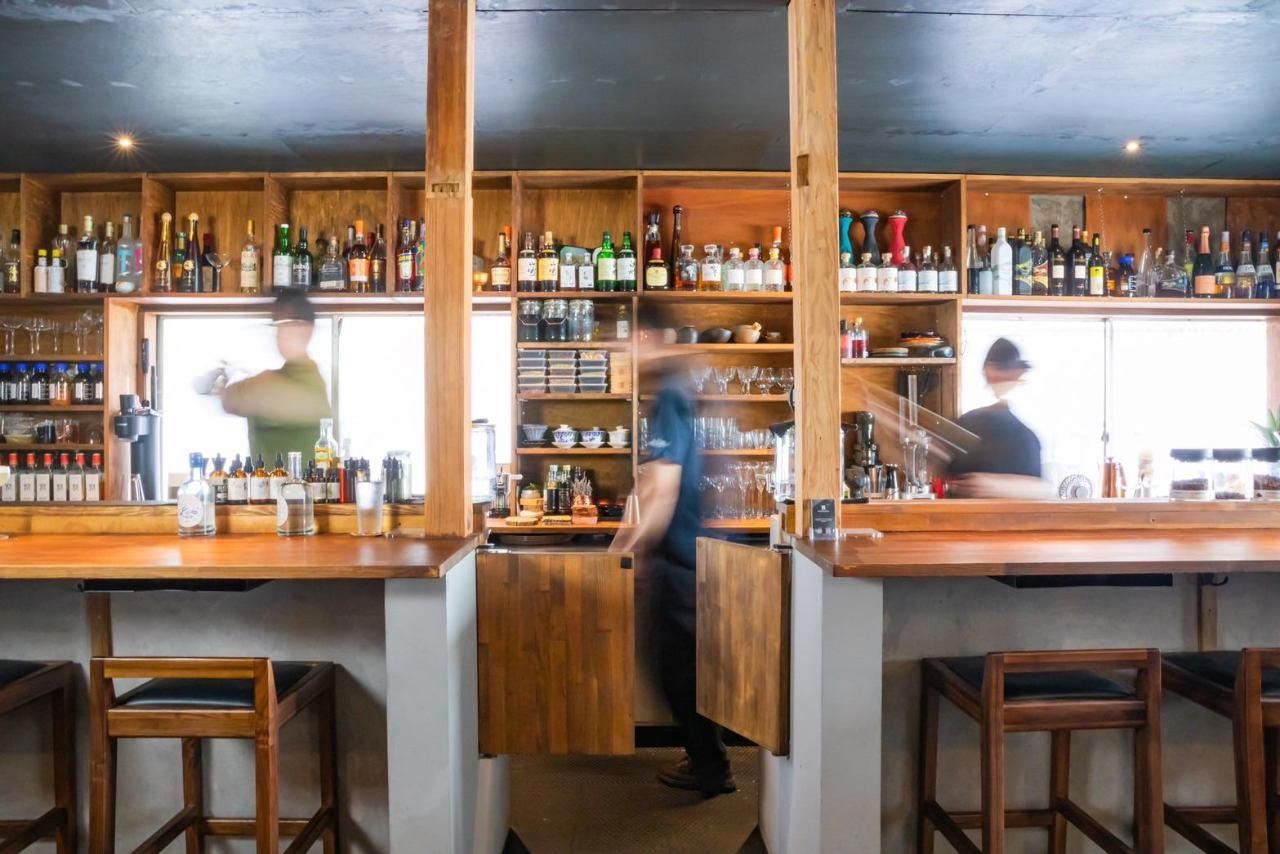
An intimate 18‑seat space with counter and small tables in a Showa‑retro alley, creating a cozy, lively late‑night atmosphere typical of a neighborhood gyoza izakaya.