
Dharmasagara gives Kurume a serious South Indian reference point in a city better known to visitors for ramen, gyoza, and everyday counter food. Its Tabelog 100 selection for Asian and ethnic cuisine in WEST 2024, halal certification, and vegetable-forward options make it unusually useful for mixed dietary groups without moving into luxury-restaurant formality.
Pearl is the En Primeur Club membership app — saves, bookings, and concierge access live there. Same editors, same standards.
- Address
- 83-3 Tanushimarumachi Ishikaki, Kurume, Fukuoka 839-1212, Japan
- Phone
- +81 943-72-5533
- Website
- dharmasagara.com
- Directions
- Get directions
 Saves & bookings on Pearl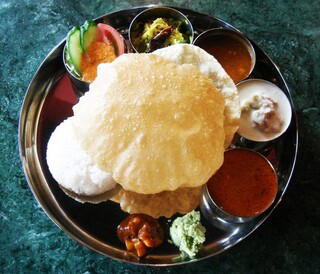
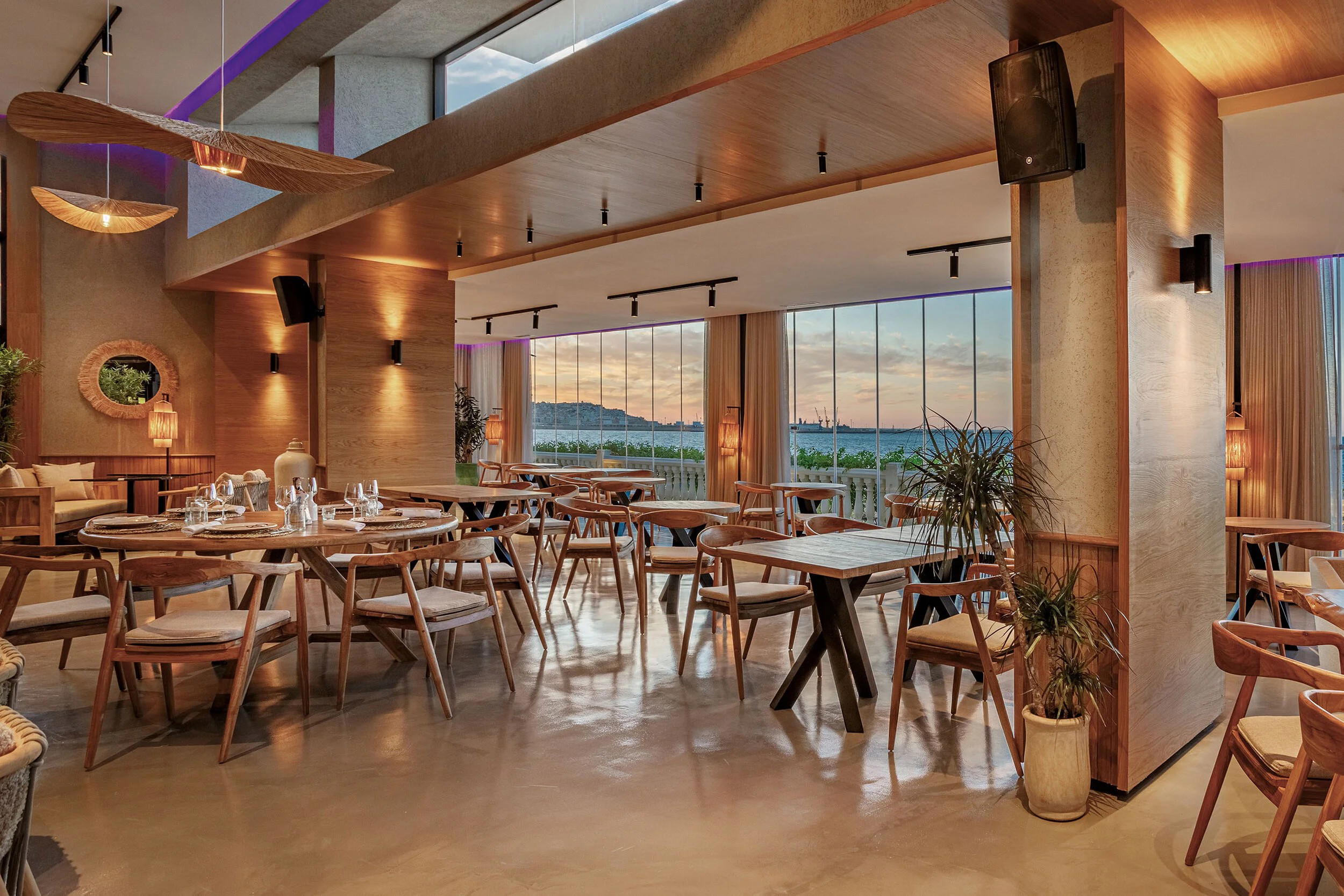
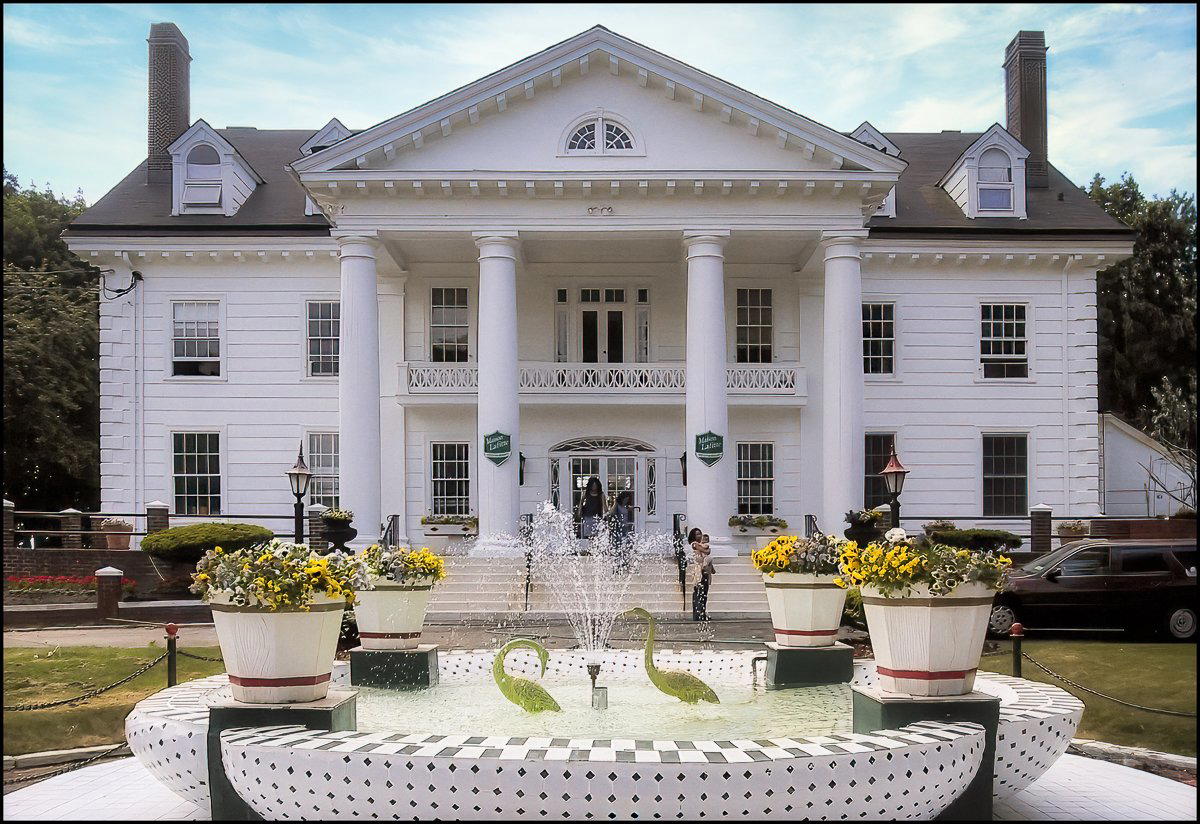
Approaching a house restaurant in Tanushimaru changes the frame before the first order is placed. Kurume’s dining reputation usually runs through tonkotsu ramen, gyoza, udon, and low-cost drinking counters, so a South Indian table with a vegetable-forward brief reads less as novelty than as a correction to the city’s usual visitor script. The room is casual rather than ceremonial, with enough scale for families and groups, and the setting matters: this is not a compact urban curry counter built around speed, but a destination-format restaurant in the wider Kurume orbit.
That distinction gives Dharmasagara its place in the city. Kurume is often treated as a day-trip food stop, especially by diners chasing bowls and dumplings, but the stronger local map is broader. Maruboshi Ramen anchors the ramen side of the conversation, while Gyoza Nyannyan and Hitokuchi Gyoza Tenya speak to the city’s snack-and-beer rhythm. Against that backdrop, South Indian cooking brings another grammar: rice, lentils, vegetables, spice structure, and dietary flexibility rather than pork-bone broth or griddled wrappers.
South Indian cooking as a serious Kurume detour
Japan’s Indian restaurant scene has long been split between broad curry-and-naan familiarity and more regional cooking aimed at diners who know the difference between North Indian restaurant staples and South Indian meals. In a regional city, that distinction matters. Dharmasagara is listed as Indian, but its public positioning points specifically to authentic South Indian cuisine, a useful signal for travelers who want a meal built around vegetables, grains, and layered spicing rather than the heavier template that still defines many Japanese curry-house expectations.
The ingredient angle is the point. The restaurant is noted for vegetables and lists vegan, vegetarian, gluten-free, halal, and Hindu options, which puts sourcing and preparation discipline at the center of the experience. In Japan, dietary accommodation can be uneven outside major hotels and international districts; here, the range is part of the restaurant’s identity rather than an afterthought. Halal certification adds a harder credential, especially in Kyushu, where Muslim-friendly dining options remain less dense than in Tokyo or Osaka.
The 2024 Tabelog 100 selection for Asian cuisine and ethnic cuisine in WEST gives that argument external weight. Tabelog’s Hyakumeiten lists are not luxury awards in the Michelin sense; they are useful because they surface category specialists across regions and price tiers. For a Kurume restaurant outside the usual ramen narrative, the selection places Dharmasagara in a wider western Japan conversation about Asian and ethnic cooking, not merely local convenience.
Where it sits among Kurume's everyday food culture
Kurume’s casual dining economy is unusually strong at the low-cost end. Tachibana Udon, Maruboshi Ramen, and other everyday addresses keep the city grounded in quick, repeatable meals. Mitsuya Stand occupies a slightly different casual lane, while Goju Ban adds another point on the local restaurant map. Dharmasagara sits above those everyday price brackets, but not in the special-occasion tasting-menu tier. That middle position is useful: the meal can carry intent without requiring the formality, timing, or spending pattern of fine dining.
The format also changes the audience. With 52 seats, private-use availability, wheelchair accessibility, takeout, and children welcomed, the restaurant is structured for broader use than a chef-counter specialist. That does not make it generic. It means the cooking has to hold up across family meals, group tables, and destination diners who have driven out from central Kurume or the surrounding area. The absence of private rooms keeps the feel social; the presence of terrace, counter, sofa, and spacious seating gives the room several speeds.
For travelers, the decision is practical as much as culinary. A ramen crawl can be built around short meals and station-adjacent movement; South Indian cooking here asks for a slower slot and a planned stop. That makes more sense on a wider Kurume day, especially when paired with other city research through Our full Kurume restaurants guide, Our full Kurume hotels guide, Our full Kurume bars guide, Our full Kurume wineries guide, and Our full Kurume experiences guide.
Planning the meal around dietary range and group needs
The smartest reason to place Dharmasagara on a Kurume itinerary is not simply that it serves Indian food. It is the combination of regional South Indian direction, Tabelog 100 recognition, halal certification, and a dining room that can absorb children and groups. That combination is uncommon enough to matter for mixed parties: one diner may be avoiding gluten, another may need halal assurance, another may simply want a vegetable-led meal after several pork-heavy stops.
There are service details worth treating as part of the decision. Reservations are available, weekend and holiday lunch can be busy, and a one-drink policy applies outside weekday lunch, with reserved weekday-lunch diners also asked to order a drink. The restaurant operates without service charge or cover charge, accepts major card and cashless payment types, and has parking, which matters in Tanushimaru more than it would in a dense station district. Wednesday closure is the default rhythm, with public-holiday adjustments.
The wider comparison is helpful. Diners researching Japanese regional food may also be looking across categories and cities, from Mitsuya Stand in Kurume to -Grilled beef Sukiyaki- KAMAKURA TANUKIAN 鎌倉 たぬき庵 in Kamakura. 鮪と炭火焼き うお炭 秋葉原店 in Tokyo.cafe in Osaka.know in Kumamoto, (Shoku) Vietnam in Kawasaki, [Curry Senmon Ten] Maruyama Kyoju. in Sapporo, Jōdo Saké Bar in Los Angeles, and Onigiri Time in Pasadena. Within that spread, Dharmasagara is the Kurume choice for a slower, vegetable-conscious South Indian meal with clearer dietary signaling than the city’s classic casual circuit.
Side-by-Side Snapshot
Comparable venues by cuisine and price in the same metro.
| Venue | Cuisine | Price | Notes |
|---|---|---|---|
| Dharmasagara | Authentic South Indian Restaurant | $$ | Tanushimaru-machi |
| Tashu Kurumeten | Motsunabe Izakaya | $$$ | near Nishitetsu Kurume Station |
| Hitokuchi Gyoza Tenya | Kurume gyoza izakaya | $ | .null |
| Sushi Yoshida | Traditional Japanese Omakase Sushi | $$$$ | Mutsumon-machi |
| Goju Ban | Classic gyoza & dumpling house | $ | Higashimachi |
| Mitsuya Stand | Japanese tachinomi standing bar | $ | Higashimachi, Kurume |
Recognition history
Dated appearances from independent guides and award organizations, with the underlying list record or original source where available.
Tabelog 100 #10 · No. 10
Tabelog · Tabelog 100 - Asian cuisine / Ethnic cuisine - WEST - 2024

At a Glance
- Cozy
- Quiet
- Rustic
- Group Dining
- Family
- Casual Hangout
- Celebration
- Solo
- Standalone
- Organic
Current opening hours
- Monday
- 11:30 AM–3 PM, 5–9 PM
- Tuesday
- 11:30 AM–3 PM, 5–9 PM
- Wednesday
- Closed
- Thursday
- 11:30 AM–3 PM, 5–9 PM
- Friday
- 11:30 AM–3 PM, 5–9 PM
- Saturday
- 11:30 AM–3 PM, 5–9 PM
- Sunday
- 11:30 AM–3 PM, 5–9 PM
Hours can change for holidays and private events. Last verified .
Calm, destination-style South Indian restaurant in the countryside with spacious seating, non-smoking dining room, and a relaxed, unhurried atmosphere suited to enjoying full South Indian meals.