
Goju Ban belongs to Kurume’s compact gyoza culture: small rooms, counter service, and a low-spend format built around handmade dumplings rather than ceremony. Its Tabelog 100 Dumplings selections in 2019, 2021, and 2024 place it in a national conversation while keeping the experience closer to a neighborhood counter than a destination dining room.
Pearl is the En Primeur Club membership app — saves, bookings, and concierge access live there. Same editors, same standards.
- Address
- 34-42 Higashimachi, Kurume, Fukuoka 830-0032, Japan
- Phone
- +81 942-32-4194
- Website
- twitter.com
- Directions
- Get directions
 Saves & bookings on Pearl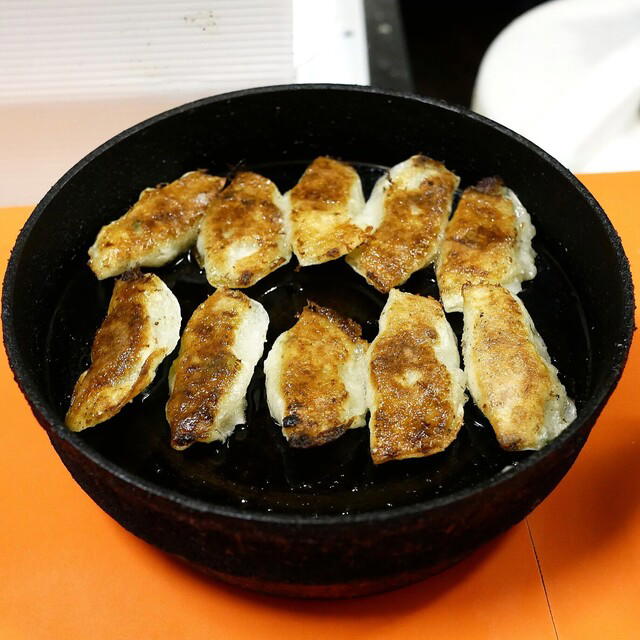
The first read is scale. Kurume’s gyoza counters tend to compress the meal into a few essential signals: a short room, close-set seating, visible pacing from the kitchen, and a clientele that treats dumplings as evening food rather than a side order. Goju Ban fits that grammar with counter-only seating and a handmade gyoza focus, a format that makes the cooking feel less like a menu category and more like a local craft habit.
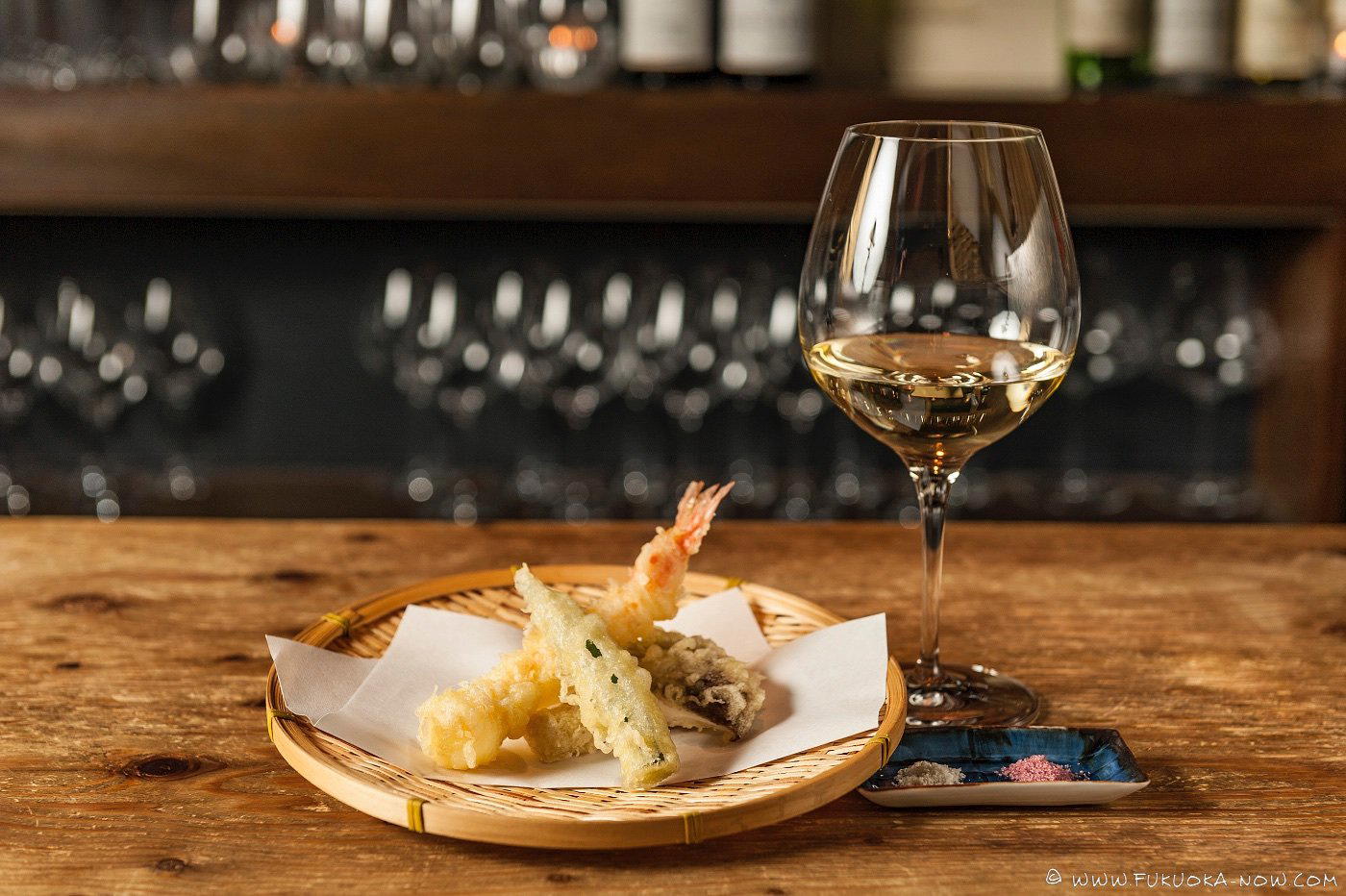
Kurume is better known outside Fukuoka for ramen, but the city’s dumpling culture rewards the same kind of attention: dough thickness, filling balance, cooking rhythm, and the way a small plate works with alcohol. In this part of Japan, gyoza is not trying to compete with a long tasting-menu structure. Its appeal sits in repetition and restraint, the confidence of a kitchen that can build a meal around one narrow discipline.
Handmade gyoza as Kurume's compact craft language
The ingredient question matters here because gyoza is unforgiving. A dumpling counter has fewer places to hide than a broad izakaya menu; wrapper, mince, vegetables, seasoning, and pan work carry the whole argument. When a restaurant is categorized simply as dumpling and recognized by Tabelog 100 Dumplings in 2019, 2021, and 2024, the signal is not luxury. It is consistency inside a field where small differences decide loyalty.
That makes Goju Ban useful for understanding Kurume dining more broadly. The city’s stronger casual restaurants often specialize tightly rather than scattering attention across dozens of dishes. Compare the local gyoza field with Gyoza Nyannyan and Hitokuchi Gyoza Tenya: the category spans low-spend neighborhood counters and slightly higher-budget dumpling rooms, but the test remains the same. The filling has to justify another order, and the room has to be comfortable enough for a short, focused meal.
The sourcing story is therefore less about named farms than about category discipline. Handmade gyoza depends on fresh prep and turnover; a ten-seat counter gives little margin for stockpiling or theatrical abundance. In a larger city, this is dressed up as an artisanal claim. In Kurume, the format itself does the explaining: limited seats, a narrow specialty, and a food that loses its point when treated casually.
A Showa-era room, not a polished dining set piece
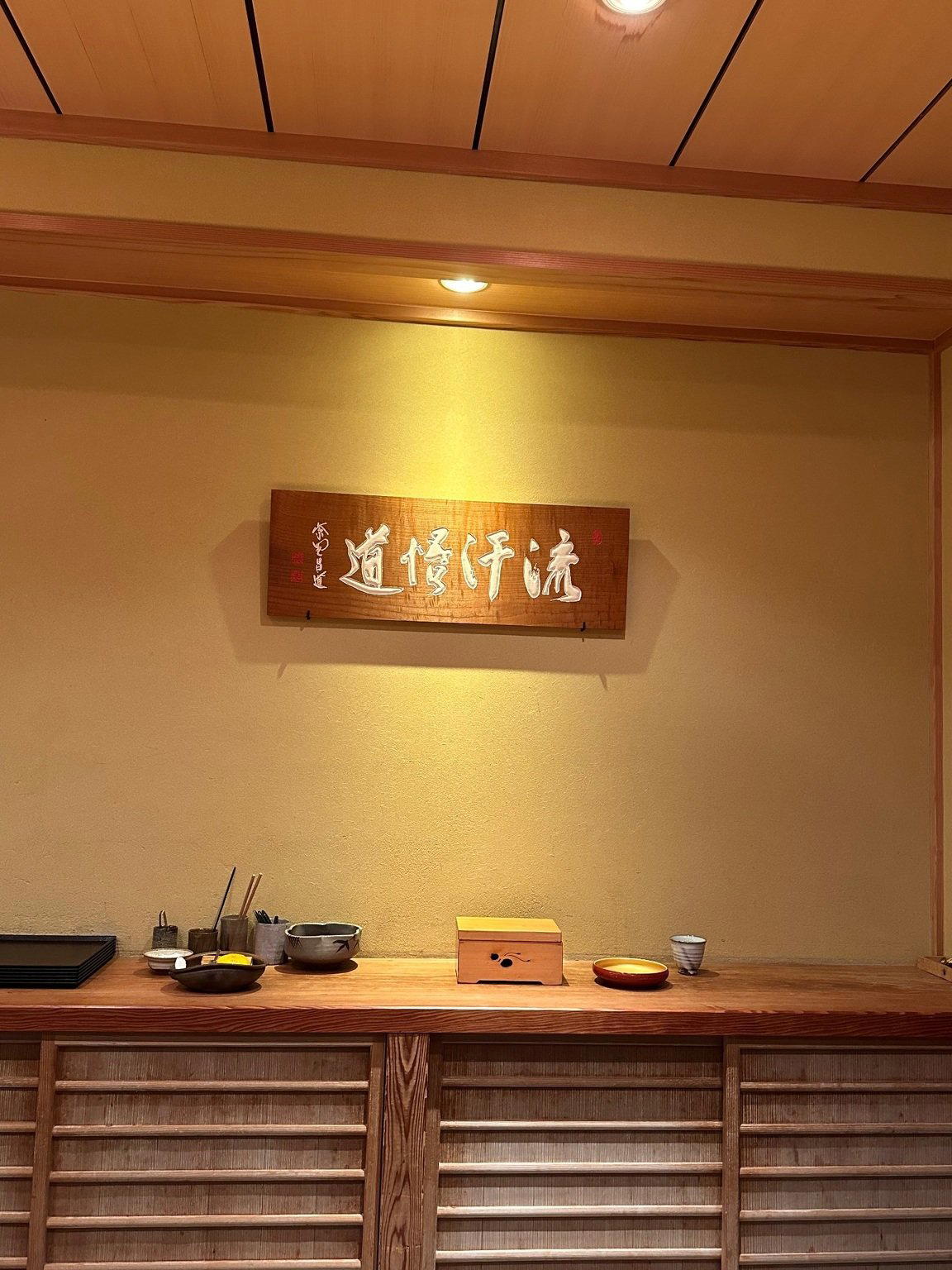
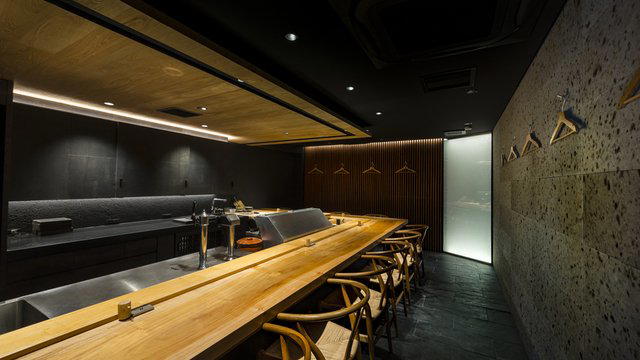
The room is described in Japanese listings through a Showa-era atmosphere, and that matters because gyoza shops in Kyushu often carry their authority through age, patina, and pace rather than design. This is not the language of a hotel dining room or a chef-led counter built for performance. It is closer to the after-work circuit: dumplings, sake or shochu, quick decisions, and the kind of seating arrangement that makes solo dining feel normal rather than improvised.
That casualness should not be mistaken for looseness. Tabelog’s score of 3.74 and repeated Dumplings 100 selections place the shop above ordinary convenience dining while preserving the price logic of a local counter. The point is the gap between recognition and formality. Many travelers chase Japanese food through omakase, kaiseki, and reservation-only rooms; Kurume’s gyoza scene argues for another version of seriousness, one built on a small bill, a narrow craft, and a room that does not over-explain itself.
Within Kurume, that puts the restaurant alongside a wider set of compact, single-purpose addresses rather than formal restaurants. Maruboshi Ramen gives another reading of the city’s appetite for specialists, while Mitsuya Stand sits in the same low-spend bracket as Goju Ban. For a broader city scan, Our full Kurume restaurants guide is the useful companion; travelers building a fuller trip can also map the city through Our full Kurume hotels guide, Our full Kurume bars guide, Our full Kurume wineries guide, and Our full Kurume experiences guide.
How to read the meal in context
For travelers moving through Fukuoka Prefecture, the smart frame is not “destination restaurant” in the grand sense. It is a precision stop inside a city where everyday formats carry real culinary identity. The restaurant’s counter-only setup, no-smoking policy, take-out availability, and family-friendly listing all point to a practical neighborhood role, while the awards history gives outside confirmation that the dumplings have travelled beyond local word of mouth.
The absence of an official website also fits the genre. Many small Japanese specialists are easier to understand through their operating pattern than through polished digital presentation. Here, the decision is simple: go for gyoza, expect a compact room, and treat the meal as part of Kurume’s casual food architecture rather than a long evening built around courses.
Readers comparing Japanese regional dining beyond Kurume can use contrast to sharpen the point. Dharmasagara shows another side of Fukuoka-area dining, while city-specific addresses such as -Grilled beef Sukiyaki- KAMAKURA TANUKIAN 鎌倉 たぬき庵 in Kamakura. 鮪と炭火焼き うお炭 秋葉原店 in Tokyo.cafe in Osaka.know in Kumamoto, (Shoku) Vietnam in Kawasaki, and [Curry Senmon Ten] Maruyama Kyoju. in Sapporo show how narrow formats can define a meal without relying on ceremony. Further afield, Jōdo Saké Bar in Los Angeles and Onigiri Time in Pasadena underline the same editorial lesson: Japanese casual food travels well when the format stays disciplined.
The critical value of the restaurant is its proportion. A ten-seat dumpling counter with repeated Tabelog 100 Dumplings recognition says more about Kurume than a grander room might. It shows how a city’s food identity can sit in modest formats, where ingredient handling, turnover, and habit matter more than spectacle.
Side-by-Side Snapshot
Comparable venues by cuisine and price in the same metro.
| Venue | Cuisine | Price | Notes |
|---|---|---|---|
| Goju Ban | Classic gyoza & dumpling house | $ | Higashimachi |
| Tachibana Udon | Traditional Kurume udon shop | $ | Higashi Aikawa / near Kurume Interchange |
| Gyoza Nyannyan | Traditional Japanese gyoza shop | $ | Mutsumonmachi |
| Hitokuchi Gyoza Tenya | Kurume gyoza izakaya | $ | .null |
| Maruboshi Ramen | Kurume-style tonkotsu ramen | $ | / Kurume |
| Dharmasagara | Authentic South Indian Restaurant | $$ | Tanushimaru-machi |
Recognition history
Dated appearances from independent guides and award organizations, with the underlying list record or original source where available.
Tabelog 100 #1 · No. 1
Tabelog · Tabelog 100 - Dumplings - 2024

At a Glance
- Cozy
- Classic
- Lively
- Casual Hangout
- After Work
- Solo
- Family
- Group Dining
- Standalone
- Historic Building
- Beer Program
Current opening hours
- Monday
- Closed
- Tuesday
- 5–8:30 PM
- Wednesday
- 5–8:30 PM
- Thursday
- 5–8:30 PM
- Friday
- 5–8:30 PM
- Saturday
- 5–8:30 PM
- Sunday
- 5–8:30 PM
Hours can change for holidays and private events. Last verified .
A compact, no-smoking neighborhood gyoza shop with a nostalgic Showa-era feel, bright but simple interiors, and a casual, bustling atmosphere centered on hot dumplings and drinks in the evening.