Our verdict
Shoyu broth, straight-cut noodles, chashu, and menma: the bowl at 栄楽 follows the template of old-school chūka soba with little apparent interest in revision. That fidelity to a pre-bubble aesthetic is the point. The Hojo district of Tsukuba sits well outside the city's research-campus core, and the restaurant reads as a neighbourhood fixture rather than a destination engineered for visitors — the kind of place where the format has been settled for decades and the regulars order without looking at the menu. The style is sometimes described as Shōwa-era Chinese noodles, a shorthand that signals soy-forward soup, modest portions of familiar toppings, and an interior that has not been renovated for atmosphere. That framing places 栄楽 in a specific lineage of Japanese ramen that predates the contemporary broth-obsession era, closer in spirit to a working lunch counter than to the ticketed ramen destinations that now attract queues in Tokyo and Fukuoka. Tsukuba's Hojo area is a quieter, more residential corner of the city, and a restaurant here draws almost entirely from the surrounding community rather than from the academic or tech population concentrated near Tsukuba Center. For travellers already in the region, that local character is the relevant context: 栄楽 is not a ramen shop built around a concept or a chef's biography, but one that appears to have earned its place through consistency in a neighbourhood that does not generate much food-media coverage.

Pearl is the En Primeur Club membership app — saves, bookings, and concierge access live there. Same editors, same standards.
- Address
- 北条4315, つくば市, 茨城県, 300-4231
- Hours
- Mon–Sat 11 AM–2 PMSun Closed
- Directions
- Get directions
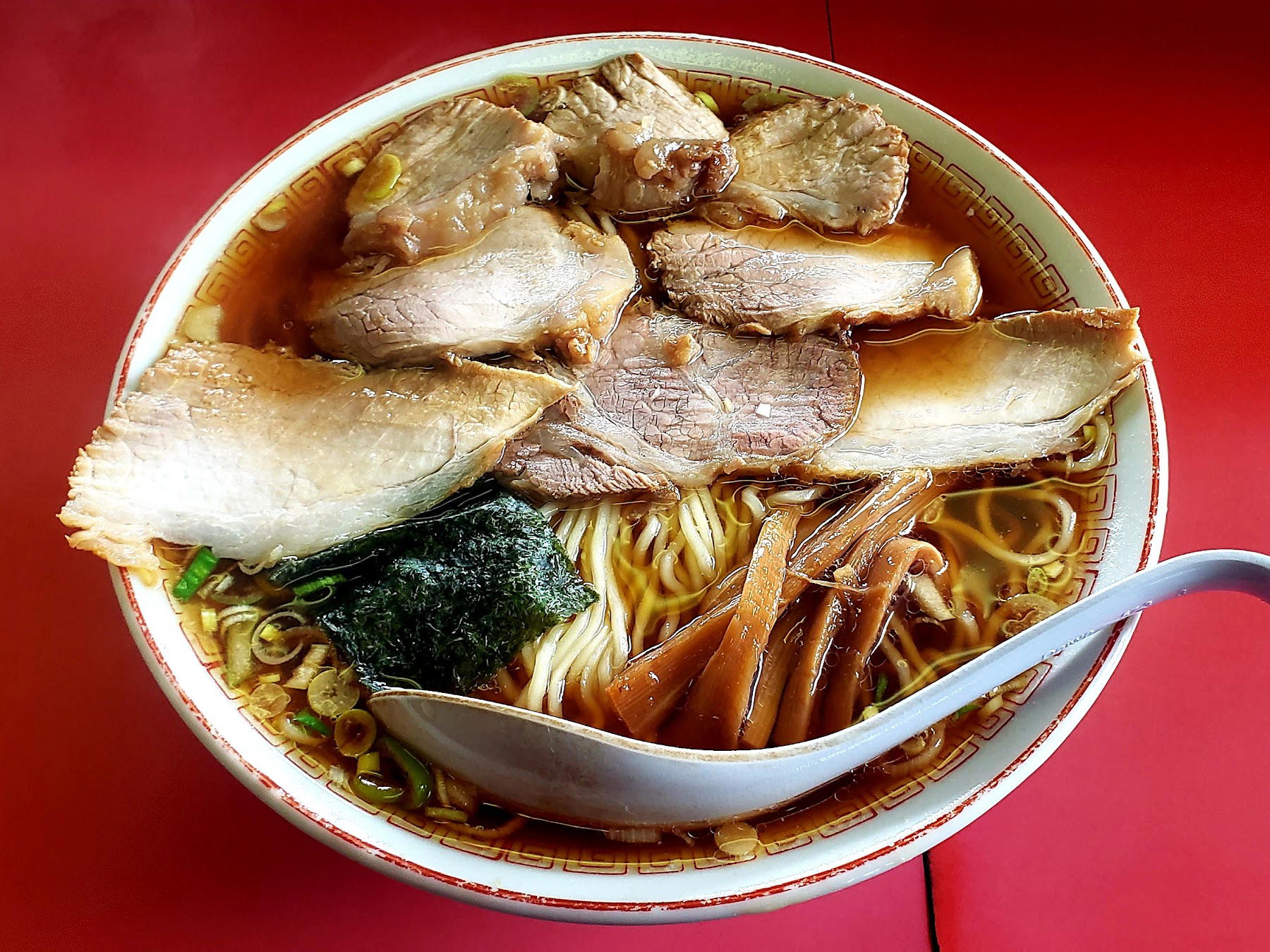
The menu
What to order
- チャーシュー麺
- ワンタン麺
- 中華丼
Shoyu broth, straight-cut noodles, chashu, and menma: the bowl at 栄楽 follows the template of old-school chūka soba with little apparent interest in revision. That fidelity to a pre-bubble aesthetic is the point. The Hojo district of Tsukuba sits well outside the city's research-campus core, and the restaurant reads as a neighbourhood fixture rather than a destination engineered for visitors — the kind of place where the format has been settled for decades and the regulars order without looking at the menu.
The style is sometimes described as Shōwa-era Chinese noodles, a shorthand that signals soy-forward soup, modest portions of familiar toppings, and an interior that has not been renovated for atmosphere. That framing places 栄楽 in a specific lineage of Japanese ramen that predates the contemporary broth-obsession era, closer in spirit to a working lunch counter than to the ticketed ramen destinations that now attract queues in Tokyo and Fukuoka.
Tsukuba's Hojo area is a quieter, more residential corner of the city, and a restaurant here draws almost entirely from the surrounding community rather than from the academic or tech population concentrated near Tsukuba Center. For travellers already in the region, that local character is the relevant context: 栄楽 is not a ramen shop built around a concept or a chef's biography, but one that appears to have earned its place through consistency in a neighbourhood that does not generate much food-media coverage.
Comparable Venues Nearby
Comparable venues nearby, for context on price, style, and recognition.
| Venue | Cuisine | Price | Awards | Notes |
|---|---|---|---|---|
| 栄楽This venue — the venue you are viewing | Chinese Ramen | $1–10 | Not listed | Not listed |
| La Ciccia | Italian Trattoria | $30–50 | Not listed | Onozaki |
| david pain | Bakery Cafe | $1–10 | Tabelog 100 #62 | Makizono, Tsukuba |
| Sumibi Hamburger steak Nikuyaki Tei | Charcoal-grilled Japanese Hamburg & Beef Tendon Curry | $10–20 | Tabelog 100 #51 | Tsukuba |
| Bon Gout | Basque & Spanish Bistro and Wine Bar | $30–50 | Tabelog 100 #24 | Ninomiya |
| Sichuan Mararajusshoku | Sichuan Hotpot | $20–30 | Tabelog 100 #9 | Tsukuba |
Continue exploring
More in Tsukuba
Restaurants in Tsukuba
Browse all →





Details
- Cozy
- Casual Hangout
- A La Carte
Current opening hours
- Monday
- 11 AM–2 PM
- Tuesday
- 11 AM–2 PM
- Wednesday
- 11 AM–2 PM
- Thursday
- 11 AM–2 PM
- Friday
- 11 AM–2 PM
- Saturday
- 11 AM–2 PM
- Sunday
- Closed
Hours can change for holidays and private events. Last verified .
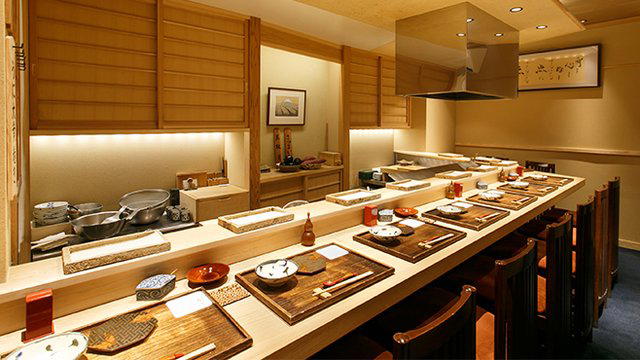
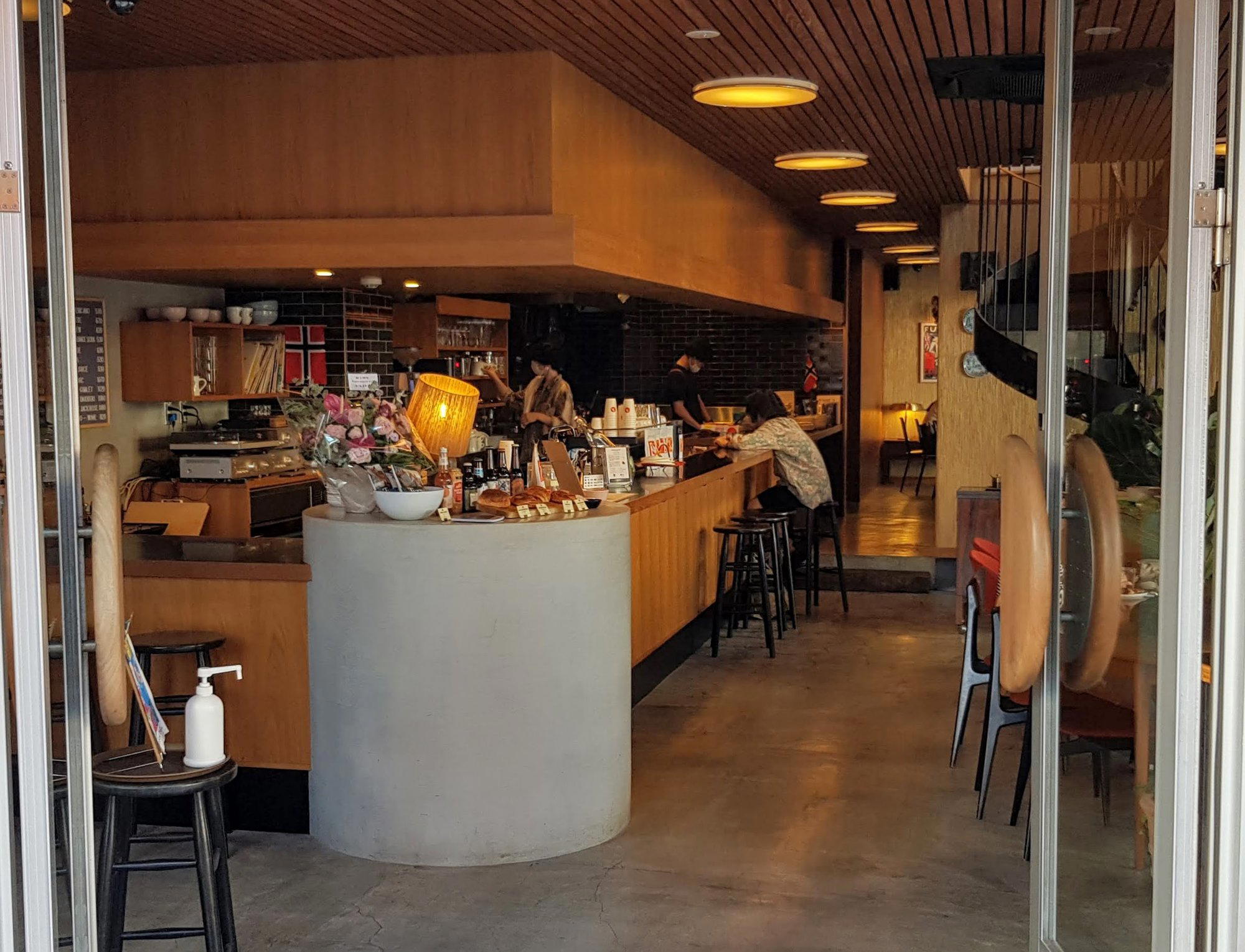
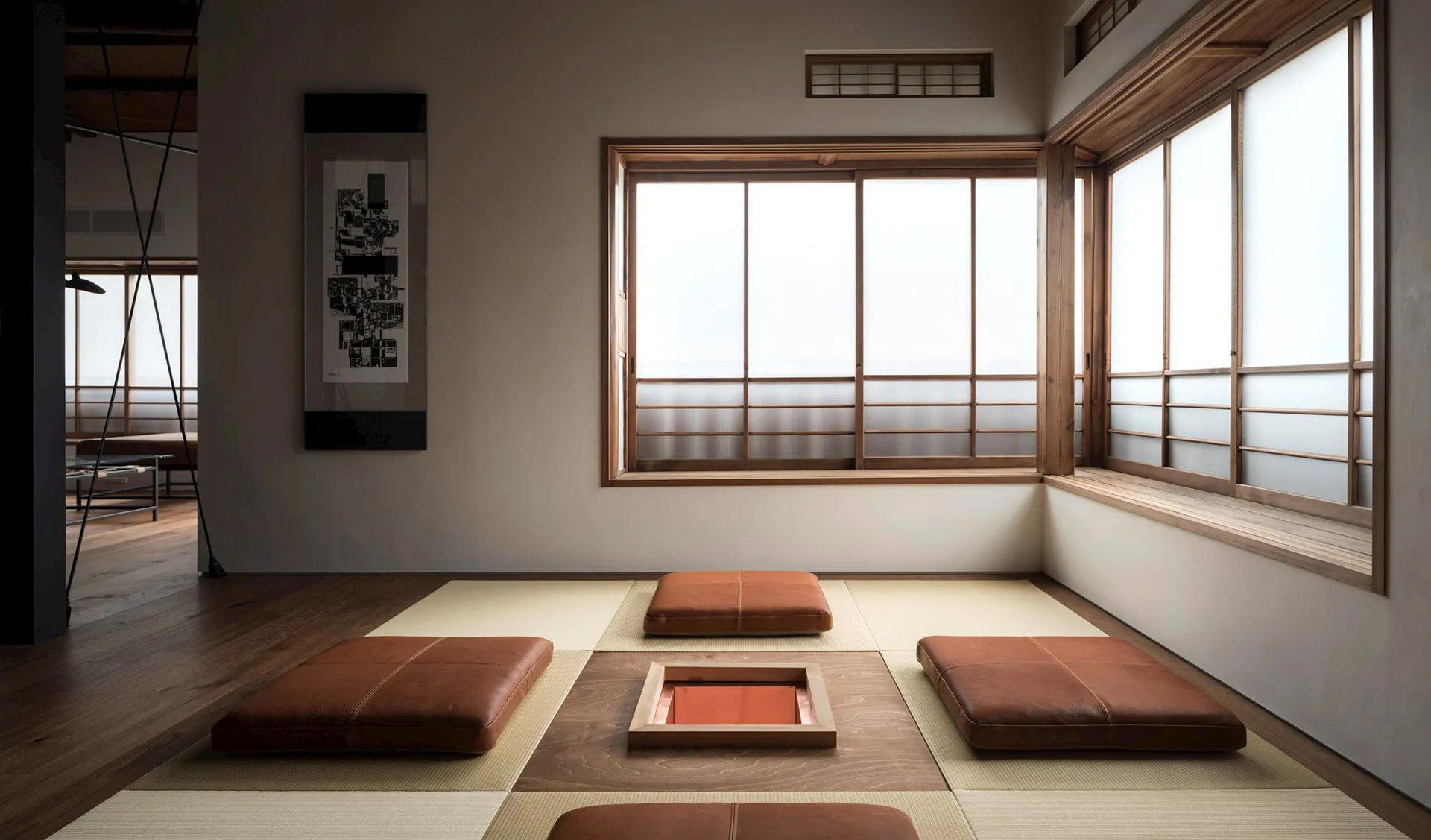
ディープで味のある店内雰囲気、地元客で賑わうカジュアルな空間。