On a quiet stretch of Lützowstraße in Berlin's Tiergarten district, Humble occupies a position among the city's more considered fine-dining addresses. The kitchen operates within a Berlin scene that increasingly prizes collaborative, front-to-back service over individual star power, placing it alongside peers like Rutz and Nobelhart & Schmutzig in the city's €€€€ tier. Booking ahead is advisable for weekend sittings.
Pearl is the En Primeur Club membership app — saves, bookings, and concierge access live there. Same editors, same standards.
- Address
- Lützowstraße 19, 10785 Berlin, Germany
- Phone
- +4917672026825
- Website
- url
- Directions
- Get directions
 Saves & bookings on Pearl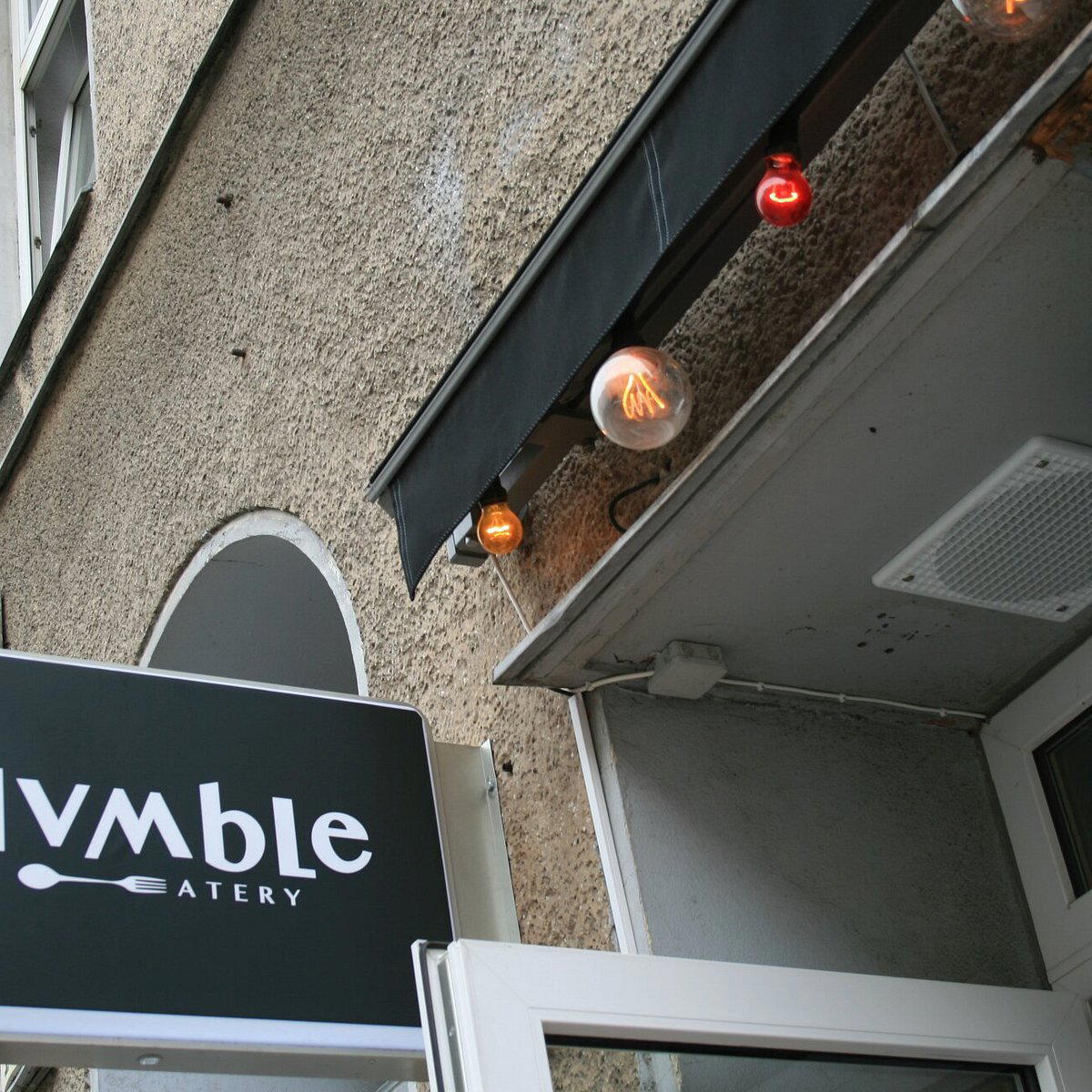
Lützowstraße and the Tiergarten Dining Corridor
Humble is a Thai-Vietnamese fusion bowls restaurant at Lützowstraße 19, 10785 Berlin, Germany. Berlin's fine-dining geography has never been as centralised as Paris or Tokyo. Serious restaurants spread across Mitte, Prenzlauer Berg, Kreuzberg, and the quieter residential corridors that border the Tiergarten. Lützowstraße 19 sits in the latter category: a stretch where the pace drops, the foot traffic thins, and the restaurants that do operate here tend to rely on word-of-mouth and repeat visitors rather than passing trade. That location signals something about the kind of operation Humble runs. This is not a restaurant built around visibility. It is built around the people who already know to look for it.
The broader Tiergarten-adjacent dining belt has attracted a particular kind of operator over the past decade: kitchens that prioritise craft over spectacle, dining rooms that resist the high-contrast industrial aesthetic that defined Berlin's earlier restaurant wave. In that context, a name like Humble is either a statement of intent or a provocation, depending on how seriously the kitchen backs it up.
Berlin's Collaborative Fine-Dining Model
One durable shift in Berlin's upper-tier restaurant culture over the past several years has been a move away from the single-chef-as-auteur model toward something more distributed. At addresses like Rutz and Nobelhart & Schmutzig, the wine program and front-of-house philosophy carry as much editorial weight as the kitchen output. The sommelier is not an afterthought; the floor team's knowledge of producers, regions, and pairings is part of the proposition. Guests who arrive expecting to engage only with the food find themselves drawn into a broader conversation about sourcing, season, and the logic behind each pairing.
Humble operates as a casual, walk-in-friendly restaurant within this same structural model. The team dynamic, the interplay between kitchen, cellar, and floor, is where the restaurant's identity is most legible. In a city where FACIL delivers polished contemporary European technique inside the Mandala Hotel and CODA Dessert Dining has built a globally recognised format around a dessert-led tasting menu, the restaurants that avoid easy categorisation tend to define themselves through service coherence rather than a single signature idea. The question for any kitchen on Lützowstraße is whether the floor can match the ambition of the plates, and whether the wine selection reinforces or merely accompanies the food.
Where Humble Sits in Berlin's €€€€ Tier
Berlin's premium dining tier is more compressed than its international reputation might suggest. The city has fewer Michelin-starred addresses per capita than Munich or Hamburg, and the starred restaurants that do operate here face a local market that is historically price-sensitive compared to Frankfurt or Düsseldorf. That dynamic has pushed Berlin's better kitchens toward either a strong local-sourcing identity (as at Nobelhart & Schmutzig, with its radical regional-only sourcing policy) or a technically ambitious international approach (as at Restaurant Tim Raue, with its China-referencing cuisine).
Humble's position in that tier is worth mapping against its immediate peers. The comparison table below places it alongside the Berlin addresses most likely to attract the same guest profile.
| Venue | Style | Price Tier | Notable Credential |
|---|---|---|---|
| Humble | Fine Dining, Tiergarten | €€€€ | Collaborative team format |
| Rutz | Modern European | €€€€ | Two Michelin stars, sommelier-led |
| Nobelhart & Schmutzig | Modern German, Creative | €€€€ | One Michelin star, strict regional sourcing |
| FACIL | Contemporary European | €€€€ | Two Michelin stars, hotel setting |
| CODA Dessert Dining | Creative, dessert-led | €€€€ | Two Michelin stars, distinctive format |
Against that comparable set, Humble's distinguishing characteristic is its address and its apparent resistance to high-concept positioning. Where CODA has a format thesis and Nobelhart & Schmutzig has a sourcing manifesto, a restaurant named Humble on a quiet side street is making a different kind of argument: that restraint and coherence can carry a dining room without a high-volume signature concept.
The German Fine Dining Context Beyond Berlin
For guests building a broader German fine-dining itinerary, Berlin represents only one node in a network that extends considerably further. Aqua in Wolfsburg and JAN in Munich each operate at the upper reaches of the country's Michelin recognition. The Black Forest delivers Schwarzwaldstube in Baiersbronn, while the Rhineland has Vendôme in Bergisch Gladbach. Further afield, ES:SENZ in Grassau, Victor's Fine Dining by Christian Bau in Perl, and Waldhotel Sonnora in Dreis round out the country's most decorated addresses. Hamburg contributes Restaurant Haerlin, while the Moselle region offers Schanz in Piesport and Bagatelle in Trier.
Internationally, guests comparing Berlin's collaborative service model to global peers might look to Le Bernardin in New York City, where front-of-house discipline matches kitchen precision, or Atomix in New York City, where team presentation is integral to the format. The throughline across all these addresses is that service coherence, not merely kitchen output, separates the memorable from the merely accomplished. For the full picture of where Humble sits within its home city, see our full Berlin restaurants guide.
Planning Your Visit
Lützowstraße 19 is accessible from the Kurfürstenstraße U-Bahn station on the U1 line, placing it within fifteen minutes of most central Berlin accommodation. The Tiergarten corridor is quieter than Mitte or Kreuzberg at dinner time, which means street parking is more viable than at the city's more central addresses. For restaurants in this tier across Berlin, weekend sittings at preferred times book out two to four weeks in advance; contacting the venue directly early in the week for a Friday or Saturday table is the practical approach. Shoulder-season timing (late January through March, and again in November) generally offers more flexibility than the summer months, when Berlin's hotel occupancy peaks and the city's fine-dining rooms see heavier international demand.
Comparable Options
Comparable venues nearby, for context on price, style, and recognition.
| Venue | Cuisine | Price | Notes |
|---|---|---|---|
| HumbleThis venue — the venue you are viewing | Thai-Vietnamese Fusion Bowls | $ | Not listed |
| CRACKBUNS | Japanese-American Burger Sliders | $$ | Kreuzberg |
| Sahara Imbiss | Sudanese Falafel Imbiss | $ | Schoneberg |
| Curry Baude | Traditional Berlin Currywurst | $ | Gesundbrunnen |
| Salsabil 2. | Lebanese | $ | Prenzlauer Berg |
| Marthas Delicious Burgers | American Burgers | $ | Kreuzberg |
Continue exploring
More in Berlin
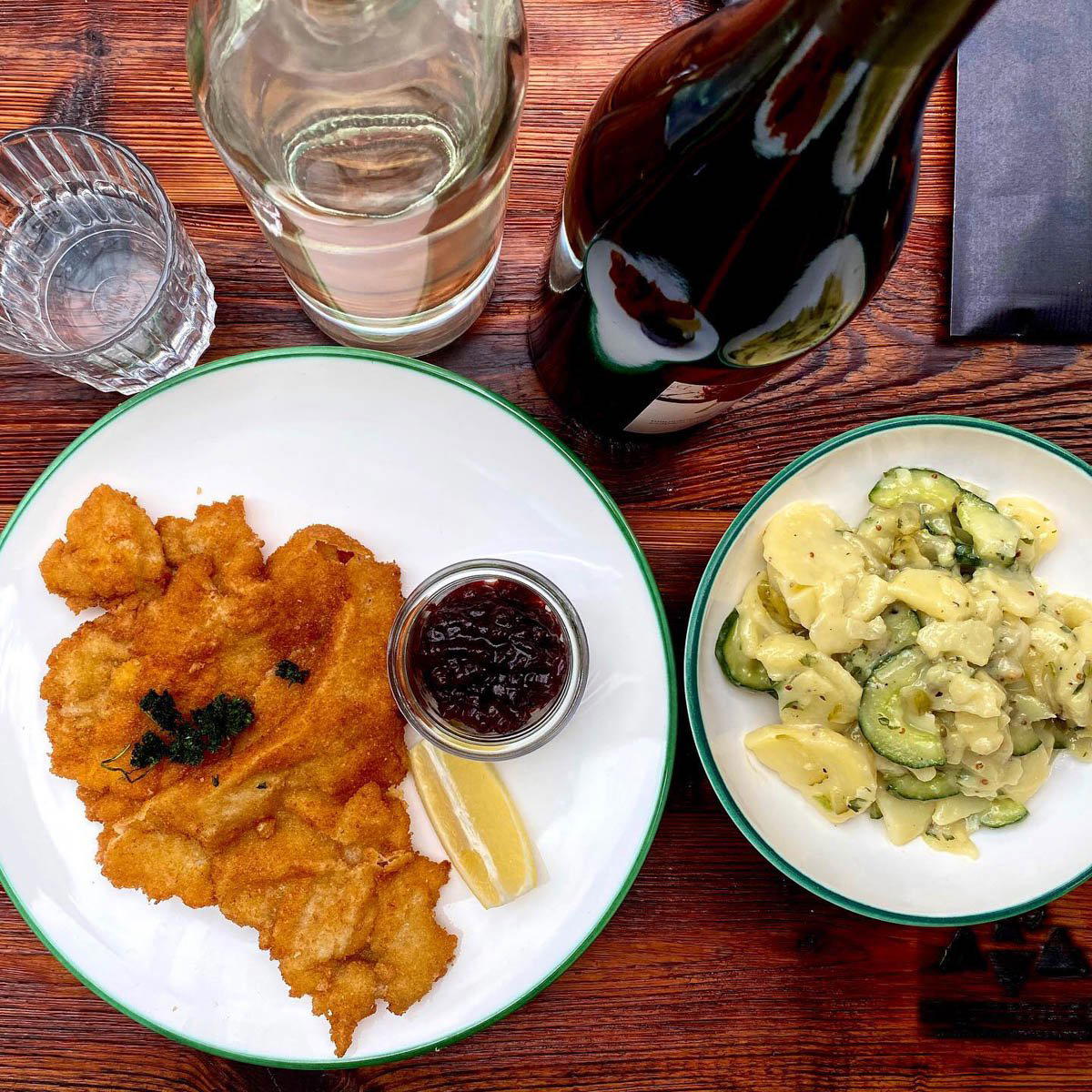
Restaurants in Berlin
Browse all →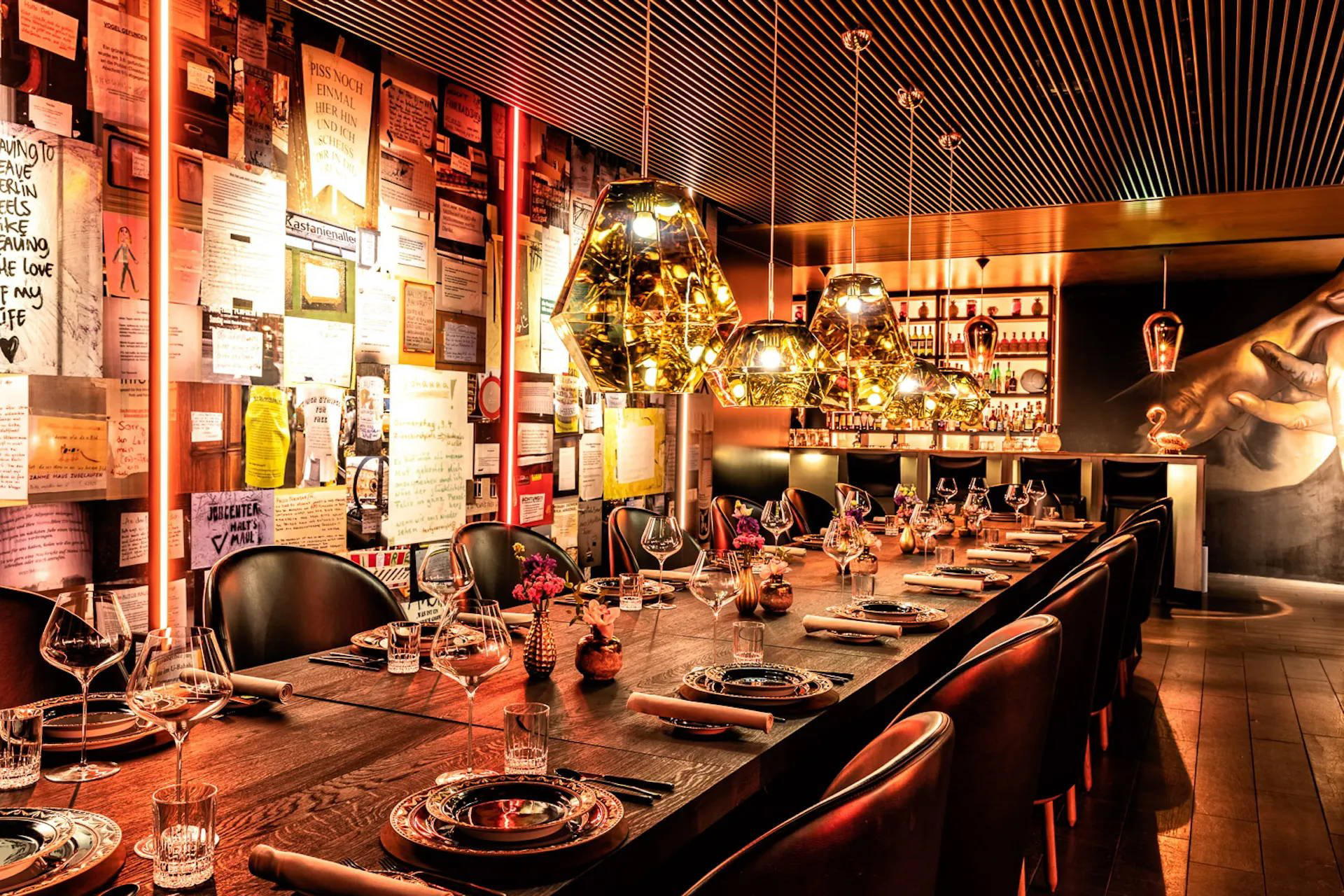
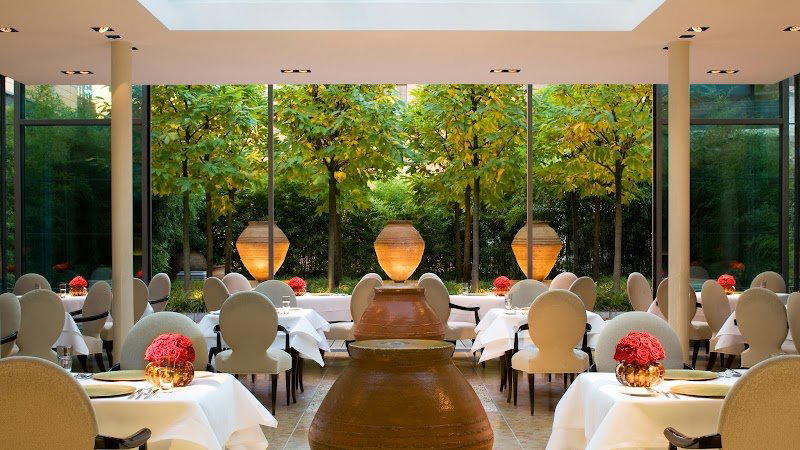
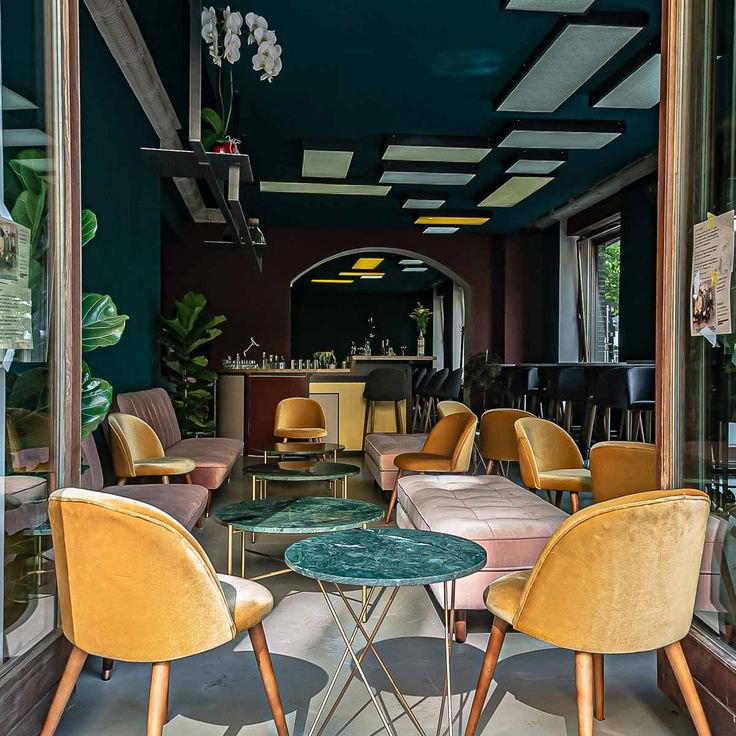
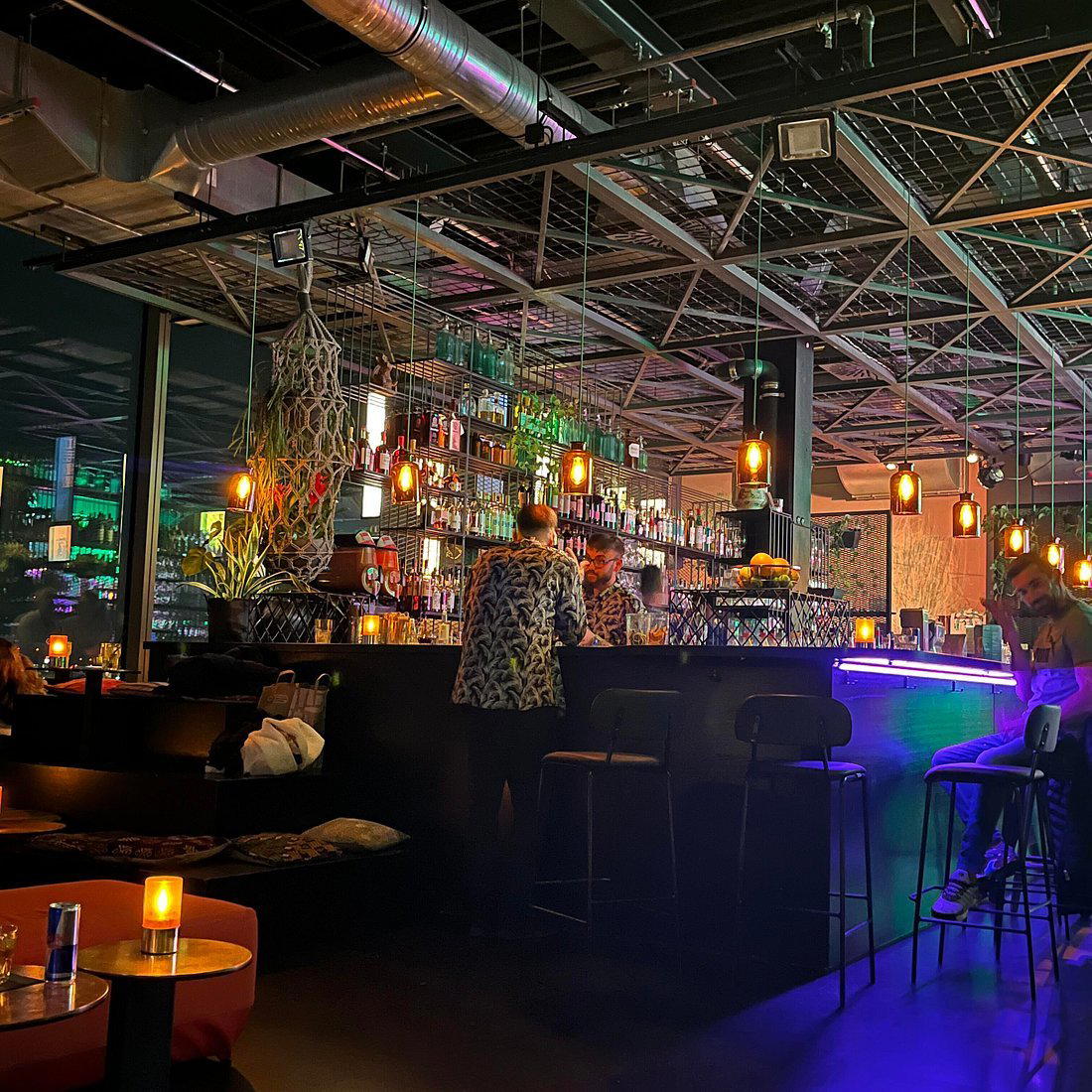
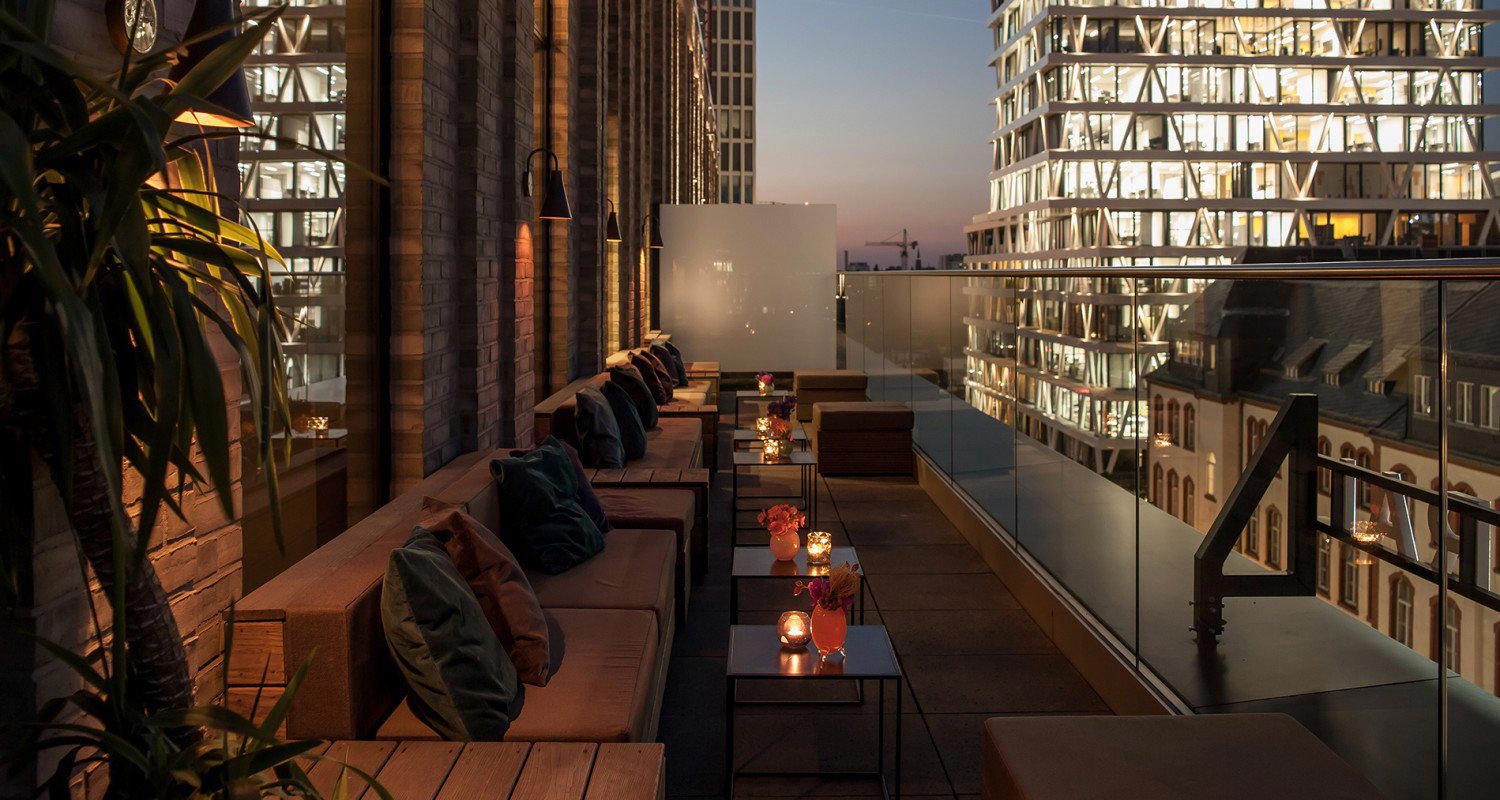
Bars in Berlin
Browse all →
Hotels in Berlin
Browse all →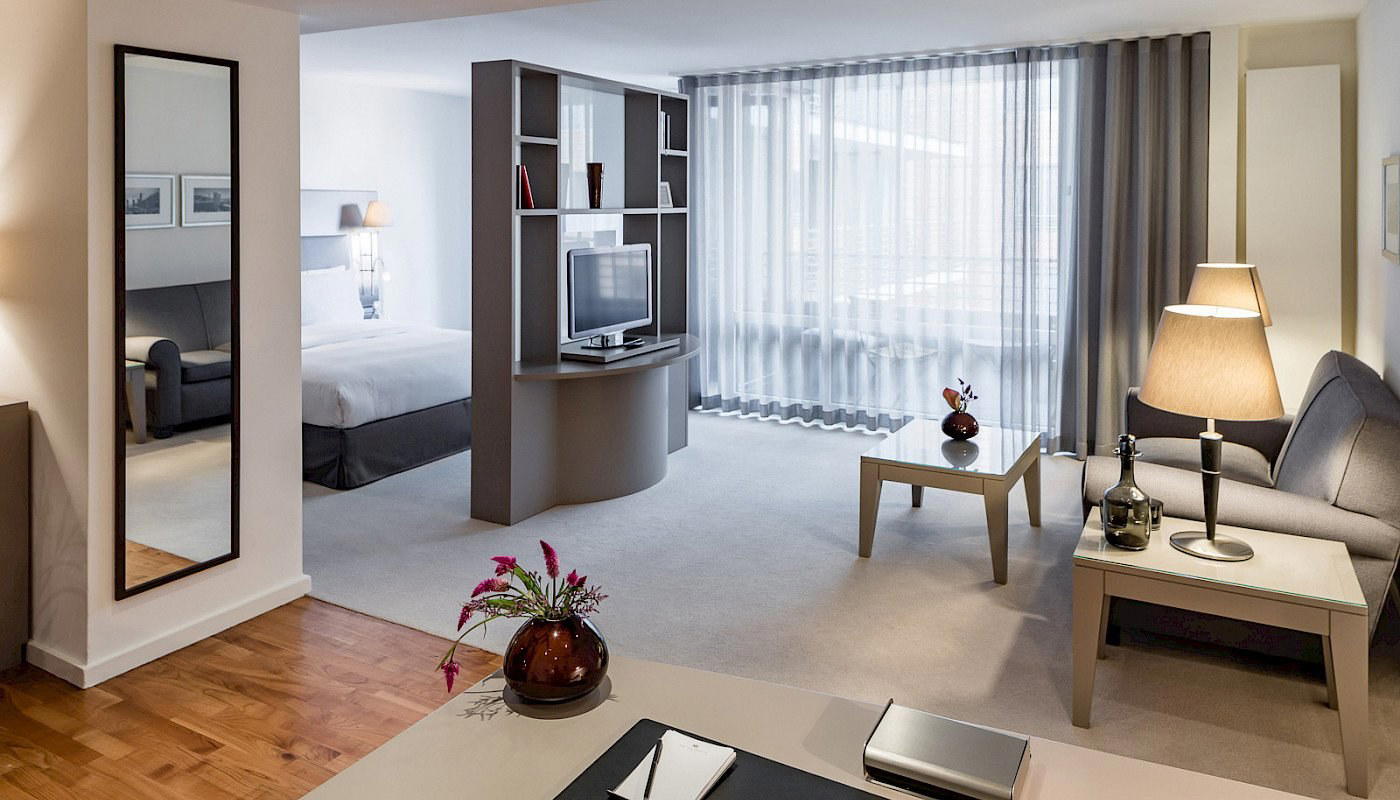

At a Glance
- Cozy
- Modern
- Trendy
- Casual Hangout
Current opening hours
- Monday
- 11 AM–4 PM
- Tuesday
- 11 AM–4 PM
- Wednesday
- 11 AM–4 PM
- Thursday
- 11 AM–4 PM
- Friday
- 11 AM–4 PM
- Saturday
- Closed
- Sunday
- 1–7 PM
Hours can change for holidays and private events. Last verified .
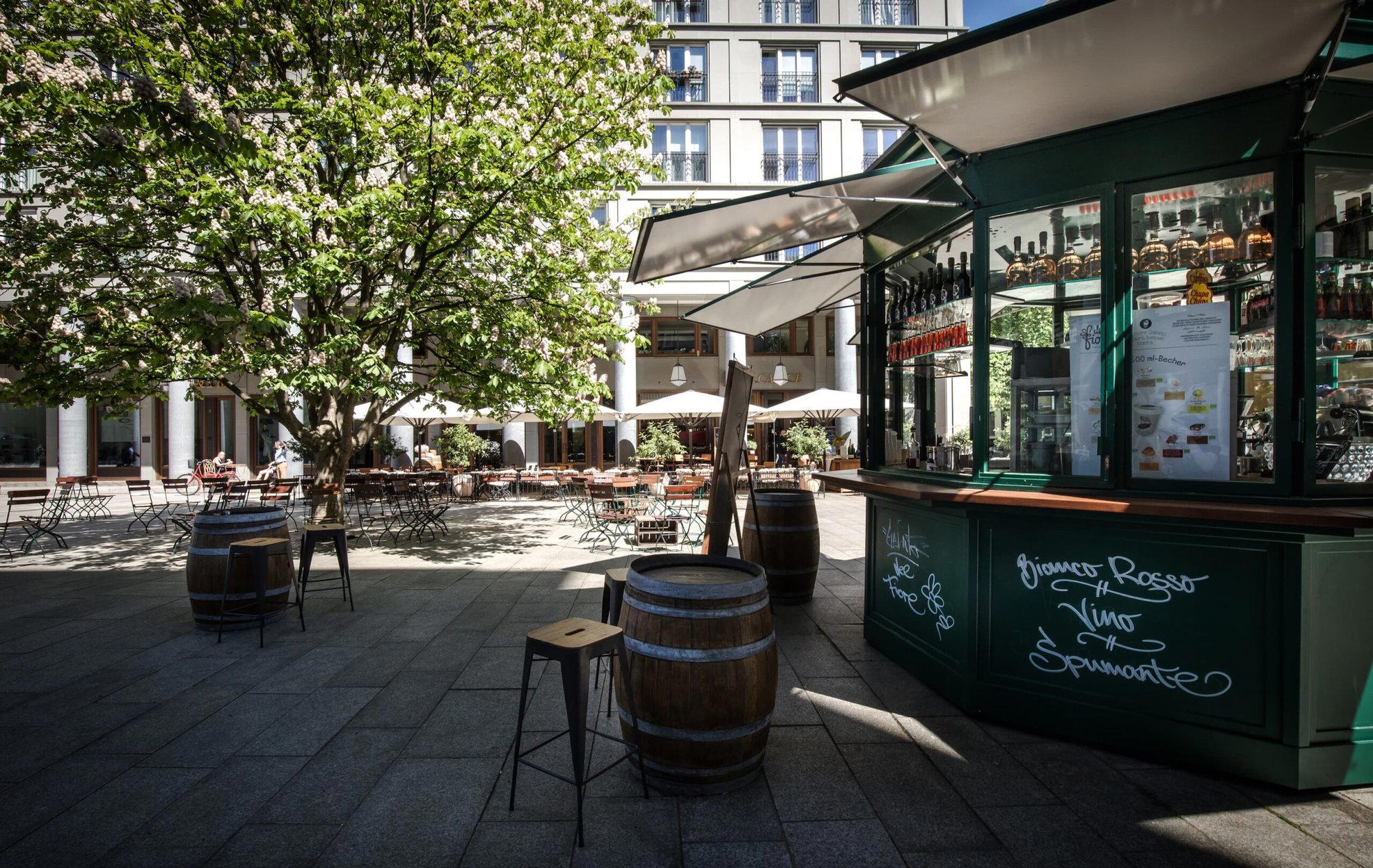
Relaxed and friendly atmosphere on a quiet street with outdoor seating and a health-conscious vibe.