Our verdict
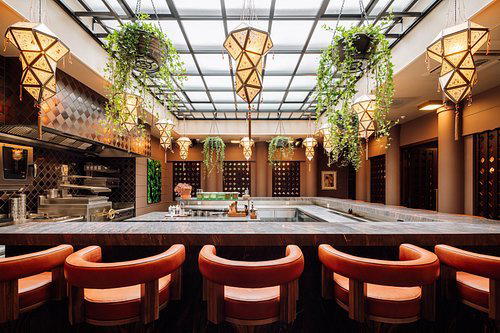
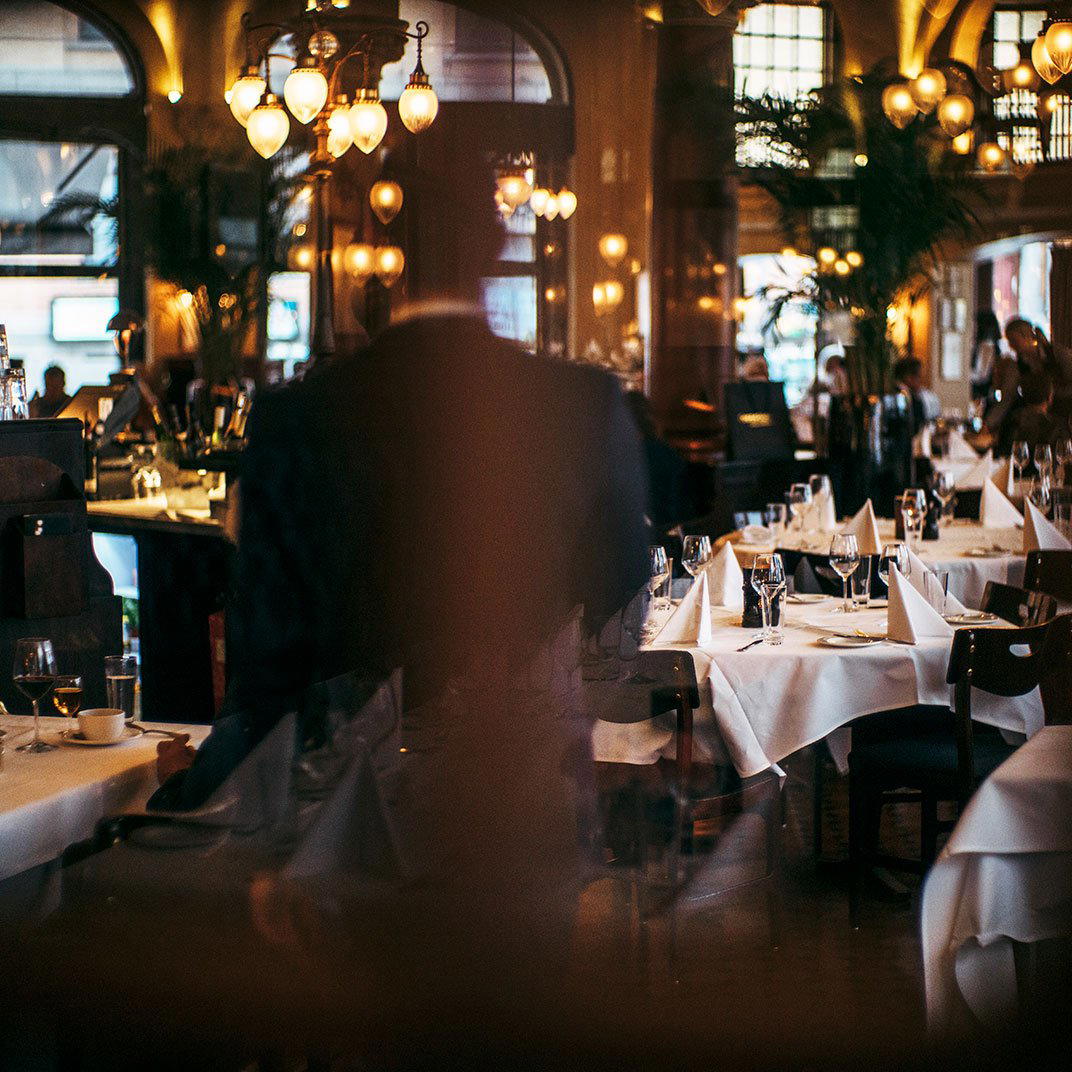
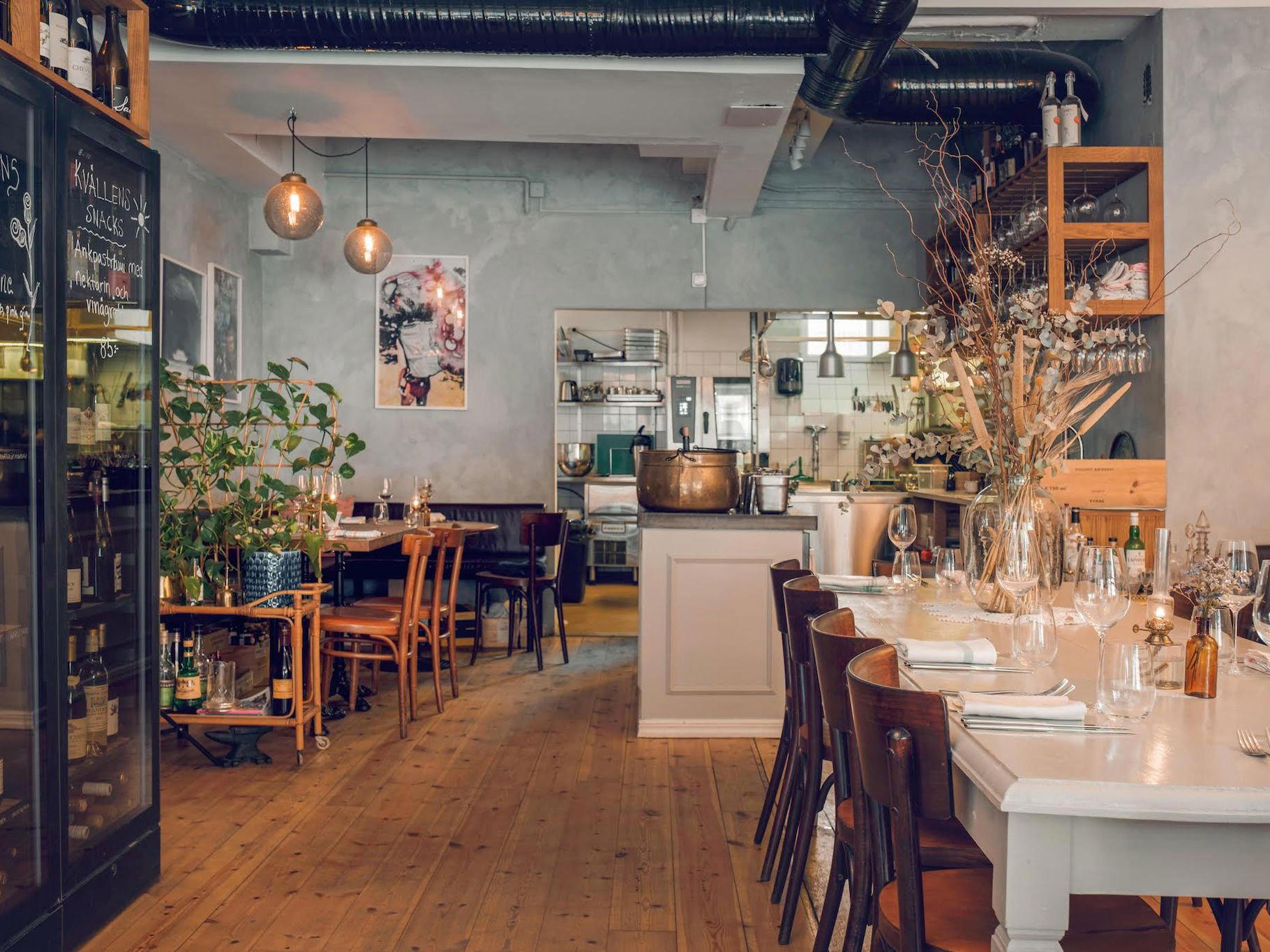
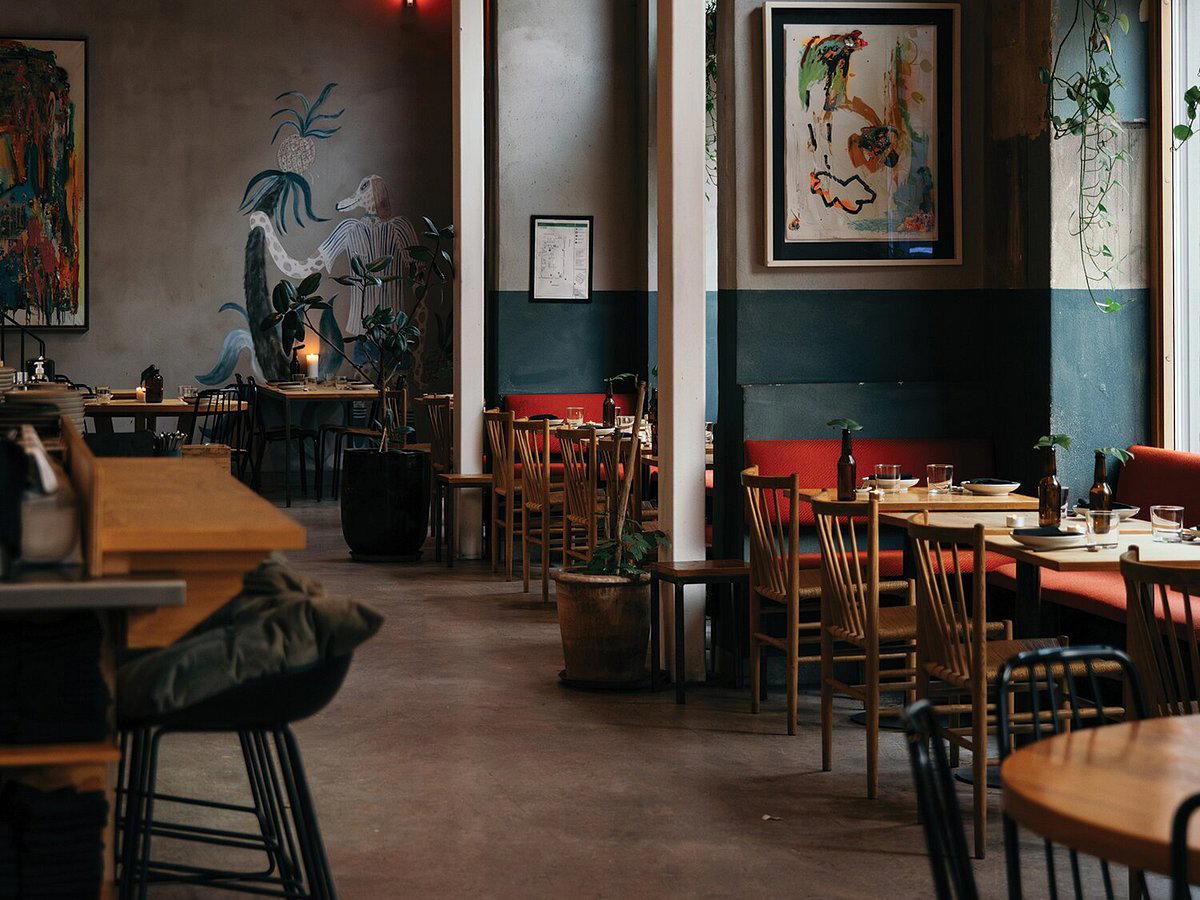
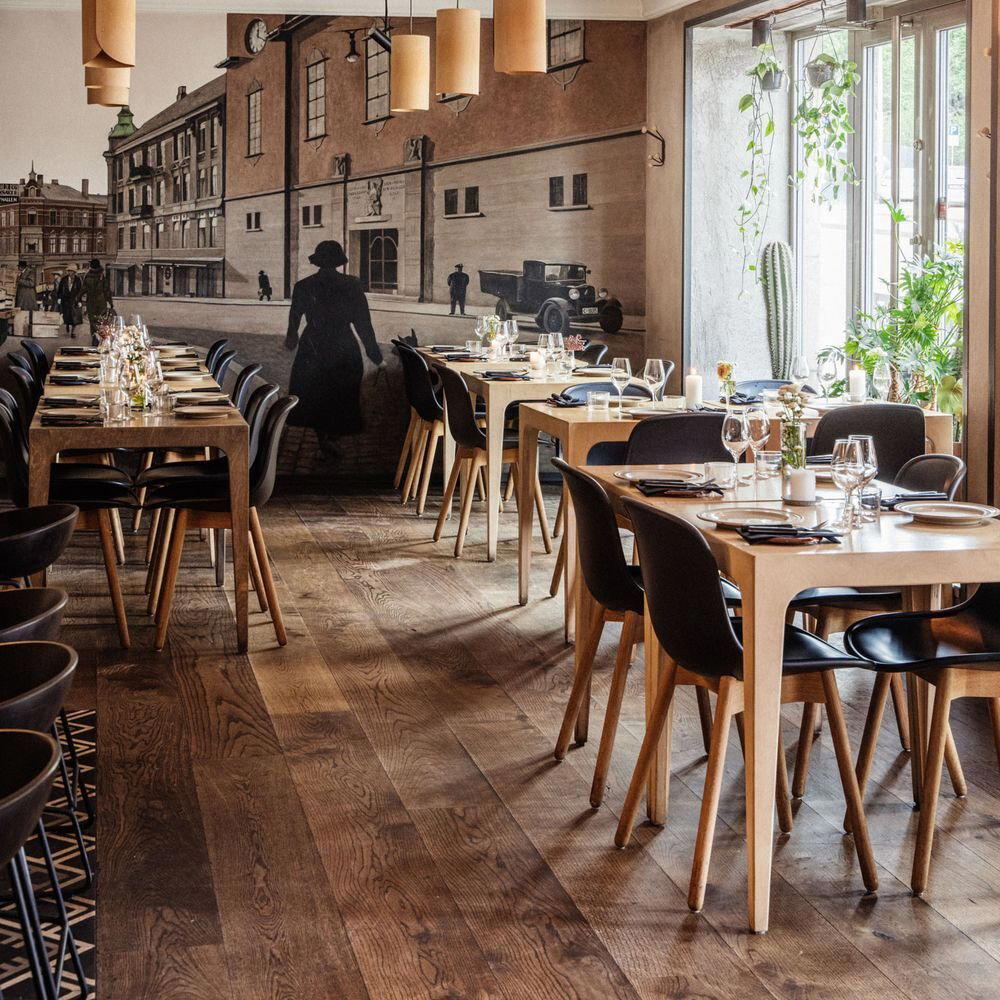
Hos Thea occupies a quiet residential address in Frogner, one of Oslo's more composed western neighbourhoods, where the dining room has long functioned as a neighbourhood anchor for considered Norwegian cooking. The kitchen draws on local seasonal produce within a format that sits closer to a classic European bistro than the tasting-menu circuit. For visitors looking beyond Oslo's headline tasting rooms, it represents a different register entirely.

Pearl is the En Primeur Club membership app — saves, bookings, and concierge access live there. Same editors, same standards.
- Address
- Gabels gate 11, 0272 Oslo, Norway
- Phone
- +4722446874
- Hours
- Mon–Sat 5–11 PMSun Closed
- Website
- hosthea.no
- Directions
- Get directions
The menu
What to order
- Fallow deer tenderloin
- Panfried scallops
- Quail club sandwich
Frogner's Quieter Register
Oslo's fine-dining conversation tends to open with the same names: the multi-Michelin tasting rooms, the New Nordic flag-carriers, the places that book out months in advance and price accordingly. That conversation is worth having, and venues like Maaemo and Kontrast occupy a genuinely distinct tier of ambition and execution. But Oslo's dining character isn't reducible to that tier, and Frogner — the residential quarter running west of the Royal Palace along tree-lined streets — has always sustained a parallel tradition: the neighbourhood restaurant that earns its regulars through consistency rather than spectacle.
Hos Thea sits at Gabels gate 11, in the kind of address that announces itself through understatement. The street is residential in the way that only Oslo's wealthier western districts manage, unhurried, architecturally considered, with the city's more theatrical dining districts at a deliberate remove. Arriving here, particularly in autumn when the light in this part of the city drops early and warmly, the draw is obvious. This is a room that earns its place by being the kind of place people return to.
Where the Food Comes From
Norwegian seasonal cooking carries a logic that follows the landscape more closely than most European traditions. The country's latitude compresses growing seasons severely, which means kitchens that take sourcing seriously are necessarily cooking with a tighter, more disciplined ingredient palette than their counterparts further south. Spring brings ramps, fiddlehead ferns, and the first cold-water fish after winter. Summer accelerates quickly into berry season and peak vegetable availability. Autumn is when the real weight of the Norwegian pantry arrives: game from inland forests, root vegetables, mushrooms from forests that remain among the least commercially harvested in Europe, and the fatty cold-water fish that define the country's coastal identity.
The Norwegian approach to this seasonal rhythm differs from, say, the French in one significant respect: the tradition has less accumulated classical infrastructure around it. French seasonal cooking inherited centuries of technique for preserving, transforming, and elevating what the land produces. Norwegian cooking, particularly outside the New Nordic movement's more avant-garde expressions, often works with more directness. The ingredient is the argument. Kitchens operating in Frogner's register, neighbourhood-anchored, relationship-driven, tend to source through networks that prioritise proximity: coastal suppliers for fish, regional farms for meat and dairy, and the kind of forager relationships that serious Oslo kitchens have maintained for decades.
That sourcing philosophy sits at the opposite end of the supply chain from the global luxury ingredients that define Oslo's highest-spend tasting menus. It places Hos Thea in a different competitive set from Maaemo or the more technique-forward rooms, and closer to the kind of European neighbourhood restaurant where the menu's authority derives from what arrived that morning rather than from a fixed multi-course architecture.
The Frogner Dining Context
Frogner rewards visitors who think in neighbourhoods rather than destination addresses. The area's dining character tends toward the considered rather than the experimental, this is where Oslo residents eat on a Tuesday, not where they take visiting food journalists to make a statement. That function isn't lesser; it's different, and it sustains a set of restaurants that the city's more tourist-facing dining districts can't replicate.
The contrast with Oslo's central and east-side dining clusters is instructive. Venues like Bar Amour and Hot Shop operate in a more energetic, style-conscious register that reflects the east side's younger demographic and higher foot traffic. Frogner moves differently. The pace here is slower by design, and restaurants that succeed in this neighbourhood do so by reading their regulars accurately over years rather than by chasing trends. Mon Oncle, working in a French-leaning register nearby, reflects a similar neighbourhood logic: the cooking is the point, not the concept.
Norwegian Coastal Sourcing and Why It Matters
Norway's position as a seafood-producing nation is not incidental to how its kitchens cook. The country's coastline stretches over 25,000 kilometres, and the cold, deep waters of the Norwegian Sea and North Atlantic produce fish with a fat content and texture that distinguishes them from the same species farmed in warmer conditions. Cod, skrei (the migratory winter cod that Norwegian chefs treat with particular reverence), halibut, and shellfish from the northern fjords all carry a provenance argument that serious kitchens use explicitly.
This coastal identity connects Oslo kitchens to a wider network of Norwegian producers that extends well beyond the capital. Restaurants at the opposite end of the country's geography, from Anita's Sjomat in Lofoten to Fiskekrogen in Henningsvær and Aurora Restobar in Kirkenes, are working with the same coastal supply chains, just at the source end rather than the urban end. Understanding that network clarifies why Norwegian restaurant cooking at its most grounded doesn't need to import its ingredients to be serious. The argument is already in the water.
For a broader picture of how that sourcing logic plays out across Norway's dining circuit, the comparison with destination restaurants elsewhere in the country is useful. RE-NAA in Stavanger, FAGN in Trondheim, and Gaptrast in Bergen all operate within a Nordic ingredient philosophy that prioritises regional sourcing, even when the format and price point differ substantially from a Frogner neighbourhood restaurant.
Planning a Visit
Gabels gate 11 places Hos Thea in Frogner's western residential stretch, accessible from central Oslo by tram or a short taxi from the city centre. For visitors building a broader Oslo itinerary, our full Oslo restaurants guide maps the city's dining across neighbourhoods and price tiers. Given the neighbourhood restaurant format and the relatively contained size typical of this type of room in Oslo, booking ahead is advisable, particularly for weekend evenings. Contact and booking details should be confirmed directly, as hours and reservation formats for restaurants of this type can shift seasonally.
Visitors with dietary requirements or allergies should communicate these at the point of reservation. Norwegian kitchens operating in the seasonal-sourcing tradition often adapt menus around what's available, which can make allergy accommodation more direct in some respects and more variable in others.
Frequently asked questions
Where exactly is Hos Thea?
Hos Thea is located at Gabels gate 11, 0272 Oslo, Norway, Oslo.
How does Hos Thea compare to other Frogner restaurants in Oslo?
Frogner's dining character runs toward considered, neighbourhood-scale cooking rather than the destination tasting menus concentrated closer to Aker Brygge and Bjørvika. Hos Thea on Gabels gate 11 sits within this residential tradition, making it representative of the area's preference for repeat-visit restaurants over event dining. For visitors thinking in neighbourhoods rather than single addresses, it functions as a reference point for what Frogner cooking looks like at a local level.
What should I order at Hos Thea?
The kitchen at Gabels gate 11 follows Norwegian seasonal logic, which means the menu shifts with what coastal and inland suppliers are producing at any given time. Seafood sourced along Norway's 25,000-kilometre coastline tends to anchor the menu, as it does across Oslo's stronger kitchens. Ask staff what has come in recently rather than arriving with fixed expectations.
Should I book Hos Thea in advance?
Frogner's residential character means Hos Thea draws a loyal local crowd alongside visitors, and tables at smaller neighbourhood restaurants in Oslo typically fill mid-week as well as weekends. Booking ahead is advisable, particularly for Friday and Saturday evenings. check the venue's official channels at Gabels gate 11, Oslo 0272, to confirm current availability.
What do critics highlight about Hos Thea?
Hos Thea operates in Oslo's quieter register, away from the Michelin tasting-room circuit that dominates international coverage of the city's dining scene. The restaurant's reputation rests on consistent neighbourhood service and seasonal Norwegian cooking rather than on awards documentation. Critical attention in this category tends to come through Oslo-based food press rather than international guides.
Do they accommodate allergies at Hos Thea?
Norwegian restaurants at this address level routinely handle dietary requirements, particularly given the ingredient-led nature of seasonal cooking. Contacting Hos Thea directly before your visit is the most reliable approach, as kitchen capacity for substitutions depends on the current menu cycle. The Frogner location at Gabels gate 11 is the point of contact for specific allergy queries.
Nearby-ish Comparables
Comparable venues nearby, for context on price, style, and recognition.
| Venue | Cuisine | Price | Awards | Notes |
|---|---|---|---|---|
| Hos TheaThis venue — the venue you are viewing | French-Inspired Norwegian Bistro | $100–150 | Not listed | Not listed |
| Brasserie Coucou | French Brasserie | Not listed | Star Wine List | Ruselokka |
| Vin Tjuvholmen | European Wine Bar | Not listed | Star Wine List · World's Best Wine Lists Awards WBWL 1-Star | Aker Brygge |
| Centropa | Modern European with Scandinavian influences | $50–100 | Not listed | St. Hanshaugen |
| Dinner Restaurant | Refined Szechuan Chinese | Not listed | Not listed | Vika |