Scandic Go Grensen belongs to Oslo’s pragmatic city-hotel tier: compact, design-aware, and better understood through location logic than resort theatre.With no published public sources for awards, star rating, price, chef, or booking channel, the editorial case rests on how this address fits the capital’s wider move toward stripped-back urban stays rather than grand-hotel ceremony.
 Discover on Pearl
Pearl is the En Primeur Club membership app — saves, bookings, and concierge access live there. Same editors, same standards.
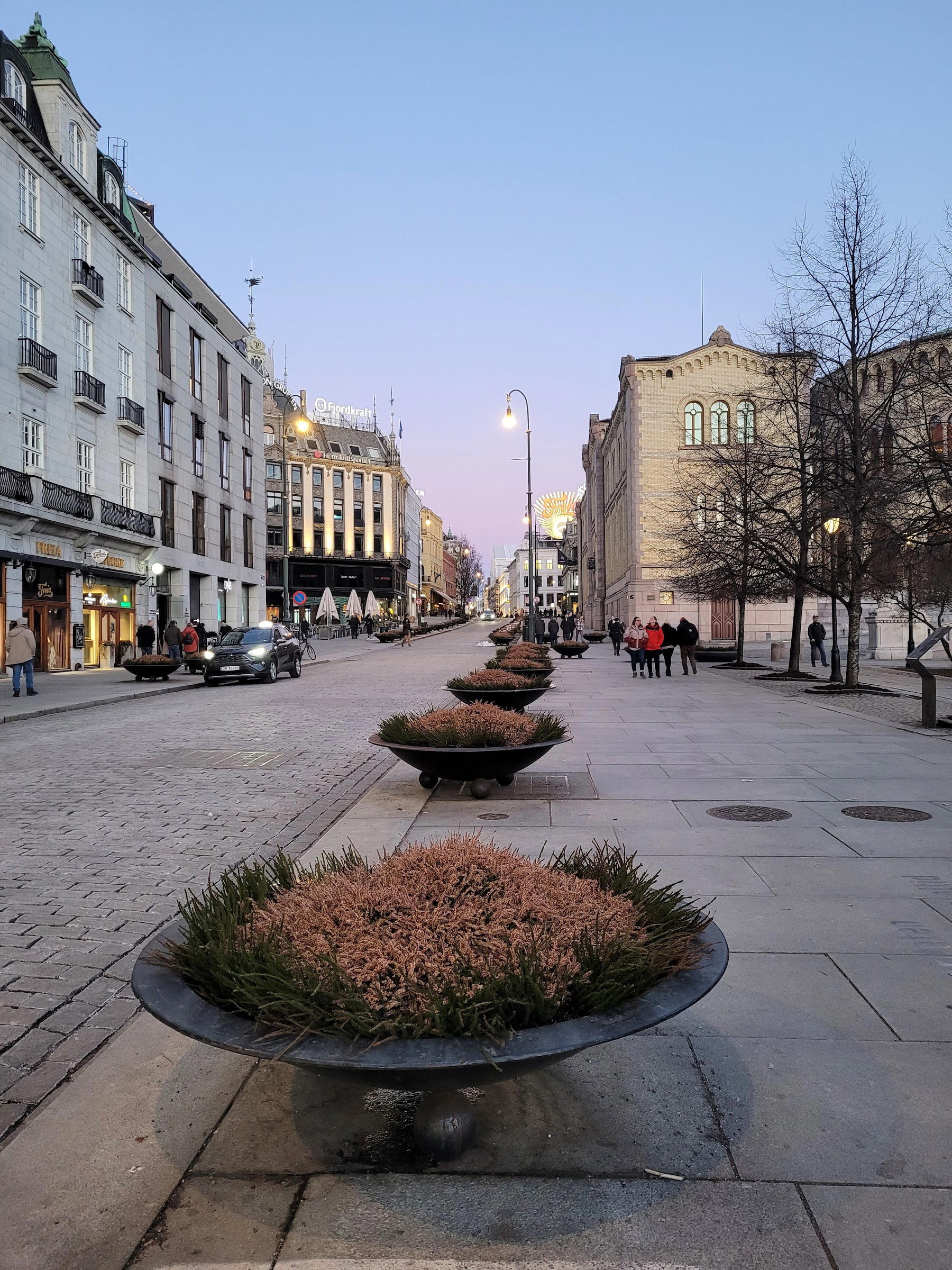
Oslo's compact-hotel mood, seen through design rather than ceremony
Approaching a central Oslo hotel is rarely about driveway drama. The city’s hospitality rhythm is set by tram stops, office frontages, shopping streets, government buildings, theatres, and short walks between neighbourhoods. In that context, the compact urban hotel has become a serious category rather than a compromise: less marble lobby, more efficient circulation; fewer rituals, more proximity to the day’s plan. Scandic Go Grensen sits inside that reading of Oslo, where the physical setting matters because it shapes how a visitor uses the city.
The relevant comparison is not a fjord resort or a heritage palace. It is the split within Oslo itself. One side of the market trades on landmark architecture, historic rooms, and public interiors built for lingering. The other works with smaller footprints, quicker check-in rhythms, and a design language closer to contemporary Nordic utility. The absence of listed awards, price range, chef, cuisine type, or published venue description in the record should be read plainly: this page cannot make claims about accolades, dining, or service rituals. What can be assessed is the hotel’s place in the capital’s accommodation pattern, where centrality and spatial discipline often matter more than theatrical amenities.
The city-hotel tier has changed in Oslo
Oslo’s hotel scene used to be easier to categorize. Grand addresses served the formal traveller, business hotels handled volume, and design hotels carried the cultural flag. That separation has blurred. The centre now asks hotels to perform in compressed ways: a guest may need a bed after a late train, a quiet base between meetings, or a low-friction room within walking distance of restaurants, bars, galleries, and transport. The compact tier is where those demands are resolved through planning rather than spectacle.
That is the editorial frame for Scandic Go Grensen. The name places it in Oslo, and the available database record gives no evidence for destination dining, spa programming, heritage status, or award recognition. Instead of inventing those details, the sharper assessment is to treat the property as part of an urban format. This kind of hotel earns its place when the design trims away underused spaces and lets the city supply the theatre. For travellers who judge a stay by how easily the room supports a full day outside, that format has its own logic.
Oslo makes this logic persuasive because the centre is compact by European capital standards. The National Theatre area, Karl Johans gate, the waterfront, Grünerløkka, Bjørvika, and the museum circuit can be combined into tight itineraries, depending on the chosen base and transport habits. A hotel in this bracket is not trying to replace the city with an enclosed hospitality universe. It works when it reduces friction: arrival, sleep, shower, storage, departure, repeat.
Design as subtraction, not decoration
Nordic hotel design is often discussed through materials, light, and calm palettes, but the more useful point is behavioural. Good compact design tells a guest what to do without instruction. Circulation is clear, storage is deliberate, lighting is functional, and public areas do not pretend to be private clubs. When done well, this is not austerity. It is an editorial cut: remove what does not serve the stay.
Because public sources do not list architects, interiors, room categories, or amenities for Scandic Go Grensen, the physical analysis has to stay at category level.The design story here is not a named designer or a documented restoration.It is the broader Oslo shift toward efficient central accommodation that competes through restraint.That matters for readers because hotel choice in the city can otherwise be distorted by photographs of lobbies and breakfast rooms.A sharper question is whether the property’s format suits the trip: short urban stays, theatre nights, business travel, restaurant-led weekends, and itineraries that use the hotel as a base rather than a stage.
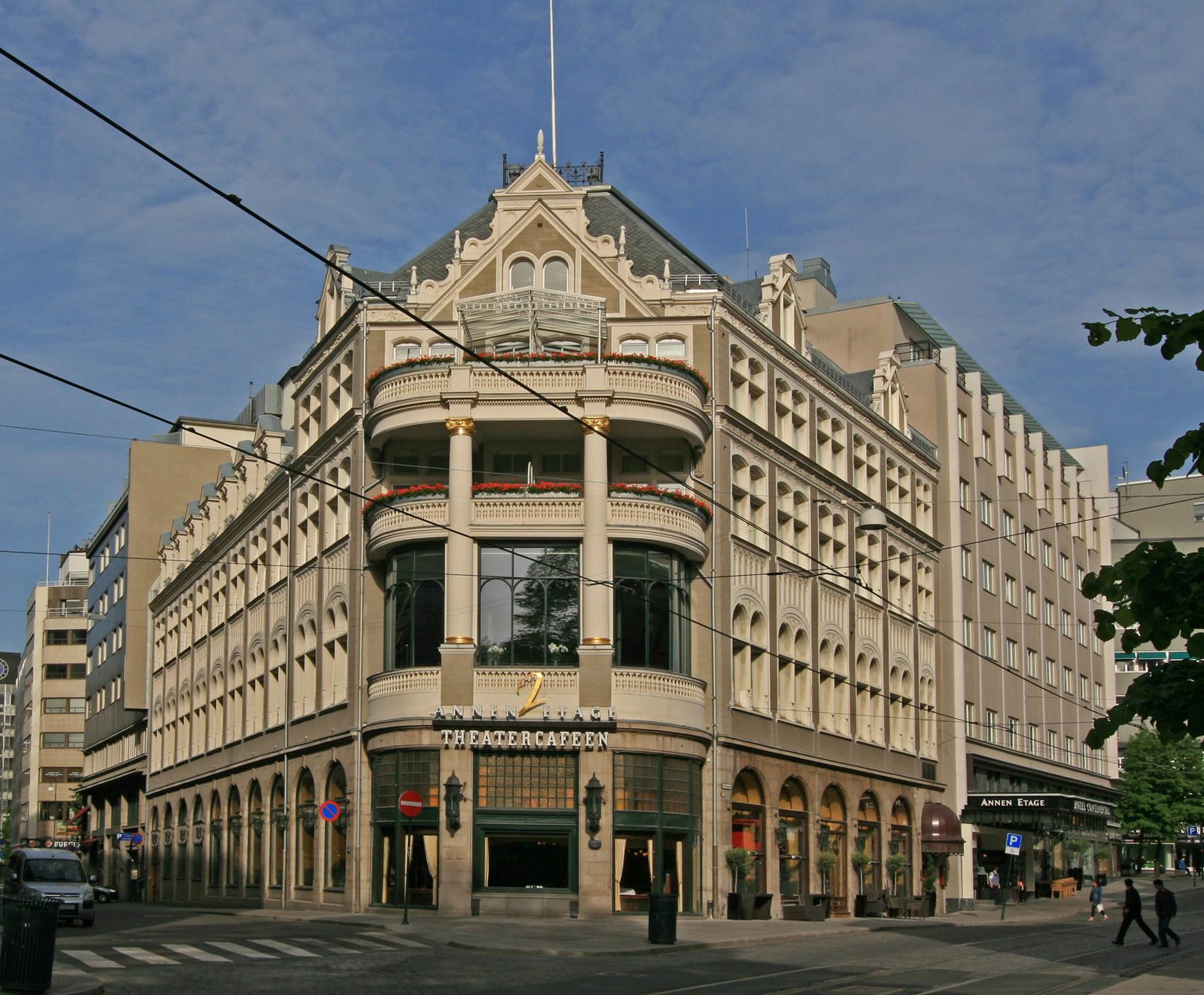
This is where the compact tier differs from the capital’s grander rooms. At Hotel Continental, the appeal sits closer to Oslo’s established grand-hotel tradition. Amerikalinjen reads through adaptive reuse and a travel-history narrative near the station. Hotel Christiania Teater brings theatre-district identity into the hotel conversation. Scandic Go Grensen belongs to a leaner category, where the room’s efficiency and the city’s density carry more weight than ceremonial public space.
How it compares with Oslo's louder hotel statements
Oslo has no single hotel personality. The city ranges from business towers to waterfront lifestyle properties, historic addresses, and newer design-led conversions. Radisson Blu Oslo Plaza represents the high-rise, large-format side of the capital’s accommodation market. Sommerro belongs to the more socially expansive model, where restaurants, wellness, and restored architecture form a major part of the draw. THE THIEF frames Oslo through the waterfront and contemporary art-adjacent luxury.
Against that comparable set, the leaner city hotel should not be judged by absent features. It should be judged by clarity. If a traveller wants destination restaurants, named bars, extensive wellness facilities, or heritage interiors, there are stronger matches elsewhere in Oslo. If the priority is a central base with a reduced design brief, the compact hotel tier becomes more convincing. The editorial distinction is important: lower ceremony does not automatically mean lower usefulness. In many city breaks, usefulness is the premium.
That also changes the reader’s planning calculus. A hotel with limited published experiential detail puts more responsibility on the surrounding city. Dining, drinking, and cultural planning should be made outside the property rather than assumed inside it. EP Club readers can pair this kind of stay with Our full Oslo restaurants guide, Our full Oslo bars guide, and Our full Oslo experiences guide. For accommodation comparisons across the capital, Our full Oslo hotels guide gives the broader field. Wine-focused travellers should treat Our full Oslo wineries guide as contextual rather than a promise of vineyard culture inside the city.
What the missing data tells a careful traveller
It is a planning signal. The record for Scandic Go Grensen lists no phone number, website, price range, awards, reviews, booking method, dress code, seat count, cuisine type, chef name, hotel group, or long description. That means claims about room design, breakfast, check-in times, amenities, restaurant quality, service style, and rates should not be made from this record. A careful traveller should verify those directly through current booking channels before committing.
Editorially, the lack of listed awards places the hotel outside an accolade-led reading on this page. That does not diminish its potential utility, but it changes the basis of recommendation. Awarded hotels often ask to be assessed by recognition, chef-led dining, architecture, or service depth. A compact city property with no published accolades in the supplied record asks a different question: does the format match the itinerary?
For Oslo, that question is practical. Winter travel changes the value of proximity because cold, dark afternoons make short transfers appealing. Summer expands the day and rewards visitors who move easily between waterfront, galleries, parks, restaurants, and late meals. Business travel compresses the schedule further. In all three cases, a central, low-friction hotel can make sense when the guest does not need the property to carry the whole trip.
Where Oslo hotel choice becomes a design decision
The design angle in Oslo is broader than furniture. It is the decision between expressive hotels and quiet infrastructure. The expressive group gives a visitor a strong internal narrative: restored buildings, major public rooms, art collections, destination bars, spa circuits, or waterfront views. The infrastructural group accepts a smaller role. It supports the city day, then gets out of the way.
Scandic Go Grensen is understood in that second group, based on the data available. The appeal is therefore conditional rather than universal. It suits travellers who prefer to allocate time and budget to Oslo itself: dinner reservations, museum entries, train travel, coffee stops, harbour walks, and neighbourhood wandering. It is less compelling for those who want the hotel to supply a complete hospitality programme.
Norway’s wider hotel field shows why that distinction matters. Outside Oslo, properties often depend on setting as the primary design element: Hotel Union Øye in Norangsfjorden carries a historic fjord-hotel identity, while Juvet Landscape Hotel in Valldal is tied to architectural encounter with nature. Sakrisøy Rorbuer in Reine draws on the rorbu tradition, and Vestlia Resort in Geilo sits in a mountain-resort register. Oslo’s compact hotels do almost the opposite. They compress the property so the city becomes the main experience.
Planning a stay around the property, not inside it
Because no booking method, website, phone number, or price range is available in the record, logistics should be handled with direct verification before travel. That includes current rates, cancellation rules, arrival procedures, breakfast availability, accessibility needs, and room configuration. Oslo prices can move with conferences, public events, summer demand, and holiday periods, so a hotel without a recorded price band should not be assumed to sit in any fixed tier.
The same caution applies to dining. With no cuisine type or chef listed, this page cannot support restaurant claims for the property. Treat meals as part of the city plan. Oslo’s dining scene has become more interesting through the contrast between New Nordic formality, casual seafood, immigrant cooking, coffee culture, and wine bars with serious import lists. A compact hotel base pairs well with that pattern because the night’s main character is likely to be elsewhere.
For travellers building a Norway itinerary, Oslo can also serve as the urban counterpoint to more setting-driven stays. Opus XVI in Bergen gives another city-hotel comparison on the west coast. Radisson Blu Atlantic Hotel, Stavanger in Stavanger brings a different business-and-waterfront city context. The Well in Sofiemyr shifts the emphasis toward wellness outside the capital centre. Lilløy Lindenberg in Herdla, Boen Gård in Kristiansand, Lily Country Club in Kløfta, and GamlaVærket Gjæstgiveri & Tracteringssted in Sandnes all point to how varied Norwegian hospitality becomes once setting, heritage, and leisure programming take different roles.
The read
Scandic Go Grensen should be approached as a functional Oslo base in a design-aware city-hotel category, not as an accolade-led destination hotel on the evidence supplied. The defining idea is subtraction: less dependence on internal spectacle, more reliance on the capital’s compact geography and the traveller’s own plans. That makes the property a sensible consideration for short urban stays, business-led trips, and restaurant-focused weekends, provided current booking details and rates check out. At 3 stars and about $83 per night, it sits in a practical budget-to-midrange bracket.
International comparisons clarify the point. The Fifth Avenue Hotel in New York City, Hôtel de Paris Monte-Carlo in Monte Carlo, and Badrutt's Palace Hotel in St. Moritz belong to a different hotel conversation, where the property itself can dominate the trip. Oslo’s compact category asks for a cleaner judgement. If the room is a base and the city is the point, the format makes sense. If the hotel must be the main event, choose a property with documented architecture, service depth, dining, and public-room ambition.
Peer Set Snapshot
Comparable venues nearby, for context on price, style, and recognition.
| Venue | Cuisine | Price | Awards | Notes |
|---|---|---|---|---|
| Scandic Go GrensenThis venue — the venue you are viewing | Compact, urban economy hotel positioned for price‑conscious city travellers in Oslo’s core shopping and entertainment district. | $ | 3-Star | |
| Radisson Blu Oslo Plaza | Contemporary high-rise landmark with Scandinavian design sensibility and state-of-the-art technology. | $$$ | 4-Star | Vaterland |
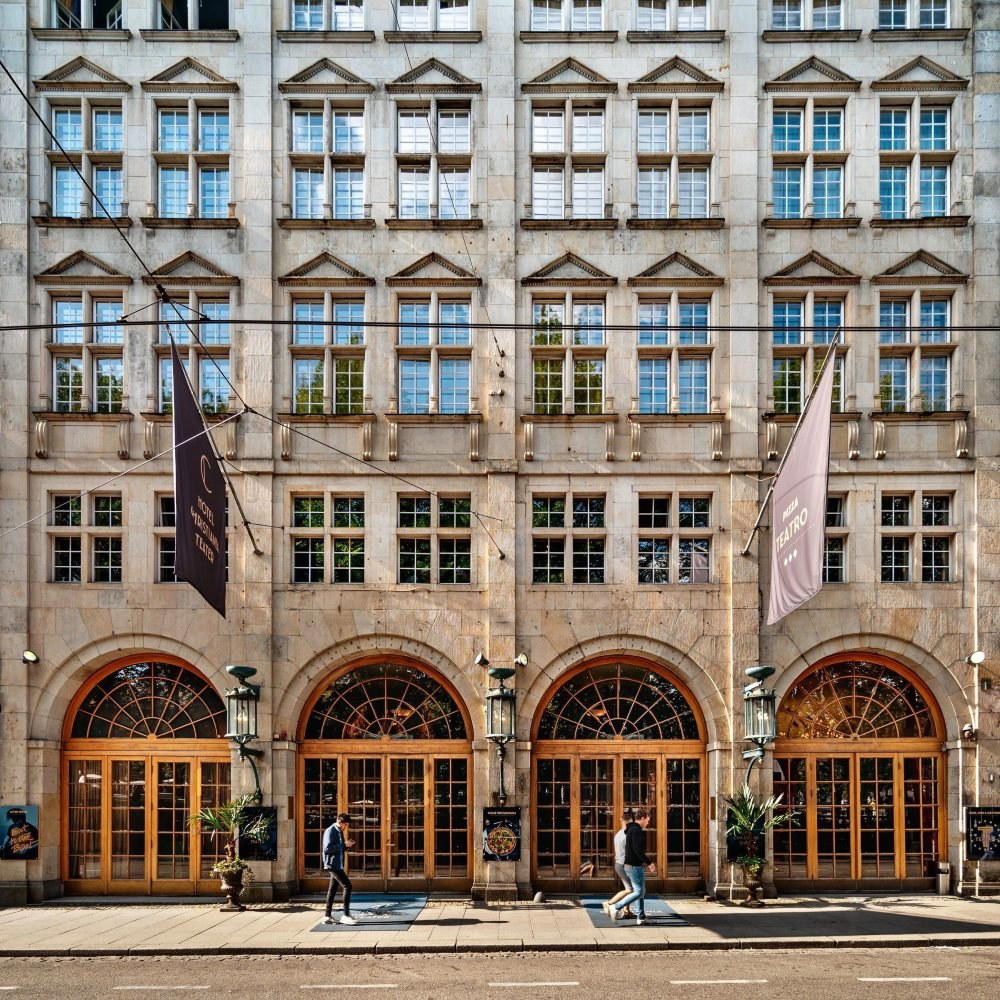
| Hotel Christiania Teater | Historic Nordic Neo-Renaissance theater converted to luxury boutique hotel with contemporary design sensibility | $$$ | 4-Star | Vika |
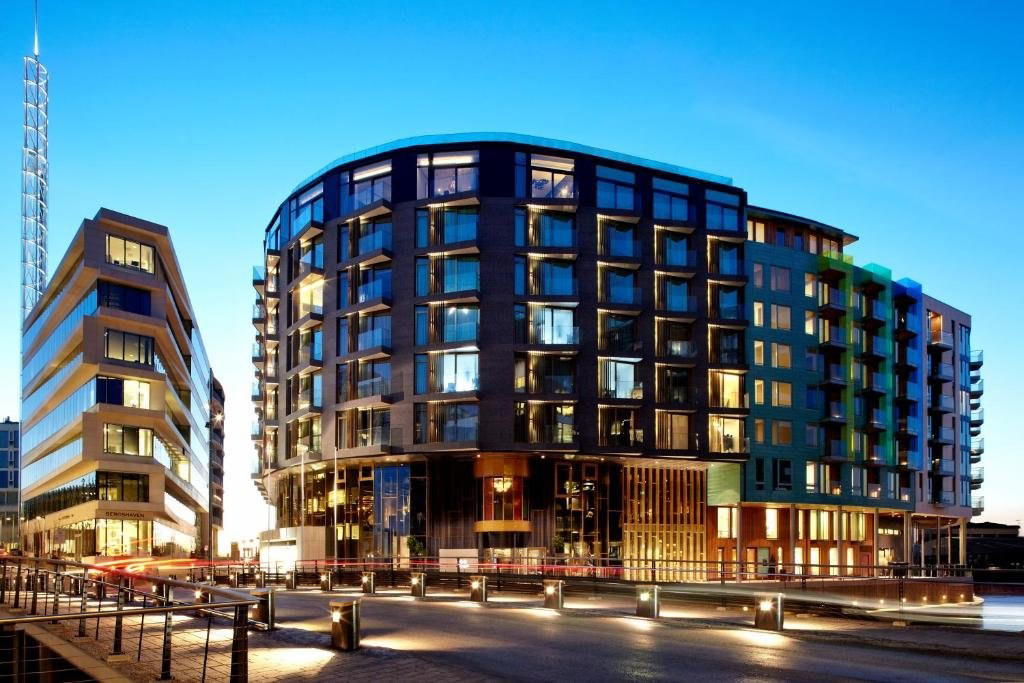
| THE THIEF | Contemporary luxury boutique hotel positioned as a lifestyle destination combining Scandinavian design with international wellness culture. | $$$$ | 5-Star | Aker Brygge |
| Amerikalinjen | Historic boutique hotel blending maritime heritage with contemporary elegance. | $$$$ | Michelin 1 Key | St. Hanshaugen |
| Hotel Continental | Grand classic hotel blending historic elegance with modern luxury | $$$$ | Michelin 1 Key | Vika |
Continue exploring
More in Oslo
Hotels in Oslo
Browse all →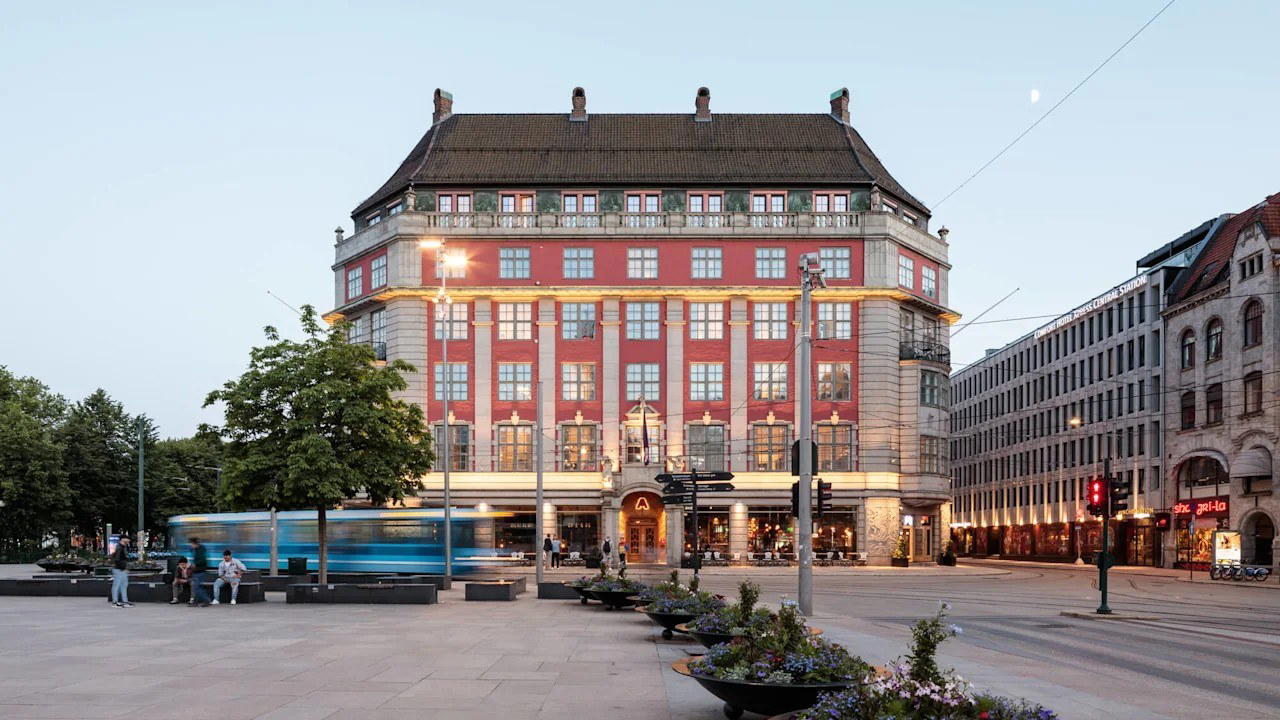
At a Glance
- Modern
- Minimalist
- Trendy
- Weekend Escape
- Business Trip
- Family Vacation
- Group Retreat
- Design Destination
- Terrace
- Historic Building
- Wifi
- Laundry
- Business Center
- Street Scene
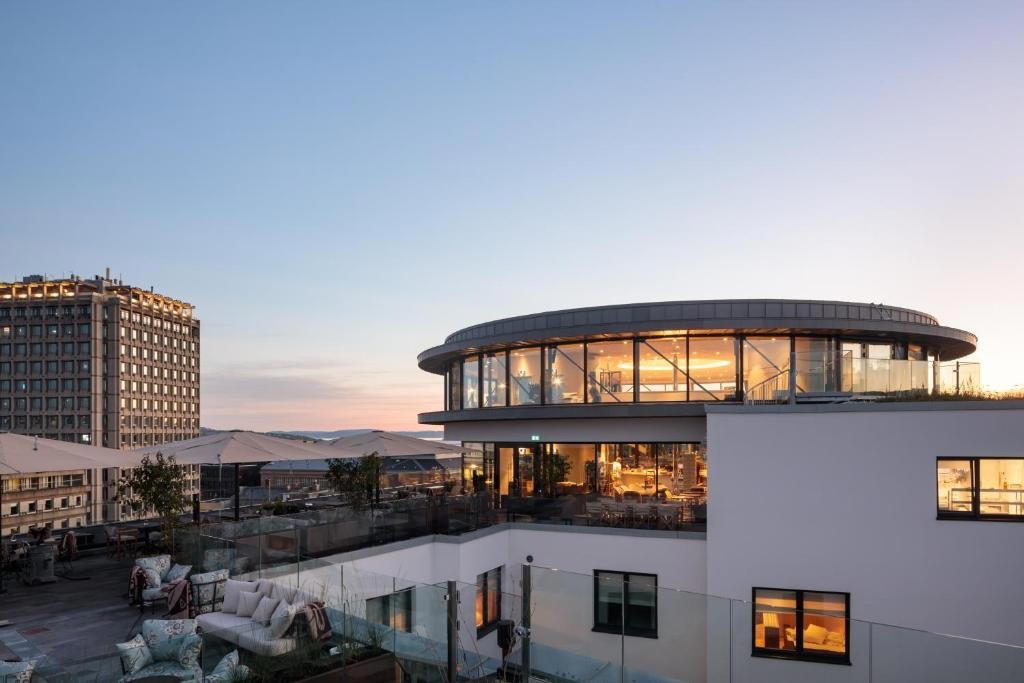
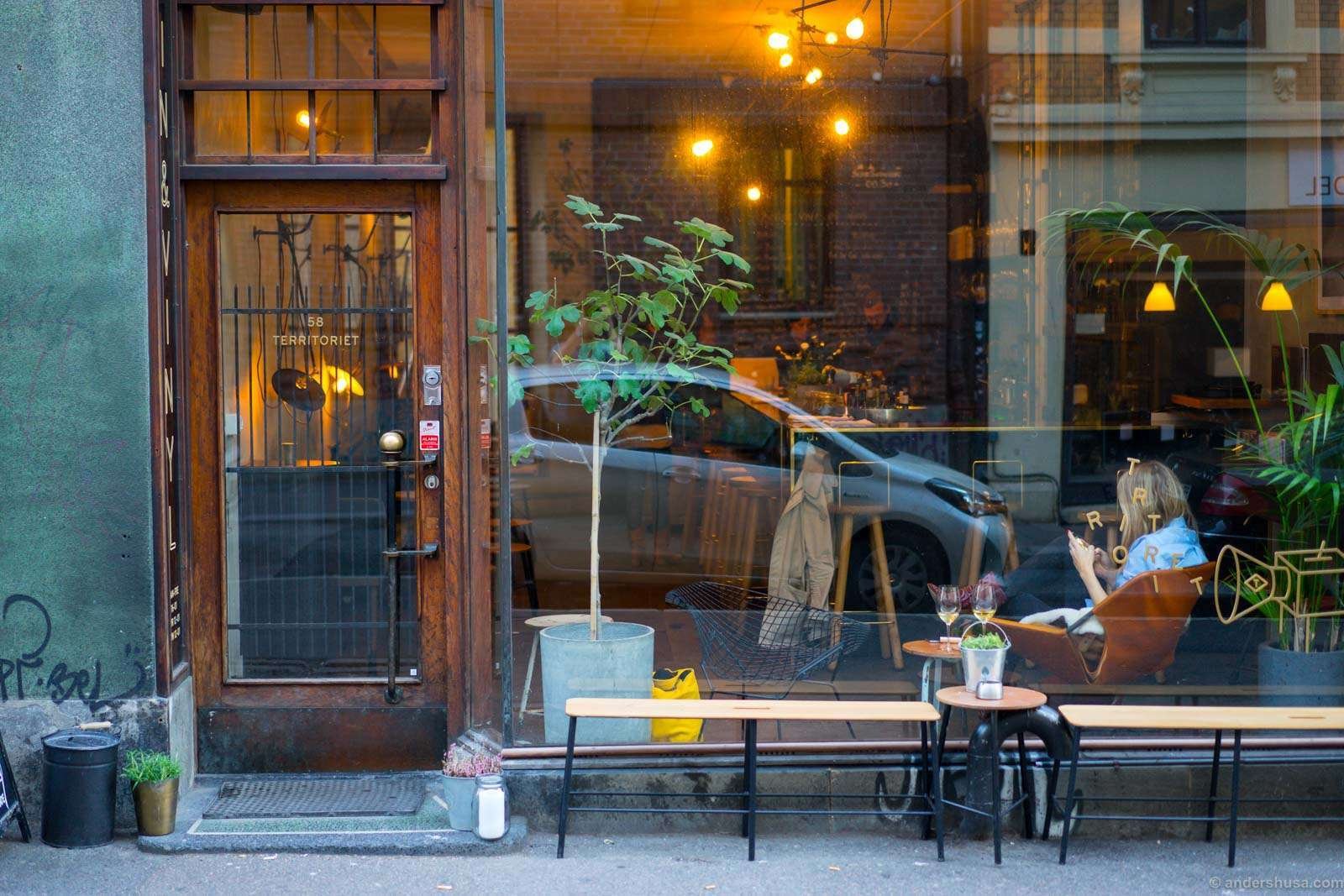
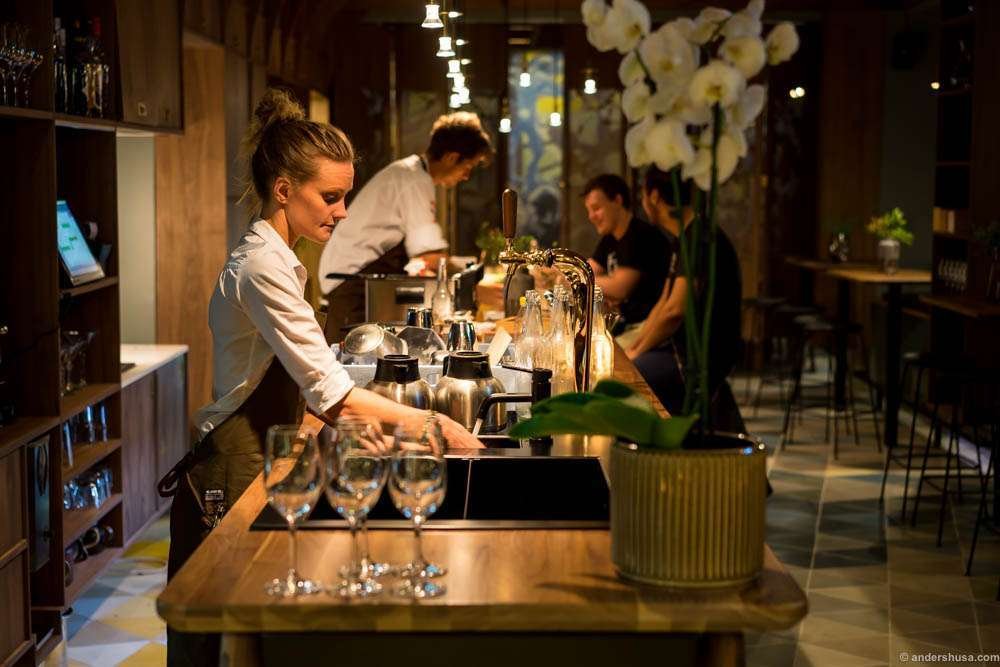
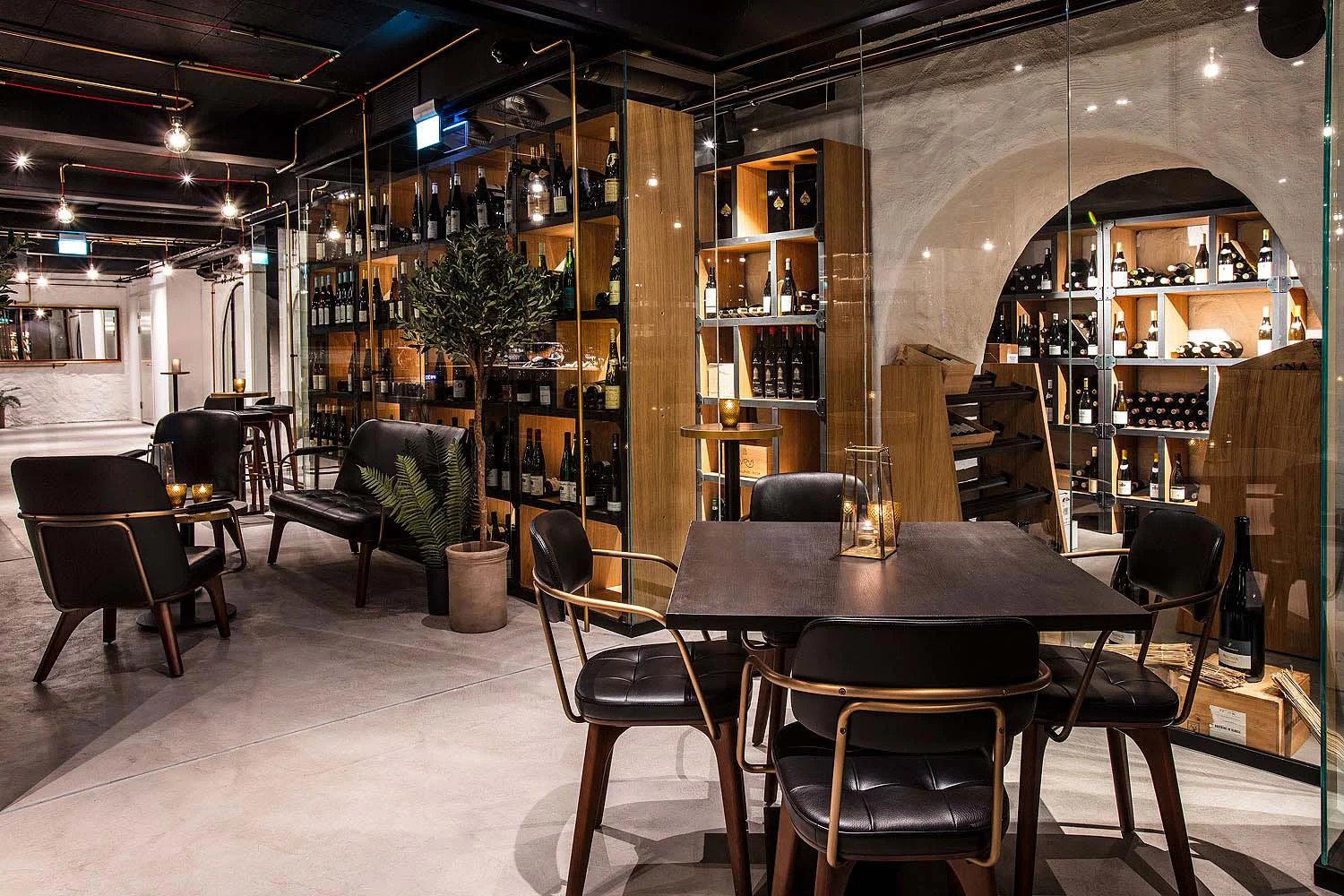
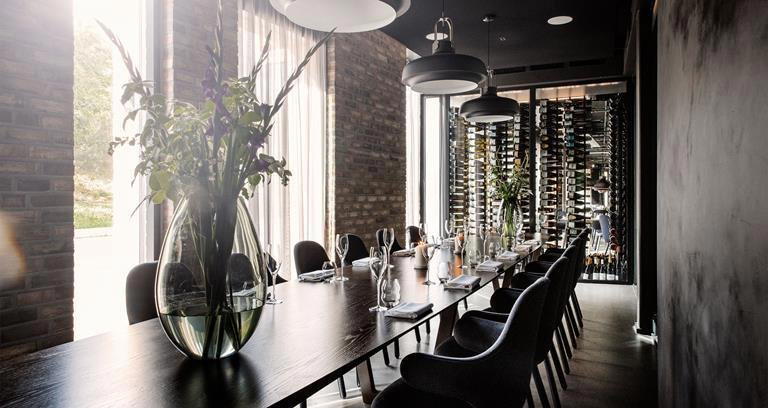
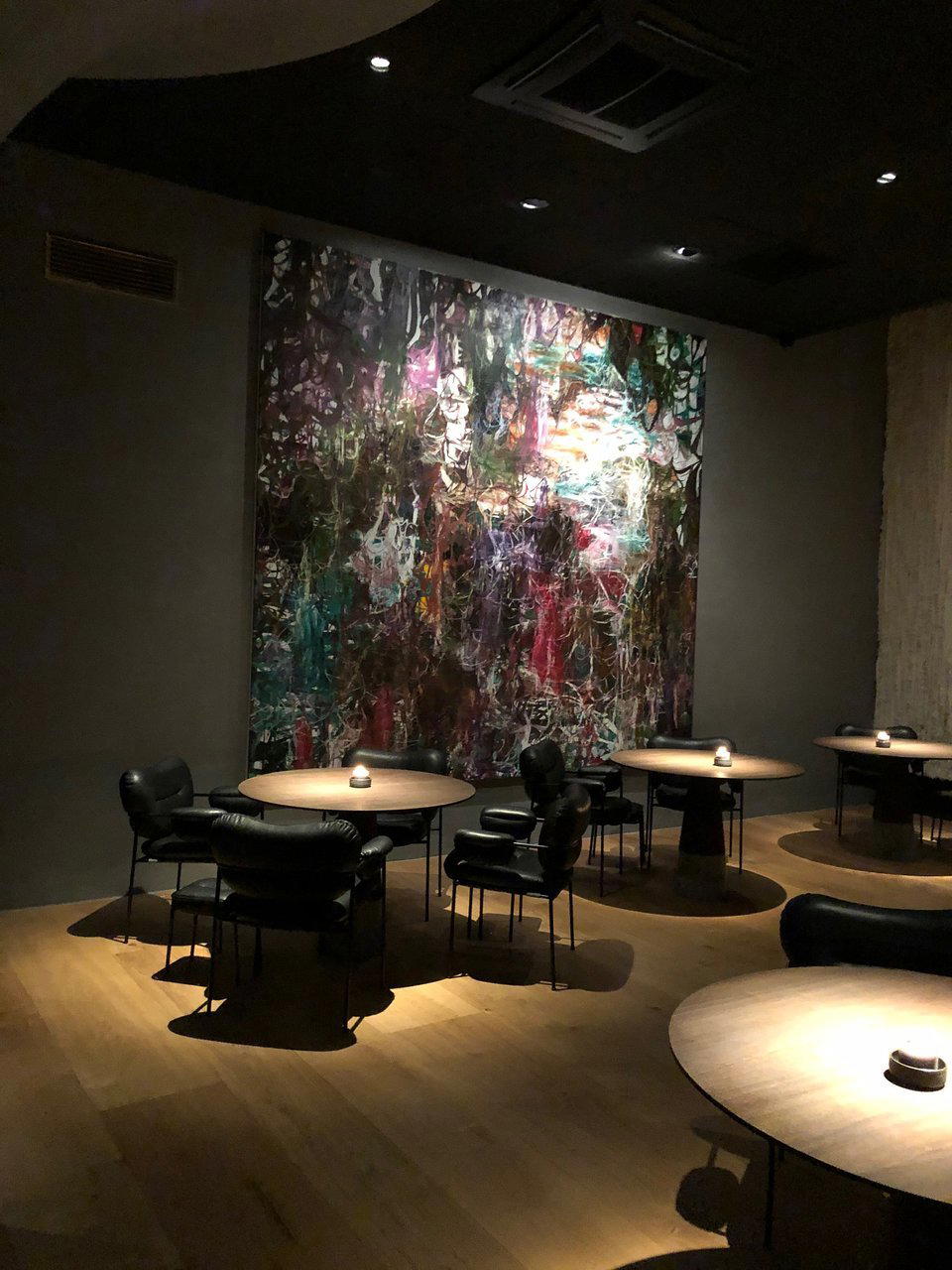
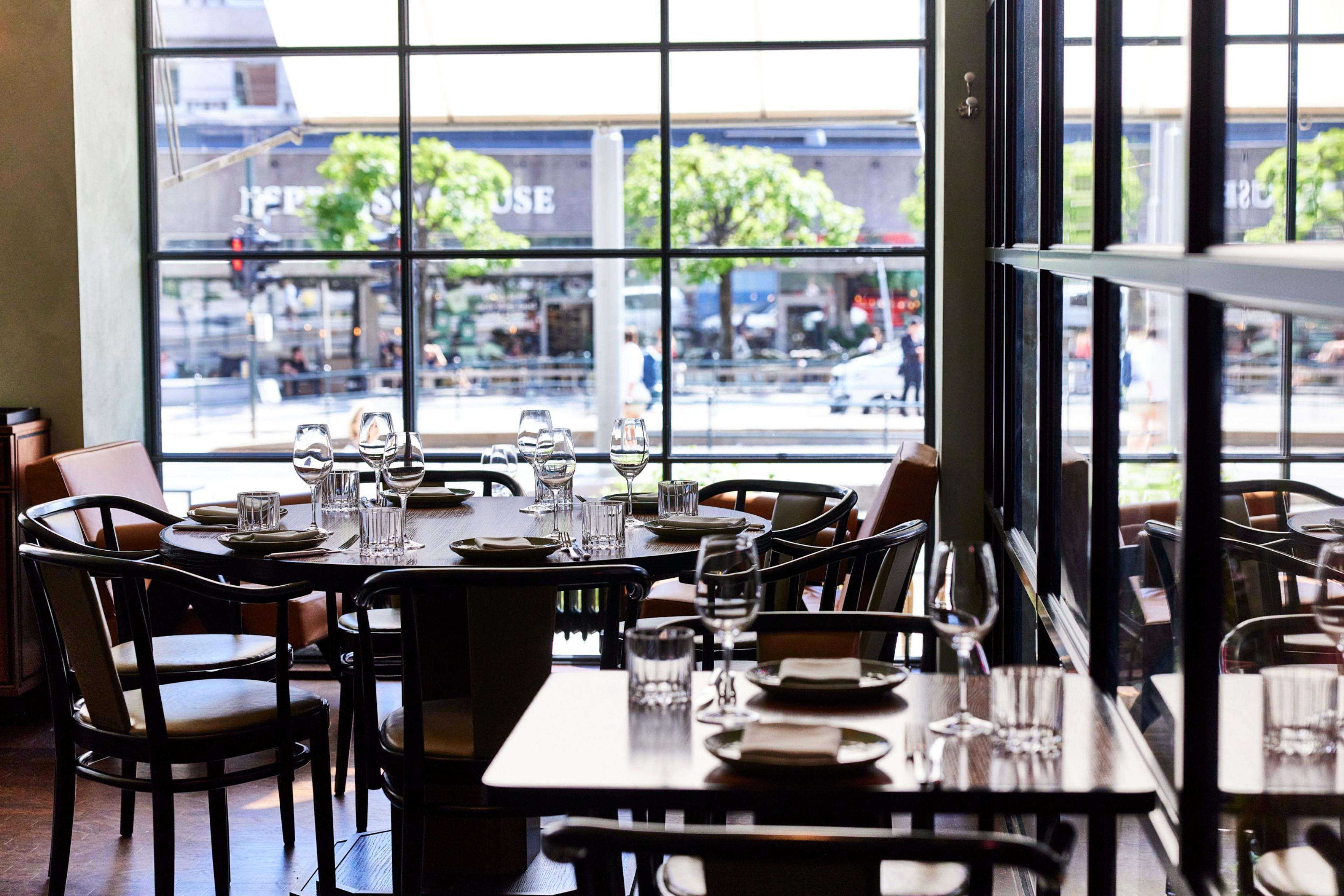
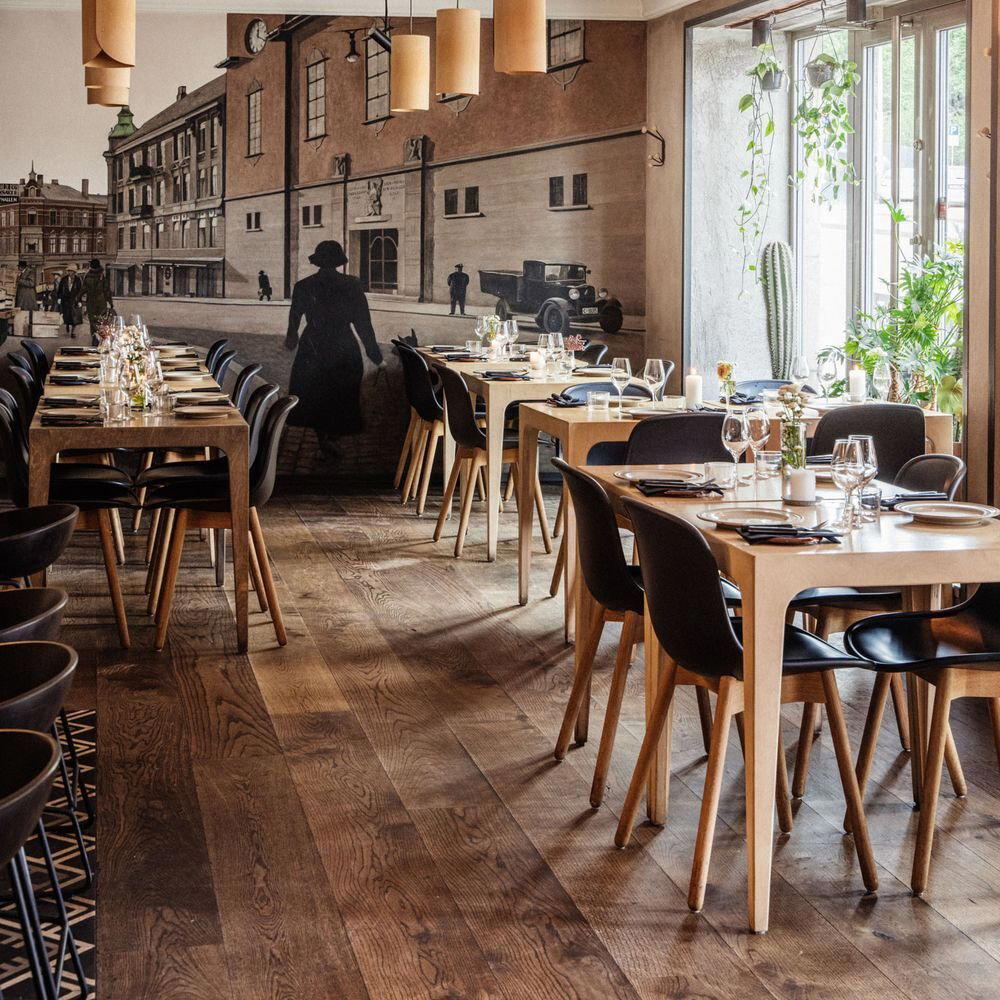
Simple, modern and functional with clean lines, large windows and bright spaces, designed to give a casual, urban, sleep-and-go atmosphere rather than a full-service hotel feel.