
A French-accented brasserie on Henrik Ibsens gate in Oslo's Frogner district, Brasserie Coucou occupies a quieter tier than the city's tasting-menu circuit while still drawing serious wine attention, it holds a White Star recognition from Star Wine List. The address places it squarely in west Oslo's residential dining corridor, where the room suits an unhurried evening rather than a destination-restaurant occasion.
Pearl is the En Primeur Club membership app — saves, bookings, and concierge access live there. Same editors, same standards.
- Address
- Henrik Ibsens gate 60c, 0255 Oslo, Norway
- Phone
- +47 23 98 98 98
- Website
- brasseriecoucou.no
- Directions
- Get directions
 Saves & bookings on Pearl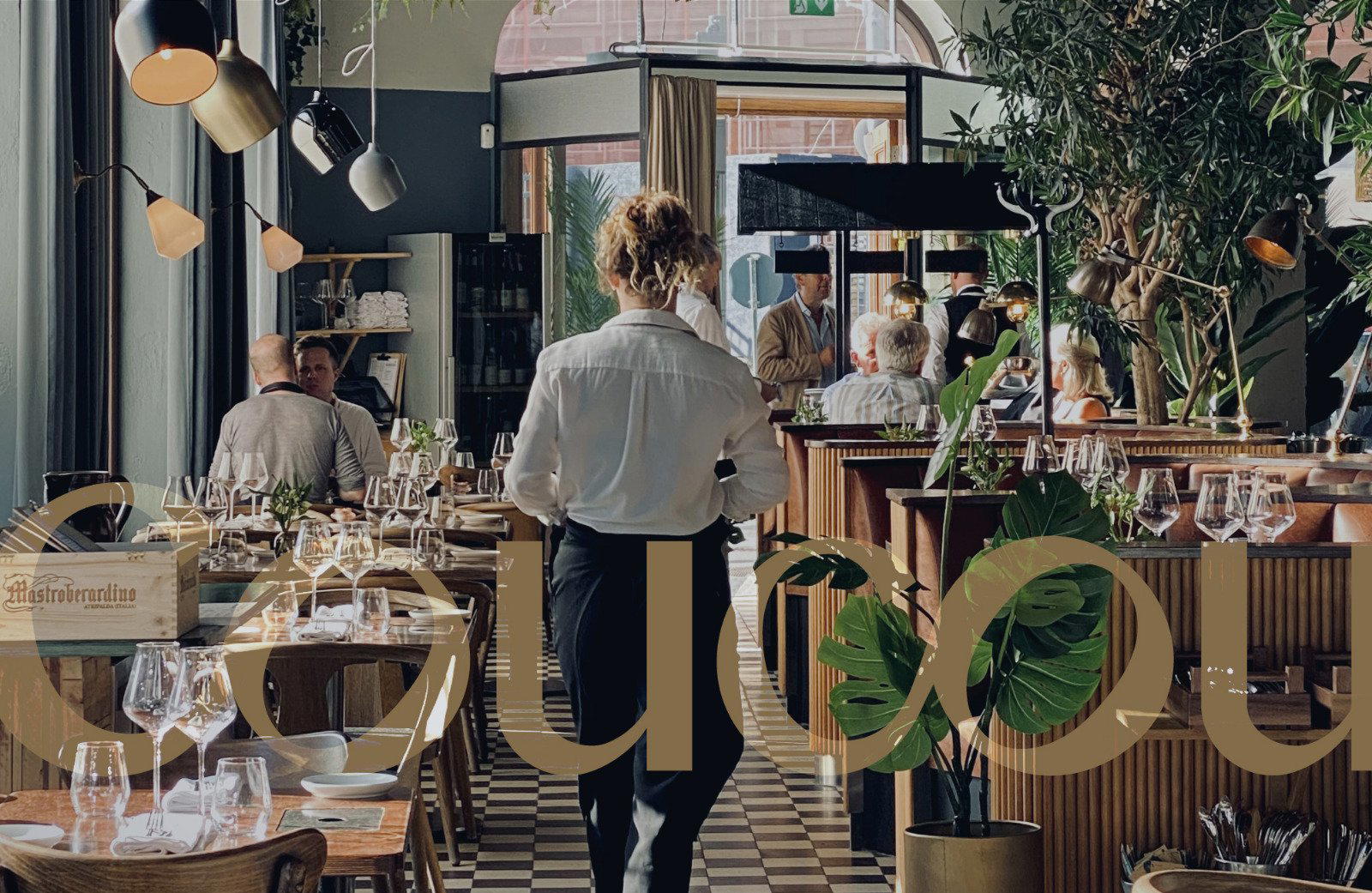
Frogner's French Register
Oslo's dining scene has long bifurcated between the high-concept tasting-menu circuit, Maaemo and Kontrast anchoring the serious end, and a more relaxed neighbourhood tier where the point is the room and the wine list rather than the kitchen's ambition. Brasserie Coucou, on Henrik Ibsens gate 60c, belongs to the second category. The address tells you quite a lot: Frogner is west Oslo at its most residential and composed, a district of wide pavements, pre-war apartment buildings, and a dining culture that leans toward consistency over provocation.
Approaching the address on Henrik Ibsens gate, the surrounding context is one of unhurried affluence. The street runs through a part of the city where locals eat out regularly rather than for occasion, which sets a certain expectation for what a brasserie format needs to deliver: reliability, a considered wine program, and a room that works on a Tuesday as well as a Saturday. That is the operating register of the French brasserie model transplanted to Scandinavia, and it is a format Oslo has absorbed without difficulty.
The Brasserie Format in a Nordic City
The French brasserie template, zinc counters or close approximations, a wine list built for pairing over showmanship, cooking that favours classical technique over statement dishes, has found a natural home in Scandinavian cities. Oslo's dining culture has grown comfortable with it partly because the alternative, the hyper-seasonal New Nordic format, demands a certain commitment from the diner. Brasseries like Coucou serve a different function: they are where you go when you want a properly made meal without the tasting-menu contract. Comparable French-adjacent rooms in the city include Mon Oncle, which similarly draws on French reference points within a Norwegian context.
The format also suits Oslo's wine culture, which has matured considerably over the past decade. A city with well-developed wine literacy tends to support brasserie-style venues because those rooms are built around the relationship between food and the glass rather than either element in isolation. Brasserie Coucou's recognition from Star Wine List, awarded White Star status following its publication on the platform in December 2021, positions it inside this wine-forward tier of Oslo dining.
Where It Sits in Oslo's Wine-Focused Dining Tier
Oslo has developed a recognisable cluster of restaurants where the wine program is the primary trust signal rather than kitchen accolades. Brasserie Coucou operates in that cluster. It is a different set from the capital's tasting-menu houses, and a different set again from the casual natural-wine bars that have proliferated in areas like Grünerløkka. The Frogner address anchors it to a clientele that is wine-literate, comfortable with classical European cooking references, and not necessarily chasing novelty.
Within Norway's wider dining geography, the concentration of serious kitchen ambition has historically clustered in Oslo, though other cities have mounted credible challenges. RE-NAA in Stavanger, FAGN in Trondheim, Gaptrast in Bergen, Iris in Rosendal, Under in Lindesnes, and Boen Gård in Tveit all represent the spread of ambition beyond the capital. The restaurant, by contrast, is operating at neighbourhood scale, which is a legitimate position.
The Room and the Occasion
Brasseries succeed or fail on the quality of their ordinariness, the degree to which an unremarkable Wednesday feels as well-managed as a celebratory Friday. The format rewards venues that have thought carefully about pacing, room temperature, noise levels, and whether the wine-by-the-glass selection holds up to scrutiny. On Henrik Ibsens gate, Frogner provides a quieter backdrop than the Aker Brygge waterfront or the Youngstorget area, which affects the room's character. West Oslo's residential streets generate a more settled kind of evening out, less reliant on the energy of foot traffic and more dependent on the room sustaining itself. That is a harder thing to execute than it sounds.
For visitors staying in the city centre or in Frogner itself, the address is direct to reach by foot or tram. Oslo's west side concentrates several of the city's more settled dining rooms within a short radius, making it a sensible base for an evening that involves drinks before or after the meal.
How It Compares Abroad
The French brasserie model has been successfully exported to cities far outside its original geography. In New York, the classical French tradition maintains serious outposts, Le Bernardin represents the formal end of the French tradition in that city. American cities have absorbed French-adjacent formats at varying levels of ambition; Emeril's in New Orleans demonstrates how French technique gets absorbed into local culinary identity over time. The restaurant operates at neither of those scales of ambition or reputation, but the international context matters for understanding what the brasserie format is actually doing when it lands in a Nordic city: it is providing a reference point, a set of legible conventions, that allows diners to orient themselves within a meal without needing the kitchen to explain itself.
Oslo's other French-inflected addresses, like Hot Shop, which leans into New Nordic and modern cuisine at the €€€ tier, demonstrate that the city's appetite for European cooking references extends across price points. The restaurant fits into this range as a room where the wine list's White Star recognition is the clearest credential on offer, and where the Frogner location does as much work as the menu in defining the experience.
Planning Your Visit
The restaurant sits at Henrik Ibsens gate 60c in Frogner. It is reachable by tram from central Oslo in under fifteen minutes. Given the White Star wine recognition and the Frogner clientele it serves, the room skews toward an adult, wine-oriented evening out rather than a casual drop-in. Booking ahead is the more reliable approach for a weekday dinner; weekends in Oslo's better-known neighbourhood restaurants tend to fill across all price tiers.
Compact Comparison
Comparable venues nearby, for context on price, style, and recognition.
| Venue | Cuisine | Price |
|---|---|---|
| Brasserie CoucouThis venue — the venue you are viewing | Ruselokka, French Brasserie | $$$ |
| Grotto | Homans Byen, French Bistro | $$$ |
| Kastellet Wine Bar | Homans Byen, European Wine Bar | $$$ |
| Campo Osteria | Gimle, Authentic Italian Osteria | $$$ |
| Cru | Vaterland, French Wine & Kitchen | $$$ |
| Bistro Fourrage | Ankerløkken, Classic French Bistro | $$ |
Recognition history
Dated appearances from independent guides and award organizations, with the underlying list record or original source where available.
Star Wine List
Star Wine List
At a Glance
- Classic
- Elegant
- Cozy
- Sophisticated
- Date Night
- Business Dinner
- Open Kitchen
- Extensive Wine List
- Street Scene
Current opening hours
- Monday
- 5 PM–12 AM
- Tuesday
- 5 PM–12 AM
- Wednesday
- 5 PM–12 AM
- Thursday
- 5 PM–12 AM
- Friday
- 5 PM–12 AM
- Saturday
- 5 PM–12 AM
- Sunday
- Closed
Hours can change for holidays and private events. Last verified .
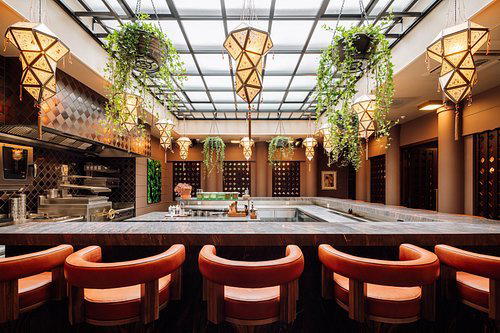
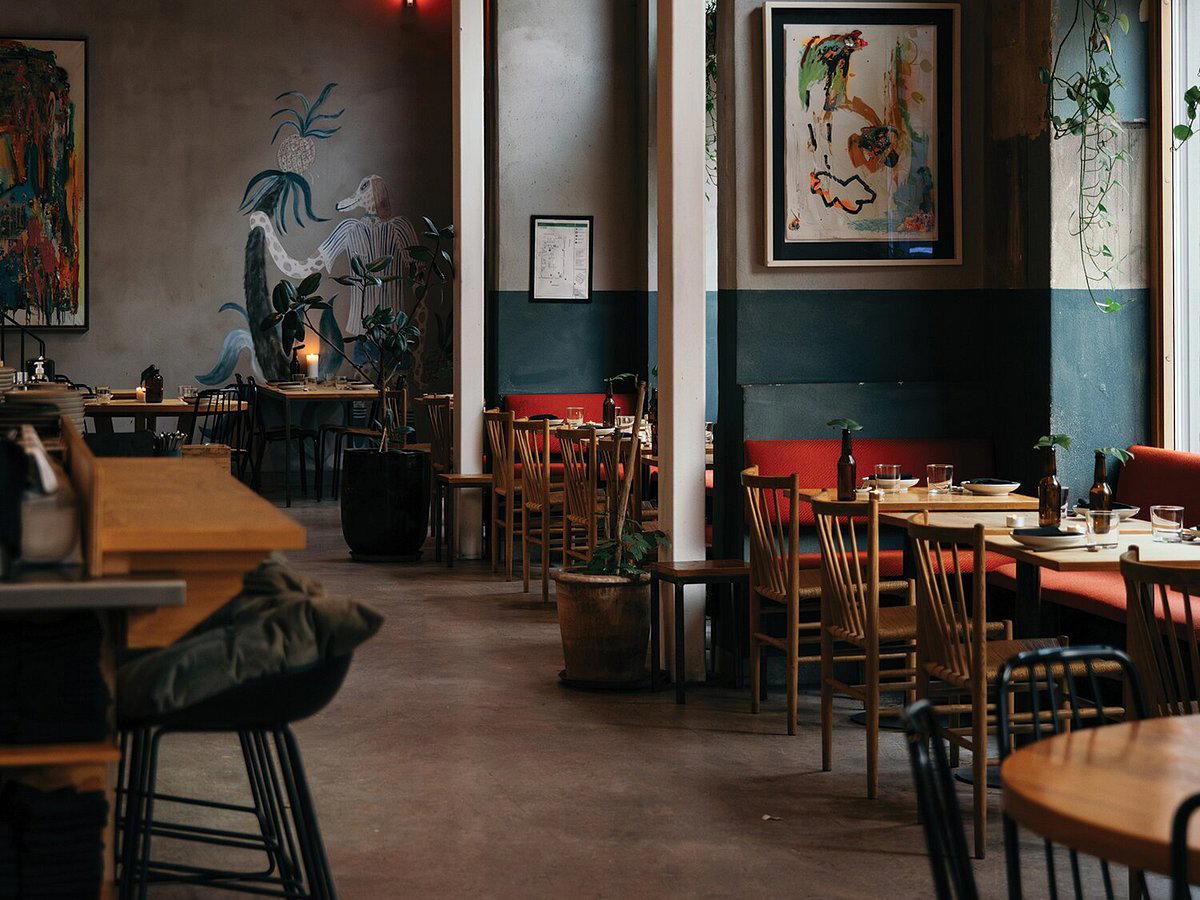
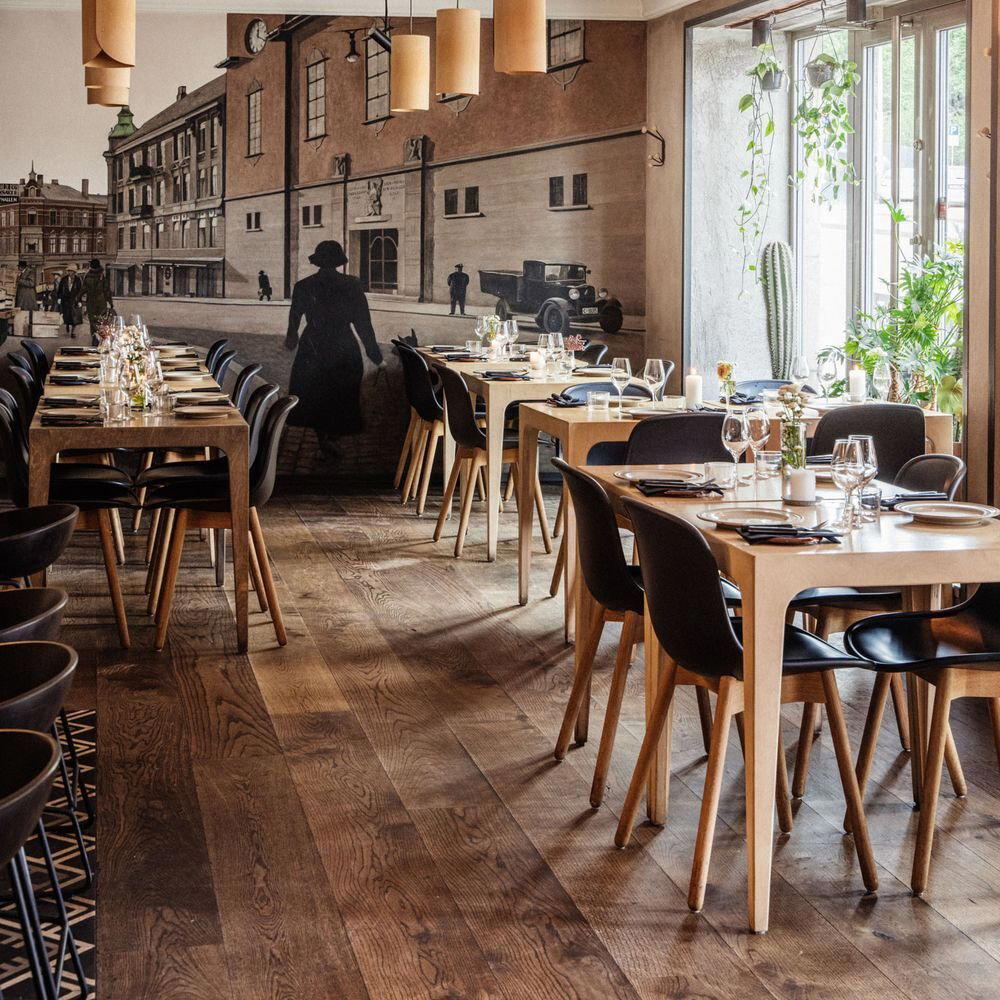
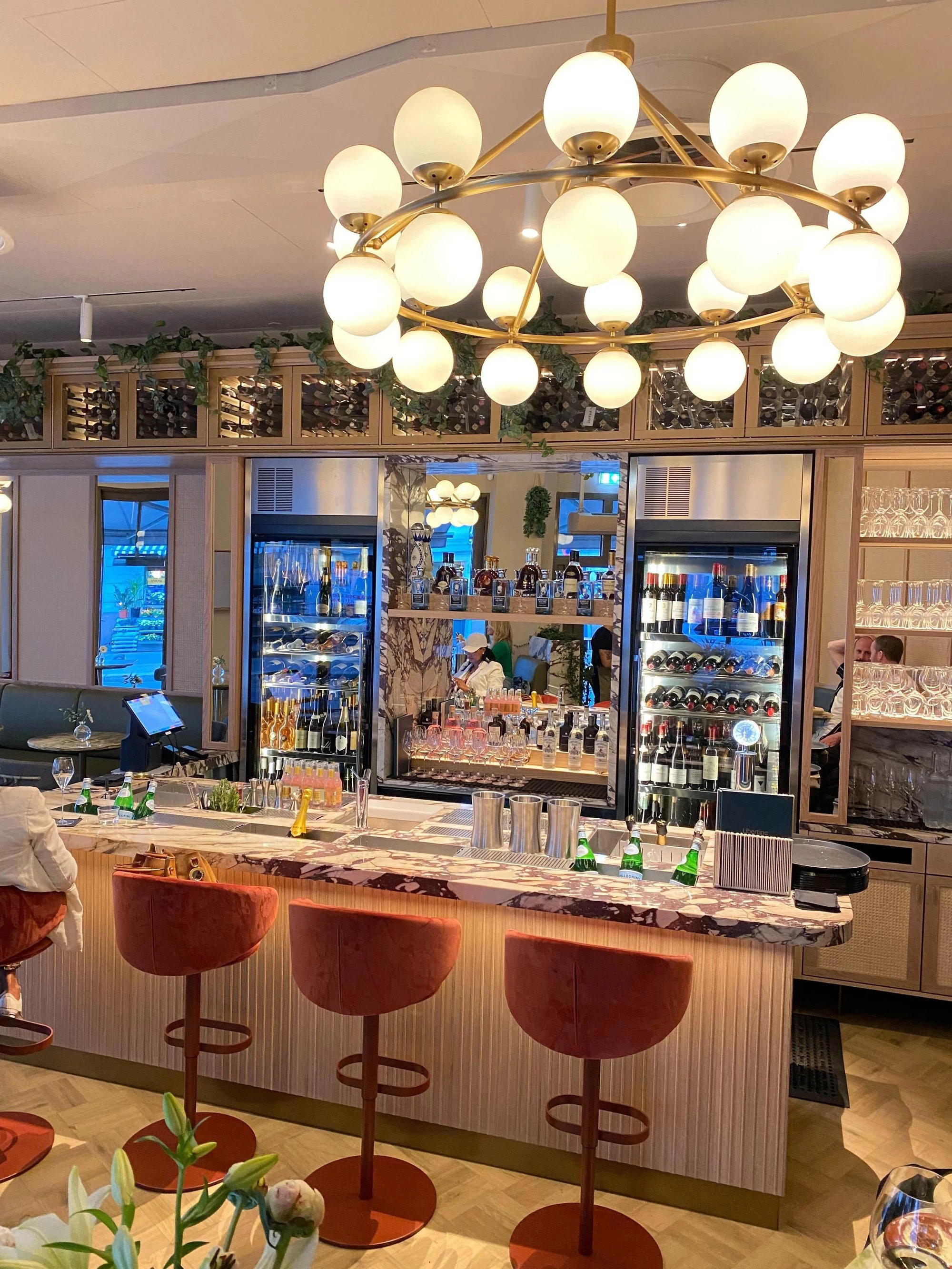
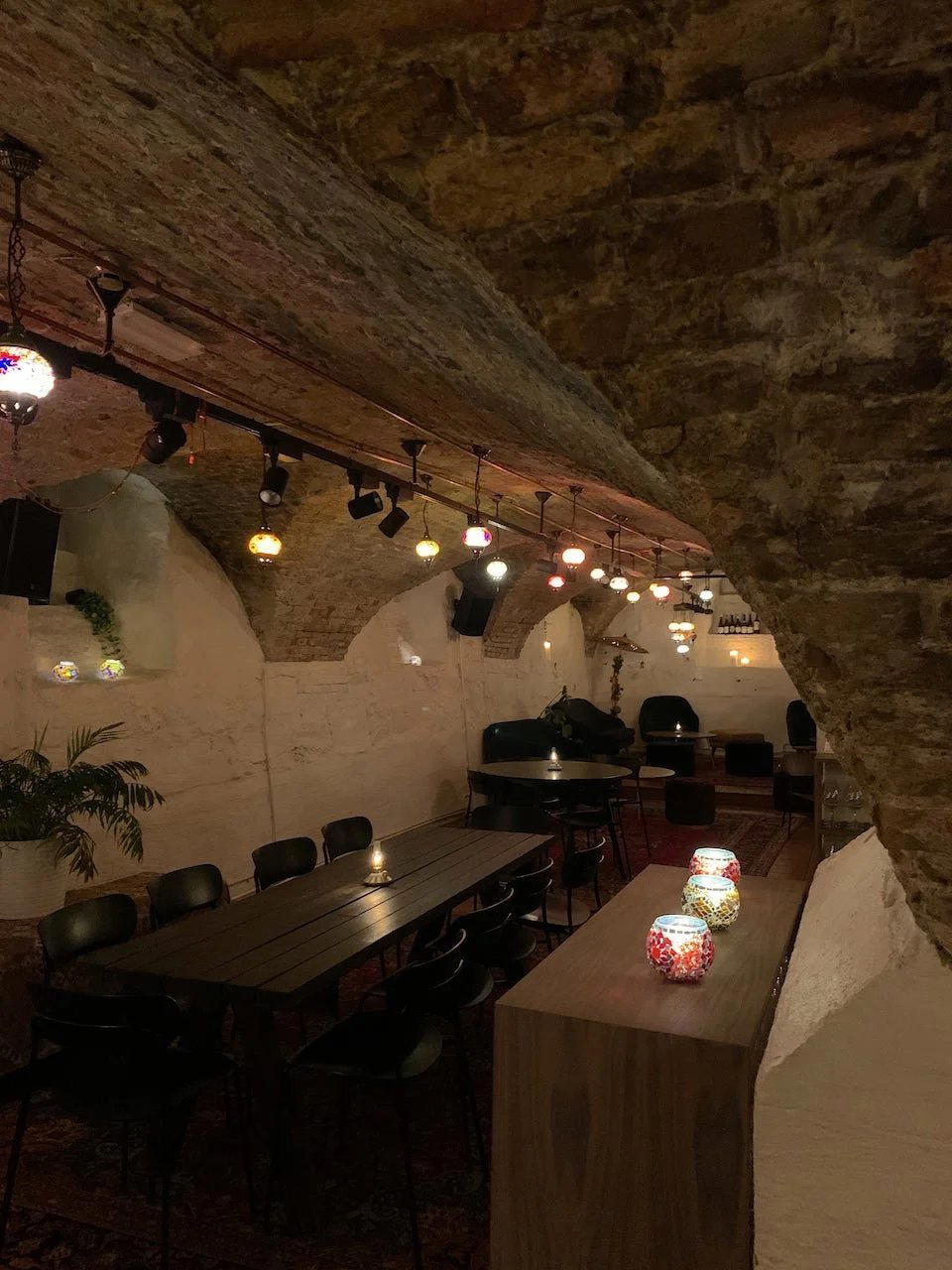
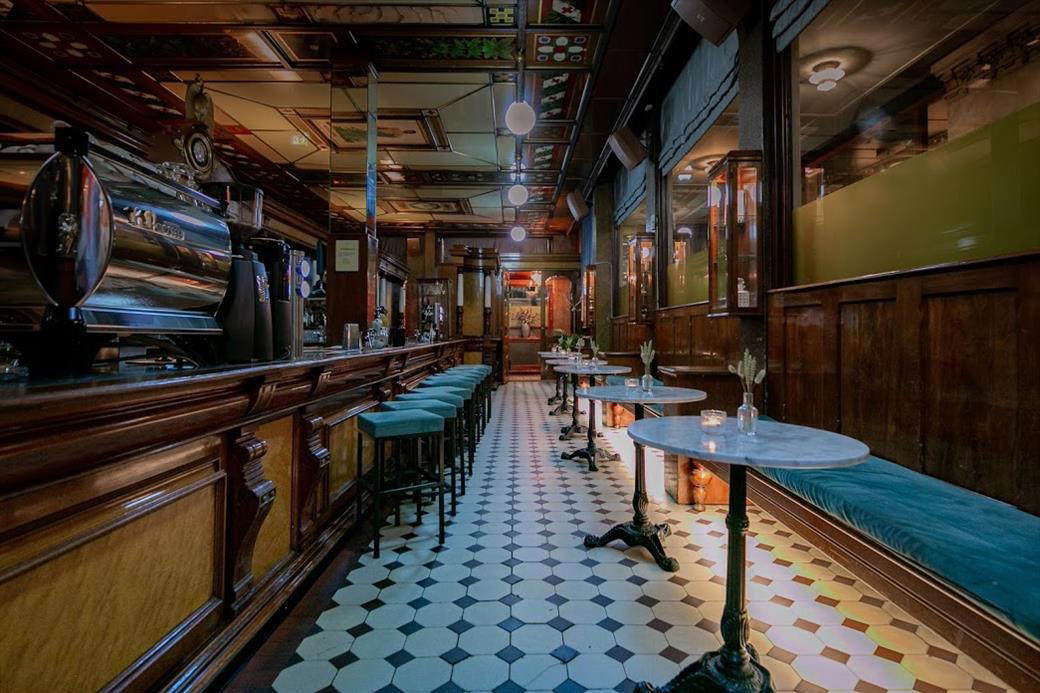
Cozy and authentic French brasserie atmosphere with chequered floors, panoramic windows, and elegant Parisian-style interiors.