Our verdict
Dinner Restaurant occupies a central Oslo address at Stortingsgata 22, placing it within easy reach of the city's broader fine dining corridor. Oslo's restaurant scene has stratified sharply in recent years, and Dinner sits in a tier that rewards closer attention from visitors already familiar with the city's more prominent names. For travellers building an itinerary around Norwegian cuisine, it represents a point of comparison worth understanding.

Pearl is the En Primeur Club membership app — saves, bookings, and concierge access live there. Same editors, same standards.
- Address
- Stortingsgata 22, 0161 Oslo, Norway
- Phone
- +4723100466
- Hours
- Mon–Thu 3:30 PM–12 AMFri–Sat 3:30 PM–12:30 AMSun 3:30 PM–12 AM
- Website
- dinner.no
- Directions
- Get directions
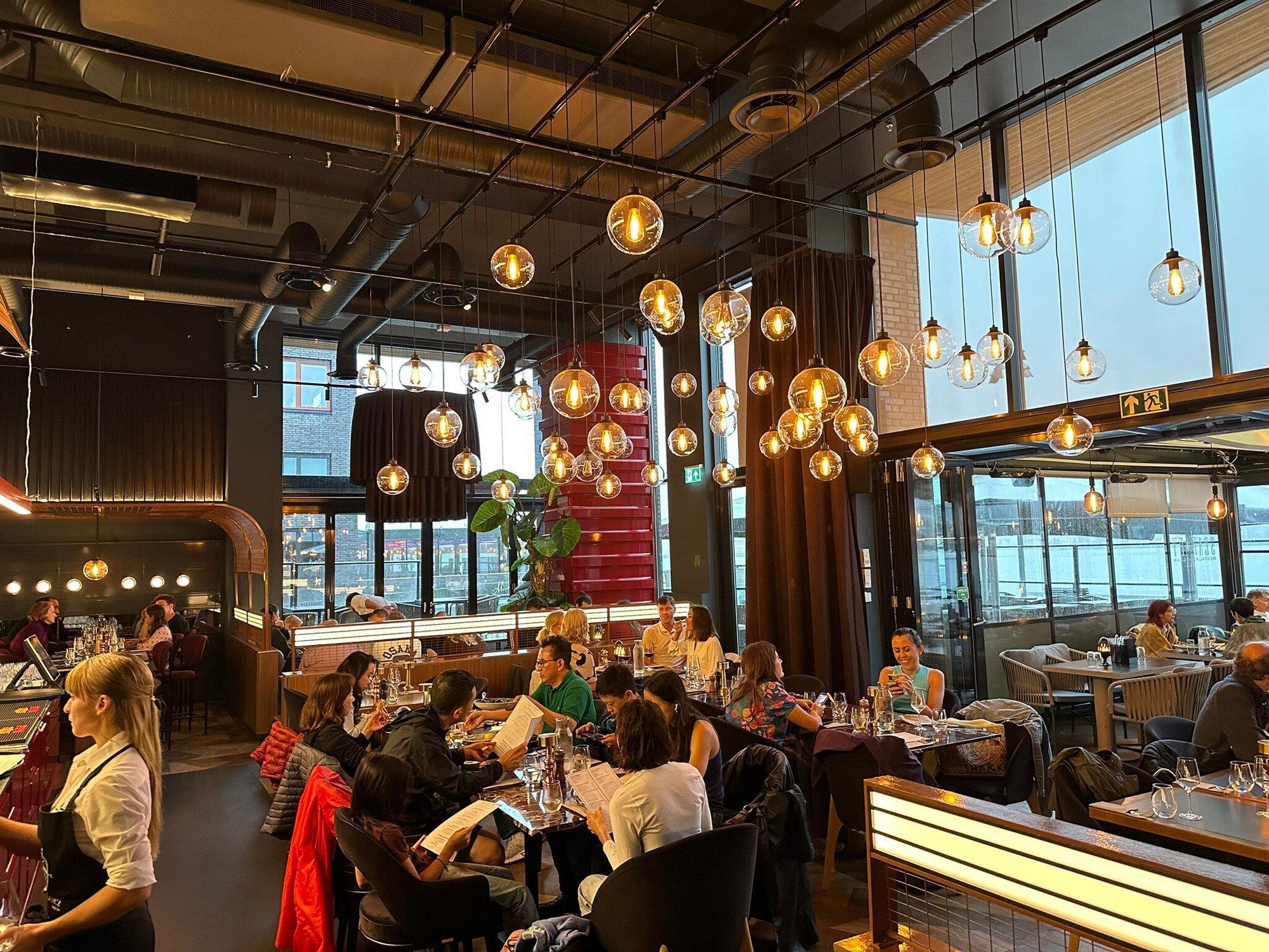
Stortingsgata and the Architecture of Oslo Dining
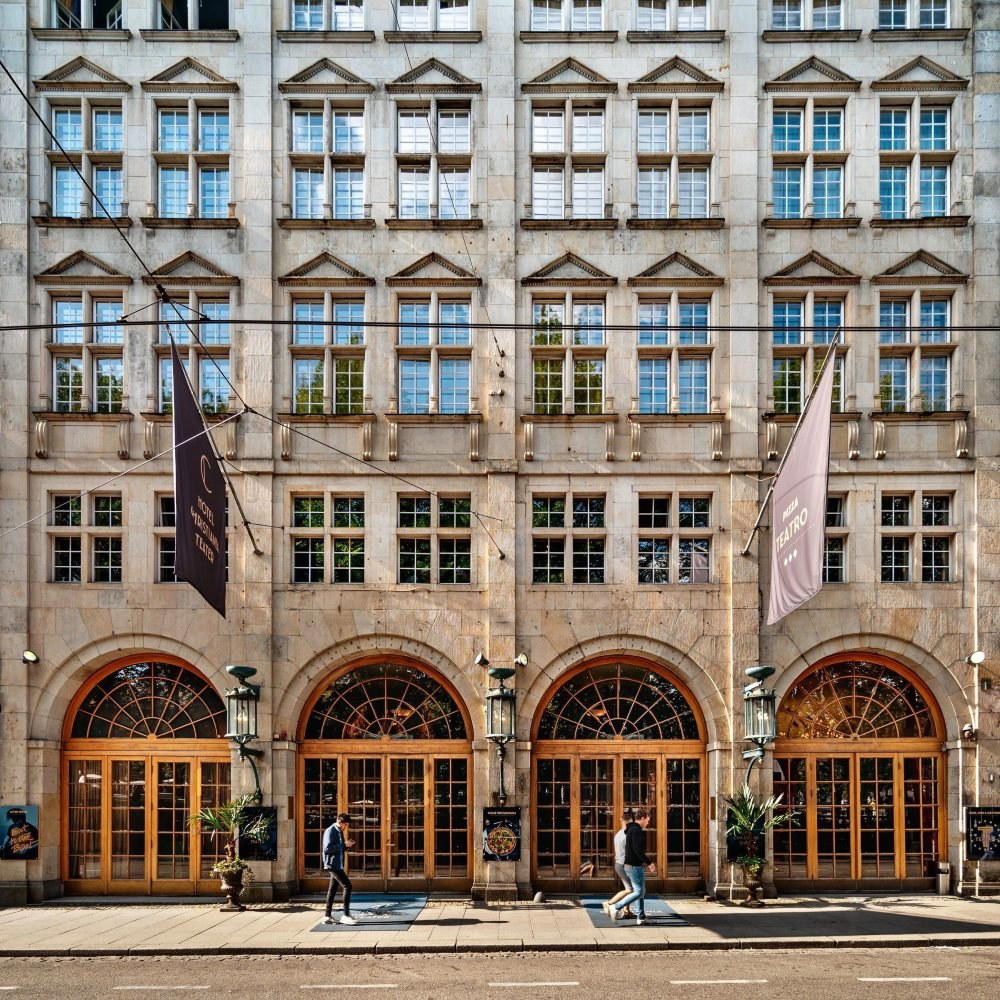
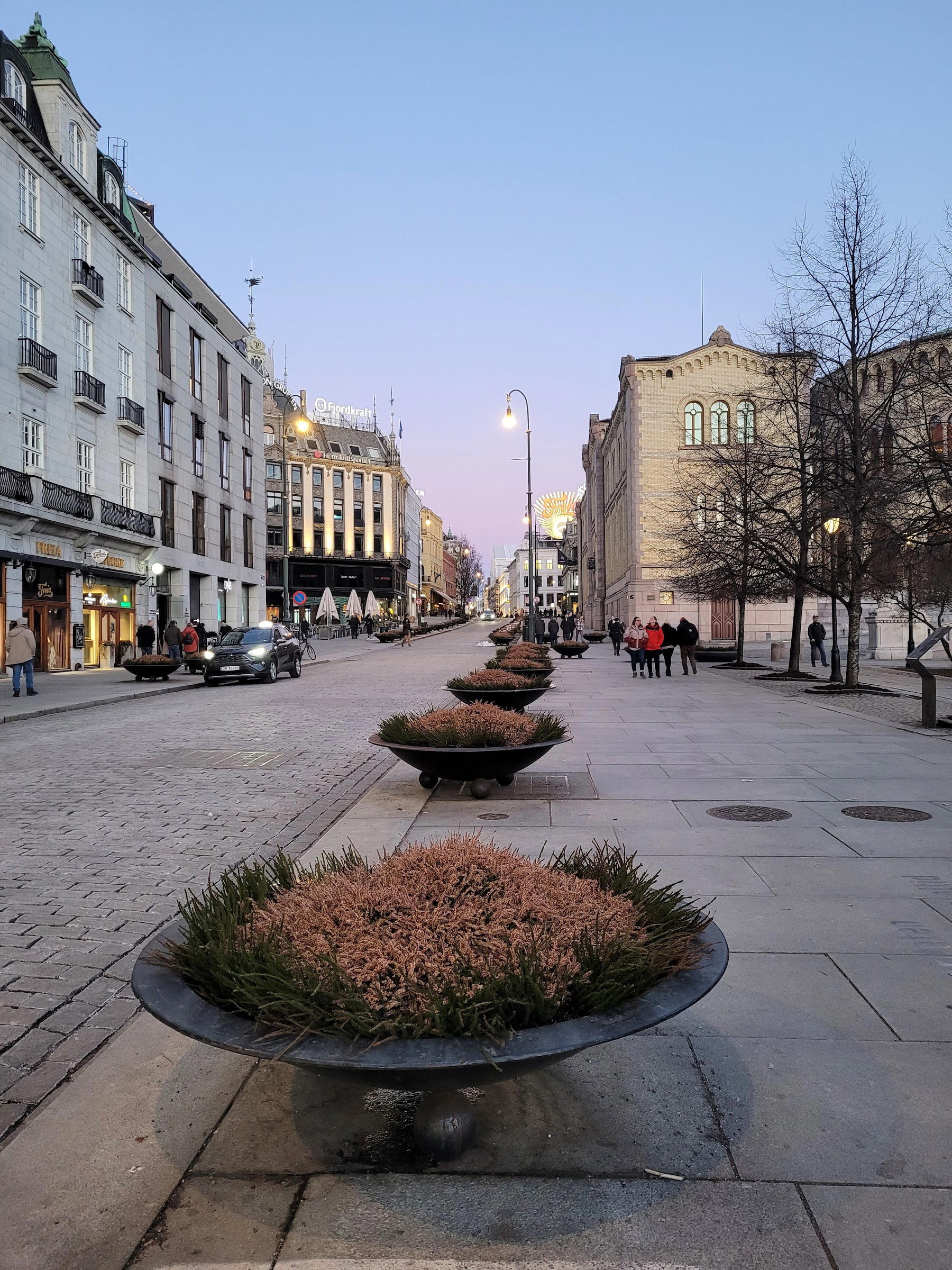
The stretch of central Oslo running from the National Theatre toward Aker Brygge has accumulated a density of dining rooms that would have seemed improbable two decades ago. Stortingsgata 22 sits within that corridor, where the city's political and cultural infrastructure has long attracted a restaurant trade calibrated to expense accounts and occasion meals. The buildings here tend toward the monumental: broad facades, high ceilings, entrance halls that communicate weight before a menu is ever presented. What that physical container does to a dining experience is something Oslo has been working out in real time, as the city's ambitions have outgrown the traditional formats that once defined it.
Dinner Restaurant occupies this address at a moment when central Oslo dining has split into recognisable tiers. At the ceiling, Maaemo and Kontrast operate at the €€€€ price point with full tasting menu formats and substantial Michelin recognition. A step below, places like Hot Shop work a more accessible modern Nordic register at €€€.
The Space as Argument
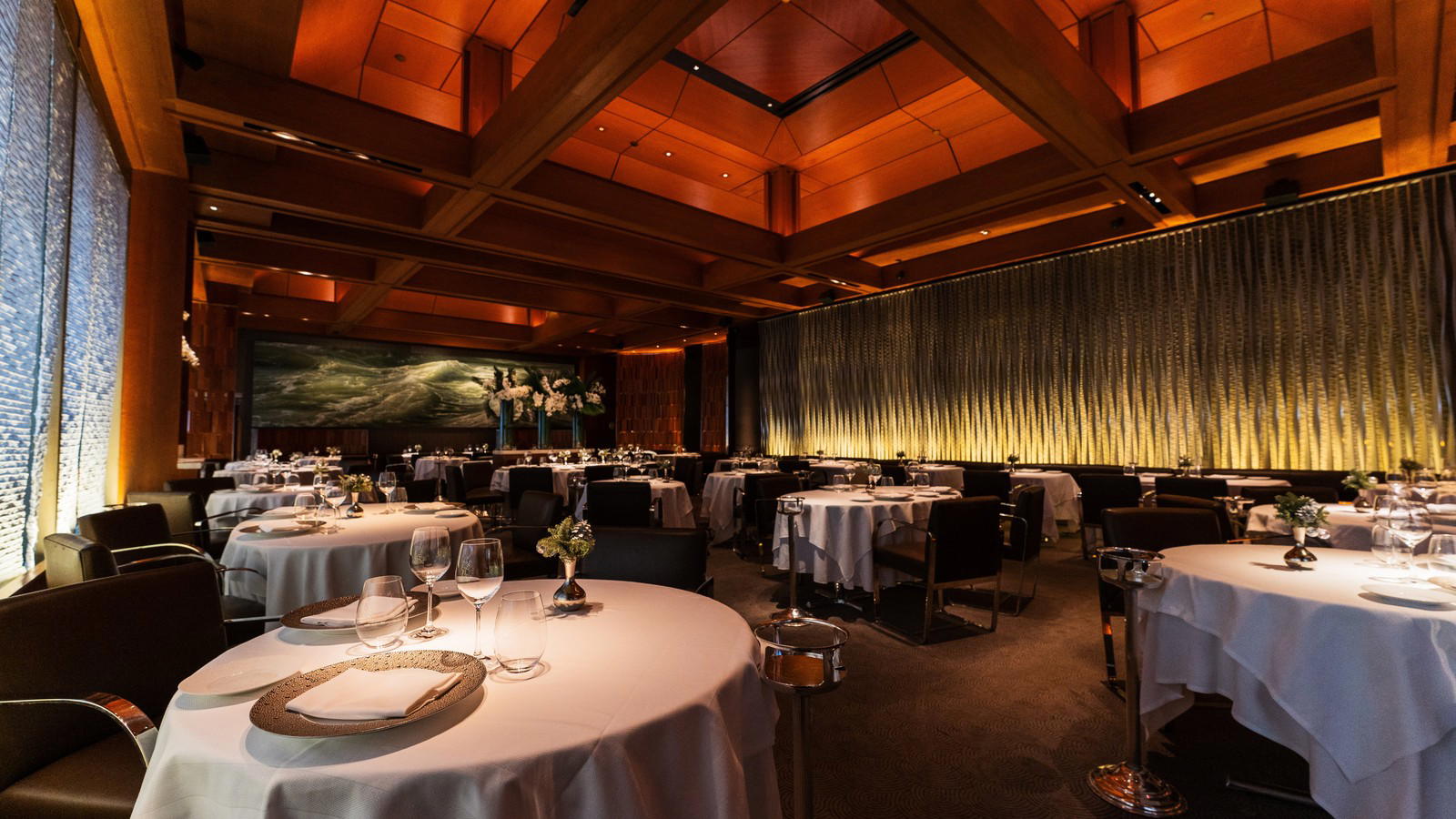
In cities where the dominant fine dining format has migrated toward intimate counter seating and curated omakase-style progression, a traditional dining room makes its own statement. Oslo's most-discussed openings over the past decade have generally trended smaller: tighter guest counts, longer lead times for reservations, menus designed around a single daily sitting. The physical scale implied by a central Stortingsgata address runs somewhat against that grain, suggesting a room built for broader service rather than the concentrated intensity of a ten-seat experience.
That scale carries both advantages and obligations. Larger rooms in Oslo's fine dining tier have historically anchored celebrations, corporate dinners, and the kind of table booking where the occasion precedes the choice of cuisine. Bar Amour and Mon Oncle occupy adjacent but distinct positions in the city's social dining map, the former creative and loosely structured, the latter French-accented and formal. Understanding where a restaurant sits in that ecosystem matters more than any single data point about menu composition.
Oslo's Dining Scene in European Context
Norway's restaurant story has, over the past fifteen years, shifted from novelty to genuine reference point. The New Nordic movement that began in Copenhagen spread north with enough force to reshape how chefs in Bergen, Stavanger, and Oslo thought about local ingredients and seasonal restraint. RE-NAA in Stavanger holds two Michelin stars and represents the seriousness with which Norway's second-tier cities now approach fine dining. Speilsalen in Trondheim and Lysverket in Bergen have each built programmes that draw visitors who would previously have stopped only in Oslo. Further afield, Under in Lindesnes made international headlines not for its menu alone but for the architecture of the building itself, submerged beneath the sea surface and designed as an argument about environment and dining simultaneously.
That broader Norwegian context matters for any Oslo table. A central-city restaurant now competes not just against its immediate neighbours but against the argument that the most interesting Norwegian food experiences have migrated to smaller cities and more extreme settings. Glime Restaurant in Hardanger Fjord, MiraBelle by Ørjan Johannessen in Bekkjarvik, and Buer Restaurant in Odda each represent the dispersal of serious cooking into landscape contexts that Oslo cannot replicate. Even Lily Country Club in Kløfta and Vianvang in Vågå suggest that Norwegian diners and visitors are willing to travel with purpose for a table, rather than defaulting to the capital. Restaurant 1893 in Stokmarknes extends that logic further north still.
What the Address Implies for Planning
Stortingsgata 22 is a practical address. The National Theatre T-bane station sits within a short walk, connecting the location to the rest of the city without difficulty. Aker Brygge and the waterfront are accessible on foot for those who want to combine a meal with Oslo's harbour setting. Karl Johans gate, the city's main commercial spine, runs parallel. For visitors who are using dining as an anchor point around which to structure an Oslo evening, the centrality of this location is a genuine convenience that more remote or neighbourhood-embedded restaurants cannot match.
In comparison, the city's most celebrated tables require planning of a different order. Maaemo's bookings open weeks in advance and the format demands an evening commitment of several hours. The trade-off between accessibility and intensity is one that Oslo now forces visitors to make consciously, in a way that was less relevant when the city had fewer serious options.
International Reference Points
For visitors arriving from cities with deeply established fine dining infrastructure, Oslo's price-to-ambition ratio continues to surprise. A meal at the upper end of the Oslo market sits in a price bracket that compares with comparable tasting menus in London, Paris, or New York, but the operating costs of Norwegian hospitality, driven by labour regulations and ingredient sourcing in a northern climate, make that pricing structurally different from what it represents elsewhere. Le Bernardin in New York City and Lazy Bear in San Francisco each sit within comparable price tiers in their own markets, but the underlying logic of those price points differs from what Norwegian kitchens are working with.
That framing helps calibrate expectations before booking. Oslo's central dining rooms, particularly those at the Stortingsgata end of the city, tend to operate with a service register that reflects both Scandinavian directness and the formality expectations of a diplomatic and business district clientele.
Planning a Visit
The address at Stortingsgata 22 is verified, and the central location means that walk-in enquiry is a practical option for visitors already in the neighbourhood. For those building a more structured Oslo itinerary, consulting our full Oslo restaurants guide provides context on the broader scene and helps position any individual booking within the city's current offering.
Frequently asked questions
What part of town is Dinner Restaurant in?
Dinner Restaurant is located at Stortingsgata 22, 0161 Oslo, Norway, Oslo.
How does Dinner Restaurant's location on Stortingsgata affect the dining experience compared to Oslo's other dining districts?
Stortingsgata 22 places Dinner Restaurant in Oslo's central institutional belt, within walking distance of the National Theatre and directly connected to the rest of the city via the National Theatre T-bane station. This differs structurally from Oslo's waterfront dining around Aker Brygge or the neighbourhood restaurants further east in Grünerløkka, which draw a different crowd and operate at different pace. The address implies a dining room that serves theatre-goers, business lunches, and hotel guests as much as destination diners.
Do I need a reservation for Dinner Restaurant?
Given its position at Stortingsgata 22, within the city's densest concentration of dining rooms, Dinner Restaurant sits in a part of Oslo where walk-in availability on weekends is generally limited. Booking ahead is the practical approach for this stretch of central Oslo, particularly on Thursday through Saturday evenings.
What has Dinner Restaurant built its reputation on?
What the Stortingsgata 22 address does confirm is placement in Oslo's central institutional district, a location associated with the city's more established dining rooms rather than its peripheral newcomers. Reputation at this address tends to accrue through consistent trade with the theatre, government, and business crowds that dominate the neighbourhood.
Is Dinner Restaurant good for vegetarians?
Contacting the venue at Stortingsgata 22 ahead of your booking remains the most reliable way to confirm current dietary accommodation. Oslo's restaurant scene broadly has moved toward more structured dietary options over the past decade.
A quick peer list to put this venue’s basics in context.
| Venue | Cuisine | Price | Awards | Notes |
|---|---|---|---|---|
| Dinner RestaurantThis venue — the venue you are viewing | Refined Szechuan Chinese | Not listed | Not listed | Not listed |
| Maaemo | New Nordic Fine Dining | $300–500 | 3 Michelin Stars · World's 50 Best #47 | New Nordic, Modern Cuisine |
| Kontrast | Modern Nordic Fine Dining | $200–300 | 2 Michelin Stars · La Liste Top Restaurants | New Nordic, Scandinavian |
| Hot Shop | Modern Nordic Tasting Menu | $100–150 | 1 Michelin Star · Star Wine List | New Nordic, Modern Cuisine |
| Statholdergaarden | Classic Norwegian-French Fine Dining | $200–300 | 1 Michelin Star · La Liste Top Restaurants | Modern European, Classic Cuisine |
| Arakataka | Modern Nordic | $50–100 | Michelin Plate · Star Wine List | Nordic, Norwegian |
Dinner Restaurant
Featured Guides

Details
- Elegant
- Sophisticated
- Classic
- Date Night
- Business Dinner
- Late Night
- Standalone
- A La Carte
Current opening hours
- Monday
- 3:30 PM–12 AM
- Tuesday
- 3:30 PM–12 AM
- Wednesday
- 3:30 PM–12 AM
- Thursday
- 3:30 PM–12 AM
- Friday
- 3:30 PM–12:30 AM
- Saturday
- 3:30 PM–12:30 AM
- Sunday
- 3:30 PM–12 AM
Hours can change for holidays and private events. Last verified .
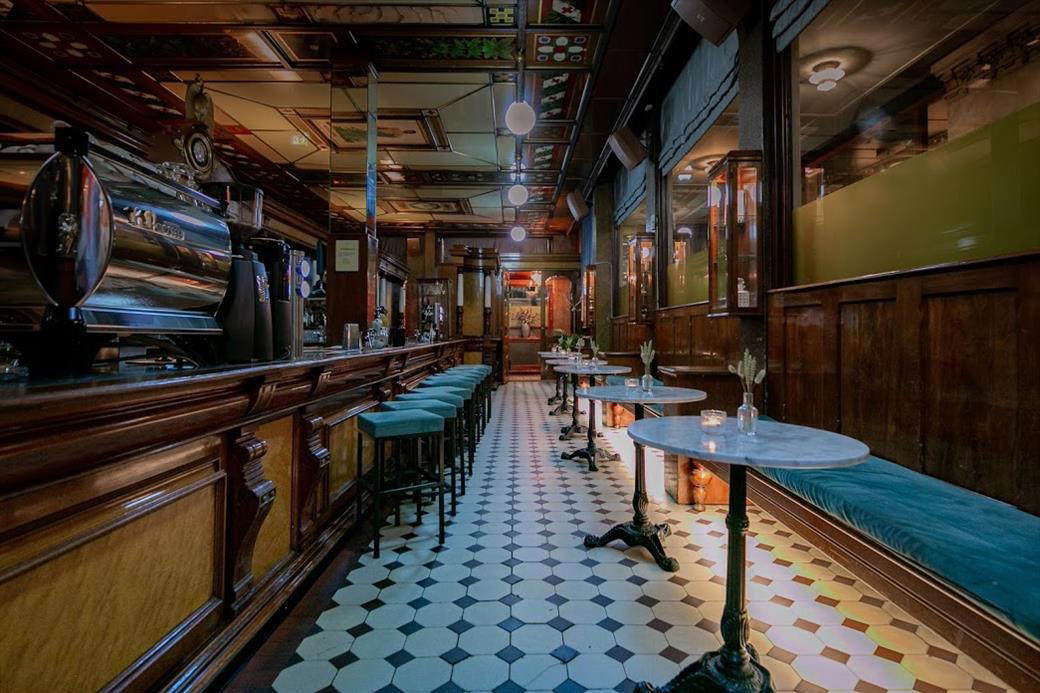
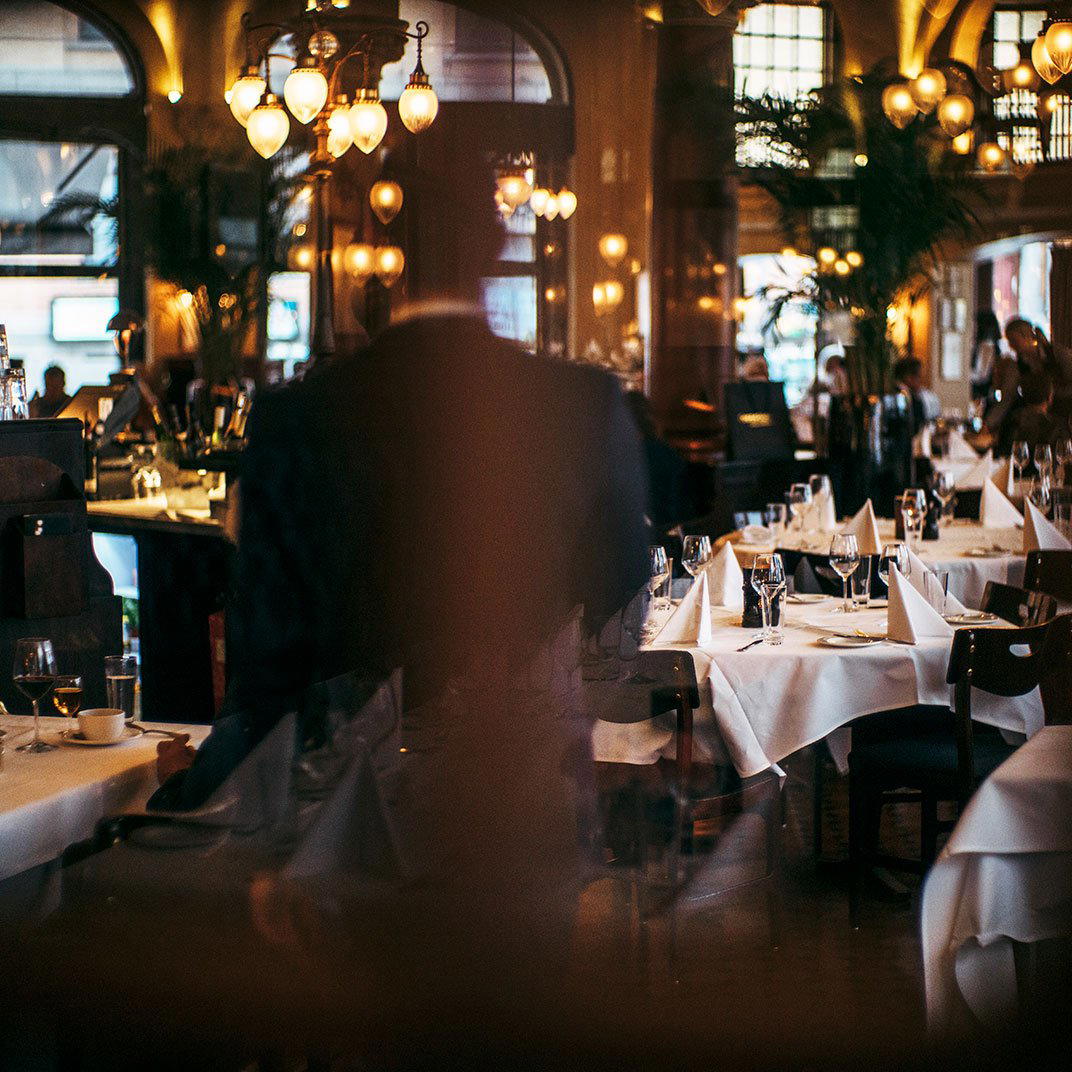
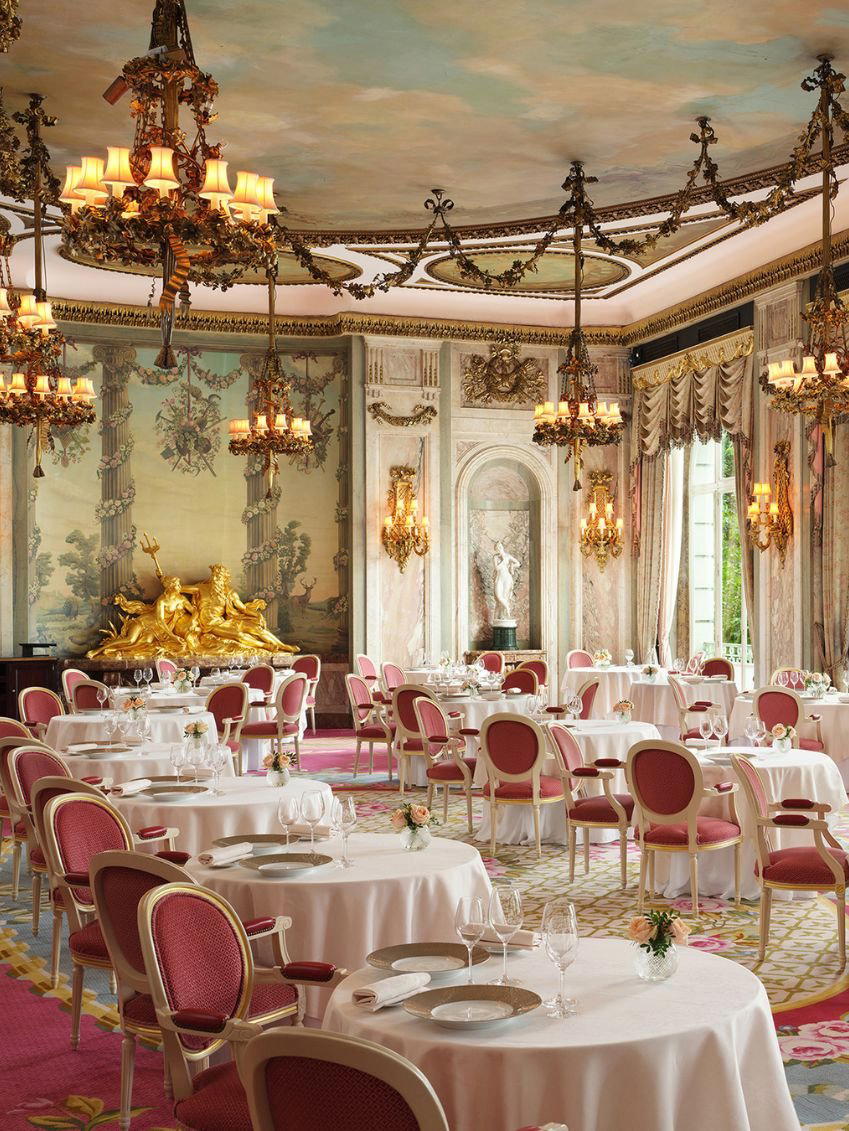
Stylish surroundings in the city center with flavorful dishes served in an elegant setting.