

Star Wine List · Falstaff Wine Bar - Listed
On a corner of St. Hanshaugen, Bukken Vinbar sits at the quieter, neighbourhood end of Oslo's wine bar spectrum, small, intimate, and oriented around the kind of considered pouring that defines Norway's most serious low-key wine rooms. Where Oslo's flagship cocktail bars compete on technical theatre, Bukken operates closer to a Parisian cave à vins: a place built around the glass, the table, and the person serving both.

Pearl is the En Primeur Club membership app, where members save venues, book tables and use the concierge.
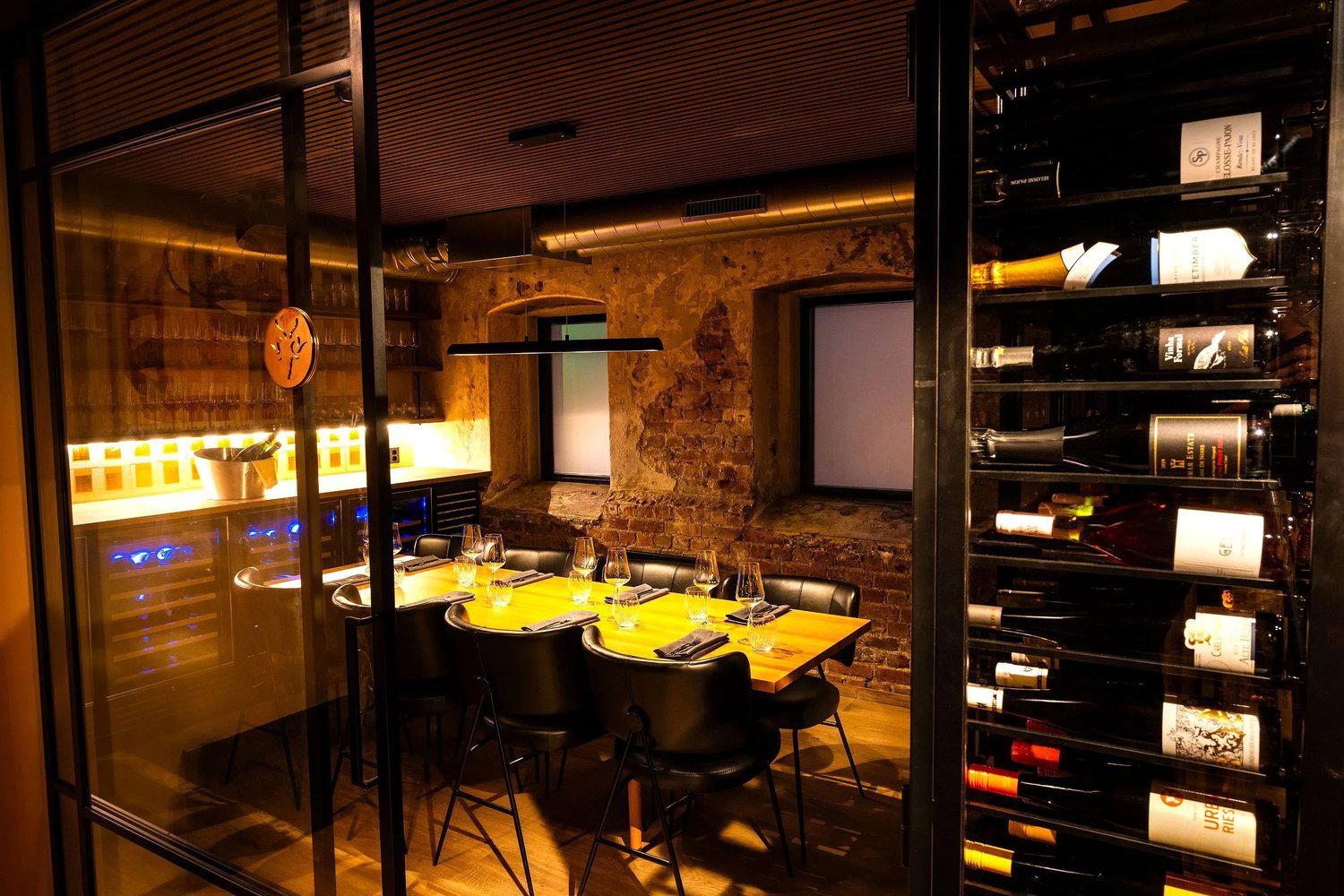
A Corner Bar in the St. Hanshaugen Tradition
Oslo's wine bar scene has sorted itself into two recognisable camps over the past decade. One camp clusters around Grünerløkka and the city centre, trading in high-volume natural wine lists and the kind of ambient noise that functions as its own marketing. The other sits in residential pockets, St. Hanshaugen, Frogner, Majorstuen, where the format is quieter, the list is shorter, and the person behind the bar typically knows more about what's in the glass than the average sommelier at a larger restaurant. Hanshaugen, belongs firmly to the second camp.
The physical setup signals intent before you've ordered anything. A handful of tables line the exterior walls in summer, a configuration that turns the corner into an informal terrace without attempting the scale of a proper outdoor dining room. Inside, the room is small and arranged to keep the bar at its centre. This is not accidental. Wine bars in the Nordic tradition increasingly treat the counter as the fulcrum of the experience: the place where the pour is explained, the producer mentioned, the vintage contextualised. At a room this size, that dynamic is unavoidable in the leading sense.
The Bar as the Point of the Room
The editorial angle on Oslo's wine-forward bars is increasingly about what happens behind the counter rather than what's on the label. This shift is visible across the city, from the fermentation-led programme at Himkok to the neighbourhood-rooted approach at Svanen, but it takes a different form at a place like Bukken, where the small scale means the bartender's philosophy is inescapable.
At intimate wine counters operating in this register, the selection typically skews toward natural and low-intervention producers, a category that has moved from fringe to mainstream in Oslo faster than in most European capitals. The city's proximity to Denmark (particularly Copenhagen's natural wine infrastructure) and a food culture that has spent fifteen years absorbing New Nordic sourcing principles has accelerated this. The result is a bar scene where provenance conversations happen routinely, not performatively.
Bukken's position on that corner of St. Hanshaugen also matters geographically. The neighbourhood sits between the density of the city centre and the more explicitly residential streets further west, which draws a mixed clientele: people who live nearby and treat the place as a local, and visitors who have specifically sought out something outside the well-trodden Youngstorget-to-Aker Brygge circuit. That dual audience shapes the hospitality register, less formal than a restaurant, more knowledgeable than a pub.
Placing Bukken in Oslo's Wine Bar Field
Comparing Oslo's wine-focused bars by format and neighbourhood reveals a meaningful spread. Arakataka operates at a higher volume with a food programme that competes in the restaurant tier. Bukken's closest comparisons are smaller neighbourhood rooms where the wine list is the product and the food offer, if any, is designed to support rather than compete with it.
This format has a clear precedent across Scandinavia. Blomster og Vin in Trondheim and Dråpen Vinbar in Bergen operate in a similar register: small rooms, wine lists, staff who are expected to lead the conversation. Further afield, Amtmandens in Tromsø applies a comparable intimacy in a very different climate context, while smaller-town venues like Huset i Gato in Mosjøen, Køl Bar & Bistro in Molde, and Kork Vinbar & Scene in Rørvik show that this format has become a recognisable Norwegian typology rather than a metropolitan affectation. Even internationally, the small intimate wine bar model appears in places like Bar Leather Apron in Honolulu, which shares the same emphasis on craft service in a compact space, though with a cocktail rather than wine focus.
What connects these venues is not a shared list or producer stable but a shared service philosophy: the assumption that the person behind the bar has done the work, knows the wines at a depth beyond the back label, and can translate that knowledge into a useful recommendation without lecturing. In Oslo's current market, that capability is increasingly the differentiator between a wine bar and a place that just sells wine. Hanshaugen, central Oslo, a ten-minute walk from the city centre and easily reachable from most of the city's main transit corridors. The summer terrace, a few tables along the exterior walls, makes the corner particularly useful on the longer evenings Oslo's climate provides between May and September, when outdoor seating at smaller bars fills quickly. The room's intimacy means capacity is limited; showing up without a plan on a Friday or Saturday in peak season is a gamble. Checking availability in advance is sensible for groups larger than two. For a broader orientation to what Oslo's bar and restaurant scene covers across price points and formats, the EP Club Oslo guide maps the full field.
At a Glance
Comparable venues nearby, for context on price, style, and recognition.
| Venue | Price | Awards | Notes |
|---|---|---|---|
| Bukken VinbarThis venue (the venue you are viewing) | $50–100 | Star Wine List · Falstaff Wine Bar - Listed | Not listed |
| Markveien Mat & Vinhus og Vinbaren Dr. Kneipps | $50–100 | Star Wine List | Enerhaugen, wine_bar |
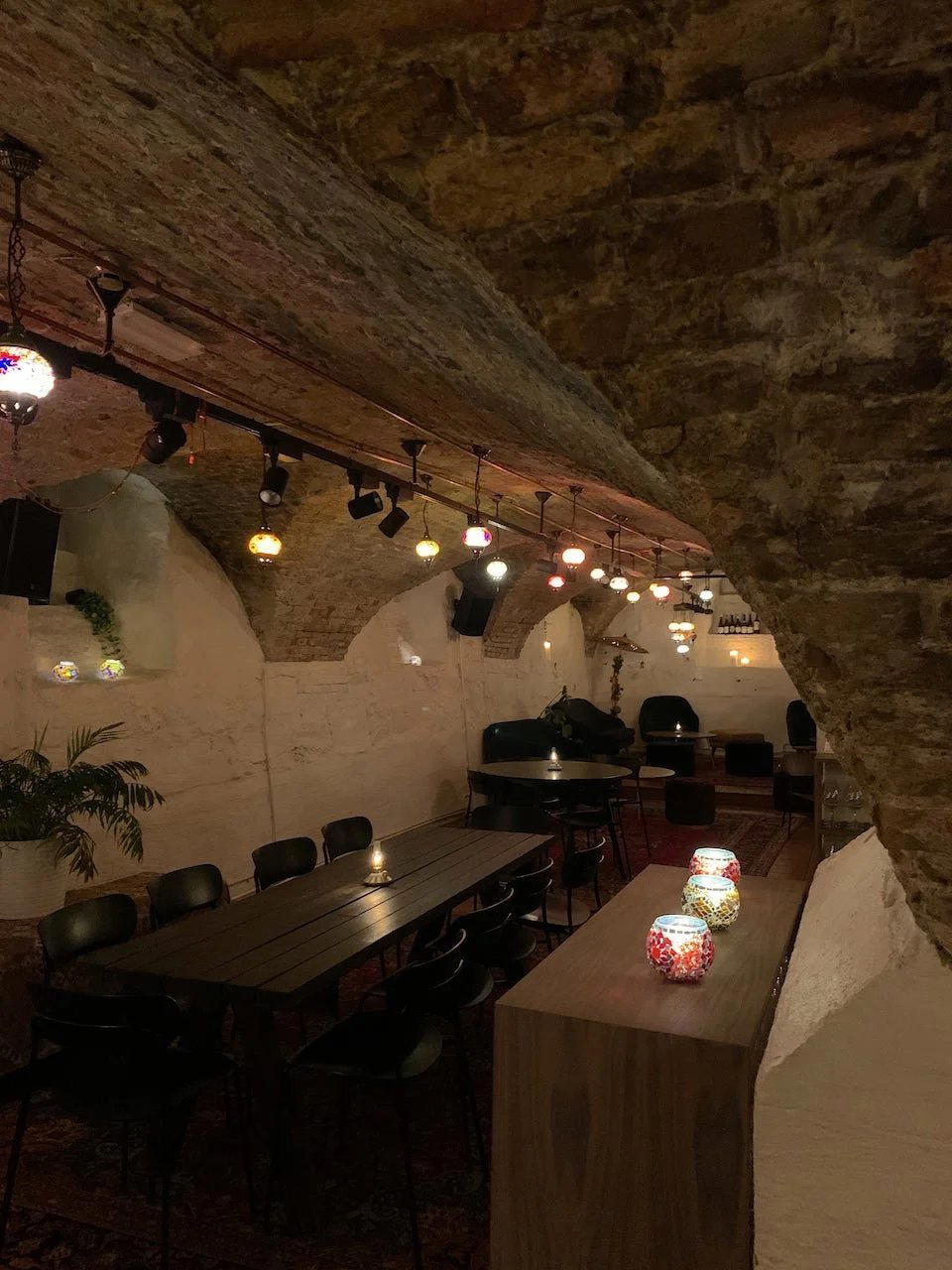
| Grotten Vinbar | $50–100 | Star Wine List · Falstaff Wine Bar - Listed | Homans Byen, wine_bar |
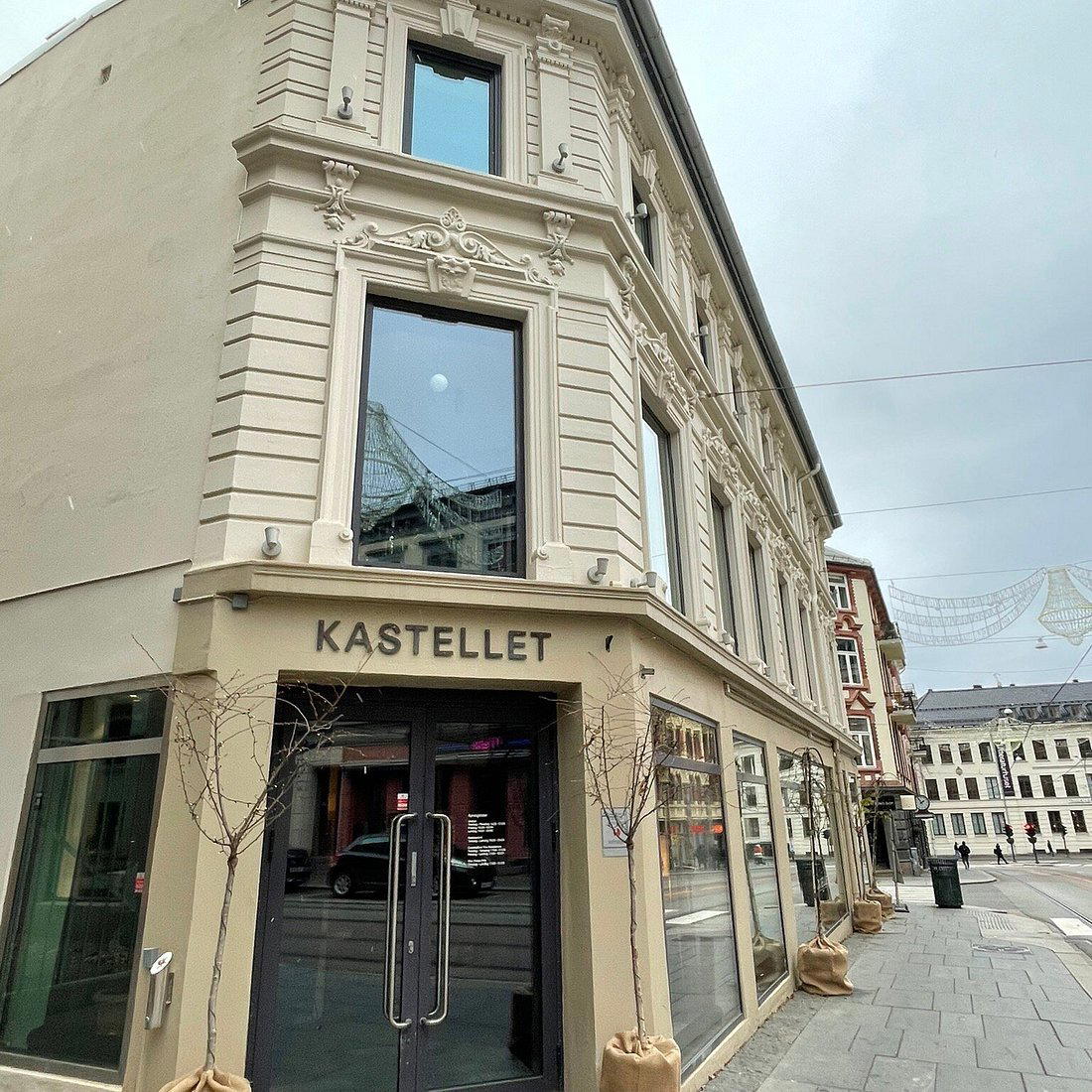
| Kastellet | $50–100 | Star Wine List · World's Best Wine Lists Awards WBWL 3-Star | Homans Byen, wine_bar |
| Vintage Kitchen | Not listed | Star Wine List | Enerhaugen, wine_bar |
Recognition history
Dated appearances from independent guides and award organizations, with the underlying list record or original source where available.
Star Wine List
Star Wine List
Falstaff Wine Bar - Listed
Falstaff
Continue exploring
More in Oslo
Bars in Oslo
All bars in Oslo →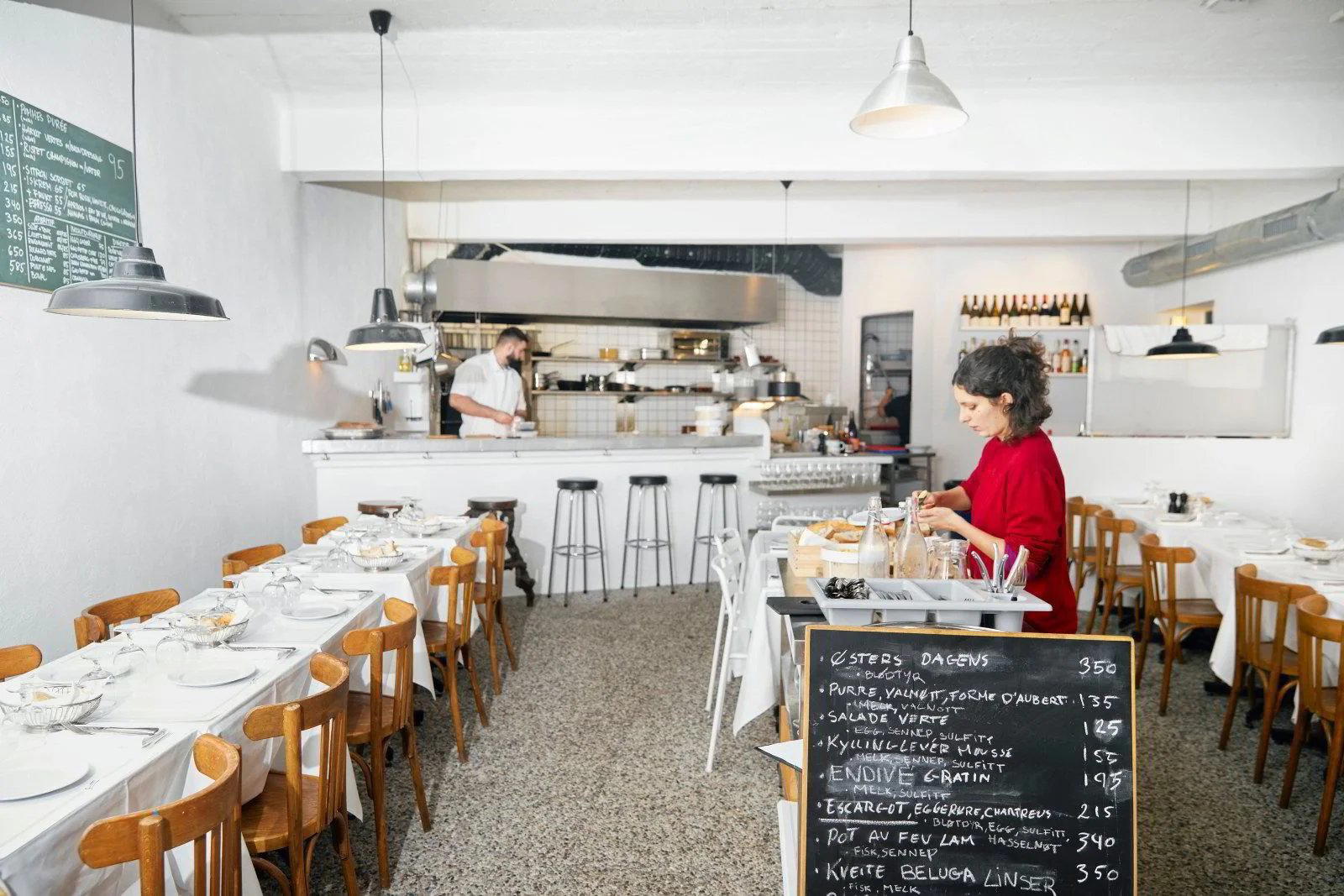
Restaurants in Oslo
All restaurants in Oslo →
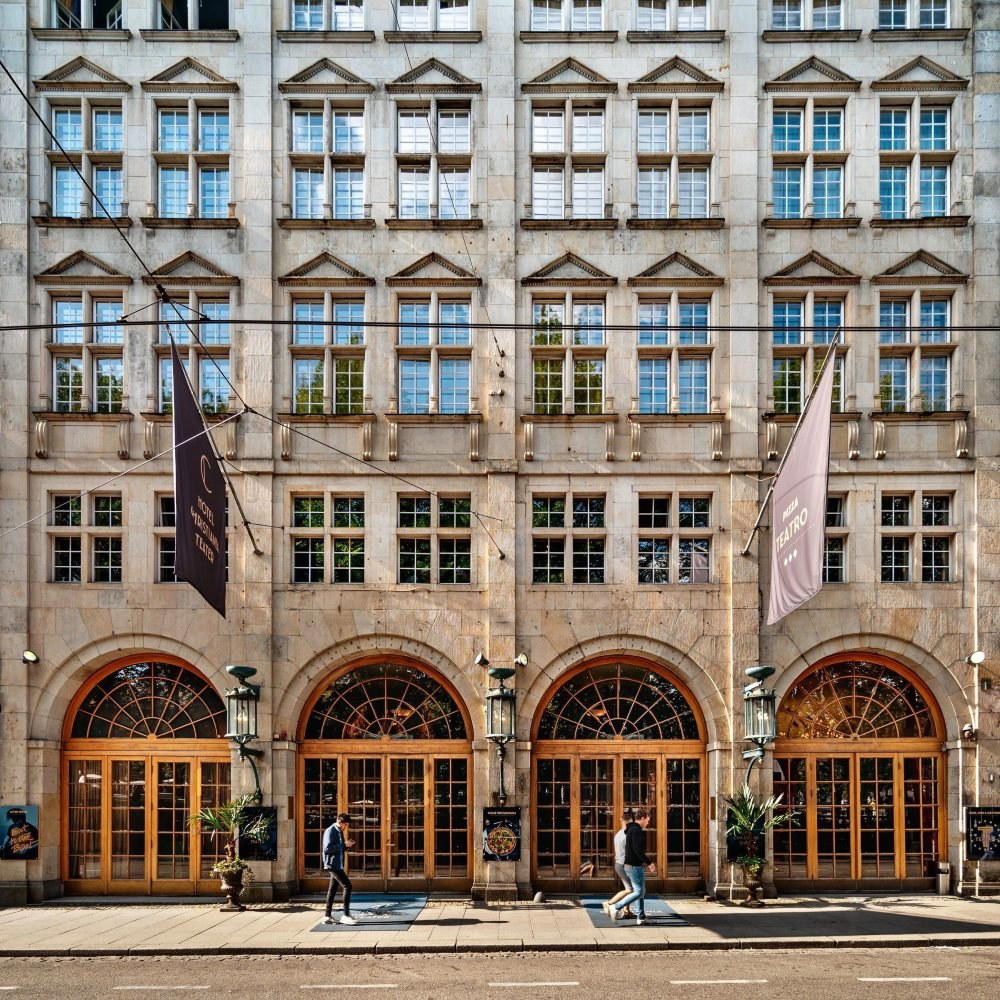
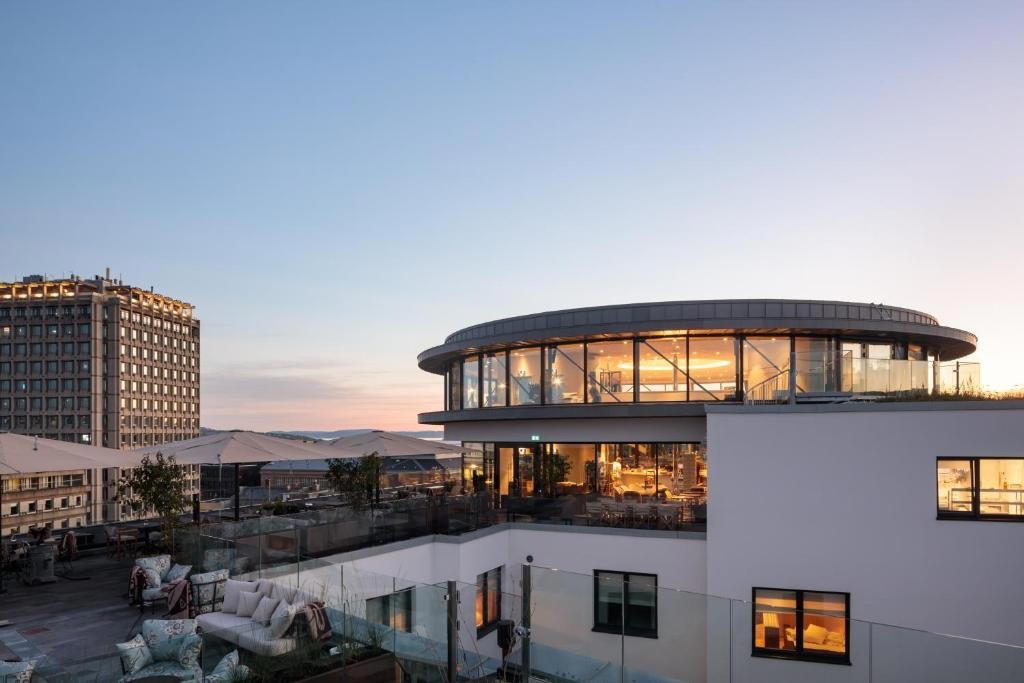
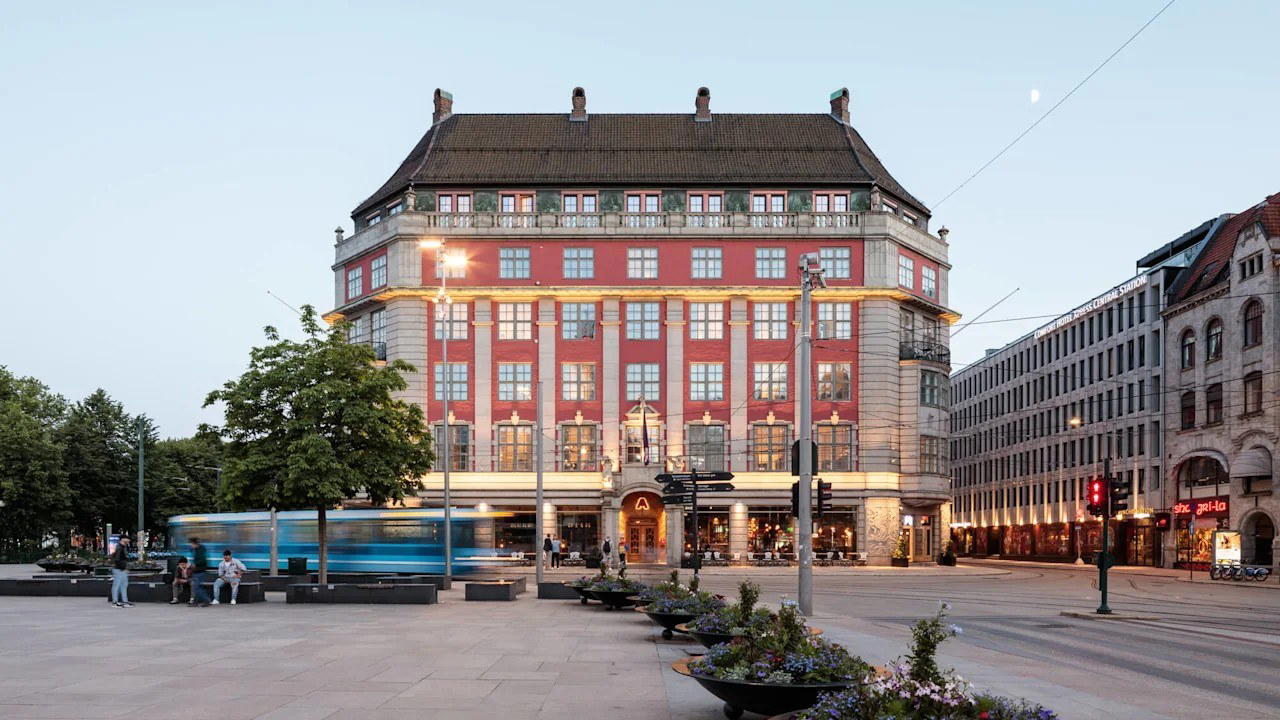
Bukken Vinbar
The wine
- Wine program
- Deep wine list
- Natural wine
Signature drinks: Bibi Graetz Bollamatta.
Details
- Cozy
- Intimate
- Rustic
- Romantic
- Date Night
- Celebration
- Special Occasion
- Group Outing
- Standalone
- Historic Building
- Seated Bar
- Lounge Seating
- Private Rooms
- Conventional Wine
- Natural Wine
Current opening hours
- Monday
- Closed
- Tuesday
- 5 PM–12 AM
- Wednesday
- 5 PM–12 AM
- Thursday
- 5 PM–1 AM
- Friday
- 5 PM–1 AM
- Saturday
- 1 PM–1 AM
- Sunday
- Closed
Hours can change for holidays and private events. Hours as of .
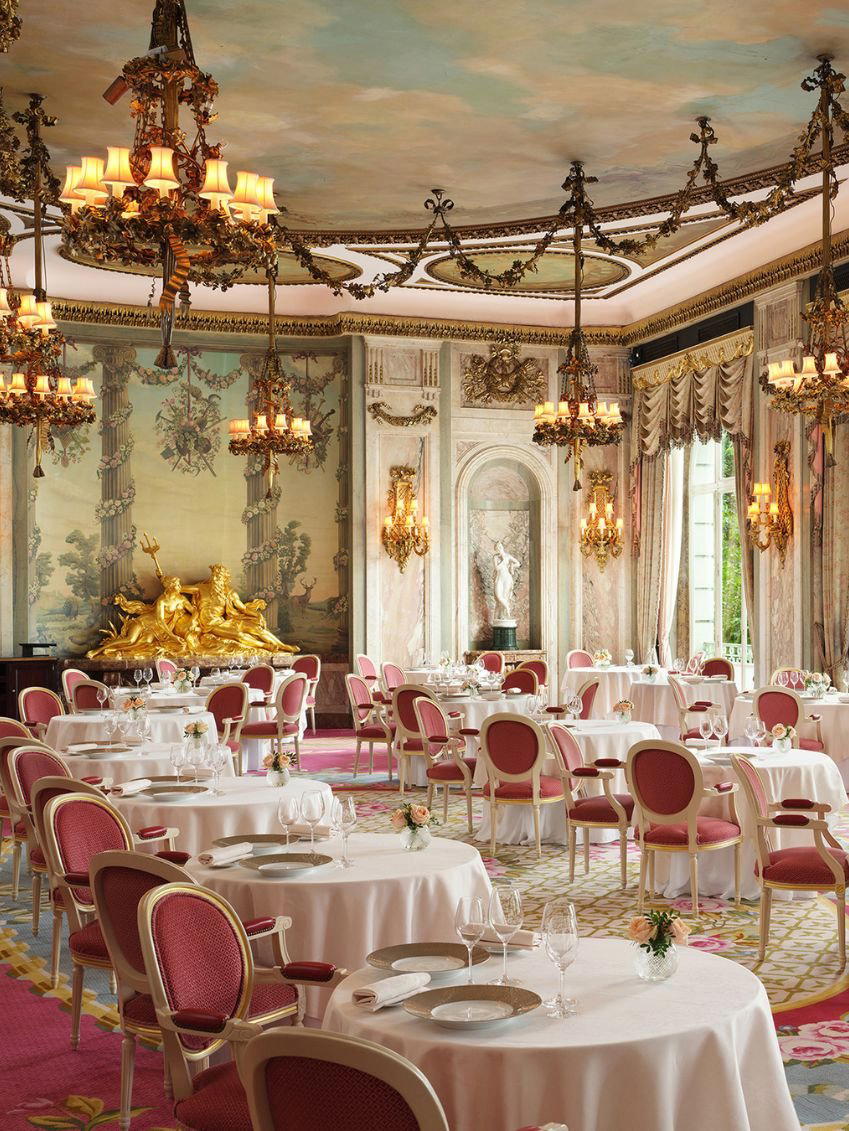
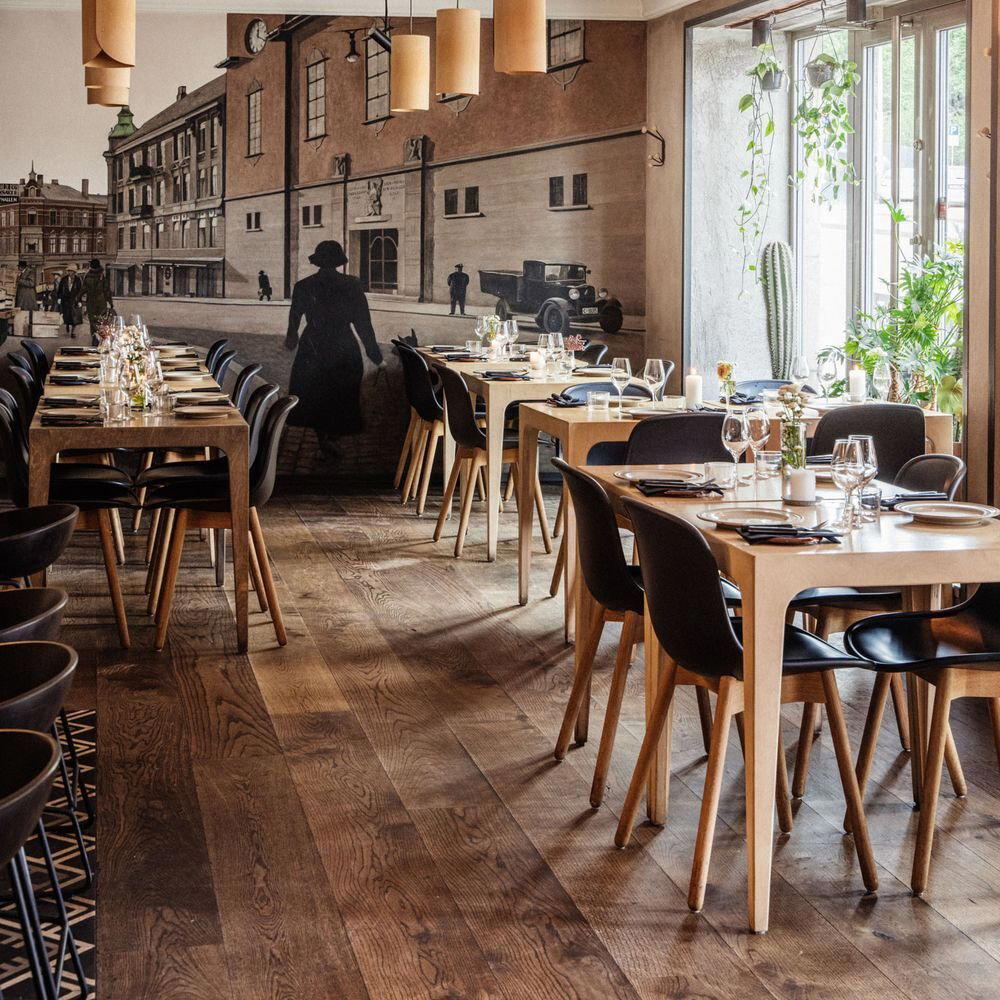
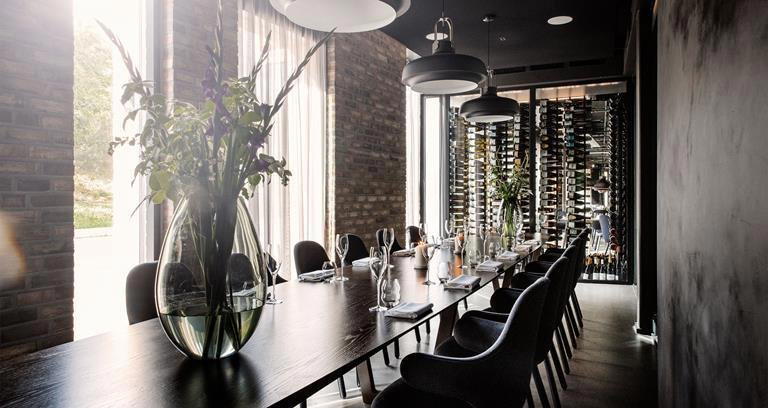
Warm, cozy interior with wooden accents and soft lighting creating an intimate atmosphere well-suited for wine appreciation and relaxed dining.