
1 Michelin Star
Our verdict
A Michelin-starred French table in Chuo City where Japanese seasonal ingredients and the philosophy of 'three harmonies' shape each course. Hortensia frames French technique through kombu-laced stocks, traditional craft vessels, and produce that shifts with the seasons, placing it at a quieter remove from Tokyo's higher-decibel fine-dining circuit.

Pearl is the En Primeur Club membership app, where members save venues, book tables and use the concierge.
A Quieter Register in Tokyo's French Fine-Dining Circuit
Tokyo's French restaurant scene has bifurcated sharply over the past decade. At one end, three-star addresses such as L'Effervescence and Sézanne command international waiting lists and price points well into the ¥¥¥¥ tier. At the other, a smaller cohort of single-star rooms operates on tighter formats, tighter menus, and a quieter kind of precision. Hortensia in Chuo City's Shintomi district belongs to the latter group, holding a Michelin star as of 2024 at a ¥¥¥ price point that places it a bracket below the city's most expensive French addresses but within the same conversation about craft.
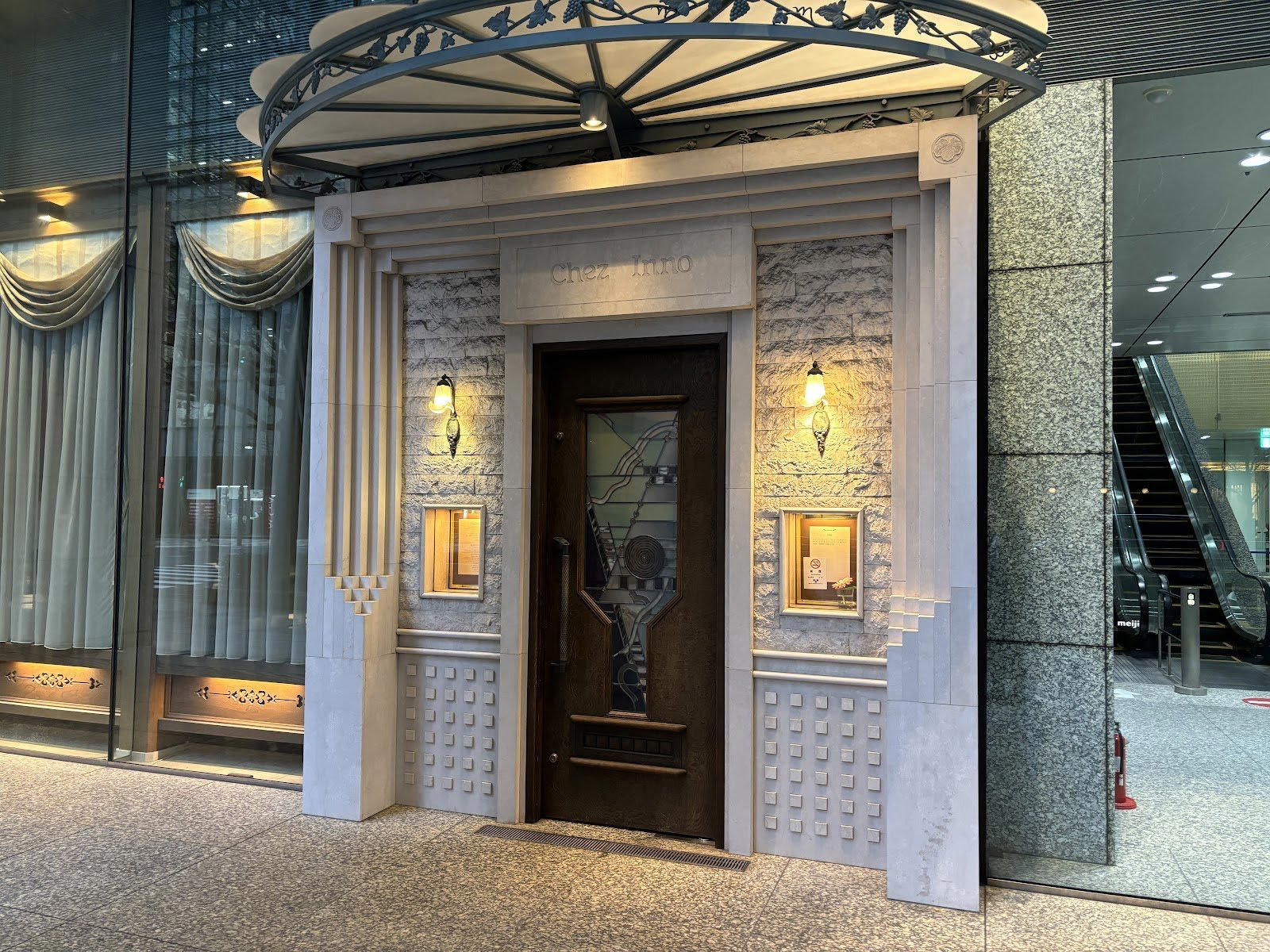
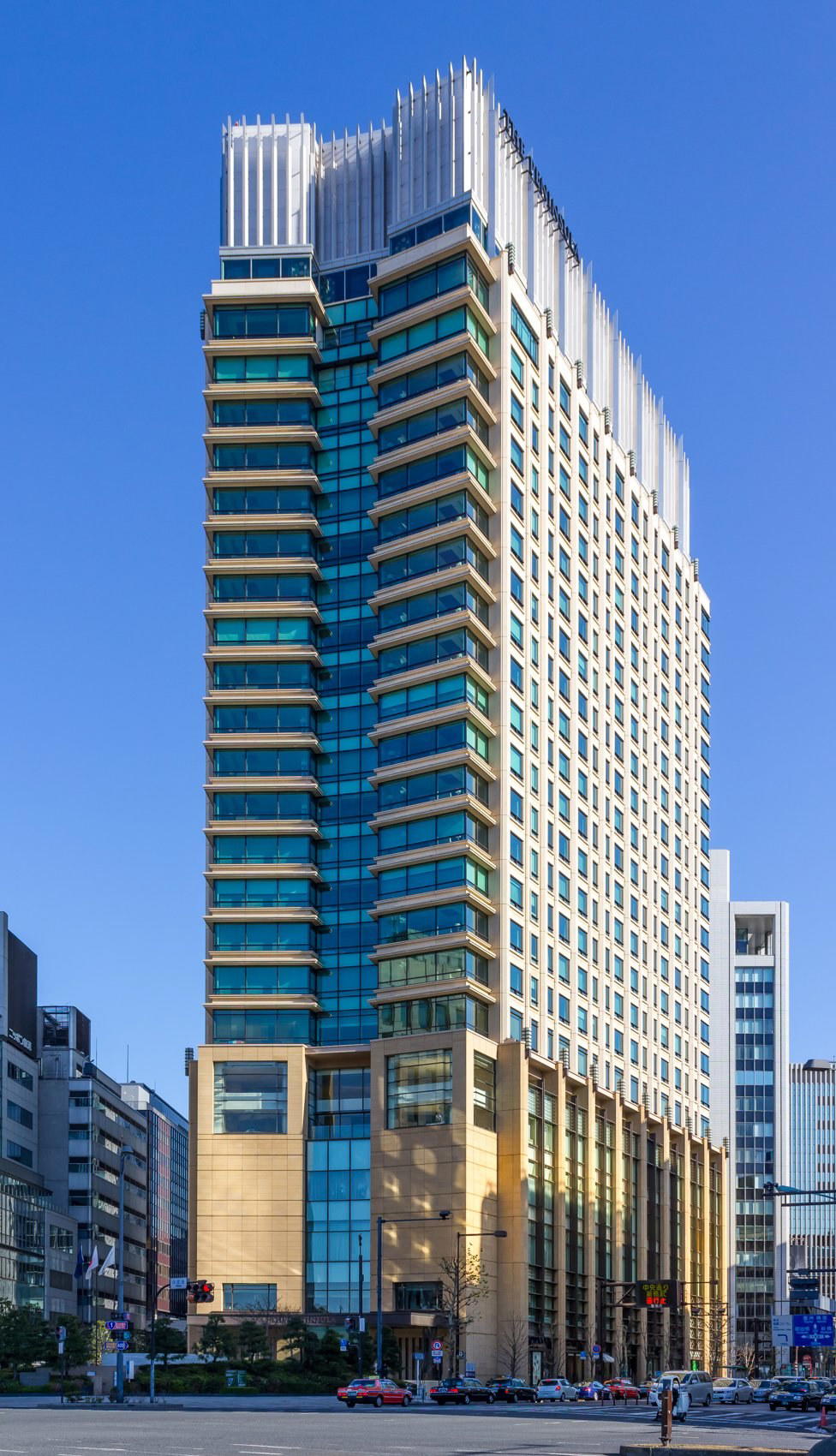
The building is a second-floor room above a street-level entrance in a low-rise block, the kind of setting that Tokyo's serious mid-tier restaurants have always favoured: no ground-floor theatre, no visible kitchen from the pavement, arrival preceded by a staircase that works as a decompression chamber between city noise and dining-room calm. The transition from the dense retail and office grid of Chuo to whatever is waiting upstairs is part of the rhythm here before the meal has started.
The Structure of a Hortensia Meal
The editorial framework given by Michelin's own notes on hortensia is instructive: the cuisine organises itself around what the kitchen calls the 'three harmonies', which means harmony with seasonal change, harmony of flavours across a course sequence, and what the kitchen describes as gentleness of flavour. That third principle is the least common in French restaurants, where intensity and concentration are usually the aspirational poles. Here, lightness is a deliberate position.
Meal begins, as most serious French tasting menus do, with a stock-based preparation that announces the kitchen's foundational logic. At hortensia, that logic is Japanese: kombu kelp is drawn into the soup stock, adding a mineral, oceanic depth that French fond de veau technique does not reach. This is not novelty fusion. It is closer to how the leading Franco-Japanese kitchens in Tokyo have operated for years, using indigenous umami sources as structural foundations rather than garnish. ESqUISSE and Florilège have worked in adjacent territory at higher price points; hortensia's version arrives at a more accessible register without softening the argument.
As the sequence progresses, the sourcing of Japanese produce becomes more visible. The kitchen's stated approach is to focus on Japanese foods and enhance their inherent qualities, which in practice means that protein and vegetable choices follow domestic provenance rather than imported luxury ingredients. French technique is the syntax; Japanese seasonality supplies the vocabulary. The result, across the arc of a full tasting progression, is a meal that shifts register by course in ways that feel seasonally coherent rather than stylistically scattered.
Presentation is described as colourful, which in Tokyo's French fine-dining context is a meaningful note. The city's kaiseki tradition prizes chromatic restraint and negative space; French fine dining in other cities trends toward cream, brown, and golden sauce work. Hortensia's more colourful plate style sits between those poles and aligns with the idea that Japanese seasonal produce should read visually as well as on the palate.
The Role of the Serving Vessels
Traditional Japanese craftworks are used throughout for vessels and cutlery. In a city where tableware is treated as a competitive differentiator, this is not an incidental detail. The major Kyoto and Tokyo craft traditions produce ceramics, lacquerware, and metalwork at a level that functions as cultural statement when it reaches a Michelin-starred table. Hortensia's use of these objects is framed as a declaration of Japanese cultural identity within a French format, and the frame holds, because the food philosophy behind it is consistent. The vessel and the preparation are making the same point.
For comparison: at Château Restaurant Joël Robuchon in Ebisu, the tableware logic runs the other direction, European porcelain and silverware in a French-château-transplanted setting. Hortensia's inversion of that formula, French food in Japanese vessels, is a shorthand for where the city's more thoughtful mid-tier French rooms have moved.
Where Hortensia Sits in the Tokyo French Pecking Order
With a single Michelin star and a ¥¥¥ price range, hortensia occupies a specific competitive position. In Tokyo's French category, single-star rooms at this price tier are the highest-volume part of the quality market: numerous enough that differentiation requires a clear point of view, crowded enough that the rooms without one eventually fall away. Hortensia's point of view, Japanese ingredients and craft tradition within French structure, is coherent and consistent with what Michelin's own note describes.
The two-star French rooms in Tokyo, such as Crony in its innovative French-Japanese register, bridge the gap between hortensia's price tier and the three-star tier. Hortensia does not compete with those addresses on scale or ambition so much as on precision within a smaller format.
For anyone building an itinerary across Japan's French and Franco-Japanese restaurant spectrum, the wider context includes HAJIME in Osaka, Gion Sasaki in Kyoto, and akordu in Nara, each of which handles the French-Japanese intersection differently and at different price points. Within Tokyo itself, see our full Tokyo restaurants guide for the wider field. For European reference points in the French fine-dining tradition, Hotel de Ville Crissier in Crissier and Les Amis in Singapore offer useful comparative anchors for how French classical technique travels across cultures.
Further afield in Japan, Goh in Fukuoka, 1000 in Yokohama, and 6 in Okinawa represent regional variations on what serious, locally inflected fine dining looks like outside the capital.
Planning Your Visit
Hortensia is located on the second floor at 1 Chome-5-12 Shintomi, Chuo City, Tokyo. Price tier: ¥¥¥, placing it at a more accessible point than Tokyo's three-star French addresses. Awards: Michelin 1 Star (2024). Booking: Timing: Given the kitchen's emphasis on seasonal harmony, the menu shifts with the agricultural calendar, making any visit a snapshot of a particular moment in the Japanese year rather than a fixed program. Arriving in late autumn or early spring, when Japanese ingredient transitions are sharpest, aligns well with the kitchen's stated approach.
For further Tokyo planning, consult our Tokyo hotels guide, our Tokyo bars guide, our Tokyo wineries guide, and our Tokyo experiences guide.
Frequently asked questions
Does hortensia have a Michelin star or similar recognition?
hortensia has received recognition including: The themes here are richness and flavours. The flavour of kombu kelp is added to soup stock and other ingredients, creating culinary synergies. The chef’s approach is to focus on the foods of Japan and enhance their creativity. The cuisine ….
What should I eat at hortensia?
The kitchen structures its meal around a multi-course progression rooted in Japanese seasonal produce treated through French technique. Michelin notes the use of kombu kelp to build depth in stock and other preparations, generating what the kitchen describes as culinary synergies. Presentation runs colourful with deliberately light flavours, and traditional Japanese craftwork serves as the tableware throughout.
What should I budget for a meal at hortensia?
Pricing at hortensia is listed as ¥¥¥.
How hard is it to get a table at hortensia?
Hortensia holds a 2024 Michelin star at a ¥¥¥ price point in Chuo City, placing it in the competitive middle tier of Tokyo French fine dining where demand reliably outpaces single-star addresses at higher price brackets. Contacting the restaurant directly through its Shintomi address is the practical first step.
What do critics highlight about hortensia?
Michelin's 2024 citation focuses on the 'three harmonies' framework: alignment with seasonal change, coherence of flavours across the meal, and a gentleness of flavour that distinguishes the kitchen from heavier Franco-Japanese interpretations. The use of traditional Japanese craftwork for serving vessels receives specific mention as an expression of cultural identity within a French-format tasting meal.
Price Lens
| Venue | Cuisine | Price | Awards | Notes |
|---|---|---|---|---|
| hortensiaThis venue (the venue you are viewing) | Modern French with Japanese Influences | $150–200 | 1 Michelin Star | Not listed |
| Harutaka | Edo-Style Omakase Sushi | $200–300 | 3 Michelin Stars · World's 50 Best #76 | Sushi |
| RyuGin | Modern Kaiseki | $500+ | 3 Michelin Stars · World's 50 Best #41 | Kaiseki, Japanese |
| L'Effervescence | Modern French with Japanese Influences | $200–300 | 3 Michelin Stars · World's 50 Best #69 | French |
| HOMMAGE | Modern French with Japanese Influences | $150–200 | 2 Michelin Stars · World's 50 Best #78 | Innovtive French, French |
| MAZ | Innovative Peruvian-Japanese Fusion | $150–200 | 2 Michelin Stars · World's 50 Best #28 | Innovative |
Recognition history
Dated appearances from independent guides and award organizations, with the underlying list record or original source where available.
Michelin 1 Star
Michelin
Full recognition history (2 entries)
Michelin 1 Star
Michelin
Continue exploring
More in Tokyo
Restaurants in Tokyo
All restaurants in Tokyo →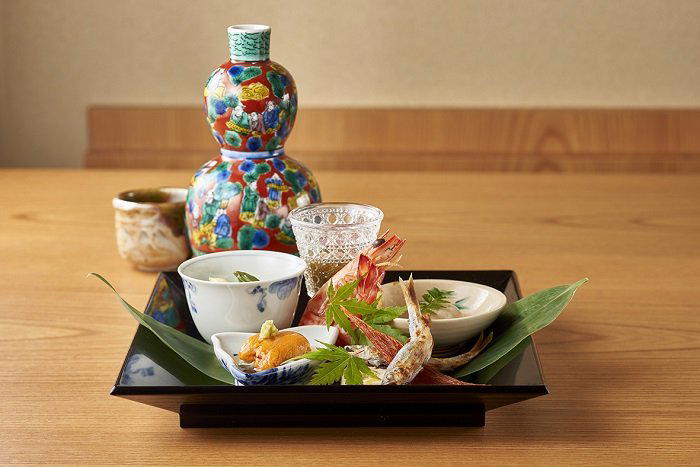


Details
- Elegant
- Modern
- Intimate
- Sophisticated
- Date Night
- Special Occasion
- Business Dinner
- Chefs Counter
- Open Kitchen
- Private Dining
- Extensive Wine List
- Sake Program
- Tasting Menu
- Counter Dining
- Wine Pairing
Current opening hours
- Monday
- 5–11 PM
- Tuesday
- 5–11 PM
- Wednesday
- Closed
- Thursday
- 5–11 PM
- Friday
- 5–11 PM
- Saturday
- 12–11 PM
- Sunday
- 12–11 PM
Hours can change for holidays and private events. Hours as of .
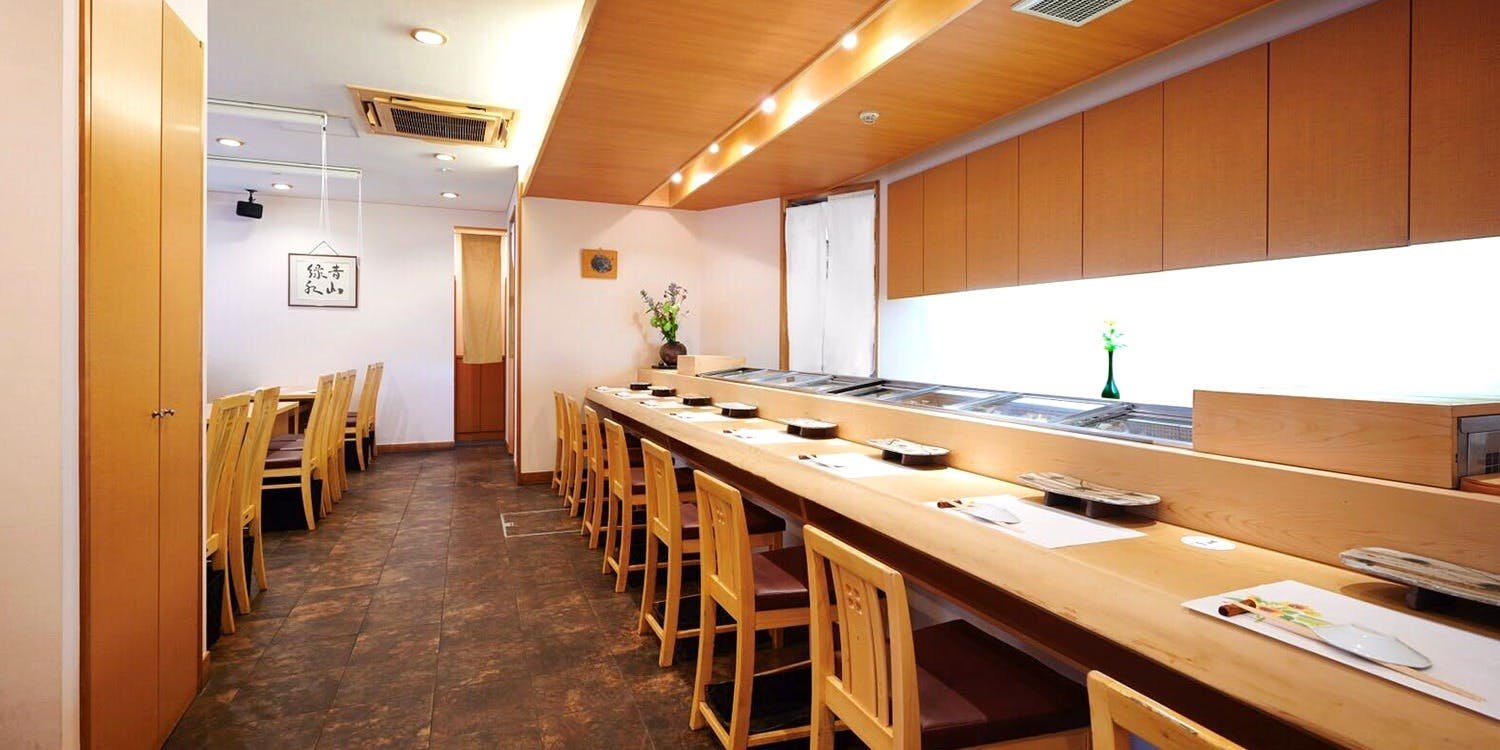
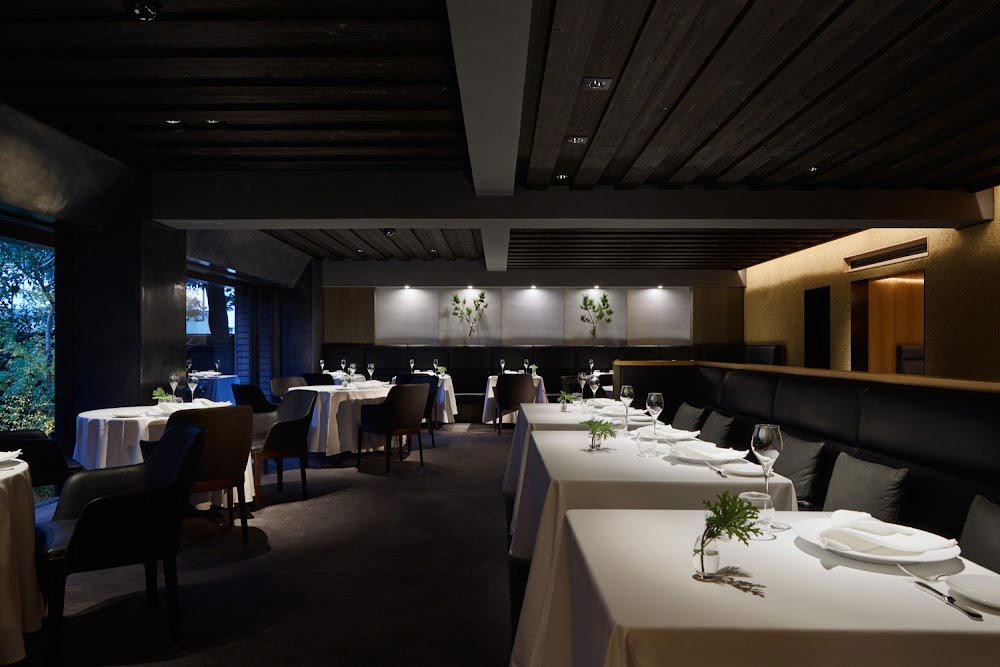
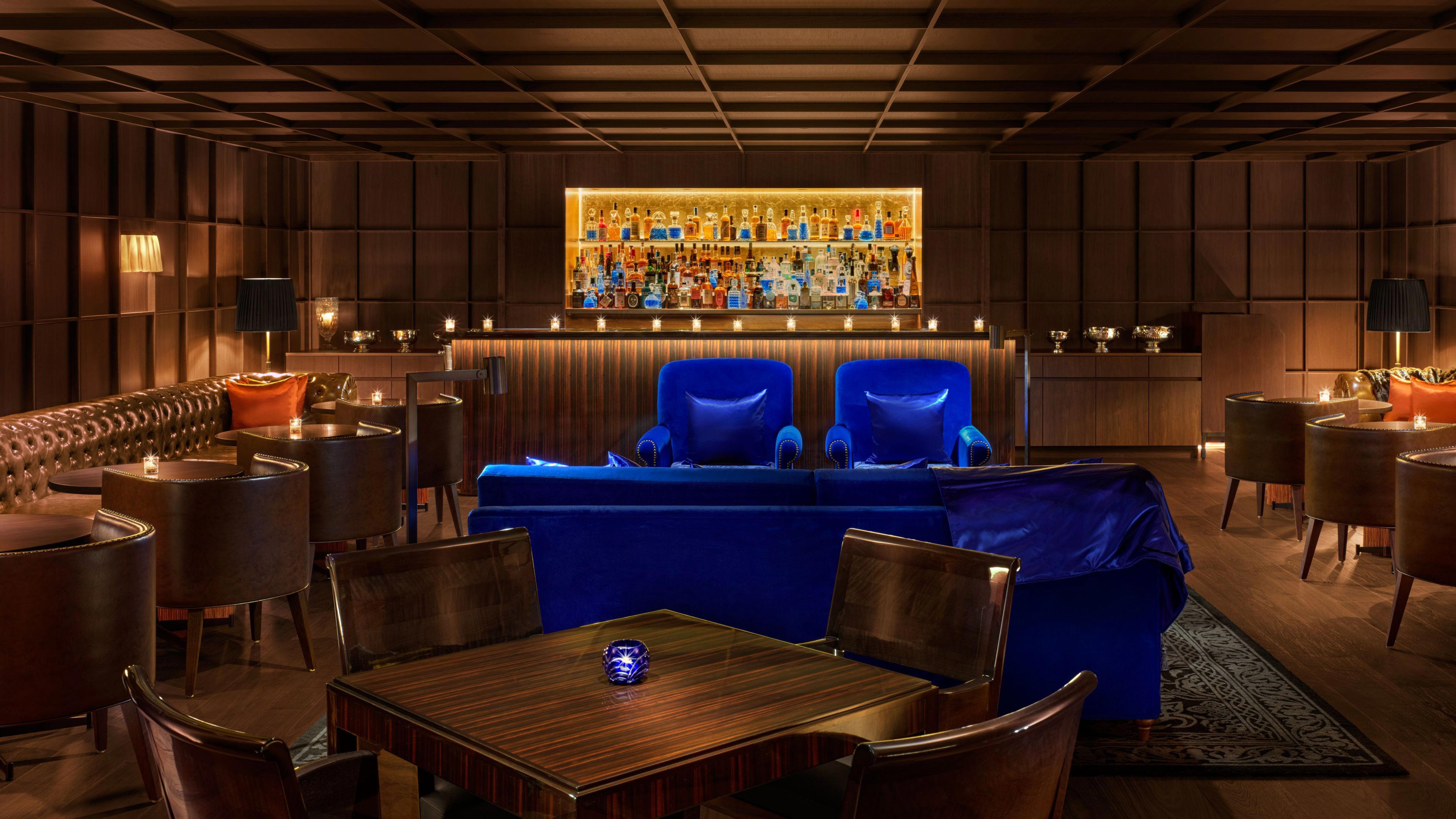
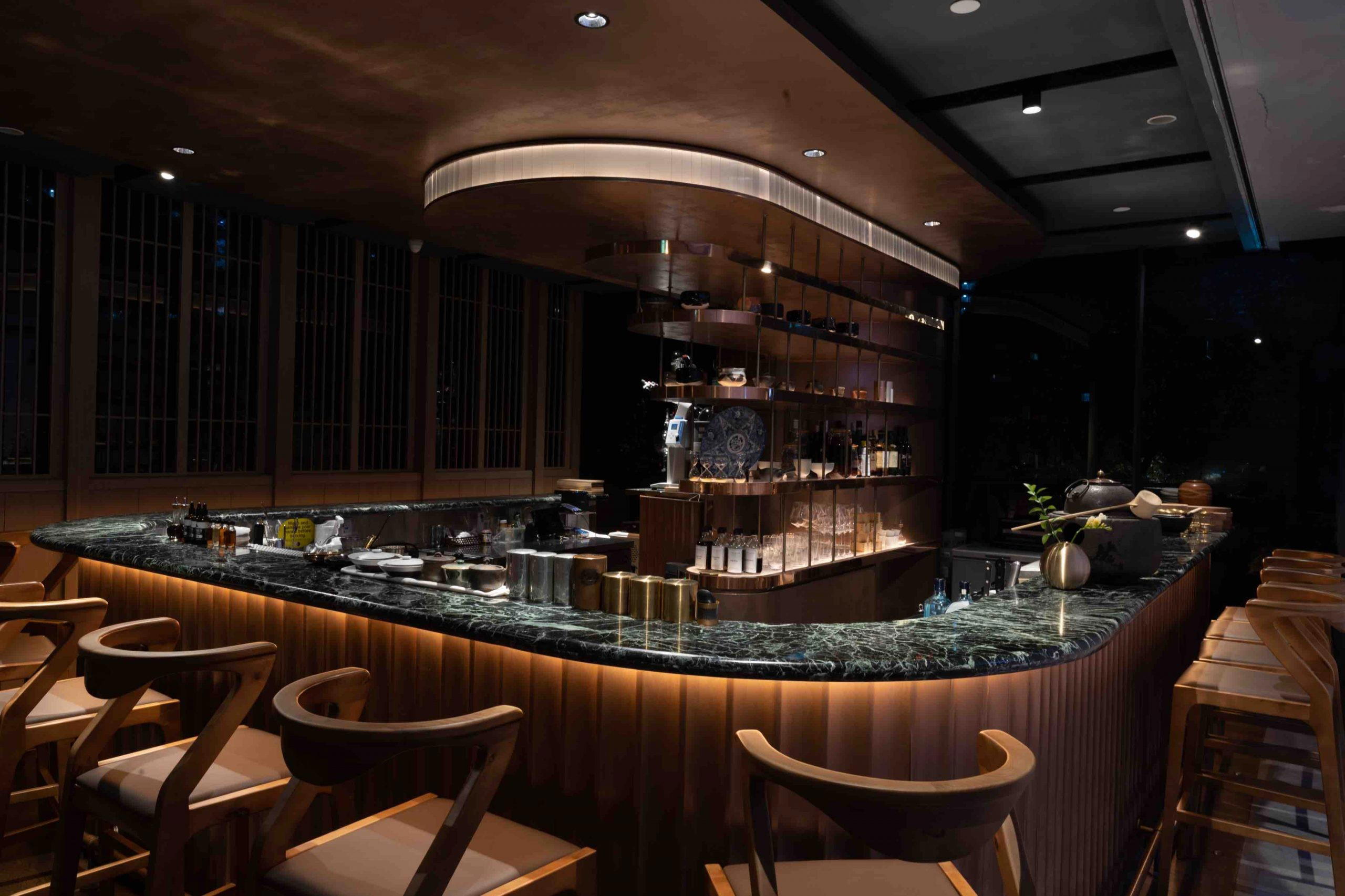
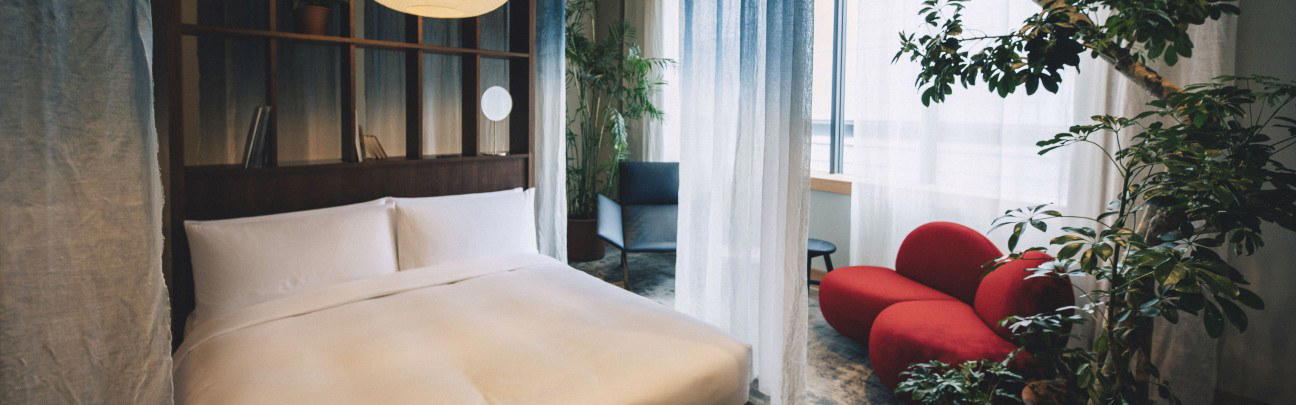
Modern interior with wooden counter facing open kitchen, calm brown tones, flower arrangements, wood and stone elements creating a gentle, homey yet elegant atmosphere.