
1 Michelin Star
Our verdict
La Gloire in Tokyo's Akasaka district holds a 2025 Michelin Plate recognition for its approach to classical French cuisine reread through a contemporary lens. The dining room's Versailles imagery frames the kitchen's intent: cooking that traces the arc from royal court tradition to modern technique. A serious international wine program runs alongside the food.

Pearl is the En Primeur Club membership app, where members save venues, book tables and use the concierge.
French Classicism in a City That Demands More From It
Tokyo has become one of the most competitive environments on earth for French cuisine. The city's Michelin Guide lists more French restaurants than almost any city outside France, and the range runs from three-star institutions like L'Effervescence and Château Restaurant Joël Robuchon down through a dense mid-tier of serious, technically grounded kitchens. Within that field, the Michelin Plate, awarded in 2025 to La Gloire, signals a kitchen that meets the Guide's standard for quality cooking without yet drawing a star. In Tokyo's French scene, that positioning still puts a restaurant in demanding company.
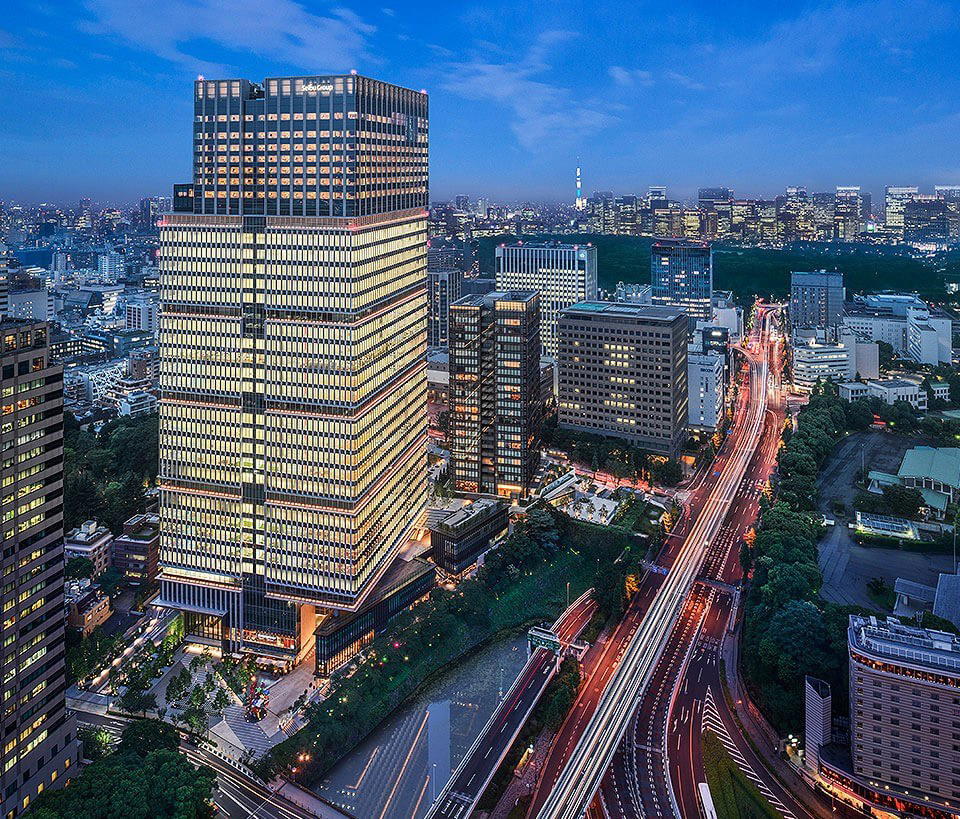
La Gloire sits in Akasaka, a district that has long attracted formal dining for reasons of geography and clientele. Minato City's Akasaka neighbourhood, built around government offices, embassies, and major corporate headquarters, generates a consistent demand for the kind of French table where a business dinner can proceed without interruption and where the wine list supports a serious conversation. The address, Akasaka 2-chome, inside the Akasakatomike Tower Annex, places it squarely in that professional dining corridor, a different register from the more exploratory French cooking happening in Shibuya or Minami-Aoyama.
The Versailles Reference and What It Actually Means
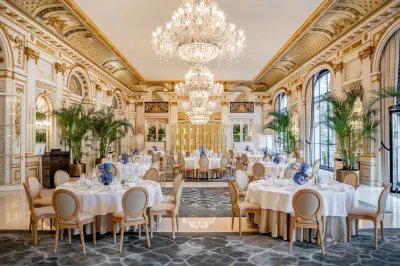
Black-and-white photographs of the Palace of Versailles line the walls of the dining room. The choice is not decorative coincidence. Versailles functions here as a culinary reference point: the French court of the seventeenth and eighteenth centuries codified the grammar of European haute cuisine, establishing the service systems, the hierarchies of courses, and the ingredient relationships that classical training still transmits. A restaurant that positions itself against that history is making a statement about culinary seriousness that goes beyond decor.
The kitchen's declared approach is to trace that classical lineage and then redirect it through a contemporary hand. This is a recognizable mode in Tokyo's French dining, where several of the city's most respected rooms operate at the intersection of tradition and precision-led modernity. ESqUISSE and Sézanne both work that territory at higher price points and with broader critical recognition. La Gloire occupies a different position in the price tier, listed at ¥¥¥ against the ¥¥¥¥ of those starred peers, which positions it as the more accessible entry point into historically anchored French cooking in central Tokyo.
The 2025 Michelin Plate is the operative trust signal here. Michelin awards the Plate, introduced to the Japan Guide to denote kitchens producing food of consistent quality, to restaurants it deems worth the reader's attention even without a star. In a city where starred French restaurants cluster at the ¥¥¥¥ tier, a Plate-holding kitchen at ¥¥¥ occupies a specific space: technically credible, historically informed, and priced within reach of a broader dining audience than the starred tier allows.
Relevant comparison set in Tokyo's French mid-tier is competitive. Florilège, which works at the intersection of French technique and Japanese produce philosophy, holds two Michelin stars and prices accordingly. Den, at the same ¥¥¥ price level as La Gloire but operating in innovative Japanese rather than classical French, holds two stars and is frequently cited as among the most inventive rooms in the city. La Gloire's Plate recognition positions it alongside a peer group of kitchens the Guide respects but has not yet singled out for star distinction, a group that, in Tokyo, includes restaurants of genuine seriousness.
Wine program adds a dimension that the food alone does not cover. An international selection paired to the menu reflects a kitchen that treats the table as a complete experience rather than a food-first operation. In the context of classical French dining, where wine service has always been embedded in the formal structure of the meal, a considered international list is both expected and telling. It suggests a level of investment in the full dining proposition that goes beyond casual aspirations.
Akasaka's Dining Register and What to Expect
Dining in Akasaka runs at a particular frequency. The neighbourhood's clientele skews toward business and diplomatic entertaining, and the French restaurants that have taken root here generally reflect that: structured formats, composed service, rooms designed for conversation rather than spectacle. This is not where Tokyo's more progressive or conceptually experimental French cooking tends to happen, that energy concentrates in areas with younger, more mixed dining audiences. Akasaka French dining, at its better addresses, offers depth of execution and formality of service as its primary values.
For a broader view of where La Gloire sits within Tokyo's dining scene, the full Tokyo restaurants guide maps the city's competitive field across cuisines and price points. Those travelling beyond Tokyo can find relevant reference points in the work coming out of HAJIME in Osaka, which also operates in the European fine dining mode, or the very different register of Gion Sasaki in Kyoto. For French cooking outside Japan entirely, Hotel de Ville Crissier in Switzerland and Les Amis in Singapore represent the classical French tradition at high-recognition levels in other contexts.
Other Japan destinations worth noting for those building a broader itinerary: akordu in Nara, Goh in Fukuoka, 1000 in Yokohama, and 6 in Okinawa each represent distinct regional approaches to serious dining. For planning around La Gloire specifically, the Tokyo hotels guide, Tokyo bars guide, Tokyo wineries guide, and Tokyo experiences guide cover the surrounding infrastructure for a full stay.
Planning a Visit
La Gloire is located at Akasaka 2-chome-17-7, Akasakatomike Tower Annex 1F, Minato City, Tokyo. The Akasaka-mitsuke and Tameike-sanno subway stations both serve the address, making it accessible from most central Tokyo hotels without a taxi. The ¥¥¥ price positioning places it in the mid-to-upper range for Tokyo dining, meaningful spend, but below the ¥¥¥¥ threshold of starred rooms. Given the Akasaka location and Michelin recognition, demand on weekday evenings from the business dining crowd is a reasonable assumption, and advance coordination is sensible.
Frequently asked questions
Where exactly is La Gloire?
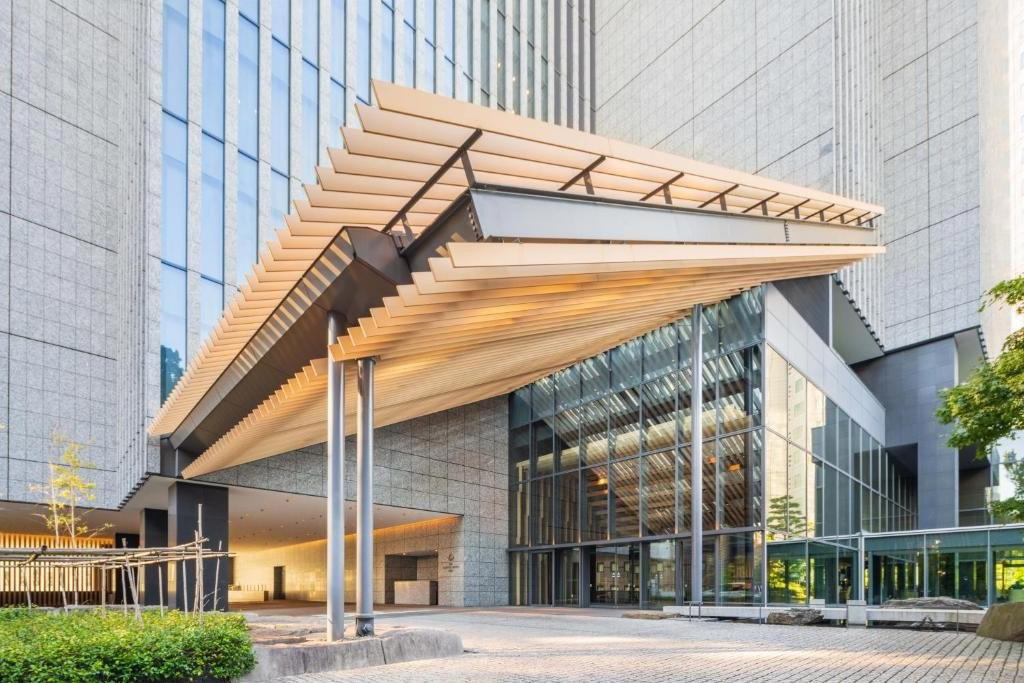
La Gloire is located at Japan, 〒107-0052 Tokyo, Minato City, Akasaka, 2 Chome−17−7 赤坂溜池タワー ANNEX1階, Tokyo.
Is La Gloire Michelin-listed?
La Gloire has received recognition including: Black-and-white photos of the palace of Versailles adorn the walls; the palace symbolises the era when France was at the height of its splendour, and pays homage to the restaurant’s name, which means 'glory'. Paying respect to the developme….
What's the signature dish at La Gloire?
The kitchen's stated direction is classical French cooking drawn from the royal-court tradition, updated with contemporary technique. That framing points toward refined, course-based dining rather than a single showpiece plate.
Is La Gloire more mid-range or high-end?
Pricing at La Gloire is listed as ¥¥¥.
Should I book La Gloire in advance?
Yes. A 2025 Michelin Plate in Akasaka, a neighbourhood driven by business and diplomatic entertaining, means the dining room fills on a predictable weekly cycle. Advance reservation is the safer approach, particularly for weekday dinners when the area's corporate clientele is most active.
What's La Gloire best at?
The kitchen's declared strength is classical French cooking referenced back to the royal-court era, with the Versailles photography in the dining room making that lineage explicit rather than incidental. The 2025 Michelin Plate confirms consistent kitchen output, and the wine programme is described as internationally focused, reflecting a modern rather than strictly Francophile selection.
What It’s Closest To
A quick peer reference to anchor this venue in its category.
| Venue | Cuisine | Price | Awards | Notes |
|---|---|---|---|---|
| La GloireThis venue (the venue you are viewing) | Modern French Fine Dining | $100–150 | 1 Michelin Star | Not listed |
| Harutaka | Edo-Style Omakase Sushi | $200–300 | 3 Michelin Stars · World's 50 Best #76 | Sushi |
| RyuGin | Modern Kaiseki | $500+ | 3 Michelin Stars · World's 50 Best #41 | Kaiseki, Japanese |
| L'Effervescence | Modern French with Japanese Influences | $200–300 | 3 Michelin Stars · World's 50 Best #69 | French |
| HOMMAGE | Modern French with Japanese Influences | $150–200 | 2 Michelin Stars · World's 50 Best #78 | Innovtive French, French |
| MAZ | Innovative Peruvian-Japanese Fusion | $150–200 | 2 Michelin Stars · World's 50 Best #28 | Innovative |
Recognition history
Dated appearances from independent guides and award organizations, with the underlying list record or original source where available.
Michelin 1 Star
Michelin
Full recognition history (2 entries)
Michelin Plate
Michelin
Continue exploring
More in Tokyo
Restaurants in Tokyo
All restaurants in Tokyo →
Bars in Tokyo
All bars in Tokyo →


La Gloire
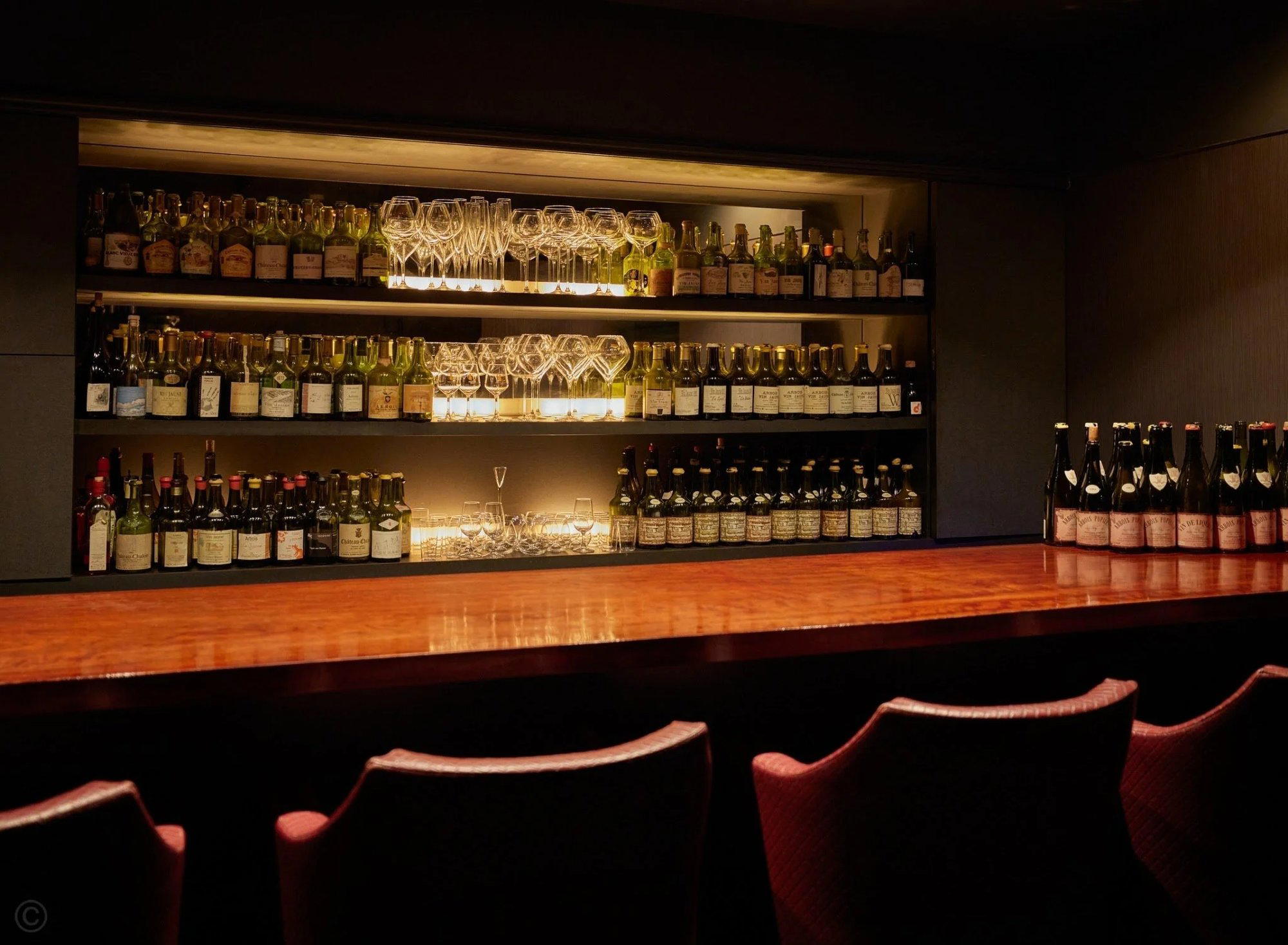
The wine
- Wine program
- Deep wine list
- Extensive wine list
- Sommelier-led
Details
- Elegant
- Sophisticated
- Intimate
- Modern
- Classic
- Date Night
- Special Occasion
- Extensive Wine List
- Sommelier Led
- Prix Fixe
- Wine
Current opening hours
- Monday
- 12–1 PM, 5–8 PM
- Tuesday
- 12–1 PM, 6–8 PM
- Wednesday
- 12–1 PM, 6–8 PM
- Thursday
- 12–1 PM, 6–8 PM
- Friday
- 12–1 PM, 6–8 PM
- Saturday
- 12–1 PM, 6–8 PM
- Sunday
- Closed
Hours can change for holidays and private events. Hours as of .
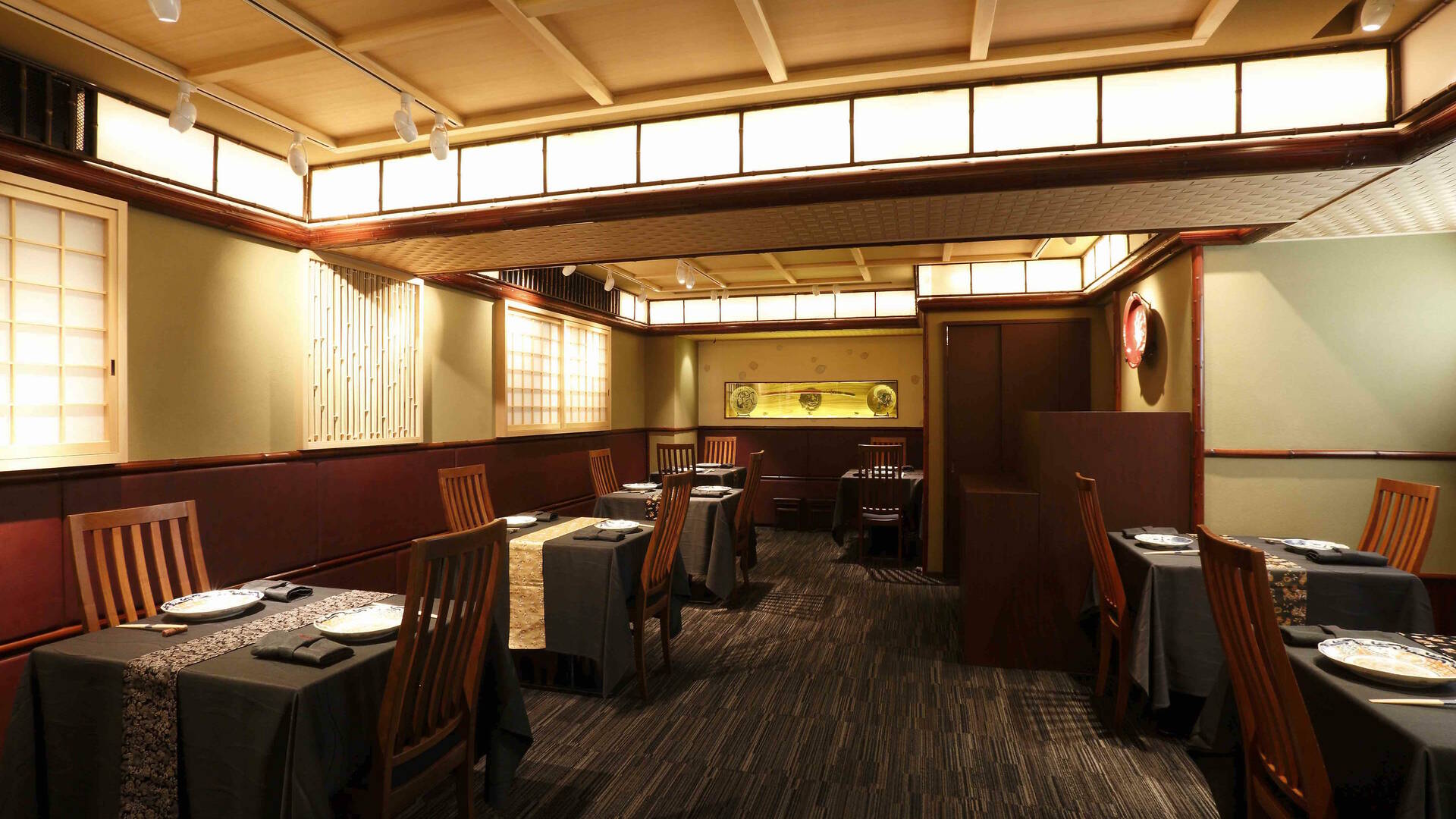
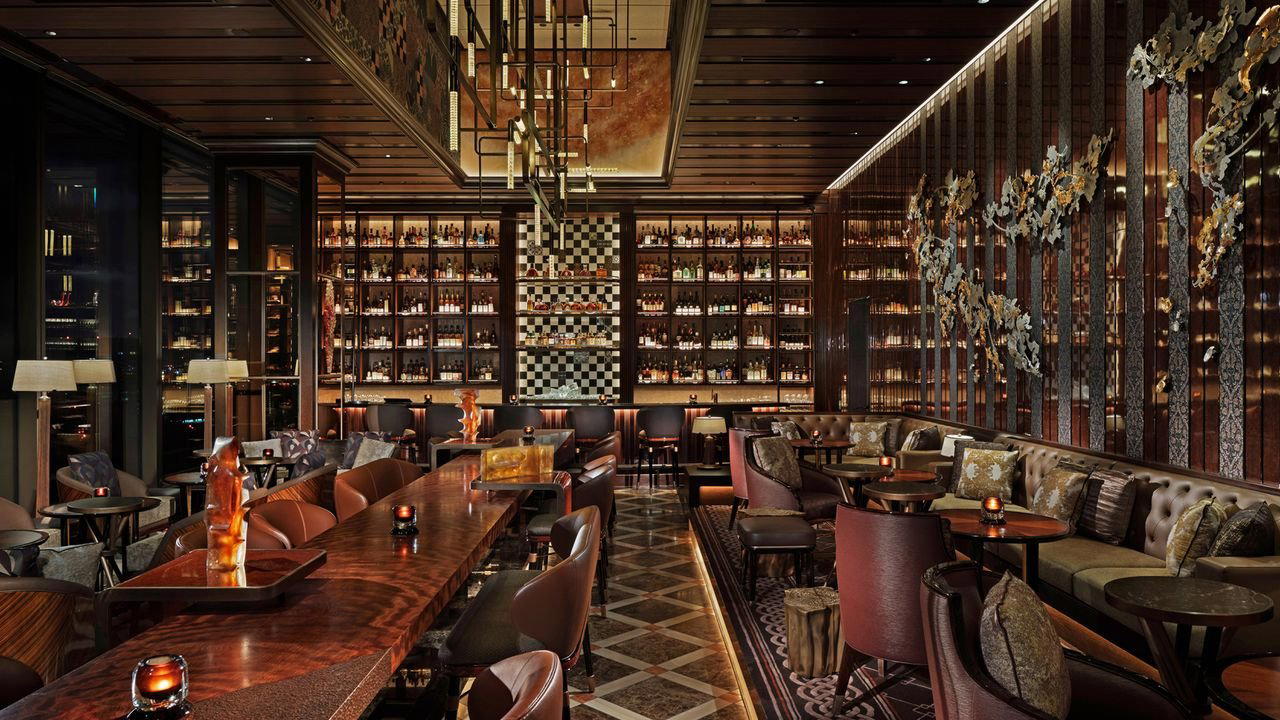
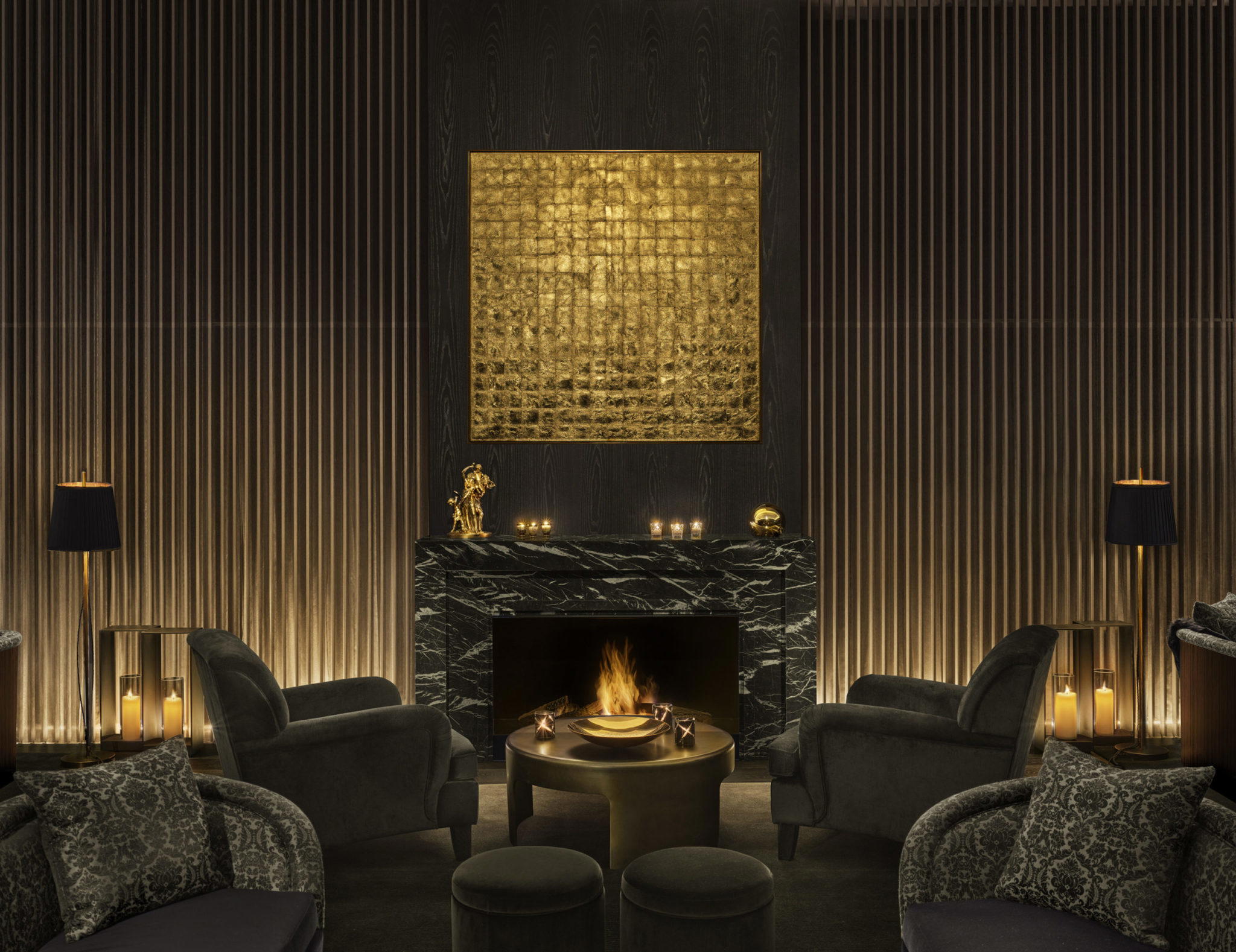
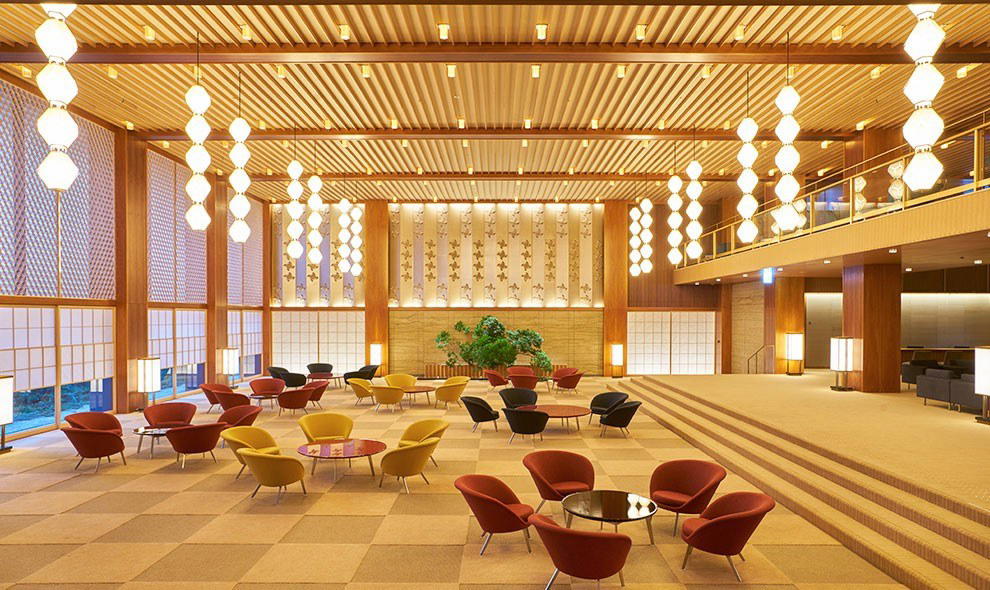
Elegant space evoking the Palace of Versailles with black-and-white photos, sheer curtains, and a modern-classic design creating a tranquil, sophisticated atmosphere.