
1 Michelin Star
Our verdict
Inside Tokyo Kaikan's storied Marunouchi building, PRUNIER has held its place as one of the city's most enduring French dining rooms since the hall's earliest decades. A Michelin one-star since 2024, it serves seasonal modern French cuisine in a room whose décor still references its seafood origins, with sole bonne femme kept on the menu across generations of head chefs. At ¥¥¥, it sits a tier below Tokyo's most expensive French counters, making the institutional gravitas more accessible.

Pearl is the En Primeur Club membership app, where members save venues, book tables and use the concierge.
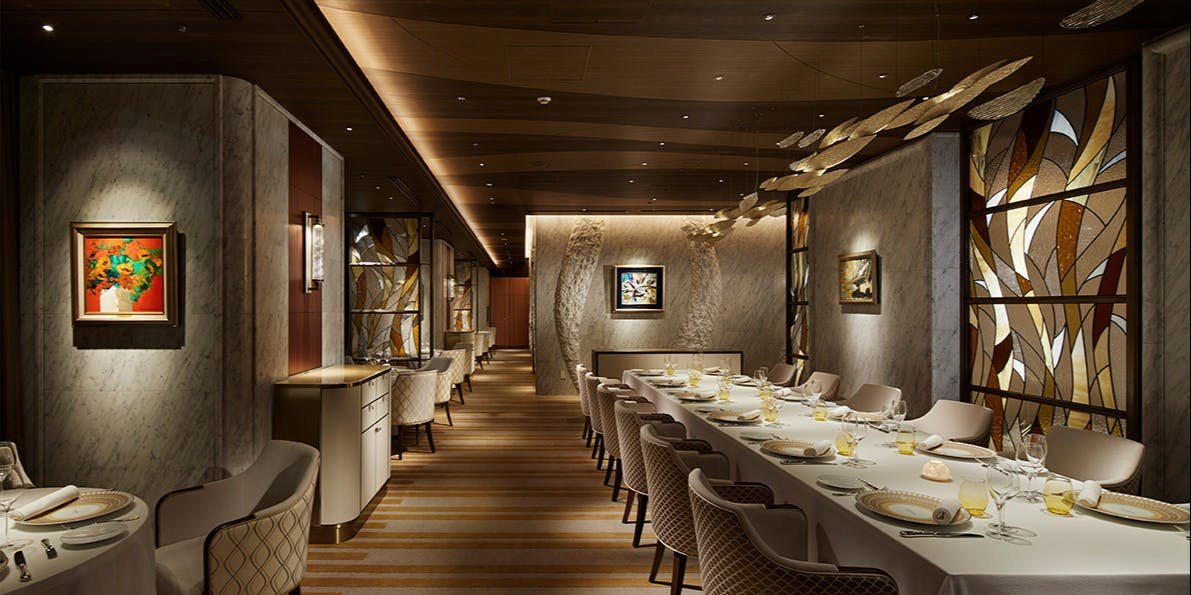
A French Table Inside Tokyo's Most Historic Western Hall
Tokyo's French restaurant scene has fractured, over the past two decades, into sharply distinct tiers. At one end sit the high-spend, chef-driven destination rooms: L'Effervescence, Sézanne, and ESqUISSE all operate at ¥¥¥¥ and draw from an internationally mobile clientele hunting a particular kind of creative ambition. At the other end sit neighbourhood bistros and hotel annexes. PRUNIER, the main dining room of Tokyo Kaikan in Marunouchi, occupies a position that doesn't fit either bracket cleanly. It carries institutional history that most of those newer rooms cannot claim, holds a Michelin star earned in the 2024 guide, and prices at ¥¥¥, a tier below the heavyweights. That combination, legacy plus current recognition at a somewhat lower price point, is increasingly rare in central Tokyo.
Tokyo Kaikan and the Long Arc of Western Dining in Japan
Tokyo Kaikan opened in the Marunouchi district as a venue for Western-style banquets and formal social occasions at a time when French service was synonymous with institutional prestige in Japan. That association between grand buildings and French cuisine was not accidental. Meiji-era Japan adopted French culinary technique as a marker of modernity, and large meeting halls in major cities became the primary settings where that cuisine was practiced at scale. PRUNIER sits inside that lineage. The dining room's décor still carries references to fish and flowing water, a visual remnant of the period when the kitchen focused on seafood above all else. That the room has survived successive renovations of Tokyo Kaikan while retaining these decorative references says something about how deeply the original identity was embedded.
Across Japan, French-trained technique applied to local products has become one of the country's most consistent culinary strengths. HAJIME in Osaka and Gion Sasaki in Kyoto represent different expressions of that synthesis, one rigorously avant-garde, one rooted in Kyoto kaiseki tradition with Western touches. PRUNIER operates from a third position: not experimental, not hybrid, but a long-established French room that has absorbed Japanese seasonal discipline into its menu logic without abandoning classical structure. That is the editorial angle worth understanding before you book: this kitchen runs on the rhythm of Japanese seasons applied through French methods, not on novelty or concept.
Sole Bonne Femme as Living Document
The most instructive thing about PRUNIER's menu is what has not changed. Sole bonne femme, a classical preparation requiring careful reduction of a white wine and shallot sauce finished with butter, has passed from head chef to head chef across the restaurant's history. In a city that rewards reinvention and where omakase counters change their offerings with the fishing calendar, a kitchen that maintains a generational signature dish is making a deliberate argument about what continuity means. At Florilège, Tokyo's vegetable-forward French room, the argument is entirely different: seasonality expressed through departure from convention. PRUNIER's argument runs in the opposite direction. The classic preparation, executed correctly and consistently, is its own form of discipline.
This is also where the editorial angle of local ingredients meeting global technique becomes clearest. A bonne femme sauce in Paris draws on the available sole and the regional butter. In Tokyo, the sourcing decisions are different at every point in the supply chain: the fish, the dairy, the shallots. The classical method is French; the raw materials are Japanese. That intersection is not unique to PRUNIER in Tokyo, but few rooms can claim to have been practicing it for as many decades.
The Marunouchi Setting and What It Signals
Marunouchi is not where Tokyo's most experimental French restaurants choose to locate. Château Restaurant Joël Robuchon operates from the Yebisu Garden complex in Ebisu, inside a building designed to project European formality at a remove from the city's commercial core. The newer generation of creative French rooms gravitates toward Minami-Aoyama and Ebisu, neighbourhoods where a certain type of food-literate resident has concentrated. Marunouchi, by contrast, is the city's financial and corporate district, dense with international business offices and long-established institutions. Dining there carries a different social grammar: lunches between executives, celebratory dinners for occasions that require formality without ostentation. PRUNIER functions fluently in that context. The gracious service noted in the Michelin citation is not incidental; it is what a room in this setting must provide to remain relevant.
For visitors oriented around Tokyo's restaurant scene more broadly, the full Tokyo restaurants guide maps the city's French, Japanese, and innovative rooms across neighbourhoods. Hotel options near Marunouchi are plentiful, given the district's centrality, and the bar scene around the area skews toward hotel bars and whisky rooms appropriate to a post-dinner visit.
Where PRUNIER Sits Among Its Peers
The comparison table below places PRUNIER against a representative sample of Tokyo's French and high-end dining rooms by price tier, Michelin recognition, and the type of experience they offer. This is not a ranking; it is a navigation tool.
| Venue | Cuisine | Price | Michelin | Format |
|---|---|---|---|---|
| PRUNIER | French (classical) | ¥¥¥ | 1 Star (2024) | Full dining room, institutional setting |
| L'Effervescence | French (contemporary) | ¥¥¥¥ | 2 Stars | Chef-driven, ingredient-focused |
| Sézanne | French | ¥¥¥¥ | 2 Stars | Counter and dining room, Franco-Japanese |
| Florilège | French (vegetable-forward) | ¥¥¥¥ | 2 Stars | Counter format, seasonal emphasis |
| Château Joël Robuchon | French (grand format) | ¥¥¥¥ | 3 Stars | Formal dining, European architecture |
The pattern across the ¥¥¥¥ tier is clear: high spend, chef-personality-driven rooms with strong creative identities. PRUNIER at ¥¥¥ with one Michelin star is the room for the reader who wants formal French dining with institutional depth and current recognition, without the price commitment that the city's most decorated rooms require. For comparable French experiences in other Japanese cities, akordu in Nara and Goh in Fukuoka each offer their own synthesis of European technique and local sourcing, though in very different registers. Beyond Japan, Hotel de Ville Crissier in Switzerland and Les Amis in Singapore represent the tradition of grand institutional French dining that PRUNIER belongs to.
Practical Notes
PRUNIER is located on the second floor of Tokyo Kaikan's main building at 3-2-1 Marunouchi, Chiyoda City, Tokyo. The building is a short walk from Tokyo Station's Marunouchi exits, making it one of the more accessible fine dining destinations in the city for visitors staying near the station corridor. Booking is advisable; the Michelin recognition in 2024 will have increased demand.
For further planning across the city, the Tokyo experiences guide, Tokyo wineries guide, and listings for restaurants from 1000 in Yokohama to 6 in Okinawa extend the editorial coverage across the broader region.
Frequently asked questions
Is PRUNIER child-friendly?
What should I expect atmosphere-wise at PRUNIER?
What should I order at PRUNIER?
Cuisine Lens
A compact comparison to help you place this venue among nearby peers.
| Venue | Cuisine | Price | Awards | Notes |
|---|---|---|---|---|
| PRUNIERThis venue (the venue you are viewing) | Modern French Fine Dining | $200–300 | 1 Michelin Star | Not listed |
| Harutaka | Edo-Style Omakase Sushi | $200–300 | 3 Michelin Stars · World's 50 Best #76 | Sushi |
| RyuGin | Modern Kaiseki | $500+ | 3 Michelin Stars · World's 50 Best #41 | Kaiseki, Japanese |
| L'Effervescence | Modern French with Japanese Influences | $200–300 | 3 Michelin Stars · World's 50 Best #69 | French |
| HOMMAGE | Modern French with Japanese Influences | $150–200 | 2 Michelin Stars · World's 50 Best #78 | Innovtive French, French |
| MAZ | Innovative Peruvian-Japanese Fusion | $150–200 | 2 Michelin Stars · World's 50 Best #28 | Innovative |
Recognition history
Dated appearances from independent guides and award organizations, with the underlying list record or original source where available.
Michelin 1 Star
Michelin
Full recognition history (2 entries)
Michelin 1 Star
Michelin
Continue exploring
More in Tokyo
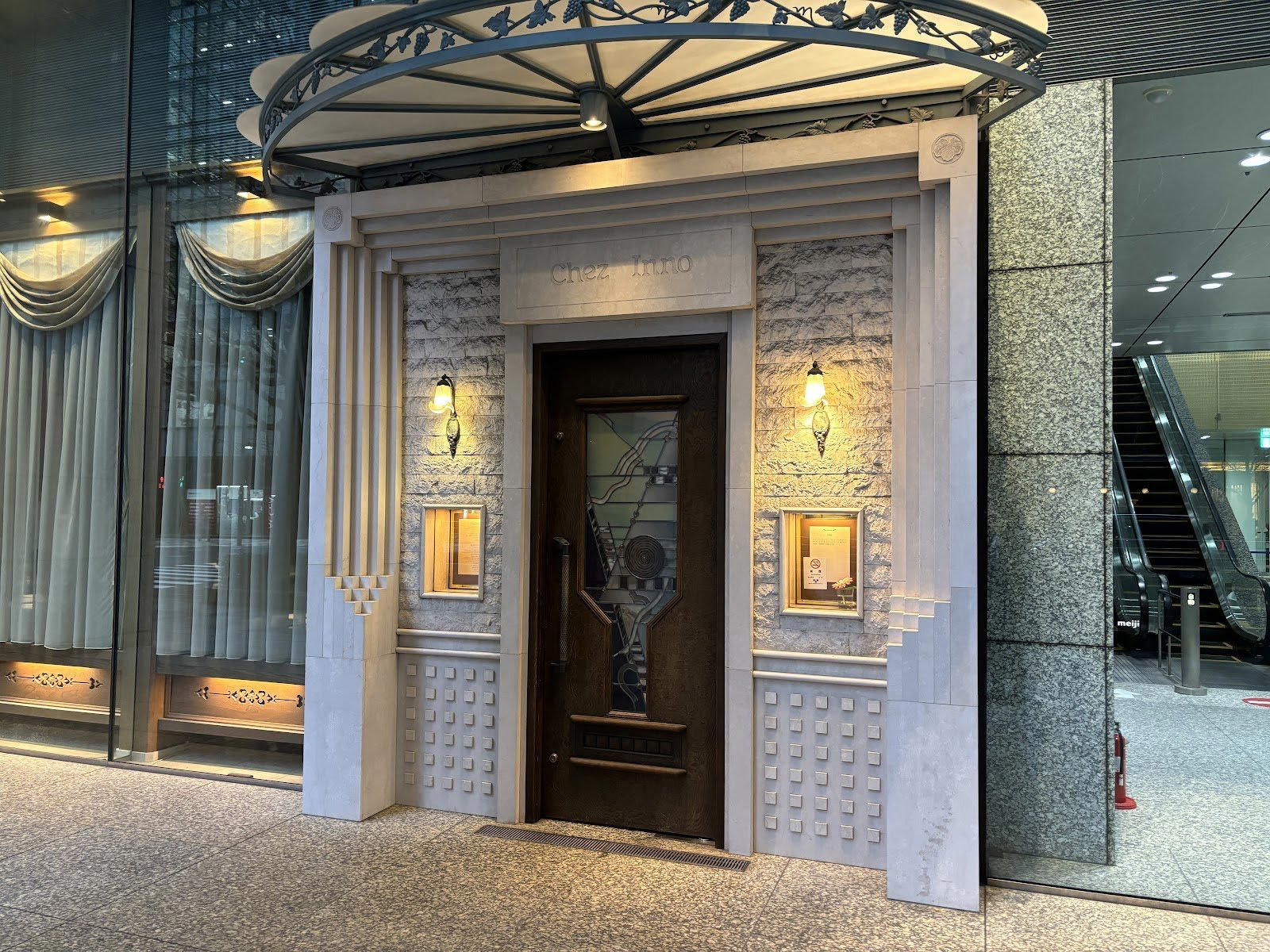
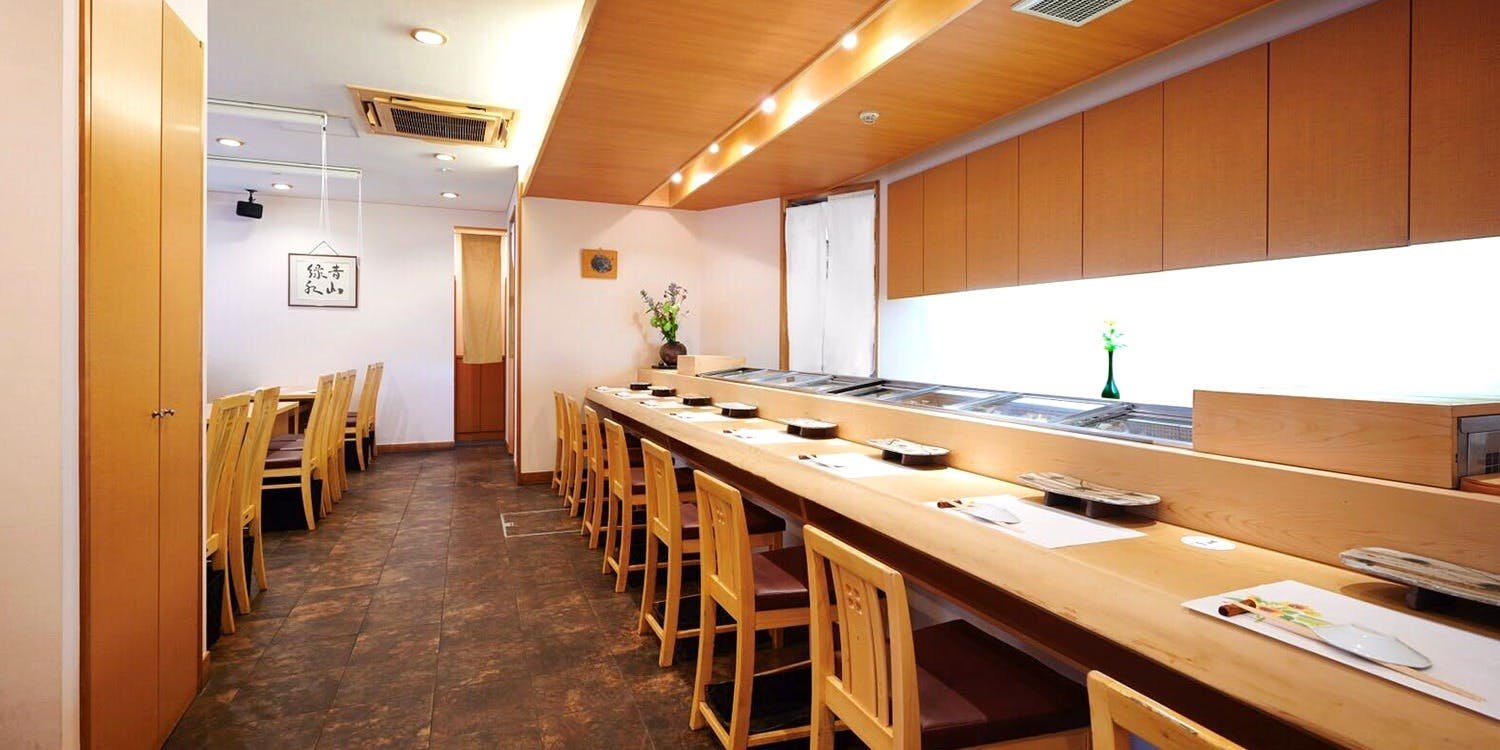
Restaurants in Tokyo
All restaurants in Tokyo →


Bars in Tokyo
All bars in Tokyo →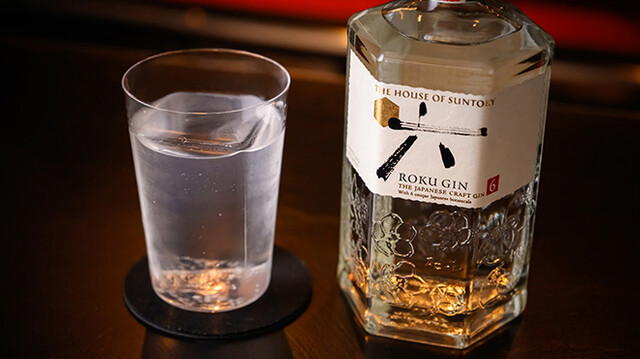
Details
- Elegant
- Sophisticated
- Classic
- Intimate
- Special Occasion
- Business Dinner
- Celebration
- Historic Building
- Hotel Restaurant
- Extensive Wine List
- Street Scene
- Prix Fixe
- A La Carte
Current opening hours
- Monday
- Closed
- Tuesday
- 11:30 AM–2:30 PM, 5:30–10 PM
- Wednesday
- 11:30 AM–2:30 PM, 5:30–10 PM
- Thursday
- 11:30 AM–2:30 PM, 5:30–10 PM
- Friday
- 11:30 AM–2:30 PM, 5:30–10 PM
- Saturday
- 11:30 AM–2:30 PM, 5:30–10 PM
- Sunday
- 11:30 AM–2:30 PM, 5:30–10 PM
Hours can change for holidays and private events. Last verified .
Elegant and bright historic setting with warm, gracious service and views of Imperial Palace greenery.