Located in Osaka's Kita Ward, Horikawa occupies the ground floor of Grace Inn Tenma, placing it squarely within the Tenma district's dense concentration of neighbourhood restaurants. The venue sits in a city that treats the act of eating as daily ritual rather than occasion, and that disposition shapes how places like Horikawa are used and understood by regulars and visitors alike.
Pearl is the En Primeur Club membership app — saves, bookings, and concierge access live there. Same editors, same standards.
- Address
- Japan, 〒530-0043 Osaka, Kita Ward, Tenma, 4 Chome−8−17 グレイスイン天満2番館 1F
- Phone
- +81671739388
- Website
- kdhc500.gorp.jp
- Directions
- Get directions
 Saves & bookings on Pearl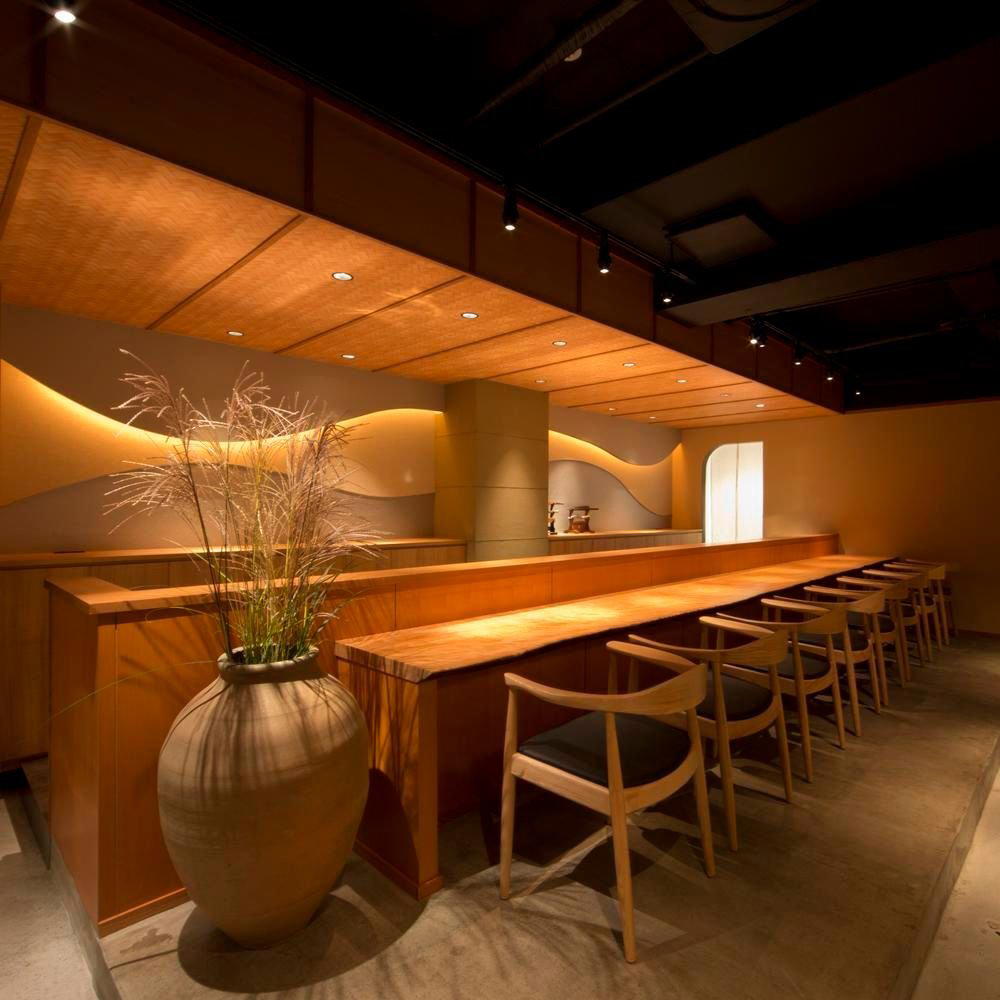
Tenma and the Rhythm of Eating in Osaka
Osaka's relationship with food operates on a different register from Tokyo or Kyoto. Where Tokyo rewards ceremony and Kyoto insists on seasonal restraint, Osaka has always valued frequency and accessibility: the idea that a good meal should be reachable on a Tuesday, not rationed to a special occasion. That philosophy concentrates in Kita Ward, and particularly in Tenma, a neighbourhood whose covered arcade, local izakayas, and block-by-block restaurant density make it among the more genuinely local dining corridors in the city. Horikawa is a restaurant in Osaka serving Traditional Kaiseki, with a price tier of 3 and an estimated price of about US$120 per person. Situated on the ground floor of Grace Inn Tenma at 4-chome, 8-17 in this ward, it operates from within that tradition rather than above it.
The Tenma district sits north of Osaka Castle and a short walk from Tenjinbashi-suji, the city's longest shopping arcade. That geography matters: Tenma draws Osaka residents rather than tour groups, and the restaurants here tend to calibrate to local habits, local prices, and local pacing. For visitors approaching from central Osaka, this is not the curated dining precinct of Kitashinchi or the spectacle of Dotonbori, it is a working neighbourhood where restaurants earn their regulars across years, not social media cycles.
The Architecture of a Japanese Neighbourhood Meal
In districts like Tenma, the dining ritual is shaped less by formality than by habit. Japanese neighbourhood restaurants, regardless of their specific cuisine, tend to share a common grammar: the moment of entry and the brief acknowledgment from staff, the assumption that you know roughly what you want or that you will defer to what the kitchen is running well that day, the pacing that neither rushes you toward a second seating nor leaves you stranded. These are not codified rules but absorbed conventions, and they are part of what makes eating in Osaka feel so different from dining in cities where hospitality is performed rather than practiced.
Ground-floor restaurant spaces within residential or mixed-use buildings like Grace Inn Tenma carry a particular character in Japan. They tend to be compact, with sightlines that make the room legible immediately on entry, counter or table, kitchen visible or not, the day's specials on a handwritten board or already communicated by the person who seats you. The physical containment of these spaces is part of their appeal: they create an atmosphere of concentration rather than grandeur, where the quality of what arrives at the table does the work that ambient spectacle might do elsewhere.
Osaka's neighbourhood dining culture has parallels in cities like Fukuoka, where places like Goh in Fukuoka operate with similar local intensity, and in Kyoto, where Gion Sasaki in Kyoto anchors a different but related tradition of hospitality rooted in place. What distinguishes Osaka's version is its democratic insistence: the leading meal is not reserved for those with the right introduction or the elaborate reservation.
Placing Horikawa Within Osaka's Current Dining Map
Osaka's restaurant scene in the Kita Ward has split between two broad categories in recent years. On one end sit the destination addresses, the Michelin-tracked kaiseki rooms and French-Japanese hybrids that draw international visitors and appear in the same conversations as HAJIME in Osaka or Ajikitcho Bunbuan. On the other end are the neighbourhood restaurants that serve the city's residents across decades, accumulating local knowledge rather than critical apparatus. Horikawa's address in Tenma places it in the latter category, among restaurants whose authority derives from repetition and reliability rather than from awards recognition.
That positioning is not a concession. In a city with Osaka's density and culinary confidence, the neighbourhood tier contains serious cooking. The same ward that houses Horikawa also contains addresses like Ajihei Sonezaki and Aka to Shiro, each operating with distinct ambitions. Further afield in the city, places like Calendrier and Az represent the more formally structured end of Osaka's contemporary dining. Horikawa does not compete with those addresses; it serves a different use case entirely, one where proximity, familiarity, and the accumulated trust of regular visits matter more than critical positioning.
This dynamic has equivalents across Japan. In Tokyo, neighbourhood proximity to a transit hub produces similar clusters of reliable local restaurants, as seen around areas served by venues like Harutaka in Tokyo. In Nara, a different version of accessible quality operates through places like akordu in Nara. The Tenma model is distinctly Osakan, but the underlying logic, that a city's real dining character lives in its neighbourhood restaurants, is consistent across Japan's urban centres.
Planning a Visit: What to Know Before You Go
Horikawa's location within Grace Inn Tenma makes it accessible by foot from Tenma Station on the JR Osaka Loop Line or Tenjinbashisuji 6-chome Station on the Tanimachi and Sakaisuji lines. The Tenma area is walkable and compact, meaning a visitor can move between several neighbourhood restaurants within a short radius on the same evening, which is consistent with how Osaka residents actually use the district. Horikawa serves Traditional Kaiseki and takes reservations, with nightly hours from 6 to 8 PM daily.
Budget and Context
Comparable venues nearby, for context on price, style, and recognition.
| Venue | Cuisine | Price | Notes |
|---|---|---|---|
| HorikawaThis venue — the venue you are viewing | Kita, Traditional Kaiseki | $$$ | Not listed |
| 西天満 市がや | Kita, Modern Japanese Kaiseki | $$$ | Not listed |
| Hachi | Not listed | $$$ | Tennōji, Binchōtan-Grilled Japanese Fine Dining |
| Kushiage 010 | Not listed | $$$ | Kita, Creative Kushiage with Global Influences |
| Wayōshusai Hide | Chūō, Japanese Izakaya | $$$ | Not listed |
| Teppanyaki THE VILLAGE OSAKA | Fukushima, Teppanyaki | $$$ | Not listed |
Continue exploring
More in Osaka
Restaurants in Osaka
Browse all →




Bars in Osaka
Browse all →

Hotels in Osaka
Browse all →




Wineries in Osaka
Browse all →
At a Glance
- Quiet
- Elegant
- Intimate
- Sophisticated
- Special Occasion
- Sake Program
Current opening hours
- Monday
- 6–8 PM
- Tuesday
- 6–8 PM
- Wednesday
- 6–8 PM
- Thursday
- 6–8 PM
- Friday
- 6–8 PM
- Saturday
- 6–8 PM
- Sunday
- 6–8 PM
Hours can change for holidays and private events. Last verified .
Contemplative and serene with understated elegance, unhurried pacing, and calm conversation in silence.