
Honoka Azami no belongs to Yokohama’s quieter bakery culture, where the ritual is morning-led, compact, and shaped around takeout rather than ceremony. Its Tabelog Bread EAST 100 selections in 2020 and 2022 place it in a recognised regional bread cohort, with a small nine-seat setup, terrace option, and categories spanning bread, sandwiches, and sweets.
Pearl is the En Primeur Club membership app — saves, bookings, and concierge access live there. Same editors, same standards.
- Address
- 1 Chome-22-1 Shinishikawa, Aoba Ward, Yokohama, Kanagawa 225-0003, Japan
- Phone
- +81 45-911-2987
- Website
- pain-honoka.jp
 Saves & bookings on Pearl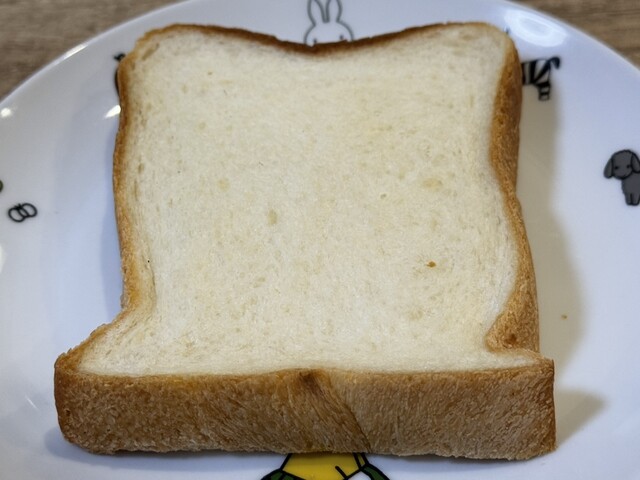
The first read is scale: a compact bakery room, small counter, a few table seats, and an open terrace that shifts the rhythm from restaurant dining to daily provisioning. Yokohama has a broad appetite for specialist formats, from ramen counters to patisserie-adjacent bakeries, but bakery behaviour is different: decisions are quick, the meal often travels, and value is measured in repeat use rather than table theatre.
Honoka Azami no sits in Yokohama’s quieter eating tier, away from heavier destination-dining language. Its recognition on Tabelog Bread EAST 100 in 2020 and 2022 gives a clear trust signal in a category where Michelin-style hierarchies rarely tell the whole story. Bread, sandwiches, and sweets define the public category: not a bakery posing as a dining room, but a small-format specialist within Japan’s precise, everyday bread culture.
Yokohama's bakery ritual is built around timing, small rooms, and takeout logic
Japanese bakery culture rewards regularity. The strongest shops need no long tasting menu or chef mythology; they need tight production, clear identity, and enough turnover to make a morning stop feel purposeful. Honoka Azami no is therefore closer to a neighbourhood routine than a special-occasion booking. Its nine-seat footprint, with three counter seats and three small tables, points to quick eating, takeaway, or terrace use rather than lingering restaurant pacing.
That distinction helps in Yokohama, where premium dining ranges from tightly priced casual specialists to formal houses with much larger bills. Ramen Garaku and Atelier UKAI Tama puraaza sit in the sub-1,000-yen casual band in the comparison set, while Shirakawa Teuchi Chuka Soba Kosuga moves into a slightly higher everyday range. Teuchi Soba Fuurai Kyo signals a more expensive meal structure. Honoka Azami no belongs to the lower-spend, high-frequency end of that map, while its Tabelog Bread EAST 100 selections separate it from generic convenience.
The custom is simple: arrive with a category in mind, decide fast, and accept that the room is built for limited seating, not restaurant pacing. Takeout and an open terrace matter for families and travellers moving through northern Yokohama. Children are welcome, pets are limited to terrace seats, and non-smoking rules keep the format aligned with a daytime bakery stop rather than a late meal.
Aoba Ward gives the shop a different role than central Yokohama dining
Aoba Ward does not behave like Minato Mirai or Chinatown. Its food culture is residential, rail-linked, and habit-driven, with independent specialists woven into weekly life. That changes how a bakery should be judged. A central-city patisserie might lean on presentation and destination pull; a suburban bread specialist survives on repetition, weekday usability, and its fit with school runs, errands, and station-linked movement.
The restaurant’s nearest rail reference is Azamino Station, placing it within that residential commuter logic. The value is not only what is sold, but how easily the format slots into the day. Credit cards and electronic money are accepted, QR code payments are not, and nearby parking exists with discount coupons tied to higher purchase amounts. These details do not add glamour; they make the ritual legible. A small bakery that absorbs quick purchase decisions without turning each visit into a production has its own seriousness.
For a fuller Yokohama food day, this stop pairs better with other neighbourhood specialists than with a long tasting-menu itinerary. Nearby and citywide reference points include 1000 (Yakitori (Grilled chicken skewers)), Aichun, Ajowan, and Alpenjiro Honten. Yokohama rewards category-specific planning: bread in the morning, noodles or curry at another hour, then a sharper choice between casual and formal dining later.
How to read the recognition without overstating the room
Tabelog’s Bread EAST 100 selection is meaningful for Japanese bakeries because the field rarely fits the global fine-dining award circuit. The restaurant also carries a 3.69 Tabelog score, but the stronger editorial signal is repeated Bread EAST recognition across 2020 and 2022. It places the shop inside an eastern Japan bakery cohort, not a luxury restaurant bracket.
That distinction prevents the wrong expectation. This is not a chef-counter performance, and no public chef narrative is needed to explain its appeal. The evidence points to category discipline: bread, sandwiches, sweets, few seats, takeout service, and enough recognition to justify a detour for readers already in Yokohama’s northern neighbourhoods. In a city with both formal dining and rapid casual formats, that is a clean editorial position.
The planning logic is simple. Treat it as a daytime bakery stop, not a dinner anchor. Use it when the itinerary already includes Aoba Ward, Azamino, or the northern rail corridor. If the day is built around central Yokohama, compare the effort against other meal priorities through Our full Yokohama restaurants guide, then decide whether the bakery category is the excursion’s point. For lodging and after-dark planning, the adjacent city guides are more useful than stretching this stop beyond its natural role: Our full Yokohama hotels guide, Our full Yokohama bars guide, Our full Yokohama wineries guide, and Our full Yokohama experiences guide.
Readers building a wider Japan food itinerary can compare how small-format specialists behave across cities: -Grilled beef Sukiyaki- KAMAKURA TANUKIAN 鎌倉 たぬき庵 in Kamakura. 鮪と炭火焼き うお炭 秋葉原店 in Tokyo.cafe in Osaka.know in Kumamoto, (Shoku) Vietnam in Kawasaki, [Curry Senmon Ten] Maruyama Kyoju. in Sapporo, Jōdo Saké Bar in Los Angeles, and Onigiri Time in Pasadena. The through-line is not cuisine similarity, but format literacy: knowing when a place is designed for a fast, precise ritual rather than a long meal.
Style and Standing
Nearby venues at a similar price tier for orientation.
| Venue | Cuisine | Price | Notes |
|---|---|---|---|
| Honoka Azami noThis venue — the venue you are viewing | Neighborhood Japanese bakery & sandwich shop | $ | Not listed |
| Champs de Ble | Artisanal bakery & bread shop | $ | Kōhoku |
| Gelato Firenze | Italian-style Gelato & Ice Cream | $ | Nishi |
| Silk Road Ryori Budouen | Silk Road / Xinjiang homestyle cuisine | $ | Seya |
| Restaurant Shin | Yoshoku (Japanese-style Western) restaurant | $$ | Isogo |
| Hakuraku Bagel | Bagel shop & bakery-cafe | $ | Kanagawa |
Recognition history
Dated appearances from independent guides and award organizations, with the underlying list record or original source where available.
Tabelog 100 #75 · No. 75
Tabelog · Tabelog 100 - Bread - EAST - 2022
Continue exploring
More in Yokohama
Restaurants in Yokohama
Browse all →


Bars in Yokohama
Browse all →




Hotels in Yokohama
Browse all →




Wineries in Yokohama
Browse all →
At a Glance
- Cozy
- Classic
- Solo
- Family
- Casual Hangout
- After Work
- Standalone
Current opening hours
- Monday
- Closed
- Tuesday
- Closed
- Wednesday
- 8:30 AM–5:30 PM
- Thursday
- 8:30 AM–5:30 PM
- Friday
- 8:30 AM–5:30 PM
- Saturday
- 8:30 AM–5:30 PM
- Sunday
- 8:30 AM–5:30 PM
Hours can change for holidays and private events. Last verified .
A compact, take-out focused neighborhood bakery with a warm, inviting aroma of fresh bread, a simple and homey interior, and a calm, residential atmosphere away from main streets.