
Silk Road Ryori Budouen brings Yokohama’s Asian and ethnic dining conversation out of the waterfront districts and into Mitsukyo, with Tabelog 100 selection in 2024 giving the small Seya Ward restaurant a clear reputation marker. The appeal is less about ceremony than category strength: a house-restaurant setting, counter seating, take-out, and drinks that include shochu, wine, and cocktails.
Pearl is the En Primeur Club membership app — saves, bookings, and concierge access live there. Same editors, same standards.
- Address
- 19-21 Mitsukyo, Seya Ward, Yokohama, Kanagawa 246-0022, Japan
- Phone
- +81 45-360-6222
- Website
- foodplace.jp
 Saves & bookings on Pearl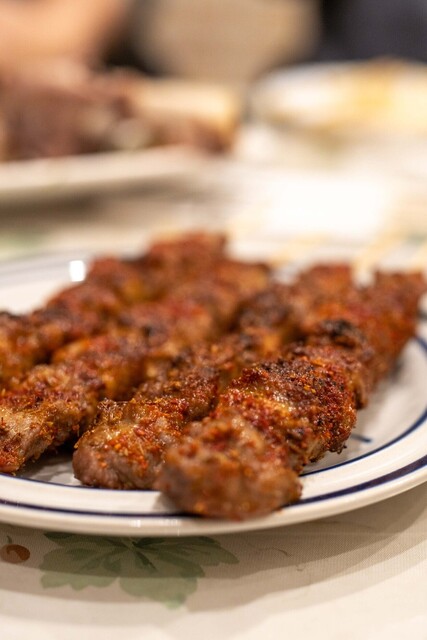
Approaching a house restaurant in Mitsukyo resets expectations for Yokohama dining. The city’s restaurant image often leans toward Chinatown, port views, and central-station convenience, but Seya Ward belongs to a quieter suburban rhythm: local trains, residential streets, and restaurants that earn attention without leaning on spectacle. Silk Road Ryori Budouen sits in that frame, and its 2024 selection for Tabelog 100 Asian cuisine / Ethnic cuisine EAST gives the address a reputation signal that matters in Japan’s crowded review culture.
That recognition is useful because Asian and ethnic cooking in greater Tokyo-Yokohama is broad enough to flatten into a vague category. Tabelog’s Hyakumeiten lists separate the field by cuisine type and geography, placing a restaurant into a competitive regional bracket rather than a generic popularity contest. For diners, the selection says less about luxury and more about consistency, local demand, and category authority. In Yokohama, where Chinese dining carries heavy cultural weight, a recognized Asian and ethnic restaurant outside the obvious central corridors adds a different read on the city’s food map.
Mitsukyo shifts the Yokohama dining map away from the usual center
Yokohama’s strongest food neighborhoods do not all behave the same way. Chinatown draws visitors through density and history; central Yokohama works on transport convenience; residential wards reward diners who follow specific recommendations rather than foot traffic. Mitsukyo belongs to the third camp. The restaurant’s position near Mitsukyo Station on the Sotetsu Line makes it part of a commuter-district dining pattern, where a compact room can serve families, small groups, and repeat local customers without needing the pace of a station-mall restaurant.
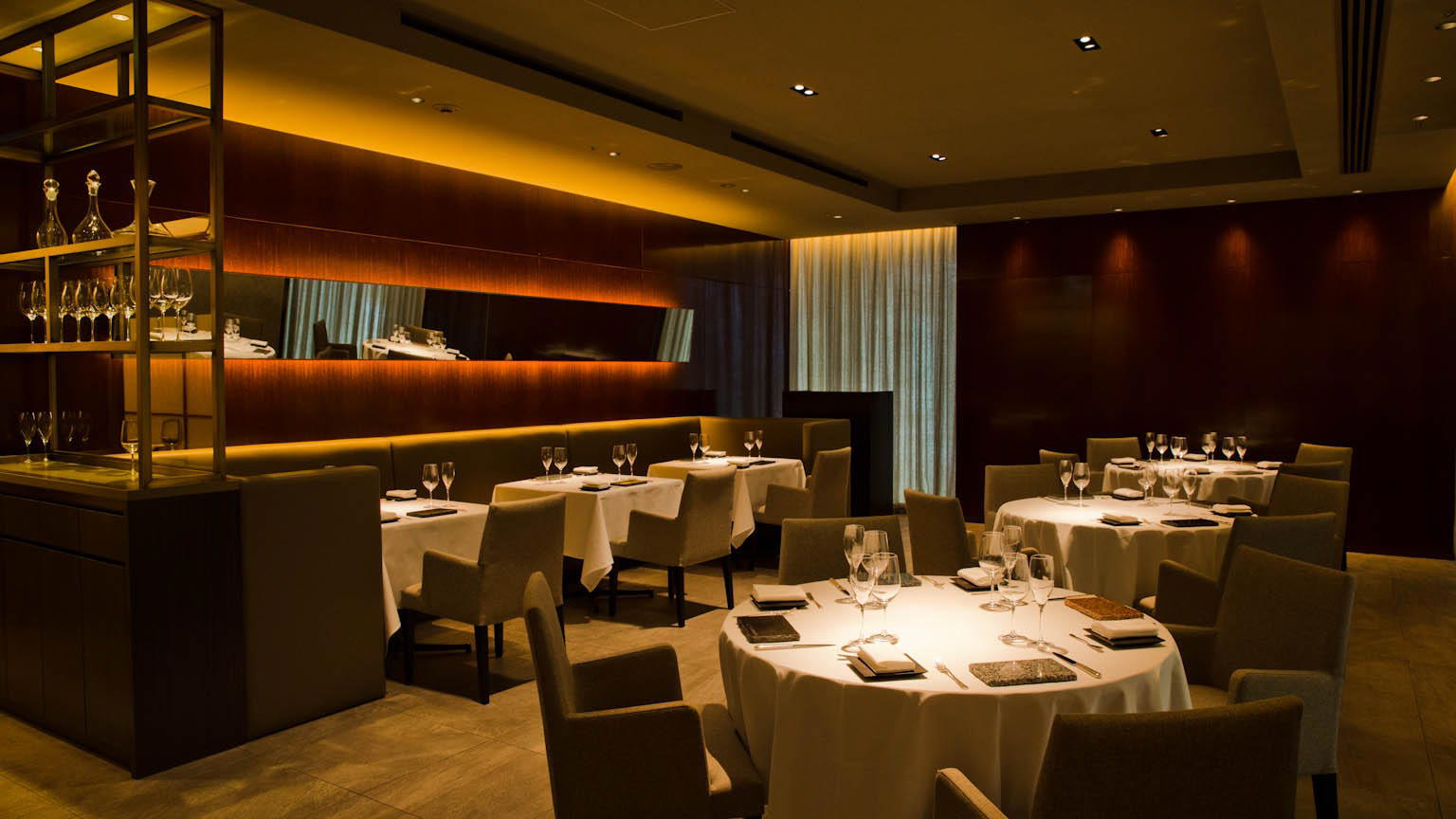
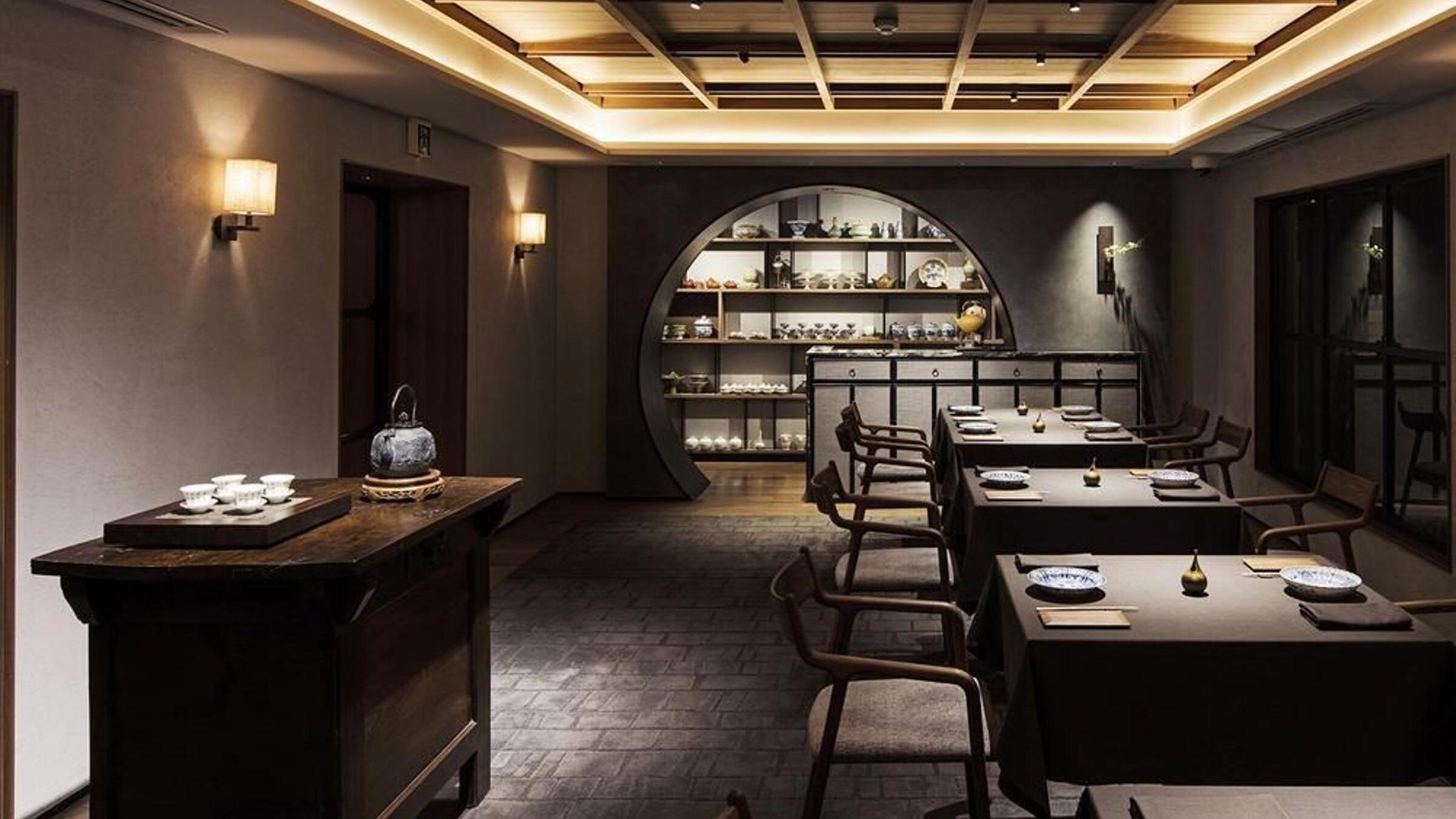
That matters for how to read the experience. A small-format house restaurant with counter seating and upstairs tables sits closer to neighborhood dining than destination tasting-menu theater. The room is built for directness: counter seats on the first floor, table seating upstairs, and private-room use for groups. In a city with grander rooms and louder reputations, that scale gives the meal its logic. The draw is not architectural drama; it is the friction between modest setting and recognized cooking category.
Yokohama’s restaurant spread also makes comparisons tricky. Chinese Kyoka Rou operates in the same broad value tier, while hectopascal sits in a different price bracket and dining register. Out-of-metro names such as China Soba Suzuki and Umai Yo Yuchan Ramen show how Japanese review culture rewards tightly defined specialisms, from ramen to ethnic cooking, without requiring luxury signals. Silk Road Ryori Budouen belongs in that conversation as a category-led pick rather than a white-tablecloth occasion.
Recognition here points to category strength, not luxury theater
The Tabelog 100 Asian cuisine / Ethnic cuisine EAST 2024 selection is the key trust marker. It places the restaurant among selected eastern Japan addresses in a category that includes regional Asian cooking, ethnic restaurants, and small independents with strong local followings. A Tabelog score of 3.57 adds a useful calibration point: in Japan’s rating culture, scores in the mid-3s can signal serious approval, particularly for modestly scaled restaurants outside tourist-heavy districts.
The category label also helps prevent a common mistake. “Asian” and “ethnic” can read as catch-all terms in English, but in Japanese restaurant indexing they function as practical shelves for cuisines that sit outside the dominant sushi, ramen, kaiseki, yakiniku, and French-Italian lanes. Yokohama has long absorbed foreign foodways through trade, migration, and port-city exchange. A recognized restaurant in this bracket reflects that longer habit of culinary borrowing, even when the setting is suburban rather than historic.
Drinks list reinforces the restaurant’s hybrid, casual structure. Shochu, wine, and cocktails are listed, which places the room between everyday meal and small gathering rather than formal course progression. Take-out is available, another clue that the operation functions for local regulars as much as destination diners. For a traveler building a Yokohama itinerary, that distinction is useful: this is a stop for understanding the city beyond postcard districts, not a substitute for a full Chinatown survey or a high-production hotel dining room.
Readers mapping the wider city can cross-check nearby and category-adjacent options through Our full Yokohama restaurants guide, with broader planning context in Our full Yokohama hotels guide, Our full Yokohama bars guide, Our full Yokohama wineries guide, and Our full Yokohama experiences guide. Within the city’s dining spread, contrast the specificity of 1000 (Yakitori (Grilled chicken skewers)), Aichun, Ajowan, and Alpenjiro Honten. Wider Japanese context comes through Anzen Shokudo, -Grilled beef Sukiyaki- KAMAKURA TANUKIAN 鎌倉 たぬき庵 in Kamakura. 鮪と炭火焼き うお炭 秋葉原店 in Tokyo.cafe in Osaka.know in Kumamoto, (Shoku) Vietnam in Kawasaki, and [Curry Senmon Ten] Maruyama Kyoju. in Sapporo. For readers comparing Japanese food culture abroad, Jōdo Saké Bar in Los Angeles and Onigiri Time in Pasadena show how format, price, and identity shift outside Japan.
Who should make the trip
This is a stronger choice for diners who value reputation signals in modest rooms than for those chasing ceremony. The address suits a Yokohama day that already includes the Sotetsu Line or a suburban detour, and it makes particular sense for travelers who have already covered the central waterfront and want a less polished view of the city’s restaurant culture. Families and groups fit the format, and the non-smoking policy keeps the room accessible for mixed-age meals.
The editorial case rests on proportion. Silk Road Ryori Budouen is not trying to compete with Yokohama’s larger destination rooms on scale or presentation. Its value lies in how much recognition sits inside a small residential setting. In 2026, when many city guides compress Yokohama into Chinatown and Minato Mirai, that is the more useful story: a selected Asian and ethnic restaurant in Mitsukyo that broadens the map without asking the diner to treat dinner as theater.
- Shish kebab lamb skewers (シシカバブー)
- Lagmen hand-pulled noodle dish (ラグメン)
- Xinjiang pilaf Polo (ポロ)
- Spicy chicken and potato stew Dapanji (ダーパンジー)
- Jiaomaji spicy chicken and leek stir-fry (ジャオマージー)
- Mantou and naan breads, samsa and dumplings
Price and Recognition
Comparable venues to anchor price and recognition.
| Venue | Cuisine | Price | Notes |
|---|---|---|---|
| Silk Road Ryori BudouenThis venue — the venue you are viewing | Not listed | $ | Not listed |
| DORER | Nishi, Pastry shop & bakery | $ | Not listed |
| Prologue | Not listed | $ | Aoba, Japanese neighborhood bakery & café |
| Hakuraku Bagel | Kanagawa, Bagel shop & bakery-cafe | $ | Not listed |
| TOTSZEN BAKER’S KITCHEN | Not listed | $ | Kōhoku, Bakery / Sweets |
| Leonard's Yokohama wa-rudo po-ta-zu ten | Not listed | $ | Naka, Hawaiian malasada donut shop & cafe |
Recognition history
Dated appearances from independent guides and award organizations, with the underlying list record or original source where available.
Tabelog 100 #43 · No. 43
Tabelog · Tabelog 100 - Asian cuisine / Ethnic cuisine - EAST - 2024













At a Glance
- Cozy
- Lively
- Family
- Casual Hangout
- Group Dining
- Solo
- After Work
- Open Kitchen
- Standalone
Current opening hours
- Monday
- 11:30 AM–10 PM
- Tuesday
- Closed
- Wednesday
- 11:30 AM–10 PM
- Thursday
- 11:30 AM–10 PM
- Friday
- 11:30 AM–10 PM
- Saturday
- 11:30 AM–10 PM
- Sunday
- 11:30 AM–10 PM
Hours can change for holidays and private events. Last verified .
Casual, cozy neighborhood spot with a lively, family-friendly atmosphere where guests can watch hand-pulled noodle making as part of the dining experience.