
Winter suits Yokohama’s serious bakery circuit: short daytime hours, take-out formats, and breads bought for home tables rather than long dining-room meals. Champs de Ble belongs to that practical side of the city’s food culture, with Tabelog Bread EAST 100 selections in 2020 and 2022, a sub-JPY 999 price band, and roots as the bakery for Maison HANZOYA.
Pearl is the En Primeur Club membership app — saves, bookings, and concierge access live there. Same editors, same standards.
- Address
- 1149 Mamedocho, Kohoku Ward, Yokohama, Kanagawa 222-0032, Japan
- Phone
- +81 45-431-7788
- Website
- hanzoya.co.jp
 Saves & bookings on Pearl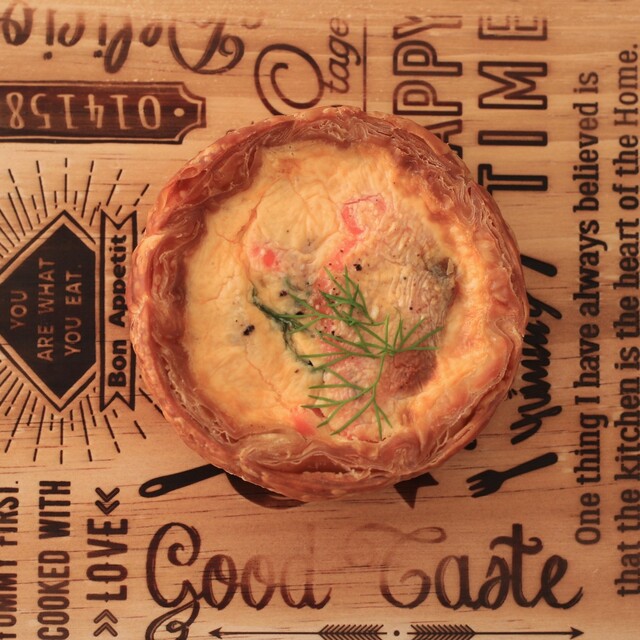
Approaching the Shin-Yokohama side of Kohoku Ward, the city shifts from waterfront Yokohama into a domestic rhythm: station traffic, residential streets, and errands around lunch-hour shopping. That setting matters for bread in Japan. The serious bakery is often less café than daily provisioning stop, built around take-out, early selection, and the discipline of buying only what will be eaten the same day.
Champs de Ble fits that Yokohama pattern clearly. It is a bread shop rather than a conventional restaurant, and its low price band places it closer to the neighborhood bakery economy than to the destination tasting-menu economy that dominates premium dining coverage. The useful signal is recognition: selection for Tabelog Bread EAST 100 in 2020 and 2022 puts it within the regional bakery conversation, not merely the local errand circuit.
Yokohama bread culture runs on daily purchase, not dining-room theater
Japan’s bakery culture has long absorbed French technique, convenience-store precision, and the expectations of a rice-centered food culture. The result is a category where lightness, portion control, and freshness often matter more than spectacle. In Yokohama, it splits between station-adjacent bakeries, residential neighborhood shops, and higher-recognition names that draw customers beyond their immediate blocks.
The sustainability story here is not a slogan. A take-out bakery with limited daytime hours naturally pushes a lower-waste model than a sprawling all-day dining room: production is concentrated, turnover visible, and customers usually buy for immediate household use. That does not prove sourcing claims or environmental certification, but it explains why Japanese bread shops can feel so disciplined. The format rewards restraint; excess inventory is punished quickly.
The shop’s origin as the dedicated bakery for Maison HANZOYA adds context without becoming a founder myth. In Yokohama, restaurants and bakeries often overlap through supply relationships, hotel kitchens, and wedding or banquet operations. A bakery attached to that ecosystem must think about professional-service consistency, not just retail charm. That background helps explain why Bread EAST 100 recognition reads as a format credential rather than a decorative badge.
Among Yokohama comparisons, the price tier is telling. TOTSZEN BAKER’S KITCHEN and Hakuraku Bagel sit in similarly accessible bakery territory, while Boulangerie 14 Ku occupies a slightly higher listed spend band. Champs de Ble is part of the city’s democratic specialist tier: selection and timing matter, but spend remains modest. For a wider restaurant map, Our full Yokohama restaurants guide gives broader city context.
The useful signal is recognition in a modest price category
Tabelog’s Bread EAST 100 list is not the same signal as a Michelin star, and should not be read that way. Its value is category-specific. For bakeries, where many serious operators have no long-form tasting menu, wine pairing, or evening service, a specialist bread list can be more relevant than general restaurant prestige. A 3.68 Tabelog score adds another public marker, especially where small rating differences can separate casual convenience from repeat local confidence.
The price band also changes the decision. A sub-JPY 999 listing removes much of the risk of destination dining. The question is not whether to build a whole day around the shop, but whether to fold it into a Shin-Yokohama or Kohoku Ward route. That distinction is central to good travel planning in Japan. Some food addresses justify a cross-city transfer; others work better as precise inserts between station moves, hotel check-ins, and neighborhood errands.
Champs de Ble belongs to the second group. Its strongest use for a visitor is as a bakery stop that sharpens an itinerary rather than anchors it. Yokohama’s dining scene can move from ramen intensity to old-school Chinese cooking, curry, grills, and bakeries within a short rail day. Nearby planning can connect bread shopping with restaurants such as 1000 (Yakitori (Grilled chicken skewers)), Aichun, Ajowan, Alpenjiro Honten, and Anzen Shokudo, depending on whether the day is built around snacks, a seated meal, or a rail-linked crawl.
For travelers comparing categories, the contrast with Yokohama ramen is useful. Rock'n Three and Kuri Yama represent a bowl-driven, high-turnover format where the meal is immediate and self-contained. Bread works differently. It extends beyond the purchase moment, into hotel rooms, train seats, parks, and home kitchens. That portability is part of its environmental logic: fewer service layers, less table infrastructure, and a buying pattern portioned closely to appetite.
Plan it as a daytime Kohoku Ward stop
The practical read is simple: a daytime bakery with take-out service, a non-smoking setting, no private rooms, and no parking listed. Children are welcome, aligning with the family-friendly role bakeries often play in residential Yokohama. Payment details matter in Japan’s smaller food shops: credit cards and electronic money are not listed, while PayPay is listed, so travelers should not assume a card-first transaction.
The station context gives it value beyond the counter. Shin-Yokohama is a transport node, not just a neighborhood name, making a short bakery stop more useful than it looks on paper. Travelers passing through for the Shinkansen, staying in the area, or building a Yokohama day away from the bayfront can use the stop without making it an overplanned detour.
That is the right editorial frame for the restaurant: a recognized bread specialist in a modest, practical format, better judged by timing and category credibility than restaurant-style drama. It reminds us that Yokohama’s food culture is not only Chinatown banquets, ramen queues, and waterfront dining. Some revealing addresses are built for the everyday act of buying bread carefully.
For broader planning around the city, use Our full Yokohama hotels guide, Our full Yokohama bars guide, Our full Yokohama wineries guide, and Our full Yokohama experiences guide. Nearby and onward food research can also extend to -Grilled beef Sukiyaki- KAMAKURA TANUKIAN 鎌倉 たぬき庵 in Kamakura. 鮪と炭火焼き うお炭 秋葉原店 in Tokyo.cafe in Osaka.know in Kumamoto, (Shoku) Vietnam in Kawasaki, [Curry Senmon Ten] Maruyama Kyoju. in Sapporo, Jōdo Saké Bar in Los Angeles, and Onigiri Time in Pasadena.
Peers Worth Knowing
Comparable venues to anchor price and recognition.
| Venue | Cuisine | Price | Notes |
|---|---|---|---|
| Champs de BleThis venue — the venue you are viewing | Artisanal bakery & bread shop | $ | Not listed |
| Pain de U | Bakery & café | $ | Kanagawa |
| TOTSZEN BAKER’S KITCHEN | Bakery / Sweets | $ | Kōhoku |
| Italiano Jerato Ya | Italian-style gelato & ice cream shop | $ | Nishi |
| BASCULE | Cake shop & Western-style desserts | $ | Tsuzuki |
| Honoka Azami no | Neighborhood Japanese bakery & sandwich shop | $ | Aoba |
Recognition history
Dated appearances from independent guides and award organizations, with the underlying list record or original source where available.
Tabelog 100 #82 · No. 82
Tabelog · Tabelog 100 - Bread - EAST - 2022









At a Glance
- Cozy
- Classic
- Solo
- Casual Hangout
- After Work
- Standalone
Current opening hours
- Monday
- Closed
- Tuesday
- Closed
- Wednesday
- 11 AM–4 PM
- Thursday
- 11 AM–4 PM
- Friday
- 11 AM–4 PM
- Saturday
- 11 AM–4 PM
- Sunday
- 11 AM–4 PM
Hours can change for holidays and private events. Last verified .
A small neighborhood bakery with a relaxed, everyday feel where guests select from neatly arranged shelves of breads and pastries; the atmosphere is simple and functional rather than design-driven, focused on takeout and quick visits rather than lingering dining.