
Michelin Bib Gourmand
Our verdict
A Michelin Bib Gourmand recipient in 2024 and 2025, Hommachi Seimenjo Chukasobakobo operates from the basement of Semba Center Building in Osaka's Chuo Ward, launched by a dried foods wholesaler whose supply-chain expertise shapes every bowl. The dashi-forward chukasoba draws on multiple dried fish flakes, kombu kelp, pike conger, and chicken bones, with two house-made noodle styles served from a counter that rewards the serious ramen diner.

Pearl is the En Primeur Club membership app, where members save venues, book tables and use the concierge.
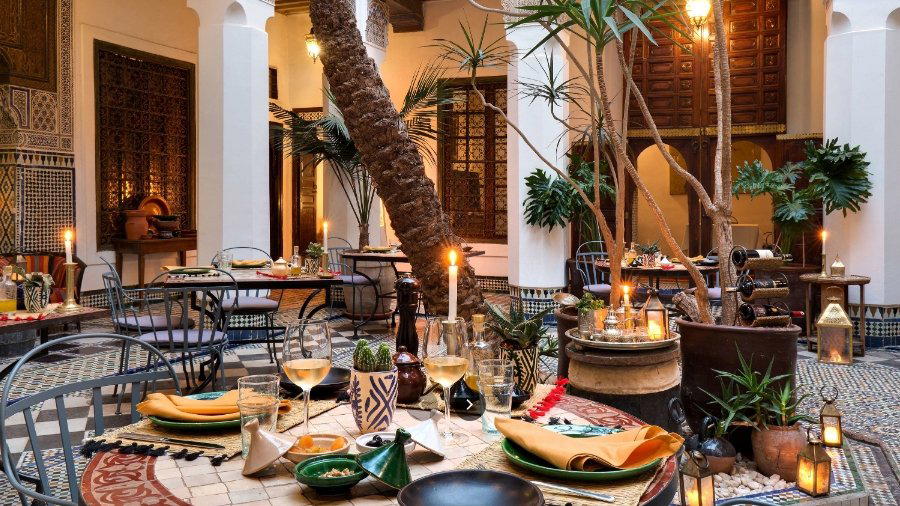
Basement-Level Ramen, Wholesaler Provenance
Osaka's ramen scene occupies a quieter register than Tokyo's. Where the capital has built a global profile around tonkotsu variations and high-concept broth engineering, Osaka's stronger tradition runs through lighter, dashi-led soups that reflect the city's deeper loyalty to umami built from dried ingredients rather than long-cooked bones. The shop was launched by a dried foods wholesaler, and that supply-chain origin is the editorial fact that explains everything about what arrives in the bowl.
The Dashi as the Main Event
In ramen, the broth is where credentials are tested, and the dashi at Hommachi Seimenjo Chukasobakobo is constructed with the precision you would expect from an operation that sources dried ingredients professionally. Multiple types of dried fish flakes contribute the base fragrance. Kombu kelp adds mineral depth. Pike conger, a Kansai-region ingredient used in high kaiseki contexts at places like Gion Sasaki in Kyoto, brings a sweetness and body rarely found in ramen broth. Chicken bones extend the finish. The result is a soup with layered development: the first sip registers as clean and fragrant, the middle builds in body, and the finish lingers with a roundness that reflects the interaction between animal and marine stocks.
This multi-component dashi approach is notable not because complexity is inherently virtuous, but because the balance holds. Ramen broths built from too many dried fish sources can tip into bitterness; those leaning too heavily on kelp can go flat. The version here, according to Michelin's Bib Gourmand assessors who recognised the shop in both 2024 and 2025, achieves what they describe as a well-rounded fragrance with body and finish, language that reads as understatement from inspectors trained on kaiseki precision.
Two Noodles, Two Purposes
The house makes two noodle styles on the premises: flat noodles designed to absorb soup, and round noodles selected for textural resistance. The choice is not decorative. Flat noodles in a dashi-forward broth function almost as a delivery mechanism, the wide surface area picks up liquid with each lift, so the noodle and soup arrive together. Round noodles prioritise chew and bite, keeping the eating experience more distinctly textured. Offering both types within the same menu signals a kitchen that thinks about the structural relationship between noodle and broth rather than defaulting to a single format. Across Osaka's ramen shops, that level of considered noodle work is more common at specialist counters than at volume operations. Comparison points in the city's chukasoba category include Chukasoba Mugen and Chukasoba Uemachi, both of which occupy the same thoughtful end of the category.
Semba's Wholesale Logic
The Semba district in Chuo Ward is historically Osaka's commercial and wholesale heart, the district where ingredient merchants, fabric traders, and food suppliers built the city's mercantile identity. Eating ramen in a basement of Semba Center Building is not a tourist-facing experience. The building itself is a functional wholesale complex, long and low, stretching across multiple blocks. The address filters the clientele naturally: the lunch crowd here skews toward traders, office workers, and neighbourhood regulars rather than visitors ticking through a ramen crawl. That context matters to the experience, you are eating in a working district, from a shop that sources its ingredients from the same professional wholesale networks it once supplied.
For visitors moving between Osaka's dining registers, the contrast with the city's higher-end restaurants is instructive. Michelin-starred operators like Kadoya Shokudo and the kaiseki rooms that attract international attention operate at a different scale and formality. But the underlying ingredient logic, dried fish, kelp, carefully sourced proteins, runs across price points. The Bib Gourmand exists precisely to acknowledge restaurants where the standard of sourcing and execution exceeds what the price point implies. At the ¥ price range, this shop delivers ingredient quality that costs substantially more elsewhere.
Positioning Within Osaka's Ramen Tier
Consecutive Bib Gourmand recognition (2024, 2025) places Hommachi Seimenjo Chukasobakobo in a defined peer group: ramen shops that Michelin inspectors judge to offer cooking quality above their category average. In Osaka, that peer group also includes operations like Kamigata Rainbow and Mugito Mensuke, each working a different broth tradition. Hommachi Seimenjo Chukasobakobo's differentiator within that group is the dried-goods provenance, the wholesaler origin is a structural advantage in sourcing that most ramen operations cannot replicate.
For ramen drinkers who track Japan's broader category, the comparison extends to Tokyo. Afuri in Tokyo represents the lighter, yuzu-inflected end of the national ramen spectrum, a different aesthetic, but one that similarly emphasises broth fragrance over heavy fat content. The dashi-forward work at Hommachi Seimenjo Chukasobakobo sits within that same preference for clarity over richness, though the flavour construction is more traditional Kansai in character. Afuri's international reach now extends to Portland, demonstrating the export potential of lighter Japanese ramen styles, while shops like this one remain neighbourhood-rooted operations where the local context is part of the value.
Planning a Visit
The practical reality of visiting Hommachi Seimenjo Chukasobakobo reflects its position as a working-district lunch destination. The basement location in Semba Center Building means navigation requires some intention, the building complex is large and the shop does not benefit from street-level visibility. The ¥ price point, combined with back-to-back Michelin recognition, means the shop draws a queue during peak lunch hours. Arriving before noon or after the main lunch rush is a reasonable approach for those who prefer not to wait. No website or phone number is publicly listed in available data, which reinforces the walk-in, cash-friendly character of the experience.
Visitors building a broader Osaka itinerary can consult our full Osaka restaurants guide for context across categories and price points, alongside our Osaka hotels guide, bars guide, and experiences guide. For dining across Japan's Kansai and broader regions, reference points include akordu in Nara, Harutaka in Tokyo, Goh in Fukuoka, 1000 in Yokohama, and 6 in Okinawa.
Frequently asked questions
What should I order at Hommachi Seimenjo Chukasobakobo?
The chukasoba in its dashi-forward broth is the kitchen's clearest statement, and it is what the Michelin Bib Gourmand recognition in 2024 and 2025 specifically reflects. The broth draws on multiple dried fish flakes, kombu kelp, pike conger, and chicken bones, a construction that is difficult to replicate and represents the shop's wholesaler advantage. The choice between flat and round house-made noodles is worth considering deliberately: flat noodles absorb the soup as you eat, round noodles maintain more textural independence. If you are visiting primarily to understand what the dashi tradition means at this price point, the standard chukasoba is the order that makes that argument most directly.
How far ahead should I plan for Hommachi Seimenjo Chukasobakobo?
This is a walk-in operation without a reservation system, which changes the planning calculus. For a basement lunch counter in a working wholesale district, peak demand falls during the midday window from roughly 11:30 to 13:30 on weekdays. Arriving at opening or in the mid-afternoon, if hours permit, minimises wait time. The ¥ price point means there is no financial barrier to returning if the first attempt results in a long queue. For visitors to Osaka on a tight schedule, factoring a buffer into the visit is a sensible approach given the shop's recognition level relative to its walk-in format. Our Osaka wineries guide and full restaurant guide can help structure the surrounding day.
The Minimal Set
| Venue | Cuisine | Price | Awards | Notes |
|---|---|---|---|---|
| Hommachi Seimenjo ChukasobakoboThis venue (the venue you are viewing) | Authentic Japanese Ramen | $10–20 | Michelin Bib Gourmand | Not listed |
| HAJIME | Avant-Garde Japanese Fine Dining | $300–500 | 3 Michelin Stars · World's 50 Best #83 | French, Innovative |
| La Cime | Modern French with Japanese Ingredients | $150–200 | 2 Michelin Stars · World's 50 Best #13 | French |
| Kashiwaya Osaka Senriyama | Seasonal Kaiseki Omakase | $200–300 | 3 Michelin Stars · La Liste Top Restaurants | Japanese |
| Taian | Traditional Japanese Kaiseki Omakase | $150–200 | 3 Michelin Stars · La Liste Top Restaurants | Kaiseki, Japanese |
| Fujiya 1935 | Modern Japanese with European influences | $100–150 | 2 Michelin Stars · La Liste Top Restaurants | Innovative |
Recognition history
Dated appearances from independent guides and award organizations, with the underlying list record or original source where available.
Michelin Bib Gourmand
Michelin
Full recognition history (3 entries)
Michelin Bib Gourmand
Michelin
Michelin Bib Gourmand
Michelin
Continue exploring
More in Osaka
Restaurants in Osaka
All restaurants in Osaka →



Bars in Osaka
All bars in Osaka →
Hotels in Osaka
All hotels in Osaka →


Wineries in Osaka
Browse all →
Details
- Cozy
- Classic
- Solo
- Casual Hangout
- Local Sourcing
- A La Carte
- Counter Dining
Current opening hours
- Monday
- 11 AM–7 PM
- Tuesday
- 11 AM–7 PM
- Wednesday
- 11 AM–7 PM
- Thursday
- 11 AM–7 PM
- Friday
- 11 AM–7 PM
- Saturday
- 11 AM–7 PM
- Sunday
- Closed
Hours can change for holidays and private events. Hours as of .
Cozy atmosphere in a basement location with counter seating, focusing on authentic ramen dining.