Onyado Kawasemi
Our verdict
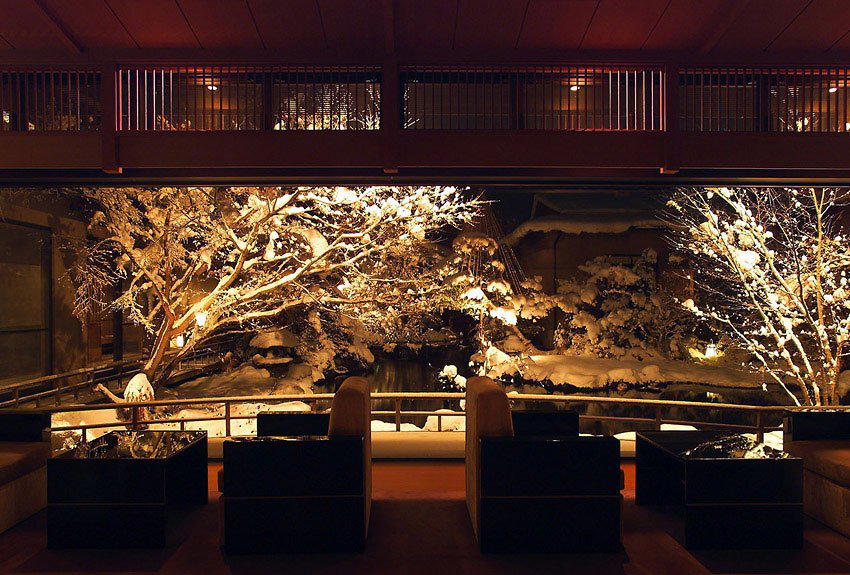
Hisuinosato sits along the ryokan corridor of Iizaka Onsen, one of Fukushima Prefecture's oldest hot spring districts, where the kitchen draws on the prefecture's agricultural depth, rice, mountain vegetables, and river fish cultivated across Tohoku's varied terrain. The property operates within a tradition where the bath and the meal are equal parts of the stay, placing it in a distinct category of destination dining that urban restaurants cannot replicate.

Pearl is the En Primeur Club membership app, where members save venues, book tables and use the concierge.
The menu
What to order
- Rishiri Rebun saltwater sea urchin jewel presentation
- Charcoal-grilled domestic matsutake
Where the Hot Spring Town Sets the Table
Iizaka Onsen has been drawing travellers from the Fukushima basin for over a millennium, and the ryokan district that grew around its thermal springs developed a hospitality logic entirely its own. In that tradition, the meal is not an amenity attached to the accommodation, it is the point. Hisuinosato sits along the Shakkei-no-michi path in Iizaka, where the ryokan row faces the Surikami River, and the kitchen operates within this framework: sourcing is seasonal and regional, presentation follows kaiseki's compositional discipline, and the progression of dishes is timed to the rhythm of the stay rather than the pace of a restaurant service.
This is a category of dining that properties like Gion Sasaki in Kyoto or Harutaka in Tokyo cannot offer, not because of skill differentials, but because the context is structurally different. A ryokan meal unfolds across the evening, anchored to the room and the bath, with no external pressure on the kitchen's timing. The discipline required is considerable, and the better properties in Tohoku's onsen belt have maintained that standard across generations.
Fukushima Prefecture as a Larder
Fukushima's agricultural output is frequently underestimated by visitors routing through Japan's more publicised food regions. The prefecture covers three distinct geographic zones, the Pacific coastal plain, the central Nakadori basin, and the mountainous Aizu highlands, and each produces ingredients with a character shaped by its microclimate. The Nakadori basin, where Iizaka sits, yields rice recognised for its water quality, while the mountain catchments above the Abukuma River supply sansai (mountain vegetables) across spring and early summer, and the rivers running off the Ou Mountains carry ayu sweetfish through the warmer months.
For a ryokan kitchen like Hisuinosato's, this geographic range functions as a staged seasonal calendar. Spring brings warabi fern shoots and takenoko bamboo shoots from the highlands; summer shifts toward river fish and cold-water vegetables; autumn delivers mushrooms, persimmons, and the prefecture's rice harvest. A kaiseki sequence built around this calendar reads as a document of the landscape, dish by dish, in a way that imported ingredients cannot replicate. Properties like HAJIME in Osaka or akordu in Nara make their own cases for regional sourcing within different culinary frameworks, but the ryokan format binds sourcing and hospitality together in a way that standalone restaurants structurally cannot.
Fukushima's post-2011 agricultural sector has invested heavily in monitoring and certification programmes, and the prefecture's produce now carries documented provenance data that arguably exceeds what most Japanese regions provide. For a kitchen drawing on local supply, this matters practically: the sourcing chain is shorter, more legible, and more consistent than in prefectures where agricultural infrastructure is less systematised.
The Ryokan Dining Tradition in Tohoku
The kaiseki format practiced in Tohoku's onsen ryokans shares a vocabulary with Kyoto's kaiseki lineage, the sequence of sakizuke, hassun, yakimono, and so on, but inflects it toward local produce and a more restrained aesthetic that reflects the region's climate and culinary history. Where Kyoto kaiseki can tend toward precision and ceremony, the Tohoku variant often reads as quieter, with a greater emphasis on the intrinsic character of ingredients over technical transformation. That preference is a value statement embedded in the regional tradition, not a deficit of ambition.
Across the Tohoku region, properties operating in this register sit in a different competitive set from the destination restaurants that draw international visitors to Tokyo or Osaka. The peer group for Hisuinosato is not Le Bernardin in New York City or Atomix in New York City, it is the network of well-regarded onsen ryokans in Fukushima, Yamagata, and Akita that maintain a kitchen programme serious enough to anchor the stay. Within Fukushima city, restaurants like HAGI, Marushin, and Rantei Vivian represent the urban dining tier; Iizaka Onsen, fifteen minutes north by rail, operates in a distinct register where the overnight context shapes the entire experience.
Comparable properties in other regions, 一本木 in Nanao, 夕凪山乃 in Sapporo, 湖畔庵 in Takashima, and 鳥羽屋 in Nishikawa Machi, illustrate how widely this format is distributed across Japan's onsen geography, and how consistent its core logic is despite regional ingredient variation. The format holds: sourcing defines the menu, the menu defines the season, and the season defines the stay.
Arriving and Planning the Stay
Iizaka Onsen is accessible from Fukushima Station via the Iizaka Line, a single-track railway that runs approximately fifteen minutes north through the Nakadori basin. The station sits at the edge of the onsen district, within walking distance of the main ryokan row along the river. For guests arriving by shinkansen, Fukushima Station is served by both the Tohoku and Yamagata lines, making the connection practical from Tokyo, Sendai, and Yamagata without requiring a car.
Ryokan stays in the Iizaka district generally follow a check-in window in the mid-afternoon, with dinner served in the early evening and breakfast the following morning. Booking directly through the property or via a reputable ryokan booking platform is advisable well in advance, particularly for autumn months when the combination of foliage season and rice harvest draws regional travellers. Those planning around specific seasonal ingredients, ayu in summer, matsutake in autumn, should confirm availability at the time of booking, as kitchen programmes in this tier follow the actual harvest rather than a fixed calendar.
For a broader map of where Hisuinosato sits within Fukushima's dining options, our full Fukushima restaurants guide covers the urban tier alongside the onsen district. Additional context from comparable regional properties, Goh in Fukuoka, Birdland in Sakai, and Bistro Ange in Toyohashi, illustrates the range of regional Japanese dining formats that sit outside the major city circuits and reward the effort of getting to them.
Frequently asked questions
Would Hisuinosato be comfortable with kids?
Iizaka Onsen's ryokan tradition is generally oriented toward adult guests seeking rest around thermal bathing and multi-course evening meals. Hisuinosato is set along the Iizaka Onsen district in Fukushima, where the pace and format of a kaiseki dinner typically suits older children who can sit through structured courses, rather than young families with very small children. check the venue's official channels to clarify their policy before booking with minors.
What's the vibe at Hisuinosato?
Hisuinosato sits within the Iizaka Onsen district, one of Fukushima's oldest thermal spring communities, which shapes its atmosphere considerably. Expect the quietude common to Tohoku onsen towns, tiled corridors, yukata-wearing guests, and evenings structured around bathing and the dining room rather than nightlife. The pace is deliberate, the setting rooted in a millennium-old resort culture rather than contemporary hotel design.
Is Hisuinosato accessible from Fukushima Station without a car?
Yes. Iizaka Onsen, where Hisuinosato is located, is served by the Iizaka Line from Fukushima Station, a single-track railway running approximately fifteen minutes north through the Fukushima basin. The line connects directly to the onsen district, making Hisuinosato reachable without private transport, which is practical for guests arriving via the Tohoku Shinkansen.
What dish is Hisuinosato famous for?
What is clear from the regional context is that Iizaka Onsen ryokans in Fukushima have long drawn on the prefecture's agricultural output, rice, river fish, mountain vegetables, within a kaiseki structure. For confirmed menu details, direct enquiry with the property before your stay is the most reliable approach.
Where exactly is Hisuinosato?
Hisuinosato is located at Japan, ã960-0201 Fukushima, 飯å温æ³ç¿¡ç¿ ã®é2-14 ç¿¡ç¿ ã®é御宿ãããã¿, Fukushima.
Should I book Hisuinosato in advance?
Iizaka Onsen is a compact district with a limited number of ryokan rooms, and Fukushima-area onsen properties fill quickly during autumn foliage season and the New Year period. No real-time availability data is held for Hisuinosato, but advance reservations, particularly for weekend stays, are standard practice across all Tohoku onsen ryokans. Booking several weeks ahead is advisable for preferred dates.
Comparison Snapshot
| Venue | Cuisine | Price | Awards |
|---|---|---|---|
| HisuinosatoThis venue (the venue you are viewing) | Seasonal Japanese Kaiseki | $300–500 | Not listed |
| HAGI | Modern French with Fukushima Ingredients | $100–150 | Tabelog Silver #30 |
| Rantei Vivian | Seasonal Kaiseki Omakase | $100–150 | Tabelog Bronze #354 |
| Marushin | Fukushima-Style Soy Sauce Ramen | $1–10 | Tabelog Bronze #255 |
Continue exploring
More in Fukushima City
Restaurants in Fukushima City
All restaurants in Fukushima City →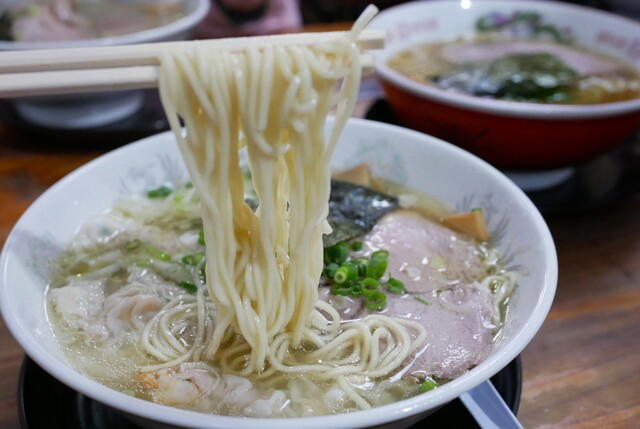
Hotels in Fukushima City
Browse all →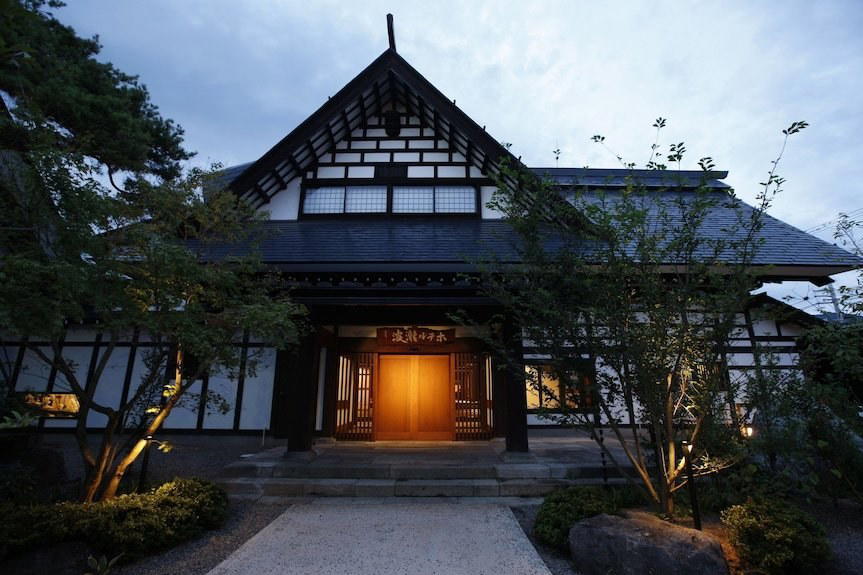
Wineries in Fukushima City
Browse all →
Details
- Quiet
- Elegant
- Classic
- Intimate
- Sophisticated
- Scenic
- Special Occasion
- Celebration
- Date Night
- Family
- Hotel Restaurant
- Garden
- Private Dining
- Sake Program
- Local Sourcing
- Garden
- Set Menu
- Tasting Menu
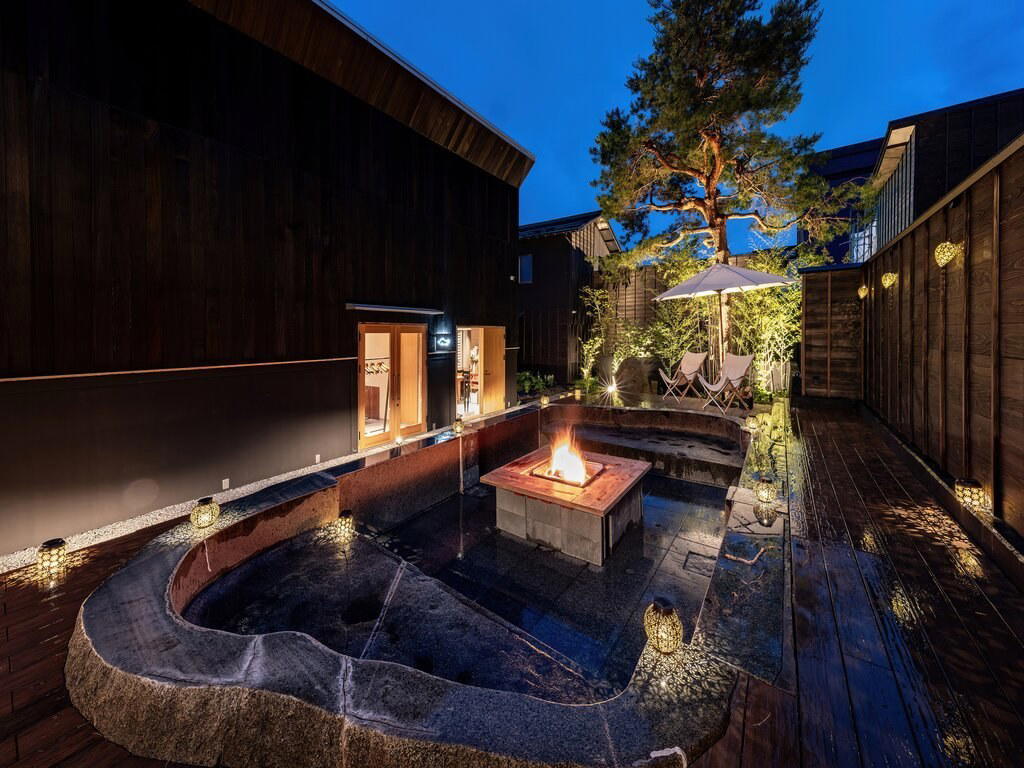
Traditional Japanese decor and hospitality in a serene, relaxing onsen-inn atmosphere set on spacious grounds just outside central Iizaka Onsen Town.