Bistro Mikasa

Tabelog 100 #2
Our verdict
Bistro Mikasa gives Fukushima’s yoshoku tradition a serious local address: Japanese-style Western cooking, hamburger steak, wine, and a 2025 Tabelog 100 Yoshoku EAST selection. Its appeal sits in the middle ground between everyday lunch pricing and award-listed cooking, a useful counterpoint to the city’s higher-spend tempura, yakitori, and kappo rooms.

Pearl is the En Primeur Club membership app, where members save venues, book tables and use the concierge.
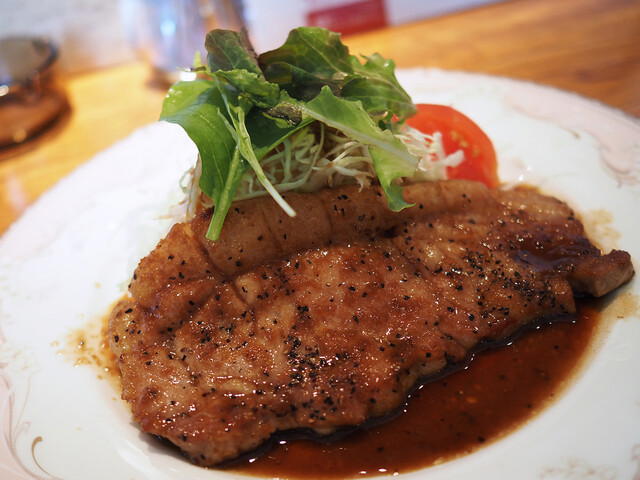
The menu
What to order
- Pork sauté
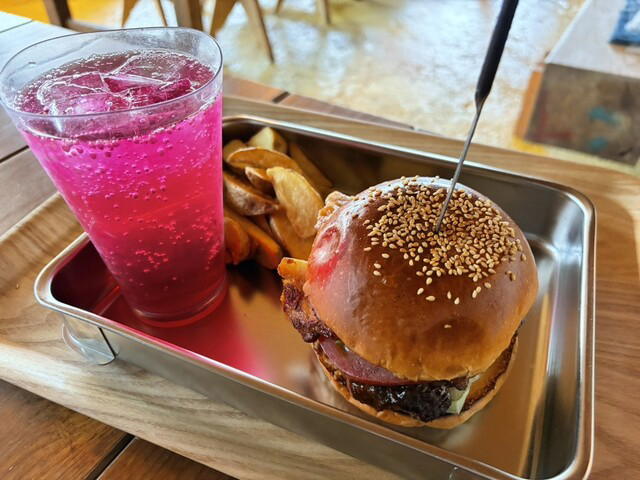
- Hamburger steak
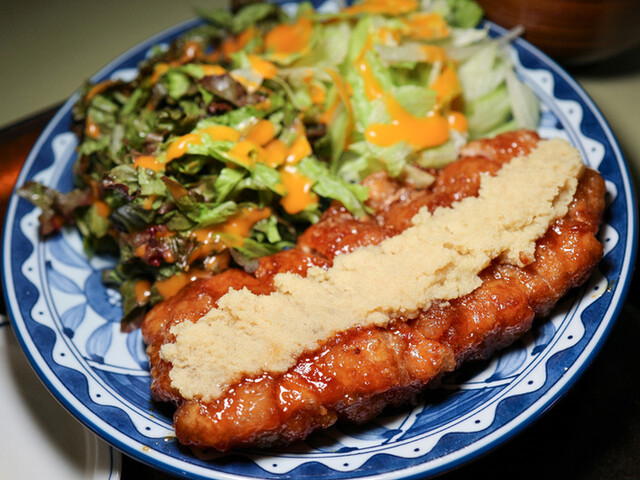
- Pork ginger
- Napolitan spaghetti
Okitamacho’s dining streets move differently from station-front chains: smaller rooms, late lights, and restaurants serving office workers at midday before slower evening drinking. Yoshoku fits that setting. It is not Western food copied whole, but a Japanese dining language of demi-glace, cutlets, hamburger steak, rice, cabbage, pan sauces, and everyday ingredients suited to both lunch and wine-hour service.
That frames Bistro Mikasa, a Fukushima address selected for Tabelog 100 - Yoshoku - EAST - 2025. The recognition matters because yoshoku is judged less by luxury signals than by consistency: sauce work, hamburger-steak grind and handling, and the balance of comfort with restaurant polish. In a city where higher-spend dining can mean tempura at Tempura Hirai, yakitori at Tori Ken, or a broader evening bill at Shioya, this category is more democratic. The point is not spectacle, but whether modest ingredients are handled with enough discipline to justify attention.
Yoshoku in Fukushima depends on sauce, sourcing, and repetition
Yoshoku has always been adaptive. Its roots run through Japan’s late 19th- and early 20th-century encounters with European cooking, but its modern appeal is local and practical: Western forms recalibrated for rice, set meals, and Japanese dining habits. In regional cities, the genre often tests procurement rather than ornament. Beef and pork quality, dairy, eggs, onions, mushrooms, and seasonal vegetables do much of the work before a plate reaches the table.
Fukushima adds useful agricultural context. The prefecture is better known nationally for fruit, rice, sake brewing, and inland produce than for any single restaurant trope. That suits yoshoku, which rewards kitchens that turn staples into repeatable plates. Hamburger steak, listed as a core category here, is revealing: inexpensive enough for everyday food, but unforgiving when treated casually. Texture, fat balance, searing, and sauce integration decide whether it reads as diner fare or serious bistro staple.
The 2025 Tabelog 100 Yoshoku EAST selection places the restaurant in a broad eastern Japan field rather than a narrow local ranking. For travelers, that means reading it against regional yoshoku specialists, not only Fukushima neighborhood options. For broader city planning, Our full Fukushima restaurants guide gives the wider spread, from casual counters to higher-budget rooms.
A low-price award listing changes the decision calculus
One interesting signal is the gap between recognition and spend. Fukushima has restaurants requiring a more deliberate evening commitment: Tori Ken in a higher yakitori bracket, Tempura Hirai in a more formal tempura lane, and Shioya in a costlier dining tier. At the other end, Jikaseimen Urota represents affordable noodle culture, while Cow Burgers overlaps with the casual Western-inflected lane. Bistro Mikasa sits closer to the latter on spend, but the Tabelog 100 selection puts it in a more selective conversation.
That combination suits travelers who want a meal that says something about Fukushima without turning dinner into an event. Yoshoku is easier to understand than a highly local kappo menu, but not generic when handled well. It shows how Japan absorbed Western techniques and made them domestic: rice beside sauce, hamburger steak as a house standard, wine present without French-restaurant formality.
The comparison also shows why this is not a substitute for every Fukushima meal. A tempura counter tests batter, oil, and pacing. Yakitori tests sourcing by cut, charcoal management, and seasoning restraint. Ramen compresses broth, noodles, and tare into a quick format. Yoshoku tests continuity: a kitchen must make familiar food feel precise across services. For compact itineraries, it works as the grounded meal between specialized bookings. Nearby and city-adjacent alternatives in the wider EP Club index include age, Agu Buta Shabushabu Senmon Ten Toriou Bettei, Asia Shokudo Chouku, CAFE BAHNHOF, and Chinese Sai Oil.
Who should put it on a Fukushima itinerary
This fits diners who value regional everyday cooking with outside recognition. The room’s appeal is not chef theater or luxury sourcing claims; it is a familiar category taken seriously enough to earn a 2025 yoshoku selection. Solo diners and small groups are the natural audience, especially those wanting a Fukushima meal without decoding a long tasting format.
Practical caveats matter. Smoking is allowed, private rooms are not part of the setup, and the format includes counter seating, spacious seating, wine, and occasional live-music infrastructure. Payment habits are also more local than international: credit cards and electronic money are not listed as accepted, while QR code payments include PayPay and d Barai. These details place it in the Japanese neighborhood-bistro world rather than the inbound-tourism lane.
For travelers linking Fukushima with the rest of Japan, the contrast is instructive. A beef sukiyaki specialist such as -Grilled beef Sukiyaki- KAMAKURA TANUKIAN 鎌倉 たぬき庵 in Kamakura, a seafood-and-grill room like. 鮪と炭火焼き うお炭 秋葉原店 in Tokyo, or a curry specialist such as [Curry Senmon Ten] Maruyama Kyoju. in Sapporo each shows how Japan turns imported or adapted forms into local dining habits. The same logic appears outside Japan at places like Jōdo Saké Bar in Los Angeles and Onigiri Time in Pasadena, where format and audience reshape familiar Japanese categories.
The final read is clear: Bistro Mikasa belongs on a Fukushima shortlist when the goal is not ceremony, but a reliable expression of yoshoku with enough recognition to separate it from standard casual dining. Pair it with the city’s other specialist meals, then use Our full Fukushima hotels guide, Our full Fukushima bars guide, Our full Fukushima wineries guide, and Our full Fukushima experiences guide to round out the trip. For wider casual-dining comparisons across Japan.cafe in Osaka.know in Kumamoto, and (Shoku) Vietnam in Kawasaki show how compact formats can still carry a city’s appetite.
Frequently asked questions
What are the opening hours for Bistro Mikasa?
Hours at Bistro Mikasa: Mon: 11:30 AM–2 PM, 5:30 PM–12 AM; Tue: 11:30 AM–2 PM, 5:30 PM–12 AM; Wed: 11:30 AM–2 PM, 5:30 PM–12 AM; Thu: 11:30 AM–2 PM, 5:30 PM–12 AM; Fri: 11:30 AM–2 PM, 5:30 PM–12 AM; Sat: 11:30 AM–2 PM, 5:30 PM–12 AM; Sun: Closed.
Is Bistro Mikasa more mid-range or high-end?
Pricing at Bistro Mikasa is listed as JPY 1,000 - JPY 1,999.
What's Bistro Mikasa's location?
Bistro Mikasa is located in Fukushima.
What is Bistro Mikasa known for?
Bistro Mikasa is primarily known for its core concept and execution in Fukushima.
Snapshot
Nearby venues at a similar price tier for orientation.
| Venue | Cuisine | Price | Awards | Notes |
|---|---|---|---|---|
| Bistro MikasaThis venue (the venue you are viewing) | Yoshoku (Japanese-style Western) Bistro | $10–20 | Tabelog 100 #2 | Not listed |
| Hachi no Ki | Japanese ginger pork set-meal diner | $10–20 | Tabelog 100 #8 | Fukushima |
| Marushin | Fukushima-Style Soy Sauce Ramen | $1–10 | Tabelog Bronze #255 | near Fukushima Station |
| Jikaseimen Urota | Modern ramen with house-made noodles | $10–20 | Tabelog 100 #89 | Fukushima |
| Dateya | Traditional Fukushima ramen shop | $10–20 | Tabelog 100 #65 | Fukushima |
| Kacchan | 本場広島お好み焼き・広島ラーメン | Not listed | Tabelog 100 #25 | Fukushima |
Recognition history
Dated appearances from independent guides and award organizations, with the underlying list record or original source where available.
Tabelog 100 #2 · No. 2
Tabelog · Tabelog 100 - Yoshoku - EAST - 2025
Continue exploring
More in Fukushima City
Restaurants in Fukushima City
All restaurants in Fukushima City →
Hotels in Fukushima City
Browse all →
Details
- Cozy
- Lively
- Classic
- Solo
- Casual Hangout
- After Work
- Late Night
- Group Dining
- Live Music
- Standalone
- A La Carte
- Counter Dining
- Wine
Current opening hours
- Monday
- 11:30 AM–2 PM, 5:30 PM–12 AM
- Tuesday
- 11:30 AM–2 PM, 5:30 PM–12 AM
- Wednesday
- 11:30 AM–2 PM, 5:30 PM–12 AM
- Thursday
- 11:30 AM–2 PM, 5:30 PM–12 AM
- Friday
- 11:30 AM–2 PM, 5:30 PM–12 AM
- Saturday
- 11:30 AM–2 PM, 5:30 PM–12 AM
- Sunday
- Closed
Hours can change for holidays and private events. Hours as of .
A small, classic yoshoku bistro with spacious but cozy seating, counter seats, and a casual atmosphere that becomes lively into the late night, sometimes featuring live music.