
Shioya puts Fukushima’s tempura culture into a compact counter format, with tempura and ten-don framed by regional produce rather than spectacle. Its selection for Tabelog 100 Tempura in 2025, alongside earlier selections in 2022 and 2023, places it in a national conversation that usually tilts toward Tokyo and Osaka.
Pearl is the En Primeur Club membership app — saves, bookings, and concierge access live there. Same editors, same standards.
- Address
- 福島県福島市上町2-14
- Phone
- +81245210678
- Website
- tabelog.com
 Saves & bookings on Pearl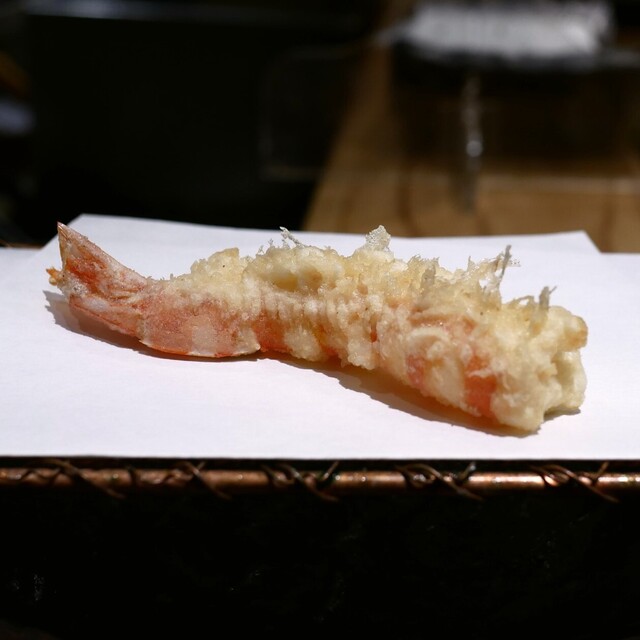
Approaching a serious tempura counter in a regional Japanese city differs from approaching one in Ginza. The room announces itself less through luxury than restraint: counter seats close enough to fold the fryer into the dining rhythm, a short kitchen-to-guest distance, and a menu that treats batter, oil, rice and seasonal vegetables as the main language. In Fukushima, that format carries extra weight because the prefecture’s food identity is tied to agriculture, sake, fruit and mountain produce as much as to formal restaurant culture.
Shioya sits in the smaller, exacting category of regional tempura restaurants where sourcing matters because the cooking gives ingredients little cover. Tempura is not built on heavy sauces or long braises; it exposes moisture, cut, temperature and timing. A vegetable with poor water balance turns dull under batter; seafood without firmness collapses; rice bowls rely on sauce and fry quality working together rather than masking each other. A Fukushima tempura address with national recognition is therefore more than a local dining note. It shows how regional kitchens can compete in a category often judged by metropolitan benchmarks.
Fukushima produce meets the discipline of tempura
Japan’s serious tempura tradition is about control. The craft sits between lightness and structure: batter thin enough to protect the ingredient, oil hot enough to seal it, and pacing tight enough that each piece reaches the guest before steam softens the surface. At a counter, the diner reads that discipline in sequence rather than abundance. Tempura is less forgiving than many Japanese formats because small technical failures show within seconds.
That makes Fukushima a useful setting. The prefecture is better known to many travellers for fruit, rice, sake and inland seasonal cooking than for high-profile luxury dining, but those strengths align with tempura’s dependence on raw material. Regional restaurants in this idiom need not imitate the capital’s formality to be credible. They need procurement, consistency and the confidence to let a mushroom, greens, white fish or rice bowl carry the argument without excessive garnish. The point is not rusticity; it is precision applied to local supply.
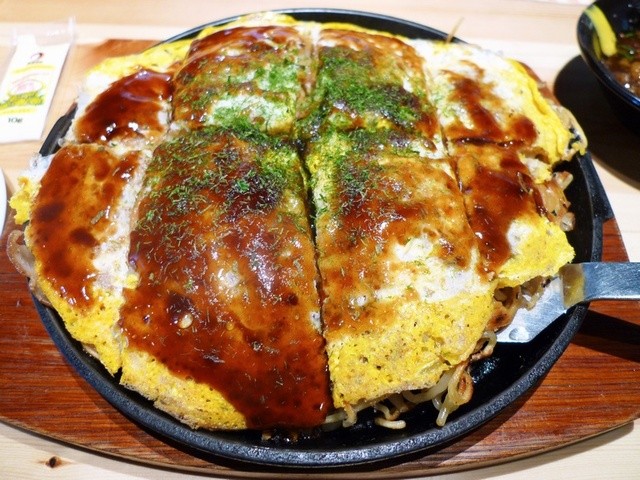
The recognition signal is concrete. Shioya was selected for Tabelog 100 Tempura in 2025, with prior selections in 2022 and 2023. In a category crowded with Tokyo, Kansai and destination counters, repeated inclusion gives the restaurant a national frame rather than a neighbourhood one. For readers comparing Fukushima dining options, that matters. A lower-priced everyday meal at Bistro Mikasa or a ramen stop such as Jikaseimen Urota answers a different need; a specialist tempura counter sits at the more deliberate end of the city’s restaurant spectrum.
A compact counter format rather than a grand-room experience
The room is small by design: 14 seats, with 10 at the counter and 4 on a raised platform. That ratio tells the experienced diner almost everything. Counter seating is not decoration in tempura; it is the service model. The fryer, chef’s timing and guest’s pace are linked, and the meal loses force when it drifts too far from the oil. Raised-platform seating adds flexibility, but the counter remains the serious seat because tempura is a cuisine of immediacy.
Menu identity is focused. Tempura and ten-don sit side by side, placing the restaurant between two strands of the tradition: the course-led counter experience and the rice-bowl format that turns fried pieces, sauce and rice into a tighter meal. That combination is common in Japan but often misunderstood by visitors who treat ten-don as merely casual. Done well, it tests balance. The sauce cannot drown the batter, the rice has to absorb without becoming heavy, and the fried pieces need enough structure to survive contact with the bowl.
In Fukushima’s dining mix, this price and format mark Shioya as a planned meal rather than an incidental stop. Tempura Hirai, another Fukushima tempura comparison point, sits at a lower dinner band, while Tori Ken belongs to a different specialist category. That does not create a ranking; it clarifies the decision. Choose this counter when the purpose is technique and ingredient clarity. Choose a broader casual address when the evening is about ease, speed or group flexibility.
How to place it in a Fukushima itinerary
For travellers building a food-led visit, Fukushima rewards a split approach: one or two specialist meals, then looser stops showing the city’s everyday range. Shioya fits the specialist slot. Around it, the city can be read through cafés, bistros, ramen counters and drinking rooms rather than a single luxury corridor. Avoid treating the restaurant as an isolated trophy; place it inside a day that includes local sake, produce markets or a slower walk through the centre.
The practical rhythm rewards planning, especially because lunch and dinner often operate differently in Japanese specialist restaurants. Expect not a long, flexible drop-in window, but a small room where seats and timing shape the meal. Payment culture also matters in regional Japan: some highly regarded rooms operate outside the card-first habits of major hotels and international districts. The result feels local in structure as much as in sourcing.
EP Club readers mapping the wider city can use Our full Fukushima restaurants guide for the broader table set, then cross-check stays through Our full Fukushima hotels guide, drinks through Our full Fukushima bars guide, wine country context through Our full Fukushima wineries guide, and cultural planning through Our full Fukushima experiences guide. Within the restaurant list, nearby or contrasting references include age, Agu Buta Shabushabu Senmon Ten Toriou Bettei, Asia Shokudo Chouku and CAFE BAHNHOF.
For a broader Japan file, compare how regional specialization changes from -Grilled beef Sukiyaki- KAMAKURA TANUKIAN 鎌倉 たぬき庵 in Kamakura to. 鮪と炭火焼き うお炭 秋葉原店 in Tokyo,.cafe in Osaka,.know in Kumamoto, (Shoku) Vietnam in Kawasaki and [Curry Senmon Ten] Maruyama Kyoju. in Sapporo. Across the Pacific, Jōdo Saké Bar in Los Angeles and Onigiri Time in Pasadena show how Japanese formats read differently once separated from regional supply chains.
A Quick Peer Check
Nearby venues at a similar price tier for orientation.
| Venue | Cuisine | Price | Awards | Notes |
|---|---|---|---|---|
| ShioyaThis venue — the venue you are viewing | Edo-style Tempura Omakase | $$$ | , | |
| Tempura Hirai | Seasonal Tempura Omakase | $$$ | , | Fukushima |
| Tori Ken | Yakitori | $$$ | , | Fukushima |
| Hisuinosato | Kawasemi-style Japanese Kaiseki | $$$$ | , | Fukushima |
| Tempura Sakuma | Traditional Japanese Tempura | $$ | , | Koriyama Tomita |
| Hachi no Ki | Japanese ginger pork set-meal diner | $ | , | Fukushima |
Continue exploring
More in Fukushima
Restaurants in Fukushima
Browse all →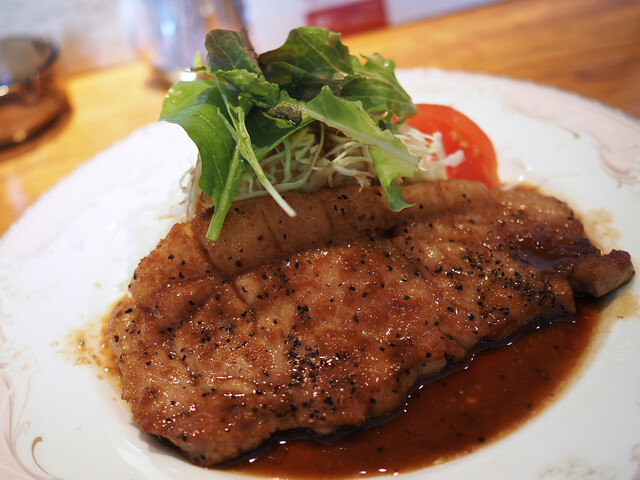

Hotels in Fukushima
Browse all →
At a Glance
- Cozy
- Classic
- Intimate
- Hidden Gem
- Family
- Special Occasion
- Date Night
- Solo
- Chefs Counter
- Private Dining
- Standalone
- Sake Program
Small, relaxed non-smoking tempura counter with a calm, classic feel; guests sit close to the chef at an 8-seat counter plus one private room, creating an intimate yet comfortable atmosphere suited to families and friends.