
Tabelog Bronze #354
Our verdict
Rantei Vivian puts Koriyama’s Japanese dining in a serious regional frame: seasonal omakase, Fukushima produce, fish-led cooking, and a room built for small parties rather than spectacle. Its repeated Tabelog Bronze recognition and Tabelog 100 Japanese Cuisine EAST selections place it in a tighter bracket than casual local addresses, while the experience remains rooted in the private-room and counter traditions of Japanese hospitality.

Pearl is the En Primeur Club membership app, where members save venues, book tables and use the concierge.
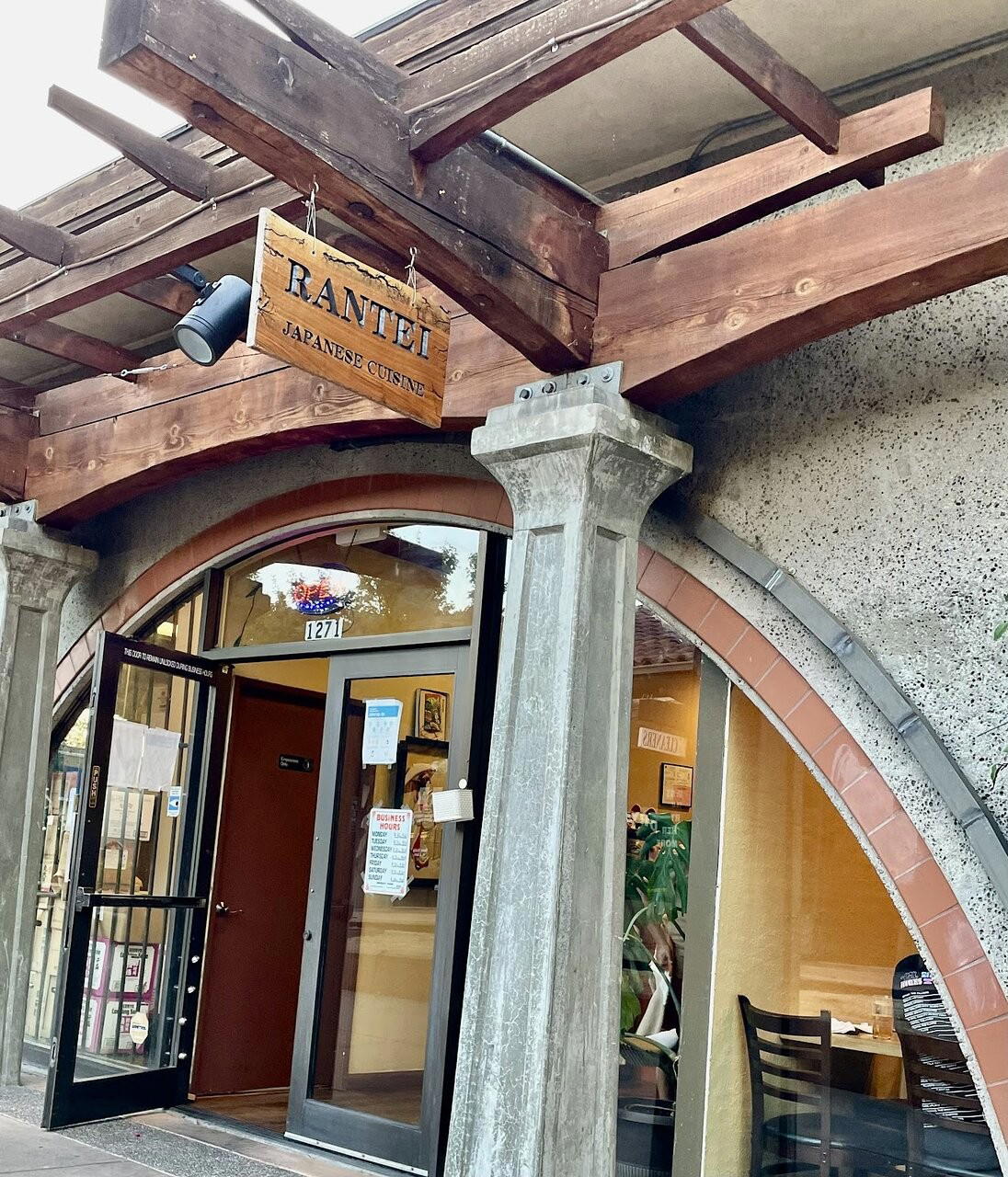
Koriyama’s restaurant scene does not announce itself with the density of Tokyo or Kyoto, which is part of its appeal. The approach to Rantei Vivian is residential rather than theatrical: a house-restaurant setting, a compact dining room, counter seating, tatami rooms, sunken seating, and private rooms that point to a Japanese mode of hospitality built around discretion. In Fukushima, where agriculture, mountain produce, river systems, and coastal seafood all shape the table, that kind of setting matters. The room asks diners to focus less on performance and more on the sequence of ingredients.
That ingredient-first reading is the right way to understand the restaurant’s position. Japanese cuisine in regional cities often has to do two things at once: represent local seasonality and keep pace with national expectations for omakase structure. Rantei Vivian sits in that overlap, presenting a seasonal omakase course that draws from Fukushima and across Japan, with fish given particular emphasis. The format makes sense in Koriyama, a Shinkansen city that functions as a gateway into the prefecture rather than a single-neighbourhood dining capital. Diners are not coming for a casual local stop; they are coming for a controlled meal where sourcing and pacing do the work.
Fukushima ingredients in a national omakase frame
Fukushima’s culinary identity is broader than the shorthand often used for the prefecture. Its inland areas bring rice, vegetables, fruit, sake culture, and mountain cooking into conversation with seafood and broader Japanese market supply. A seasonal omakase built here carries a different implication from one in Ginza: the prestige is not only in rarity, but in how regional produce is edited into a formal Japanese meal. Rantei Vivian’s use of Fukushima ingredients alongside products from across Japan places it in that mature provincial category, where locality is present without becoming a folk-craft display.
The awards record reinforces that reading. The restaurant has been named a Tabelog Award Bronze winner repeatedly, including 2026, 2025, 2024, 2023, 2022, 2021, 2020, and 2019, and was selected for Tabelog 100 Japanese Cuisine EAST in 2025, 2023, and 2021. In Japan, where Tabelog’s user culture is unusually influential among serious diners, that pattern signals sustained approval rather than a single-season spike. It also places the restaurant in a different dining tier from Fukushima addresses built around everyday noodles, tempura, soba, or bakery culture.
The comparison is useful. Tempura Sakuma, Harukiya Kooriyama bunten, Soba Saizen Ryusenbo, Ootomo Pan Ten, and Marushin belong to a broader regional map where price, format, and occasion vary sharply. Rantei Vivian occupies the formal Japanese-course end of that map: smaller, more planned, and less useful for spontaneous grazing. For travellers building a Fukushima itinerary, that distinction helps. Casual meals can carry the day; a restaurant like this gives the trip an anchor meal.
A small-room style, not a spectacle kitchen
20-seat scale matters because it shapes the experience as much as the menu. Private rooms for groups, counter seating, tatami options, and sunken seating create several different versions of the same restaurant: business dinner, family celebration, or a quieter counter meal. This is not the urban tasting-menu model in which every diner faces the same open kitchen and receives the same visual cues. It is closer to the Japanese house-restaurant tradition, where privacy, pacing, and seating style define the evening.
That makes the restaurant unusually flexible for a high-recognition Japanese address. The presence of children’s meals and family-friendly service is not incidental in a regional city; it reflects the way serious restaurants outside major tourist centres often serve local occasions as well as destination diners. The tension is productive. A meal can carry the formality of omakase while still fitting the social patterns of Koriyama: anniversaries, business dinners, multigenerational meals, and weekend lunches.
Drinks follow the same broad logic. Sake, shochu, wine, and cocktails are all part of the program, which signals a restaurant speaking to both Japanese-course convention and contemporary dining habits. With fish noted as a focus, sake is the natural axis, but the wider drinks structure suggests the meal is not locked into a single pairing script. That breadth is often where regional Japanese restaurants feel more lived-in than metropolitan counters chasing a narrow purist ideal.
How to place it in a Fukushima itinerary
For travellers, the restaurant works well as the planned meal around which the rest of Koriyama is arranged. The city is a practical base for moving through Fukushima, and its dining value lies in contrast: coffee shops, casual restaurants, bars, and formal Japanese rooms can sit close together without producing the overload of a major capital. EP Club readers mapping the area can explore our full Fukushima experiences guide.
Within the region’s dining spread, it helps to think by format rather than cuisine label alone. age, Agu Buta Shabushabu Senmon Ten Toriou Bettei, Asia Shokudo Chouku, Bistro Mikasa, and CAFE BAHNHOF show how varied the local table can be before one even leaves Fukushima.
Rantei Vivian shows how a regional Japanese address can carry serious recognition, local sourcing, private-room hospitality, and omakase discipline without flattening itself into an exportable luxury template. For diners who value provenance and format over theatrical novelty, that is the reason to plan around it.
Frequently asked questions
Would Rantei Vivian be comfortable with kids?
Yes. The venue lists children welcome, including babies and preschoolers, plus a kids’ meal at JPY 3,850. That makes it easier to plan a family dinner in Koriyama without treating it like a formal-only room.
What's the vibe at Rantei Vivian?
The room is set up as a 20-seat Japanese restaurant with counter seating, tatami space, and private rooms, so the mood shifts from intimate to group-friendly depending on the booking. It is reservation only, and the Tabelog Bronze award for 2026 signals a kitchen with staying power in Fukushima.
Where do I go for Rantei Vivian?
Rantei Vivian is located in Fukushima.
Comparable venues nearby, for context on price, style, and recognition.
| Venue | Cuisine | Price | Awards | Notes |
|---|---|---|---|---|
| Rantei VivianThis venue (the venue you are viewing) | Seasonal Kaiseki Omakase | $100–150 | Tabelog Bronze #354 | Not listed |
| Tori Ken | Yakitori | $50–100 | Tabelog 100 #62 | Fukushima |
| Marushin | Fukushima-Style Soy Sauce Ramen | $1–10 | Tabelog Bronze #255 | near Fukushima Station |
| Bistro Mikasa | Yoshoku (Japanese-style Western) Bistro | $10–20 | Tabelog 100 #2 | Fukushima |
| Tempura Hirai | Seasonal Tempura Omakase | $50–100 | Tabelog 100 #99 | Fukushima |
| Lincoln | Dining | Not listed | Not listed | Fukushima |
Recognition history
Dated appearances from independent guides and award organizations, with the underlying list record or original source where available.
Tabelog Bronze #354
Tabelog
Full recognition history (3 entries)
Tabelog 100 #93 · No. 93
Tabelog · Tabelog 100 - Japanese cuisine - EAST - 2025
Tabelog Bronze
Tabelog
Continue exploring
More in Koriyama
Restaurants in Koriyama
All restaurants in Koriyama →
Hotels in Koriyama
Browse all →
Details
- Elegant
- Cozy
- Intimate
- Sophisticated
- Date Night
- Business Dinner
- Special Occasion
- Celebration
- Private Dining
- Sake Program
- Local Sourcing
- Omakase
- Tasting Menu
- Sake
- Vegetarian Friendly
Current opening hours
- Monday
- Closed
- Tuesday
- 11:30 a.m.–2 p.m., 5:30–10 p.m.
- Wednesday
- 11:30 a.m.–2 p.m., 5:30–10 p.m.
- Thursday
- 11:30 a.m.–2 p.m., 5:30–10 p.m.
- Friday
- 11:30 a.m.–2 p.m., 5:30–10 p.m.
- Saturday
- 11:30 a.m.–2 p.m., 5:30–10 p.m.
- Sunday
- 11:30 a.m.–2 p.m., 5:30–10 p.m.
Hours can change for holidays and private events. Last verified .
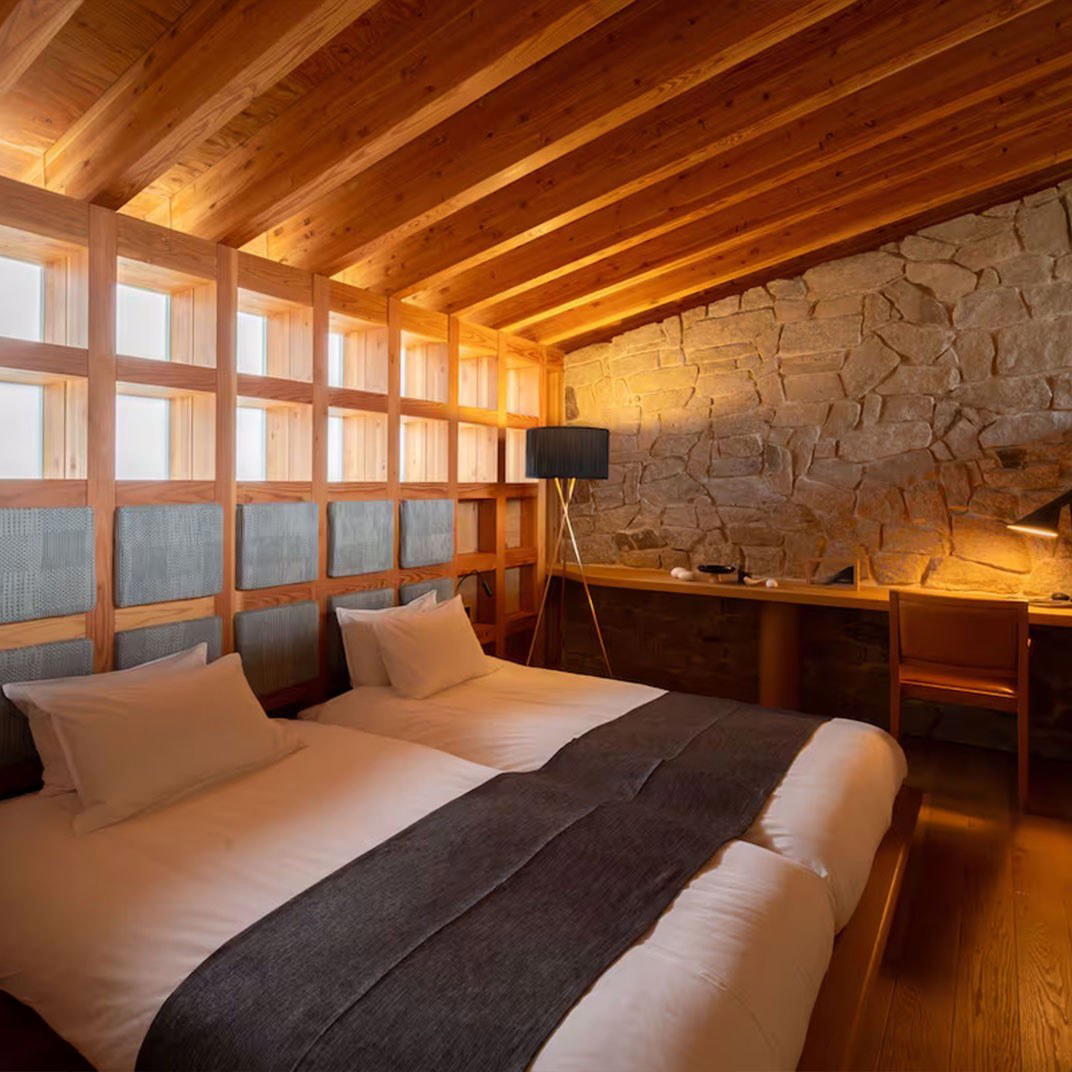
Serene space with natural wood, neutral textiles, soft lighting, and well-spaced tables for private conversation.