
Our verdict
A Japanese-food address in Akayu, Nanyo, Yamagata the Takinami – Ukitomam – is best read through the discipline of seasonal multi-course dining rather than through spectacle. The interest lies in how a rural hot-spring town frames Japanese cuisine: quieter, more regional, and less performative than the big-city counter formats that dominate international attention.

Pearl is the En Primeur Club membership app, where members save venues, book tables and use the concierge.

Nanyo is not a dining setting built on neon, late trains, and quick turnover. The approach is slower: a city in Yamagata where meals are read against regional hospitality, seasonal change, and the quieter rhythms of travel outside Japan’s largest urban centers. That setting matters for Yamagata the Takinami – Ukitomam – because Japanese food here is less about urban theatre than sequence, restraint, and season. The useful lens is a composed Japanese dining sensibility: not luxury as excess, but control of temperature, pacing, vessel, portion, and the way one course hands the room to the next.
Japanese dining can be misunderstood when it is reduced to ceremony. At its strongest, it is an editing practice. It asks what the season can carry, what can be left unsaid, and how a meal can move from appetite to quiet satisfaction without a single course trying to dominate the table. In Yamagata, that reading becomes sharper. This is a prefecture whose appeal is not defined by metropolitan display, and the dining experience is better judged by coherence than by novelty. The name on the door is only part of the story; the larger point is how Nanyo’s food culture gives Japanese cuisine a different register from Tokyo, Kyoto, or Osaka.
Seasonal Japanese dining in Nanyo, not a city-stage performance
In major Japanese cities, premium Japanese restaurants often compete through scarcity signals: intimate rooms, chef-led service, opaque booking channels, and menus that reward regulars. Nanyo operates with another kind of authority. A meal here belongs to a regional travel pattern, where dinner may be part of a longer stay, and where place is not decorative background. The surrounding city context can change the tempo. Guests may arrive with more time, and that allows a composed Japanese format to feel less compressed than it can in city dining rooms built around seatings and train schedules.
That does not mean the standard should be softer. Japanese cuisine at this level is unforgiving because small decisions show immediately. Rice quality, broth clarity, knife work, serving temperature, and the shift between different preparations form the grammar. Without relying on unsupported chef detail, named signature dishes, or seating format, the editorial read has to stay with the category itself: this is a Japanese-food address whose credibility depends on how convincingly it translates season and region into a composed meal. In a Yamagata context, the benchmark is not theatrical invention. It is whether the meal feels rooted, paced, and properly proportioned.
Nanyo’s restaurant scene is compact enough that category breadth matters. For readers mapping the city before committing to one table, Our full Nanyo restaurants guide gives the wider frame, while other local dining rooms show how small-city meals can split between regional Japanese formats and broader culinary languages. That contrast is useful: Japanese seasonality in Nanyo reads differently when set beside other ways of cooking, and vice versa.
What Japanese-food principles mean in Yamagata
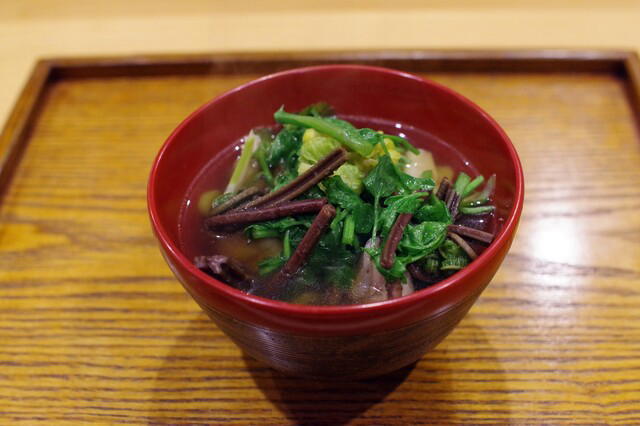
The idea is not fixed to one room type or one price bracket. It is an aesthetic system: season first, then balance, then progression. In Yamagata, seasonal change is not an abstraction. The prefecture gives cooks a regional register, from deeper, warmer compositions in colder months to cleaner, brighter expressions when the calendar calls for lightness. A serious Japanese meal here should make that calendar legible without turning it into a lecture.
The beauty of this tradition is that it resists the global tasting-menu habit of constant escalation. A well-judged sequence may move quietly, using small shifts in texture and heat rather than spectacle. That is why regional Japanese dining can reward experienced travellers who have grown tired of restaurants trying to announce importance. The expectation should be discipline: courses that arrive with a reason, portions that leave room for the next plate, and a sense that the room understands silence as part of service rather than a failure of atmosphere.
For a broader Japan itinerary, Nanyo pairs naturally with food-led stops elsewhere rather than functioning as a single-meal detour. Readers building a regional route can cross-reference Japanese-food addresses in other cities generically, not as direct peers, but as reminders that Japanese cuisine changes meaning outside the obvious urban circuits. The same applies to contrasting casual and specialist formats across the country. The point is range: Japan’s dining culture is not one hierarchy, but a set of regional, formal, and casual grammars.
How to place it within a Nanyo stay
Yamagata the Takinami – Ukitomam – makes sense for travellers who want the meal to sit inside the destination rather than interrupt it. Nanyo is not a city for rapid venue-hopping. The stronger plan is to treat dinner as one part of a compact itinerary: local context, regional travel, and a slower evening rhythm. The city’s broader travel structure is worth checking before setting dates, especially if the meal is tied to a stay rather than a stand-alone reservation. Our full Nanyo hotels guide, Our full Nanyo bars guide, Our full Nanyo wineries guide, and Our full Nanyo experiences guide help put the table into a larger route.
The editorial call is clear: come for a regional expression of Japanese dining, not for the bragging rights that attach only to famous urban counters. Its listed recognition as rank 3 in the 2026 Japan Times Destination Restaurants selection for Japanese Food in Yamagata Prefecture gives the address a documented point of reference, while still keeping attention on what matters in this setting: whether the meal can translate Yamagata’s seasonal identity into a controlled sequence. For travellers who value that kind of quiet precision, Nanyo is a more interesting stage than its size suggests.
Frequently asked questions
Is Yamagata the Takinami – Ukitomam – okay with children?
Those details are not published. Because it is in Nanyo, families should treat it as a meal to confirm against their own timing and expectations. Check the venue's official channels for the latest details.
What should I expect atmosphere-wise at Yamagata the Takinami – Ukitomam –?
Expect a Japanese dining setting tied to Nanyo, not a city restaurant built around counter-side drama. The location points to a regional Yamagata rhythm rather than urban pace.
What's Yamagata the Takinami – Ukitomam – known for in terms of accolades?
Yamagata the Takinami – Ukitomam – is listed as rank 3 in the 2026 Japan Times Destination Restaurants selection for Japanese Food in Yamagata Prefecture.
Is Yamagata the Takinami – Ukitomam – focused on a specific cuisine style?
Yamagata the Takinami – Ukitomam – is listed for Japanese food.
Where exactly is Yamagata the Takinami – Ukitomam –?
Nanyo.
How far ahead should I plan for Yamagata the Takinami – Ukitomam –?
No booking window is listed in the public record, so it works best as part of a planned stay in Nanyo rather than a spontaneous stop. Its Nanyo location makes it a destination meal rather than a pass-by option. Check the venue's official channels for the latest details.
What's the standout thing about Yamagata the Takinami – Ukitomam –?
Its strongest point is context: Japanese food in Nanyo, where the dining experience is shaped by a regional Yamagata setting. That gives the meal a clearer sense of place than a generic city address.
In Context
Comparable venues nearby, for context on price, style, and recognition.
| Venue | Cuisine | Price | Awards | Notes |
|---|---|---|---|---|
| Yamagata the Takinami – Ukitomam –This venue (the venue you are viewing) | Seasonal Yamagata fine dining in an onsen ryokan | $150–200 | Not listed | Not listed |
| 山形座 瀧波 1/365 | Seasonal Kappo Kaiseki | $200–300 | Not listed | Nanyo, Seasonal Kappo Kaiseki |
| Stanza della SINCERITA | Italian-Japanese Fusion Tasting Menu | $200–300 | Tabelog Bronze #422 | Akayu-Onsen, Italian-Japanese Fusion Tasting Menu |
| Ginza 1954 | Japanese Bar | Not listed | Not listed | Ginza, Japanese Bar |
| Hanaougi Bettei Iiyama Ryokan | Traditional Japanese Kaiseki Ryokan | $200–300 | Not listed | Honobu-cho, Traditional Japanese Kaiseki Ryokan |
| 焼肉 いぶさな | Heritage Wagyu Yakiniku | $500+ | Not listed | Shibuya (Yoyogi/Sendagaya), Heritage Wagyu Yakiniku |
Recognition history
Dated appearances from independent guides and award organizations, with the underlying list record or original source where available.
The Japan Times Destination Restaurants Destination Restaurants Selection #3
The Japan Times Destination Restaurants
Continue exploring
More in Nanyo
Restaurants in Nanyo
All restaurants in Nanyo →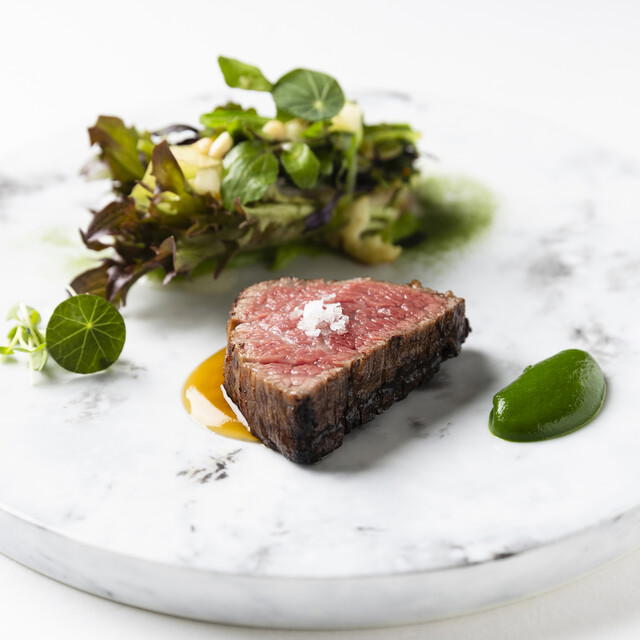
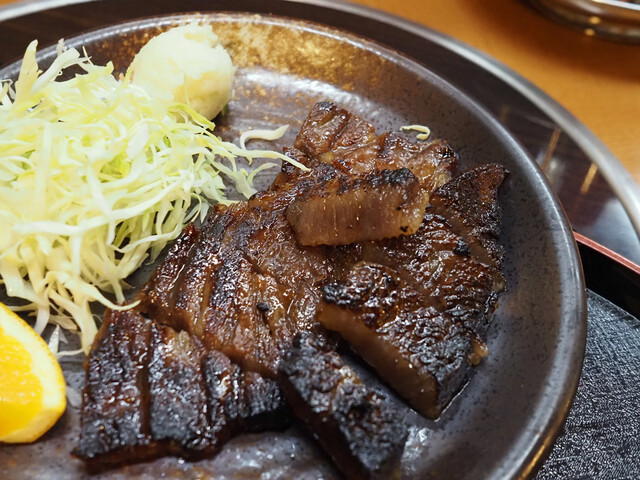
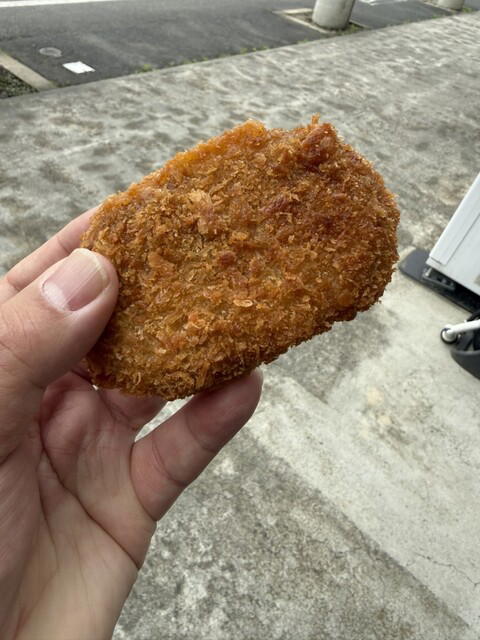
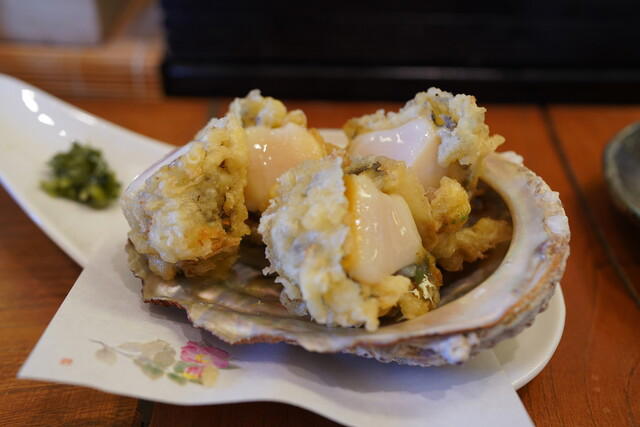
Hotels in Nanyo
All hotels in Nanyo →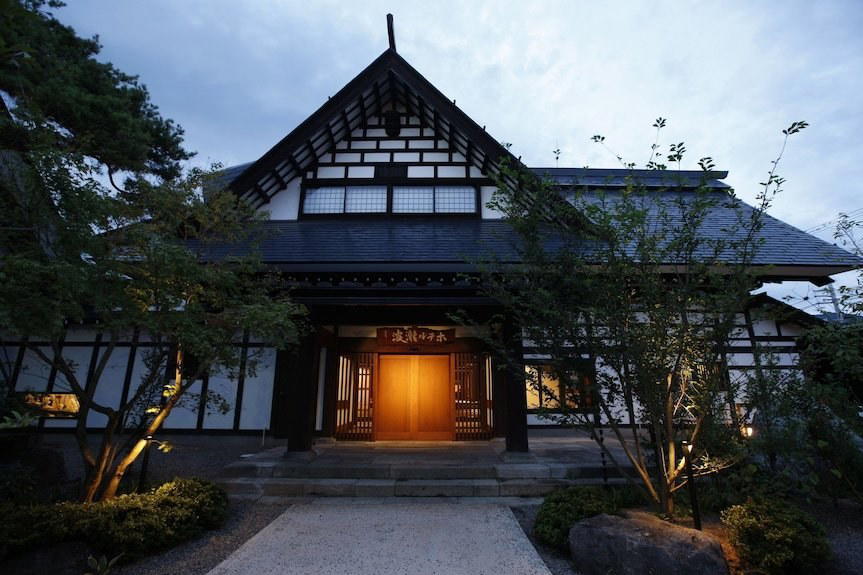

Wineries in Nanyo
Browse all →
Yamagata the Takinami – Ukitomam –
The wine
- Extensive wine list
- Sake program
Details
- Elegant
- Cozy
- Classic
- Scenic
- Romantic
- Intimate
- Special Occasion
- Date Night
- Celebration
- Business Dinner
- Hotel Restaurant
- Design Destination
- Historic Building
- Private Dining
- Extensive Wine List
- Sake Program
- Farm To Table
- Organic
- Local Sourcing
- Garden
- Mountain
- Tasting Menu
- Set Menu
- Sake
- Wine
- Organic Focus
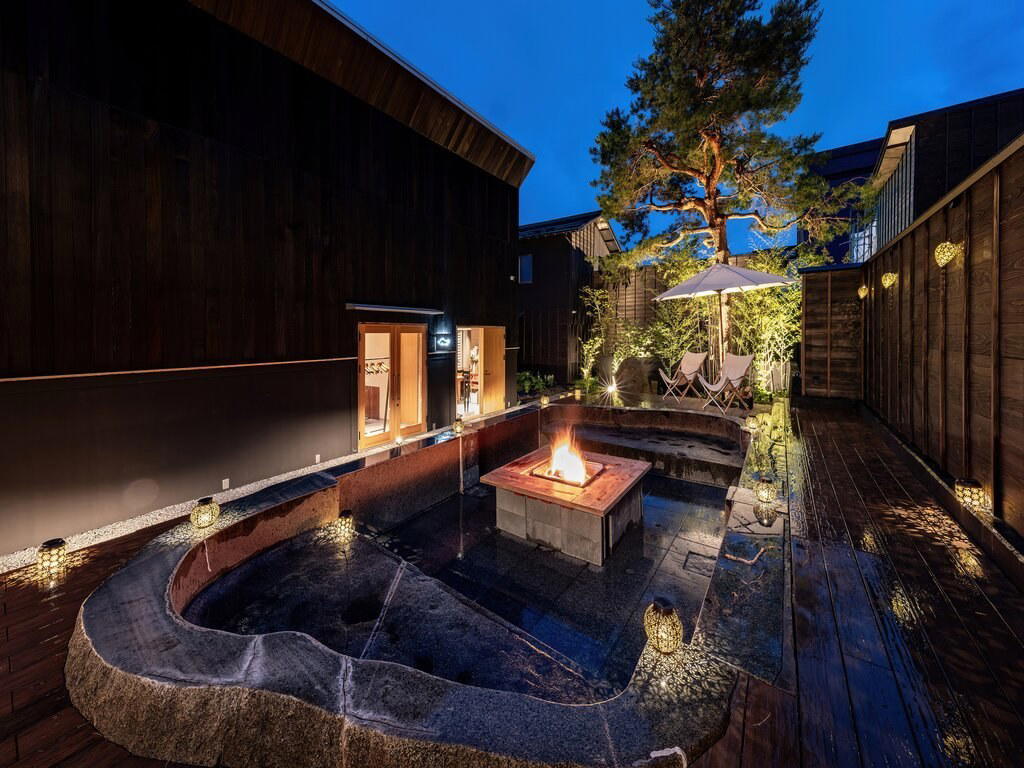
Serene and refined, blending heavy traditional Japanese architecture with warm wood, modern design and Nordic furniture, creating a quiet, contemplative atmosphere suited to leisurely multi-course dinners.