
Koko ni Motodaka brings a young Nishigotanda izakaya into Tokyo’s serious-drinking conversation, with Tabelog 100 Izakaya EAST 2025 recognition arriving soon after its 2024 opening. The appeal is less about tavern nostalgia than about the current Tokyo mood: compact, reservation-led, smoke-free, cashless, and priced for diners treating an izakaya as a planned evening rather than a casual fallback.
Pearl is the En Primeur Club membership app — saves, bookings, and concierge access live there. Same editors, same standards.
- Address
- 東京都品川区西五反田8-4-13 五反田JPビルディング
- Website
- tabelog.com
 Saves & bookings on Pearl
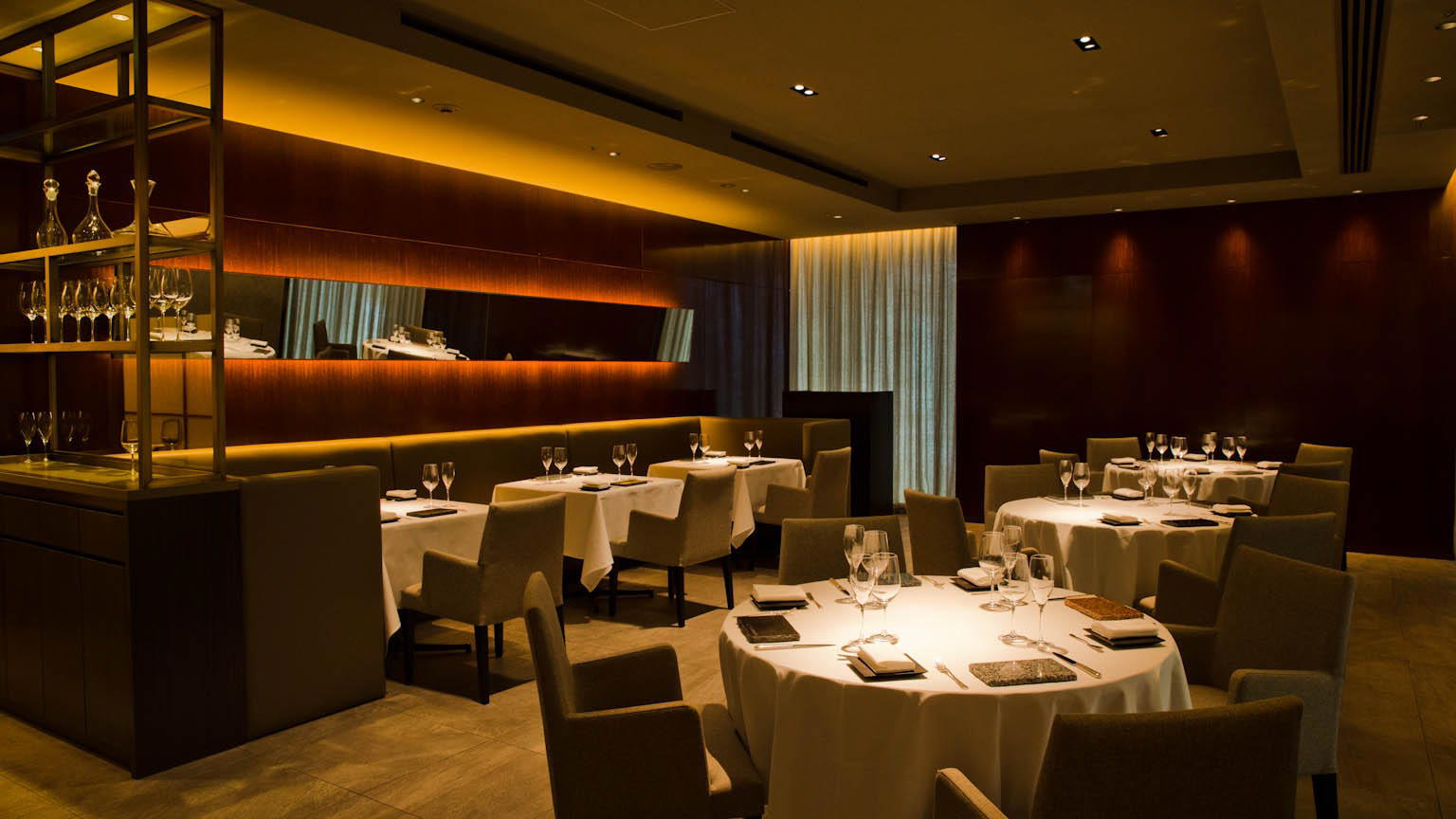
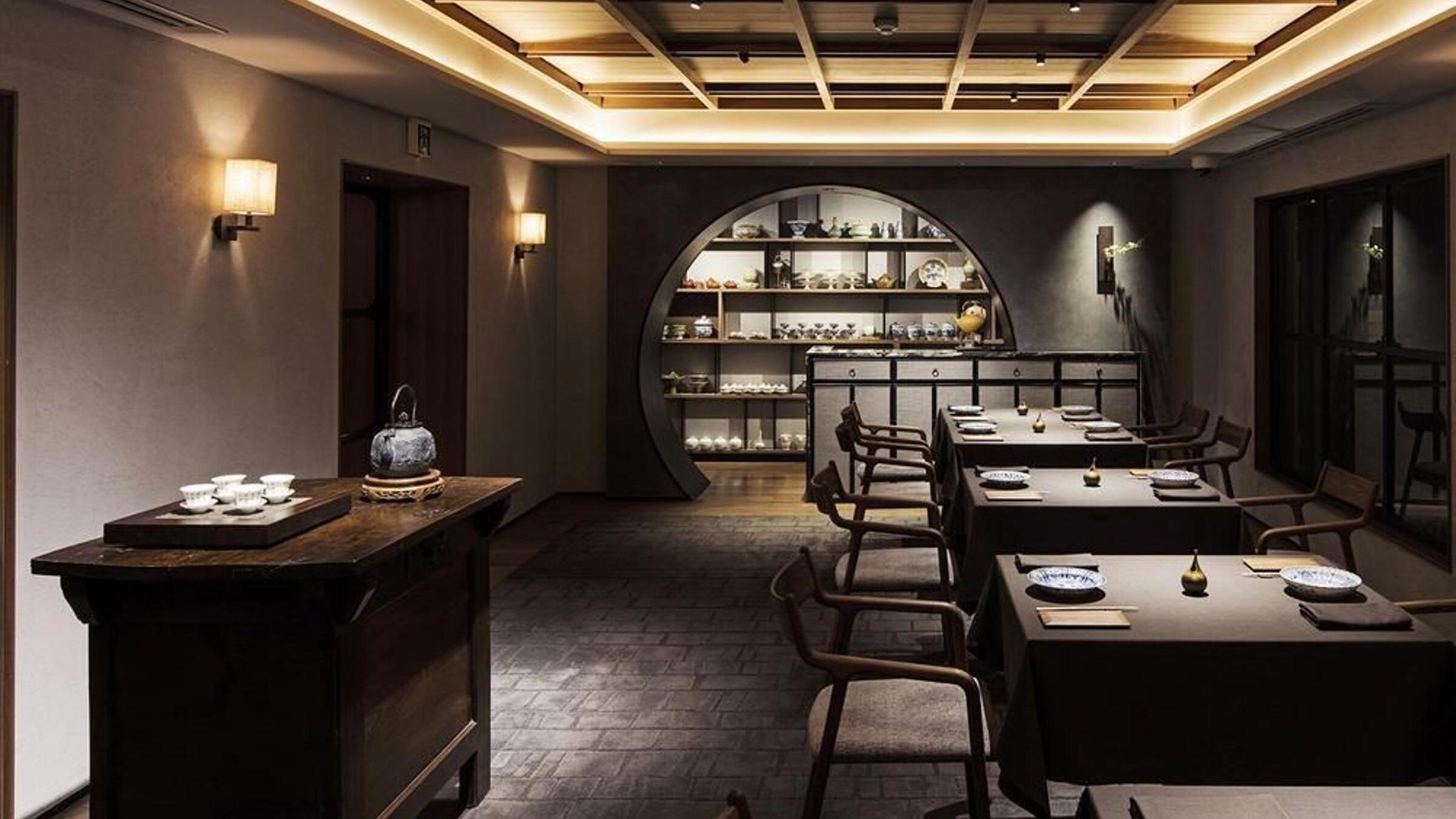
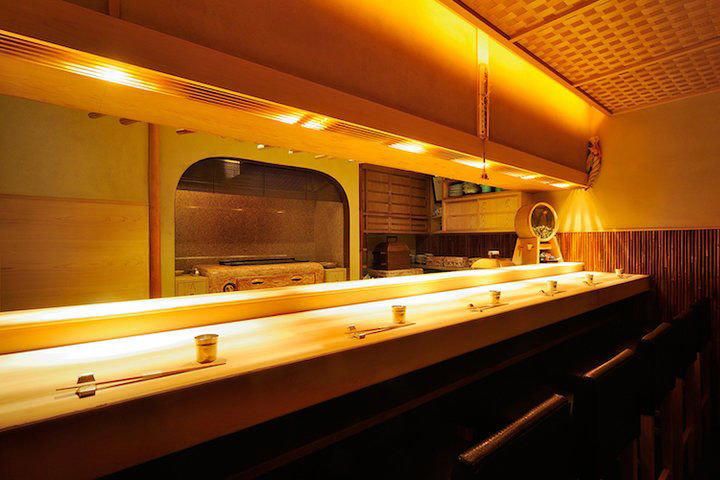
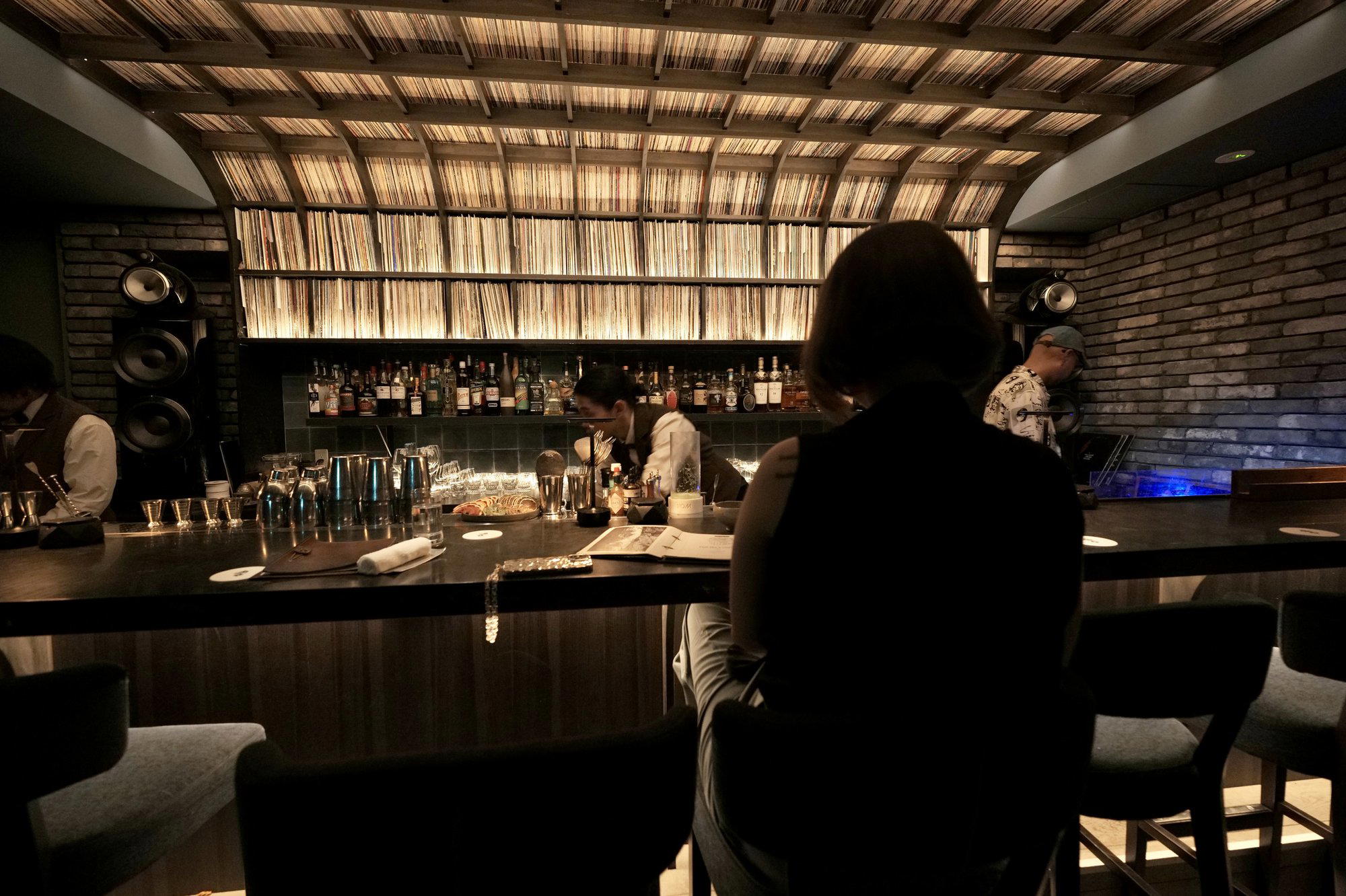
Approaching the Osakihirokoji side of Nishigotanda, the mood shifts from commuter Tokyo to something compact and deliberate: not an old lantern-lit drinking street, but the newer Tokyo izakaya pattern, where a tightly edited room carries the seriousness once reserved for counters and kappo dining. Koko ni Motodaka is that kind of izakaya, with Tabelog 100 Izakaya EAST 2025 recognition and a dinner spend well above the after-work beer-and-skewer tier.
Tokyo’s izakaya scene has split sharply. One end is low-price, high-turnover rooms built around draft beer, fried food, and office groups. The other is reservation-led places where the tavern format frames composed cooking, seasonal drinking, and a slower evening. Koko ni Motodaka sits in the latter group. Its listed JPY 8,000 to JPY 9,999 budget makes it a planned dinner rather than a spontaneous stop, while the category remains izakaya, not formal Japanese fine dining. The pleasure is that tension between informality and precision.
Nishigotanda's serious izakaya tier is about control, not spectacle
Gotanda and Nishigotanda suit drinkers who prefer function over theatre. Rail access, office traffic, and dense side streets support restaurants that need neither Ginza polish nor Shibuya volume. Here, a newer izakaya can succeed by narrowing its focus: fewer distractions, clearer pacing, and a tighter food-and-drink relationship. Tabelog’s 2025 izakaya EAST selection places Koko ni Motodaka in a crowded regional category where consistency is judged against hundreds of casual and semi-formal peers.
The wine-list angle in Tokyo izakaya dining is often misunderstood. The question is not whether a tavern acts like a French restaurant with a deep cellar, but whether the drinks program has enough intent to match richer grilled, fried, simmered, and raw preparations without reducing the meal to default beer and highballs. At this price level, drink curation becomes part of the editorial test. A serious izakaya needs no ceremony, but it does need choices that make a full evening coherent.
That positioning helps readers. Compared with lower-budget Tokyo entries such as Tokyo Doujiang Seikatsu, Swastika, or Curry no Mise Udon, this is not a quick specialist stop but a longer-format meal with stronger reservation discipline. Against Tachinomi Todaka, which sits in a higher listed spend band, it occupies a slightly more contained tier. Spain Bar Girona overlaps on dinner spend but points to a different drinking culture, showing how Tokyo’s mid-to-premium casual category can move from Spanish bar to Japanese tavern without changing the night’s budget.
The tavern format has become one of Tokyo's sharpest dining formats
Izakaya dining has a translation problem. “Japanese-style tavern” sounds simple, but stronger Tokyo rooms operate with a grammar that is hard to export: small dishes, controlled drinking rhythm, temperature awareness, and an expectation that the table follows the room rather than dominates it. The format rewards diners who understand pacing. Ordering everything at once misses the point; so does treating it as a cheaper substitute for a tasting menu.
The restaurant opened in 2024, making its 2025 Tabelog 100 selection a useful signal. Early recognition in this category usually shows how quickly a place finds its audience in a city with mature tavern traditions. The award is not a Michelin-style star system and should not be read as one. It is a category marker: this izakaya has entered the conversation among serious Tokyo diners, not a generic neighborhood listing.
The smoke-free policy also signals the current premium izakaya direction. Older tavern culture often tolerated smoke, noise, and elastic pacing. Newer, higher-spend izakaya rooms increasingly remove those frictions. Cashless payment, no private rooms, and reservation availability point to a compact operating style rather than a banquet-oriented one. For travelers, that means a focused meal, not a flexible group hangout.
For context, compare it with other Tokyo dining modes rather than one genre label. Yakitori-focused meals such as 124. KAGURAZAKA (Yakitori) concentrate the evening around fire and poultry. Curry specialists such as 3 Chome no Curry Ya San build intensity around one plate. Fish-and-grill formats such as . 鮪と炭火焼き うお炭 秋葉原店 make seafood and charcoal the central argument. The restaurant is broader by design, the izakaya advantage when kitchen and drinks are disciplined.
How to place it in a Tokyo itinerary
This fits a night planned around Nishigotanda better than a rushed cross-city meal between Ginza and Shinjuku. The nearest station is Osakihirokoji, and the transport note makes train access the sensible default. The schedule is more dinner-led on weekdays, with a longer Saturday window; Monday and Sunday closures shape weekend planning. In Tokyo, a strong restaurant choice can fail because geography and day of week are wrong.
The spend band narrows the audience. Families can make it work when children handle a grown-up izakaya rhythm and a higher per-person budget, but it is not the natural answer for toddlers, strollers, or diners needing private-room flexibility. For a broader family-friendly sweep, start with Our full Tokyo restaurants guide, then branch into hotels, bars, wineries, and experiences through Our full Tokyo hotels guide, Our full Tokyo bars guide, Our full Tokyo wineries guide, and Our full Tokyo experiences guide.
Readers building a wider Japan food map can use contrasts to sharpen the choice: 12/10 Shinjuku ten and 2D Cafe show other Tokyo registers, while -Grilled beef Sukiyaki- KAMAKURA TANUKIAN 鎌倉 たぬき庵 in Kamakura.cafe in Osaka.know in Kumamoto, (Shoku) Vietnam in Kawasaki, [Curry Senmon Ten] Maruyama Kyoju. in Sapporo, and [ki:] in Kyoto show how regional context changes casual dining. For sake-led comparisons beyond Japan, Jōdo Saké Bar in Los Angeles and Onigiri Time in Pasadena show how Japanese drinking and snack formats translate abroad.
The editorial read is clear: the restaurant is for diners who want the izakaya category treated with adult seriousness, not stripped of tavern DNA. Its value is the middle ground: recognized, compact, reservation-led, priced for a full evening, and grounded in Tokyo’s everyday drinking culture rather than formal restaurant theatre.
Peers Worth Knowing
Comparable venues by cuisine and category.
| Venue | Cuisine | Price | Notes |
|---|---|---|---|
| Koko ni MotodakaThis venue — the venue you are viewing | Contemporary Japanese Izakaya | $$$ | Not listed |
| Yakitori Haruka | Traditional Yakitori & Wine Bar | $$$ | Minato |
| Ebisu Kuroiwa | Kaiseki | $$$ | Shibuya |
| Sake Hidejiro | Japanese Sake Omakase Izakaya | $$$ | Shibuya |
| Soba Ya Tsukigokoro | Traditional Soba & Sake Bar | $$$ | Meguro |
| 伯雲 | Traditional Japanese Kaiseki | $$$ | Minato |
Recognition history
Dated appearances from independent guides and award organizations, with the underlying list record or original source where available.
Tabelog 100 #1 · No. 1
Tabelog · Tabelog 100 - Izakaya - EAST - 2025









At a Glance
- Lively
- Cozy
- Intimate
- Trendy
- After Work
- Group Dining
- Casual Hangout
- Date Night
- Special Occasion
- Standalone
- Sake Program
- Beer Program
A compact, reservation-only non‑smoking izakaya with a cozy, lively atmosphere, modern building setting, and an intimate feel that draws serious food enthusiasts.