

Michelin Plate · Tabelog 100 #17
Our verdict
HASUO in Hiroo brings a Western-trained culinary sensibility to the Korean table, producing a menu the Michelin Guide recognises as New Korean. The 16-dish banchan sequence and sauce-marinated blue crab (ganjang-gejang, calibrated for modern palates) sit in a mid-price bracket that reads as accessible against Tokyo's heavier-hitting tasting-menu circuit. Hiroo's residential calm sets a quieter register than central Shibuya.

Pearl is the En Primeur Club membership app, where members save venues, book tables and use the concierge.
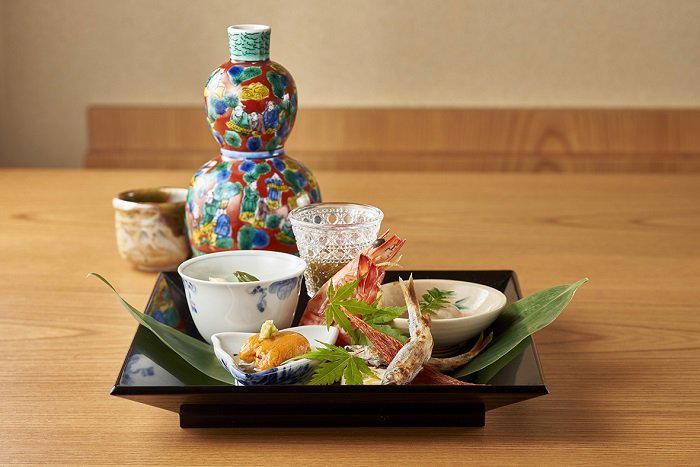
Hiroo, Quiet Enough to Hear the Food
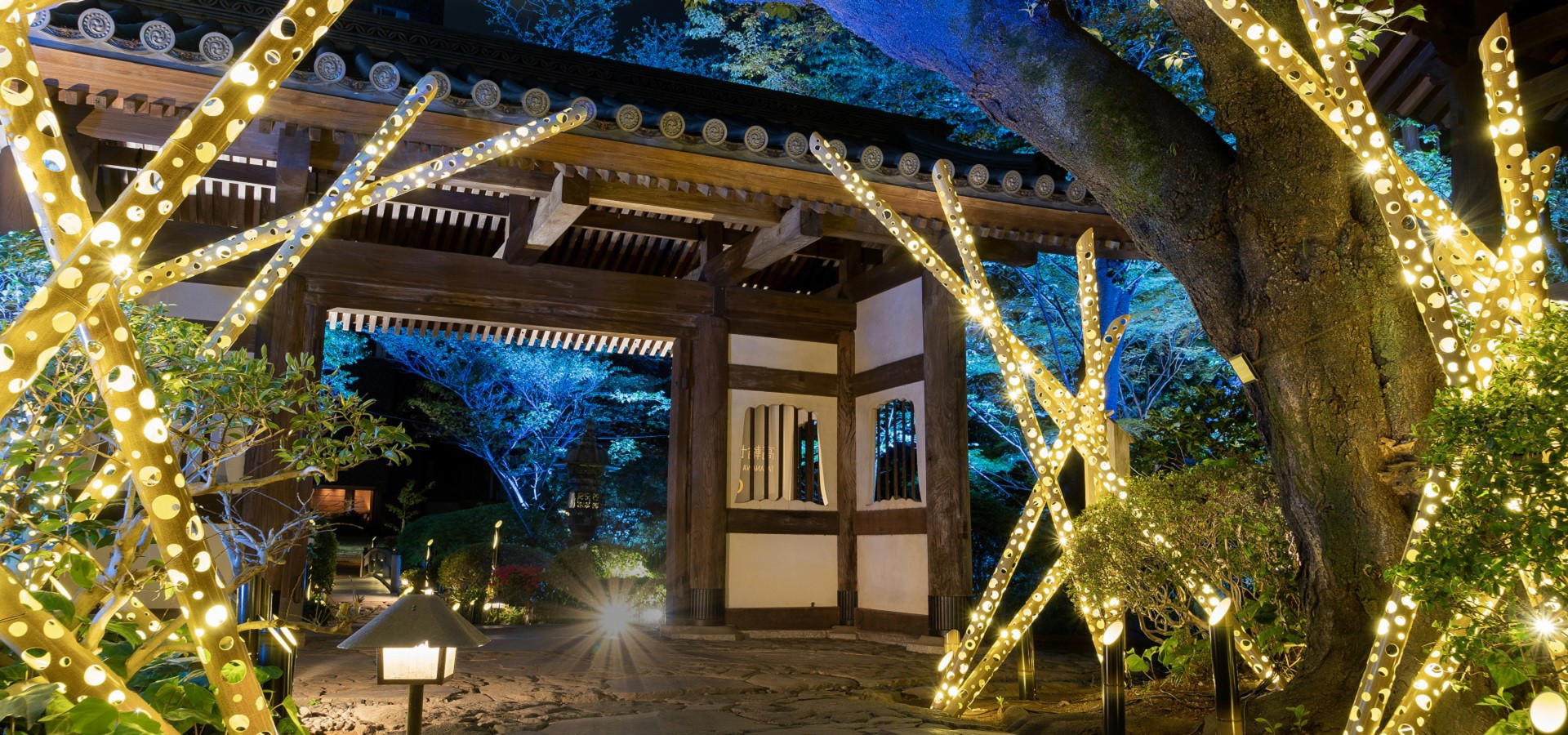
Hiroo operates at a different frequency from the rest of Shibuya-ku. The neighbourhood draws diplomats, long-term expatriates, and the kind of Tokyo resident who prefers grocers to convenience stores. Streets here are tree-lined and comparatively unhurried, and restaurants settle into that cadence rather than fighting it. HASUO, on a side street in 5-chome, fits the register: no theatrical entrance, no queue theatre, no neon signage competing with the surrounding quiet. The approach alone signals what kind of meal is waiting inside.
That environmental restraint matters because New Korean cooking, when done well, works through accumulation and subtlety rather than spectacle. The genre has been refining itself in Seoul for the better part of a decade, with restaurants like Mingles and Kwonsooksoo mapping a version of Korean cuisine that honours fermentation, seasonality, and the ceremonial logic of banchan while absorbing European technique. HASUO brings that conversation to Tokyo, where Korean restaurants have historically occupied a different, more casual tier of the dining market.
The New Korean Framework in a Japanese City
Tokyo's premium dining room has long been dominated by Japanese formats: sushi counters like Harutaka, kaiseki sequences like RyuGin, and a second tier of French-influenced tasting menus represented by rooms like L'Effervescence, Sézanne, and Crony. Korean cooking at this interpretive level is a newer arrival, and HASUO sits at the front of a very short list.
The Michelin Plate awarded in both 2024 and 2025 positions HASUO inside a recognised quality bracket without placing it in the high-investment, multi-course tasting-menu tier occupied by the restaurants above. That distinction matters for the reader deciding how an evening here sits against alternatives. At ¥¥ pricing, it occupies a mid-range bracket that leaves room to eat well without the three-month planning horizon that a three-starred counter demands. The food merits attention, but the commitment required to access it is considerably lower.
Banchan as the Argument
The most persuasive evidence for what HASUO is doing comes from its banchan service. Banchan, the small shared dishes that precede and accompany a Korean meal, is typically treated in casual dining as a perfunctory gesture, four or five dishes arriving cold and largely undifferentiated. A 16-dish banchan sequence is a different proposition entirely. At that scale, banchan becomes the meal's intellectual centre, each dish a discrete argument about fermentation, texture, or seasoning. The discipline required to source, prepare, and balance sixteen components is the kind of thing that separates a kitchen with genuine conviction from one executing a format.
Imperial Crepe, described in the Michelin record as adhering to the five flavours and five colours, a reference to the Korean obangsaek colour philosophy, brings a visual and philosophical coherence to the table that goes beyond decoration. This is a tradition rooted in Joseon-era court cuisine, where colour and flavour balance carried ceremonial significance. Applying it within a modern menu framing is less about nostalgia than about placing the meal inside a cultural lineage.
Ganjang-gejang is intensely saline and funky in its traditional form, sometimes called the rice thief for its ability to drive consumption of plain rice. Softening the brine while retaining the crab's texture and oceanic character requires precision. The decision to serve it speaks to a kitchen confident enough in its reference material to present it, and technically proficient enough to make it accessible without flattening it.
Lunch and Dinner: Different Propositions
Lunch-versus-dinner question is worth considering carefully at a restaurant positioned at this price point in this neighbourhood. Tokyo's mid-range Korean dining, particularly in residential areas like Hiroo, tends to run at a more relaxed pace during daytime service. Lunch typically offers condensed formats, shorter banchan arrays, and a more neighbourhood-canteen atmosphere. Evening service in rooms like this one shifts toward deliberate pacing, fuller banchan sequences, and a more complete expression of the kitchen's range.
For a first visit, an evening reservation gives access to the fuller 16-dish banchan sequence and the complete menu, including the dishes the Michelin record specifically identifies. A lunch visit at ¥¥ pricing offers strong value at a lower commitment, particularly for those who prefer a lighter frame around a meal. Neither option is lesser, but they represent different relationships with the food. The reader who wants to understand what HASUO is arguing for should arrive in the evening, when the kitchen has the most room to make its case.
Where HASUO Sits in the Tokyo Dining Picture
Placing HASUO in context against Tokyo's broader premium dining circuit requires honesty about the distance between tiers. The three-starred sushi and kaiseki rooms operate in a different economic and experiential register.
For EP Club readers building a Tokyo itinerary with range, HASUO sits logically alongside visits to the city's Japanese-rooted rooms while offering a distinct and complementary lens. The full Tokyo restaurants guide maps the wider circuit. Those planning extended Japan travel may also find useful reference points in HAJIME in Osaka, Gion Sasaki in Kyoto, akordu in Nara, Goh in Fukuoka, 1000 in Yokohama, and 6 in Okinawa. For broader Tokyo planning, the Tokyo hotels guide, bars guide, wineries guide, and experiences guide complete the picture.
Planning Your Visit
| Venue | Cuisine | Price | Recognition | Booking Horizon |
|---|---|---|---|---|
| HASUO | New Korean | ¥¥ | Michelin Plate 2024–25 | Short to medium lead |
| Harutaka | Sushi | ¥¥¥¥ | Michelin 3 Stars | 3+ months |
| RyuGin | Kaiseki | ¥¥¥¥ | Michelin 3 Stars | 2–3 months |
| Crony | Innovative French | ¥¥¥¥ | Michelin 2 Stars | 4–6 weeks |
HASUO is located at 5 Chome-10-3 Hiroo, Shibuya, Tokyo. Hiroo Station on the Hibiya Line provides the most direct access. The area is walkable and calm after dark, with a low-density street pattern that makes finding the restaurant direct on foot.
Frequently asked questions
What should I order at HASUO?
The Michelin record identifies three dishes as central to the kitchen's argument: the 16-dish banchan sequence, the Imperial Crepe structured around the five flavours and five colours of Korean obangsaek tradition, and the ganjang-gejang (soy-marinated blue crab), adjusted in brine intensity to suit contemporary palates. The banchan sequence is the clearest expression of the kitchen's range, and ordering around it, rather than treating it as a side, makes the most of what the menu offers. The chef's Western training surfaces most clearly in the structural precision of these dishes, making the Korean cultural references feel considered rather than decorative.
What should I expect atmosphere-wise at HASUO?
Hiroo's residential character shapes the room's register considerably. This is a quieter, more considered environment than the high-energy Korean dining districts of central Tokyo or the formal ceremony of a starred kaiseki room. The Michelin Plate recognition in 2024 and 2025 confirms a quality floor, but the atmosphere is closer to the deliberate informality of a well-run local specialist than to a destination tasting-menu experience.
Is HASUO good for families?
At ¥¥ pricing, the financial commitment is low by Tokyo dining standards, which removes one barrier for family visits. Hiroo itself is a family-friendly neighbourhood with a calm, non-commercial street character. The banchan-centred format, with its multiple small dishes arriving across the meal, suits a table that wants variety and flexibility rather than a locked-in tasting sequence. That said, the 16-dish banchan service and the menu's cultural specificity are better suited to diners with an existing interest in Korean food traditions. Young children who are unfamiliar with Korean flavour profiles, particularly fermented and saline elements, may find certain dishes less accessible. For a family with older children or adults who eat adventurously, the format and price point work well together.
Side-by-Side Snapshot
A quick peer reference to anchor this venue in its category.
| Venue | Cuisine | Price | Awards | Notes |
|---|---|---|---|---|
| HASUOThis venue (the venue you are viewing) | Modern Korean Royal Cuisine | $100–150 | Michelin Plate · Tabelog 100 #17 | Not listed |
| Harutaka | Edo-Style Omakase Sushi | $200–300 | 3 Michelin Stars · World's 50 Best #76 | Sushi |
| RyuGin | Modern Kaiseki | $500+ | 3 Michelin Stars · World's 50 Best #41 | Kaiseki, Japanese |
| L'Effervescence | Modern French with Japanese Influences | $200–300 | 3 Michelin Stars · World's 50 Best #69 | French |
| HOMMAGE | Modern French with Japanese Influences | $150–200 | 2 Michelin Stars · World's 50 Best #78 | Innovtive French, French |
| MAZ | Innovative Peruvian-Japanese Fusion | $150–200 | 2 Michelin Stars · World's 50 Best #28 | Innovative |
Recognition history
Dated appearances from independent guides and award organizations, with the underlying list record or original source where available.
Michelin Plate
Michelin
Tabelog 100 #17 · No. 17
Tabelog · Tabelog 100 - Asian cuisine / Ethnic cuisine - TOKYO - 2024
Full recognition history (4 entries)
Michelin Plate
Michelin
Michelin Plate
Michelin
Continue exploring
More in Tokyo
Restaurants in Tokyo
All restaurants in Tokyo →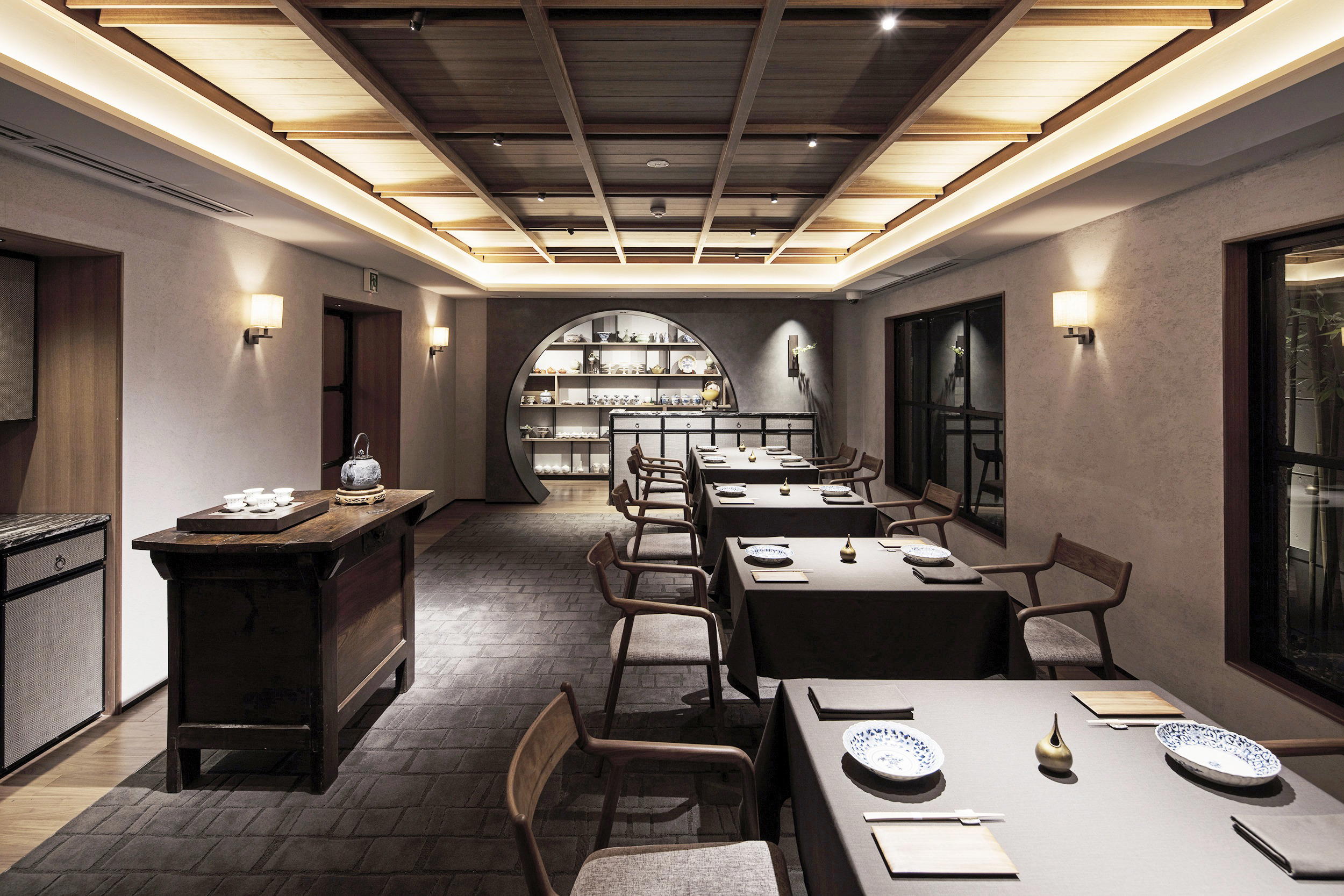
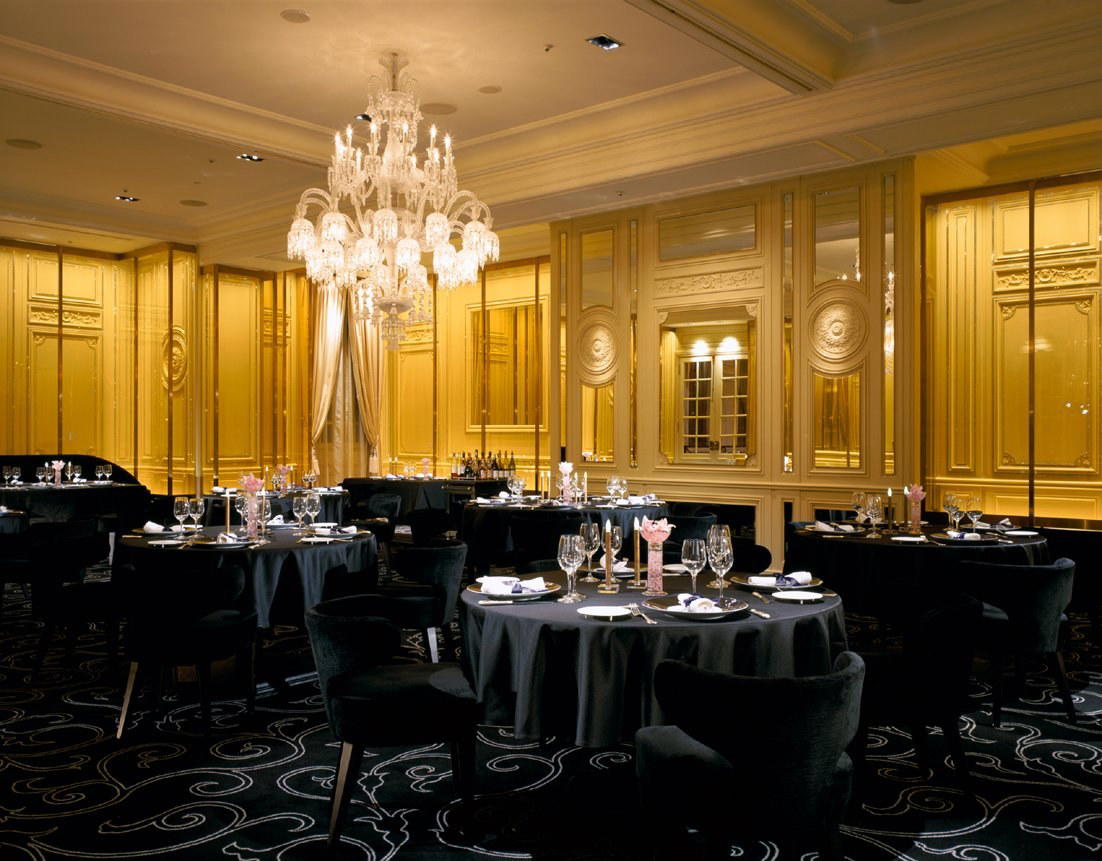



Bars in Tokyo
All bars in Tokyo →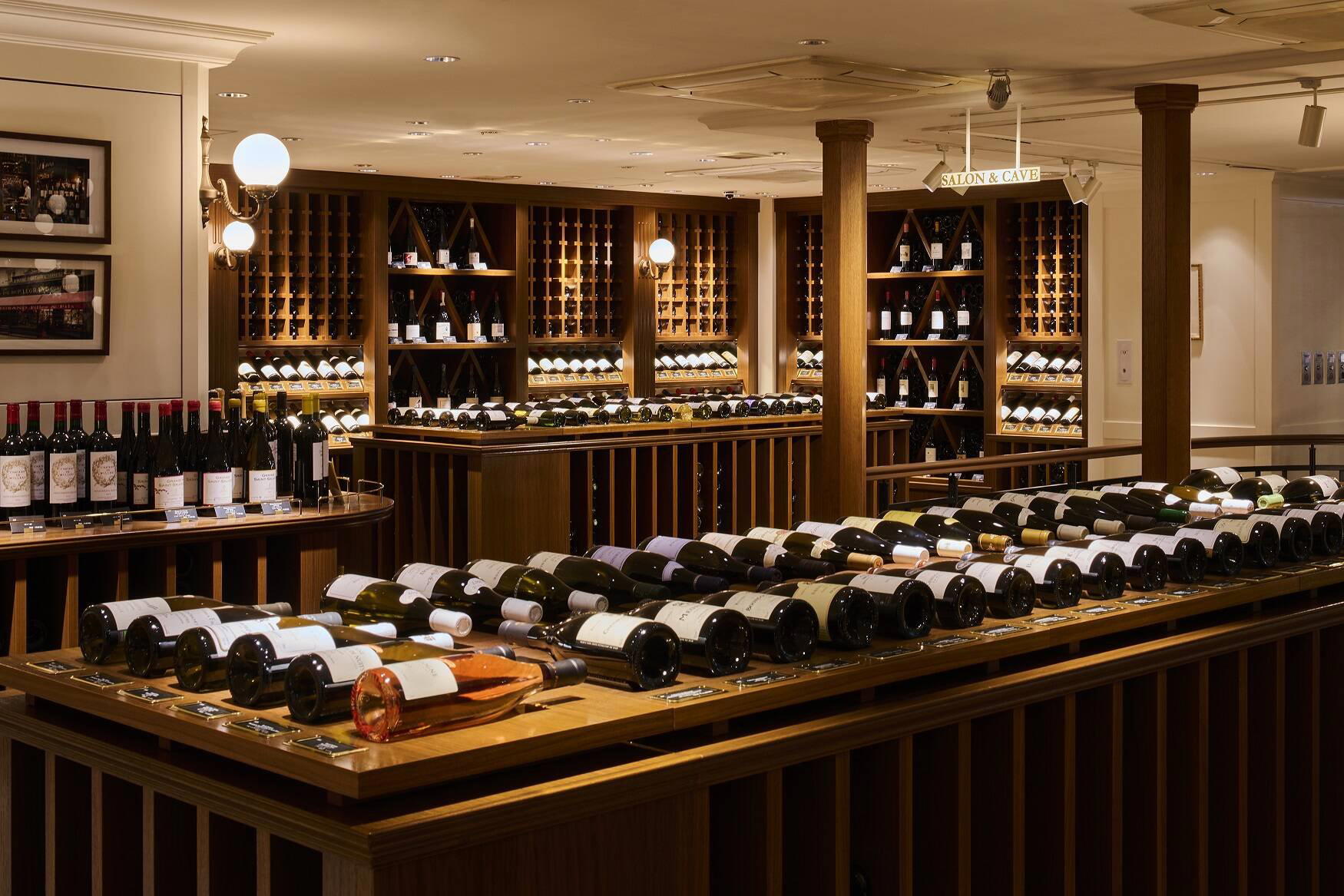






Details
- Elegant
- Cozy
- Modern
- Date Night
- Special Occasion
- Open Kitchen
- Sake Program
- Sake Program
- Vegetarian Friendly
Current opening hours
- Monday
- 11:15 AM–2:30 PM
- Tuesday
- Closed
- Wednesday
- 11:15 AM–2:30 PM
- Thursday
- 11:15 AM–2:30 PM, 6–9 PM
- Friday
- 11:15 AM–2:30 PM, 6–9 PM
- Saturday
- 11:15 AM–2:30 PM, 6–9 PM
- Sunday
- 11:15 AM–2:30 PM, 6–9 PM
Hours can change for holidays and private events. Hours as of .
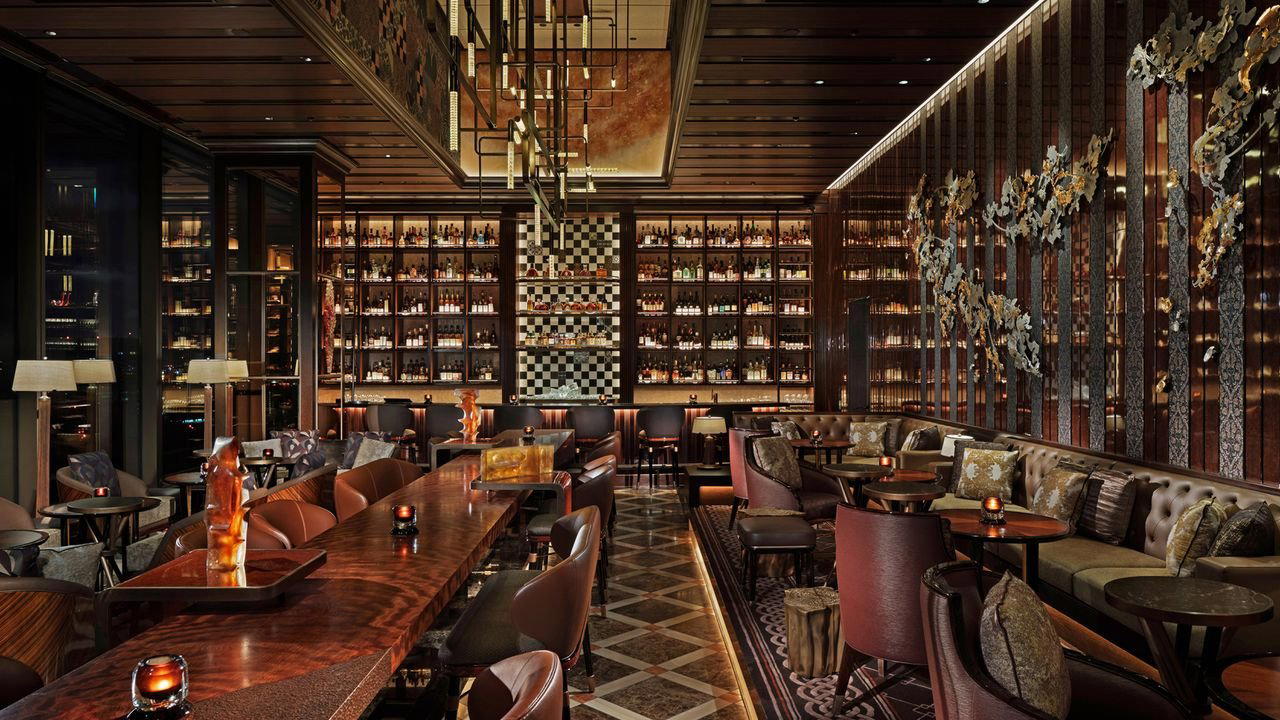
Stylish, calm, and relaxing space with intricate, colorful dish presentations in a cozy, hideout-like setting.