Michelin Bib Gourmand · Tabelog 100 #100
Our verdict
Hirayama occupies a counter seat in Nishiasakusa where kappo tradition meets soba craftsmanship. Chef Keisuke Hirayama's buckwheat noodles, milled from unpolished grain on site, have earned consecutive Opinionated About Dining recognition, rising from Highly Recommended in 2023 to a Top 308 ranking in 2025. The price point sits at ¥¥, making it one of the more accessible entries in Tokyo's serious soba conversation.

Pearl is the En Primeur Club membership app, where members save venues, book tables and use the concierge.
The menu
What to order
- Wagyu Tenderloin
- Garlic Rice
- Steak Tartare
A Counter in Nishiasakusa Worth Marking on the Calendar
The noren hanging outside Hirayama near Kappabashi was brushed by the chef's grandmother, a calligraphy teacher whose strokes announce the restaurant with something personal rather than commercial. It is a small detail, but it orients you immediately: this is a counter-led, craft-first operation in a neighbourhood more associated with kitchenware wholesalers than destination dining. That contrast is part of what makes a meal here work as an occasion. The setting does not announce itself the way a Ginza counter does, but the food asks for the same level of attention.
Nishiasakusa sits between the tourist density of Senso-ji and the quiet professionalism of Kappabashi's tool district. The area carries a working Tokyo character that the more polished neighbourhoods have largely shed. For a milestone meal or a deliberate celebration dinner, that context matters: you are eating in a place that has earned its reputation through consistency rather than location premium.
Where Kappo Logic Meets Soba Craft
Tokyo's specialist soba houses occupy a distinct tier from the cheap noodle counters near station exits and the grand kaiseki rooms with a soba course tacked on. The serious ones treat buckwheat as a primary subject: milling their own flour, controlling hydration precisely, and serving noodles at the right temperature within seconds of cutting. Hirayama operates in that serious tier, with 100% buckwheat noodles prepared from homemade flour milled from unpolished grain. The flavour profile of pure buckwheat soba, called juwari, is earthier and more assertive than blended varieties, and more fragile to execute.
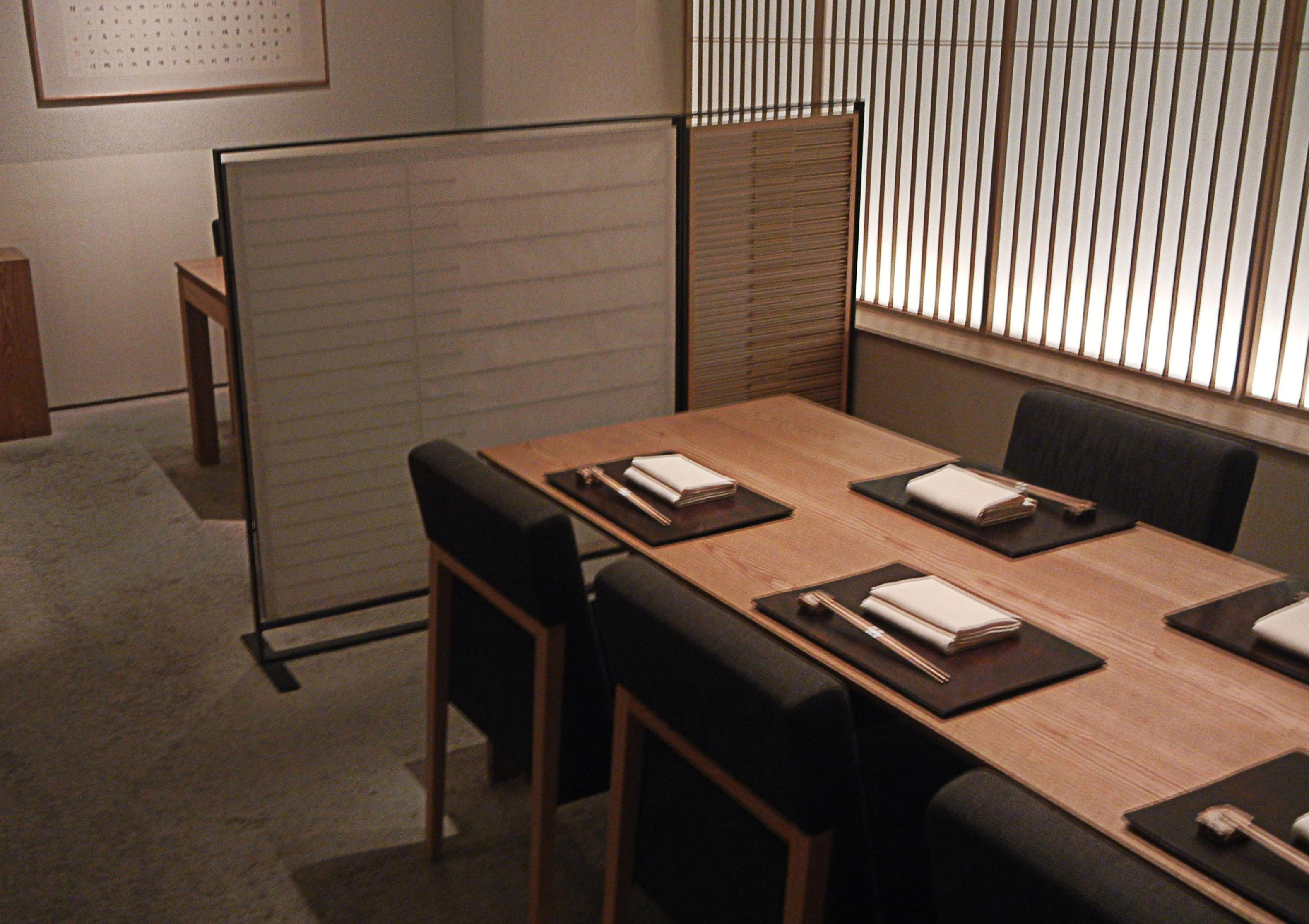
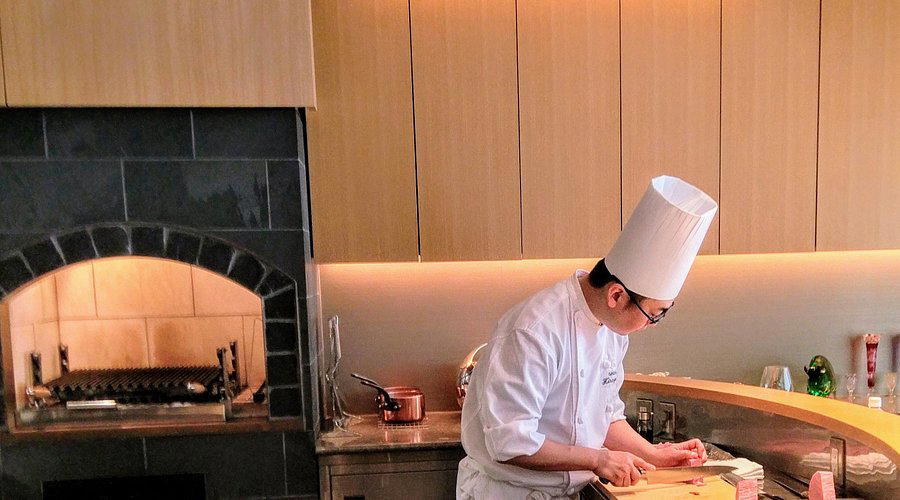
What separates Hirayama from a pure soba specialist is Chef Keisuke Hirayama's kappo background. Kappo, the style of informal counter cooking where dishes are prepared in full view and served course by course at the chef's discretion, shapes the meal's architecture before the soba arrives. The counter format is not decorative: it is the actual service logic. Guests receive courses, a jellied broth of conger eel, a stew of duck breast, as prelude to the noodles, and tempura items arrive deep-fried individually in sequence rather than plated as a composed dish. The result is a meal that builds properly, rather than one where soba appears as the single act.
That tempura, prepared one piece at a time, benchmarks against dedicated tempura counters in Tokyo, a city where tempura specialists compete at a high level. The comparison is worth making because it signals what kind of restaurant this is: one where a secondary element performs at specialist standard, not just adequately.
Reading the OAD Trajectory as a Trust Signal
Opinionated About Dining's annual Japan rankings provide one of the more granular tracking tools for restaurants operating below Michelin's visibility threshold. Hirayama entered the OAD Japan list at Highly Recommended in 2023, moved to a ranked position of #258 in 2024, and held a position of #308 in 2025 as the list expanded. A slight numerical drop in a growing list does not represent decline; it reflects a larger competitive field. The underlying signal, consecutive recognition over three years, indicates a restaurant that has sustained quality rather than spiked on novelty. For the diner calibrating where to spend a special-occasion evening, that consistency record is more useful than a single year's placement.
Hirayama's ¥¥ price point in that ranked company is notable. The restaurant is priced far below comparison venues like Harutaka (¥¥¥¥, three Michelin stars) and occupies a different bracket from heavy-hitter Tokyo steakhouses such as Peter Luger Steak House Tokyo or the refined counter at Shima. For diners who want an occasion meal with documented critical recognition but without a four-figure bill, that gap is significant.
The Case for Hirayama as a Celebration Dinner
The logic for choosing this counter for a milestone meal rests on a few specific factors. First, the format: counter seating with a chef working in view creates an inherently attentive atmosphere without requiring the formality of a kaiseki room. Second, the price-to-recognition ratio is among the more favourable in this tier of Tokyo dining. Third, the meal has a clear arc, cooked starters, tempura, soba, that gives a dinner proper shape, which matters when you are marking something.
The restaurant is closed Sundays, runs lunch and dinner service Monday through Saturday, and dinner ends at 11 pm Monday and 10 pm Tuesday through Saturday. That Monday extended service is useful for diners whose celebration schedules do not bend to weekend availability.
For visitors building a Japan itinerary around serious eating, the range of OAD-recognised options extends well beyond Tokyo. Gion Sasaki in Kyoto, HAJIME in Osaka, Goh in Fukuoka, akordu in Nara, and 1000 in Yokohama each represent the specialist-counter tradition in their respective cities. And for something further afield, 6 in Okinawa operates in a distinctly different register. Within Tokyo itself, Gorio and Idea Ginza round out a picture of the city's counter dining range. For steak comparisons across other markets, Arthur J. in Los Angeles and B&B; Butchers and Restaurant in Houston offer useful reference points for how the format translates internationally.
Explore the full picture through our full Tokyo restaurants guide, or extend your planning with our full Tokyo hotels guide, our full Tokyo bars guide, our full Tokyo wineries guide, and our full Tokyo experiences guide.
What Regulars Order
The meal at Hirayama follows a set sequence rooted in kappo logic, so regulars are not navigating a large à la carte list. The starters that anchor the early courses, jellied conger eel broth and duck breast stew, represent the kitchen's cooked-food range before the noodles arrive. The tempura, fried individually to order, draws consistent attention as a standalone signal of technique. The juwari soba, made from flour milled in-house from unpolished buckwheat, is the focal point of any visit: regulars come for that noodle specifically, and the supporting courses build toward it rather than compete with it.
Planning a Visit
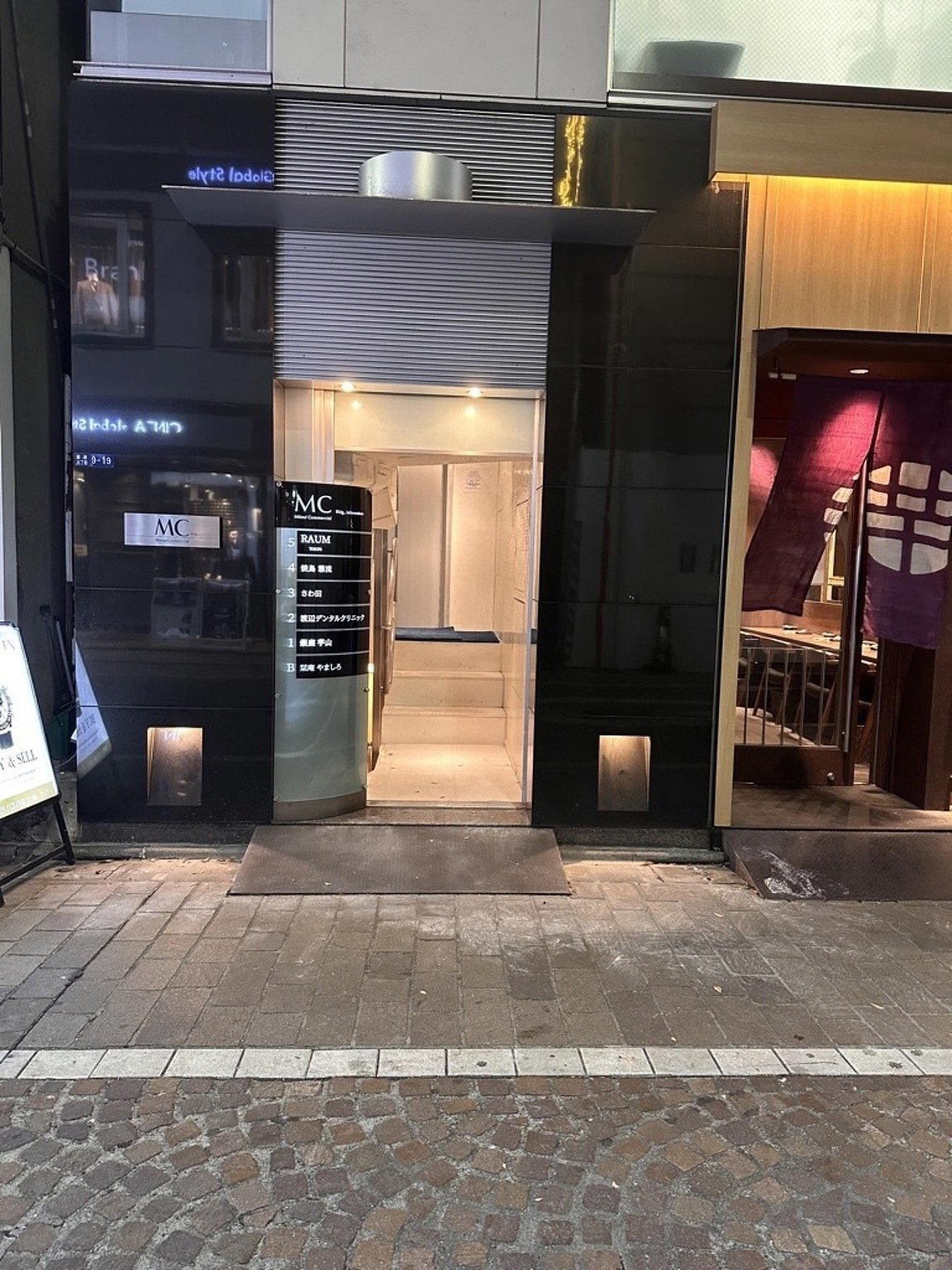
Hirayama is located at 1 Chome-3-14 Nishiasakusa, Taito City, Tokyo 111-0035, near the Kappabashi kitchenware district. Lunch service runs 11:30 am to 2 pm Monday through Saturday. Dinner runs 5:30 to 11 pm on Monday and 5:30 to 10 pm Tuesday through Saturday. The restaurant is closed on Sundays.
Quick reference: Nishiasakusa counter, ¥¥ price range, OAD Top 308 Japan 2025, closed Sundays, lunch and dinner Monday–Saturday.
Frequently asked questions
Who is the chef at Hirayama?
The chef associated with Hirayama is Keisuke Hirayama.
What are the opening hours for Hirayama?
Hours at Hirayama: Hours: Monday 11:30 am–2 pm, 5:30–11 pm Tuesday 11:30 am–2 pm, 5:30–10 pm Wednesday 11:30 am–2 pm, 5:30–10 pm Thursday 11:30 am–2 pm, 5:30–10 pm Friday 11:30 am–2 pm, 5:30–10 pm Saturday 11:30 am–2 pm, 5:30–10 pm Sunday Closed.
What do regulars order at Hirayama?
The meal follows a set sequence rather than an à la carte list, rooted in kappo logic. Starters include jellied broth of conger eel and stewed duck breast before the kitchen moves to tempura, fried one piece at a time to the standard of a specialist shop. The meal closes with 100% buckwheat soba made from house-milled unpolished flour, which the OAD panel has cited as a key reason the restaurant climbed from Highly Recommended in 2023 to ranked #258 in 2024 and #308 in 2025.
What's the cuisine at Hirayama?
Is Hirayama more mid-range or high-end?
Pricing at Hirayama is listed as ¥¥.
Where is Hirayama located?
Hirayama is located at 1 Chome-3-14 Nishiasakusa, Taito City, Tokyo 111-0035, Japan, Tokyo.
What awards or recognition does Hirayama have?
Hirayama has received recognition including: Asakusa Hirayama hangs out its shop curtain near Kappabashi; the calligraphy is done by the chef’s grandmother, a calligraphy teacher, expressing her joy in her grandson becoming an independent restaurateur. The counter seating harks back t….
A quick snapshot of similar venues for side-by-side context.
| Venue | Cuisine | Price | Awards | Notes |
|---|---|---|---|---|
| HirayamaThis venue (the venue you are viewing) | Charcoal-Grilled Wagyu Steakhouse | $200–300 | Michelin Bib Gourmand · Tabelog 100 #100 | Not listed |
| Harutaka | Edo-Style Omakase Sushi | $200–300 | 3 Michelin Stars · World's 50 Best #76 | Sushi |
| RyuGin | Modern Kaiseki | $500+ | 3 Michelin Stars · World's 50 Best #41 | Kaiseki, Japanese |
| L'Effervescence | Modern French with Japanese Influences | $200–300 | 3 Michelin Stars · World's 50 Best #69 | French |
| HOMMAGE | Modern French with Japanese Influences | $150–200 | 2 Michelin Stars · World's 50 Best #78 | Innovtive French, French |
| MAZ | Innovative Peruvian-Japanese Fusion | $150–200 | 2 Michelin Stars · World's 50 Best #28 | Innovative |
Recognition history
Dated appearances from independent guides and award organizations, with the underlying list record or original source where available.
Michelin Bib Gourmand
Michelin
Opinionated About Dining Top Restaurants in Japan Ranked #308
Opinionated About Dining
Tabelog 100 #100 · No. 100
Tabelog · Tabelog 100 - Soba - EAST - 2025
Full recognition history (5 entries)
Opinionated About Dining Top Restaurants in Japan Ranked #258
Opinionated About Dining
Opinionated About Dining Top Restaurants in Japan Highly Recommended
Opinionated About Dining