Het Broeker Huis
Het Broeker Huis sits on Leeteinde in Broek in Waterland, a preserved seventeenth-century village that most Amsterdam visitors pass over entirely. The setting alone separates it from the Dutch capital's restaurant density, but the draw is what the surrounding polder landscape makes possible in the kitchen. For anyone serious about ingredient provenance and regional Dutch cooking, the address rewards the short detour north of the IJ.
 Discover on Pearl
Pearl is the En Primeur Club membership app — saves, bookings, and concierge access live there. Same editors, same standards.
- Address
- Leeteinde 16, 1151 AK Broek in Waterland, Netherlands
- Phone
- +31204031314
- Website
- broekerhuis.nl
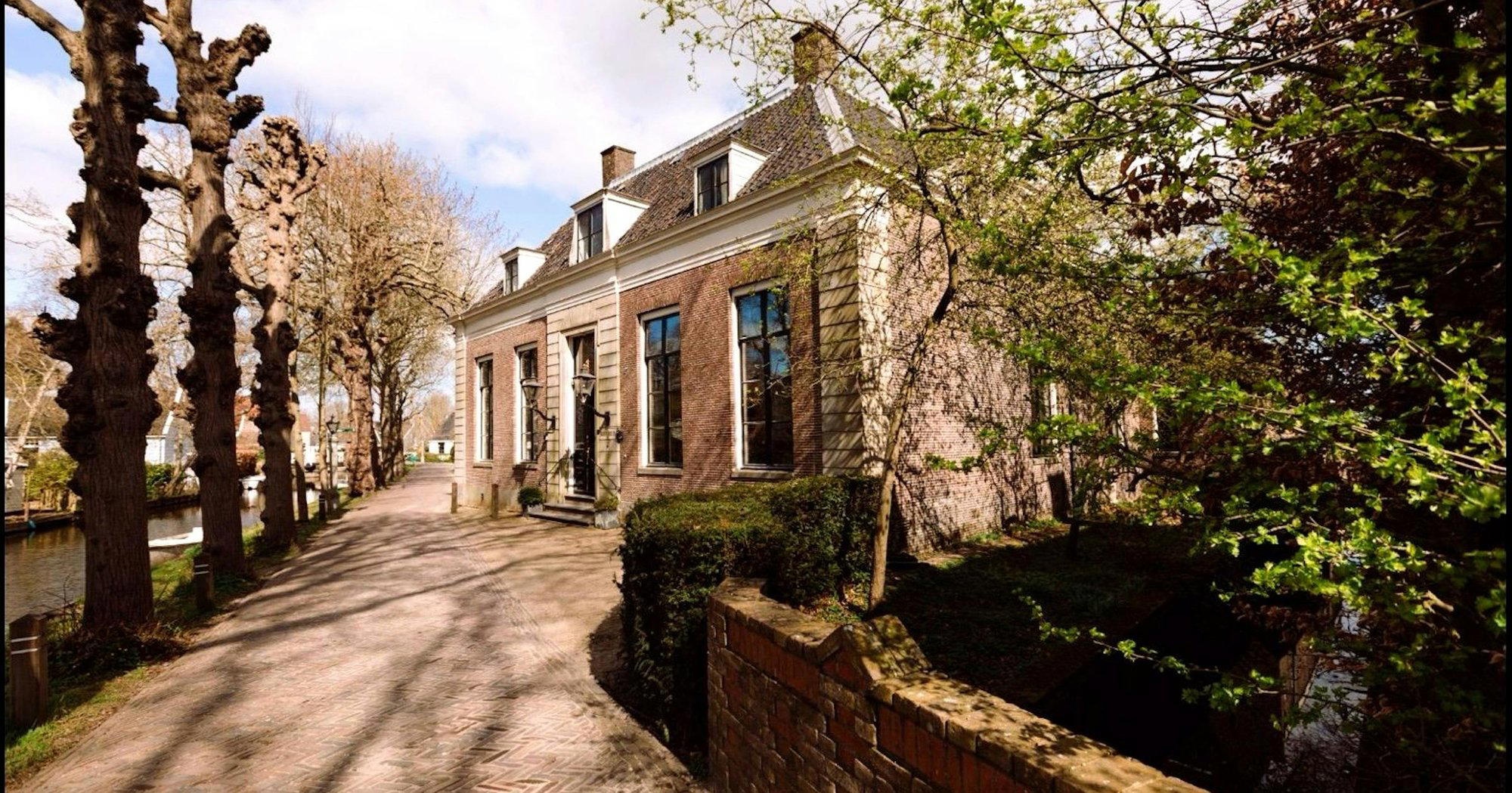
A Village That Time Audited, Not Abandoned
Broek in Waterland is one of those Dutch villages that survives not through neglect but through active preservation. Its painted wooden houses, mirror-flat canals, and absence of through traffic have kept the place looking more or less as it did in the eighteenth century, which makes it a genuinely unusual address for a serious restaurant. Most premium Dutch dining concentrates in Amsterdam, where venues like Ciel Bleu in Amsterdam command city views alongside their tasting menus. Het Broeker Huis, at Leeteinde 16, offers something different in kind: a setting shaped by polder agriculture rather than urban prestige.
That distinction is not merely aesthetic. The Waterland region north of Amsterdam, a protected range of drained marshes, grazing pastures, and market gardens, is one of the few areas in the Netherlands where agricultural land use has remained largely continuous since the seventeenth century. Restaurants that position themselves inside this landscape, rather than importing ingredients from distant supply chains, are working with material that carries genuine locational specificity.
Ingredient Provenance and the Polder Advantage
Across the Netherlands, the argument for regional sourcing has shifted from ethical preference to culinary necessity. A cluster of the country's most-discussed kitchens have built their identities around proximity: De Nieuwe Winkel in Nijmegen operates at the plant-forward extreme, while De Librije in Zwolle draws from IJsselmeer fish and Overijssel dairy. What distinguishes Waterland as a sourcing zone is the compression of variety within a small radius: salt-meadow lamb from the polders, freshwater eel from the connecting lakes, vegetables grown on the ribbon of fertile land between the water bodies.
Kitchens that occupy this geography have a shorter chain between harvest and plate than most urban restaurants can manage even with dedicated supplier relationships. That compression matters because it changes what is possible at the level of ripeness, texture, and timing, factors that affect the plate in ways that no amount of technical skill entirely compensates for. In that sense, a restaurant in Broek in Waterland is either using its postcode as competitive infrastructure or leaving real advantage on the table.
For further comparison within the Dutch scene, Inter Scaldes in Kruiningen has long demonstrated what a kitchen rooted in Zeeland's coastal produce can achieve at the highest level, and De Bokkedoorns in Overveen draws on North Sea landings in a comparable coastal-adjacent position. Het Broeker Huis sits in a peer conversation with those addresses by virtue of geography, even if the category credentials differ.
The Broek in Waterland Dining Moment
The village currently supports a small but coherent dining scene relative to its size. kitchennieuwland operates in the same postcode and shares the broader village identity. Together they represent a pattern that has become more common in the Netherlands over the past decade: fine or aspirational dining migrating out of city centers into villages with strong landscape identities, where lower overheads and genuine agricultural context combine. The driver is not nostalgia, it is sourcing logic and a certain kind of guest who is willing to make a deliberate journey rather than choose from a city restaurant list.
That guest profile matters because it shapes how kitchens in this position calibrate their offer. A restaurant in Amsterdam's canal belt competes on footfall and visibility. A restaurant in Broek in Waterland competes on destination pull, on whether the combination of setting, ingredient story, and cooking is specific enough to justify the trip. That is a higher editorial bar to clear, and it tends to sharpen kitchens that take it seriously. Comparable destination logic applies to De Groene Lantaarn in Staphorst and De Lindenhof in Giethoorn, both of which have built reputations in villages that require intentional travel.
How Het Broeker Huis Fits the Dutch Fine Dining Map
The Netherlands' premium dining tier has diversified considerably since the early 2000s, when Michelin recognition was almost exclusively Amsterdam-centric. Now the map extends to addresses like Aan de Poel in Amstelveen, Brut172 in Reijmerstok, Tribeca in Heeze, De Treeswijkhoeve in Waalre, and De Lindehof in Nuenen, venues distributed across provinces and almost always connected to a specific landscape or agricultural tradition. FG - François Geurds in Rotterdam and 't Nonnetje in Harderwijk round out a national map where the leading cooking is no longer assumed to be in the capital.
Broek in Waterland's position on that map is still being written. The village's proximity to Amsterdam, accessible by bus or bike via the IJ ferry, means it operates in the capital's orbit without being subject to Amsterdam pricing pressure. That geographic middle ground, close enough for a half-day trip but far enough to feel genuinely removed, is an increasingly valuable position in the Netherlands' dining geography. For context on how international kitchens handle the same balance between ingredient sourcing and destination pull, the fish-forward tasting menu at Le Bernardin in New York City and the Korean-inflected hyper-seasonal approach at Atomix in New York City both demonstrate what sustained sourcing focus produces over time.
Planning a Visit
Het Broeker Huis is located at Leeteinde 16, 1151 AK Broek in Waterland.
A Quick Peer Check
Comparable venues nearby, for context on price, style, and recognition.
| Venue | Cuisine | Price | Awards | Notes |
|---|---|---|---|---|
| Het Broeker HuisThis venue — the venue you are viewing | Mediterranean Wood-Fired | $$$ | , | |
| kitchennieuwland | French-Japanese Fusion Omakase | $$$ | , | Broek in Waterland |
| BARBOUNIA | Mediterranean with Levantine Spices | $$$ | , | P.C. Hooftbuurt |
| Corendon All You Can Eat Restaurant | International All-You-Can-Eat Buffet | $$ | , | Badhoevedorp |
| Ruby Rose | Mediterranean Shared Dining & Wine Bar | $$$ | , | Binnenstad |
| Westerkaatje Noord | Mediterranean Small Plates | $$ | , | Oude Noorden |
Continue exploring
More in Broek In Waterland
Restaurants in Broek In Waterland
Browse all →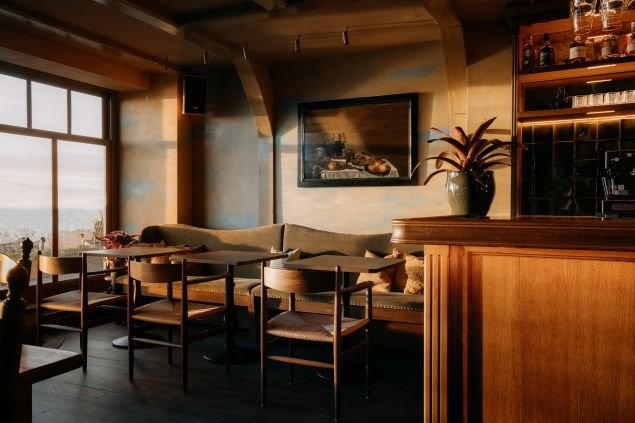
Bars in Broek In Waterland
Browse all →
Hotels in Broek In Waterland
Browse all →
Wineries in Broek In Waterland
Browse all →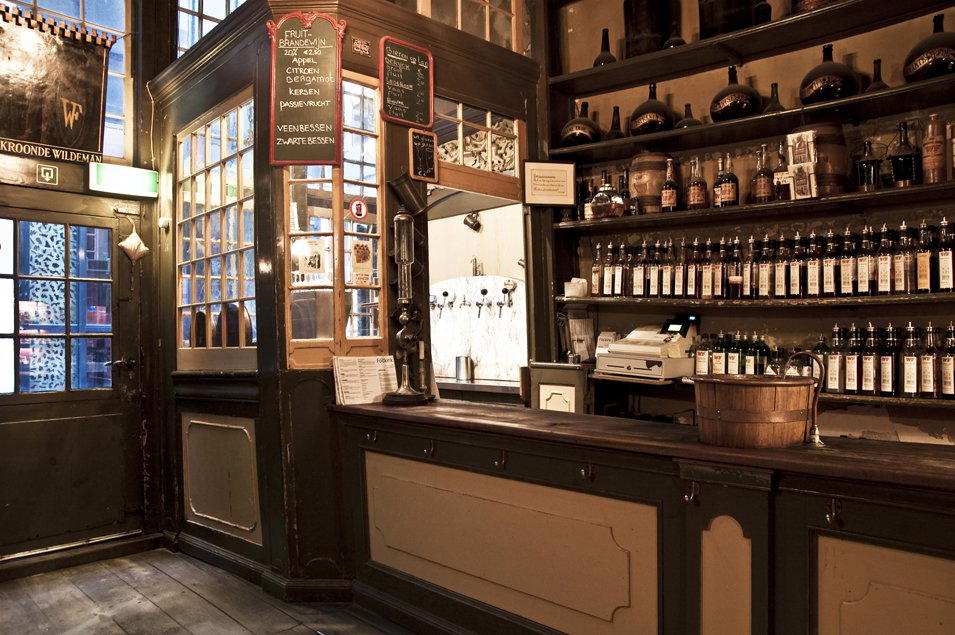
At a Glance
- Cozy
- Rustic
- Historic
- Intimate
- Family
- Casual Hangout
- Terrace
- Historic Building
- Local Sourcing
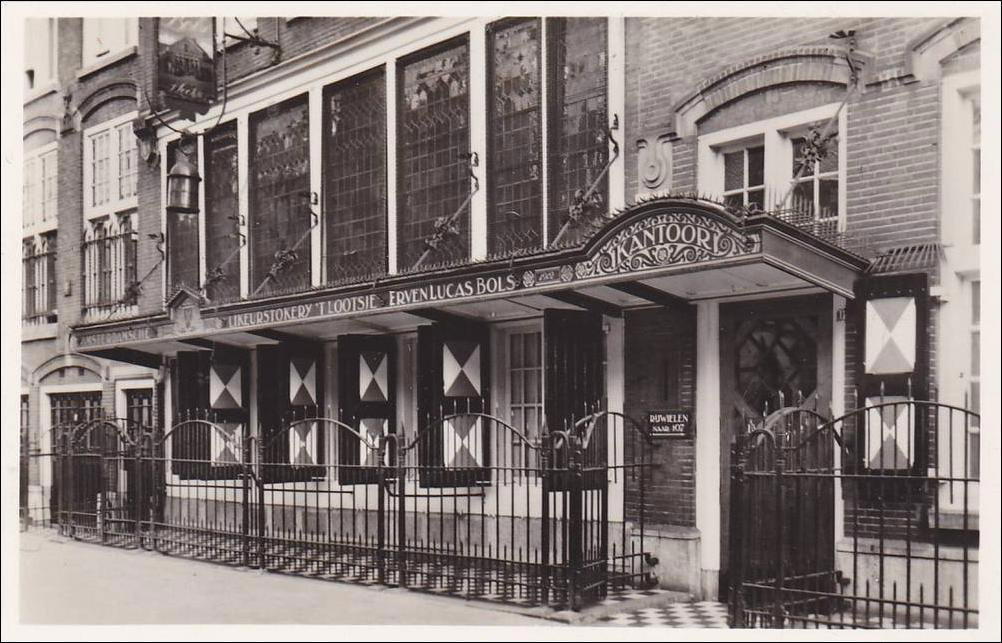
Clubhouse-like setting with authentic details, cozy courtyard terrace, and warm wood fire atmosphere.