BARBOUNIA
Located on Paulus Potterstraat in Amsterdam's Museum Quarter, Barbounia occupies a stretch of the city where gallery culture and neighbourhood dining intersect. The restaurant draws from Mediterranean coastal traditions, placing it in a distinct tier from the creative Dutch fine-dining houses nearby. For visitors working through Amsterdam's dining options, it offers a different register from the Michelin-weighted competition a few streets away.
- Address
- Paulus Potterstraat 50, 1071 DB Amsterdam, Netherlands
- Phone
- +31205700000
- Website
- barbounia-amsterdam.com
- Directions
- Get directions
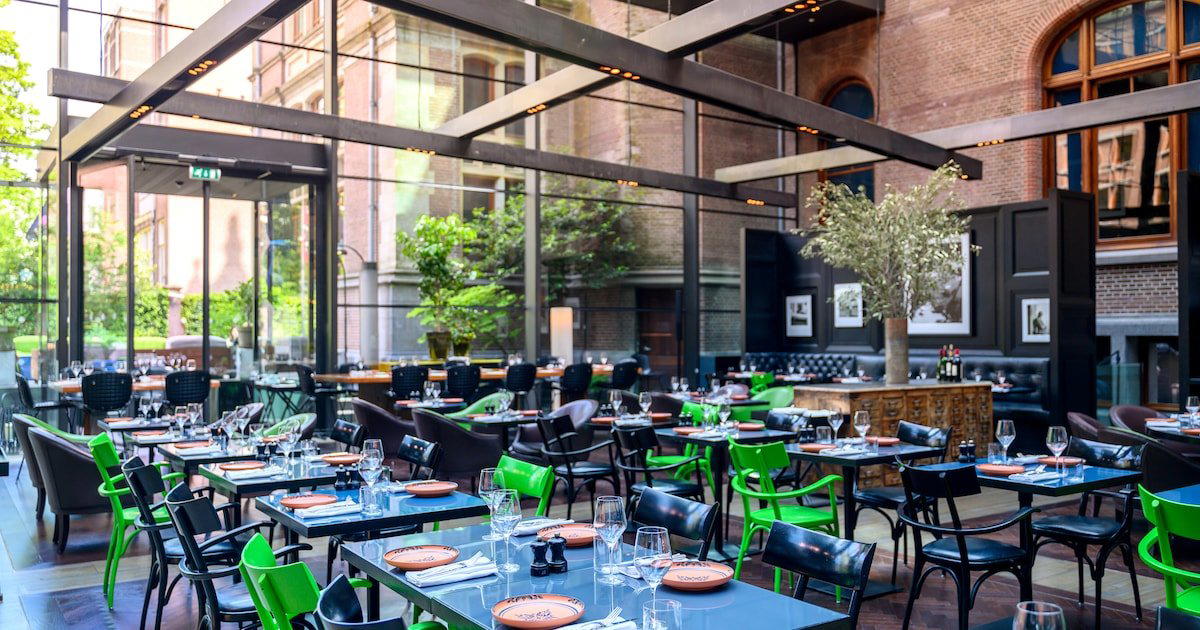
A Street Where Museums End and Restaurants Begin
Paulus Potterstraat runs along the southern flank of Amsterdam's Museumplein, a stretch where the Rijksmuseum and Van Gogh Museum give way to a quieter residential and dining corridor. By the time you reach number 50, the cultural density of the district has shifted into something more domestic: canal-adjacent, unhurried, with the particular quality of light that Amsterdam's western afternoons produce. Barbounia occupies this address. This is a restaurant in Amsterdam, in the Museum Quarter, at the €€€ price tier with Mediterranean with Levantine Spices cuisine.
Amsterdam's premium dining tier has consolidated significantly around a cluster of creative and contemporary kitchens. Ciel Bleu, Flore, Spectrum, and Vinkeles each operate at the €€€€ tier, structured around tasting menus with significant wine programs. Barbounia does not compete directly with that cohort. It belongs instead to the category of Mediterranean-influenced restaurants that function as reliable neighbourhood anchors rather than occasion-driven prestige tables.
The Mediterranean Counter-Argument
Amsterdam's dining culture has historically leaned into two modes: the Dutch modern kitchen drawing on local produce and international technique, and the immigrant-influenced neighbourhood restaurant serving the city's substantial Surinamese, Indonesian, and Middle Eastern communities. Barbounia operates in this space, drawing from Greek, Turkish, and Levantine traditions. The name itself points toward the eastern Mediterranean, barbounia is the Greek and Turkish word for red mullet, a fish central to Aegean cooking.
That culinary lineage carries specific implications for how a meal progresses. Eastern Mediterranean dining traditions tend to resist the French-derived tasting-menu format that dominates Amsterdam's fine-dining circuit. The logic of the meal is different: abundance before elegance, shared plates before solo portions, texture and acid before richness. Where a meal at Ciel Bleu moves through a choreographed sequence with defined courses and pacing set by the kitchen, the eastern Mediterranean structure gives more agency to the table. The progression is collaborative rather than directed.
How the Meal Tends to Move
In restaurants drawing from this tradition, the opening of a meal is typically its most democratic moment. Mezze-style beginnings, whether spreads, fried small fish, or cured vegetables, establish the register before anything more substantial arrives. The middle of the meal, where proteins appear, tends to reward patience: grilled fish and slow-cooked meats in this tradition benefit from being approached without urgency. The closing sequence rarely involves the elaborate dessert architecture of Western fine dining. The meal ends with something simpler, often sweet in the Levantine sense rather than technically complex.
This structural logic places Barbounia in a different conversation from the tasting-menu houses that define Amsterdam's reputation internationally. It is closer in spirit to the kind of neighbourhood table that Mediterranean cities produce organically, and that northern European cities tend to import and adapt with varying degrees of fidelity. The address and name together signal a clear culinary intention.
The Museum Quarter Context
The Museumplein neighbourhood has its own logic as a dining zone. It draws visitors from the major museums, residents from the surrounding Oud-Zuid district, and a consistent thread of international guests staying in the area's hotels. That mix tends to reward restaurants that can operate across multiple occasions: a post-museum lunch, a neighbourhood dinner, a casual meal that does not require the planning architecture of a Michelin-table booking. In that sense, the neighbourhood's dining supply includes venues like Bistro de la Mer, which occupies a similarly classic register nearby.
Amsterdam's broader restaurant geography is worth understanding if you're allocating meals across a trip. The city's Michelin-holding tables sit across several neighbourhoods: some in the canal belt, some in newer development zones. For visitors willing to travel beyond Amsterdam, the Netherlands has a notable density of high-recognition kitchens: De Librije in Zwolle, Inter Scaldes in Kruiningen, De Nieuwe Winkel in Nijmegen, and De Lindenhof in Giethoorn each hold Michelin recognition and represent the country's wider culinary geography. Further afield, Tribeca in Heeze, De Groene Lantaarn in Staphorst, Brut172 in Reijmerstok, De Lindehof in Nuenen, De Bokkedoorns in Overveen, and De Treeswijkhoeve in Waalre extend that map considerably. Internationally, the contrast in format between a Mediterranean neighbourhood table and a structured tasting-menu experience becomes sharper when you consider how kitchens like Le Bernardin in New York City or Lazy Bear in San Francisco have codified the progression-driven meal as a distinct art form.
Planning a Visit
Barbounia is located at Paulus Potterstraat 50, a ten-minute walk from the Rijksmuseum and directly accessible from the Museumplein tram stops. The restaurant's position in the neighbourhood makes it a natural candidate for an evening meal following a museum afternoon.
- Shrimp Kofta
- Shish Barak a la Gyoza
- Charred Octopus
- Mediterranean Branzino
- Caesar Salad with Feta and Burrata
- Beef Bavette
- Deep-fried Barbounia
Cuisine-First Comparison
Comparable venues nearby, for context on price, style, and recognition.
| Venue | Cuisine | Price | Notes |
|---|---|---|---|
| BARBOUNIAThis venue — the venue you are viewing | Mediterranean with Levantine Spices | $$$ | Not listed |
| Bluespoon | European with Dutch Twist | $$$ | Canal Ring (Prinsengracht) |
| Meneer De Wit Heeft Honger | Mediterranean with Moroccan influences | $$$ | De Wester Quartier |
| Ottolenghi Amsterdam | Modern Vegetable-Centric Mediterranean | $$$ | P.C. Hooftbuurt |
| Jottum | Mediterranean Tapas | $$ | Anjeliersbuurt Noord |
| Verlan | Modern French Bistro | $$$ | Felix Meritisbuurt |
Continue exploring
More in Amsterdam
Restaurants in Amsterdam
Browse all →
Bars in Amsterdam
Browse all →
Hotels in Amsterdam
Browse all →
Wineries in Amsterdam
Browse all →
At a Glance
- Elegant
- Sophisticated
- Romantic
- Lively
- Date Night
- Business Dinner
- Group Dining
- Celebration
- Special Occasion
- Live Music
- Terrace
- Hotel Restaurant
- Historic Building
- Design Destination
- Open Kitchen
- Craft Cocktails
- Sommelier Led
Bright and refined with natural light flooding through the glass atrium; elegant yet welcoming atmosphere enhanced by live music and entertainment.