Amsterdam Roest
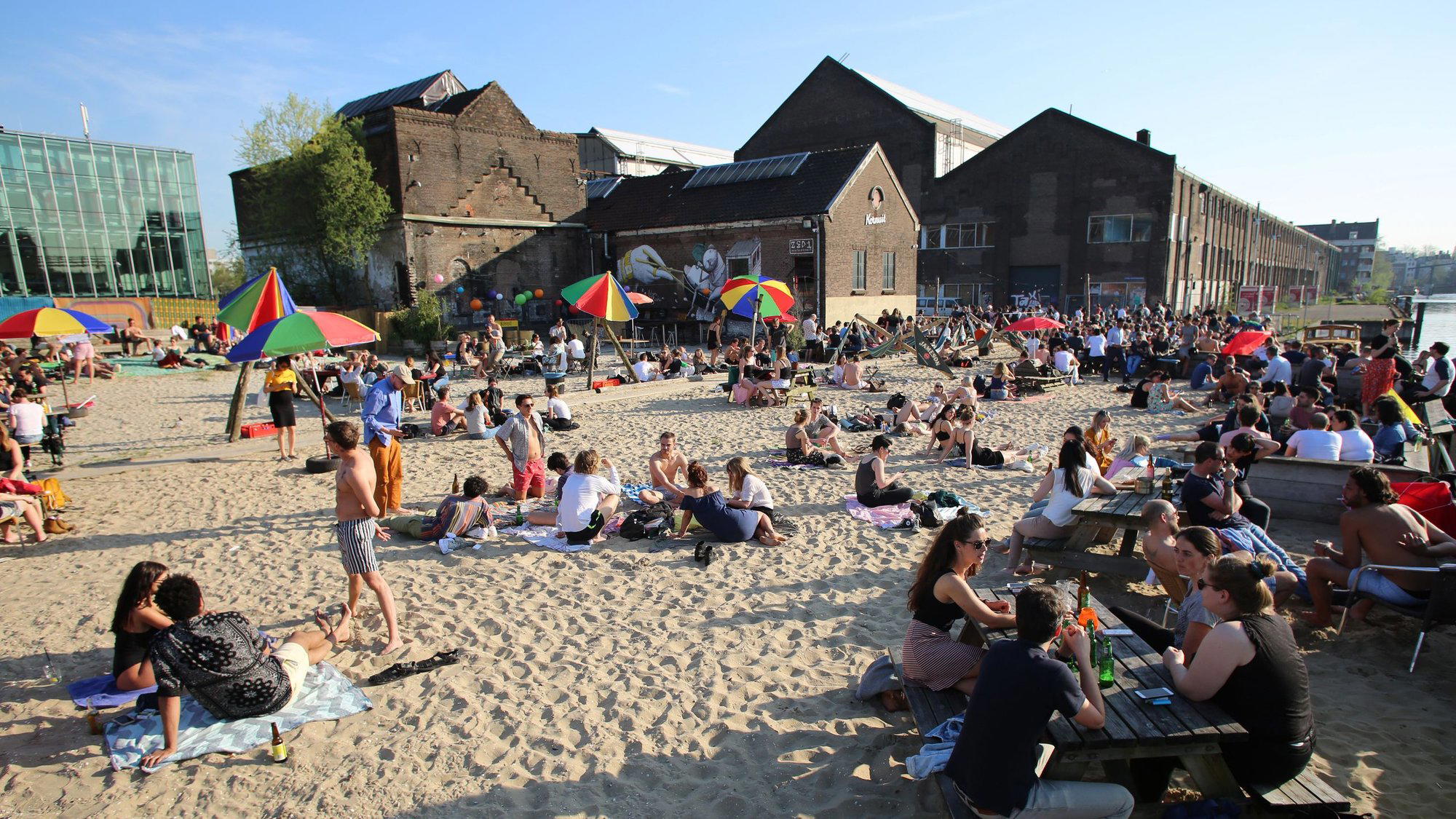
Amsterdam Roest occupies a repurposed industrial site on Jacob Bontiusplaats in Amsterdam's Oostenburg district, where raw architecture and waterside positioning define the experience before a single drink is poured. The venue sits within Amsterdam's broader wave of post-industrial cultural spaces that double as serious drinking destinations. It draws a crowd that comes as much for the setting as for what's in the glass.

Pearl is the En Primeur Club membership app, where members save venues, book tables and use the concierge.
Where the City's Industrial East Meets the Glass
The shift from shipyard infrastructure to gallery, event space, and bar is a pattern that defines Oostenburg and its neighbours: raw materials left visible, water kept close, and a deliberate distance maintained from the polished canal-house aesthetic of the Grachtengordel. Amsterdam Roest, at Jacob Bontiusplaats 1, sits squarely in that tradition. Approaching from the street, the building reads as industrial remnant rather than hospitality destination, which is precisely the point. The exterior does not announce itself. The crowd gathered outside, and the sound carrying across the water, does that work instead.
This kind of setting has become its own genre in Amsterdam. The city's bars split between two dominant registers: the brown café (bruine kroeg), where timber and amber light have been continuous for over a century, and the post-industrial conversion, where exposed structure and outdoor space create something closer to an urban festival atmosphere. Roest belongs firmly to the second category, and within that category it operates at the larger, more event-oriented end of the spectrum. For visitors calibrating where it sits relative to, say, the precision cocktail programmes at Door 74 or the ingredient-forward approach at Tales & Spirits, the distinction matters. Roest is not optimised for the ten-seat counter experience. It is optimised for the afternoon that becomes an evening without anyone quite planning it.
The Drinking Programme in Context
Amsterdam's cocktail scene has matured considerably over the past decade, moving from novelty-driven formats toward programmes with genuine technical consistency. The city's stronger cocktail bars now compete on sourcing, technique, and menu coherence rather than spectacle alone. Within that development, venues like Roest occupy a different but legitimate position: the drinking here functions as part of a larger atmospheric proposition rather than as the primary editorial focus. That is not a criticism. It is a category description.
What that means in practice is that the drinks programme at a space like this tends to track Amsterdam's broader craft beer and natural wine momentum more closely than the spirit-forward, technique-led menus that define the city's dedicated cocktail bars. Dutch craft brewing has expanded significantly since the early 2010s, and venues with the kind of open-air, high-capacity format that Roest offers have been central to normalising that shift in how the city drinks. Beer, in this setting, is not a fallback from the cocktail menu. It is the medium through which a large share of Amsterdam's younger drinking culture now operates.
For those arriving specifically for cocktails, the benchmark comparison remains Door 74, which has anchored Amsterdam's serious cocktail identity for years and operates on an entirely different register of programme depth. Tales & Spirits similarly concentrates on menu craft and bartender technique in a way that suits visitors whose primary interest is what's in the glass. Roest's value proposition runs perpendicular to both: it delivers setting and social atmosphere at a scale neither of those venues attempts.
The Waterside Factor
The outdoor element at Roest is central to understanding why the venue functions the way it does. Amsterdam's relationship with outdoor drinking is complicated by its weather, which makes genuinely usable outdoor space a seasonal premium. When the months between May and September allow for it, waterside venues capture a disproportionate share of the city's bar-going traffic. The combination of water proximity, open sky, and enough scale to absorb a large crowd without feeling pressured gives post-industrial sites like this one a significant seasonal advantage over indoor-focused bars.
That seasonal logic also governs the programming calendar. Event-led spaces in Amsterdam's eastern harbour tend to run their heaviest schedules from late spring through early autumn, with music, markets, and cultural programming layered on top of the base food and drink offering. Visitors planning around the drinking experience specifically should factor this in: Roest during a programmed event weekend delivers a meaningfully different atmosphere than a quieter weekday afternoon. Both are valid, but they are not the same visit.
Fitting It Into an Amsterdam Itinerary
Jacob Bontiusplaats sits in the Oostenburg area, which is not on the primary tourist circuit that runs through the Jordaan, the Nine Streets, or De Pijp. Getting there from the city centre takes roughly fifteen to twenty minutes by bicycle, the most practical option for most Amsterdam itineraries. Tram and bus connections exist but require a change for most central starting points. The relative distance from the canal-house core is part of what preserves the area's character: it draws people who are making a deliberate choice to go east rather than visitors passing by.
Those building a broader Netherlands itinerary might also consider Brasserie Lalou in Delft, Florin Utrecht in Utrecht, or Bowie in The Hague for contrast in tone and format. Further afield, the craft-bar pattern that Roest represents has equivalents across Dutch cities: Espressobar Kopi Soesoe in Rotterdam and Café Barolo in Eindhoven each occupy distinct positions in their local scenes worth understanding separately.
For those drawn to the Amsterdam café tradition from the other direction, Bar Bukowski on Plantage Kerklaan sits much closer to the bruine kroeg lineage, and Bakers & Roasters offers a different daytime entry point to the city's food and drink culture. Internationally, the industrial-conversion bar format that Roest exemplifies has a strong counterpart in Bar Leather Apron in Honolulu, which also prioritises atmosphere and setting alongside its drinks programme, and Boode Foodbar in Bathmen demonstrates how the format translates to a smaller Dutch market context.
Planning the Visit
Roest is walk-in friendly, with hours running Mon to Wed 5 PM to 1 AM, Thu 12 PM to 1 AM, Fri and Sat 12 PM to 3 AM, and Sun 12 PM to 1 AM. The address is confirmed at Jacob Bontiusplaats 1, 1018 LG Amsterdam. Weekend afternoons and summer evenings carry the highest crowd density. Visitors prioritising a more contemplative drinking experience should consider weekday timing. Those seeking the full atmosphere the space is known for should aim for a warm-weather weekend with an event on the programme.
Quick Comparison
A quick peer check to anchor this venue’s price and recognition.
| Venue | Price | Awards |
|---|---|---|
| Amsterdam RoestThis venue (the venue you are viewing) | $20–30 | Not listed |
| Door 74 | $30–50 | World's 50 Best #33 · Top 500 Bars Best Bars #337 |
| Tales & Spirits | $50–100 | World's 50 Best #31 |
| Bar du Champagne | Not listed | Star Wine List |
Continue exploring
More in Amsterdam
Bars in Amsterdam
All bars in Amsterdam →
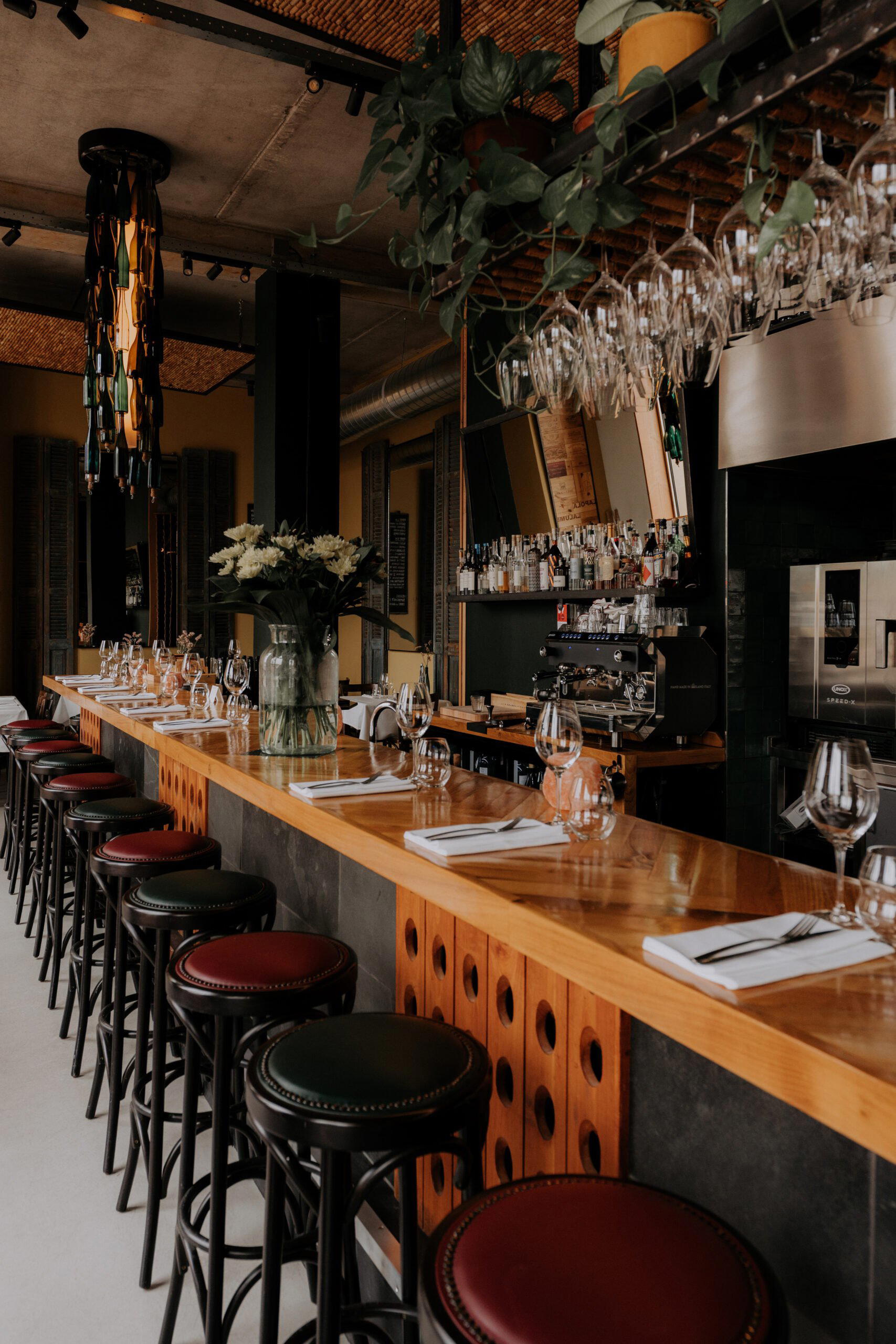
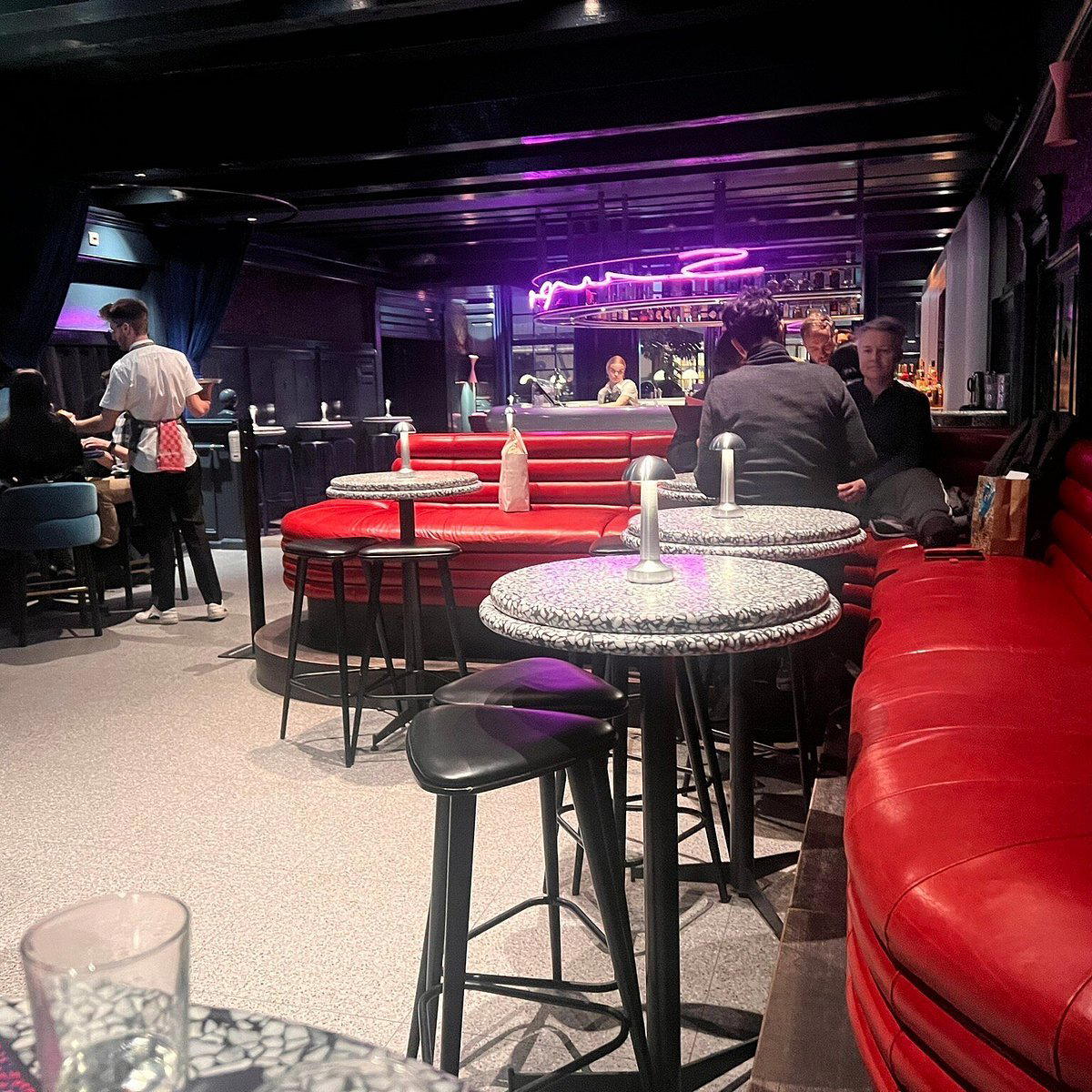
Restaurants in Amsterdam
All restaurants in Amsterdam →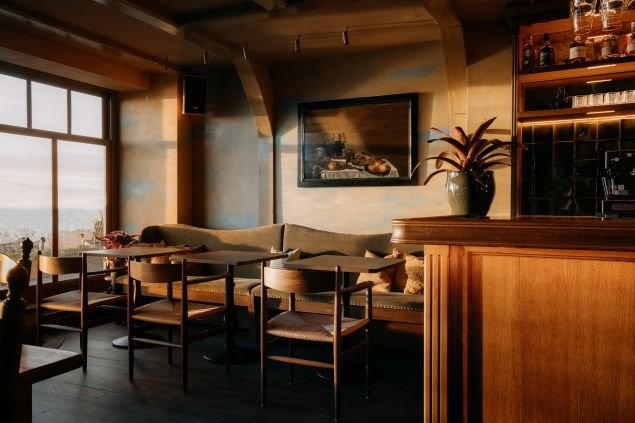
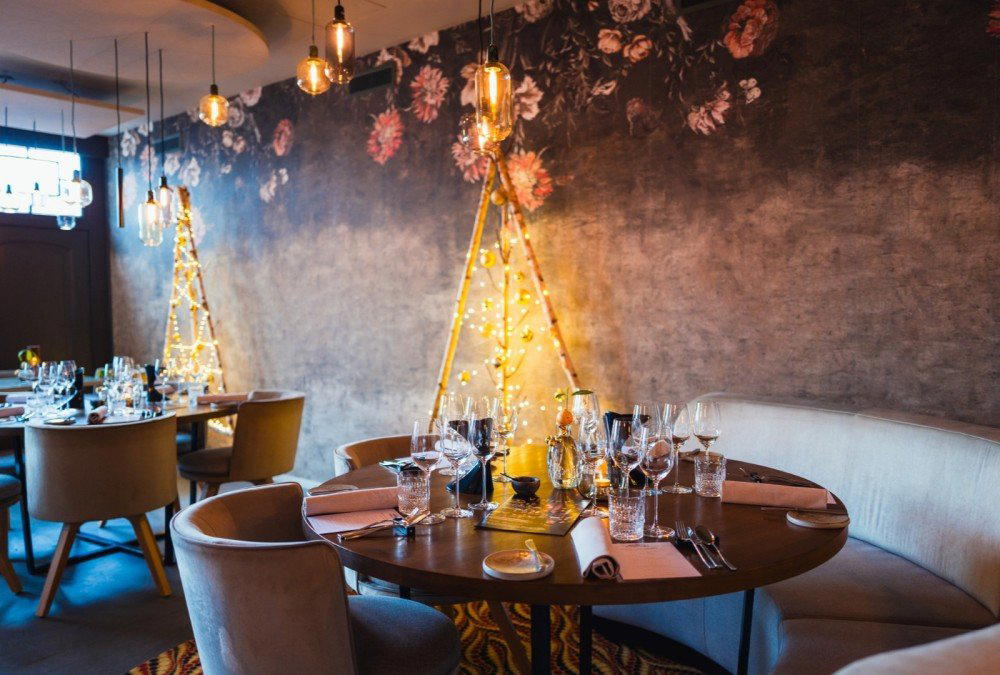
Hotels in Amsterdam
All hotels in Amsterdam →
Wineries in Amsterdam
All wineries in Amsterdam →
Details
- Lively
- Bohemian
- Industrial
- Trendy
- Energetic
- Casual Hangout
- Group Outing
- After Work
- Live Music
- Historic Building
- Design Destination
- Standalone
- Outdoor Terrace
- Lounge Seating
- Standing Room
- Booth Seating
- Craft Beer
- Craft Cocktails
Current opening hours
- Monday
- 5 PM–1 AM
- Tuesday
- 5 PM–1 AM
- Wednesday
- 5 PM–1 AM
- Thursday
- 12 PM–1 AM
- Friday
- 12 PM–3 AM
- Saturday
- 12 PM–3 AM
- Sunday
- 12 PM–1 AM
Hours can change for holidays and private events. Hours as of .
Industrial-chic with laid-back beach atmosphere; features couches, hammocks, and artsy booths; lively and free-spirited with young, creative crowds.