

On Via Savona in Milan's Navigli-adjacent Zona Tortona, Hazama places Kaiseki structure at the centre of its menu in a room where minimalism is the deliberate point. Chef Satoshi Hazama holds a Michelin Plate (2025) and an Opinionated About Dining Top Restaurants in Europe ranking, running both a seven-course Kaiseki and a four-course tasting format in a small, advance-reservation setting.
Pearl is the En Primeur Club membership app — saves, bookings, and concierge access live there. Same editors, same standards.
- Address
- Via Savona, 41, 20144 Milano MI, Italy
- Phone
- +39 02 0995 5972
- Website
- ristorantehazama.com
- Directions
- Get directions
 Saves & bookings on Pearl
A Room Where Restraint Does the Work
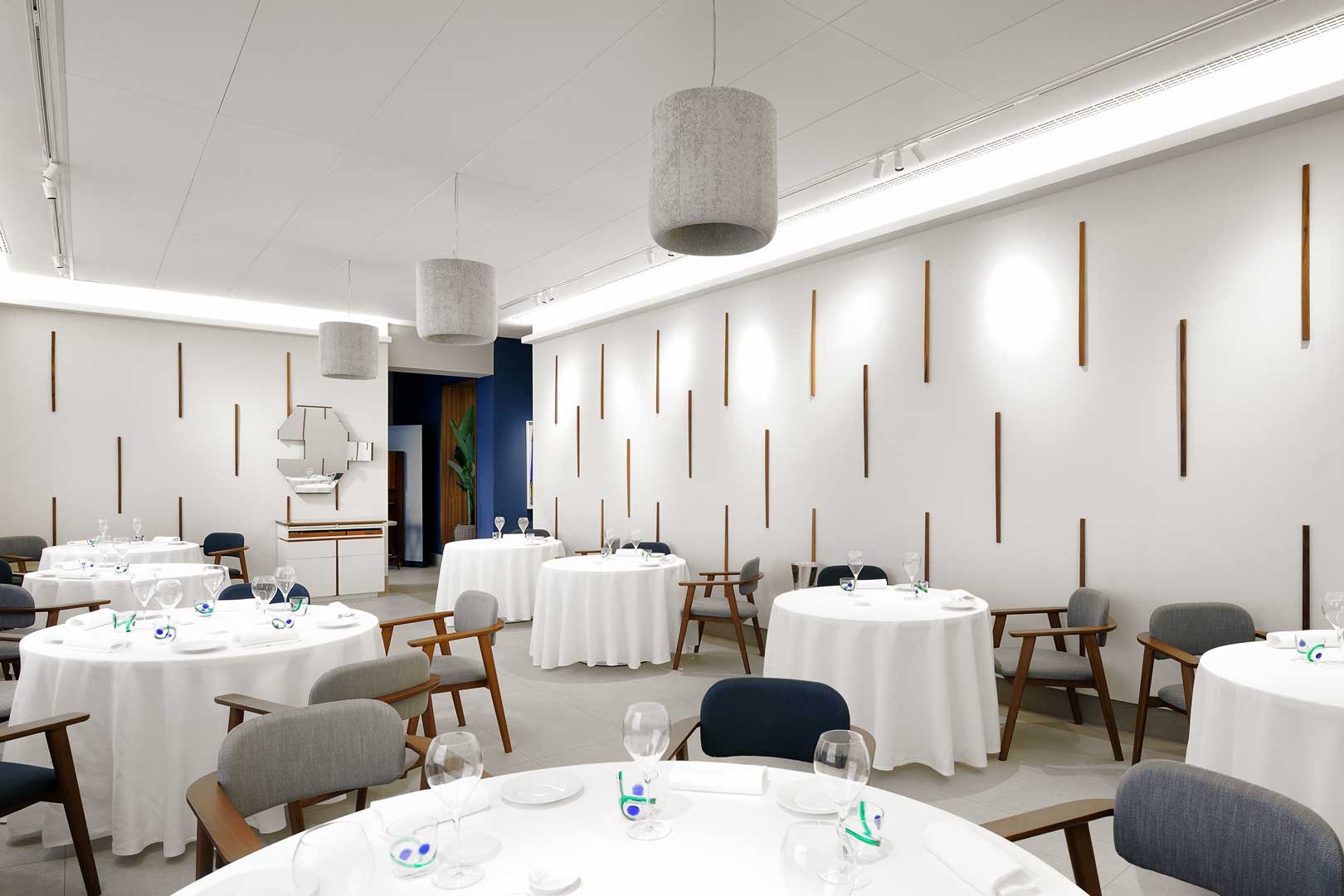
Via Savona sits in Zona Tortona, the former industrial district west of the Navigli canals that has become one of Milan's most concentrated pockets of design studios, concept spaces, and restaurants that resist the city's louder dining tendencies. In that context, Hazama fits precisely. The space is small and deliberately spare, a setting calibrated to shift attention away from décor and toward the plate. This is not coincidental minimalism. It reflects a Kaiseki logic that treats visual noise as interference, the same way a Japanese tea room strips back ornament to focus the guest on the present moment. For diners accustomed to the theatrical staging common at Milan's top tier of creative restaurants, the quietness registers immediately as a position, not an absence.
Kaiseki in a European City: What That Actually Means
Kaiseki is among the more codified culinary forms in Japanese haute cuisine. The structure is not a tasting menu in the Italian or French sense, where a chef sequences dishes according to personal narrative or seasonal abundance. Instead, it follows a prescribed arc of five fundamental techniques applied to seasonal ingredients: raw, grilled, fried, boiled, and steamed. Each technique appears at an assigned point in the progression, building in intensity from the delicate and raw toward the more assertive and cooked. The architecture is the menu; the chef's interpretation operates within a fixed grammar rather than inventing a new one each season.
In Tokyo, counters at venues like Myojaku and Azabu Kadowaki situate Kaiseki within a dense comparable set where seasonal ingredient sourcing is governed by centuries of regional supplier relationships. Bringing that structure to Milan requires a different set of negotiations. Japanese ingredients either arrive by import or are substituted with European equivalents that can sustain the technique without distorting the form. What makes Hazama worth examining is precisely this friction: Italian seasonal produce, including the northern Lombardy ingredients that define the larder of this region, meeting a culinary method that assigns each ingredient a specific role in a fixed dramatic arc.
The Intersection of Imported Method and Local Produce
Northern Italy in the Kaiseki frame is a genuinely interesting editorial problem. Kaiseki cuisine was developed around Japanese seasonal calendars: bamboo shoots in spring, ayu sweetfish in summer, matsutake in autumn. Strip away those specific ingredients and replace them with the produce available in Lombardy and Piedmont, white asparagus from Bassano, lake fish from Como and Garda, black truffle from Sant'Angelo in Vado, risotto rice from the Po Valley, and the question becomes whether the technique sheds its origin or simply recontextualises it. At its most considered, this approach produces something that is neither fusion nor imitation but a third category: a discipline applied to foreign materials, the way a classical French brigade might have adapted its methods to Japanese ingredients decades ago in nouvelle cuisine's experimental years.
Within Milan's Japanese restaurant scene, that approach places Hazama in a different position from competitors. Iyo operates at the Michelin-starred end of creative Japanese cuisine with a broader modern format, while Iyo Kaiseki addresses the traditional format with more resources and a higher public profile. Wicky's Innovative Japanese Cuisine works in an openly hybrid register, and Bentoteca Milano and Osaka sit further down the formality register. Hazama's particular position, small room, Kaiseki-first structure, Michelin Plate recognition, suggests a venue operating in a specialist niche rather than competing for the same guest as the city's highest-profile Japanese addresses.
Awards and Where Hazama Sits in the European Ranking
The Michelin Plate is a formal acknowledgment of cooking quality that falls below the star tier but above anonymous recommendation. Hazama has held it in both 2024 and 2025, which signals consistent kitchen standards rather than a single good year. The Opinionated About Dining ranking of 671st in Europe in 2025 contextualises the venue differently: OAD's methodology aggregates assessments from experienced diners, which means the ranking reflects opinion from people who eat frequently across the continent at this price level rather than a single inspector's visit. A position in the 600s across all of Europe's restaurants at the €€€€ tier represents recognition in a competitive field.
For comparison, the upper tier of Milan's Italian fine dining addresses, including those holding two and three Michelin stars, competes in a different price and reputation bracket. Hazama's comparable set in terms of ambition and format is better understood by looking at what a mid-tier specialist can deliver in a European capital: disciplined, codified, and not designed to scale. That is a different value proposition from venues like Osteria Francescana in Modena, Le Calandre in Rubano, or Enoteca Pinchiorri in Florence, but it is not trying to be the same thing. Other northern Italian addresses worth framing for context include Dal Pescatore in Runate, Piazza Duomo in Alba, and Atelier Moessmer Norbert Niederkofler in Brunico, each operating with a distinct regional identity that makes Hazama's Japanese structure in Milan feel all the more specific by contrast.
Format, Booking, and What to Expect
Hazama offers two menu formats: a seven-course Kaiseki sequence and a four-course tasting menu. The shorter format still follows the Kaiseki structural logic but compresses the arc, making it more accessible for guests who want exposure to the form without committing to the full progression. At the €€€€ price tier, Hazama sits at the same level as Milan's starred Italian addresses, which means the price is a meaningful commitment. Advance reservation is required, Hazama is a small restaurant, and capacity constraints mean that walk-ins are not a realistic option. For visitors planning around a stay in Milan, a table here fits naturally alongside the design district activity in Zona Tortona.
The address is Via Savona, 41, in the 20144 postcode.
Quick Comparison
Comparable venues nearby, for context on price, style, and recognition.
| Venue | Cuisine | Price | Awards | Notes |
|---|---|---|---|---|
| HazamaThis venue — the venue you are viewing | Authentic Japanese Kaiseki | $$$$ | Michelin Plate | Not listed |
| Nobuya | Japanese-Italian Fusion | $$$$ | Michelin Plate | Duomo |
| Motelombroso | Contemporary Italian with Land & Sea | $$$$ | Michelin Plate | Stadera - Chiesa Rossa - Q. Re Torretta - Conca Fallata |
| Wicky's Innovative Japanese Cuisine | Innovative Japanese Fusion | $$$$ | Michelin Plate | Duomo |
| Aalto | Modern Japanese-Italian Fusion | $$$$ | Not listed | Porta Garibaldi - Porta Nuova |
| Borgia Milano | Modern Italian Fine Dining | $$$$ | Michelin Plate | Porta Magenta |
Recognition history
Dated appearances from independent guides and award organizations, with the underlying list record or original source where available.
Michelin Plate
Michelin
Opinionated About Dining Top Restaurants in Europe Recommended
Opinionated About Dining
Michelin Plate
Michelin
Opinionated About Dining Top Restaurants in Europe Ranked #671
Opinionated About Dining
Michelin Plate
Michelin
Continue exploring
More in Milan
Restaurants in Milan
Browse all →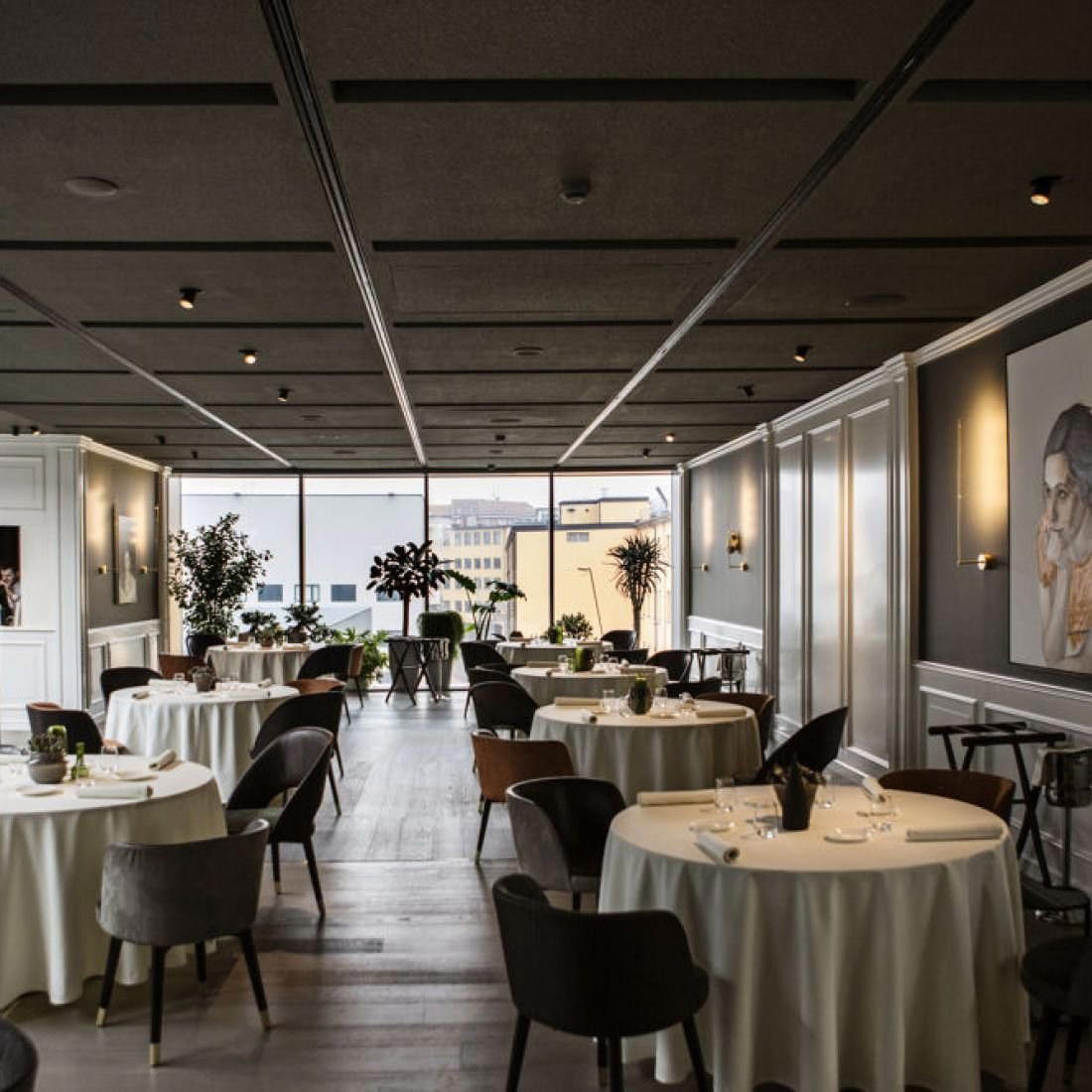
Bars in Milan
Browse all →
Hotels in Milan
Browse all →
At a Glance
- Intimate
- Elegant
- Minimalist
- Sophisticated
- Date Night
- Special Occasion
- Celebration
- Open Kitchen
- Chefs Counter
- Sake Program
- Sommelier Led
- Local Sourcing
- Sustainable Seafood
Current opening hours
- Monday
- Closed
- Tuesday
- 12–2:30 PM, 7:30–11 PM
- Wednesday
- 12–2:30 PM, 7:30–11 PM
- Thursday
- 12–2:30 PM, 7:30–11 PM
- Friday
- 12–2:30 PM, 7:30–11 PM
- Saturday
- 12–2:30 PM, 7:30–11 PM
- Sunday
- 12–2:30 PM, 7:30–11 PM
Hours can change for holidays and private events. Last verified .
Serene and intimate atmosphere with minimalist decor that contrasts with the bustling streets outside; soft, refined lighting that complements the visual artistry of each dish.