Our verdict
Sitting on Xuân Diệu Street in Hanoi's Tây Hồ district, Halia Restaurant occupies one of the city's most considered dining addresses along the West Lake shoreline. Where many Hồ Tây venues trade on scenery alone, Halia draws diners who arrive for the table as much as the view. Contact the restaurant directly for current hours and reservation availability.
- Address
- 29 Đ. Xuân Diệu, Quảng An, Tây Hồ, Hà Nội 100000, Vietnam
- Phone
- +84 24 3946 0121
- Website
- thehalia.com
- Directions
- Get directions
The menu
What to order
- Tamarind-spiced ribs
- Chili crab spaghetti
West Lake, Xuân Diệu, and What This Address Actually Means
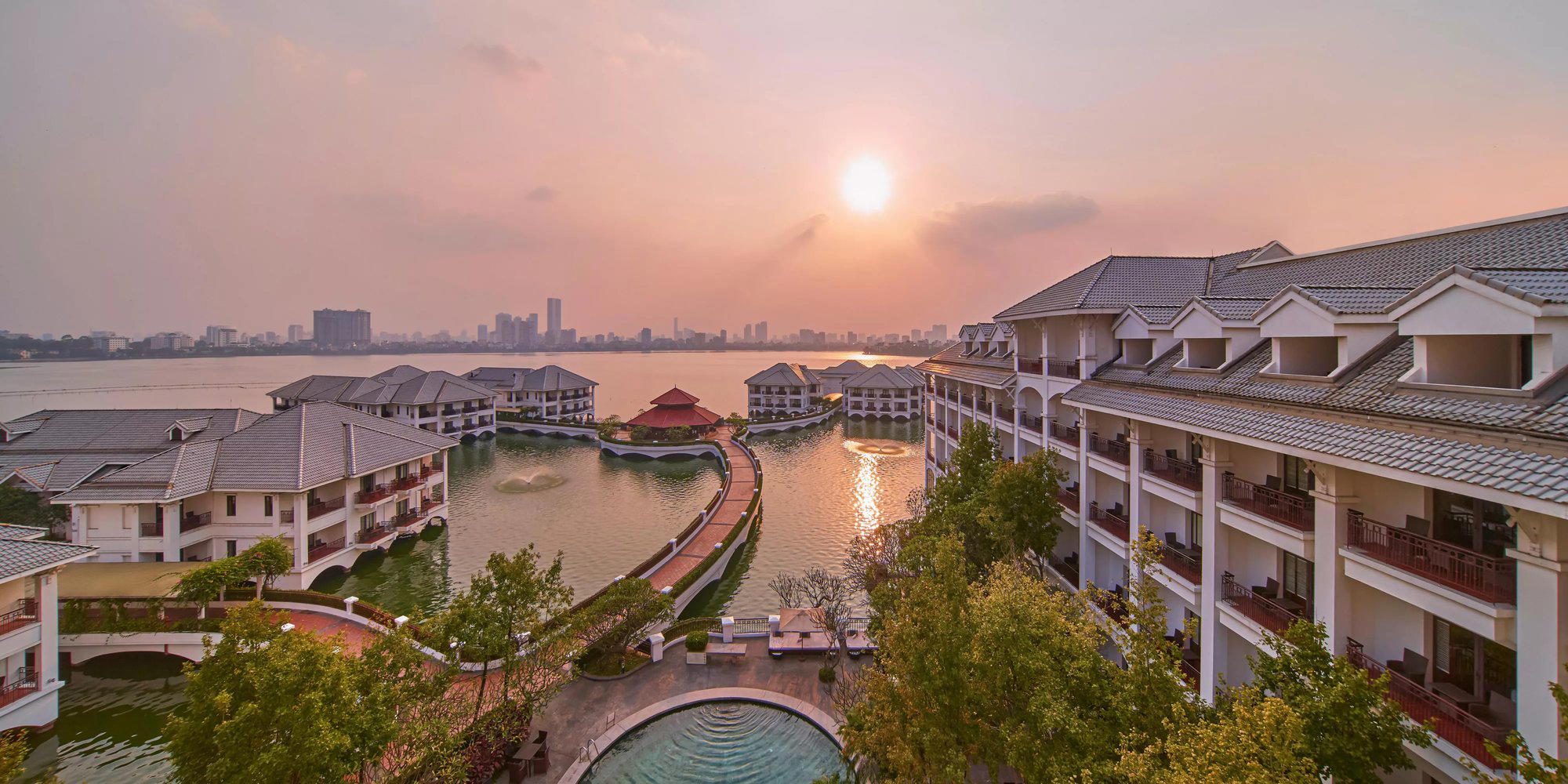
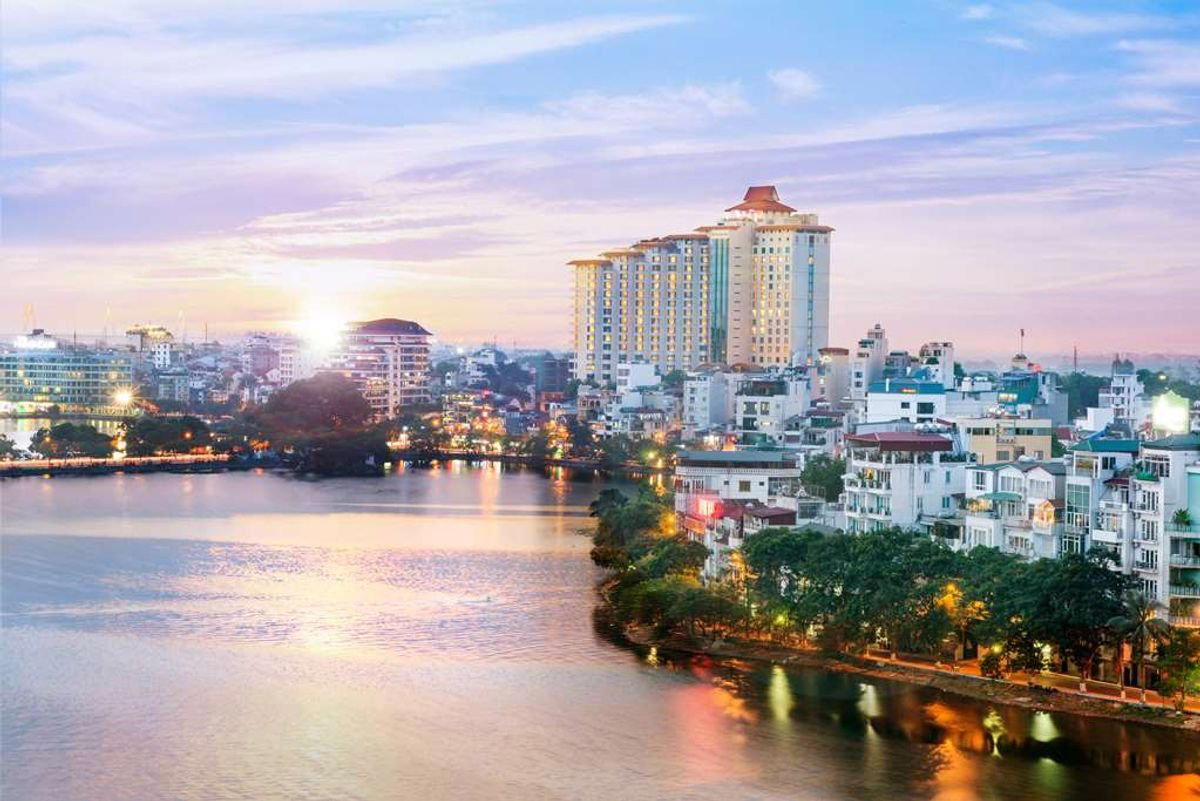
The stretch of Xuân Diệu that runs along the southern edge of West Lake (Hồ Tây) has spent the last decade becoming Hanoi's most consequential dining corridor. The address is not incidental. Halia Restaurant sits at 29 Đ. Xuân Diệu in the Quảng An ward of Tây Hồ district, a part of the city where the urban density of the Old Quarter gives way to wider streets, lakeside air, and a restaurant culture that runs at a different register. Here, the meal is expected to take time, and the setting is part of the proposition.
Tây Hồ has always occupied a particular position in Hanoi's social geography. Embassies cluster nearby, and the expatriate and diplomatic community that settled here decades ago pulled along a restaurant scene that learned to speak to international palates without abandoning local character. That dual fluency is now the defining trait of the Xuân Diệu strip, which operates as a kind of premium dining tier distinct from both the street-food density of the Old Quarter and the hotel-dining formality of the Hoàn Kiếm lakeside. Halia fits within that context: a sit-down address on a street where sitting down well is the whole point.
The Dining Culture of the Tây Hồ Corridor
To understand where Halia sits in Hanoi's restaurant hierarchy, it helps to map the broader Tây Hồ dining pattern. The neighbourhood rewards those who arrive on foot or by taxi rather than by instinct. Venues here tend not to advertise loudly. They rely instead on accumulated local reputation and the kind of word-of-mouth that moves through the city's expatriate networks, business traveller circles, and the growing tier of Vietnamese diners who treat Tây Hồ as the city's most natural setting for a considered meal. For reference, contemporaries like Gia and Hibana by Koki operate at the ₫₫₫₫ tier in Hanoi, representing the upper band of what the city's non-hotel dining scene currently prices. The positioning of any Xuân Diệu restaurant within or below that bracket tells you something about its intended audience.
The contrast with Hanoi's mid-range Vietnamese dining is instructive. Venues like Tầm Vị at the ₫₫ tier serve a different function: accessible, neighbourhood-rooted, often focused on a single culinary tradition. Tây Hồ's premium strip, by contrast, tends toward broader menus and longer evenings. The lake view is not decoration; it is part of what justifies the longer table turn and the higher spend per head that the corridor's economics require.
Hanoi's West Lake Against Vietnam's Broader Fine-Dining Map
Hanoi's Tây Hồ district sits in an interesting position relative to Vietnam's other premium dining addresses. In Da Nang, La Maison 1888 operates as part of a resort structure, anchoring fine dining within a leisure property. In Ho Chi Minh City, venues like Akuna serve a faster, more commercially pressured urban market. In Hue, Saffron draws on royal culinary history as its organizing principle. Hanoi's Tây Hồ strip has no single such anchor; its identity is more diffuse, shaped by neighbourhood character and accumulated dining culture rather than a single institutional frame.
That diffusion is not a weakness. It means the Xuân Diệu corridor supports a range of formats, from casual wine-and-small-plates to longer tasting experiences, without any one venue dominating the conversation. Hội An's own mid-range offer, represented by venues like Cargo Club Cafe and Restaurant, signals how different Vietnam's regional dining formats can be even within a broadly tourist-oriented context.
What to Expect When You Arrive
The Quảng An ward address places Halia within easy reach of several of Hanoi's major hotels and the city's diplomatic quarter, which means the walk-in traffic skews toward well-travelled diners with a clear sense of what they are looking for. For those arriving from the Old Quarter, the journey by taxi takes roughly fifteen to twenty minutes depending on traffic. The neighbourhood's rhythm is slower than the Old Quarter's; the streets around West Lake tend to quiet earlier in the evening, which makes the dinner window feel more deliberate than opportunistic.
This is particularly relevant for groups or for visitors with dietary requirements, where advance communication with the kitchen is the most reliable approach regardless of the restaurant.
Dining Around Tây Hồ: The Broader Circuit
Halia is one stop within a broader dining circuit that Tây Hồ rewards when explored over multiple visits. The area around 19 P. Ngũ Xã represents another node of the neighbourhood's dining identity, while 1946 Cua Bac anchors the Vietnamese heritage dining tradition that runs alongside the more internationally inflected addresses on Xuân Diệu. For those building a Hanoi itinerary rather than a single dinner, the full Hanoi restaurants guide maps the city's dining across neighbourhoods and price tiers.
Beyond Hanoi, travellers moving through northern Vietnam will find useful reference points in venues like Le Pont Club in Hai Phong or Phuong Nhung Restaurant in Cat Hai, both of which operate within the coastal northern dining tradition. For those tracking Vietnam's regional culinary range further south, Duyên Anh Restaurant in Phu Vang, Nhà hàng Madame Lân in Hai Chau, Bau Troi Do in Son Tra, and Mi Quang Ba Vi in Thanh Khe each represent distinct points on that map. For diners whose reference points extend beyond Vietnam entirely, international comparisons at the precision end of the dining spectrum, from Le Bernardin in New York City to Lazy Bear in San Francisco, illustrate how far the category of considered, place-rooted dining extends.
Frequently asked questions
Where exactly is Halia Restaurant?
Halia Restaurant is located at 29 Đ. Xuân Diệu, Quảng An, Tây Hồ, Hà Nội 100000, Vietnam, Hanoi.
Is Halia Restaurant suitable for a business dinner near Hanoi's diplomatic quarter?
The 29 Đ. Xuân Diệu address in Quảng An, Tây Hồ, puts Halia within direct reach of Hanoi's diplomatic quarter, a factor that has shaped the character of this entire dining strip toward quieter, table-service formats appropriate for professional meals. The West Lake setting reinforces that tone.
What's the best thing to order at Halia Restaurant?
What the Xuân Diệu address signals is a kitchen oriented toward the Tây Hồ dining standard, where the expectation is produce-driven cooking aligned to Hanoi's seasonal calendar. Check directly with the restaurant for current menu details before visiting.
Can I walk in to Halia Restaurant?
Halia sits on Xuân Diệu in the Quảng An ward of Tây Hồ, a strip that draws consistent traffic from Hanoi's diplomatic quarter and nearby hotels. The address at 29 Đ. Xuân Diệu is the reference point for any reservation inquiry.
What's the defining dish or idea at Halia Restaurant?
No signature dish or overarching culinary concept is confirmed in available documentation for Halia. The Xuân Diệu corridor context places it among Hanoi's more considered dining addresses, where kitchens typically work within Vietnamese or contemporary Asian frameworks.
Is Halia Restaurant allergy-friendly?
Allergy and dietary accommodation policies for Halia are published details are limited. Restaurants on the Xuân Diệu strip in Tây Hồ generally serve an international clientele given proximity to Hanoi's diplomatic quarter, which often correlates with awareness of dietary requirements. Confirming specific needs with the restaurant before booking is the practical step here. Check the venue's official channels for the latest details.
The Essentials
| Venue | Cuisine | Price | Awards | Notes |
|---|---|---|---|---|
| Halia RestaurantThis venue — the venue you are viewing | Contemporary European with Asian Fusion | Not listed | Not listed | Not listed |
| Gia | Modern Vietnamese Fine Dining | $100–150 | 1 Michelin Star · La Liste Top Restaurants | Vietnamese Contemporary, ₫₫₫₫ |
| Hibana by Koki | Michelin-Starred Japanese Teppanyaki | $200–300 | 1 Michelin Star · La Liste Top Restaurants | Teppanyaki, ₫₫₫₫ |
| Tầm Vị | Northern Vietnamese Home-Style | $10–20 | 1 Michelin Star | Vietnamese, ₫₫ |
| Bun Cha Ta (Nguyen Huu Huan Street) | Authentic Vietnamese Bun Cha | $1–10 | Michelin Bib Gourmand | Noodles, ₫ |
| Chapter | Modern Northern Vietnamese Fine Dining | $50–100 | Michelin Plate · Star Wine List | Nordic, Vietnamese Contemporary, ₫₫₫₫ |

Details
- Elegant
- Romantic
- Sophisticated
- Date Night
- Business Dinner
- Group Dining
- Garden
- Standalone
- Craft Cocktails
- Garden
- A La Carte
- Small Plates
- Cocktails
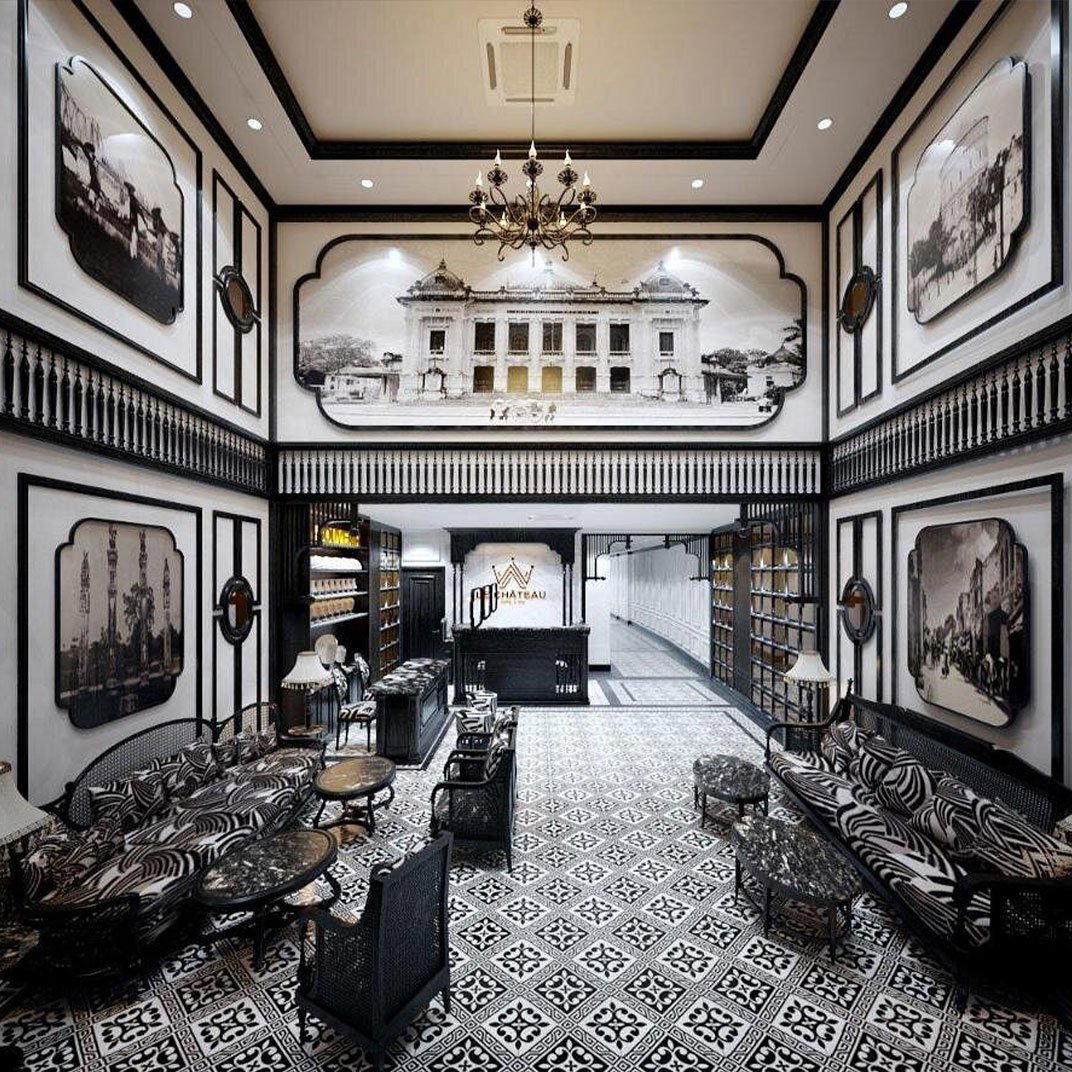
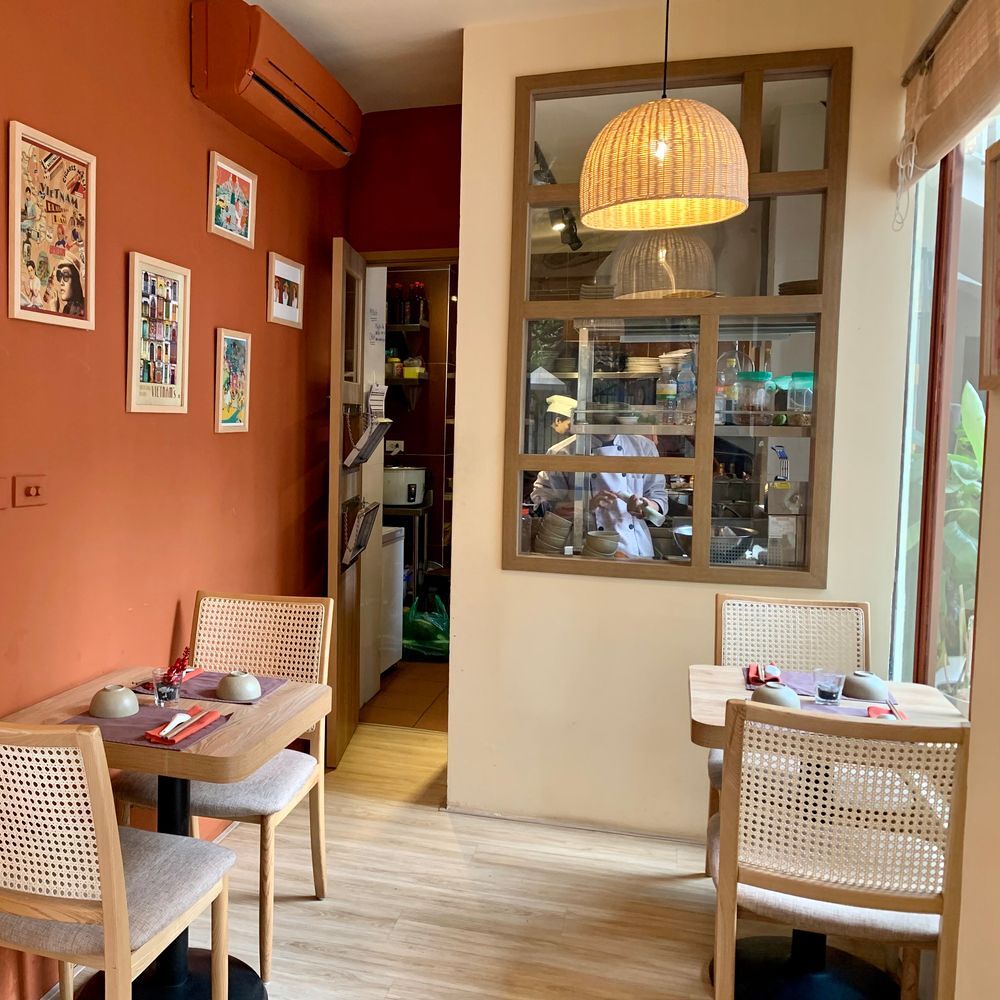
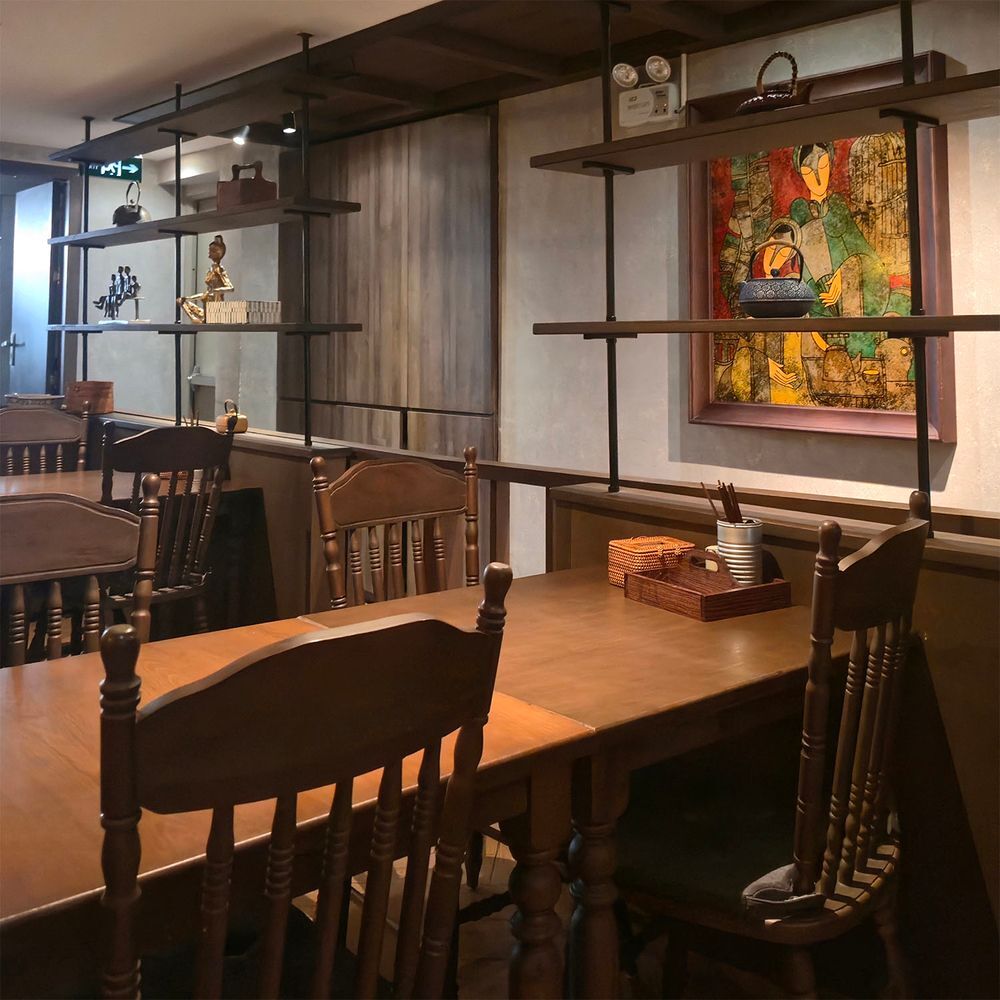
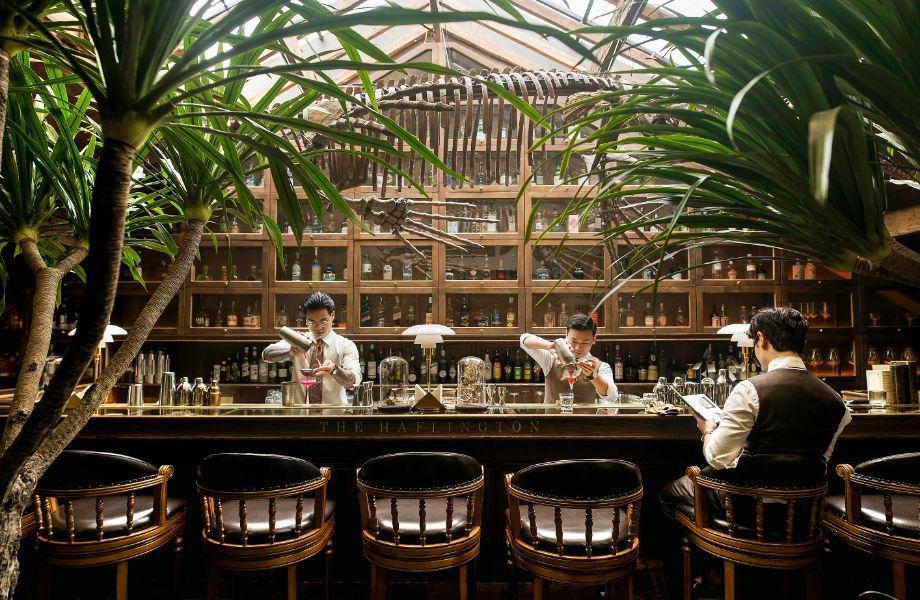
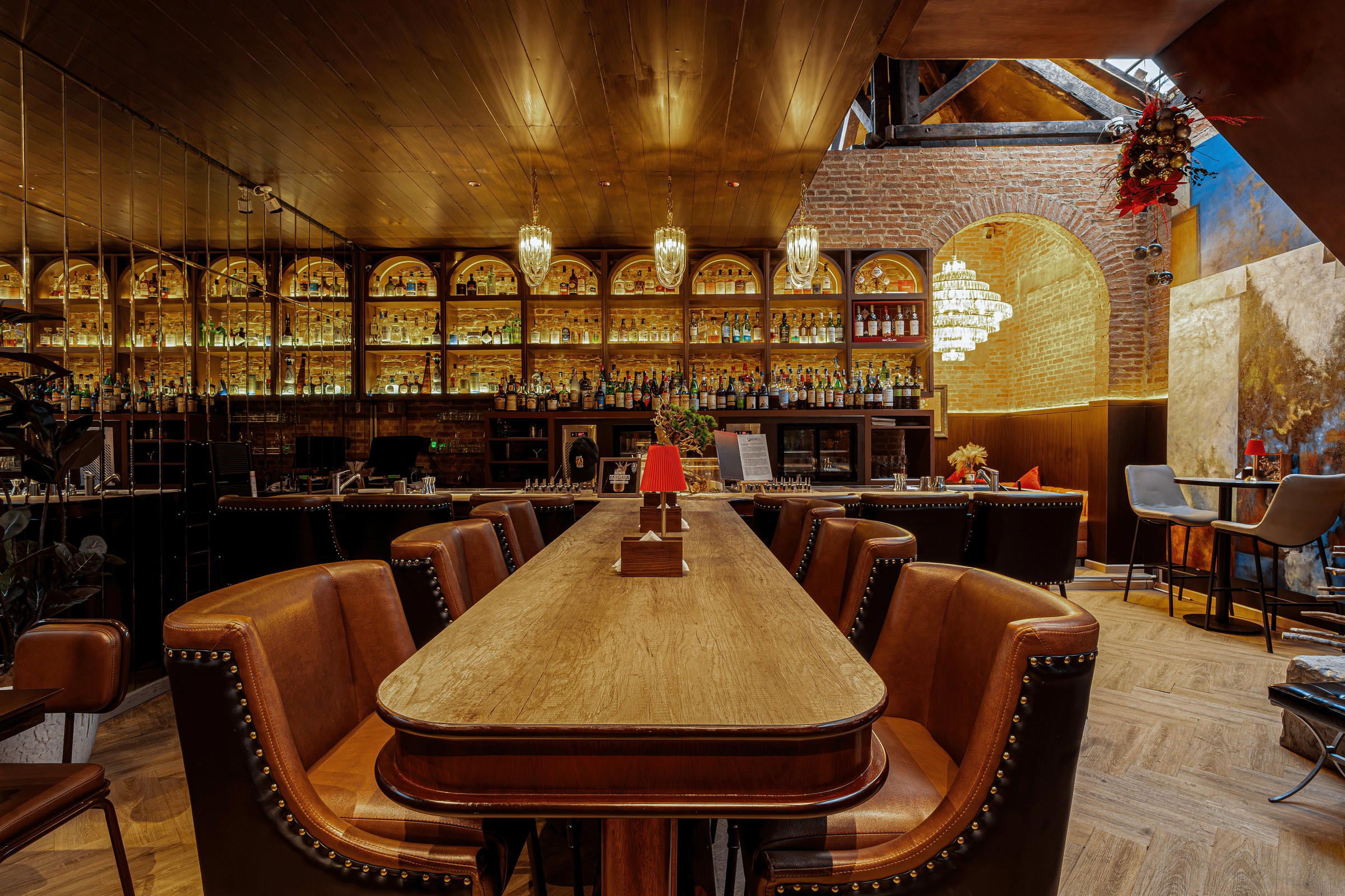
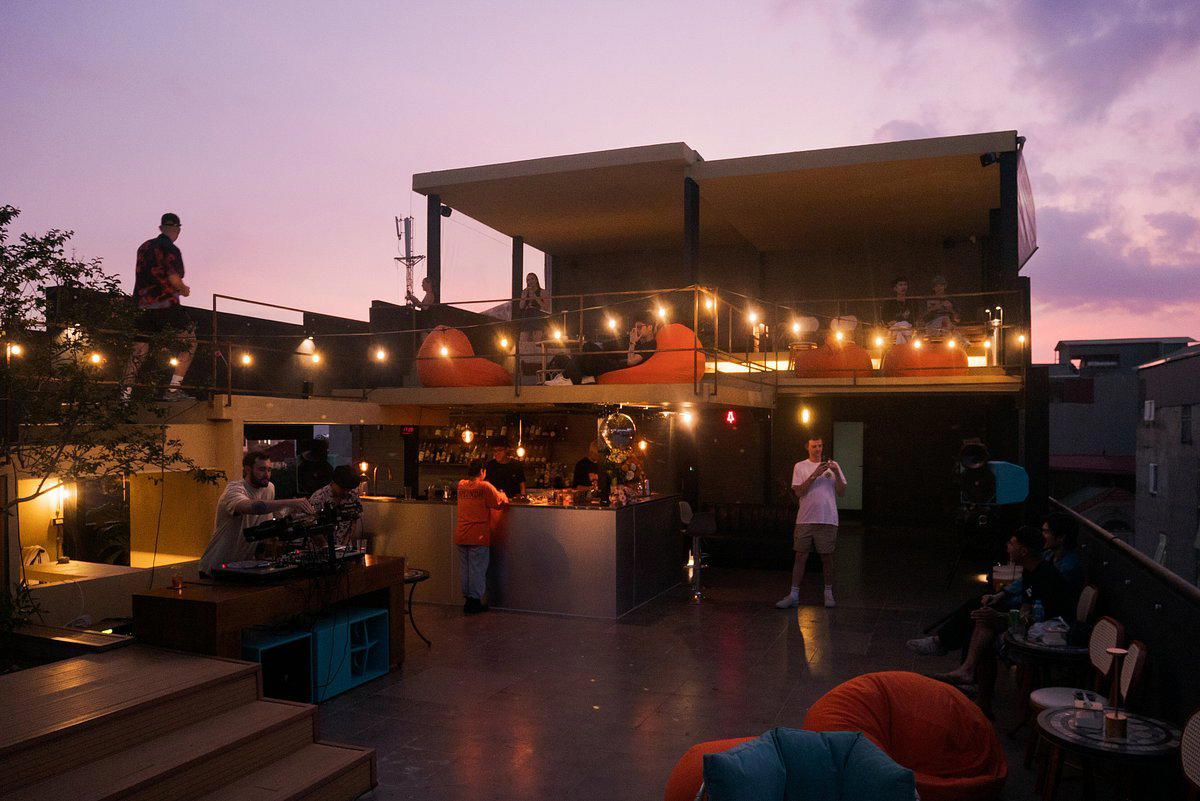
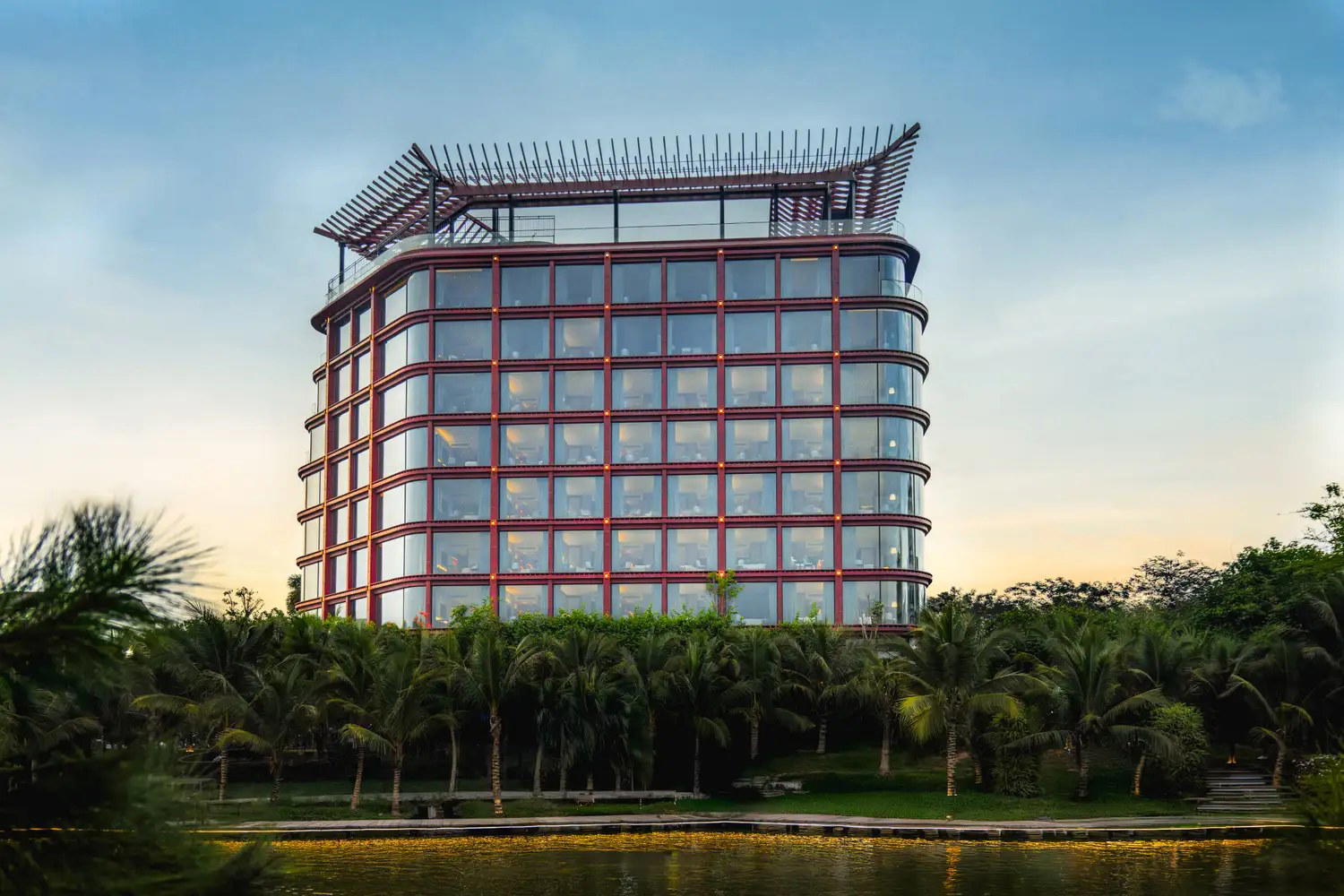
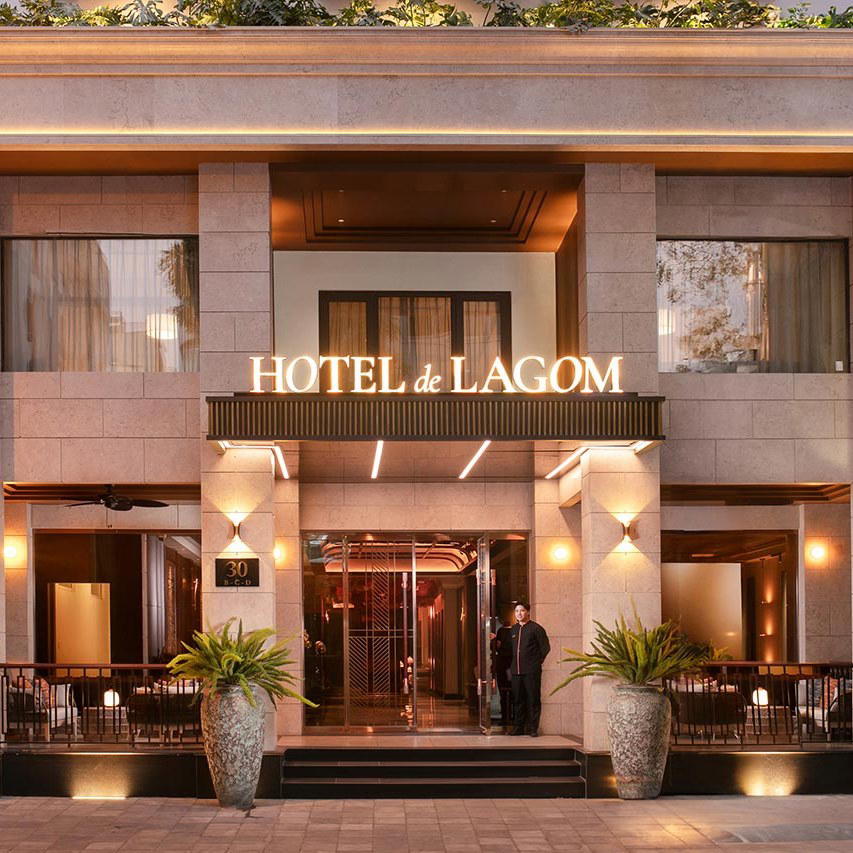
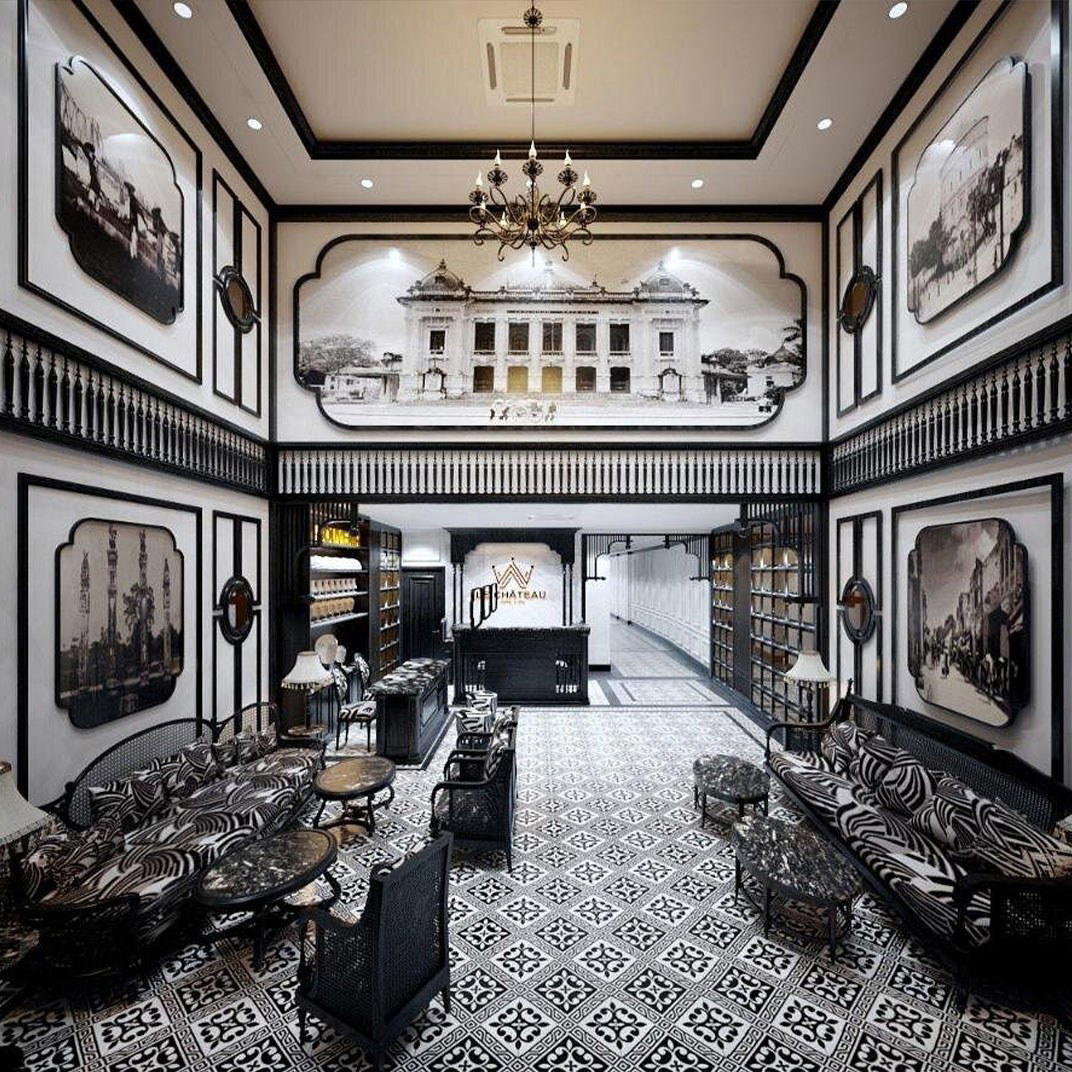
Elegant and peaceful atmosphere designed with impressive items, ideal for isolating from work stress and enjoying an interesting dining experience.