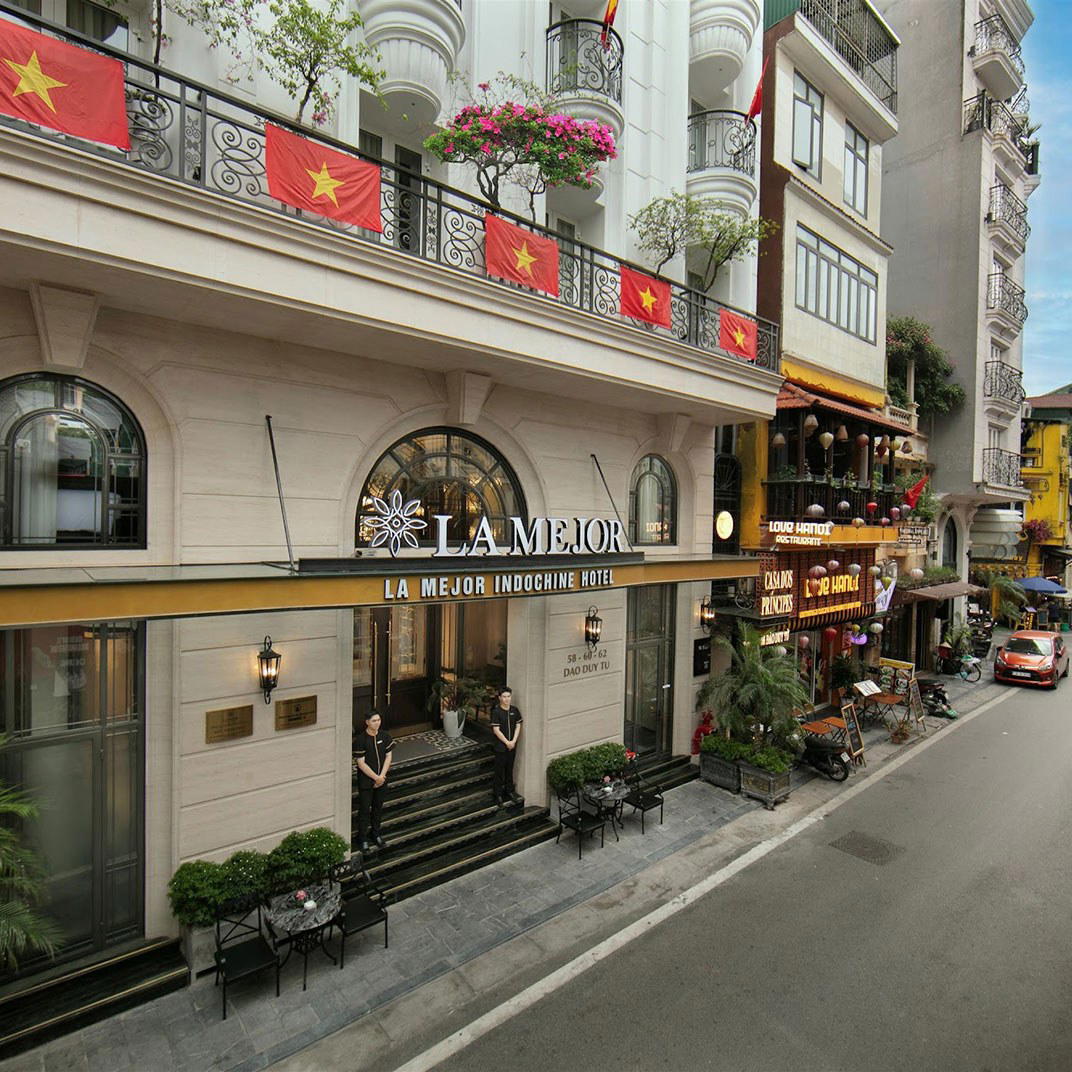
An address on Hanoi's Phúc Tân waterfront that sits within one of the Old Quarter's quieter residential fringes, 12 P. Phúc Tân draws visitors who have already worked through the obvious stops and are looking for something the main tourist corridors don't offer. The Hoàn Kiếm district setting places it close to the Red River embankment, where Hanoi's relationship with its produce markets and street-level food culture remains more legible than in the city's newer quarters.

Pearl is the En Primeur Club membership app, where members save venues, book tables and use the concierge.
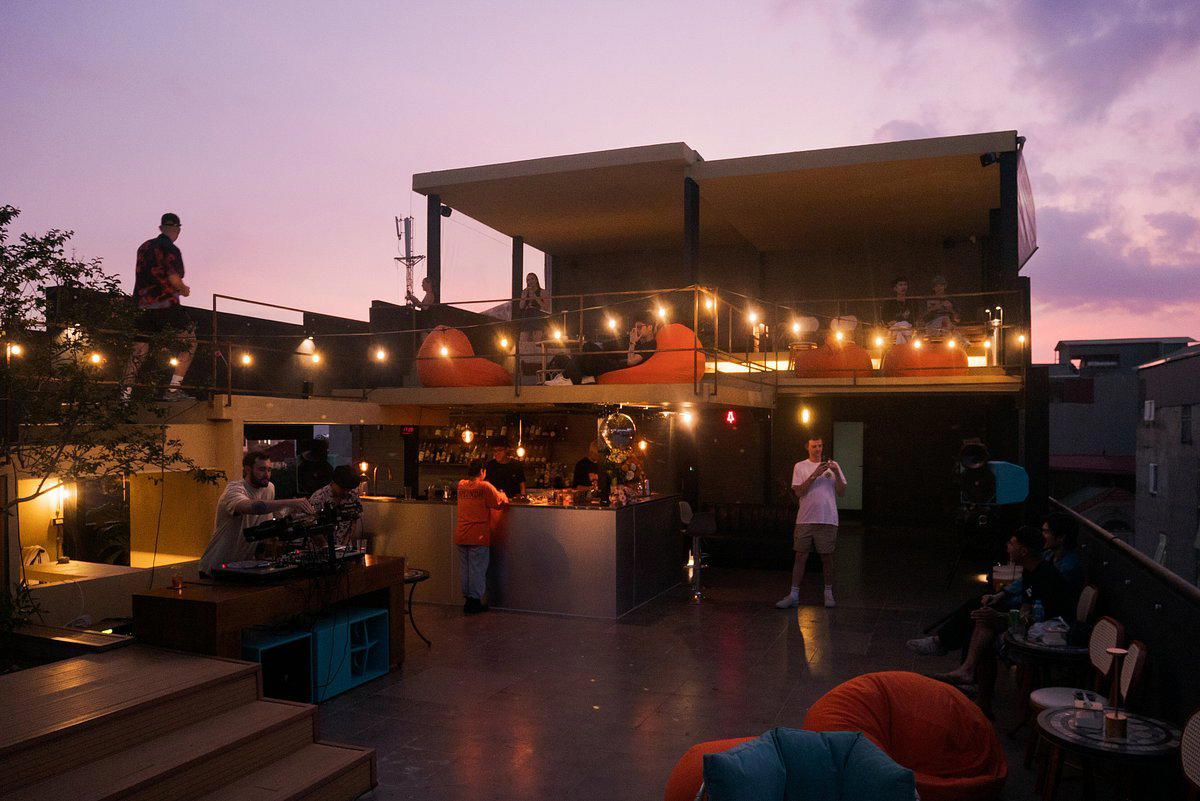
The Phúc Tân Waterfront and What It Tells You About Hanoi's Food Geography
Hanoi's dining scene divides along lines that are easy to miss on a first visit. The Hoàn Kiếm district gets the bulk of the attention, its Old Quarter lanes, the walking street around Hồ Hoàn Kiếm, and the tourist-facing restaurants clustered around Tạ Hiện. But push east toward the Red River and the character changes. Phúc Tân is a residential ward that runs along the embankment, and it has long operated as a supply-side neighbourhood rather than a destination one: markets, workshops, the kind of street infrastructure that feeds the rest of the city rather than performing for it. Eating here, or drinking here, means engaging with a part of Hanoi that operates beyond the main tourist circuit.
That geographic context matters for understanding what draws people to an address like 12 P. Phúc Tân. The Red River corridor has historically been where Hanoi's agricultural produce arrives, vegetables from the Red River Delta, freshwater fish from the river itself, herbs grown on the sandy riverbanks north of the city. This is logistics. The proximity of Phúc Tân to those supply lines is what gives the ward its food-market character, and that character shapes what any serious food or drink operation in the area draws on.
Ingredient Geography: Why the Red River Delta Changes the Equation
Northern Vietnamese cooking is built on a different set of assumptions than the food of the south. The ingredient palette is cooler-climate: bitter greens, root vegetables, freshwater proteins, broth-heavy preparations that reflect a landscape where the growing season has genuine limits. Hanoi has always cooked from that palette, but the gap between how that cooking is practised in the city's tourist zones versus its working residential wards is significant. In the former, northern Vietnamese food is often presented in a flattened, accessible form, the pho is there, the bun cha is there, but the sourcing has been standardised, the supply chain abstracted. In areas like Phúc Tân, the supply chain is still visible.
The Red River Delta produces some of Vietnam's most closely watched agricultural ingredients: Hai Duong carrots, Red River catfish, the small aromatic herbs that don't travel well and so are consumed close to where they grow. A food operation in Phúc Tân has geographic access to those ingredients in a way that venues on the other side of the Old Quarter simply don't. Whether that access is fully used depends on the kitchen, but the proximity is a structural advantage that locations deeper in the tourist quarter can't replicate.
Where 12 P. Phúc Tân Sits in Hanoi's Broader Scene
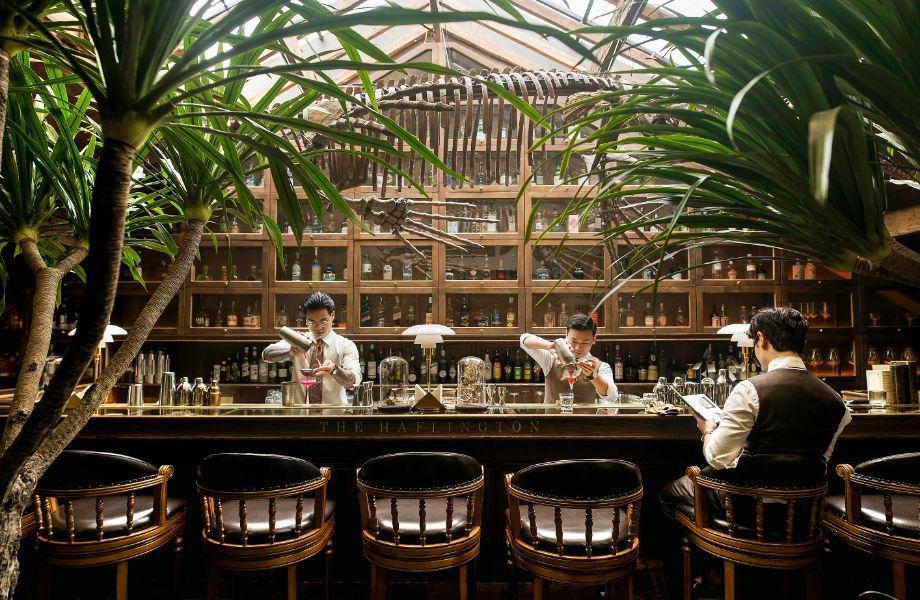
Hanoi's food and drink scene has been developing in two directions simultaneously. One axis runs toward the polished, internationally legible, wine bars, cocktail programs, chef-driven tasting menus that compete on credentials. Venues like The Haflington, The Hudson Rooms, and Workshop14 represent that trajectory, considered programs, design-conscious spaces, a clear pitch to a cosmopolitan clientele. The other axis runs toward neighbourhood specificity: places where the draw is geographic and cultural rather than curatorial.
The Phúc Tân address puts 12 P. Phúc Tân firmly on that second axis. The Hoàn Kiếm ward is dense enough that even a few hundred metres of distance from the main tourist drag shifts the competitive set entirely. On Tạ Hiện, Hanoi's most visited bar street, where 20 P. Tạ Hiện anchors one end, volume and visibility drive the room. In Phúc Tân, the visitor self-selects: they've done the obvious circuit and are now looking for something the walking-street format doesn't offer.
That self-selection dynamic shapes the atmosphere as much as any design decision. The people who find an address like this tend to have some orientation toward the city already, and that changes the room's texture in ways that are difficult to manufacture artificially. It is also worth noting that Hanoi's waterfront neighbourhoods are increasingly drawing interest from both local creatives and the kind of international traveller who reads city coverage with some depth, a pattern visible across Southeast Asian cities where riverfront and post-industrial zones have become proxies for a more grounded urban experience. For a broader view of where this address fits within Hanoi's food geography, the full Hanoi restaurants guide maps those patterns in more detail.
Hanoi in the Context of Northern Vietnamese Food Culture
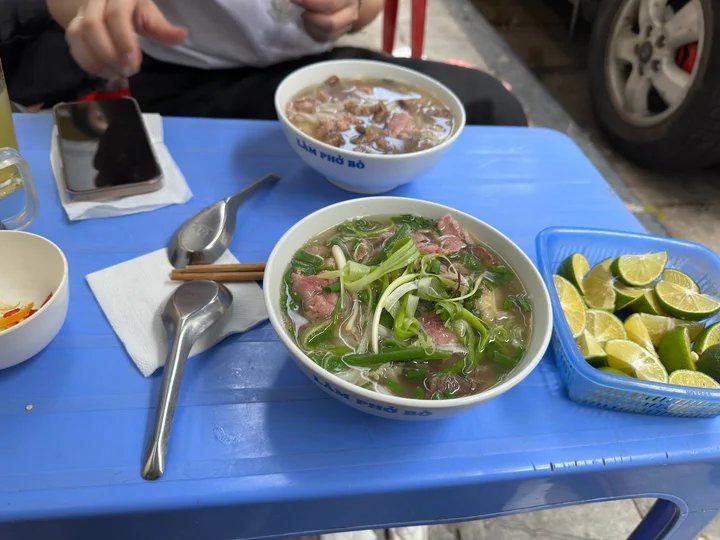
Understanding any Hanoi address requires understanding what northern Vietnamese food culture demands of its practitioners. The cooking tradition here is conservative in the leading sense: technique is transmitted carefully, sourcing is treated as a craft element, and the relationship between a dish and its specific local ingredients is not considered interchangeable. Pho broth made with southern Vietnamese shortcuts, added sweetness, MSG-forward seasoning, shorter cooking times, is identifiably different to a practised palate. The same logic applies to bun cha, bun rieu, and the dozens of other preparations that Hanoi claims as its own.
That conservatism creates a quality floor that is genuinely higher than in cities where the same dishes are prepared without that cultural pressure. It also creates a context in which sourcing matters in a direct, legible way: a kitchen in Phúc Tân that uses river fish from local suppliers and herbs from the sandy banks of the Red River is cooking in a tradition that validates that sourcing as a quality signal, not just a marketing point.
Across Vietnam more broadly, the conversation about ingredient provenance has been accelerating. In Ho Chi Minh City, bars and restaurants have been building programs around local fermentation and regional spirits, a movement documented in venues like those covered in EP Club's Drinking and Healing in Ho Chi Minh City feature. In central Vietnam, the Hoi An Brewing Company Tap Room and Riverside Beer Garden has made regional ingredients part of its identity. Further afield, venues in secondary Vietnamese cities, from United Bar in Thanh Khe to Le Pont Club in Hai Phong, are building their own local-facing programs. Hanoi's waterfront wards are part of that same national trend toward place-specific food and drink, even if the expression is more understated than in the south.
Planning a Visit
Phúc Tân sits east of the Old Quarter's main commercial spine, accessible on foot from the Hoàn Kiếm lakefront in under fifteen minutes, though the walk takes you away from the pedestrian-friendly zones and into denser street traffic. The neighbourhood is most naturally reached by xe om or rideshare from the central Old Quarter. Phúc Tân is also close enough to the Long Biên Bridge that a visit pairs well with the early-morning market activity that takes place on and around the bridge, a different register of Hanoi entirely from the evening bar circuit. For those planning an evening that extends into cocktail territory, Genji Bar in Cam Pha, Le Rendez Vous in Da Nang, and Bar Leather Apron in Honolulu offer useful reference points for what considered regional bar programs look like at their most developed.
Comparable Spots, Quickly
Comparable venues nearby, for context on price, style, and recognition.
| Venue | Cuisine | Price | Notes |
|---|---|---|---|
| 12 P. Phúc TânThis venue (the venue you are viewing) | rooftop_bar | Not listed | Not listed |
| Binh Minh Jazz Club | lounge | $10–20 | Hoan Kiem |
| Nola Cafe & Bar | lounge | $10–20 | Hoan Kiem |
| Artisan | cocktail_bar | $10–20 | Long Bien |
| Cama ATK | cocktail_bar | Not listed | Hai Ba Trung |
| Bar Betta | cocktail_bar | Not listed | Ba Dinh |
Continue exploring
More in Hanoi
Bars in Hanoi
All bars in Hanoi →
Details
- Lively
- Energetic
- Late Night
- Group Outing
- Rooftop
- Panoramic View
- Lounge Seating
- Outdoor Terrace
- Skyline
- Street Scene
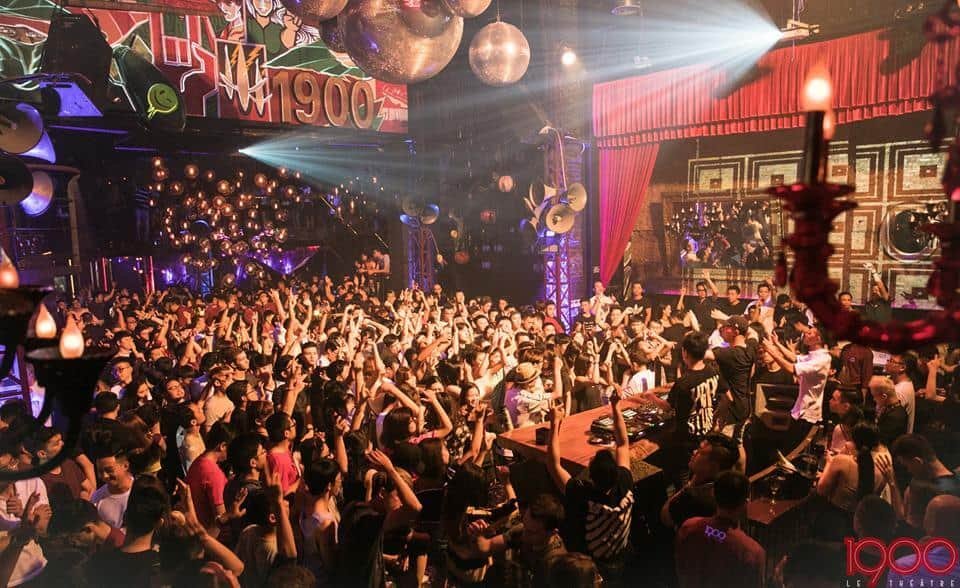
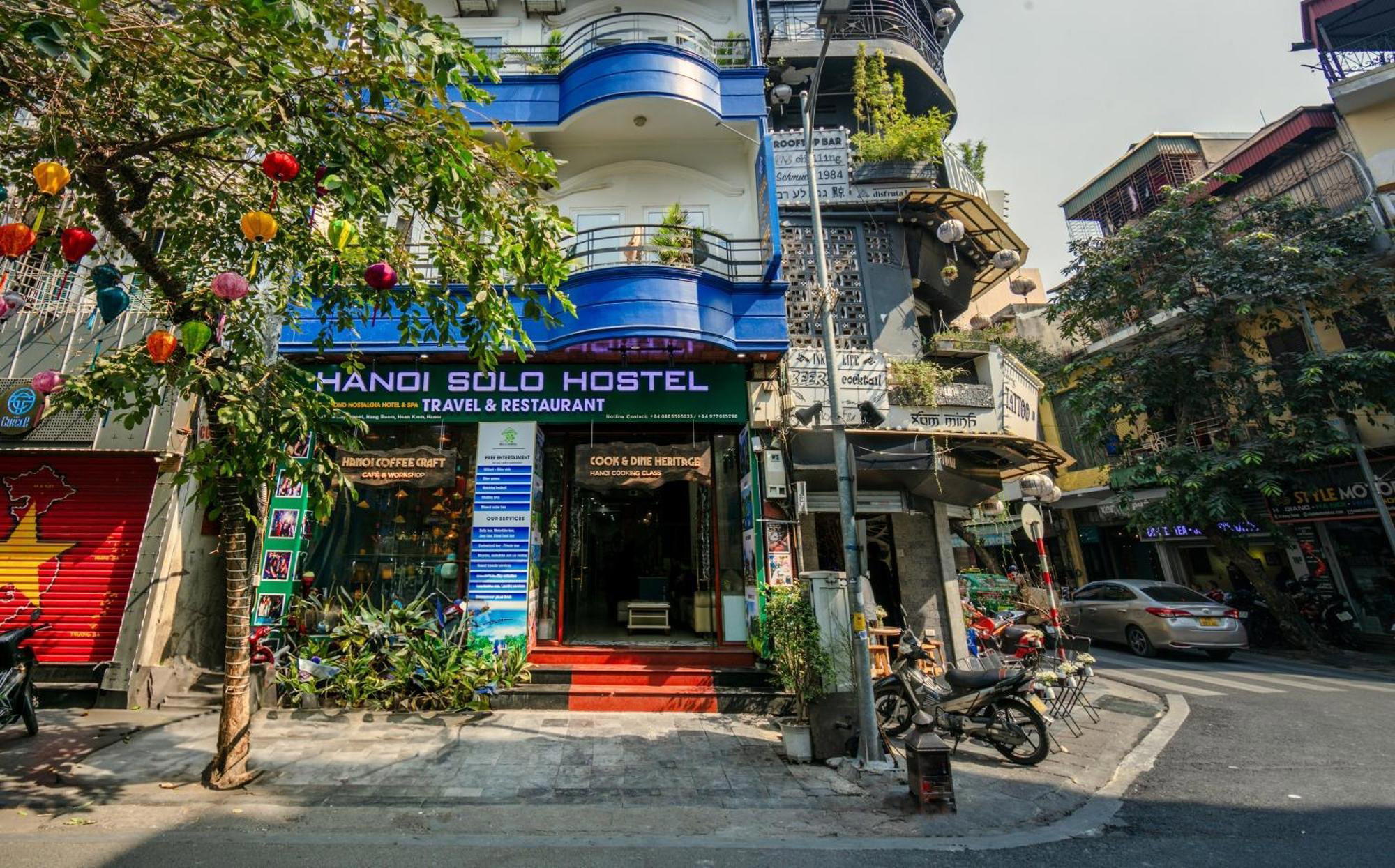
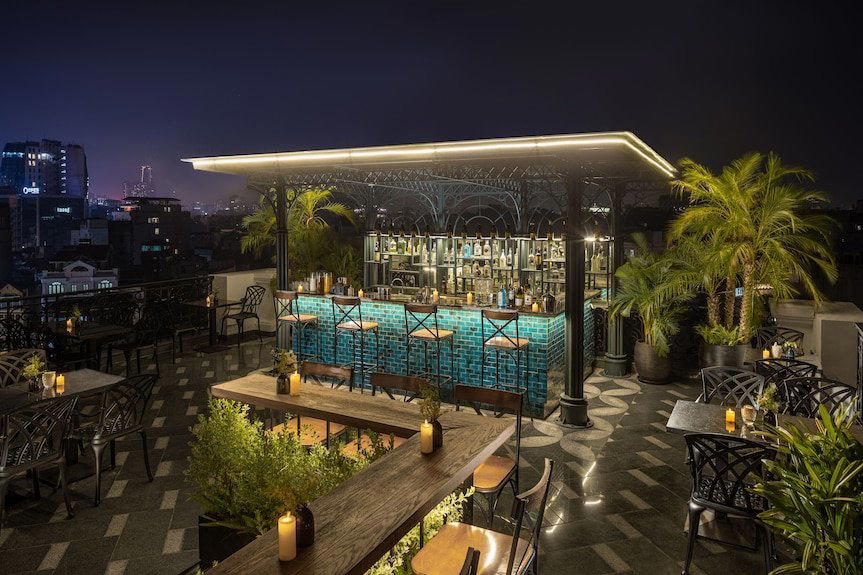
Lively house vibe with electrifying atmosphere and panoramic city views.