
Travel + Leisure It List Hotels
Dusit Le Palais Tu Hoa Hanoi sits on the northwest edge of Hanoi's West Lake, named after a 12th-century silk-weaving princess whose legacy shapes a 300-piece art collection across 207 rooms and common spaces. Rates from $114 per night place it in the mid-to-upper tier of Hanoi's hotel market, with dining spanning a Thai kitchen, alfresco Vietnamese breakfast, and a cocktail lounge drawing on local ingredients.

Pearl is the En Primeur Club membership app — saves, bookings, and concierge access live there. Same editors, same standards.
- Address
- Hanoi, Vietnam
- Website
- dusit.com
- Directions
- Get directions
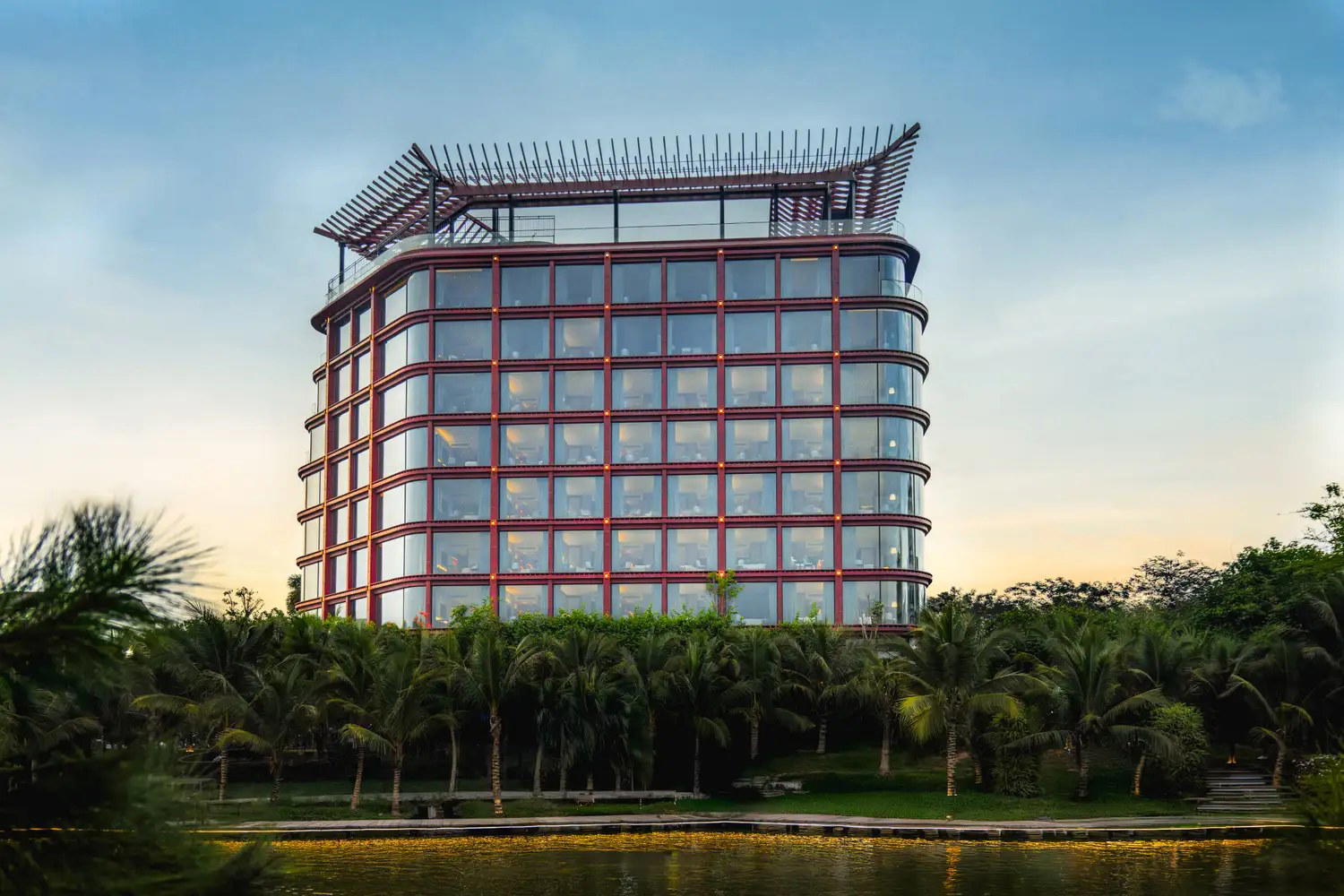
West Lake, Not the Old Quarter: Where Hanoi's Upscale Hotel Market Has Shifted
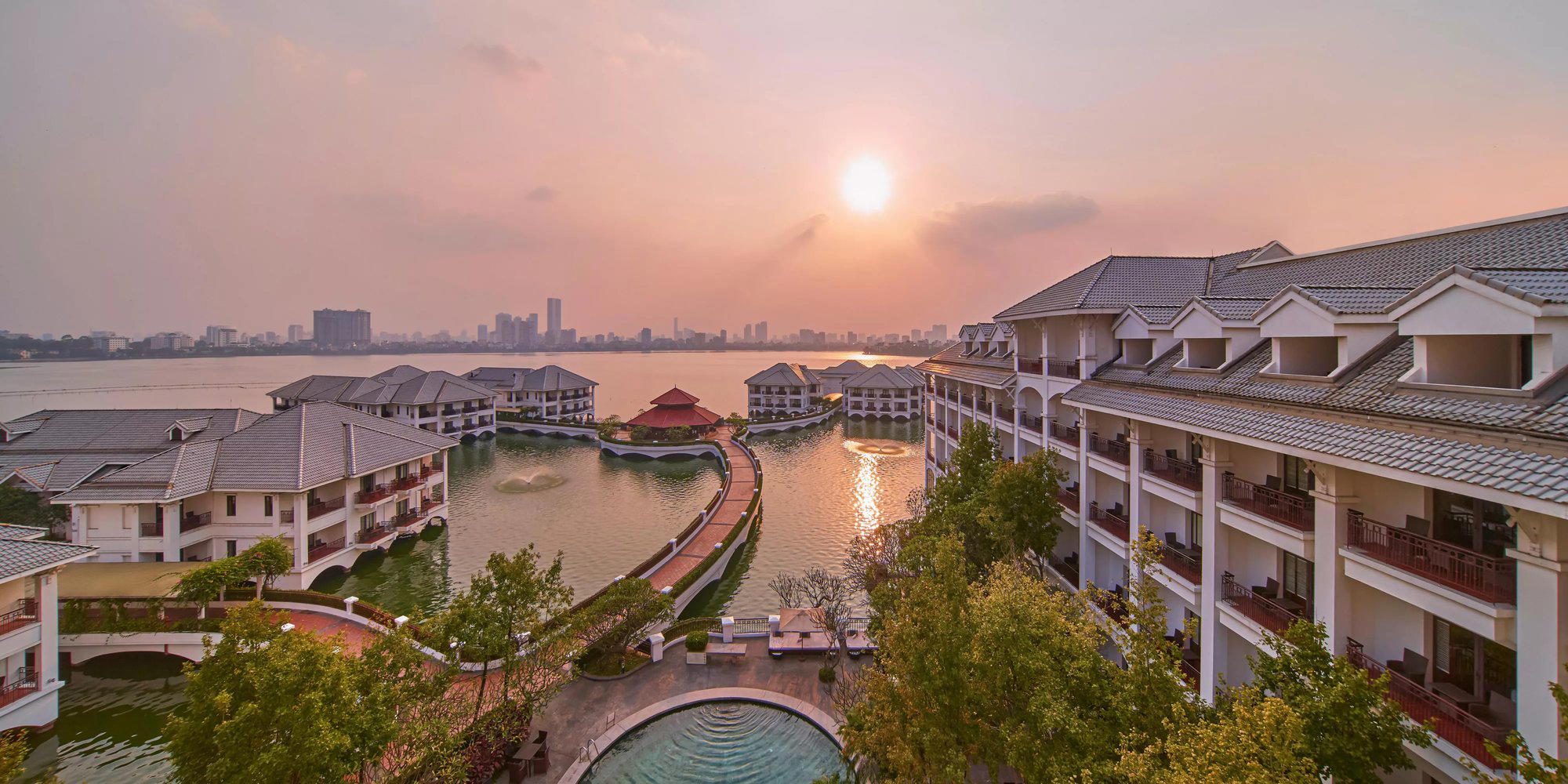
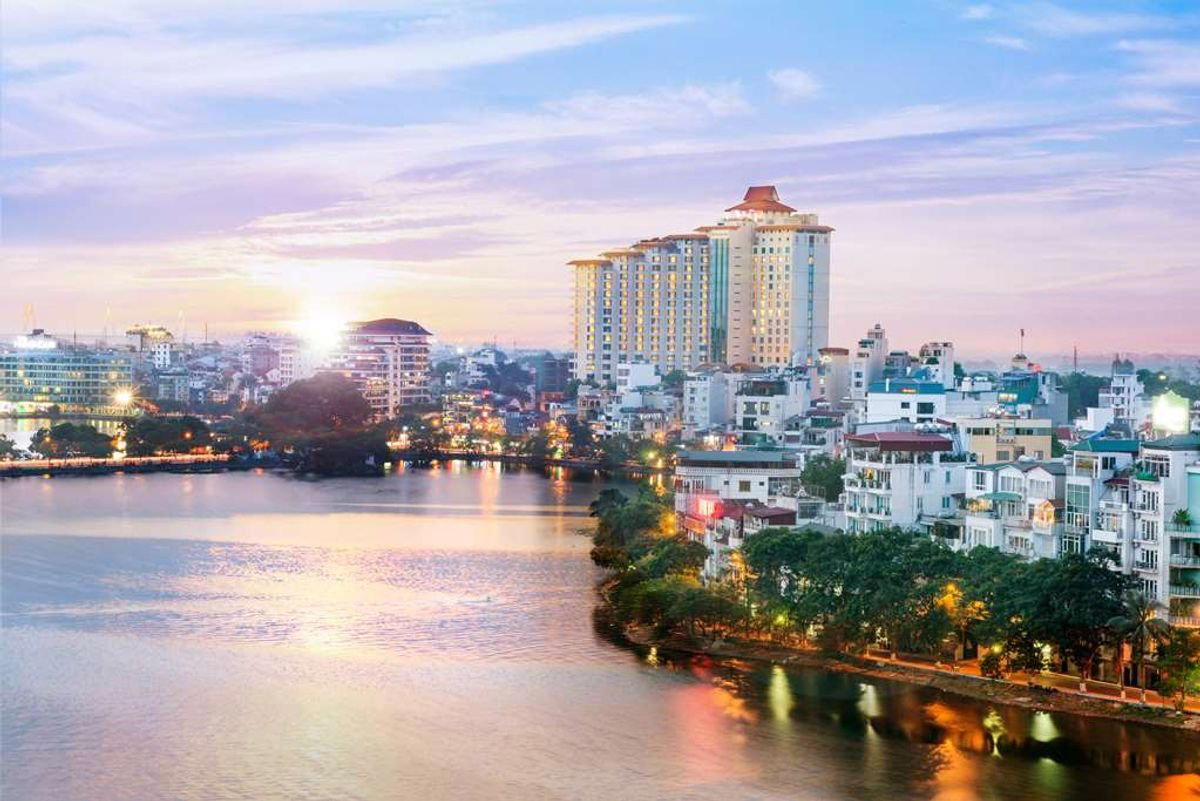
For most of the past two decades, Hanoi's premium hotel conversation was centred on the French Quarter and the edges of Hoan Kiem Lake. Capella Hanoi and Hotel de l'Opera - MGallery Hanoi both staked their identities to that colonial-era core. West Lake, the large reservoir northwest of the city centre, occupied a different register: a neighbourhood of lakeside cafés, boutique restaurants, and weekend cycling routes used by residents more than visitors. That positioning has changed. International hotel groups have moved into the district, and Dusit Le Palais Tu Hoa Hanoi — Thai hospitality group Dusit Hotels' second Vietnam property — represents the clearest signal of the area's reorientation toward design-led, story-driven accommodation.
The neighbourhood itself is worth the contextual note. While Train Street draws selfie traffic and the Old Quarter absorbs the volume tourists, West Lake functions as the city's low-pressure counterpoint: cafés opening onto the water, streets lined with independent boutiques, a pace that owes more to Hanoi's residential identity than its tourist infrastructure. For a hotel that draws heavily on local narrative and craft, the placement is deliberate.
A Princess, a Pottery Village, and 300 Works on Silk
Vietnamese luxury hotels have increasingly split between two modes: the restored colonial property, which trades on French architectural heritage, and the newer-build property that attempts to construct cultural identity from scratch. Dusit Le Palais Tu Hoa Hanoi belongs to the second category, and the vehicle for that identity is the 12th-century princess Từ Hoa, credited historically as a pioneer of Hanoi's silk-making tradition.
That's not a decorative premise. The hotel's 300-piece art collection, distributed across common spaces and its 207 rooms, takes the princess as its organising theme. In the lobby, a three-panel watercolour on silk depicting her palace serves as the primary statement piece. At reception, four panels of pink-and-gold ombré wall art are made from ceramic tiles sourced from Bát Tràng Pottery Village, a production centre on Hanoi's eastern fringe with a documented history stretching back centuries. The sourcing matters: Bát Tràng pieces appear throughout Vietnamese premium interiors as a shorthand for artisanal credibility, and the connection here is substantive rather than gestural.
The hotel's environmental and community positioning follows logically from this procurement approach. Drawing materials and craft from established local suppliers rather than importing international finishing is a pattern more hotels in Southeast Asia's mid-to-upper tier are adopting, both for authenticity signals and for the supply-chain legibility that increasingly matters to a certain category of traveller. Among comparable properties, Essence d'Orient Hotel & Spa, Aira Boutique Hanoi Hotel & Spa, the integration of a named, historically documented cultural figure as both the art program's anchor and the hotel's identity narrative is a less common structural choice.
The Rooms: Neutral Ground for Strong Views
The 207 guest rooms take a restrained approach to their own interiors, favouring neutral palettes that function as background for the floor-to-ceiling windows. At West Lake, that's a reasonable trade: the water views provide the visual weight that patterned surfaces would otherwise compete with. The art collection's presence is felt in common areas rather than rooms themselves, which keeps the accommodation side calm without being generic.
Rates from $114 per night position the hotel below Hanoi's top tier, Capella Hanoi sits considerably higher, but above the functional mid-market. That bracket, roughly $100–$200 for a well-located Hanoi hotel with meaningful design investment, has become more competitive as brands push into West Lake and beyond. Guests looking at alternatives in the same range should compare with Hotel Château de Hanoi and Hilton Hanoi Opera, both operating in Hanoi's more tourist-dense districts.
Dining: Thai Foundations, Vietnamese Context, Local Cocktails
Hotel dining in Hanoi's upscale tier tends toward one of two approaches: a single Vietnamese restaurant with aspirations toward fine dining, or a multi-outlet model that spreads across cuisines. Dusit Le Palais Tu Hoa Hanoi takes the latter route, with an outcome that reflects the Thai group's home-market expertise sitting alongside a genuine concession to Vietnamese context.
Soi Kitchen, the hotel's Thai restaurant, operates in a space where the design continues the princess's artistic legacy into the dining environment. The menu covers both canonical Thai dishes, pad Thai, crab omelette, and fusion combinations that bridge the two cuisines: grilled fish in red curry with Vietnamese bún noodles, massaman curry served alongside a croissant. The crossover format is a reasonable read of what a mixed international-and-Vietnamese guest demographic will order, and the Thai credentials of the parent group lend the core dishes more authority than they would carry in a hotel kitchen without that lineage.
Phở Lụa, the alfresco Vietnamese outlet, is positioned primarily as a breakfast venue, with chicken pho as a central offering. Alfresco morning dining in Hanoi's humidity requires a certain tolerance for the climate, but the format mirrors how locals actually eat: pho as a morning meal eaten in open air, not a dinner-service showpiece. That alignment with local habit, rather than tourist expectation of pho as a theatrical evening experience, is the right call.
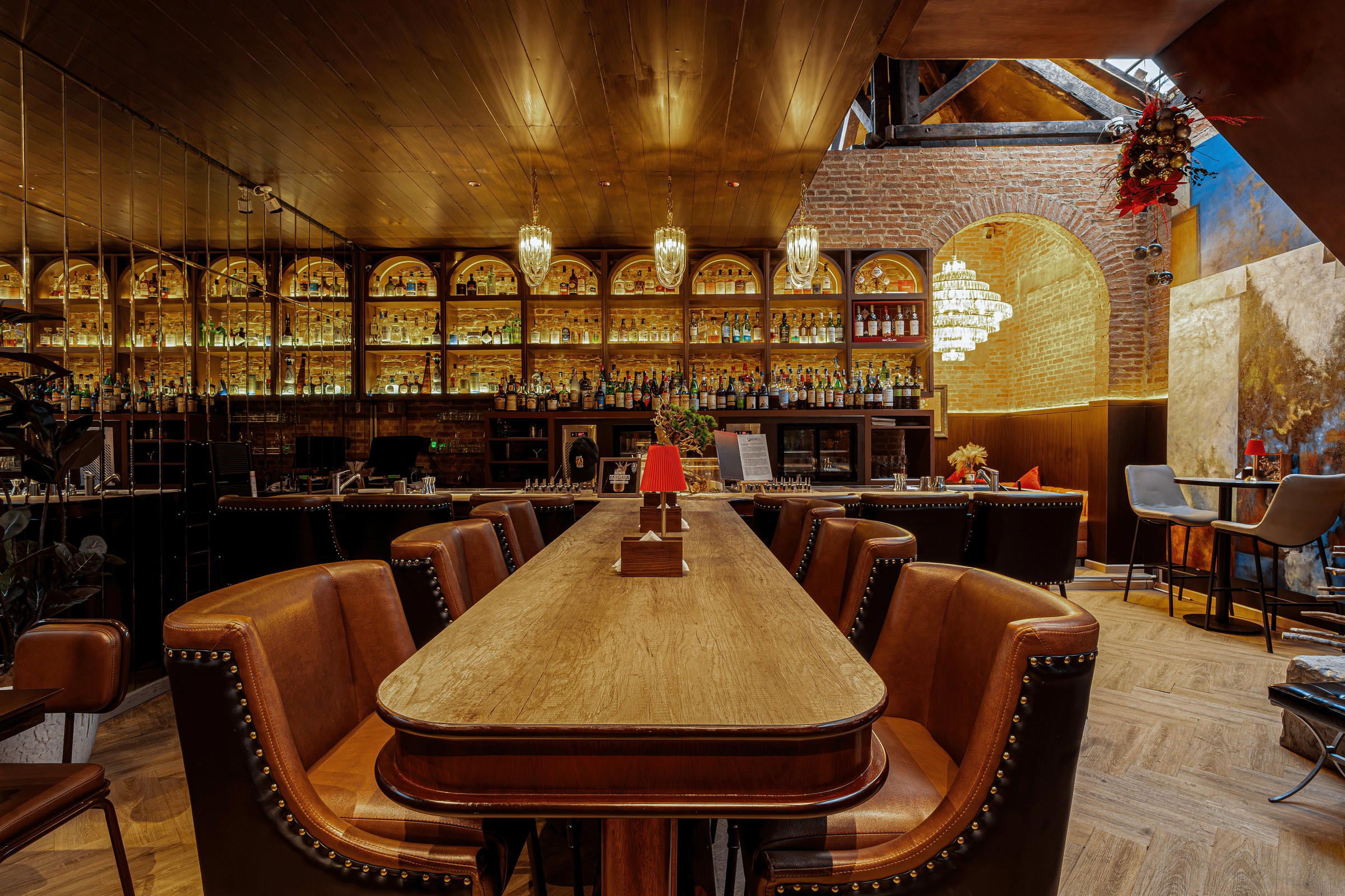
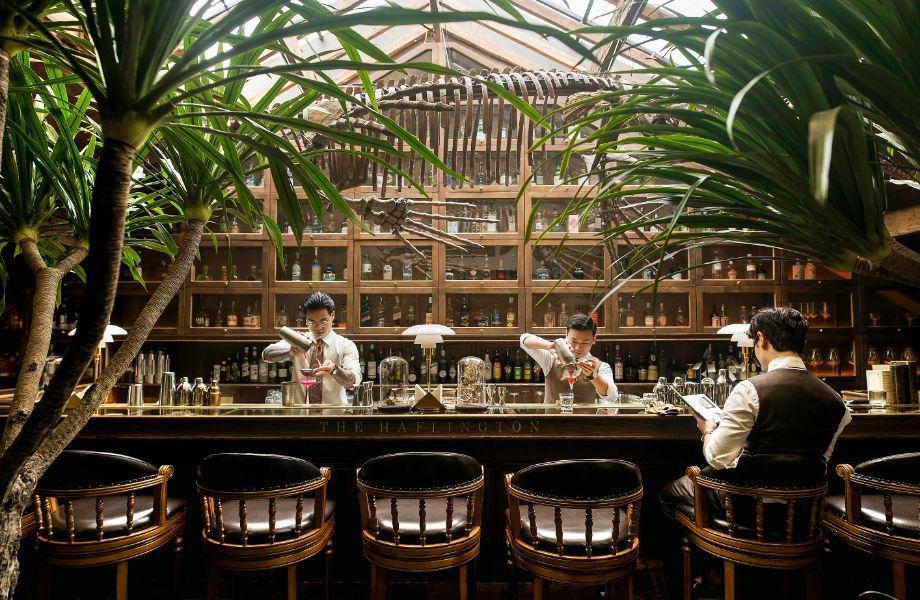
The Palais Lounge's cocktail program draws on local ingredients in ways that move beyond the obligatory lemongrass-and-ginger gestures common in Vietnamese hotel bars. The mulberry and shiitake Old Fashioned, noted by journalist Arundhati Hazra who visited the property, uses produce with genuine regional provenance. Mulberries grow around Hanoi's lake districts, and incorporating them into a drink format that international guests recognise is a more considered translation than simply listing local botanicals.
Planning Your Stay
Dusit Le Palais Tu Hoa Hanoi is located in Hanoi's West Lake district, northwest of the city centre. Room rates start from $114 per night, positioning it in the upper-middle bracket of the Hanoi market. The hotel operates 207 rooms and runs three food and beverage outlets: Soi Kitchen (Thai), Phở Lụa (Vietnamese, alfresco), and the Palais Lounge. For booking and current availability, prospective guests should contact Dusit Hotels directly through their central reservations system; the property is Dusit's second Vietnam location, and the group's established booking infrastructure handles both leisure and corporate enquiries.
For broader Hanoi hotel context, see Hanoi Royal Palace Hotel 2, Hotel de l'Opera Hanoi, and GM Premium Hotel in Hoan Kiem. Elsewhere in Vietnam, comparable design-led properties worth comparing include Amanoi in Vinh Hy, Banyan Tree Lăng Cô, Hotel Royal Gallery Hoi An, L'Azure Resort & Spa in Phu Quoc, The Anam Mui Ne, Asteria Mui Ne Resort, Amanaki Saigon Boutique Hotel in Ho Chi Minh City, Seventeen Saloon Hotel in Hai Chau, LANGCO BAY RETREAT in Hue City, The Yacht Hotel by DC in Ha Long, New Orient Hotel Da Nang, and Garrya Mu Cang Chai in Lao Cai Province. For our full city coverage, visit our full Hanoi restaurants guide. For reference from international flagship properties with comparable positioning in their respective markets, see Badrutt's Palace Hotel in St. Moritz, Hôtel de Paris Monte-Carlo, and The Fifth Avenue Hotel in New York City.
Budget and Context
Comparable venues nearby, for context on price, style, and recognition.
| Venue | Price | Awards | Notes |
|---|---|---|---|
| Dusit Le Palais Tu Hoa HanoiThis venue — the venue you are viewing | Not listed | Travel + Leisure It List Hotels | Not listed |
| Hilton Hanoi Opera | Not listed | Not listed | Hoan Kiem, Colonial-style hotel inspired by the adjacent Hanoi Opera House with modern interiors. |
| Pan Pacific Hanoi | $1–100 | World Luxury Hotel Awards WLHA Continent Winner | Ba Dinh, Luxury urban hotel blending contemporary design with Vietnamese charm |
| Fairmont Hanoi | $300–500 | Not listed | Hoan Kiem, Urban luxury flagship blending a mixed‑use tower with a high‑end Fairmont hotel, spa, and large‑scale event facilities in the historic heart of Hanoi. |
| InterContinental Hanoi Westlake by IHG | $200–300 | Michelin Selected | Tay Ho, Luxury lakeside resort blending contemporary design with Vietnamese architectural elements, positioned as Vietnam's most romantic resort. |
| Peridot Grand Luxury Boutique Hotel | $100–200 | Michelin Selected | Hoan Kiem, Art deco flair with Vietnamese influences in a contemporary luxury setting |
Recognition history
Dated appearances from independent guides and award organizations, with the underlying list record or original source where available.
Travel + Leisure It List Hotels
Travel + Leisure

Details
- Elegant
- Sophisticated
- Scenic
- Ornate
- Romantic Getaway
- Business Trip
- Weekend Escape
- Rooftop Pool
- Historic Building
- Panoramic View
- Pool
- Spa
- Fitness Center
- Wi Fi
- Room Service
- Concierge
- Waterfront
- Elevator
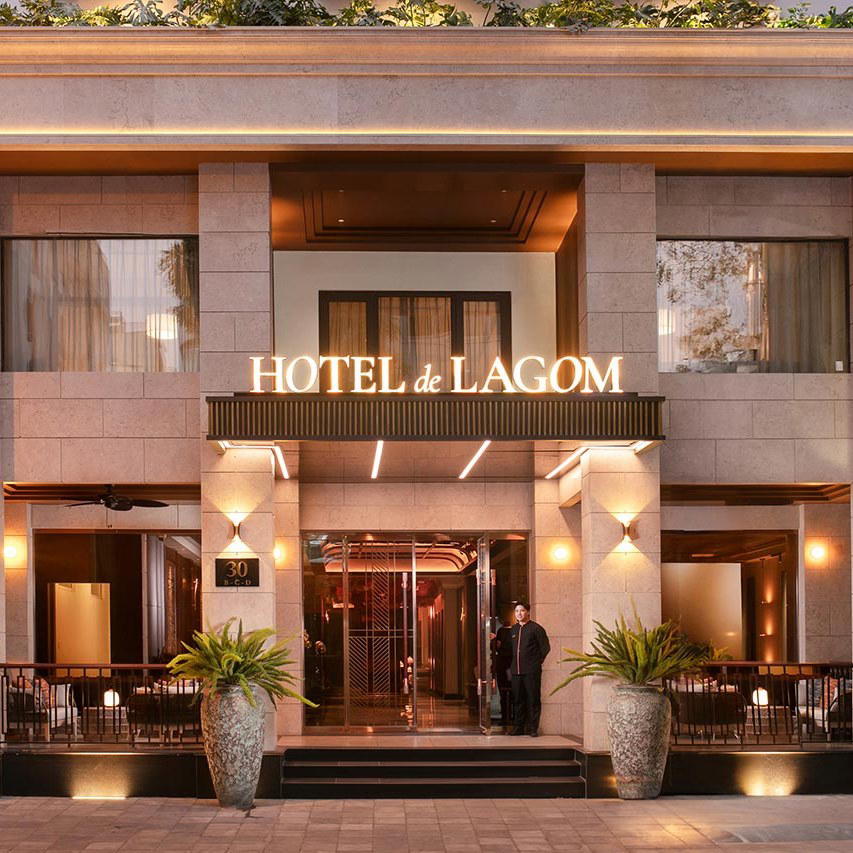
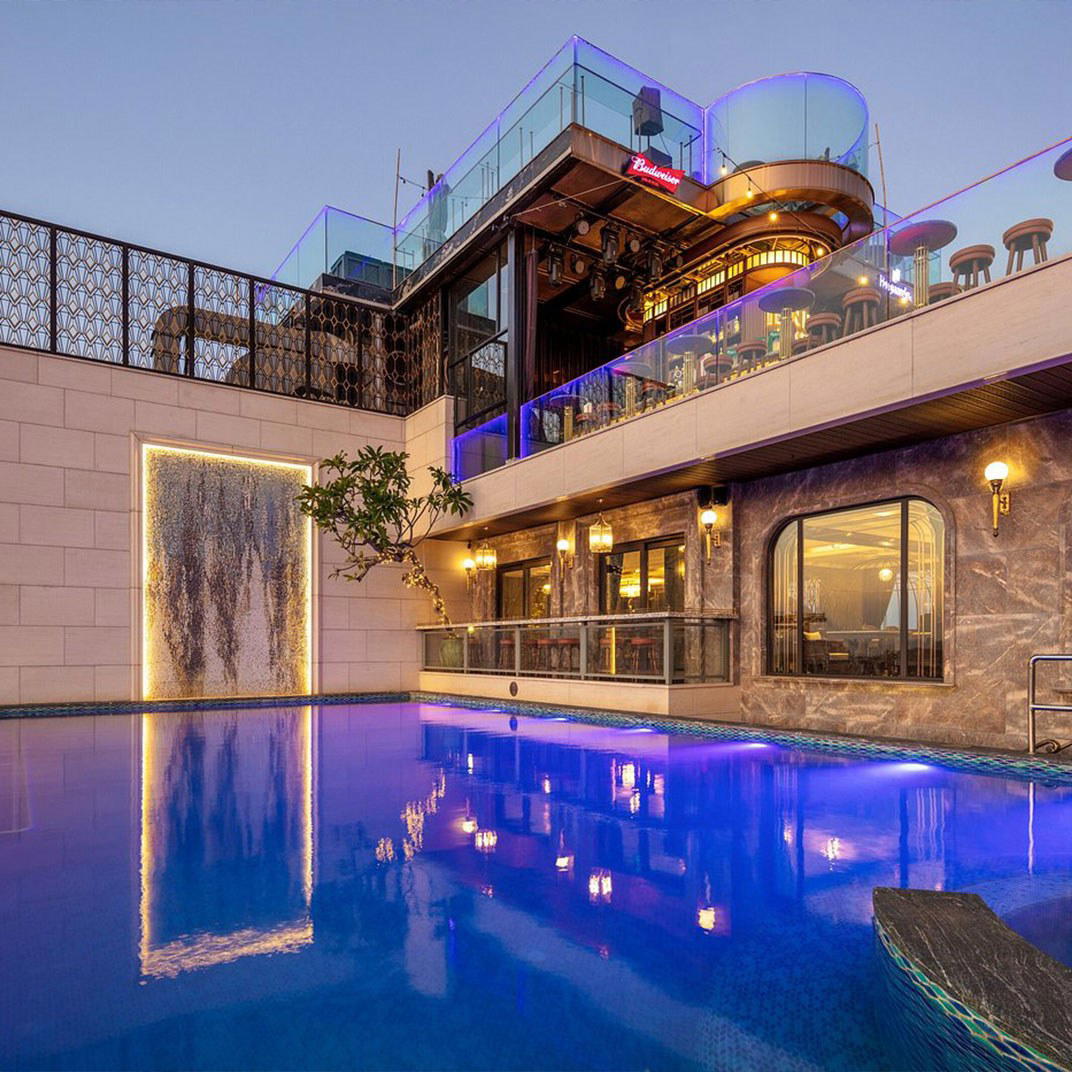
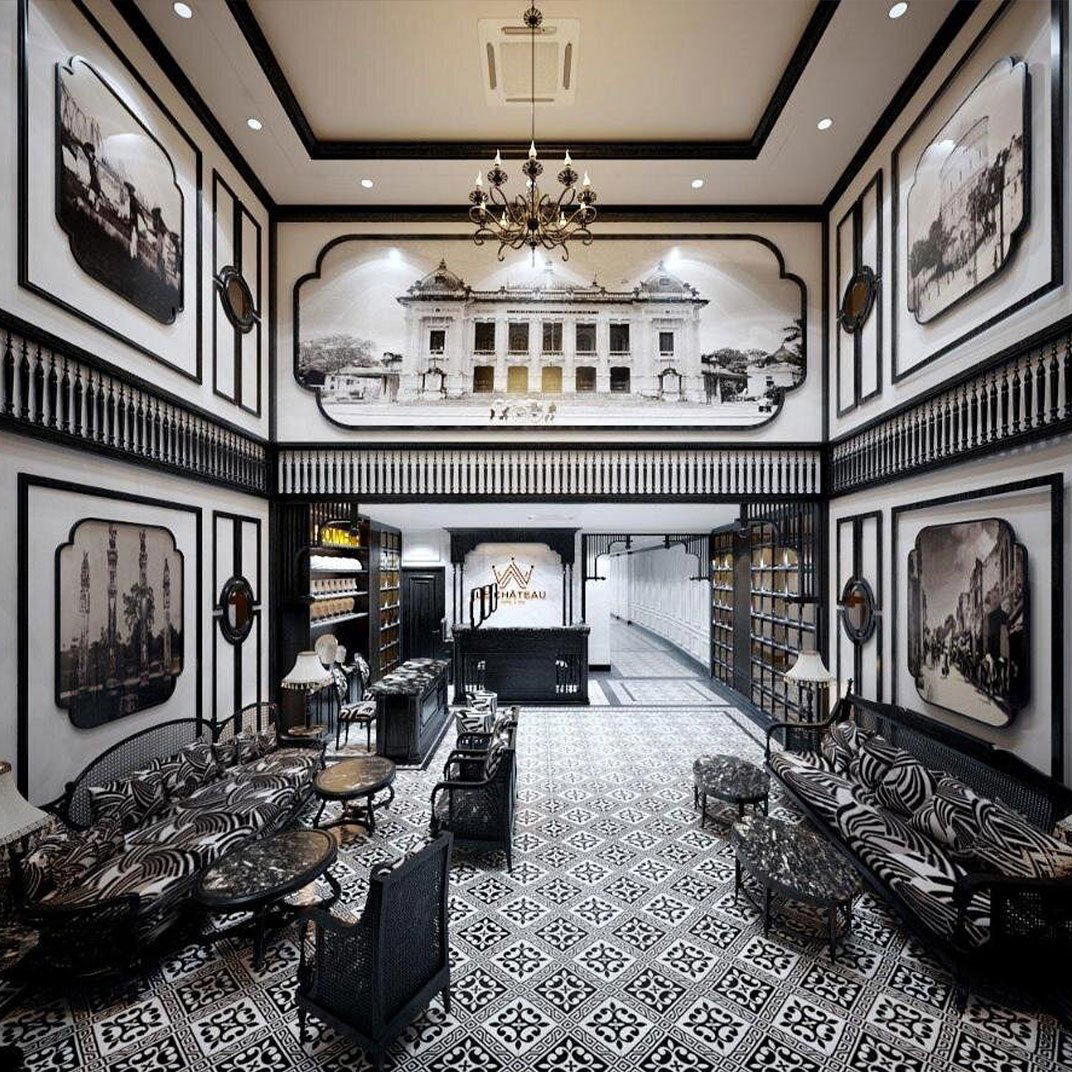
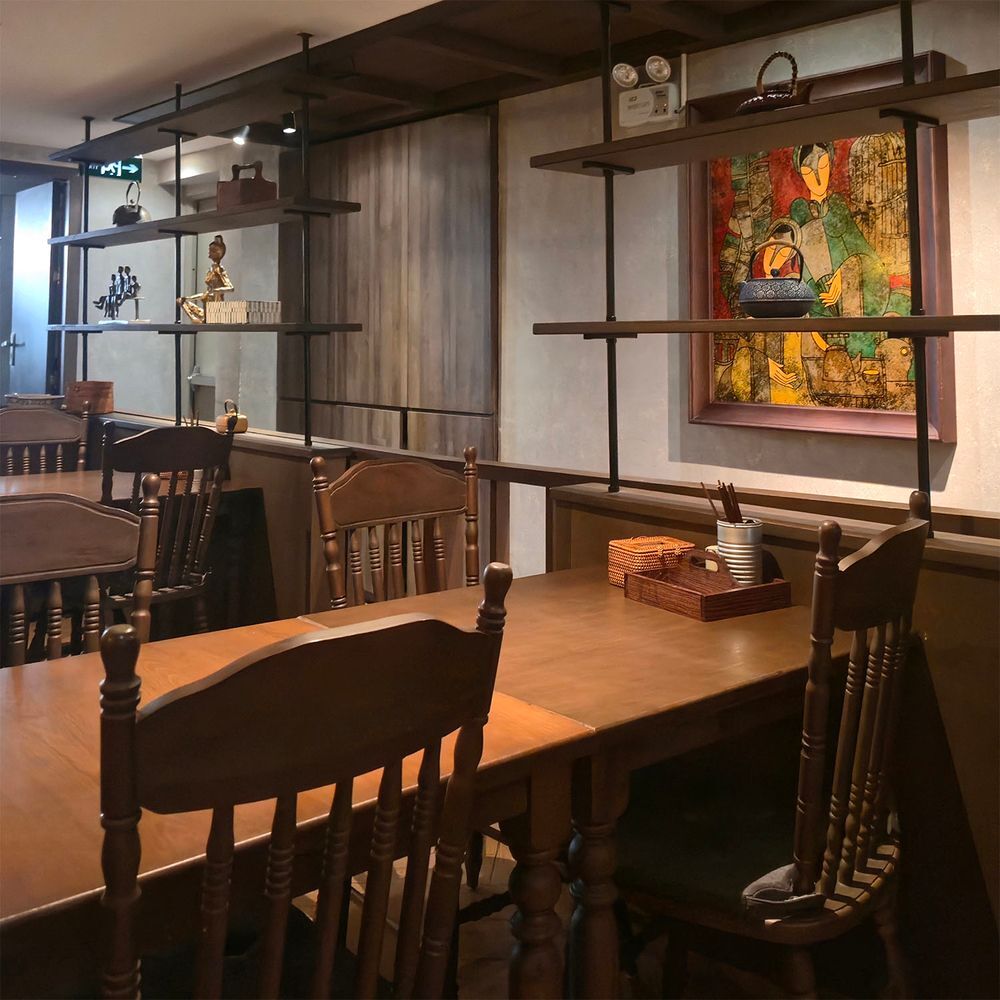
Sophisticated blend of modern luxury and Vietnamese cultural elements with natural light flooding the central atrium, creating an elegant and serene atmosphere.