Our verdict
Don's Tay Ho occupies Lane 27 of Xuân Diệu in Hanoi's Tây Hồ district, where the pace of eating along the West Lake shoreline follows older rhythms than the city centre. The address places it in a neighbourhood of long-standing local restaurants where the ritual of the meal matters as much as what arrives on the table.
- Address
- Lane 27 Đ. Xuân Diệu, Quảng An, Tây Hồ, Hà Nội, Vietnam
- Phone
- +84 24 3719 2828
- Directions
- Get directions
The menu
What to order
- Foie gras
- Banh xeo
Eating by the Lake: How Tây Hồ Sets the Rhythm
Along Xuân Diệu, Hanoi's West Lake strip, the pattern of dining is shaped less by reservation systems and dress codes than by the hour of arrival and the cadence of the table. Restaurants here tend to fill from the outside in: pavement chairs first, then interior rooms, with families and neighbourhood regulars establishing the tempo before visitors find their way down the lane. Don's Tay Ho sits inside this older structure, on a side alley off Xuân Diệu that requires a moment of deliberate searching rather than passive stumbling. That geography is not incidental. In a part of Hanoi where tourist infrastructure thins quickly once you leave the main lakeside road, the lane address acts as a low-key filter.
The Tây Hồ district, home to the Trúc Bạch and West Lake embankments, has long been the residential choice of Hanoi's diplomatic community and a proportion of the city's upper-middle class. That demographic has pulled a layer of neighbourhood restaurants into the area that operate at a register distinct from the Old Quarter: less oriented toward walk-in tourist volume, more rooted in the expectation of returning customers. Don's Tay Ho sits within that broader Tây Hồ pattern. For context on the wider Hanoi dining spread, our full Hanoi restaurants guide maps the city's main dining zones and what distinguishes each.
The Structure of the Meal
Vietnamese dining at this price point and in this neighbourhood context tends to follow a communal, sequential logic rather than the individual-plate format familiar to Western diners. Dishes arrive as they are ready, shared across the table, with rice as a constant background rather than a course. The ritual here is additive: a table that starts with soup or a light broth will move through grilled or braised proteins, then fresh greens and herbs assembled at the table, then something starchy, without a hard line between savoury and sweet at the close. The meal is finished when the table decides it is, not when a dessert course signals closure.
That pacing rewards a certain kind of patience. Ordering in waves rather than all at once, allowing dishes to overlap, and treating the table as a shared resource rather than a collection of individual plates is the functional approach at restaurants in this tradition. It is a format that makes the experience substantially different from, say, the composed-course precision of Gia in Hanoi's contemporary Vietnamese tier, or the performance theatrics of Hibana by Koki. At the neighbourhood end of this spectrum, which is where Don's Tay Ho operates, the meal's value is measured in time spent and repetition over months, not in the novelty of a single visit.
Positioning in Hanoi's Restaurant Range
Hanoi's restaurant market has stratified considerably over the past decade. At the upper end, venues like Gia and Hibana by Koki operate at ₫₫₫₫ price points with international reference frames and tasting-menu or performance formats. In the middle range, places like Tầm Vị hold a ₫₫ position with more traditionally framed Vietnamese cooking. Below that, the street-level noodle counters and single-dish specialists set the floor.
That positioning matters for understanding what the visit is. This is not the context in which to look for tasting menus, wine pairings, or composed plating in the contemporary sense. It is the context in which to look for cooking shaped by repetition, local supply chains, and the expectations of a returning clientele. Vietnam's broader dining culture, from the heritage kitchens of Hue to the Hoi An cafe-restaurant format, rewards that kind of attention to local specificity over cross-border ambition.
The West Lake Context
Xuân Diệu is one of Hanoi's more photographed stretches precisely because the West Lake light at certain hours, particularly late afternoon, produces the kind of diffuse golden tone that makes any table near the water look appealing. The lane address of Don's Tay Ho places it slightly removed from the main lakeside parade, which in practice means less foot traffic from the Xuân Diệu strip and more reliance on directed visits. Comparable neighbourhood dynamics appear across the region: Bau Troi Do in Son Tra and Le Pont Club in Hai Phong both operate in residential-adjacent settings where the absence of tourist-strip visibility is part of the address's character rather than a deficiency.
For travellers accustomed to the polished infrastructure of, say, Le Bernardin in New York or the community-dining formality of Lazy Bear in San Francisco, the lane-address neighbourhood restaurant in Southeast Asia operates on different terms entirely. The contract between diner and kitchen here is less documented and more intuitive: you arrive, you read the room, you order by pointing or asking, and you adjust to whatever the kitchen is running that day. That flexibility is not a limitation; it is the point.
Other Vietnamese destinations in the EP Club network offer useful reference for understanding regional variation: Akuna in Ho Chi Minh City, La Maison 1888 in Da Nang, and 1946 Cua Bac and 19 P. Ngũ Xã in Hanoi itself each represent a different register of Vietnamese hospitality.
Planning the Visit
Don's Tay Ho is located at Lane 27, Đ. Xuân Diệu, in the Quảng An ward of Tây Hồ district. The Xuân Diệu road runs along the east bank of West Lake and is reachable from the Old Quarter in roughly 20 to 30 minutes by taxi or ride-hail app depending on time of day. The lane address requires attention: Xuân Diệu has several numbered lanes, and the correct one warrants confirmation before departure. No phone number or website is currently listed which is not unusual for neighbourhood restaurants in this tier across Hanoi; the practical approach is to arrive directly or to ask a hotel concierge familiar with the Tây Hồ area to confirm current operating status ahead of a visit. Lunchtime and early evening are the standard high-attendance periods for neighbourhood restaurants along this strip, with the late afternoon shoulder period often the most manageable for seating.
Frequently asked questions
What's Don's Tay Ho's location?
Don's Tay Ho is located at Lane 27 Đ. Xuân Diệu, Quảng An, Tây Hồ, Hà Nội, Vietnam, Hanoi.
What makes Don's Tay Ho worth visiting compared to other restaurants along Xuân Diệu in Hanoi?
Don's Tay Ho sits at Lane 27 on Xuân Diệu, a road that runs along the east bank of West Lake in Quảng An ward and draws a resident-dominant rather than tourist-dominant crowd. That distinction matters in Hanoi: venues on this strip tend to calibrate for repeat local custom rather than one-time visitors, which generally produces a different standard of consistency in the kitchen.
What dish is Don's Tay Ho famous for?
No confirmed signature dish has been documented for Don's Tay Ho. Its address on Xuân Diệu places it within a stretch of Hanoi's Tây Hồ district where communal Vietnamese formats — shared plates, seasonal produce, grilled and braised preparations — are common reference points. Visiting without a fixed expectation of a single dish tends to be the more productive approach in this neighbourhood.
Can I walk in to Don's Tay Ho?
No booking policy is published for Don's Tay Ho. Restaurants at this address tier along Xuân Diệu in Tây Hồ typically operate on a walk-in basis, with peak hours on weekend evenings drawing the heaviest foot traffic from the resident-heavy clientele that defines this part of Hanoi. Arriving before 7pm on weekdays is generally the lower-friction option at venues in this district.
What do critics highlight about Don's Tay Ho?
No named critical reviews or award citations are currently indexed for Don's Tay Ho. The Tây Hồ dining corridor on Xuân Diệu operates largely outside the formal review circuit that covers Hanoi venues like Gia or Hibana by Koki, which means the reputation here is built through local and expat word-of-mouth rather than press cycles. That distribution pattern is itself an indicator of the venue's positioning.
Is Don's Tay Ho good for vegetarians?
Vietnamese cooking in the Hanoi tradition does include substantial vegetable-forward preparations — morning glory, tofu, braised aubergine — particularly at neighbourhood restaurants in Tây Hồ where the clientele skews residential. Confirming availability directly before visiting is the practical step given the absence of a published menu.
Cuisine and Recognition
| Venue | Cuisine | Price | Awards | Notes |
|---|---|---|---|---|
| Don's Tay HoThis venue — the venue you are viewing | Chef's Bistro - Western, Vietnamese & Pan-Asian | Not listed | Not listed | Not listed |
| Gia | Modern Vietnamese Fine Dining | $100–150 | 1 Michelin Star · La Liste Top Restaurants | Vietnamese Contemporary, ₫₫₫₫ |
| Hibana by Koki | Michelin-Starred Japanese Teppanyaki | $200–300 | 1 Michelin Star · La Liste Top Restaurants | Teppanyaki, ₫₫₫₫ |
| Tầm Vị | Northern Vietnamese Home-Style | $10–20 | 1 Michelin Star | Vietnamese, ₫₫ |
| Bun Cha Ta (Nguyen Huu Huan Street) | Authentic Vietnamese Bun Cha | $1–10 | Michelin Bib Gourmand | Not listed |
| Chapter | Modern Northern Vietnamese Fine Dining | $50–100 | Michelin Plate · Star Wine List | Not listed |

Details
- Elegant
- Sophisticated
- Cozy
- Date Night
- Special Occasion
- Business Dinner
- Rooftop
- Waterfront
- Live Music
- Private Dining
- Craft Cocktails
- Waterfront
- A La Carte
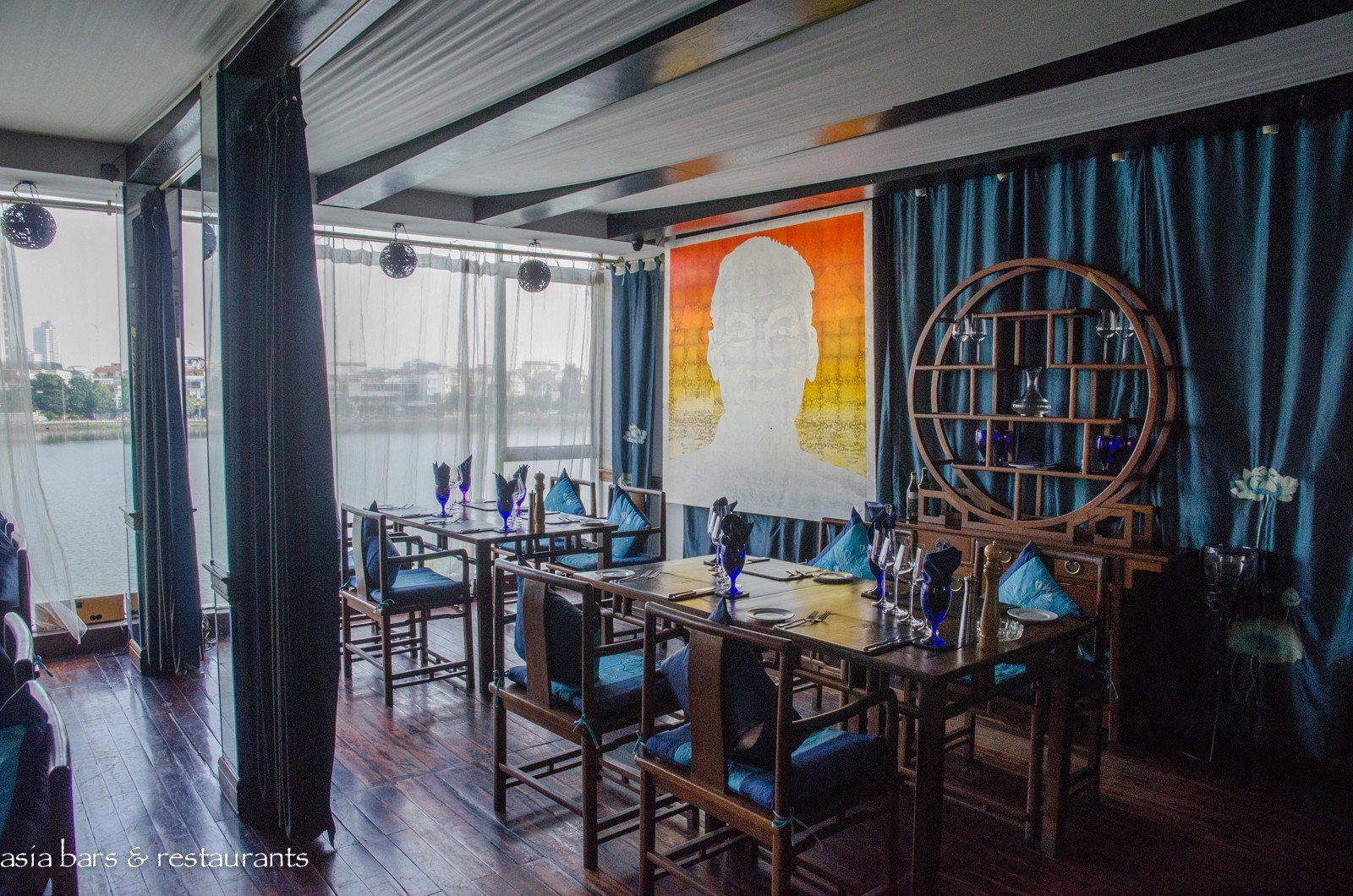
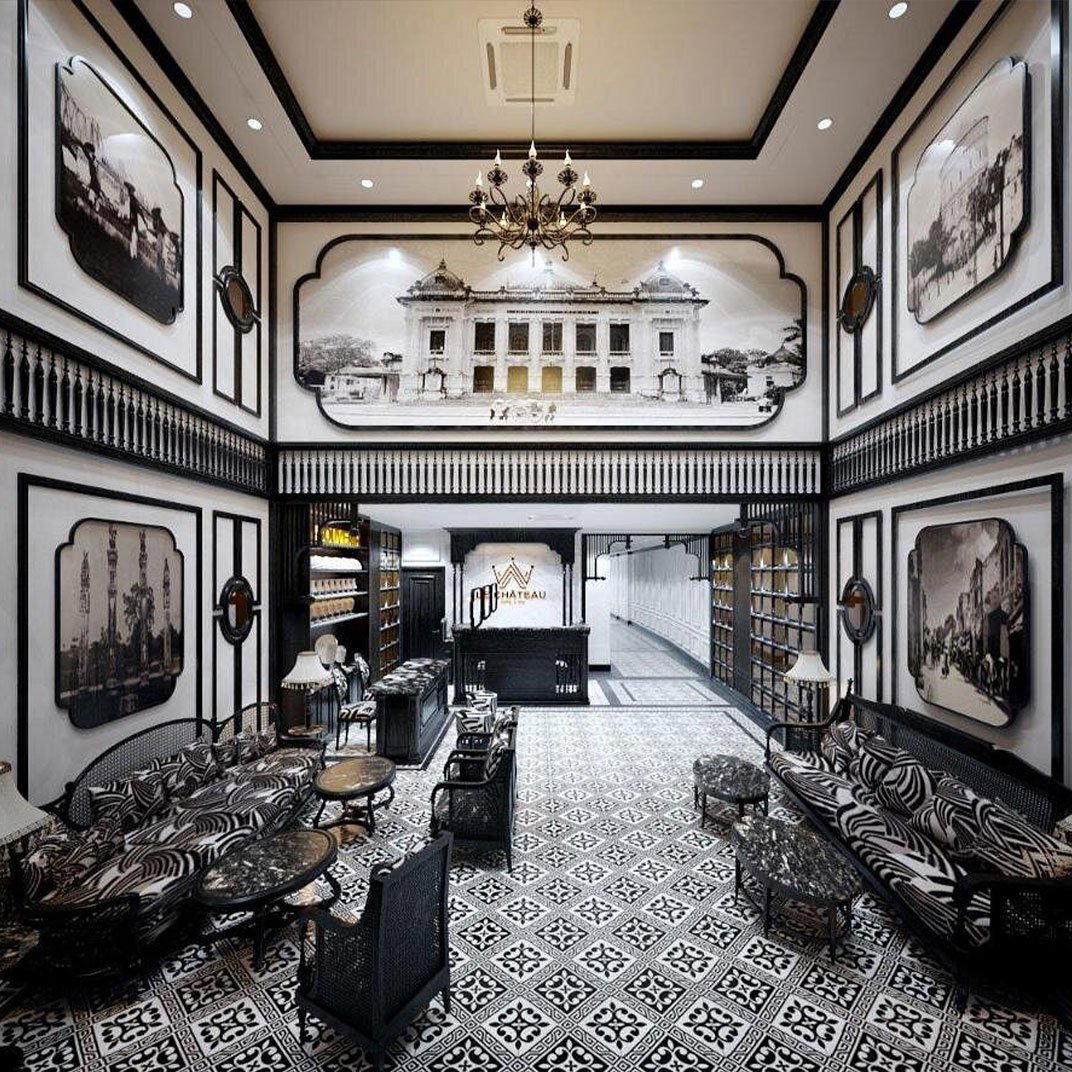
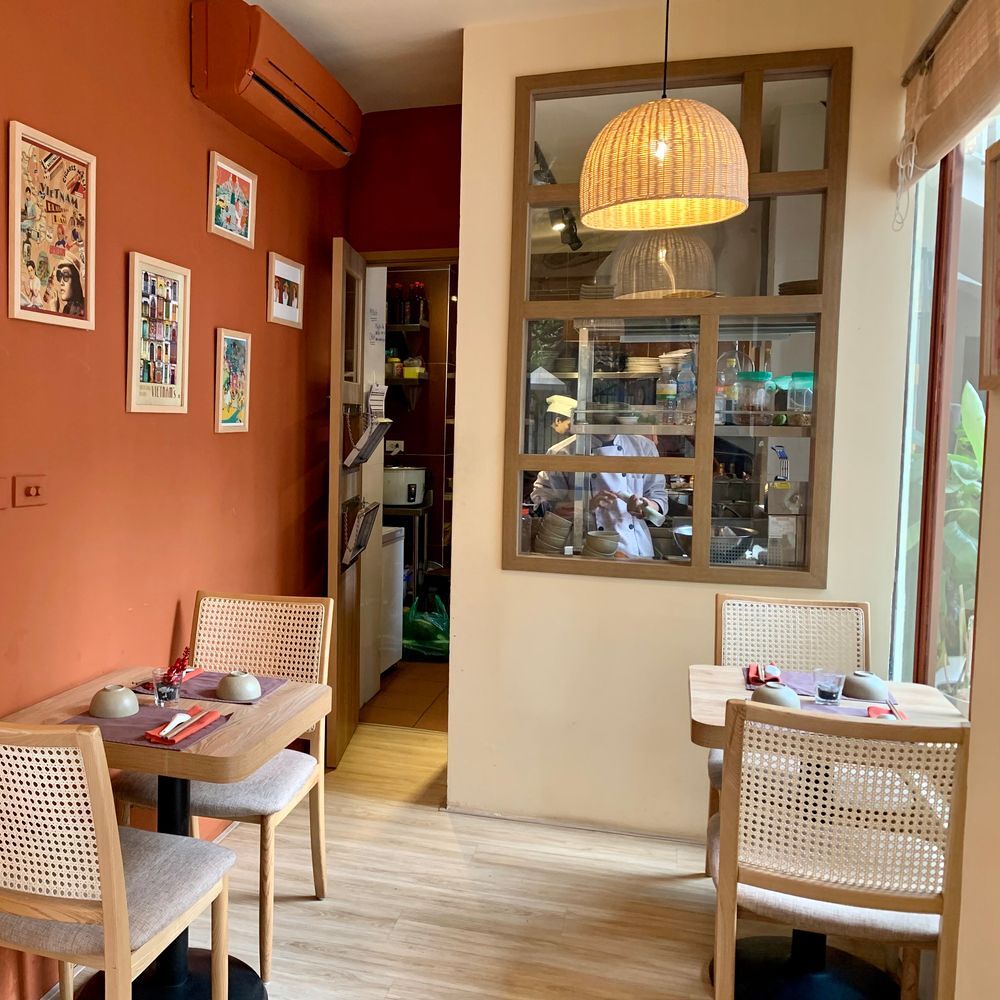
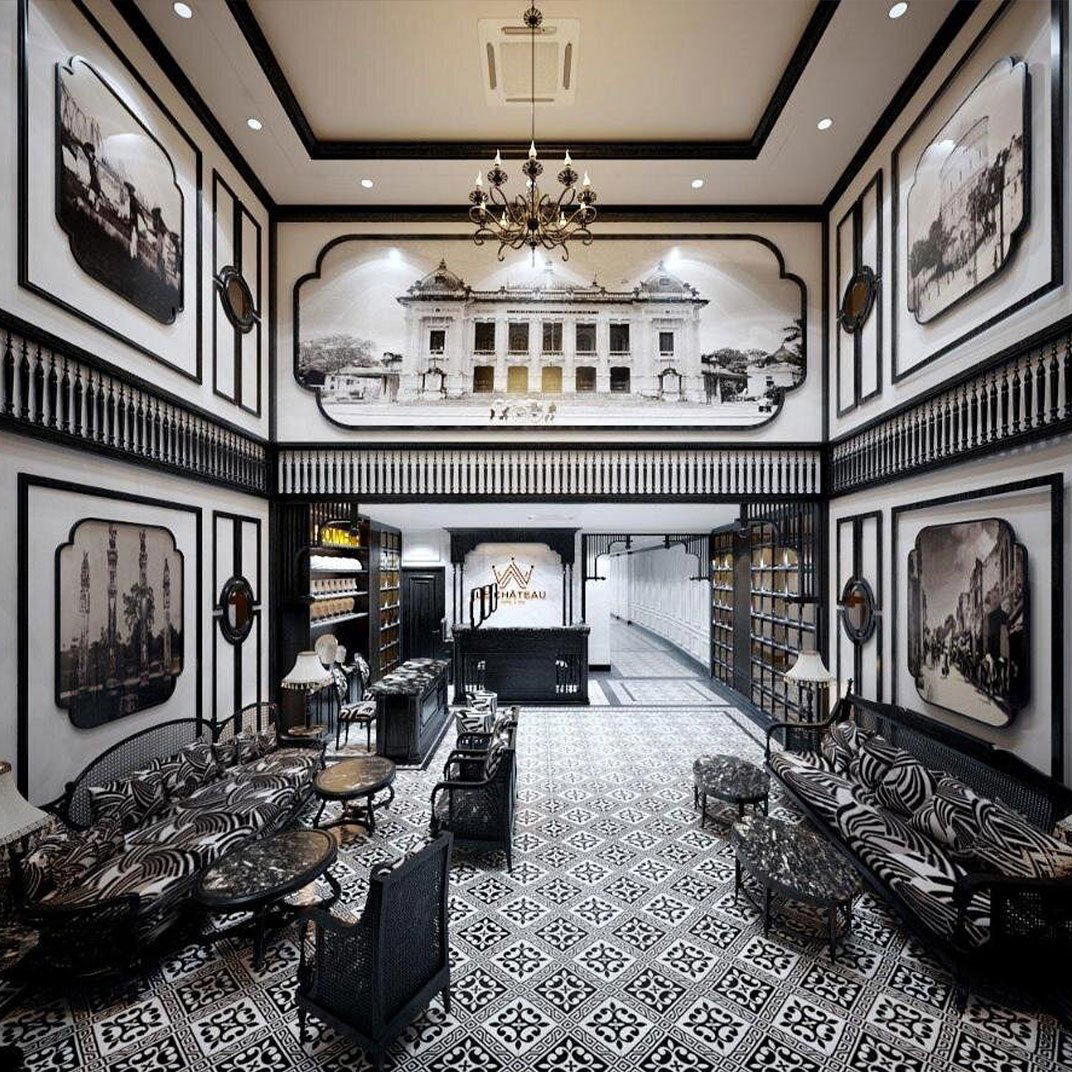
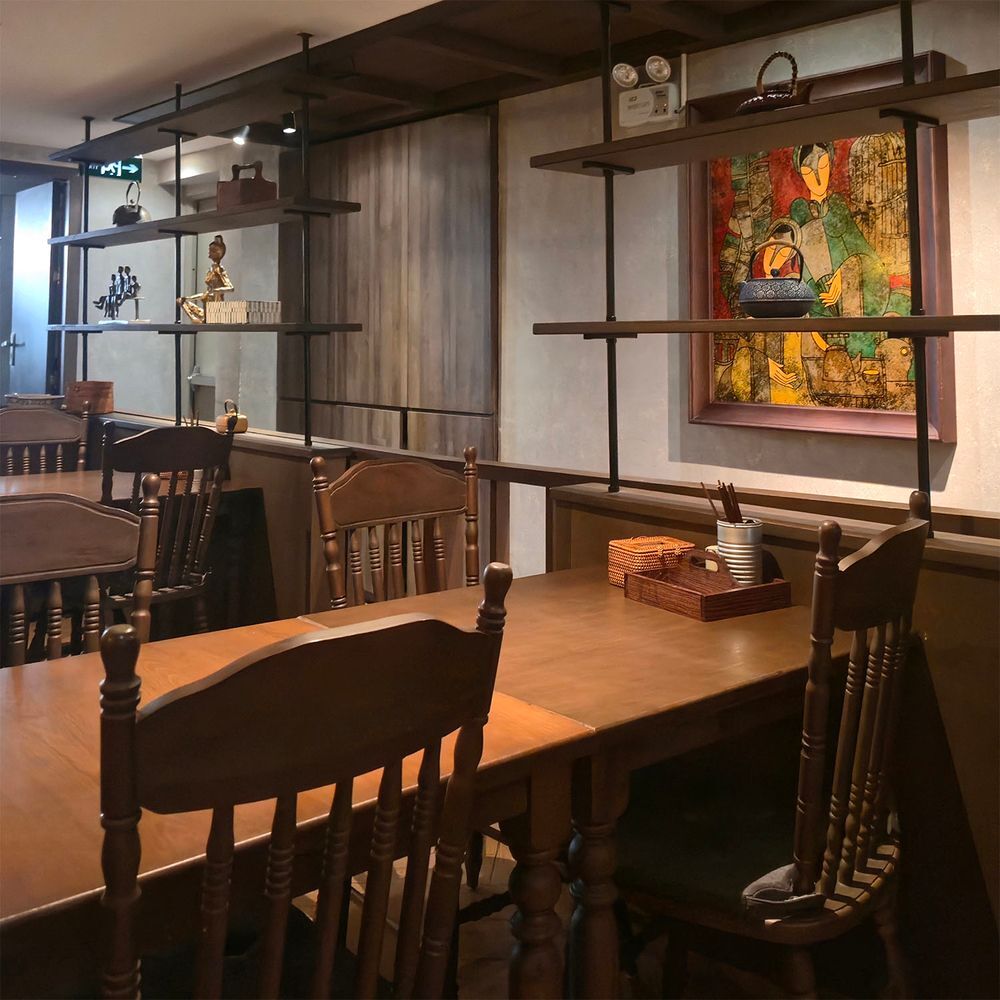
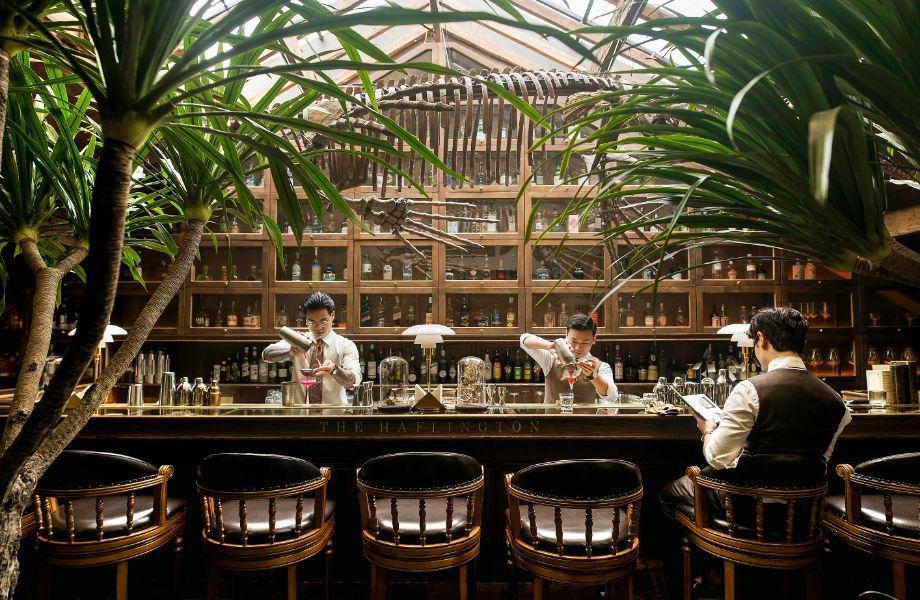
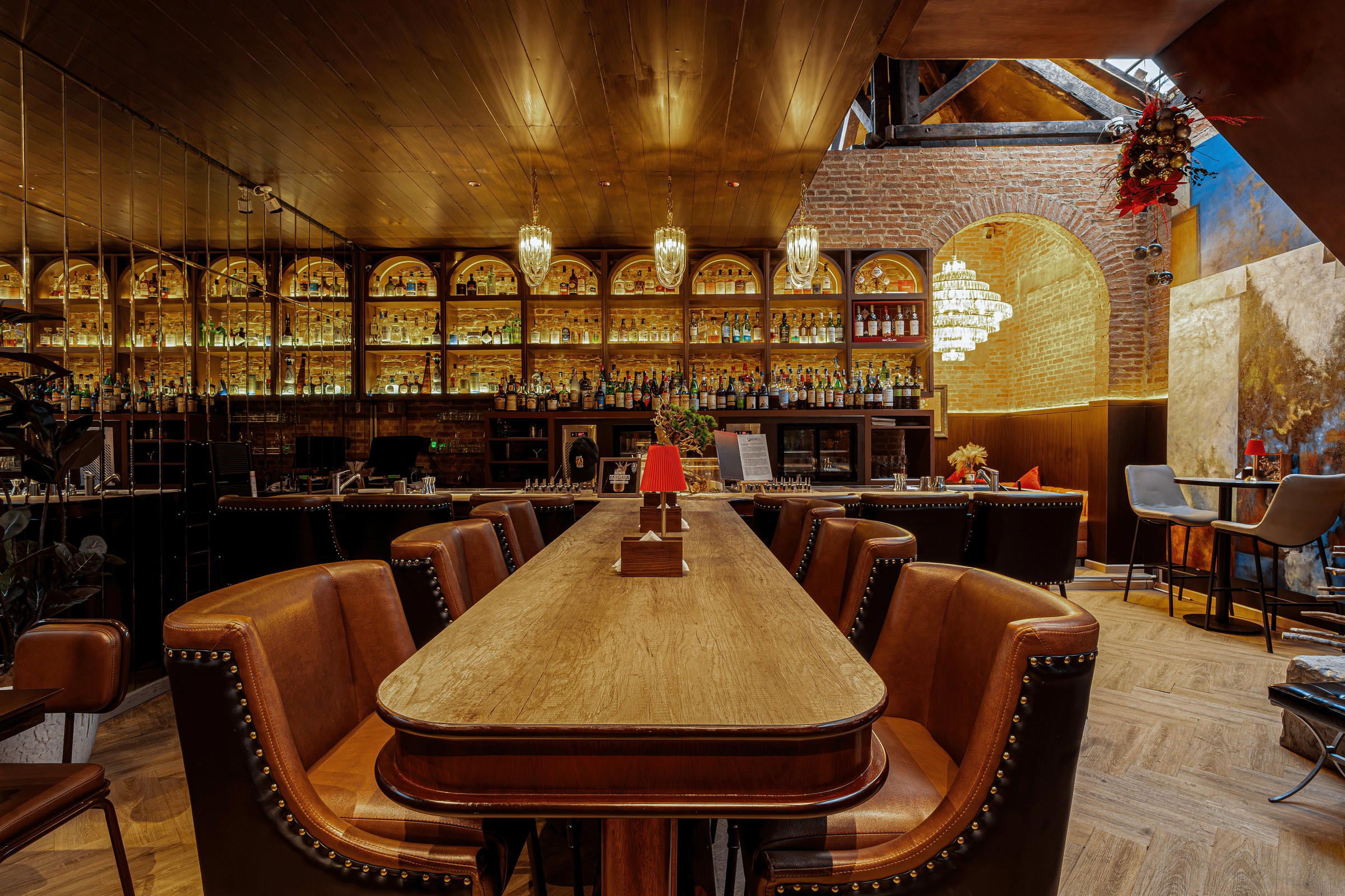
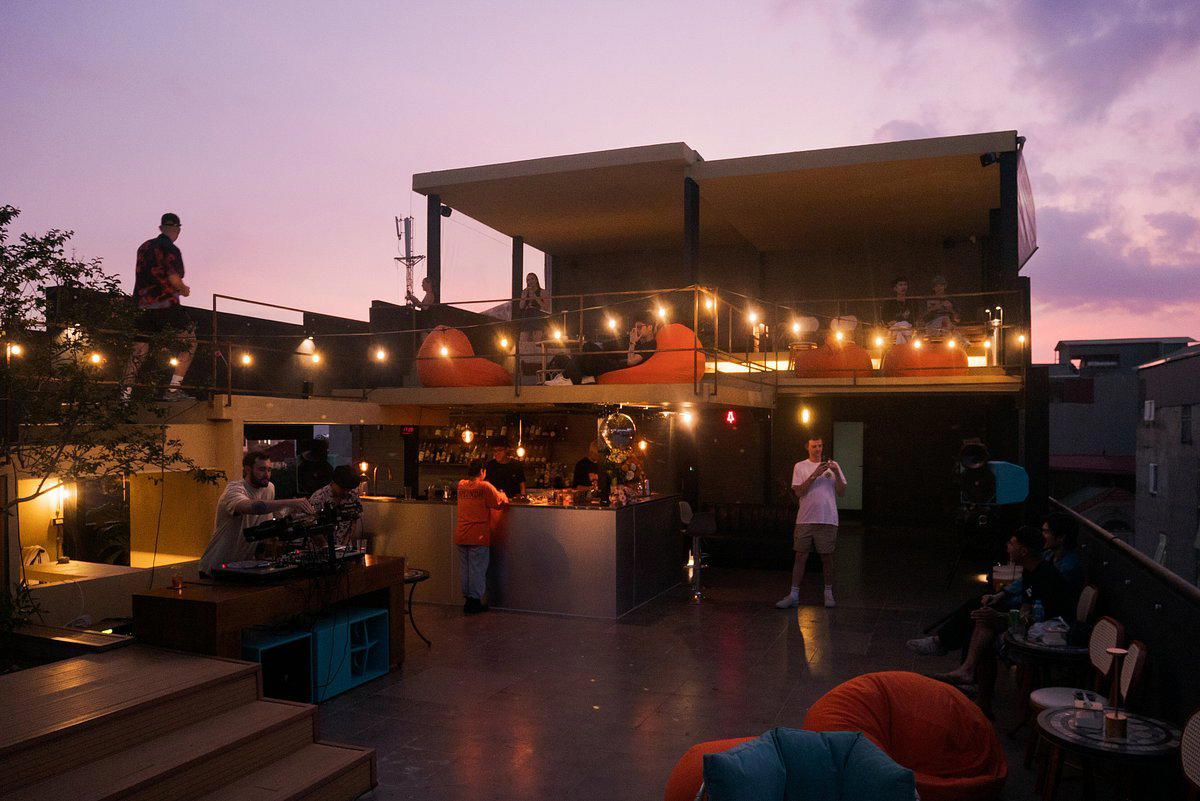
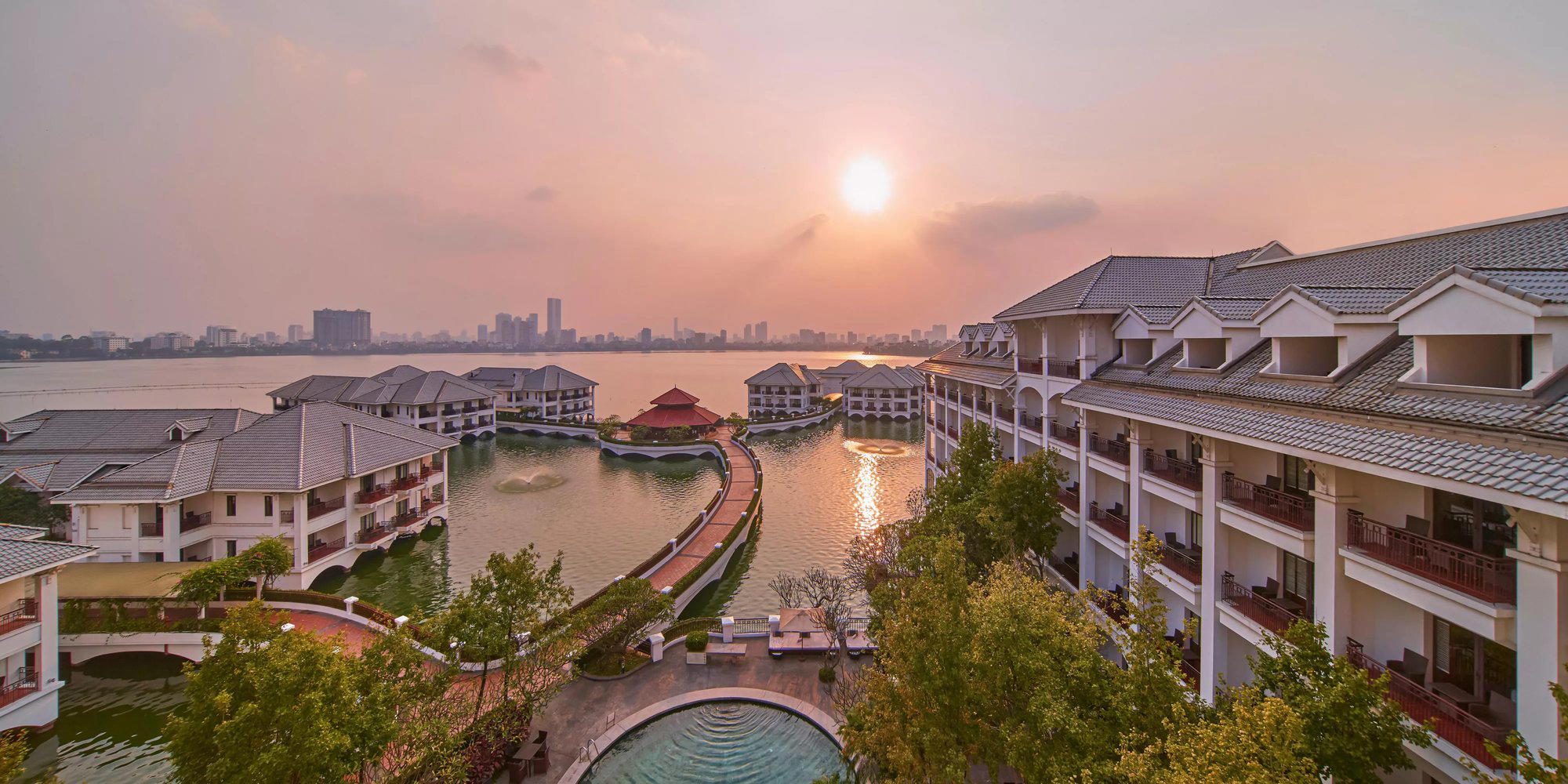
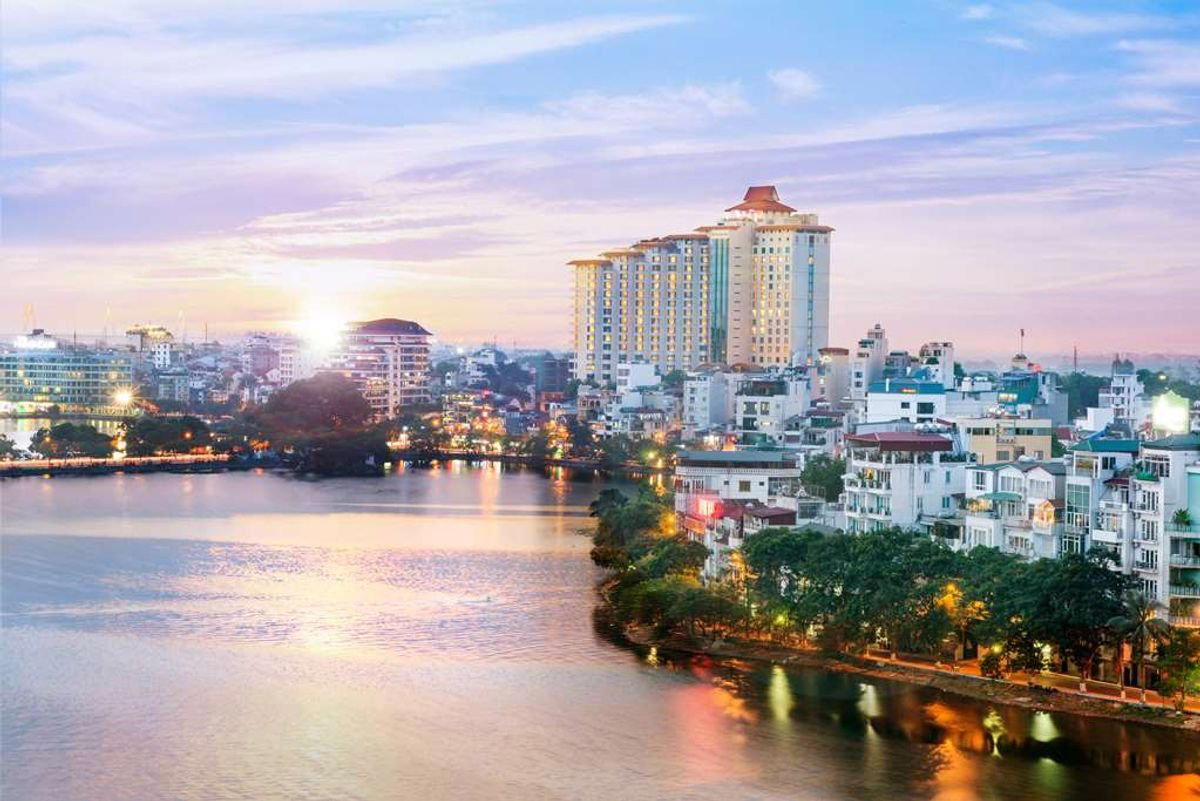
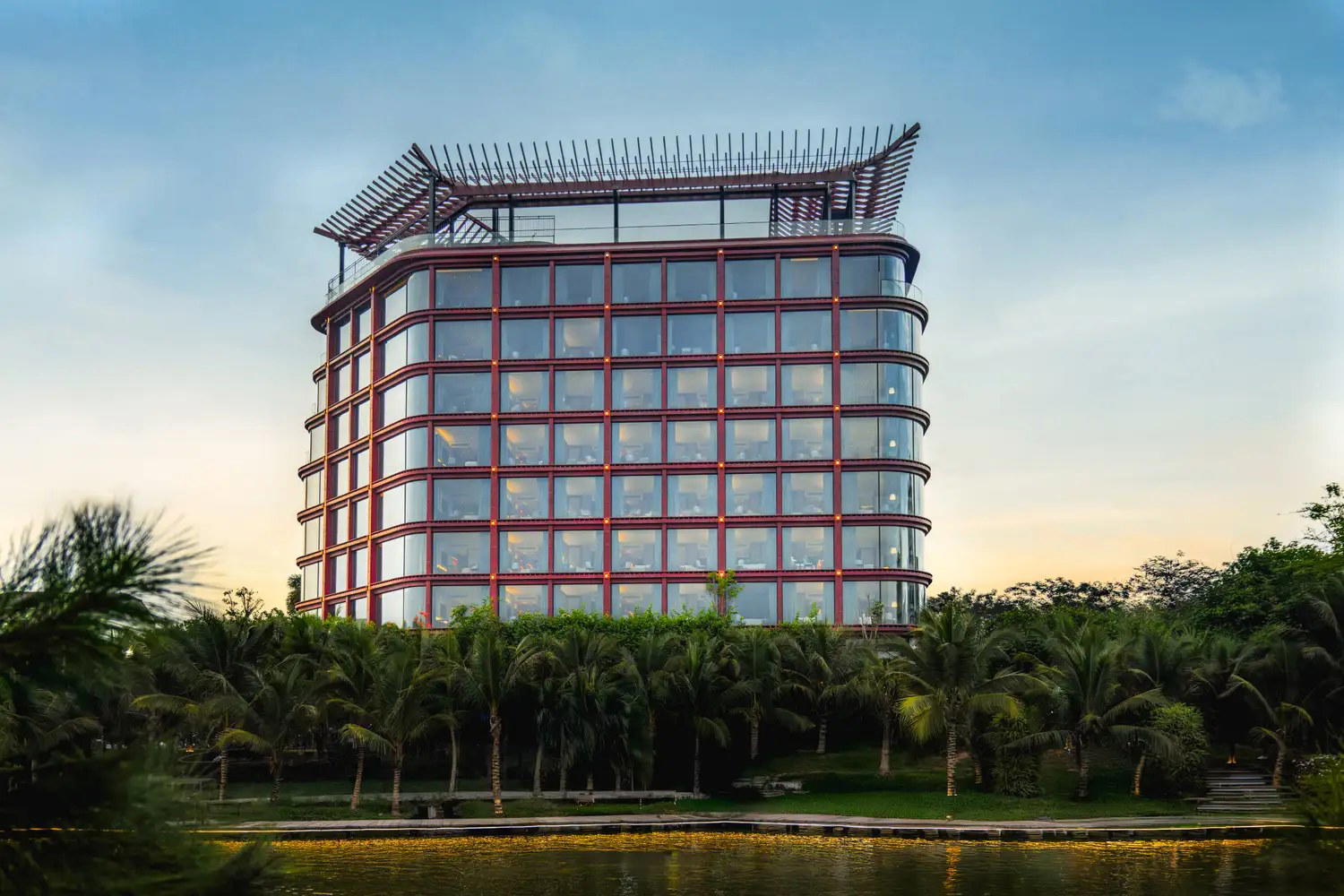
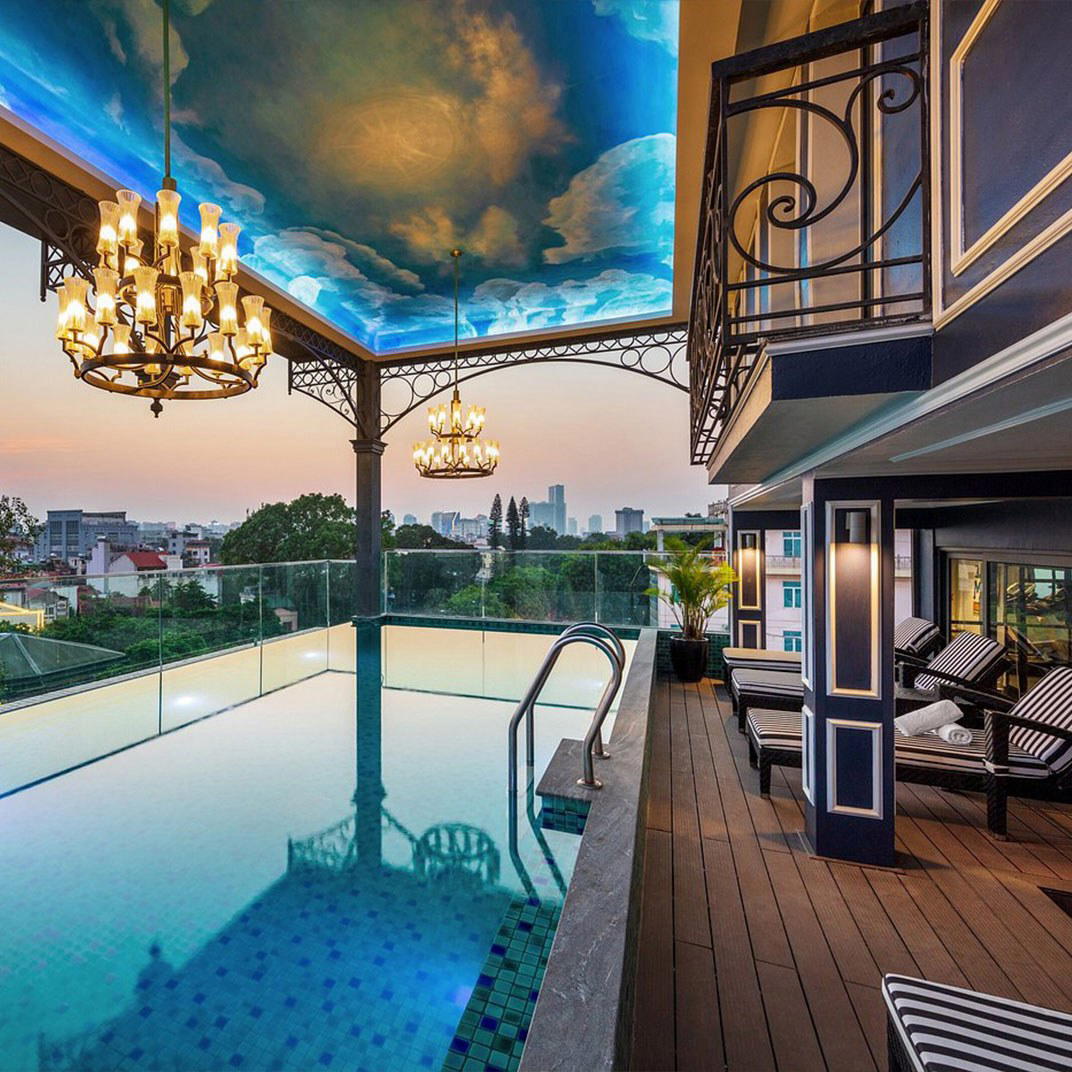
Refined dining atmosphere with panoramic lake views, stylish interiors, and lively rooftop energy.